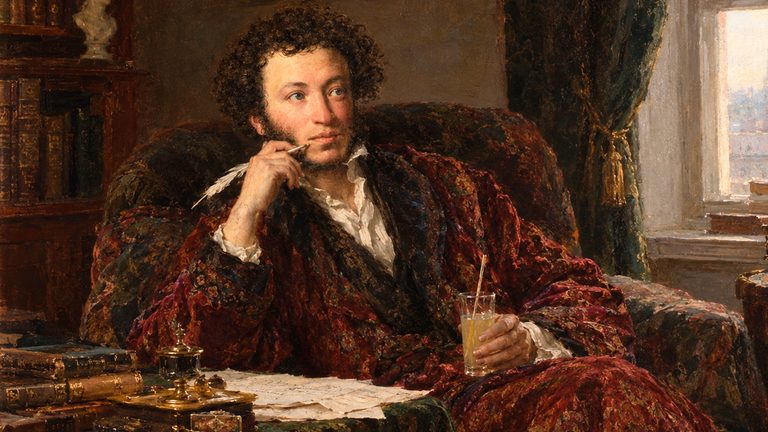

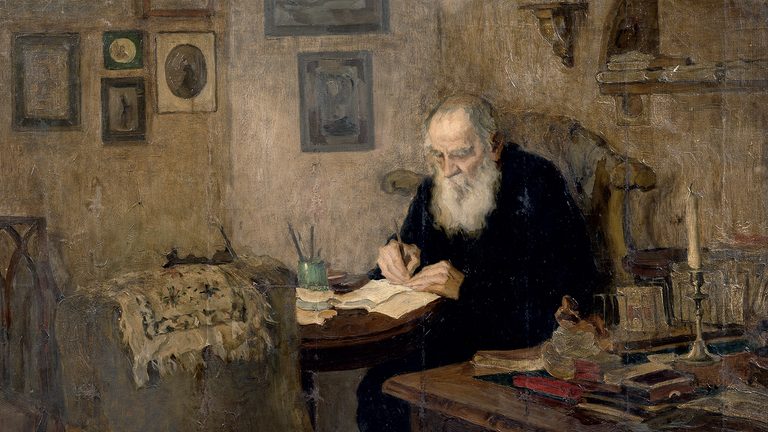
What is the ‘Golden Age of Russian Literature’?
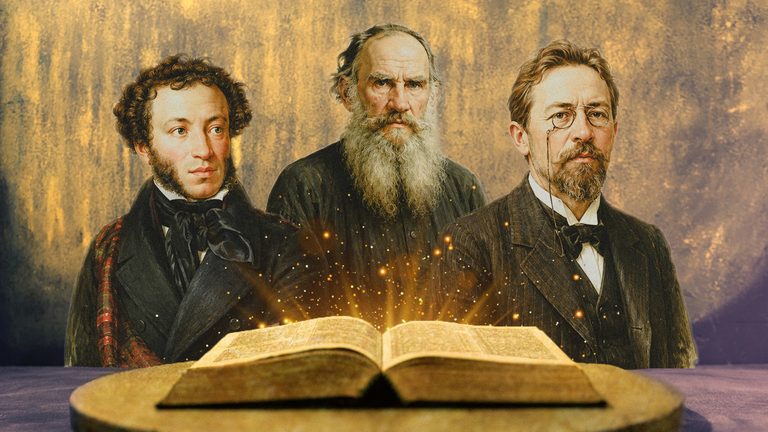
This term refers to the 19th century. But, what made it so special?
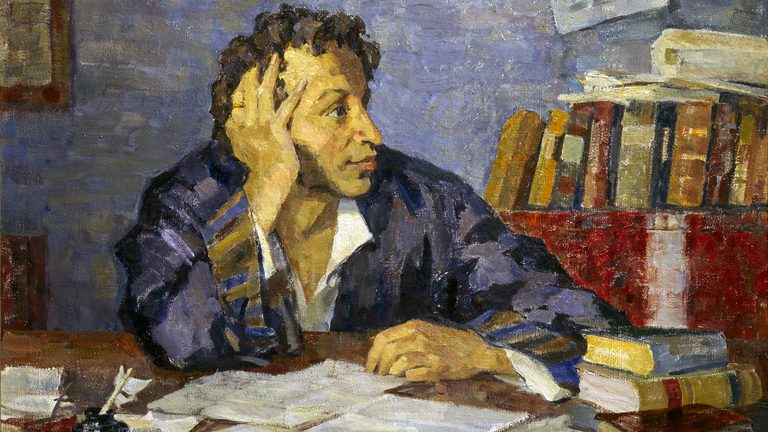
The very definition of the ‘Golden Age of our literature’ was first coined by critic Pyotr Pletnev back in the 19th century. He considered poet Vasily Zhukovsky to be the author who ushered in a new era of Russian literature by merging natural talent, inspiration and meticulous craftsmanship in poetry. In this new poetry, everything had to be harmonious, with no superfluous words or unnecessary embellishments.
What set the 19th century apart?
At the dawn of the 19th century, new linguistic norms began to take shape. Nikolai Karamzin, a historian and writer, was one of the first to bridge the gap between spoken and literary language in his works.
These changes were championed by the younger generation, writers like Vasily Zhukovsky, Alexander Pushkin and Pyotr Vyazemsky. They stood in opposition to the older guard, poets such as Gavriil Derzhavin and Alexander Shakhovskoy, who insisted on the primacy of traditional genres like the solemn ode, religious verse and historical epics.
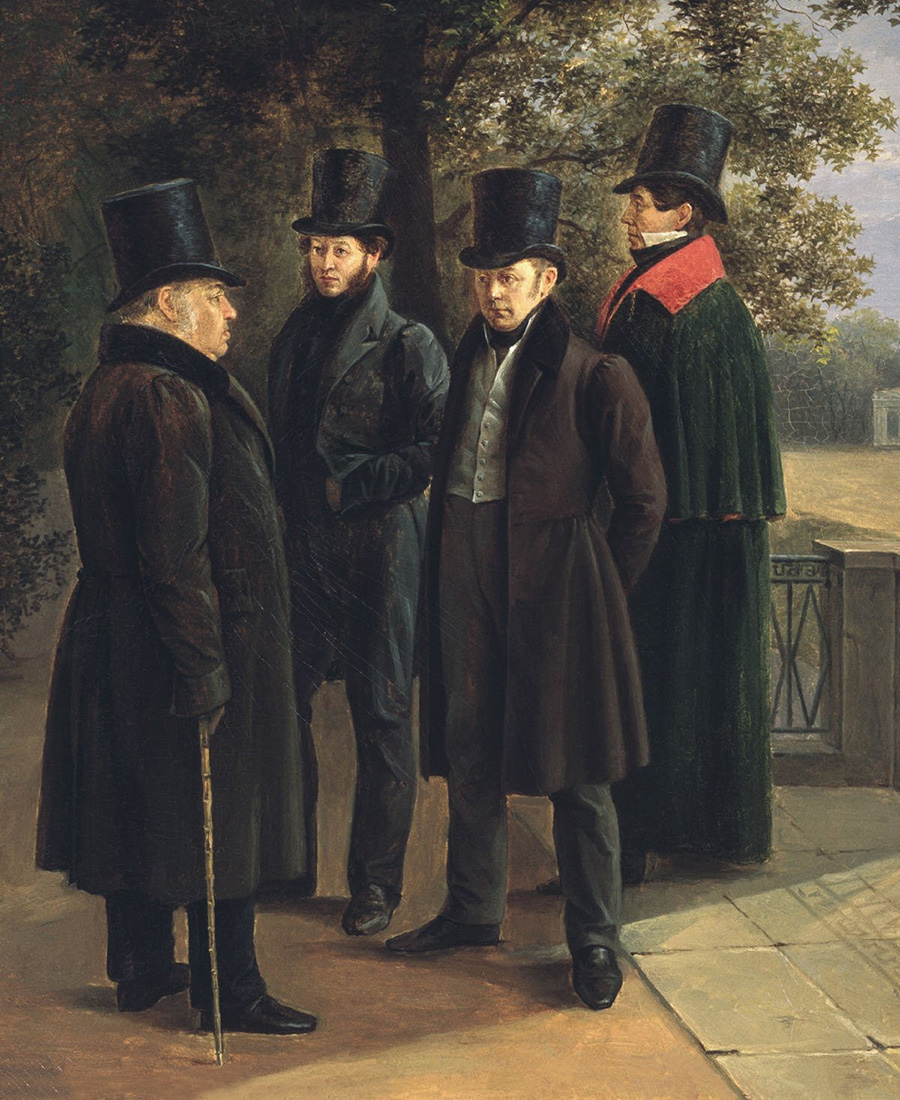 Gregory Chernetsov. Pushkin, Krylov, Zhukovsky and Gnedich in the Summer Garden, 1832
In 1863, the renowned ‘Sovremennik’ (literally ‘The Contemporary’) literary magazine published an article by Maxim Antonovich, in which he marveled at how the young poets of the early 19th century had cast aside all the formalities that had hindered poetry's development. He wrote: “That was the Golden Age of our literature.”
Who made the list of the Russian ‘Golden’ classics?
At first, the ‘Golden Age’ referred only to the works of Alexander Pushkin, Nikolai Gogol, Yevgeny Baratynsky and Ivan Krylov. Later, however, literary scholars expanded the term to encompass the entire 19th century.
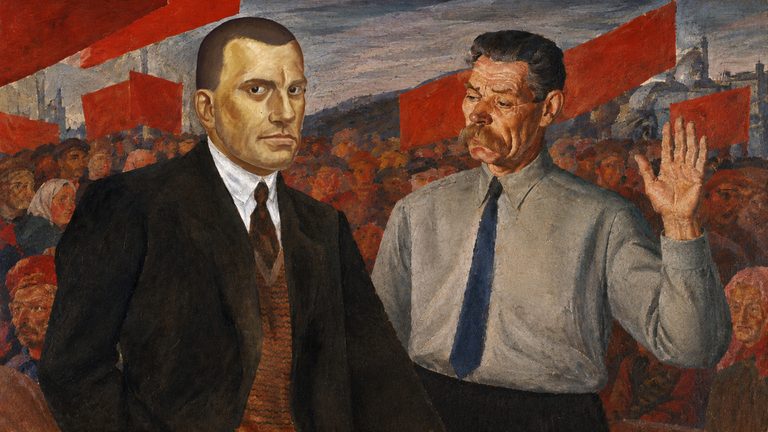
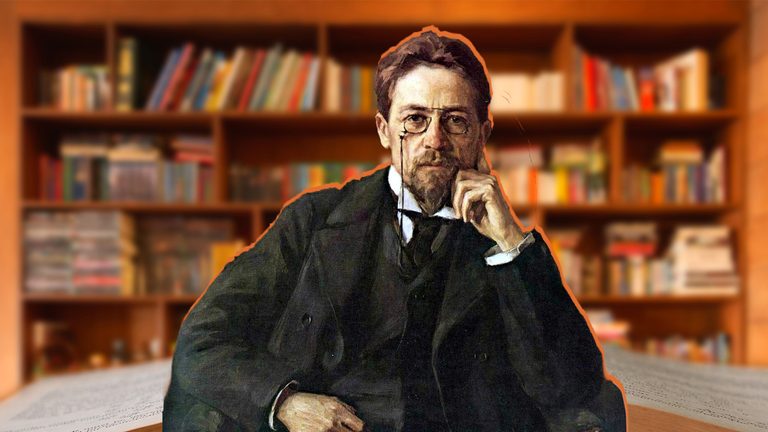
The roster of “Golden” classics eventually grew to include Leo Tolstoy, Fyodor Dostoevsky, Ivan Turgenev and others. Soviet writer Valentin Kataev famously remarked that the ‘Golden Age of Russian literature’ began with Pushkin's birth and ended with Chekhov's death.
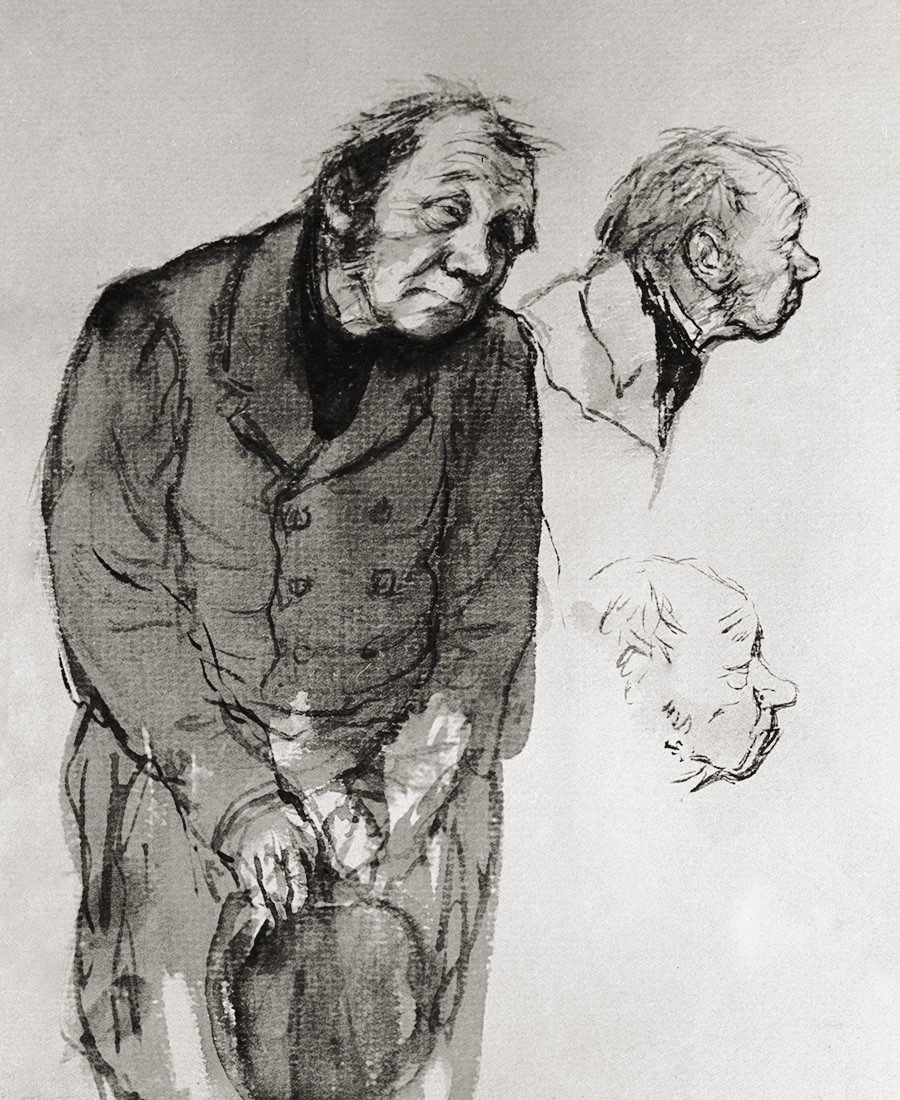 Kukryniksy. Portrait of Akaky Bashmachkin. Illustration for Nikolai Gogol's novella 'The Overcoat' (Reproduction)
It was during this period that new archetypal characters emerged in Russian literature. For example:
- The ‘Little Man’, such as Samson Vyrin in Pushkin's ‘Belkin Tales’ or Akaky Bashmachkin in Gogol's ‘The Overcoat’.
- The ‘Superfluous Man’, like Eugene Onegin.
At the start of the century, European Romanticism exerted a strong influence on the arts. Romantic heroes inevitably set themselves against society, dreaming of living in their own idealized worlds. A prime example of such a character is the titular hero of Mikhail Lermontov's poem ‘Mtsyri’.
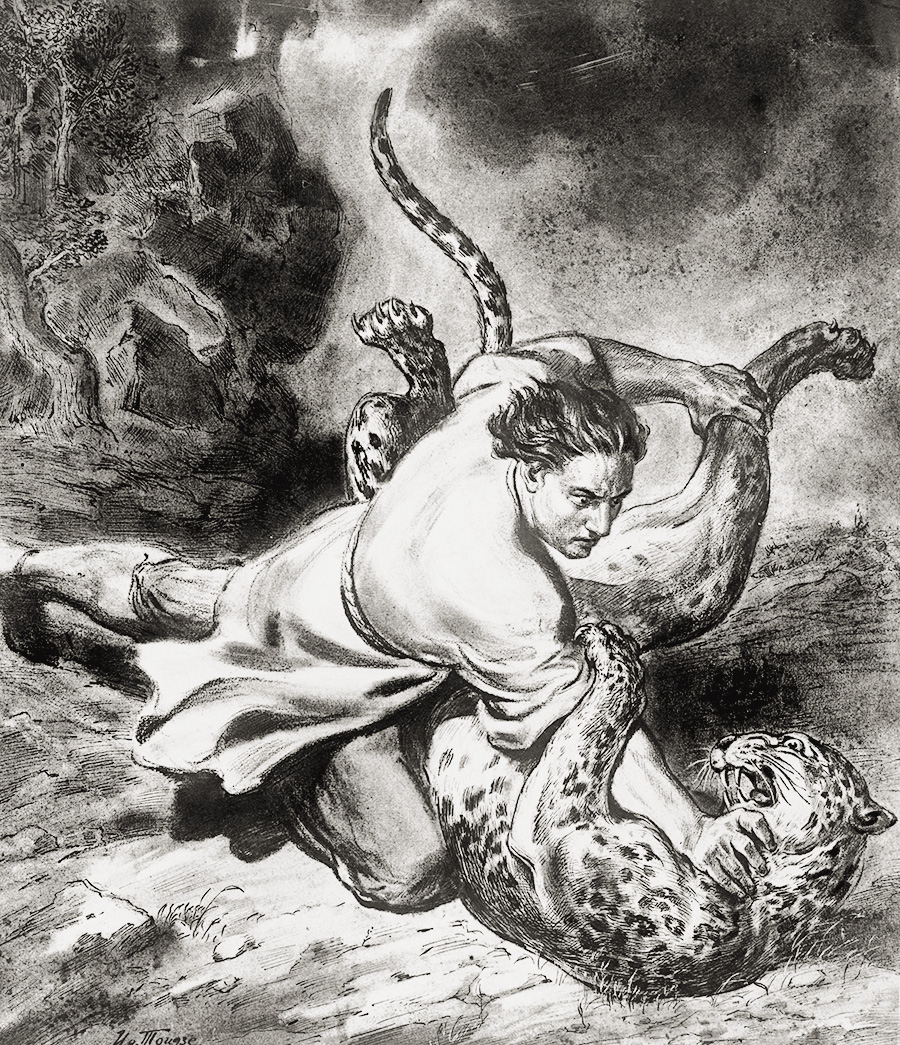 Irakly Toidze. Illustration for Mikhail Lermontov's poem ‘Mtsyri’
However, by the mid-19th century, the realism style emerged and began to flourish in Russian literature. Its adherents tackled pressing socio-political issues and depicted life with unflinching honesty. Their heroes were distinguished by deep psychological insight and intense moral questing. Many works from this era have become timeless classics of world literature: Tolstoy's ‘War and Peace’, Dostoevsky's ‘Crime and Punishment’, Turgenev's ‘Fathers and Sons’, as well as countless others.
This article was originally published in Russian on the Culture.ru portal.