
How a Russian artist became a classic writer in the U.S.
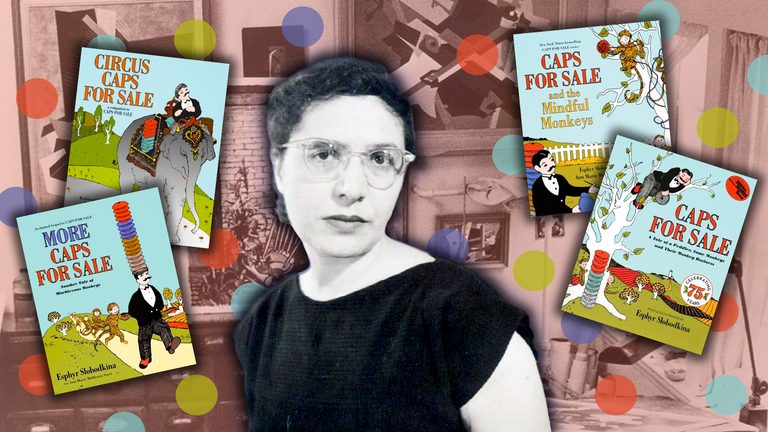
She was born in Siberia, raised in Manchuria and became famous in the United States.
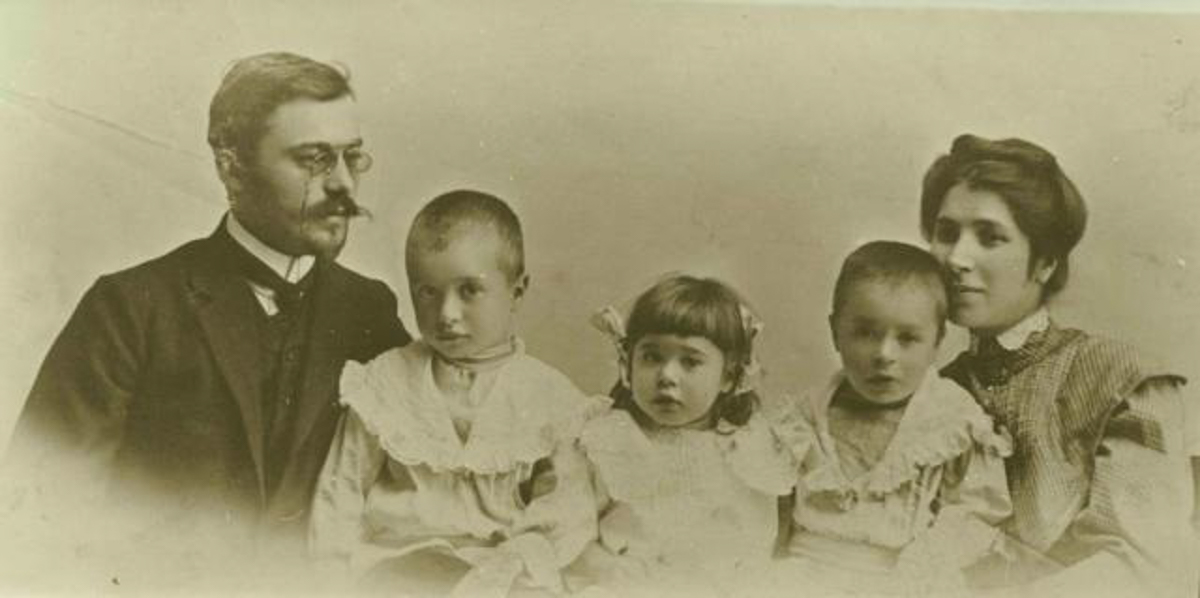
Esphyr Slobodkina was born on September 22, 1908, in Chelyabinsk, Siberia. She was the youngest of five children in a family of engineers. From 1915 onward, they lived in Ufa. It was there, in 1918, that the future artist visited an exhibition of David Burliuk's Cubo-Futurist paintings. This made a huge impression on young Esphyr.
The 1917 Bolshevik Revolution and the ensuing Civil War forced the family to flee to Vladivostok and then to Harbin, China. There, to make ends meet, Esther's mother opened a dressmaking studio – she was a skilled seamstress. Meanwhile, the girl began to take art seriously: at school, she studied mathematics and art, practiced drafting and designed embroidery patterns for her mother's studio. In 1928, at the age of 19, she left to join her brother in New York.
In the American Avant-Garde
In New York, Slobodkina enrolled in the National Academy of Design. Although she described the training as depressing and pointless, it was there that she met émigré artist Ilya Bolotovsky, whom she married in 1933.
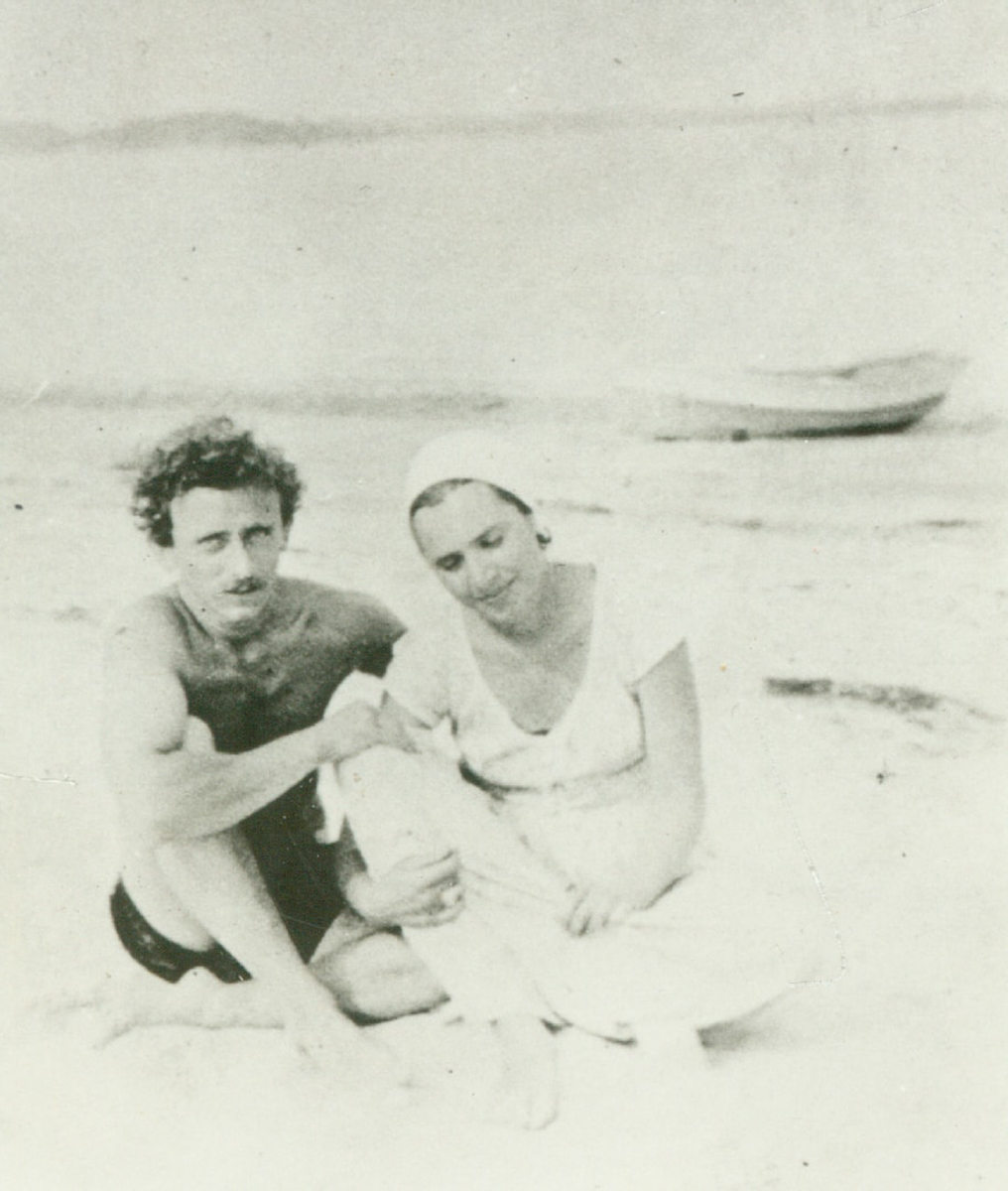
Three years later, along with her husband and other artists, she became a founding member of the ‘American Abstract Artists’ (AAA), which also included today's classic figures as Josef Albers, Ad Reinhardt, Willem de Kooning, Jackson Pollock and David Smith.
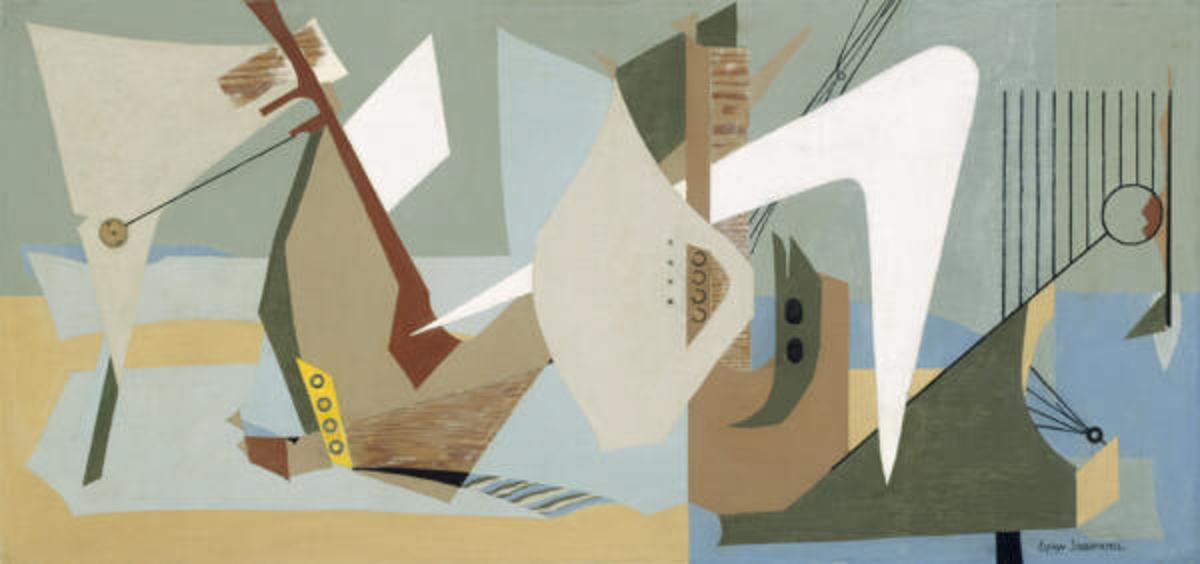
In the 1930s and 1940s, she was actively involved in New York’s avant-garde scene. Slobodkina began with Cubism and, by the late 1930s, she had moved on to geometric abstraction. Her paintings were distinguished by architecturally precise compositions, multi-layered collage inserts and a desire to convey the world "geometrically, volumetrically and nonlinearly". She simultaneously created monumental murals, sculptural assemblages from found objects and designed jewelry and textiles.
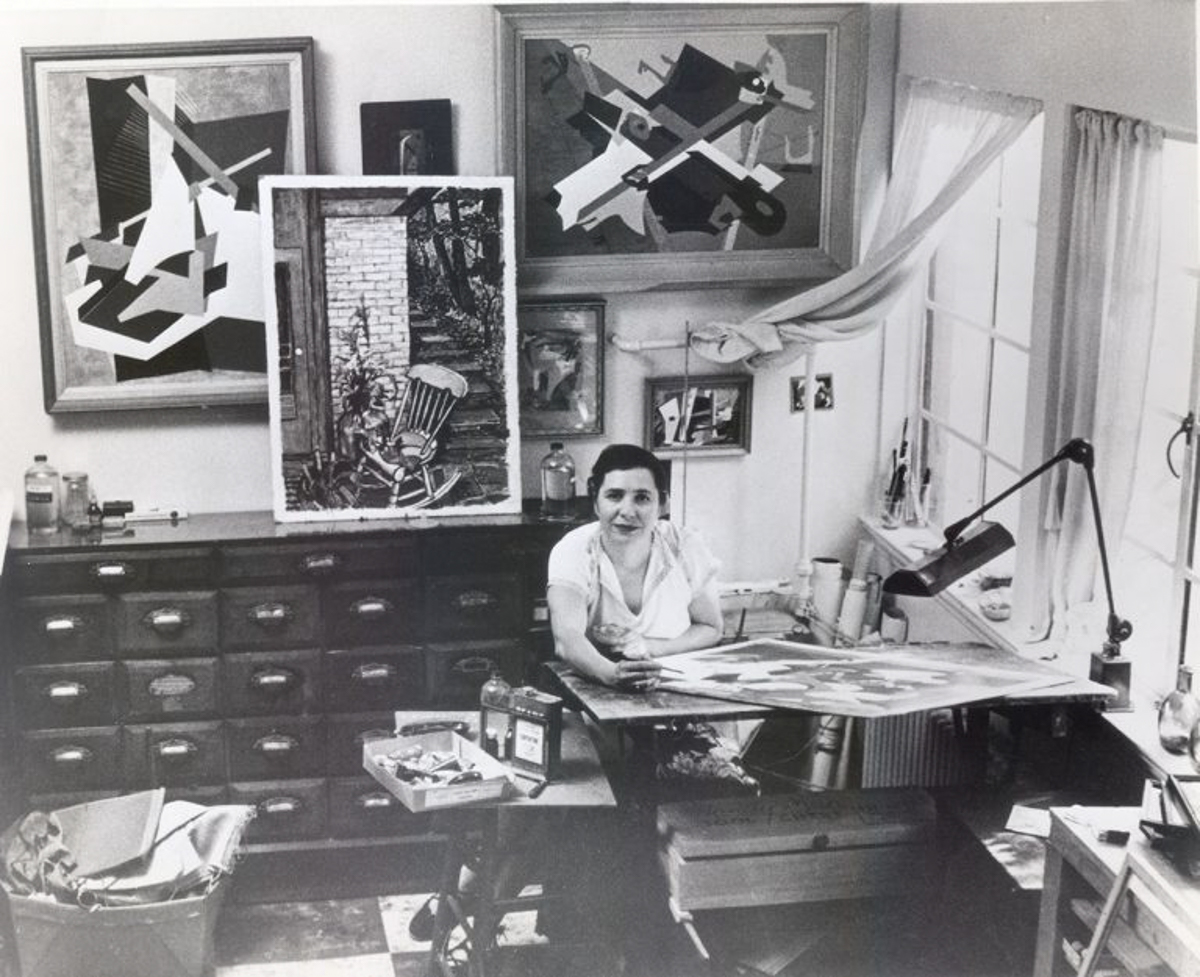
Her works were exhibited at prestigious venues. In 1938, she had a solo exhibition at the New School for Social Research and, five years later, Peggy Guggenheim included her in the landmark ‘31 Women’ exhibition at her ‘Art of This Century’ gallery.
‘Caps for Sale’
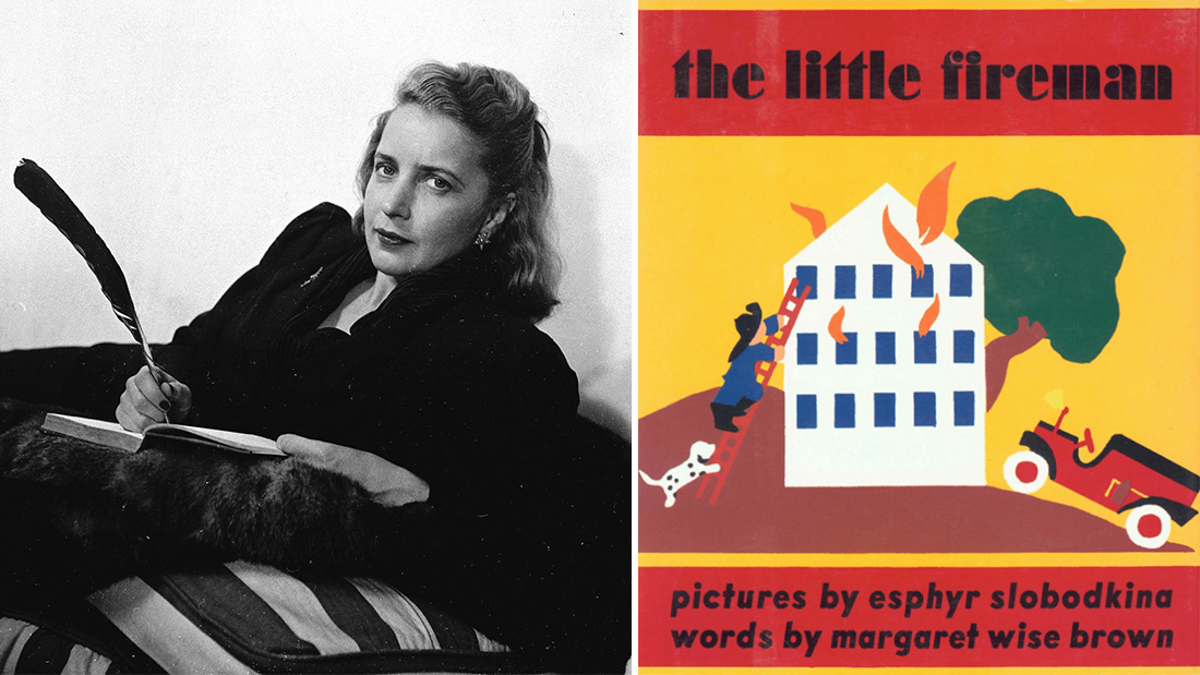
A turning point in her life came in 1937 when she met writer Margaret Wise Brown, known worldwide for her picture book ‘Goodnight, Moon’. Brown invited Slobodkina to illustrate her book ‘The Little Fireman’ (1938), which became the first American children's picture book to be created entirely using the collage technique. Thus began their fruitful collaboration, which continued until Brown's death in 1952.
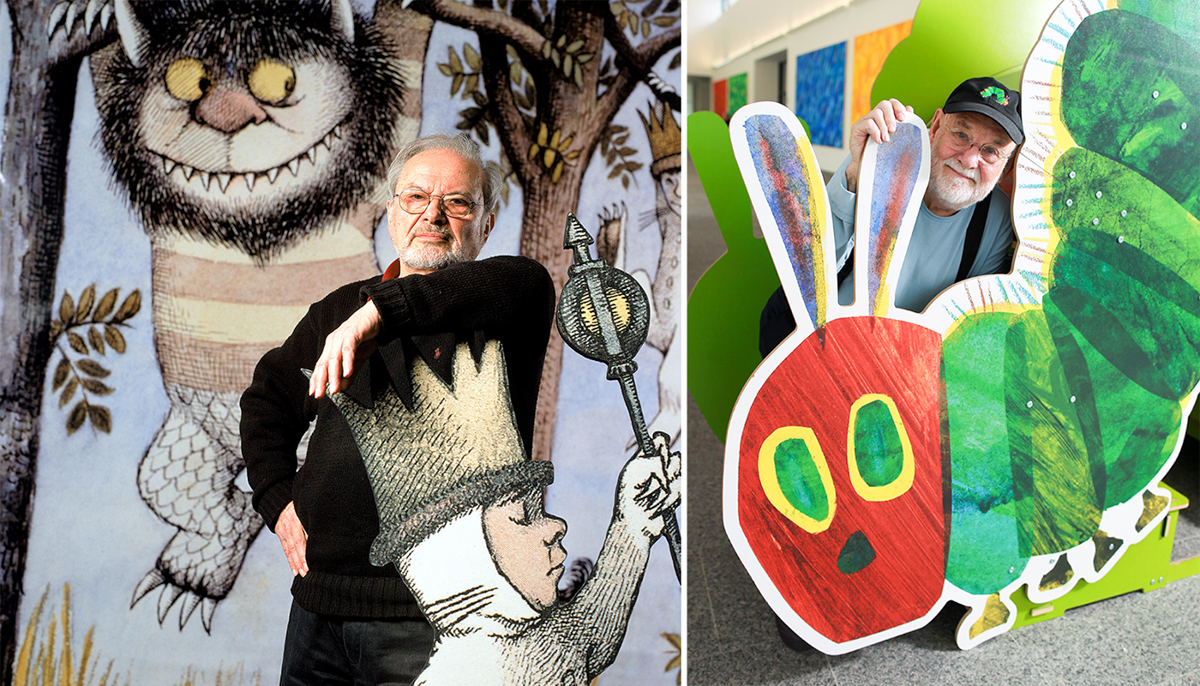
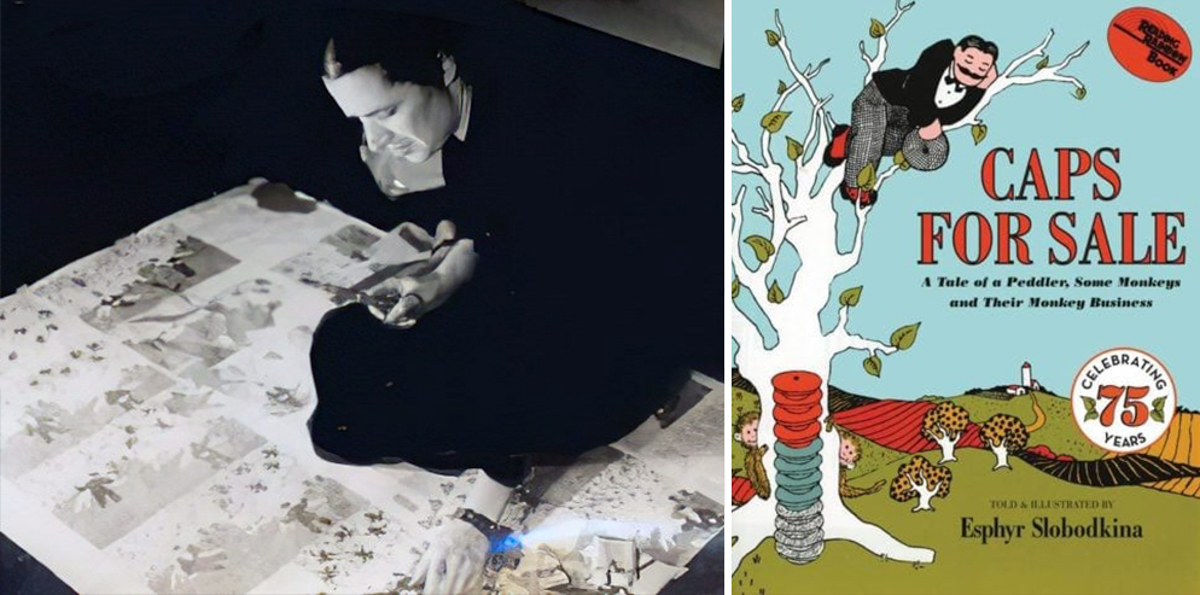
But, Slobodkina's greatest success lay ahead. In 1940, she published a book she wrote and illustrated titled ‘Caps for Sale’. This witty story about a cap salesman and mischievous monkeys. She created each illustration using paper collage, directly transferring the aesthetics of her abstract art into the children's book. Critics note that without Slobodkina, there would be no Maurice Sendak or Eric Carle.
The book became an instant hit, selling over 2 million copies since its initial publication. It can be found on the shelves of nearly every children's library in the U.S. ‘Caps for Sale’ has been translated into over a dozen languages, including Russian, French, Chinese, Japanese, Korean and others.
Legacy
‘Caps for Sale’ became her signature work, but Slobodkina was an incredibly prolific author. In total, she wrote 24 children's books. She also wrote a three-volume autobiography and continued to work into old age. At 90, she designed a museum funded by her own foundation.
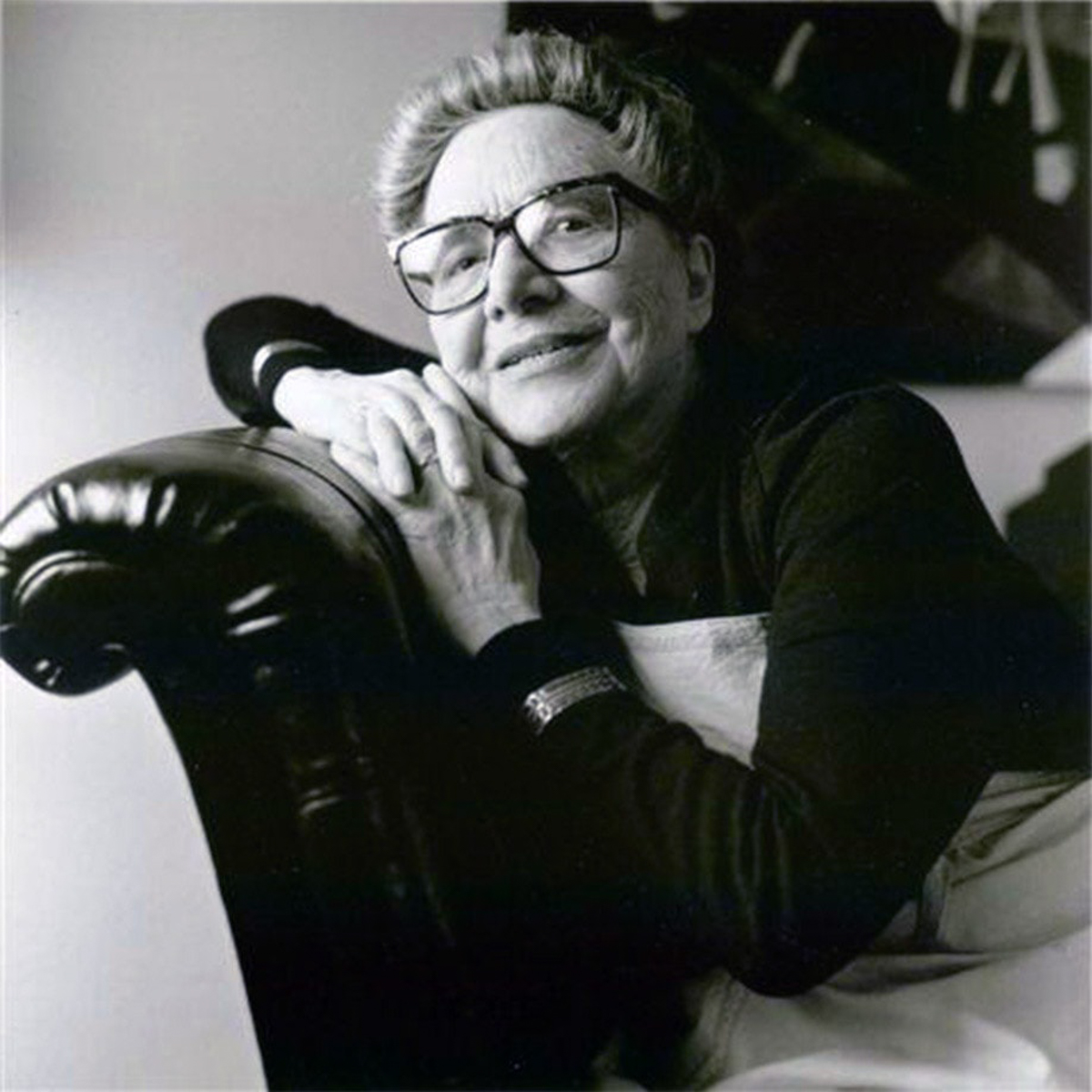
Slobodkina died on July 21, 2002, at the age of 93, in her home on Long Island. Her works are held in major museums around the world, including the Metropolitan Museum of Art, the Whitney Museum, the Smithsonian Institution, the Museum of Fine Arts, Boston and the Philadelphia Museum of Art.