How the Bolshoi Theater broadcast performances via the PHONE
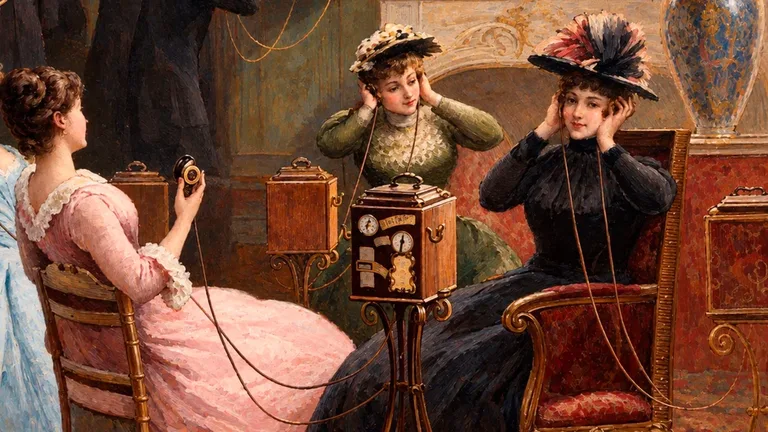
By the end of the 19th century, opera could be heard not only in the theater, but also… at home! The trend swept not only the city dwellers, but even the imperial family.
By 1882, the first city telephone exchanges were already in operation in Russia – subscribers in St. Petersburg, Moscow, Odessa, and Riga were able to speak to each other. True, this type of communication was available only to the wealthy. One can imagine what a stir there was, when, in the spring of that year, an announcement appeared in one of Moscow’s newspapers announcing that the opera “Rigoletto” could be heard at Dr. Bogoslovsky’s apartment – the sound would be transmitted directly from the Bolshoi Theater via telephone lines.
Opera over the wires
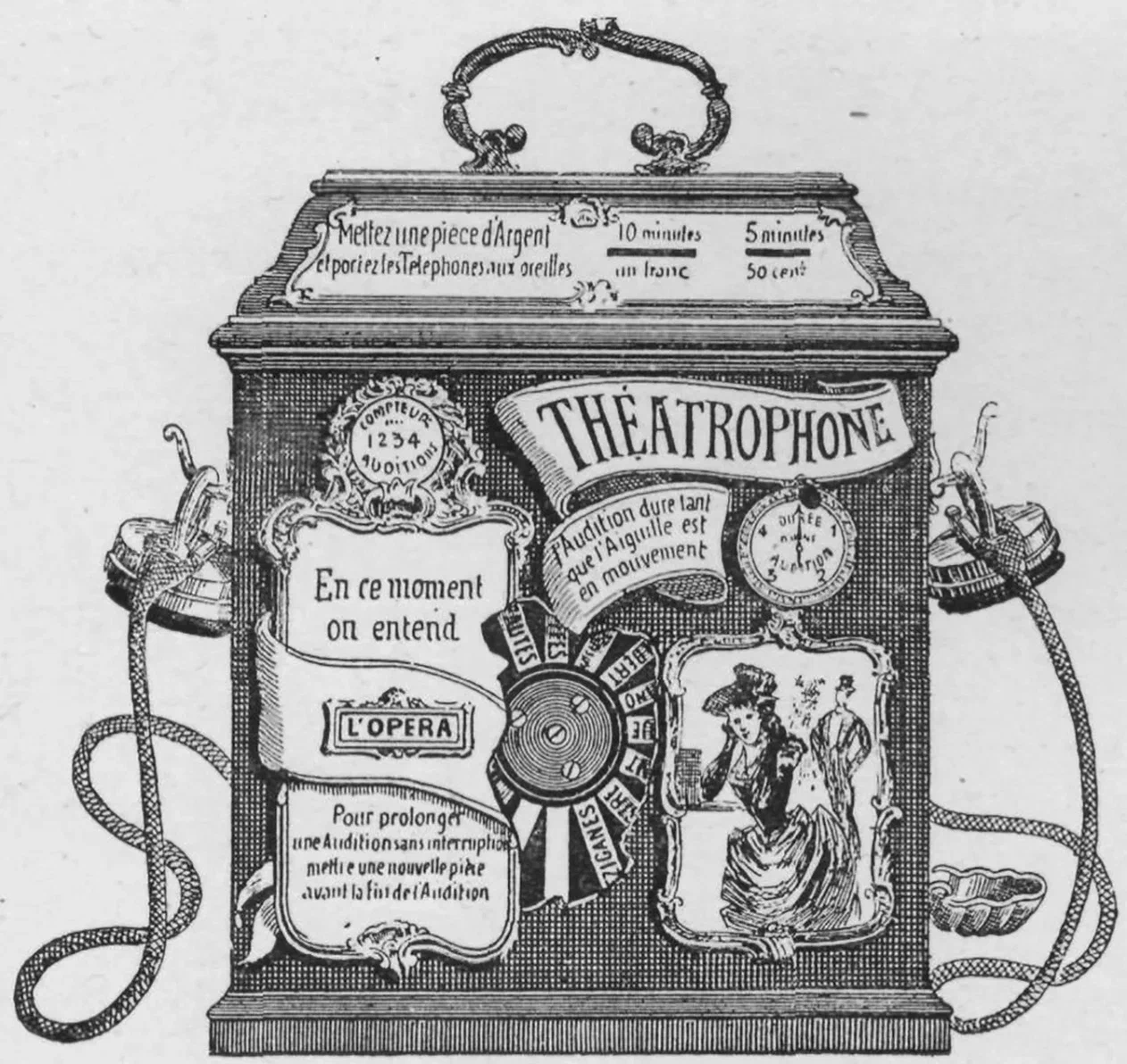
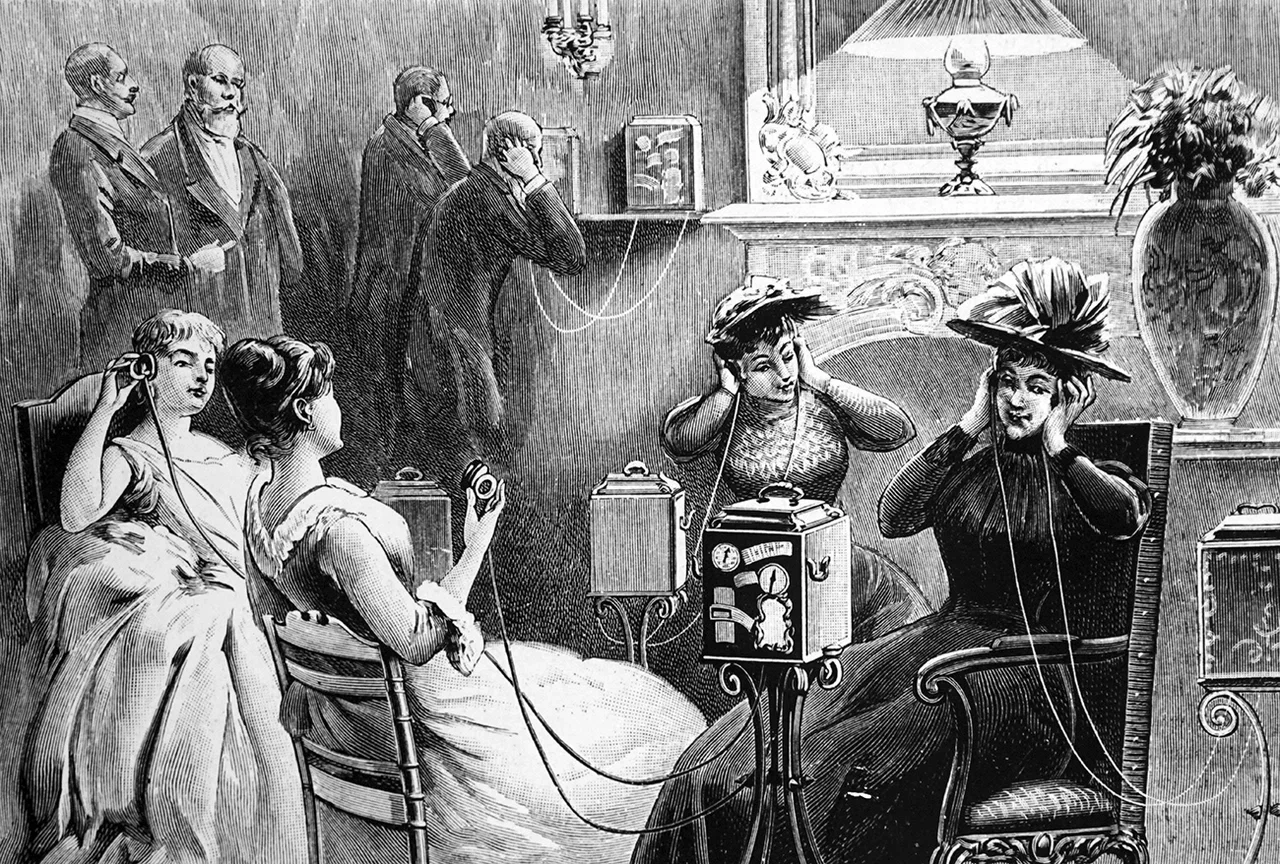
The idea of listening to performances in this way was invented by French engineer Clement Ader. At the 1881 ‘World’s Fair’ in Paris, he introduced the ‘théâtrophone’ – a telephone-like device that transmitted stereo sound from the theater stage. Microphones were installed around the perimeter of the stage and, from there, the sound was transmitted through two channels to receivers that could be located up to three kilometers away. Among the first listeners was writer Victor Hugo. “The children were delighted. So was I,” he noted in his diary.
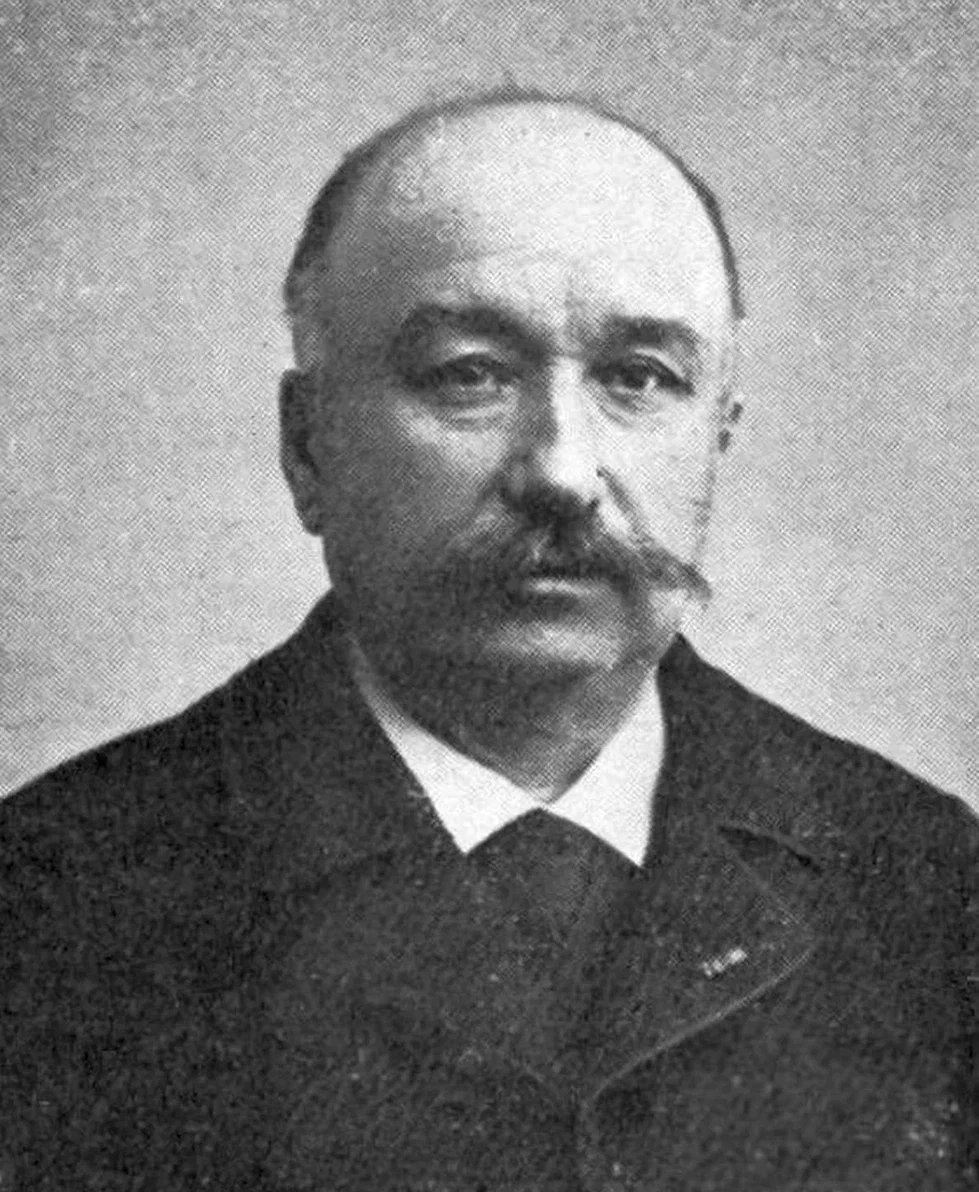
It was truly amazing for the time. “Opera on the phone”, despite its technical imperfections, created a truly immersive experience. As the artists moved across the stage, the sound would grow louder and then fade away; you could even hear the audience flipping through their programs and applauding their favorite performers. It was pure magic!
“There is a vague buzzing noise”
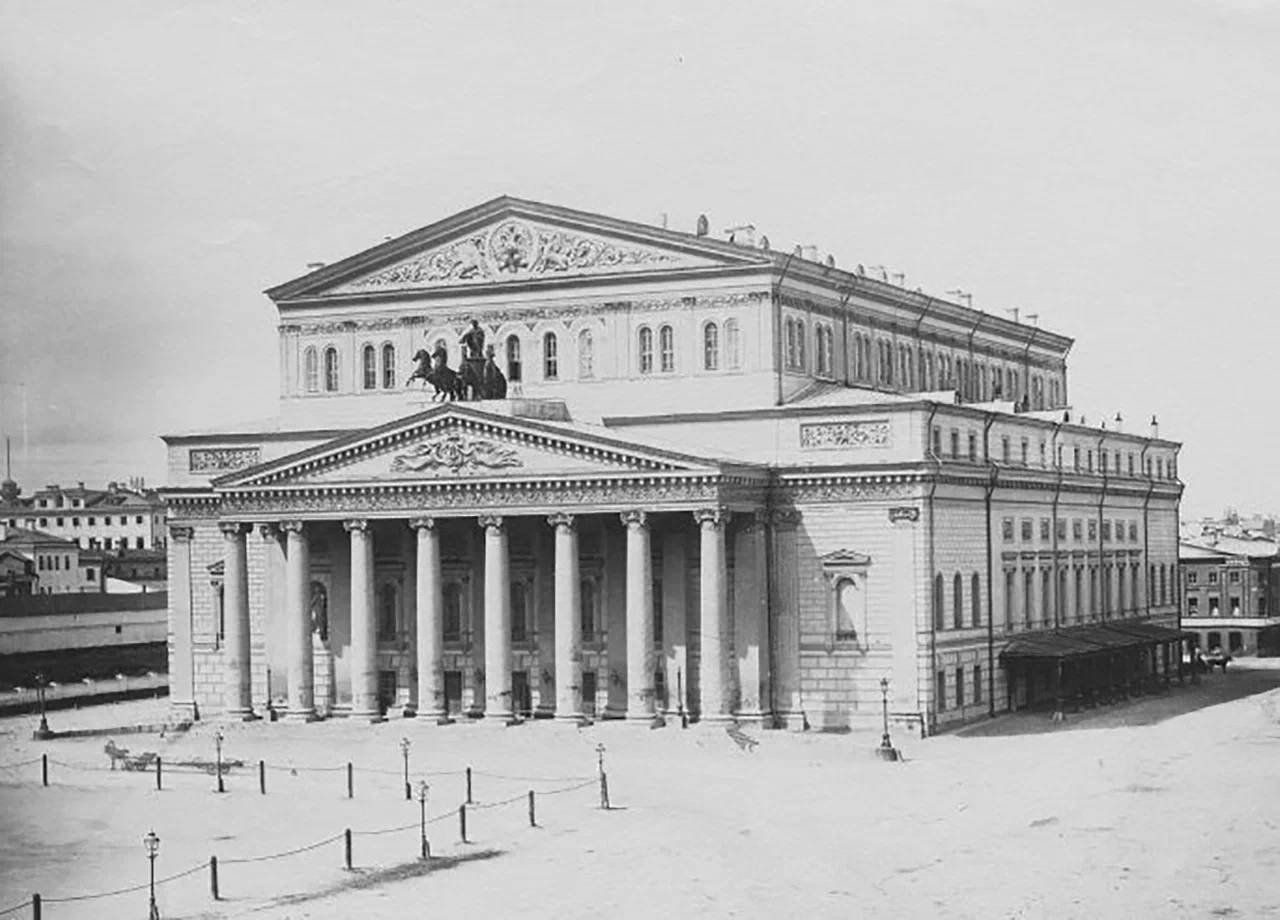
In March 1882, the theater was connected to Moscow by telephone: the ‘Society for Rescue on Water’ received permission from the Ministry of the Court to conduct experimental broadcasts. One of its members and a great enthusiast, balneologist Dr. Viktor Bogoslovsky, ran a telephone line to his apartment in the city center. On the appointed day, a dozen transmitters were installed at the Bolshoi Theater, the sound from which was transmitted to telephone receivers.
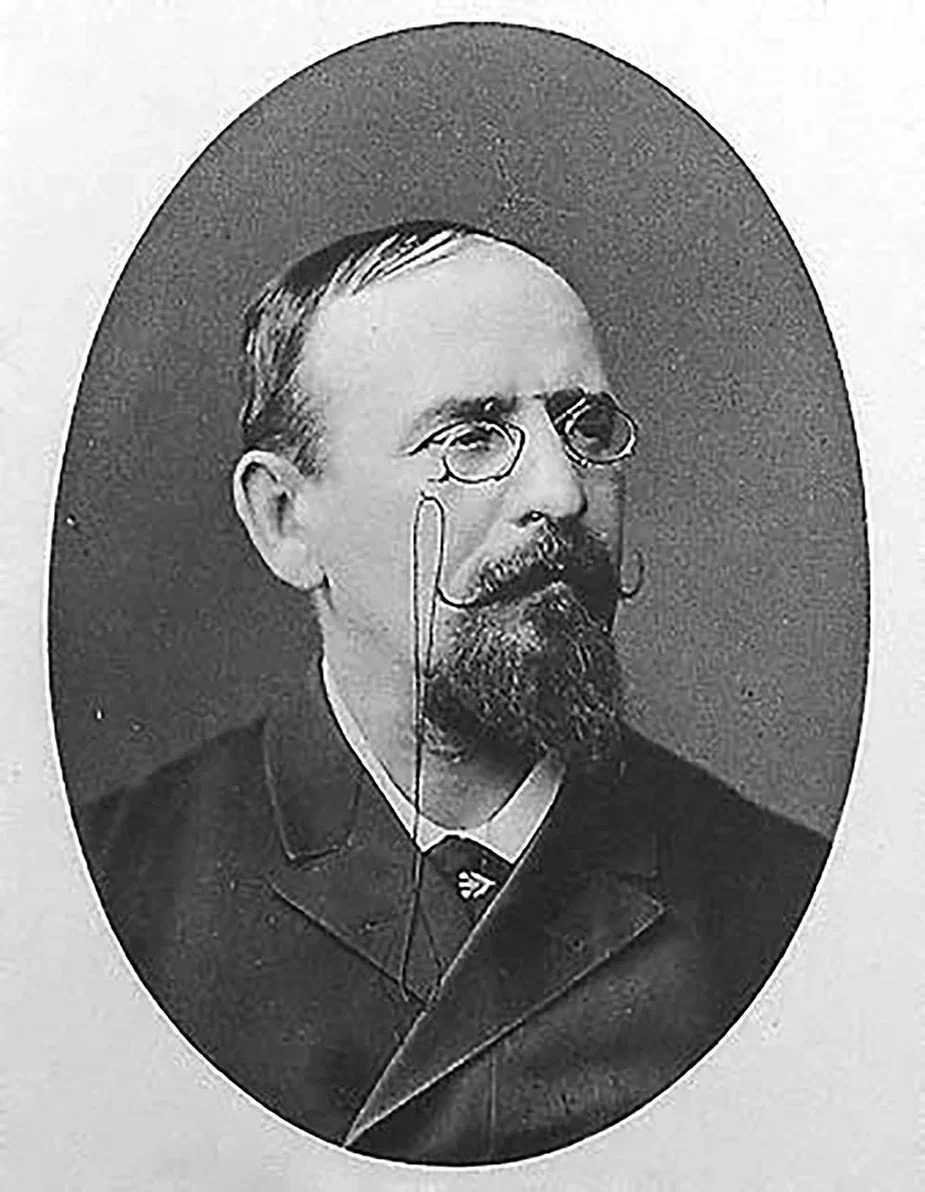
The service had to be, of course, paid for: one ruble for 10 minutes, with the option to extend. The price was steep, but the delight of the innovation compensated for the dent in the pocket. “The experience is amazing! Once both phones are held up to your ears, you hear a faint buzzing sound, but then all the sounds come through perfectly clearly, just softened by the distance,” wrote the local press. The lucky few who had bought tickets for the first broadcast – along with those hoping to sneak in for free – crowded around the doctor's house, waiting for the show to begin. A police patrol unit had been dispatched there, just in case.
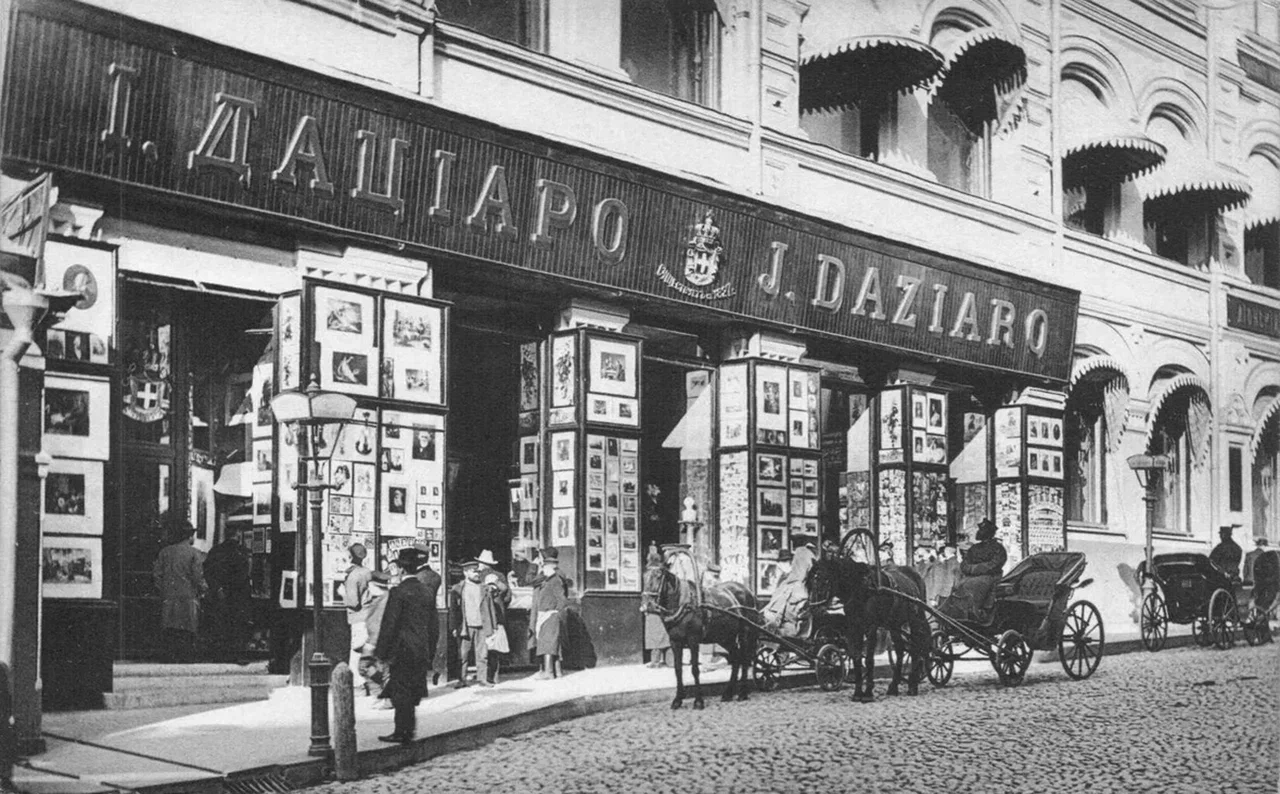
The next morning, crowds stormed Joseph Datsiaro's store on Kuznetsky Most road, where tickets were sold and telephones had been installed. Everyone wanted “hear music, singing and conversation from a distance through wires, using electricity and an appropriate apparatus. Arias from ‘Rigoletto’, ‘Demon’ and ‘Faust’ blared through the headphones – to listen to an entire opera, one had to shell out a small fortune – about 25 rubles (the monthly salary of a low-ranking civil servant). Each evening, 150 people became opera listeners.
The novelty, however, quickly wore off: the problem, of course, was not only the price, but also the quality. No matter what the newspapers wrote, telephone connections could not yet provide the same excellent acoustics as a theater auditorium. And yet, the experiment proved out to be successful nonetheless: in Summer 1882, the first municipal telephone exchange began operating in Moscow.