
How puppet theaters appeared in Russia
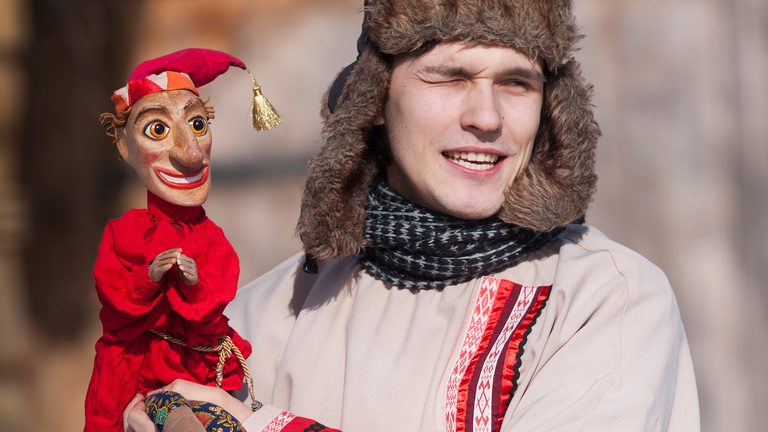
Since ancient times, puppets have been used in various rituals and in performances by street artists.
During an archeological dig of a 15th-century cultural layer on the Red Square in Moscow, scientists discovered ceramic figurines; they were put on fingers with the help of round sockets. Glove puppets, which became very popular in Russia in the 18th and early 19th centuries, were constructed in a similar way: three finger sockets controlled the puppet's arms and head.
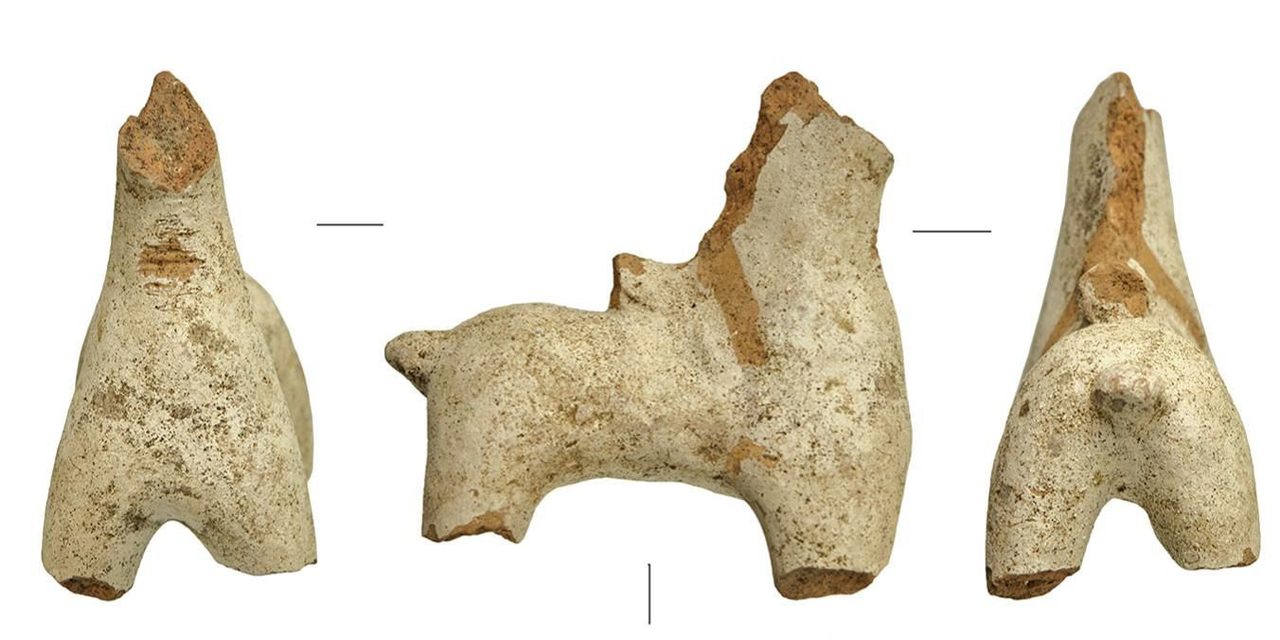 Ceramic toys of the XVI–XIX centuries discovered by Moscow archaeologists
“The first documentary evidence of the existence of a folk puppet theater in Russia was an illustrated description by German scholar, diplomat and traveler Adam Olearius,” says Gordiy Saltykov, chief curator of the Obraztsov Puppet Theater Museum.
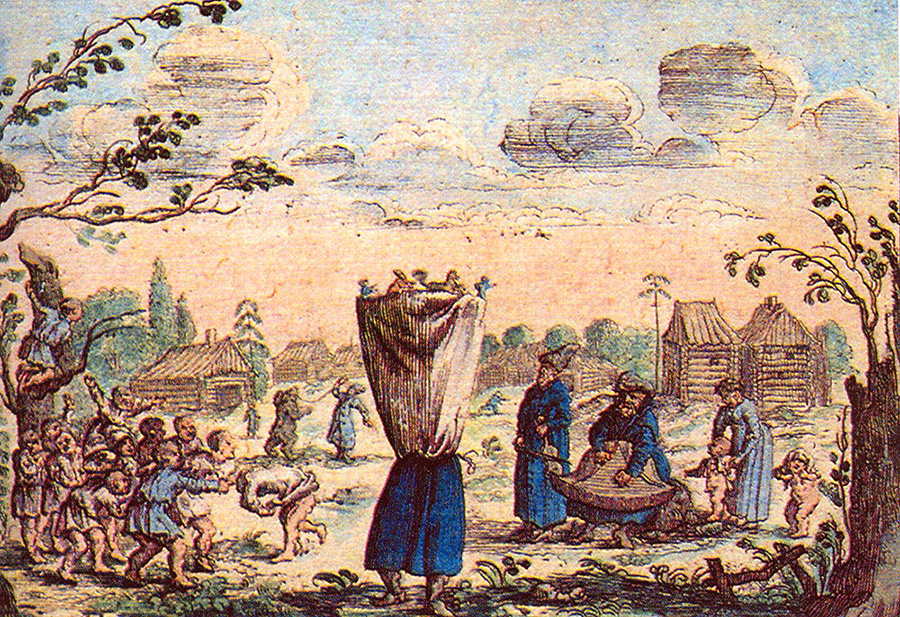 An illustration for Adam Olearius's tales
“Olearius described in detail the puppet performances that he saw in Moscow in the 1630s and depicted on an engraving a puppeteer with glove puppets. Researchers cannot reliably determine which characters exactly performed on that puppeteer's screen. But, they suggest that Olearius portrayed biting square satire in the folk spirit.”
At the turn of the 16th–17th centuries, in the western and southwestern regions of Russia, another puppet performance was popular – ‘grotto’ performances, known in Russian as ‘вертеп’ (‘vertep’), which refers to the Christmas grotto performance. The word ‘vertep’ is translated from the Old Church Slavonic as ‘cave’ and, in turn, refers to the Bethlehem cave where Christ was born. Later, this tradition reached central Russia, the Urals and even Siberia.
European influence
In the late 17th century, during the reign of Peter the Great, troupes of European puppeteers began arriving in Moscow. In 1700, the first tour of puppeteers under the patronage of the tsar himself took place in the Volga cities and in Astrakhan.
In 1733, at the invitation of Empress Anna Ioannovna, Italian comedians arrived in Moscow and St. Petersburg as part of a “commedia dell'arte” (the masked comedy) troupe with four puppet theaters. At the same time, puppeteers from Germany and France were actively performing in the cities.
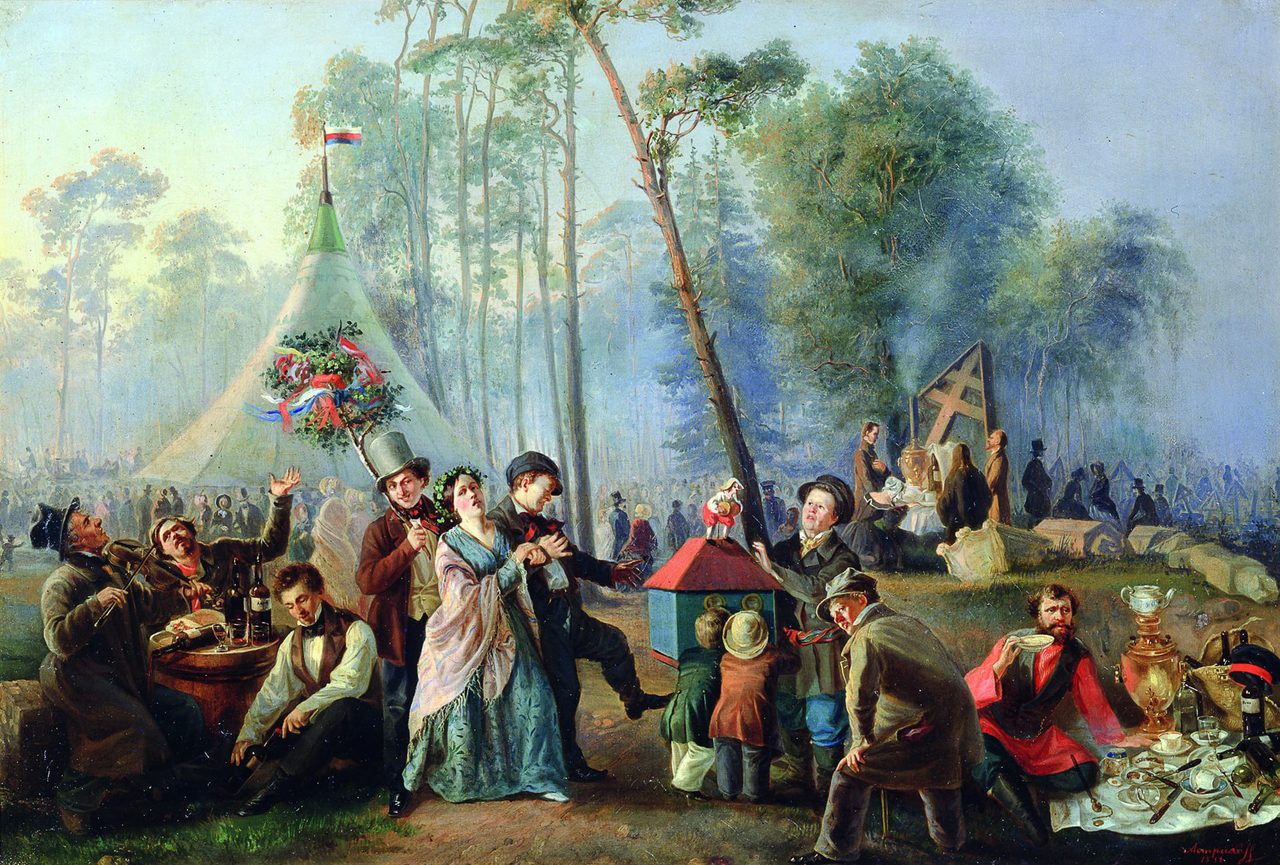 V. Astakhov. Festivities in Maryina Roshcha. 1852
In the 19th century, dozens of troupes of European puppeteers were already giving performances in Russia. Mostly with the help of marionettes, they staged favorite European puppet plots: about Don Juan and Faust. Very popular, especially among the wealthy strata of society in St. Petersburg and Moscow, were fashionable mechanical puppet theaters, where by means of mechanics and optics small self-moving figures reproduced the surrounding reality with particular elegance.
“How it is done! How illuminated and how animated! Carved carriages drive around the square, officers gallop on horseback, pedestrians walk: some run, while others walk quietly, barely moving their legs; along the embankment gentlemen and ladies stroll, meet each other, take off their hats, bow and curtsey; now, a postal troika gallops and stops at the station: drivers come out, inspect the carriage, etc…” wrote Stepan Zhikharev in his book ‘Notes of a Contemporary’.
Russian masters didn’t lag behind their European colleagues. They also worked with mechanical puppet theaters, with marionettes and with shadows. But, these performances were intended primarily for wealthy townspeople. Merchants, petty bourgeoisie and common people throughout Russia only saw puppets at fairs, in booths or in courtyards.
Peter Uksusov, better known as ‘Petrushka’, was the leader of such performances. In a glove puppet, he was the “cousin” of the Western ‘Pulcinella’, ‘Polichinelle’ and ‘Punch’ and the Eastern ‘Pehlevan’, ‘Palvan-Kachal’ and ‘Mobarek’. The unscrupulous wit and bully ‘Petrushka’ was a hero of the lower classes: he helped people let off steam, mock offenders and poke fun at the hardships of daily life.
From folk theater to workshops
By the early 20th century, the traditional forms of puppet theater in Russia gradually began to lose popularity. The new puppet theater was born in artists' workshops. It was professional sculptors, painters and graphic artists who had received an academic education and were familiar with the history of art of the West and the East who decided to create their own puppet theater. Directors and actors carried away by this idea joined them.
After the 1917 Bolshevik Revolution, the idea of creating a professional puppet theater in Soviet Russia was actively supported by the People's Commissariat for Education, which saw great propaganda potential in this art.
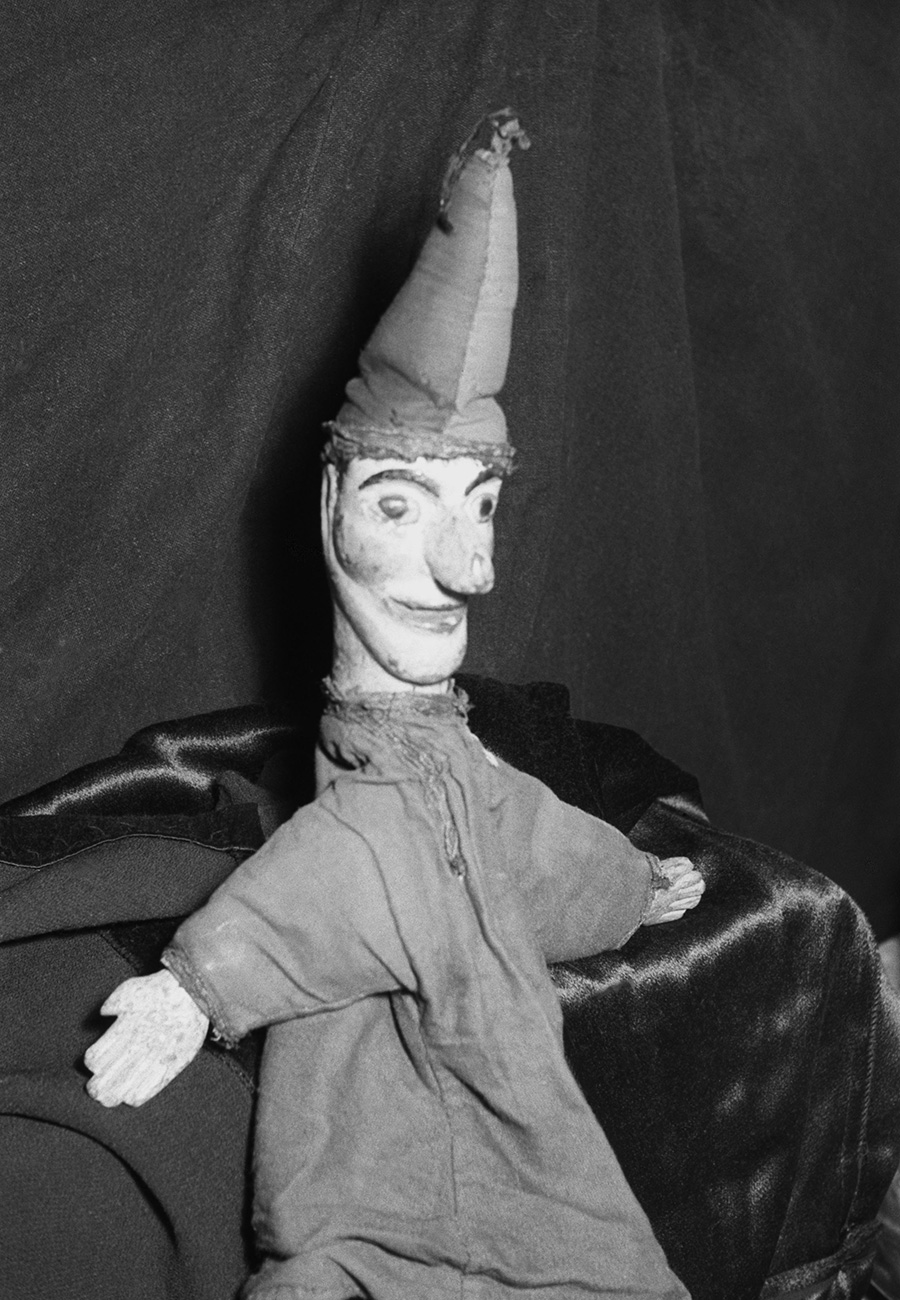 'Petrushka' puppet
The first Soviet puppeteers were inspired by the old ‘Petrushka’ character and made him a red agitator. But, very soon, the growing community of actors, directors and artists of the puppet theater realized that this ancient art required a much deeper study. Therefore, at the 1930 All-Russian Conference of Puppeteers, it was decided to create the Central Puppet Theater in Moscow, which would become a “laboratory of the puppet genre” for all Soviet puppeteers.
On September 16, 1931, an order was issued to open the theater and to appoint Sergey Obraztsov as its artistic director. He was a young artist, actor and popular variety puppeteer.
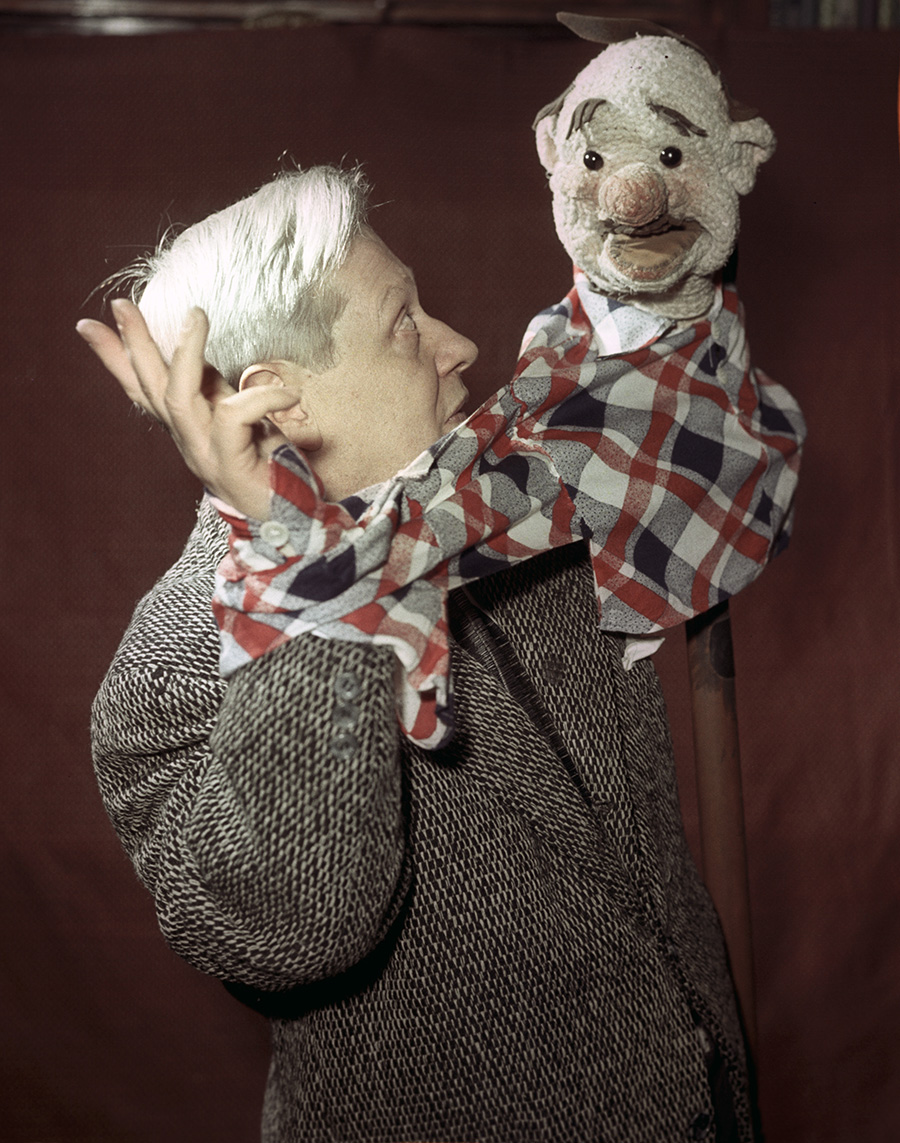 Sergei Obrastov with one of his puppets
Initially, the theater didn’t have its own building: it moved around the city on a cart and, later, on a painted wagon, which attracted the attention of passersby. Only six years later, the theater moved into its first building on Gorky Street (now Tverskaya Street). And, in 1970, it moved to Sadovaya-Samotechnaya Street, where it still operates today.
Along with the new building, the puppeteers received a complex sliding curtain and transforming walls of the hall. And the clock on the facade gives its own small performance every day at noon: twelve little houses of the dial open and, to the music of ‘In the grove or in the garden’, various fairy-tale characters reveal themselves to passersby.
The original article was published in Russian on the Culture.ru website.