
5 Russian rulers who ‘reshaped’ their people
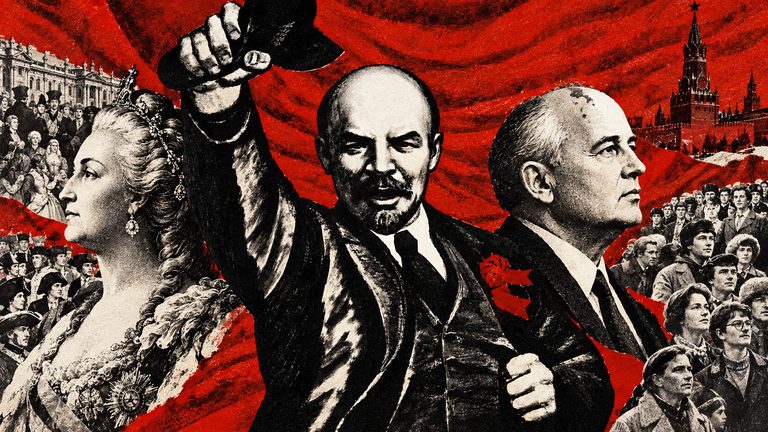
Over the course of 1,000 years, those in power have repeatedly attempted to transform and change their subjects and citizens.
1. Grand Prince Vladimir (reigned 980–1015): converted pagans into Christians
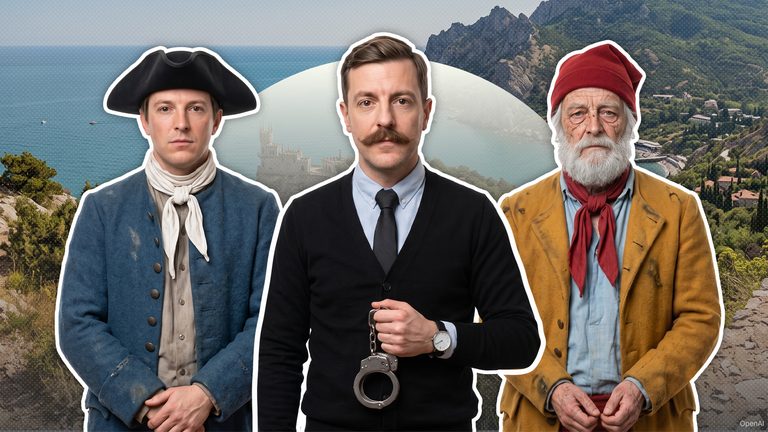
According to the ‘Primary Chronicle’ Prince Vladimir baptized Old Russia in the year 988. This was preceded by a long series of events. Two years earlier, he had organized a "test of faiths": envoys from Muslims, Jews, Catholics and Greeks came to him and, after lengthy discussions, he leaned toward the Greek (Orthodox) faith. Vladimir then launched a military campaign against the Byzantine city of Korsun (Chersonesus in Crimea); he captured it and demanded the hand of Anna, sister of the Byzantine emperors, in marriage, on the condition that he himself be baptized.
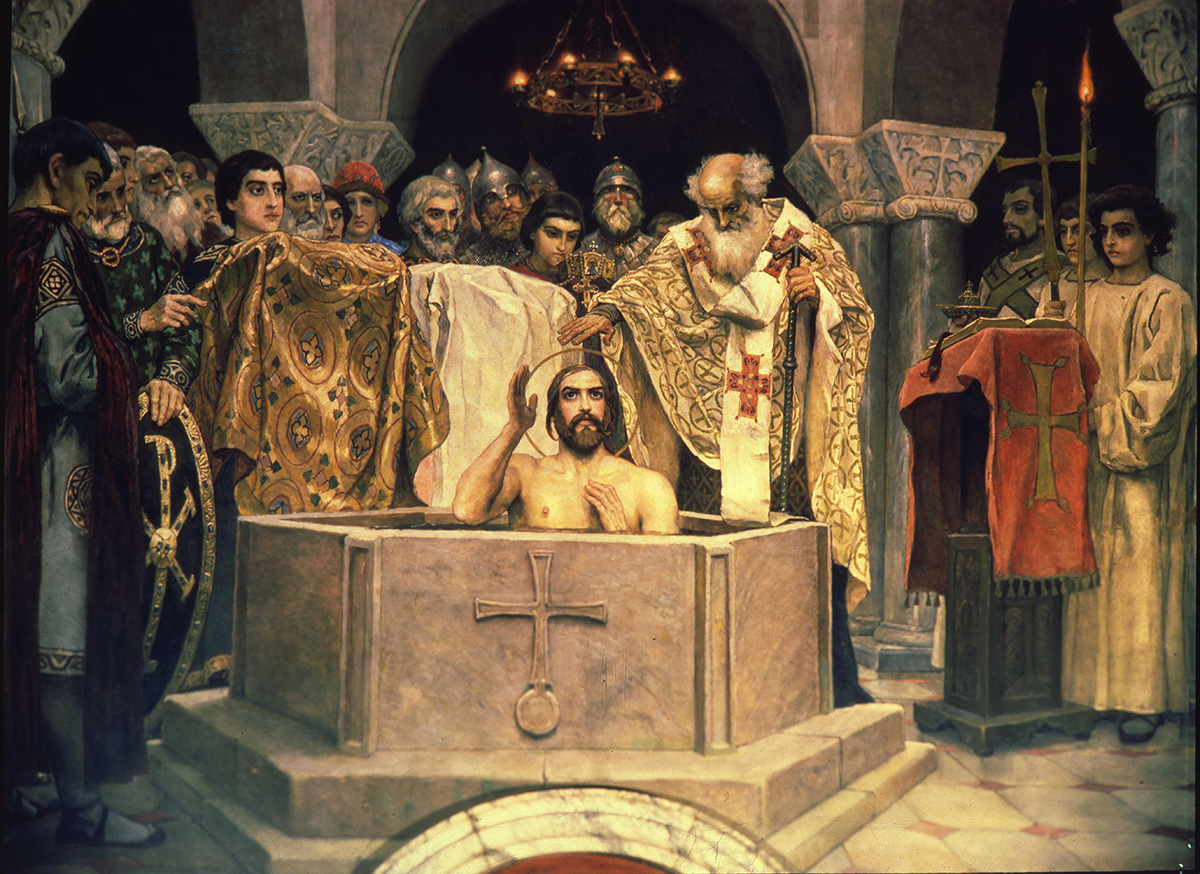 Viktor Vasnetsov. The Baptism of Prince Vladimir the Great of Kyiv in 987. Museum: St. Vladimir's Cathedral, Kyiv
In Korsun, he was baptized under the name Vasily, married Anna and returned to Kiev. Afterward, he ordered the destruction of pagan idols and summoned all the people of Kiev to the banks of the Dnieper for a mass baptism, declaring: "If anyone fails to come to the river tomorrow – be it rich or poor, beggar or slave – let him be my enemy!" The chronicle explains this decision as a necessity for consolidating power and uniting disparate tribes under Kiev’s rule. At the same time, forging ties with powerful Byzantium and bringing a new culture to Old Russia – writing, churches and laws – was highly beneficial.
2. Peter I (reigned 1682–1725): transformed the medieval Russian into an enlightened nobleman.
To transform Russia into a European power, Peter had to reshape not only the army and the state apparatus, but the people themselves. He began with appearances: upon returning from his first trip abroad in August 1698, the tsar personally cut off the beards of several boyars and, subsequently, issued a decree ‘On Wearing German Dress and Shaving Beards and Mustaches’, imposing a tax on the wearing of beards.
In 1700, he switched the country to a new calendar system – dating from the birth of Christ rather than the creation of the world – and ordered that New Year’s Day be celebrated on January 1. To create a regular army, he introduced conscription in 1705. He restructured state administration along Swedish lines: between 1717 and 1718, government departments known as ‘kollegii’ (collegiums) replaced the old ‘prikazy’ (ministries) and the Senate replaced the Boyar Duma.
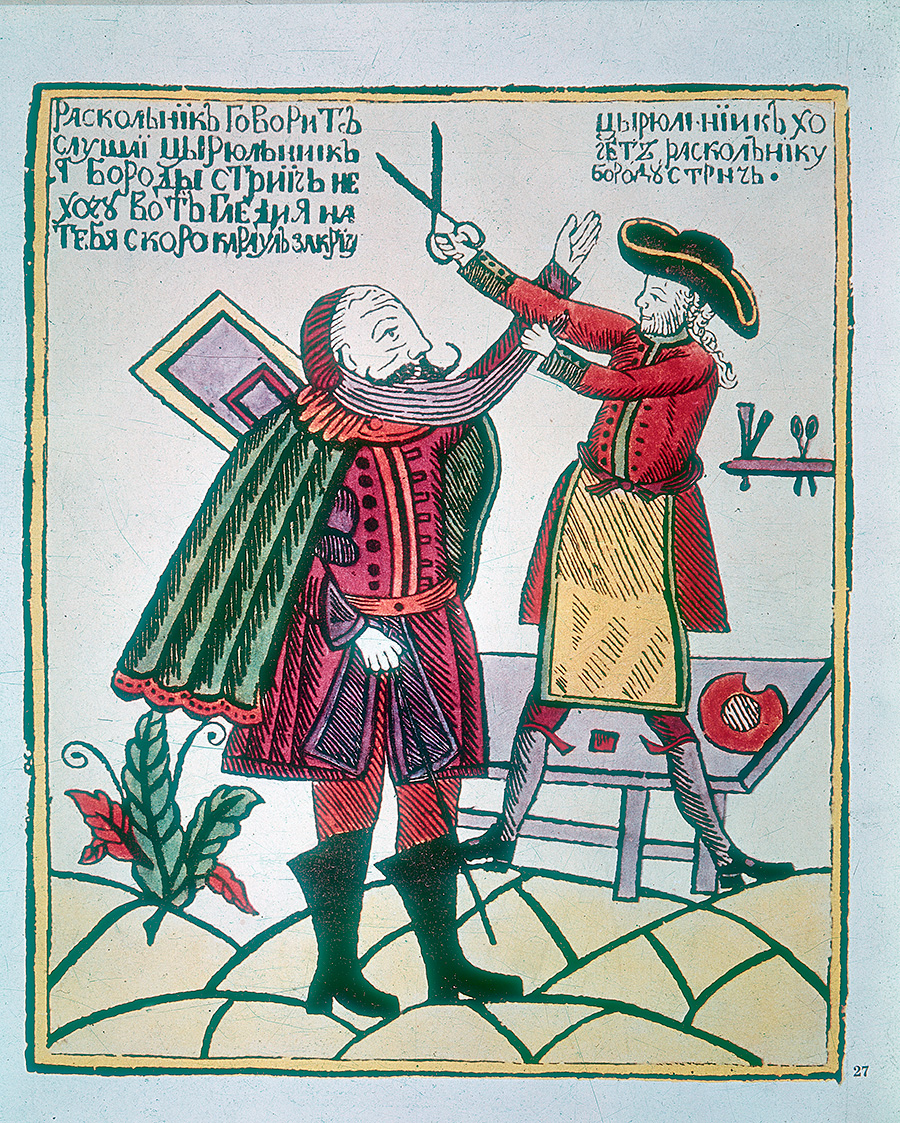 Peter I the Great personally cuts off a boyar's beard
Peter subordinated the Church to the state: in 1721, he abolished the patriarchate and established the Most Holy Synod, the activities of which were overseen by an Ober-Procurator. A year later, he issued the ‘Table of Ranks’ – a law that opened the path to nobility through service rather than birth. Thus, through decrees, taxes, conscription and the forced Europeanization of the elite, Peter sought to forge a new kind of subject: one who was a servant of the state, educated and disciplined.
3. Catherine II (reigned 1762–1796): created a "new breed of people" & the Smolny Institute
Catherine II decided to effect change through education, drawing on Enlightenment ideas. Her primary instrument was the Smolny Institute for Noble Maidens, established in 1764 – the first elite boarding school for the daughters of hereditary nobles. Girls were admitted at the age of six and educated there for 12 years. The aim was to return a "developed and refined young woman" to society – someone who would bring new standards of behavior into the family and, thereby, "soften manners".
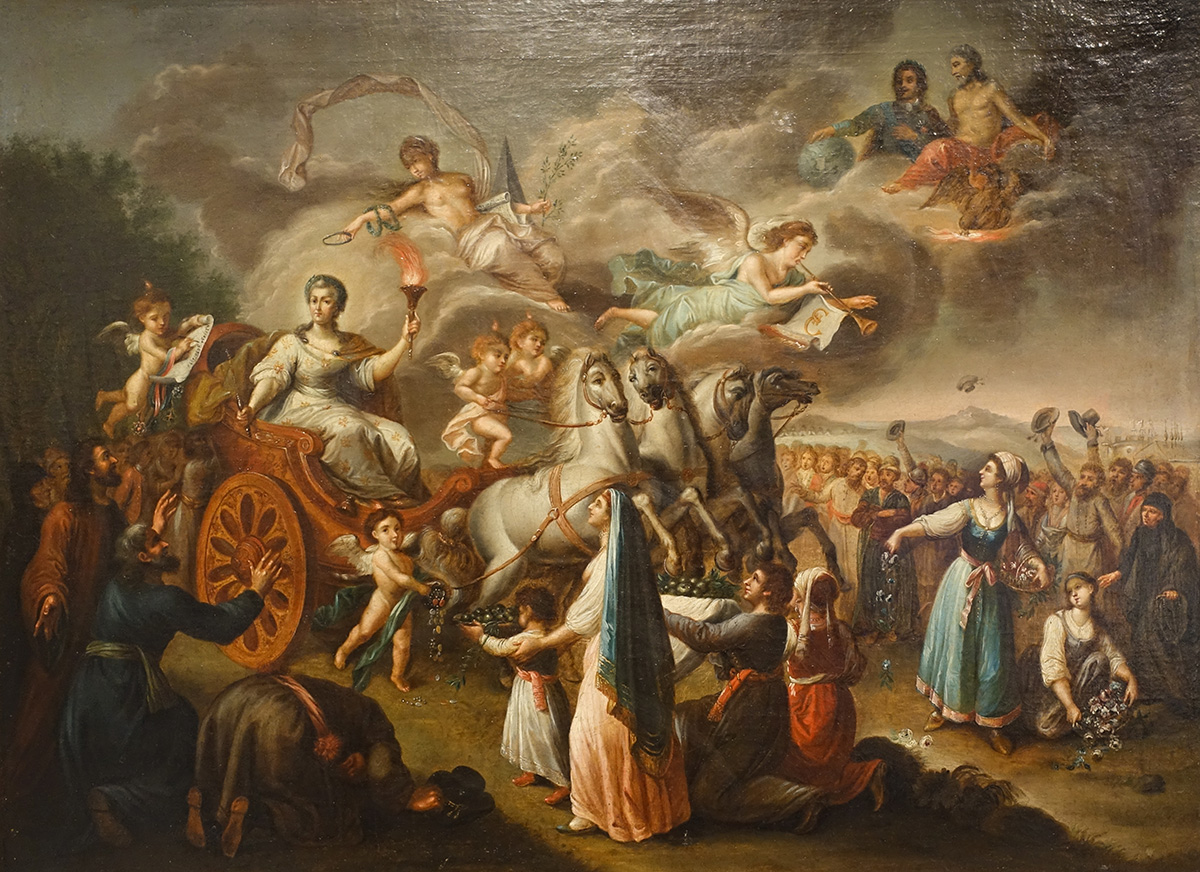 Catherine II’s journey through her domains in 1787. Artist unknown. Copy of an engraving by J.-J. Avril, based on a drawing by de Meis. Russia. Late 18th century
Later, she began to establish a nationwide education system. A decree issued in 1781 laid the foundation for urban schools, and the “Charter for Public Schools” of 1786 mandated the opening of main public schools in provincial capitals and smaller public schools in county seats, which admitted children from all social classes except serfs. In this way, Catherine II sought to cultivate a “new breed” of people who were educated and useful to society.
4. Vladimir Lenin (reigned 1917–1924): transformed a monarchist and believer into a communist and atheist
Lenin, as is well known, mobiled the masses. Reforms were applied to every sphere of social life, including the family and religion. All spheres of social life, including the family and religion, underwent reforms. Starting in December 1917, church marriages lost their legal validity, mandatory civil marriage was introduced, and restrictions on marriage were relaxed—the state took control of the family away from the church in order to restructure this “building block of society” according to new rules. The church was stripped of its legal status and schools were freed from religious influence.
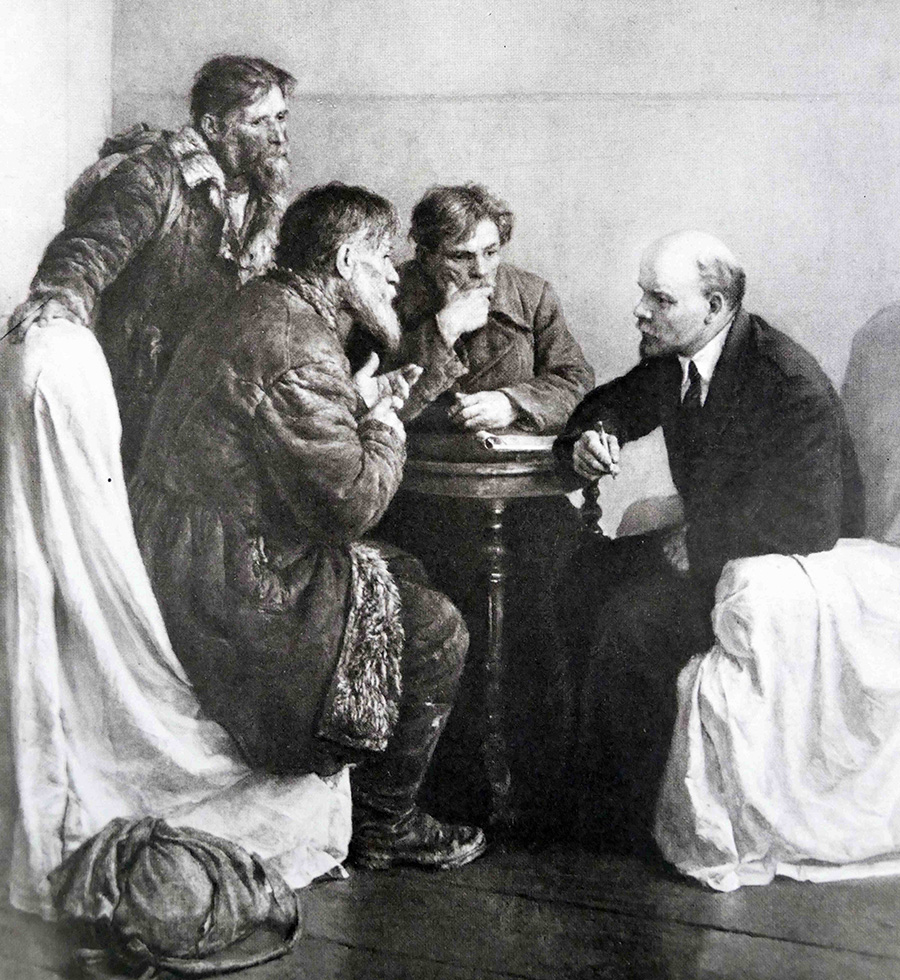 Vladimir Serov. Petitioners Visiting V.I. Lenin. 1950
In October 1918, the Council of People's Commissars issued the Decree on the Unified Labor School. The main objective was to raise a new type of person—one who was well-rounded, hardworking, and ready to build socialism. Productive labor was defined as the foundation of school life, and the school itself was conceived as a “school commune” closely connected to the surrounding community.
5. Mikhail Gorbachev (ruled from 1985 to 1991): created the "person of perestroika" and the concept of "New Thinking".
Gorbachev sought to transform the Soviet citizen by awakening a sense of independence and critical thinking within them. As early as 1985, he proclaimed the slogan, “We all need to restructure.” ‘Glasnost’ (openness) became the primary instrument for this: for the first time, the country enjoyed genuine freedom of speech and people gained the opportunity to express their opinions openly.
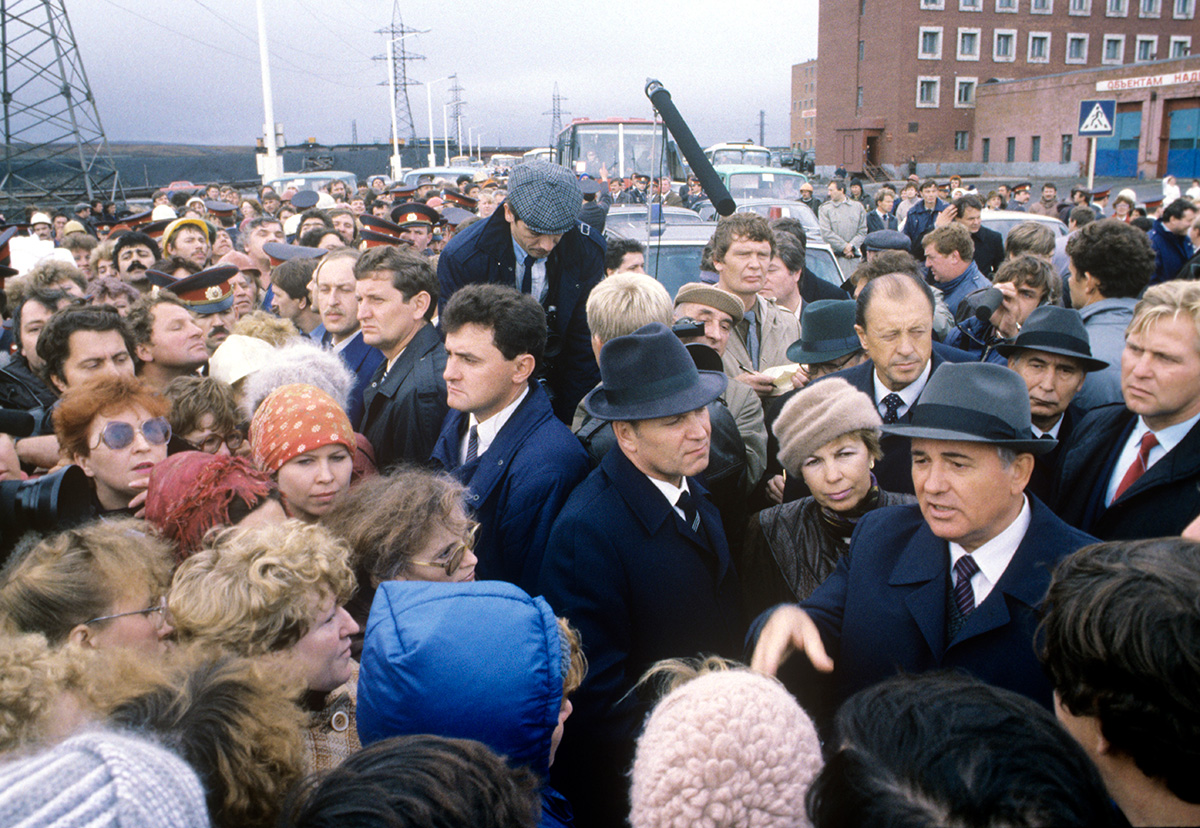 General Secretary of the CPSU Central Committee Mikhail Gorbachev during a meeting with residents of the city of Norilsk. 1988
At the same time, the government released political prisoners and dissidents. Freedom of religion was proclaimed, persecution of the church ceased, and the celebrations marking the 1,000th anniversary of the Baptism of Old Russia in 1988 served as a symbolic gesture toward the faithful. But, the most radical change was political reform. In 1988, alternative elections to the legislature were introduced and, in March 1989, the first competitive elections for People’s Deputies of the USSR were held. The Soviet citizen found himself in entirely new circumstances: old ideals had been overthrown, social norms had been reevaluated and the country no longer existed within its former borders.