
How millions of Soviet viewers were ‘healed’ in front of their TV screens
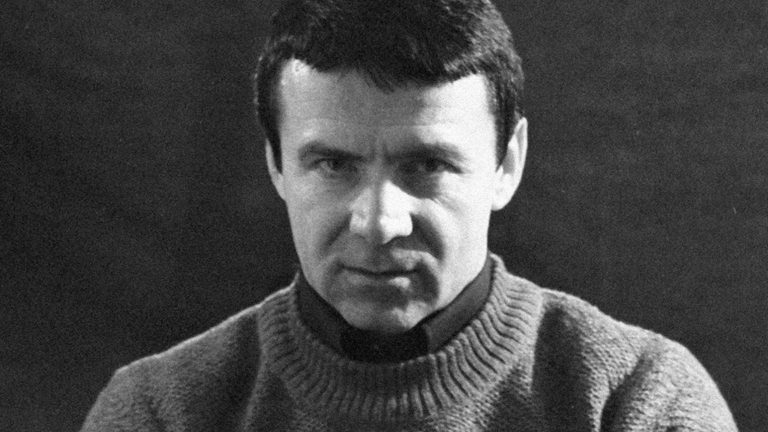
Anatoly Kashpirovsky was skilled in hypnosis and NLP techniques and became a major TV celebrity in the USSR in the late 1980s.
Anatoly Kashpirovsky’s career was meteoric, but brief. In 1989, the professional psychotherapist began hosting "health sessions" on Soviet Central Television; during these broadcasts, he claimed he could remotely cure viewers of chronic illnesses using hypnotic suggestions. According to various estimates, the programs drew audiences of up to 200 million people – an unprecedented figure for Soviet television.
How a doctor became a healer
He was born in 1939 into a military family. In 1962, he graduated from the Vinnytsia Medical Institute and spent over 25 years working at a local psychoneurological hospital. At the same time, he studied literature on hypnosis techniques and psychosomatics; starting in 1964, he toured the country giving lectures for the state-run ‘Znanie’ (‘Knowledge’) Society, demonstrating psychological experiments. As early as 1974, he had begun conducting mass sessions – initially for workplace groups and, later, in large auditoriums.
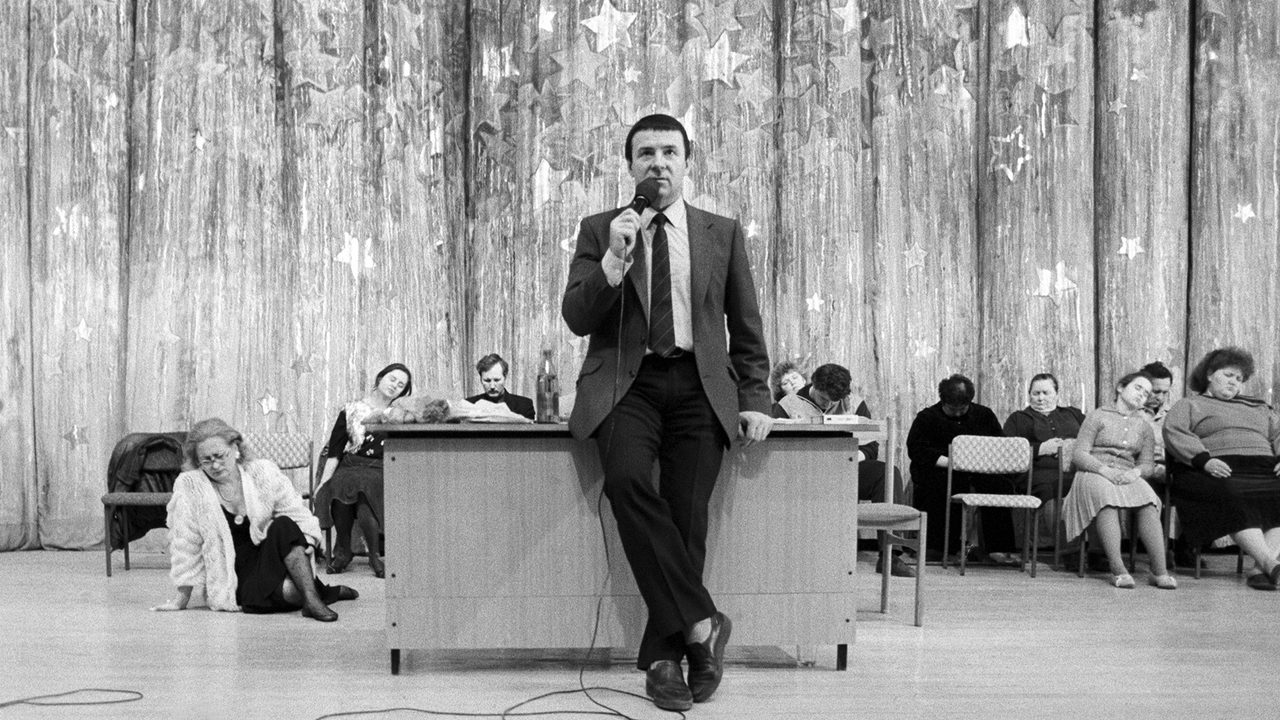 Anatoly Kashpirovsky runs a hypnotic session for people suffering from obesity
A turning point in his career came about thanks to a chance encounter. There are several theories about who helped him secure airtime on television, but they all agree on one thing: In the late 1980s, Kashpirovsky frequently gave lectures and conducted psychological experiments at various venues across Moscow. One day, following one such appearance, a senior television executive approached him and asked, "Could you put your ideas into practice on television?" Kashpirovsky replied, "I could." And from then on, Russian television, which, in the late 1980s, was actively seeking new formats, threw its doors open to him.
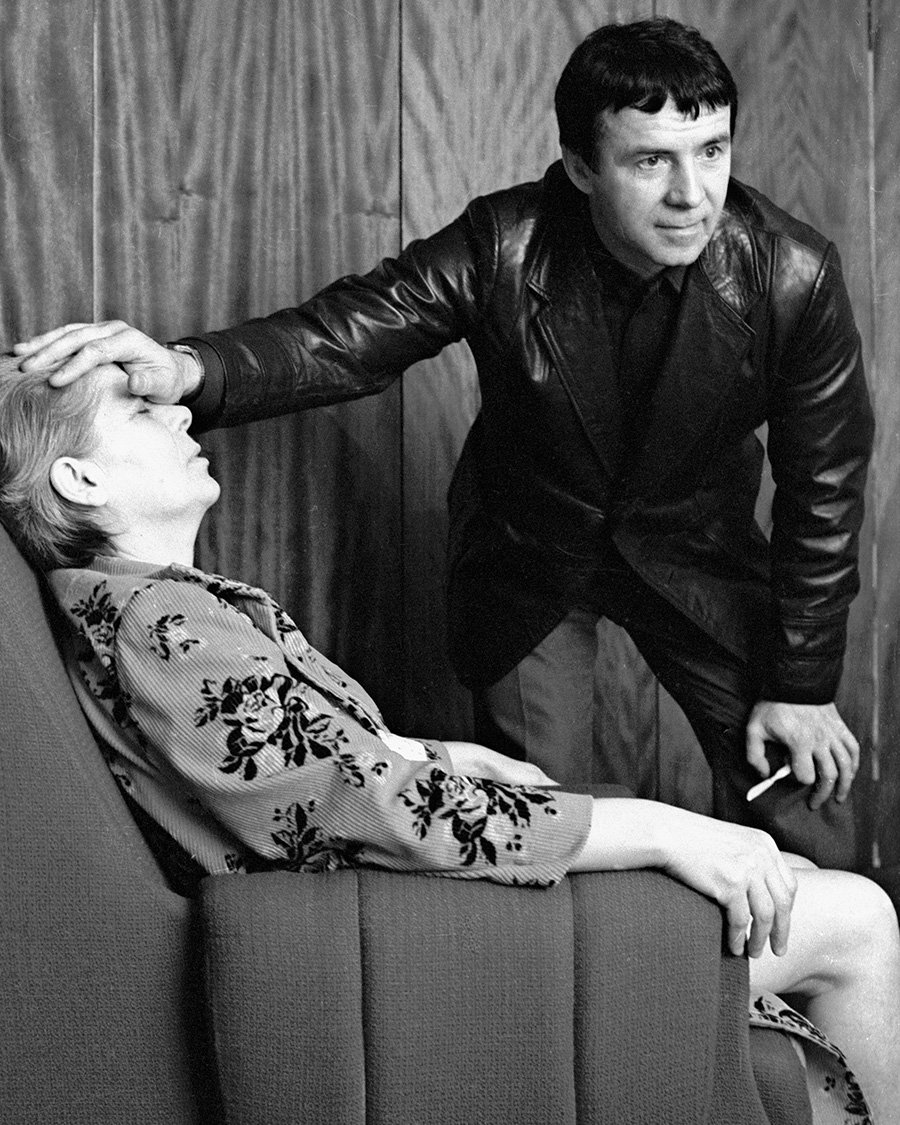 Anatoly Kashpirovsky conducts a hypnosis session to assess a female patient's bodily capabilities. 1988
In March 1988, a Moscow–Kiev teleconference took place, during which Kashpirovsky, broadcasting from Moscow, conducted a hypnotic pain-relief session with a patient at the Kiev Research Institute of Roentgenology and Radiology – right while she was undergoing surgery. This broadcast brought him nationwide fame. Later, surgeons stated that the patient had, in fact, been given a small dose of anesthesia, while she herself admitted that she had felt pain, but did not dare to show it, because of the cameras.
All-union fame
However, true fame arrived in October 1989, when Soviet Central Television – the only nationwide channel at the time – began broadcasting a series titled ‘Health Sessions with Psychotherapist Anatoly Kashpirovsky’. People would sit in front of their TV sets, press their ailing body parts against the screen and believe in a miracle. Kashpirovsky gave viewers "suggestions" for health, wealth and prosperity, ostensibly curing them of gastrointestinal and heart ailments.
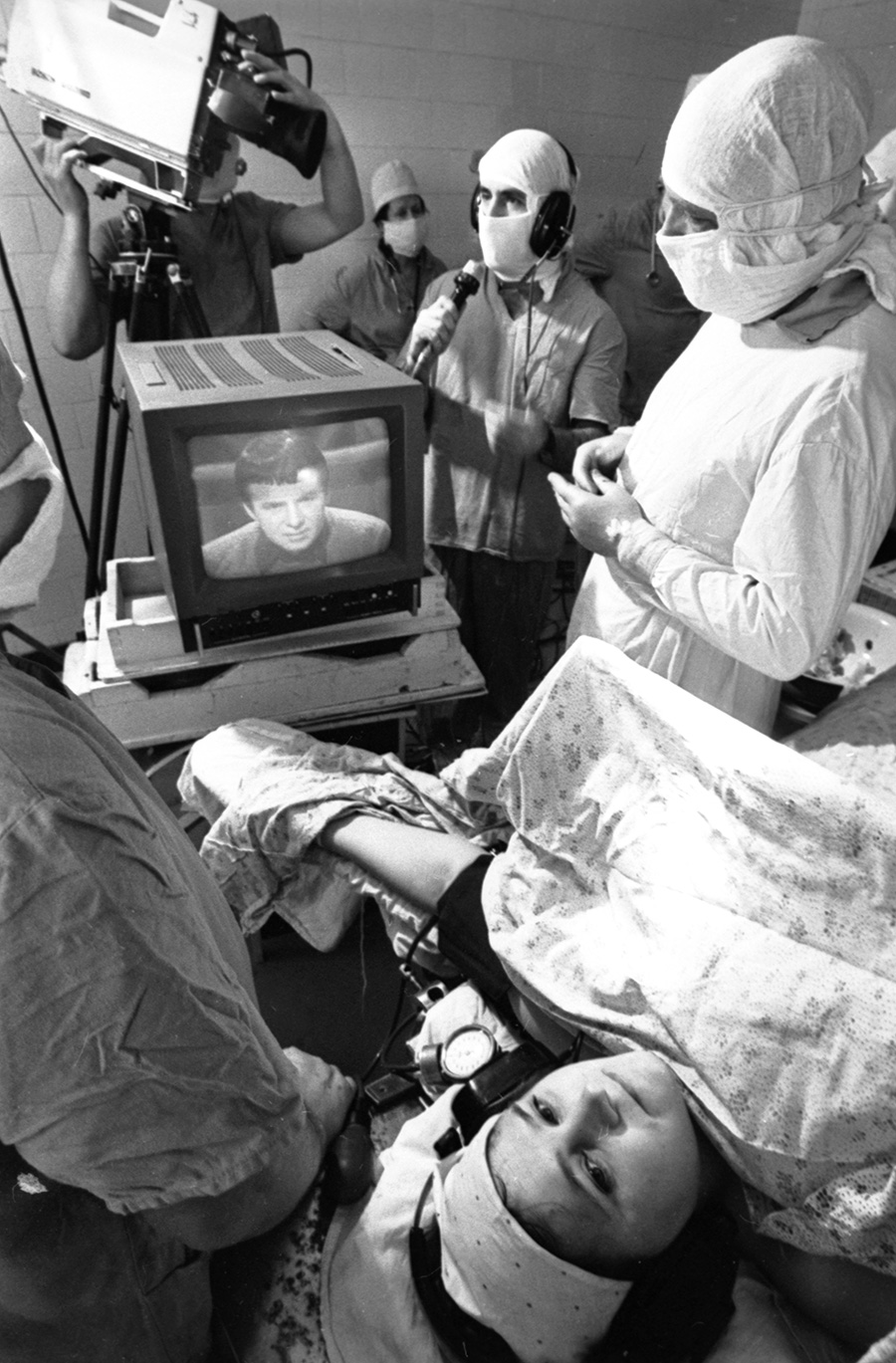 Kashpirovsky performs "hypnotic pain relief" on a patient via a televised link
Conventional medicine and the scientific community viewed his methods with skepticism, attributing any perceived effects to autosuggestion and the placebo effect. The Russian Academy of Sciences later labeled his methods "absolute pseudoscience". Broadcasts of his televised sessions were halted in the early 1990s, following complaints about adverse effects on viewers' health and, in 1993, Russia officially banned mass hypnosis sessions conducted without medical licenses.
However, Kashpirovsky’s career did not end there. Following the collapse of the Soviet Union, he entered politics and was elected to the first Russian State Duma in 1993 as a candidate for the Liberal Democratic Party of Russia (LDPR).
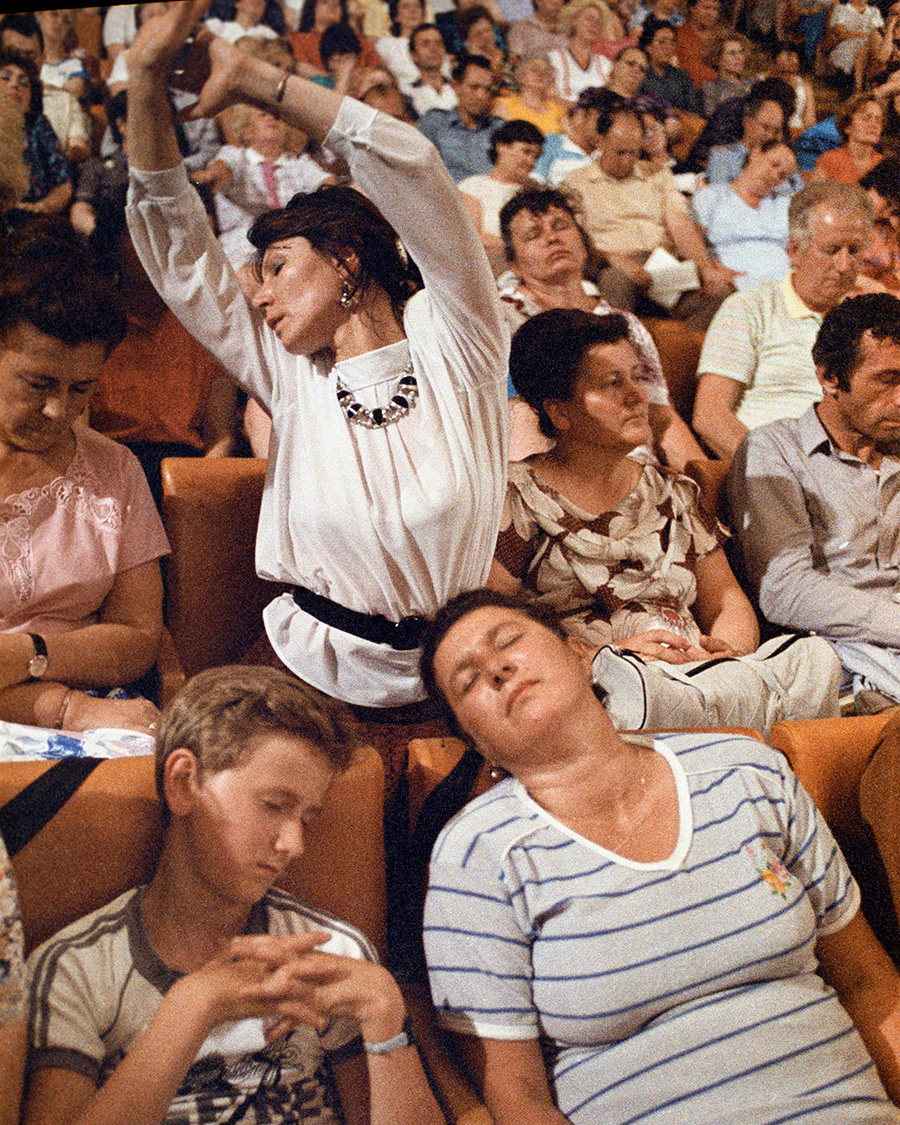 Audience members during the "Health Session"
In his later years, he continued to hold public sessions and ran a ‘YouTube’ channel.
Marina Novikova-Grund, Ph.D. in Psychology and Dean of the Faculty of Psychology at the Moscow International University, discusses the phenomenon of Anatoly Kashpirovsky’s popularity:
"He had mastered various methods of inducing a trance. And when he was just starting his career, he used this method to help all kinds of people. Then, after he’d managed to help someone a few times, he saw the commercial potential in it. And the people who’d been relieved of their pain spread the word about the wonderful doctor who’d helped them.
“He became convinced of his own success. He realized which types of people responded best to his specific trance-induction method: individuals who were often seeking protection and looking for a strong figure. Thus, people who – perhaps unconsciously – were searching for a 'big daddy' figure began to gravitate toward Kashpirovsky." This is not a derogatory description; we all have different personalities and sometimes very strong, commanding and successful people suffer from loneliness in the absence of a strong, ‘controlling father figure’.
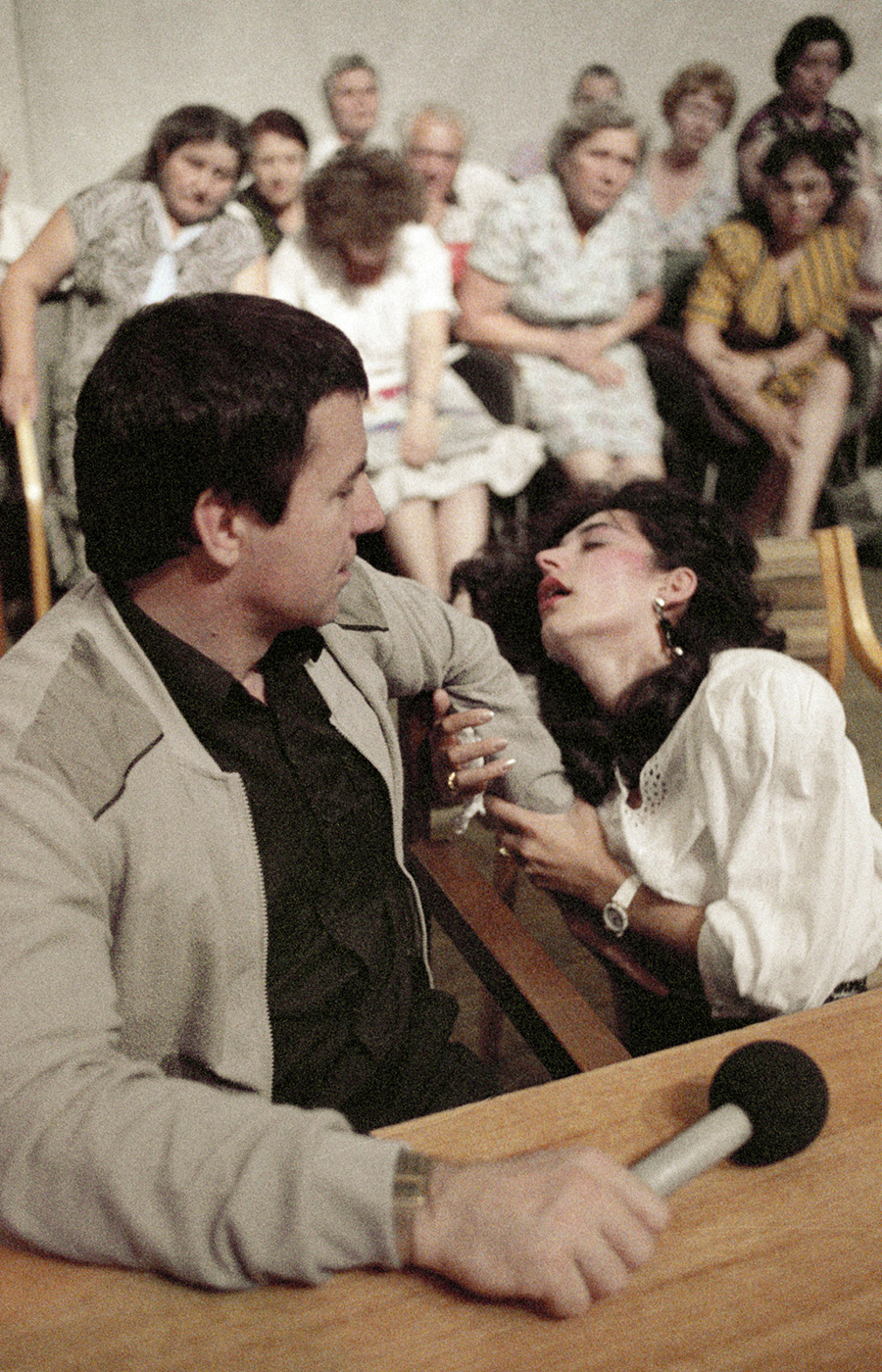 Anatoly Kashpirovsky is conducting a healing session
“During his sessions, they would readily slip into a trance – and a very dramatic one at that. Usually, a person in a trance simply appears sluggish, but here, everyone would simultaneously begin swaying and waving their arms. They experienced a wonderful sense of "togetherness": the crowd amplified the trance effect.
“Then Kashpirovsky appeared on television and a thoroughly unscrupulous commercial dynamic came into play. He knew exactly what to do. He understood that he needed to play the role of an imperious master, allowing people in an altered state of consciousness to influence one another and thereby amplify the ‘magical’ effect.
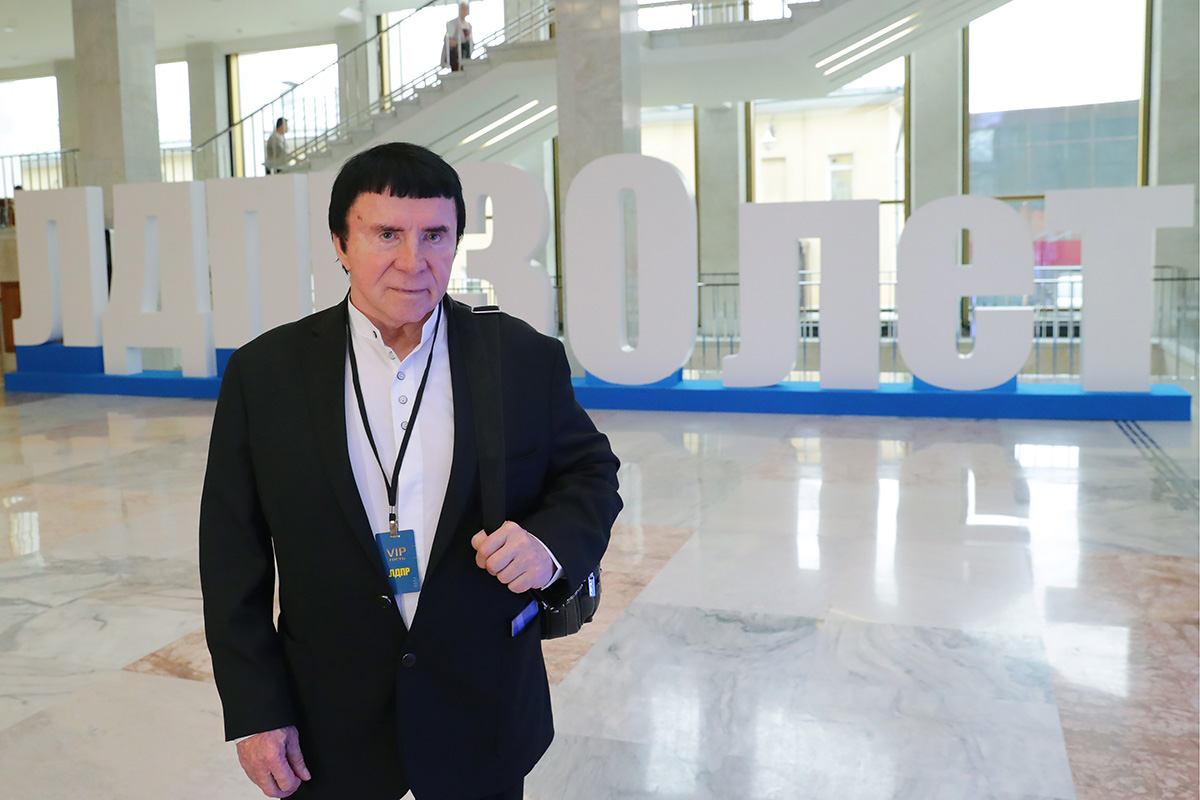 Anatoly Kashpirovsky before the start of the LDPR’s ceremonial meeting marking the party’s 30th anniversary at the State Kremlin Palace
“What was the harm in this? At the very least, it involved forgoing medical treatment and the exacerbation of psychotic conditions that might have previously existed only in a nascent form. Fans were drawn by the simplicity of the approach. Why visit a doctor when you could simply buy a ticket, wave your arms and experience the joy of merging with the crowd? The assumption was that everything would resolve on its own. It was a choice made by people suffering from a sense of helplessness during difficult times.”
Anatoly Kashpirovsky died in Moscow on October 3.