

What did the newspaper society chronicle write about in Tsarist Russia?
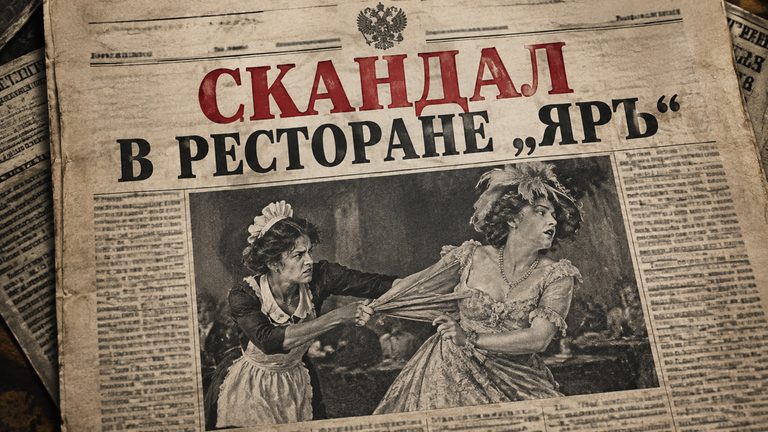
A fight at the ‘Yar’ restaurant, Chekhov being carried on someone’s shoulders, a hooligan jumping into a fountain at the Bolshoi Theater – reporters of that time knew how to keep their readers on edge!
“…and official figures”
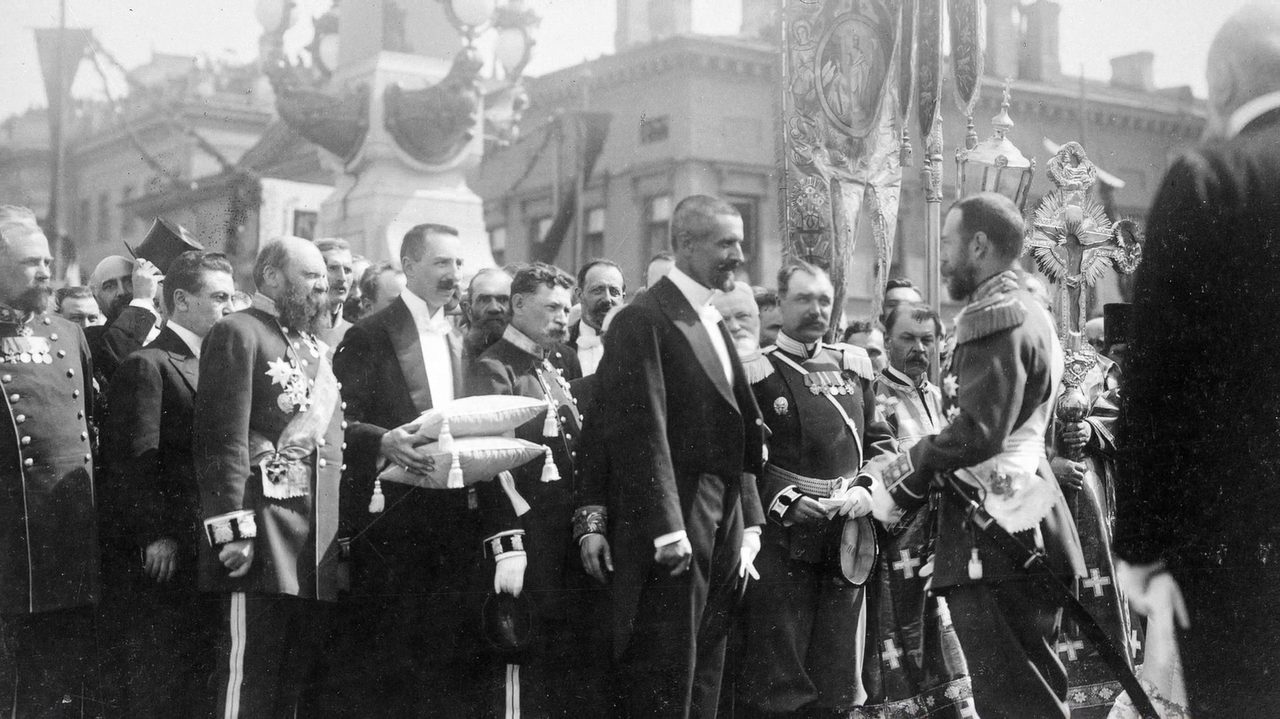
News about the imperial family and those close to the court was an obligatory part of the newspaper “menus”. In May 1903, the ‘St. Petersburg Leaflet’ newspaper reported on the opening of the Trinity Bridge, attended by members of the Romanov family:
“The tsar was wearing the Preobrazhensky Regiment uniform with the Order of St. Andrew ribbon. Empress Alexandra wore a silver-colored dress, while Maria Feodorovna was dressed in white with the Order of St. Andrew’s ribbon. Their majesties approached the drawbridge section, where a button lay on a cushion. The tsar pressed it and the bridge descended. A triple ‘Hurrah!’ rang out.”
It happened that sad news would break out in the middle of the festivities.
“News of the death of Vice Admiral Makarov yesterday made an enormous impression throughout Moscow. In the evening, during intermissions in theaters, audiences would gather in groups to read the mournful telegram. At the Solodovnikov Theater, at the audience’s request, the national anthem was performed. Many people left the theaters halfway through the performance,” wrote one reporter.
Scandals here & there
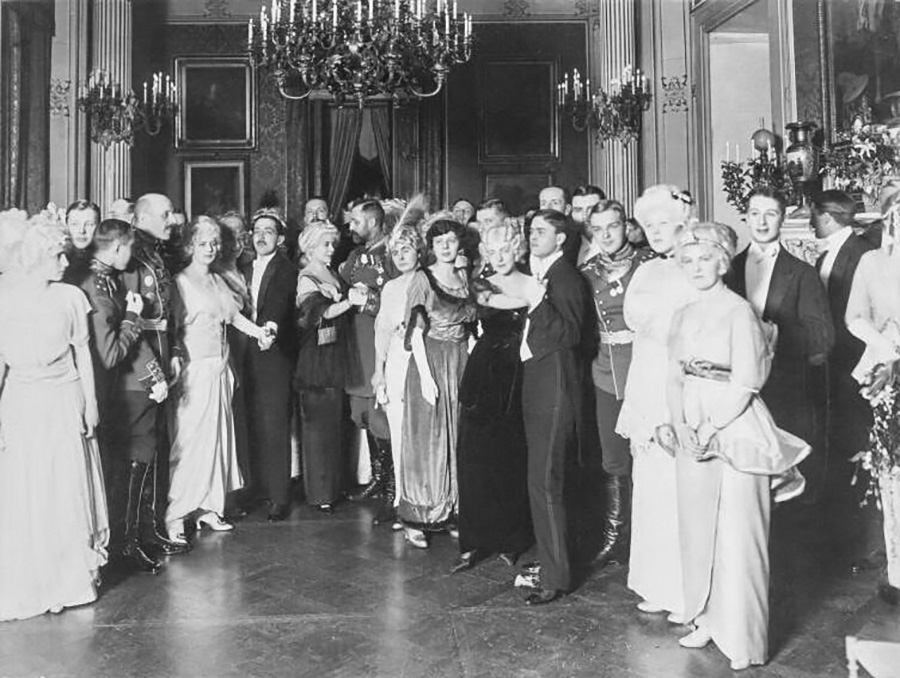
There were scandals, too, some of which spilled out of boudoirs and into the public eye. This happened with a Spanish dancer performing at the ‘Yar’ restaurant. Her maid decided to demand her wages right in the middle of the performance and when she was refused:
“She flew into a rage and, throwing herself at the Spanish woman, tore her dress and hat, ripped off and trampled diamonds and gold jewelry worth 800 rubles. Not content with that, the fiery Frenchwoman also beat the dancer. The scandal ended with a police report.”
At a masquerade ball at the Bolshoi Theater, they once had to catch a hooligan who first tried to tear off the false beards and masks, and then jumped into the fountain, where he immediately started to drown. The police who arrived, not realizing that the drunkard had already been fished out and even sent home, decided he was lying at the bottom and ordered the fountain to be drained.
They found a hat, a glove and a handkerchief. The only problem was that the “drowned man,” the son of a Moscow major general, was already warming himself up at home.
There were incidents at the Moscow Art Theater, too, this time caused by an adoring audience. The public loved Maxim Gorky and Anton Chekhov so much that the playwrights would often have to flee for their lives. But, sometimes, they failed to escape:
“Young people wait for Chekhov to emerge from the theatre entrance and, as soon as they see him, grab him and carry him away on their shoulders… Quite an unbearable reception… To let them show such psychopathic adoration for actors.”
Hunting, in jest & in earnest
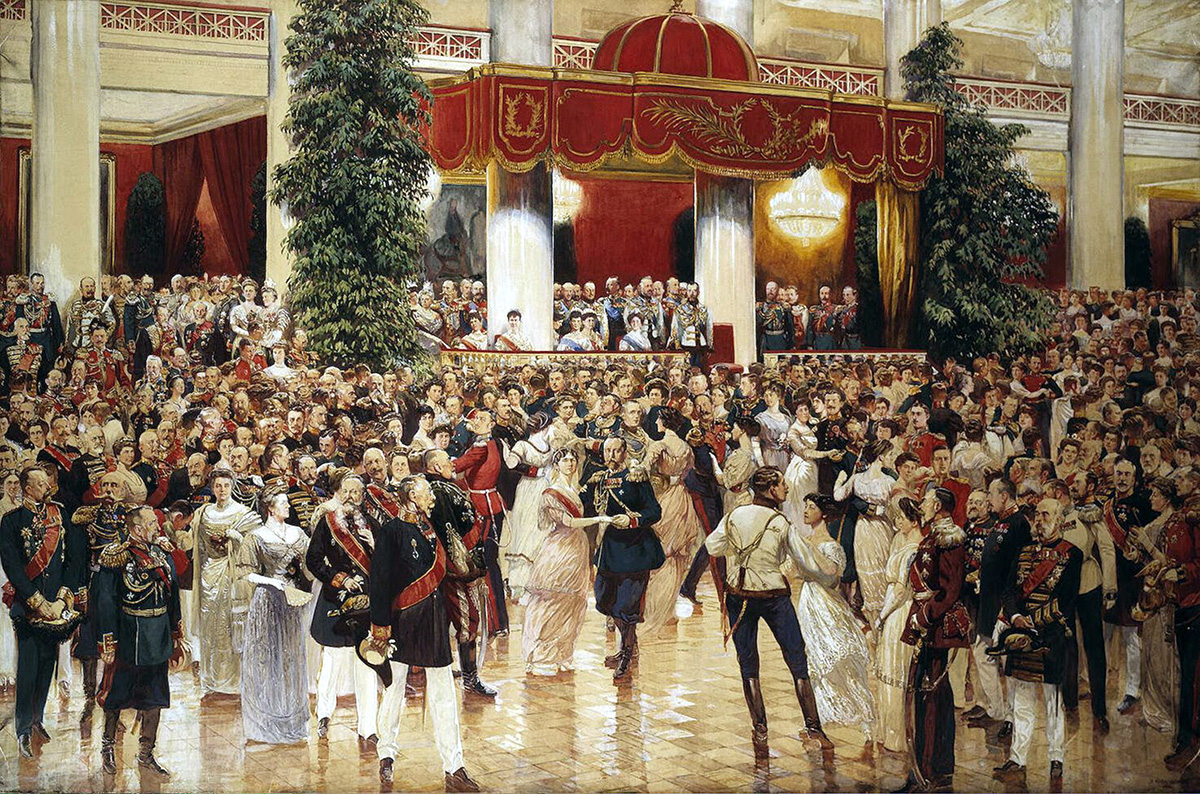 Dmitry Kardovsky. 'Ball at the St. Petersburg Assembly of the Nobility', 1915
A certain Count Komarovsky was reported to have brought two lions and three tigers from Africa and released them into the forest on his estate in Minsk Governorate.
“The governor went out to hunt them down with almost an entire regiment. The panic was enormous!”
A similar effect was produced by the cries of: “Beasts! Tigers are running!” from an excited worker in Alexandrovsky Park.
“Women suffered hysterical fits,” the newspaper grimly concluded.
The hunting habits of the social elite looked somewhat different. General Keisutov, a great lover of life and a connoisseur of wine, was once making a very long speech at one of the receptions, during which he kept getting more and more wine poured into his glass. Finally, when he had drunk enough, he concluded:
“Do not take wine and women away from us!” And proposed a toast to the ladies present.
Entertainment for every taste
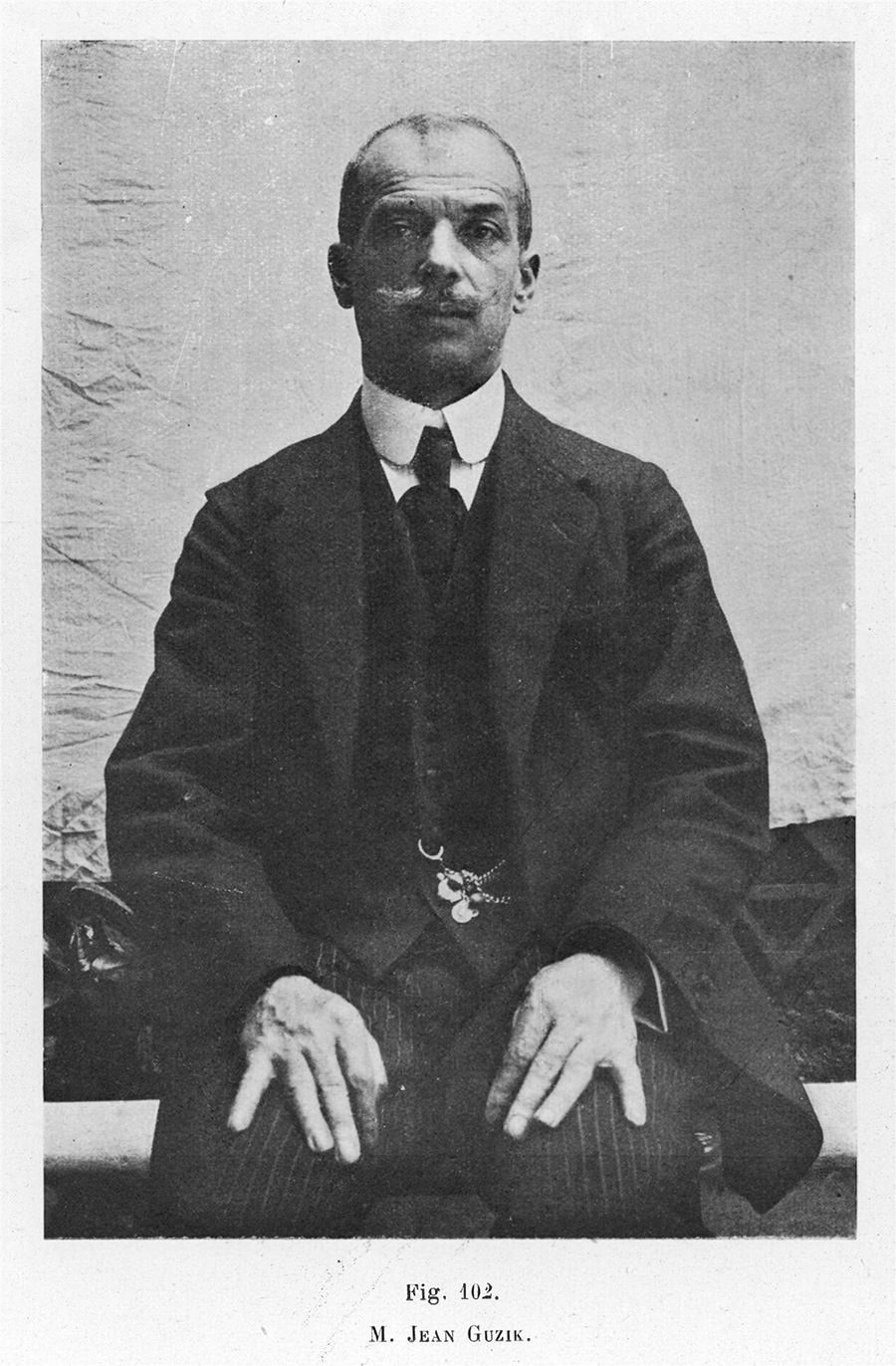
The socialite crowd loved to get their adrenaline pumping, especially when it came to the spiritualist séances that were fashionable at the time. One of them, conducted by famous medium Jan Guzik, was reported as follows:
“The spirit of Schwarzenberg repeatedly materialized, played the mandolin and produced a whole series of beautiful lighting effects.”
A Moscow cinema lured audiences with Papuans from New Guinea, described as coming from “the wildest tribe on the face of the Earth”.
Ladies bought bananas for Chief Lakki, “delighting him with their fashionable hats as tall as the Eiffel Tower and with brims covering seven desyatinas. The savage saw something familiar in this headgear and rejoiced like a child when he was given a huge feather or a hairpin on which one could impale a wild boar.”
Following the latest fashion
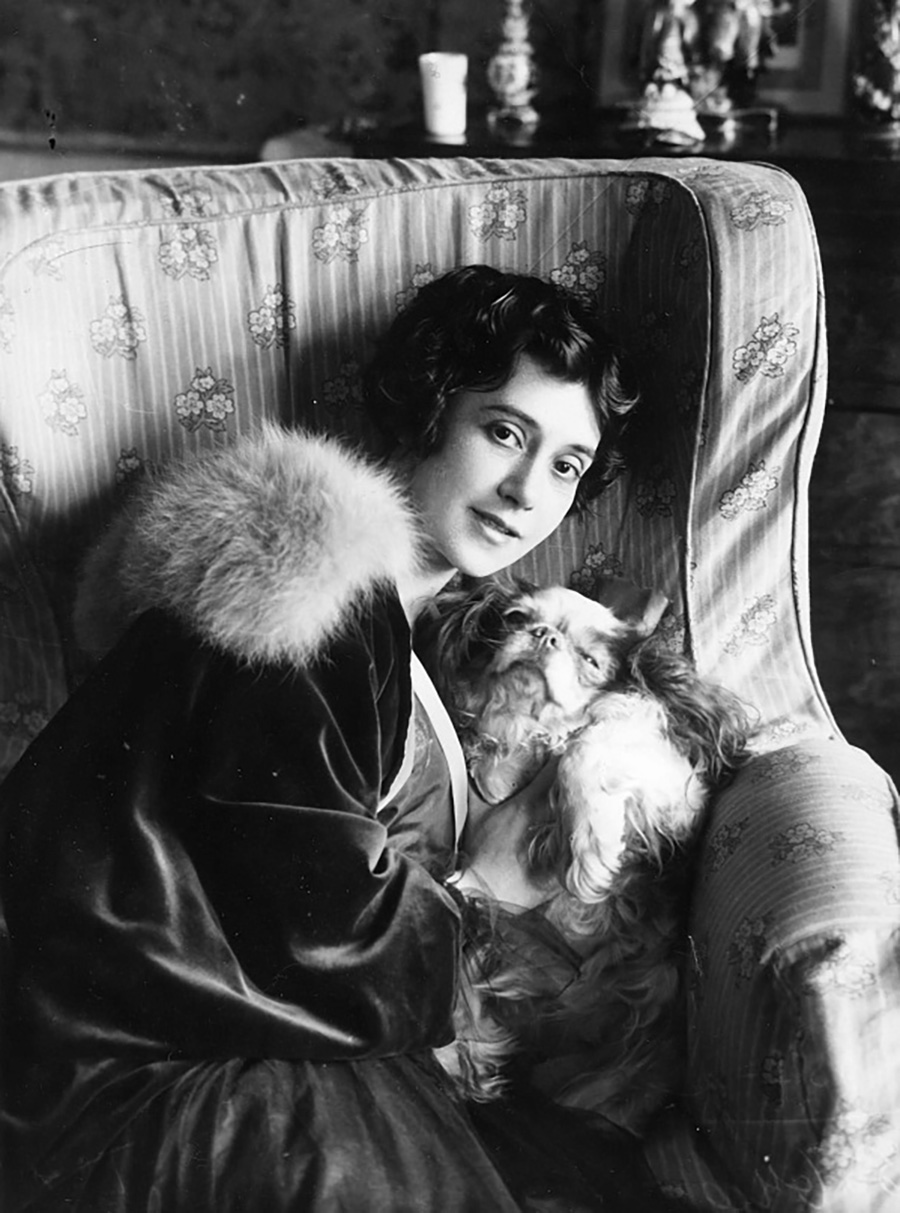
Fashionable people’s sense of beauty sometimes changed, leading to some amusing incidents. A Moscow reporter told readers about a woman who came to the Bolshoi Theater wearing a dress with large cutouts at the front and back, a yellow wig, and her face powdered in the style of the marquises of Louis XV’s era.
“People literally followed the poor woman around as though she were a white elephant: they ran ahead of her, peered at her and snorted almost in her face…”
Another time, a woman arrived at the Mariinsky Theater in ultra-fashionable harem pants, causing an extraordinary stir among the audience arriving for the beginning of the performance. The fashion of 1911 was considered too extravagant for the imperial theaters and the woman was not admitted, her outfit being deemed unacceptable and frivolous.
But, just a few years later, the tone of the reports had changed. “There is no dress cheaper than 250 rubles,” reported a stunned writer covering a fashion evening organized by ballerina Tamara Karsavina.
It was 1916, the height of World War I, yet the theater boxes were all filled with the sparkle of gemstones and the rustle of silk and brocade.
“The diamonds on this dyed blonde alone could keep a large hospital running for several years,” wrote the author indignantly. “The purpose of the evening is to show that Russian artists can design costumes for ladies just as luxurious as the Parisian ones and that Russian fashionistas can spend just as many thousands of rubles on Russian gowns as they do on Parisian ones!”