
Why were these Orthodox ‘Protestants’ the wealthiest people in the Russian Empire?
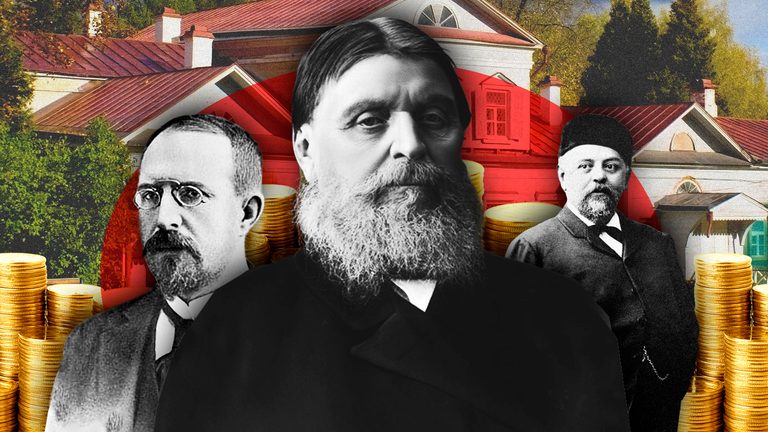
The Morozovs, Ryabushinskys, Bugrovs, Kuznetsovs and Mamontovs – what united these dynasties was not merely their vast wealth and generous philanthropy; they were all Old Believers.
Who were the Old Believers?
In the mid-17th century, a schism occurred within the Russian Orthodox Church, triggered by the reforms of Patriarch Nikon. Following the Mongol-Tatar yoke, church rituals in Old Russia lacked uniformity, with differences that were often quite significant. Nikon decided to standardize everything according to the Greek model. He introduced the three-fingered sign of the cross to replace the two-fingered version, replaced prostrations with bows at the waist, as well as revised liturgical texts.
A group of believers, led by Archpriest Avvakum, regarded these innovations as a "corruption of the faith" and refused to accept them. For this, they were branded schismatics and subjected to persecution by the state and the official church until 1905. In this sense, Old Believers are sometimes referred to as ‘Orthodox Protestants’ – not because they were close to Western Protestantism, but because, like Protestants, they opposed church reforms imposed “from above” and asserted their right to their own faith.
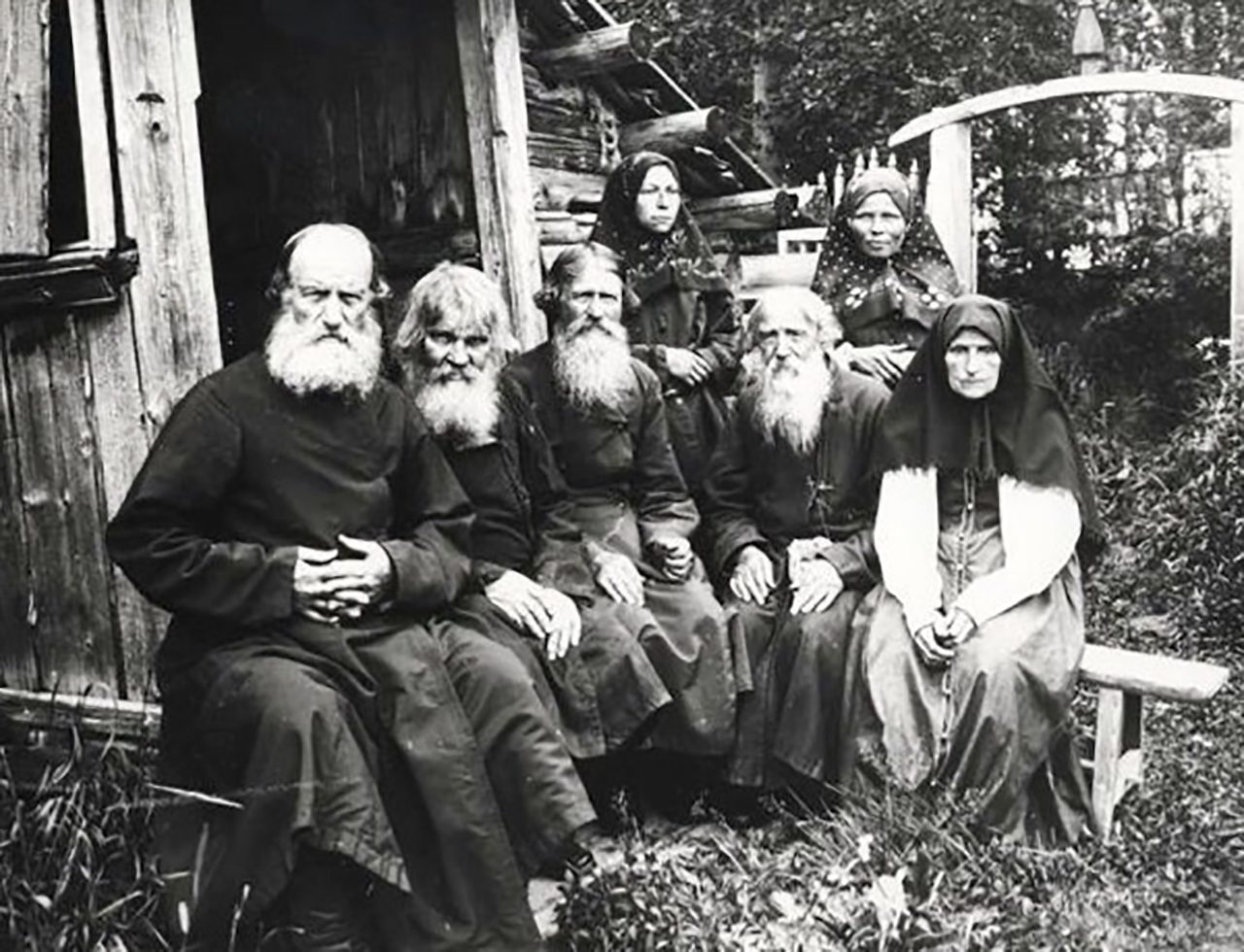 A group of Old Believers
Paradoxically, it was precisely this persecution and forced isolation that laid the foundation for the Old Believers' future economic power. During the 18th and 19th centuries, the wealthiest figures of the Russian Empire – merchants, industrialists and entrepreneurs – began to emerge from their ranks, effectively becoming the pioneers of Russian capitalism. Close-knit communities, mutual trust, an impeccable business reputation and a readiness to support fellow believers fostered a unique entrepreneurial culture that enabled Old Believers to amass a significant share of the country's industrial and commercial capital.
Researchers estimate that, by the early 20th century, Old Believers controlled 64% of all Russian capital.
The Wealthiest Old Believer Dynasties
- The Morozovs became famous not only as major industrialists and among the country's wealthiest individuals, but also as generous patrons and collectors; their collections of Western European art (including works by Van Gogh, Picasso, and Matisse) and the hospitals, theaters and libraries funded by them played a pivotal role in shaping Moscow's cultural landscape.
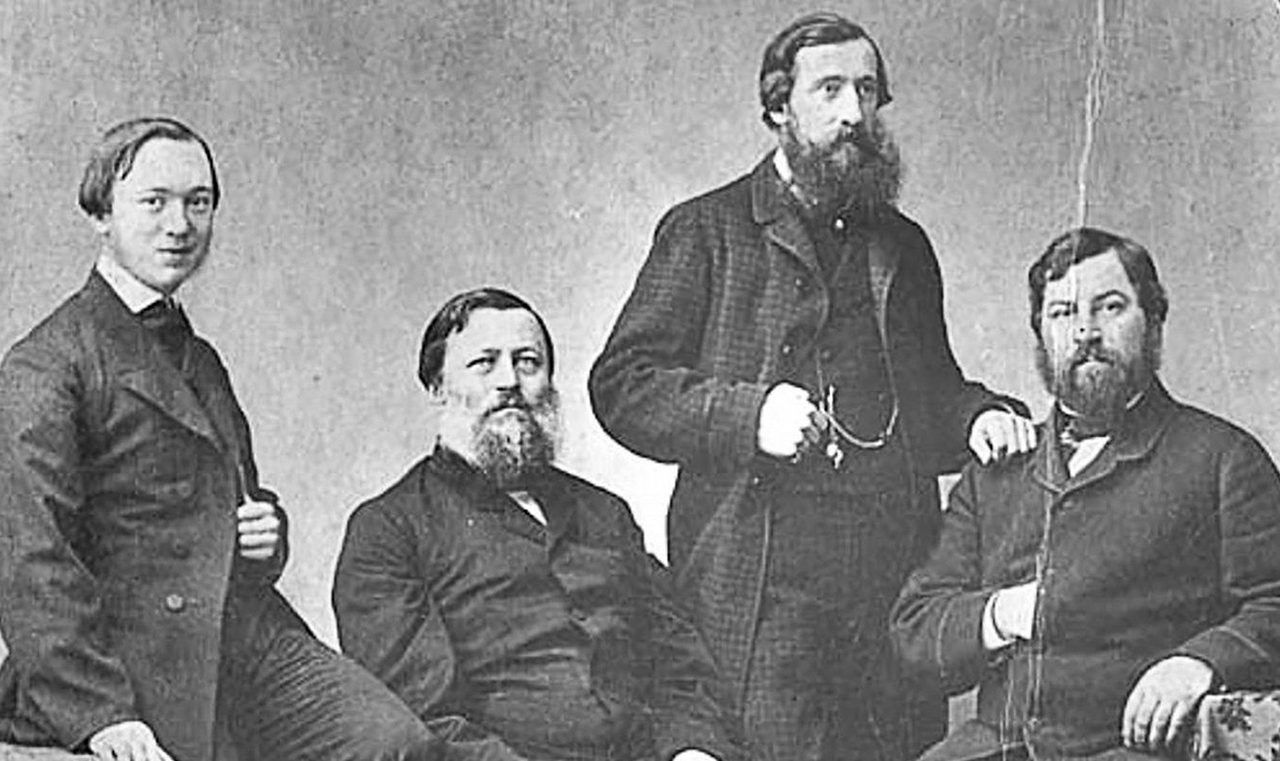 Representatives of all four branches of the Morozov family. From left to right: Abram Abramovich, Timofey Savvich, Ivan Zakharovich, and Vikula Eliseevich Morozov. Early 1860s
- The Ryabushinskys are associated with textile manufacturing, banking and the timber and glass industries, as well as the founding of the country's first automobile plant, ‘AMO’ (later known as ‘ZIL’). They went down in history not only as the "Russian Rothschilds", but also as generous patrons and collectors.
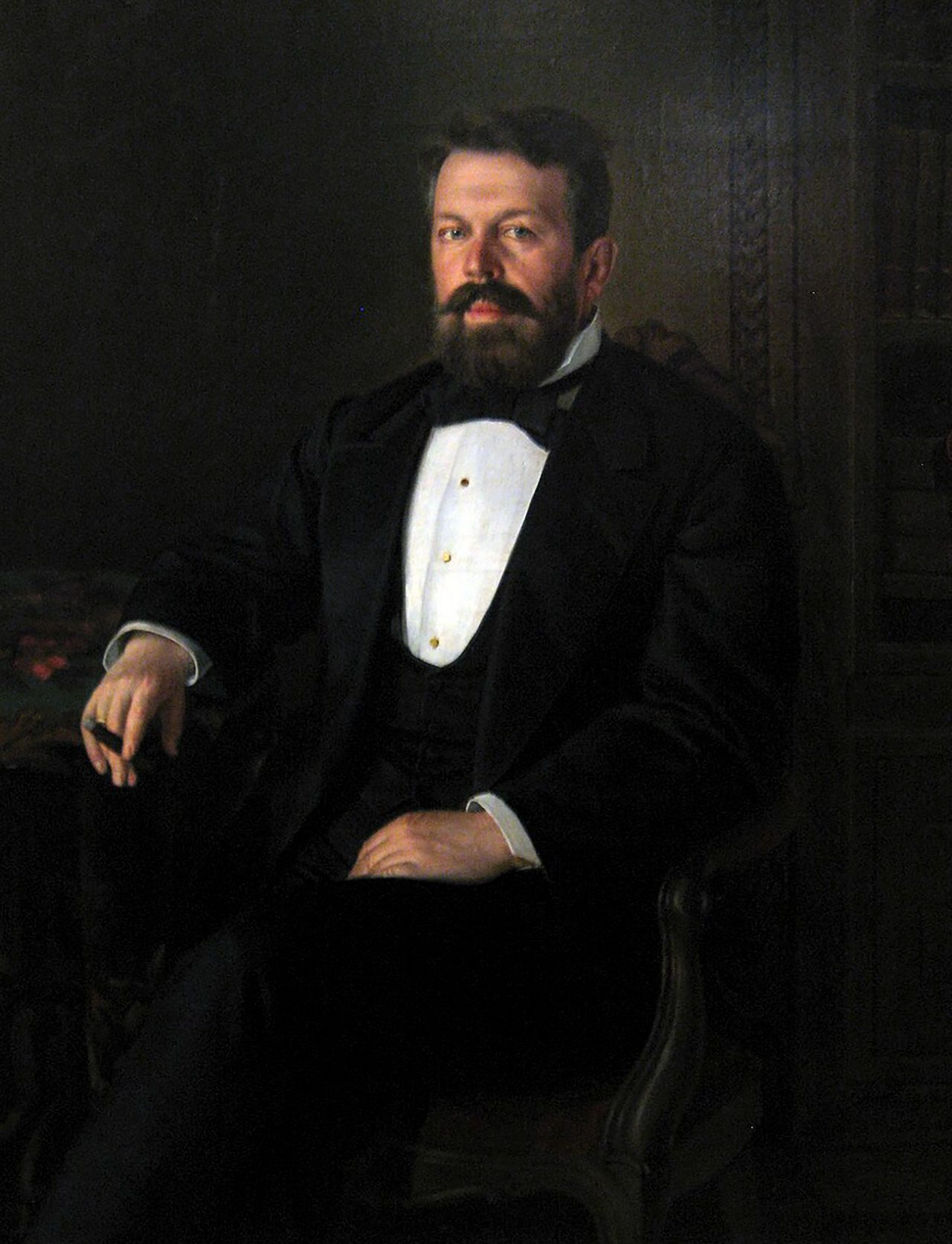 Pavel Ryabushinsky
- The Bugrovs – flour millers and grain merchants from Nizhny Novgorod – spent up to half their income on constructing shelters for the homeless, almshouses, hospitals and the city's first free water supply system. Nikolai Bugrov gifted stone-paved streets to Nizhny Novgorod and went down in history as the city's most celebrated philanthropist.
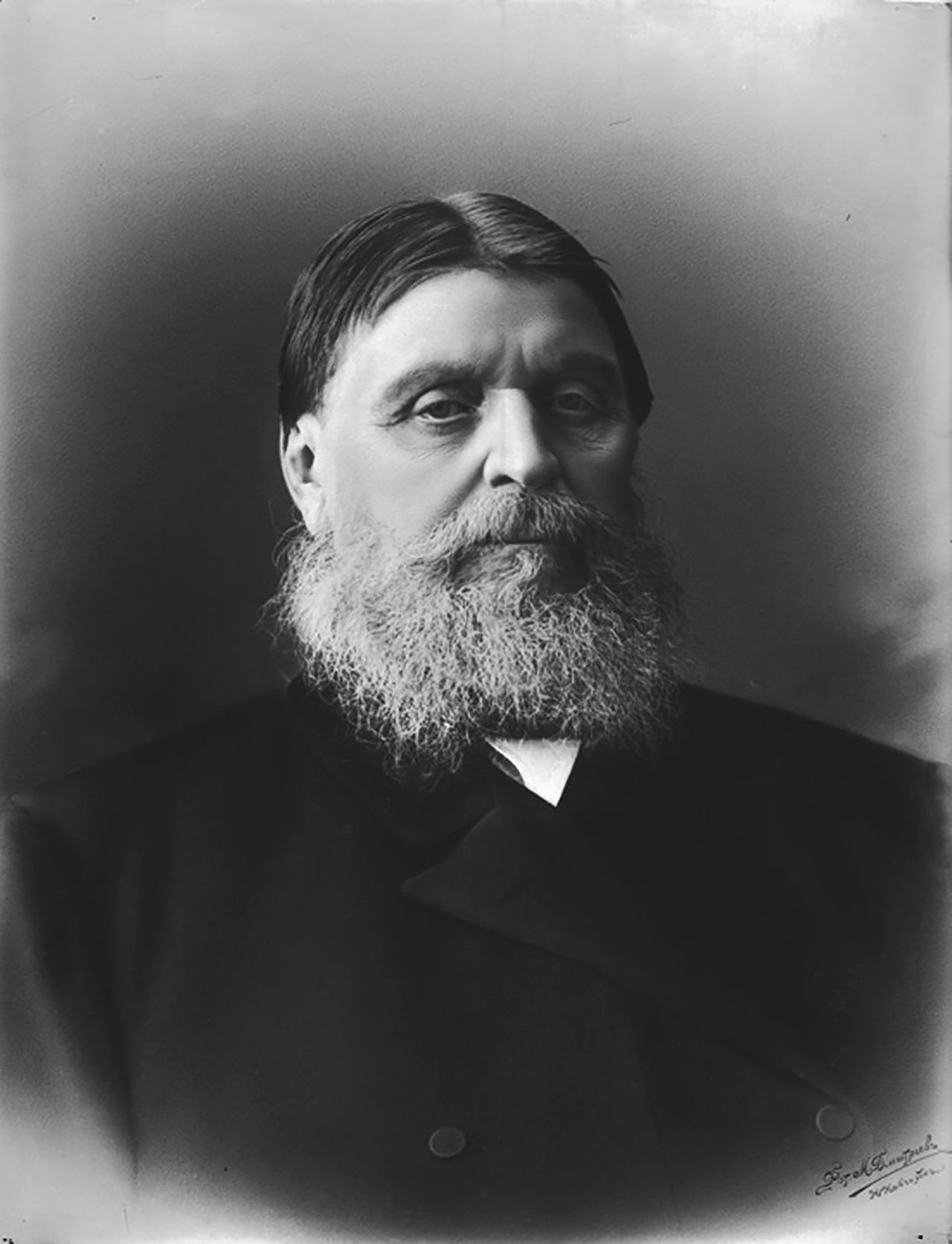 Bakery industrialist N.A. Bugrov. Nizhny Novgorod
- The Kuznetsovs – Russia's "Porcelain Kings" – established the largest porcelain and earthenware manufacturing business in Europe. At the same time, they invested heavily in building schools, hospitals, shelters and churches for their workers.
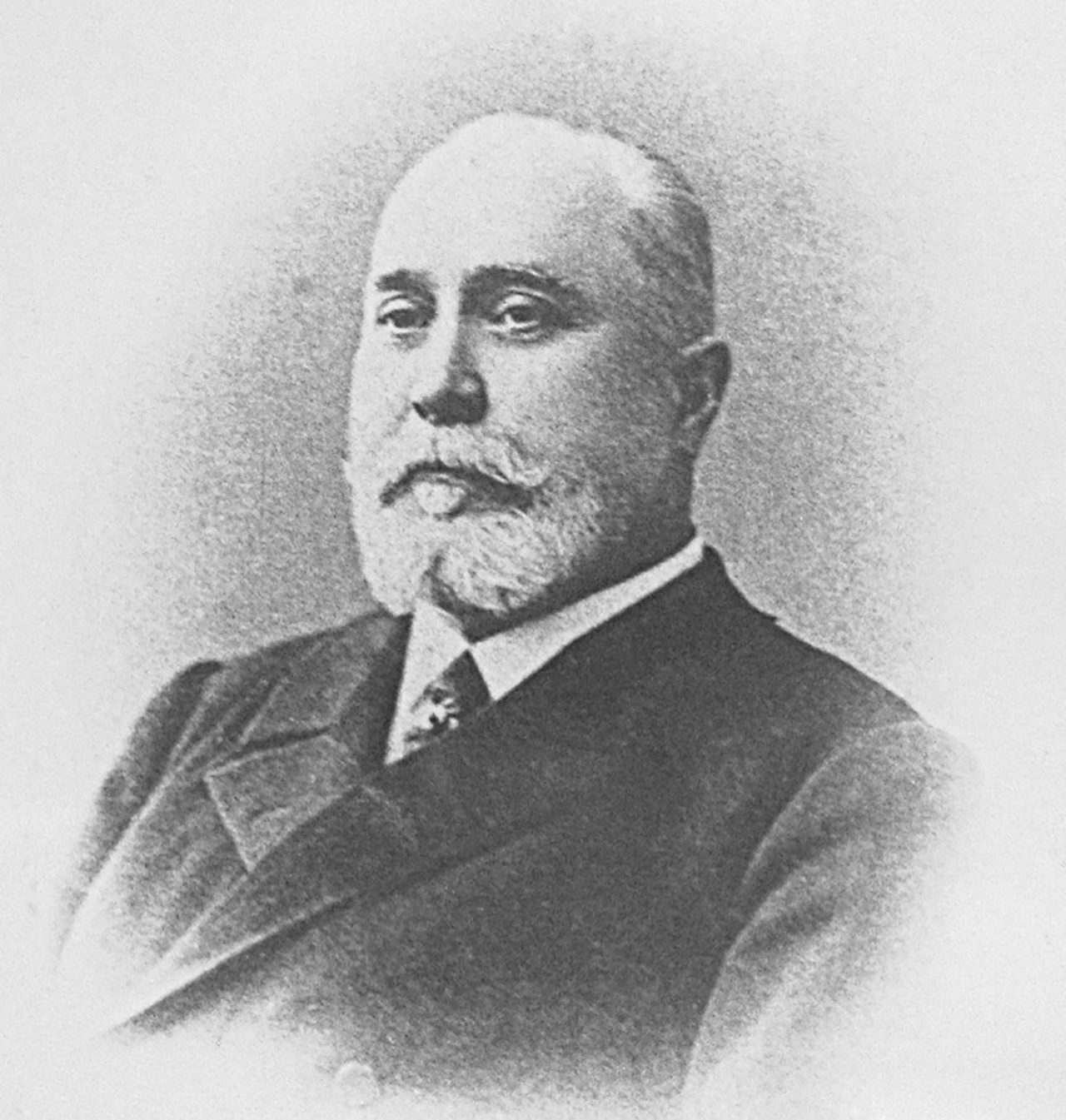 Matvey Kuznetsov
- Savva Mamontov built the Moscow–Arkhangelsk railway and founded the Moscow Private Russian Opera. And his Abramtsevo Estate near Moscow became a hub of artistic life, where the talents of artists Viktor Vasnetsov, Valentin Serov and Konstantin Korovin, as well as the singer Fyodor Chaliapin, flourished.
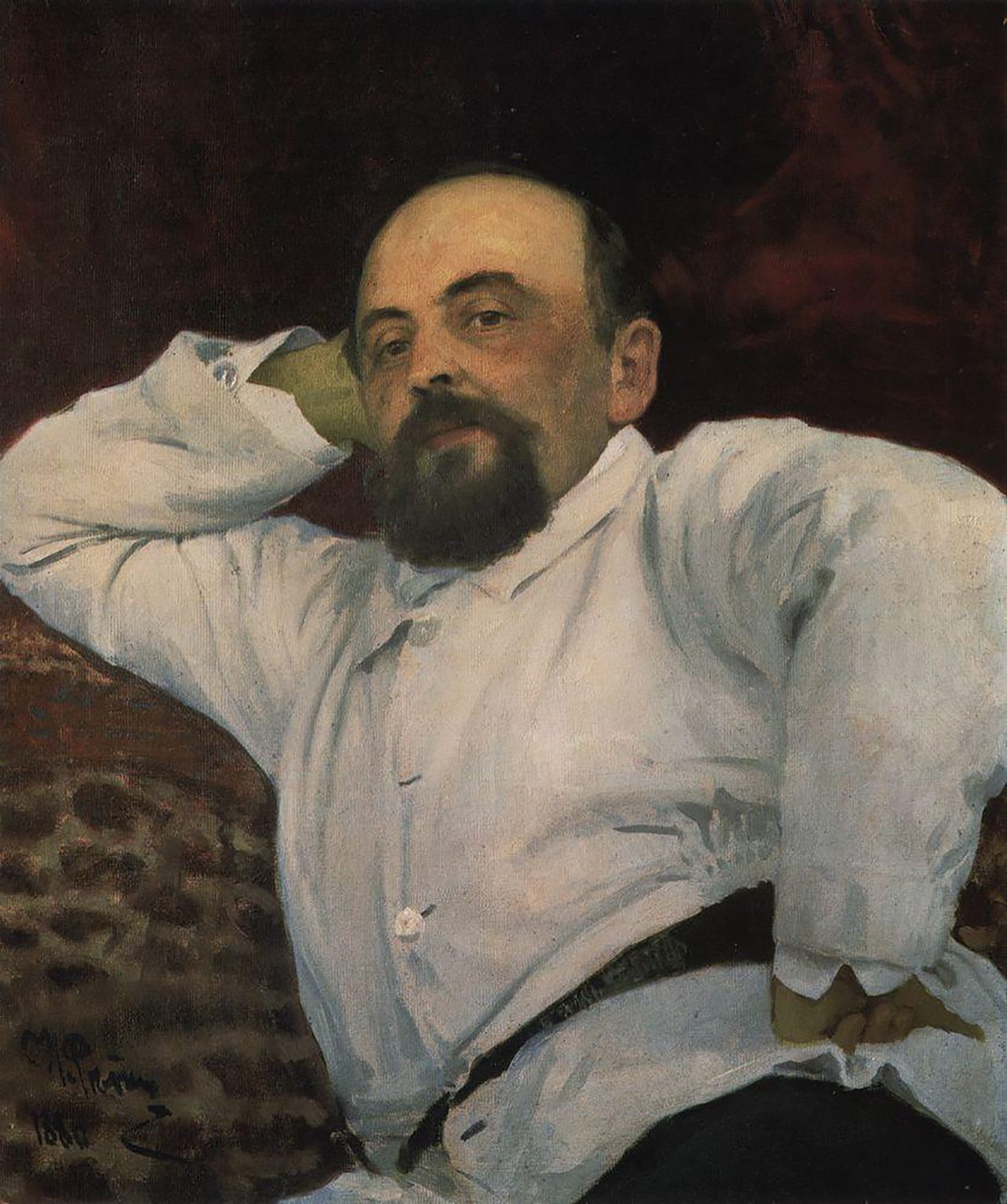 Railway magnate and patron of the arts Savva Mamontov
Why they succeeded
The economic success of the Old Believers is often attributed to their unique social organization. First, in the face of constant persecution by the state and the official church, the religious community evolved into a powerful institution based on mutual aid and trust. It was the community that provided startup capital to aspiring merchants; in other words, they had no need to rely on state or commercial banks. Intra-community ties enabled them to conduct business without written contracts – relying solely on reputation and one’s word – which significantly reduced costs and risks.
The second most important factor was their religious ethics, which shaped a unique attitude toward work and wealth. Much like the Protestant ethics, the Old Believers' faith directly influenced their economic activities. Entrepreneurship was viewed as the fulfillment of a "holy duty to God" and labor as a pursuit that fostered the salvation of the soul. This mindset was reinforced by discipline, frugality and a readiness for hard work – qualities that combined to create the ideal type of "rational" capitalist entrepreneur, one averse to ostentatious luxury and wastefulness.
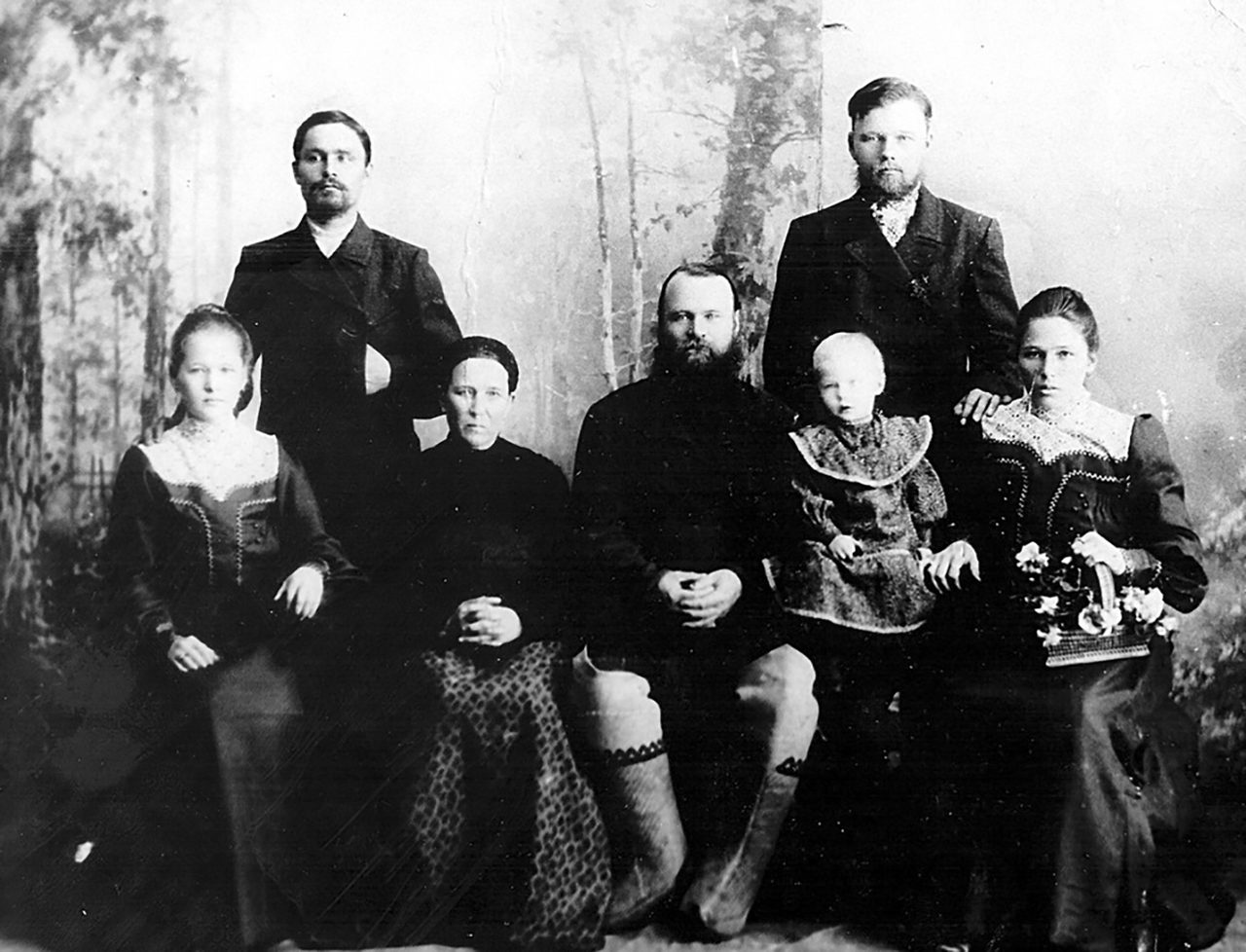 The Kuznetsov family
And the third factor was forced isolation. For centuries, the state imposed double taxation on the Old Believers, invalidated their wills and restricted their rights in every possible way, compelling them to seek niches where they could operate autonomously. Paradoxically, this marginalization contributed to their economic success. Economists have frequently noted that persecuted or marginalized groups often excel in business – particularly in trade – because the forced solidarity and mutual trust within the group give them an advantage over a fragmented majority. Thus, the Old Believers found themselves in the position of a minority for whom active entrepreneurship became not merely a means of amassing wealth, but a strategy for survival and the preservation of their faith.