7 facts about legendary singer Galina Vishnevskaya
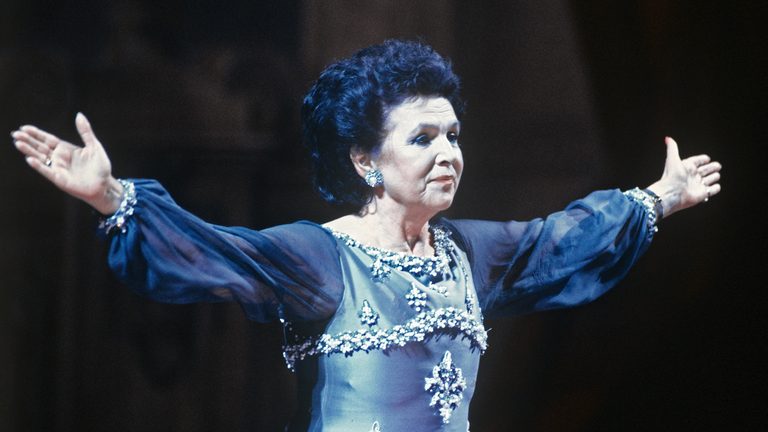
She was known as the ‘Russian Maria Callas’ and ‘Chaliapin in a skirt’. Benjamin Britten composed a vocal part specifically for her, while Marcel Landowski wrote an entire opera about her.
1 She survived the Siege of Leningrad
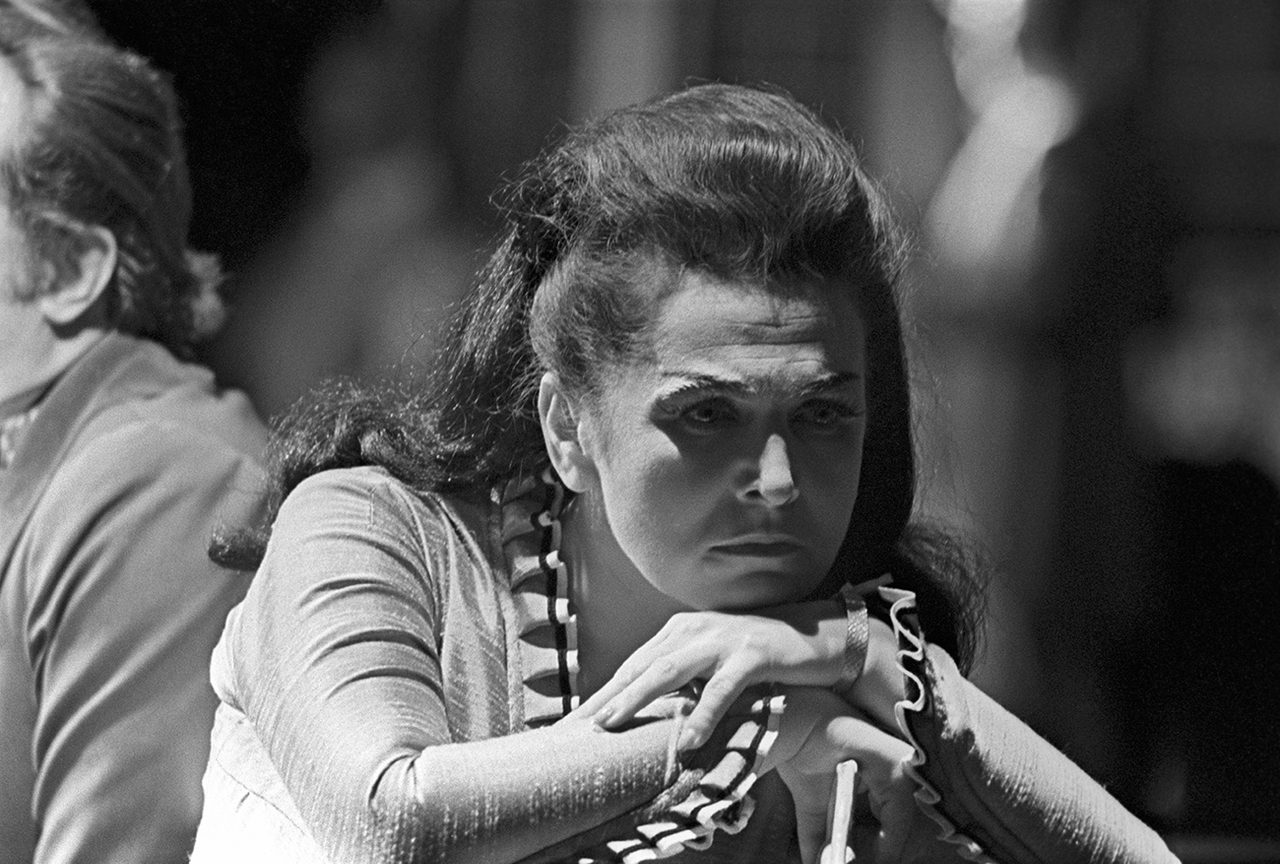
Vishnevskaya was born on October 25, 1926. She spent most of her childhood in Kronstadt, raised by her grandmother, who, later, perished during the Siege of Leningrad. In Spring 1942, a 15-year-old Galina joined an air-defense unit; at the same time, she sang with a sailors' orchestra, performing at concerts held in military forts and dugouts.
2 She had no formal classical musical education
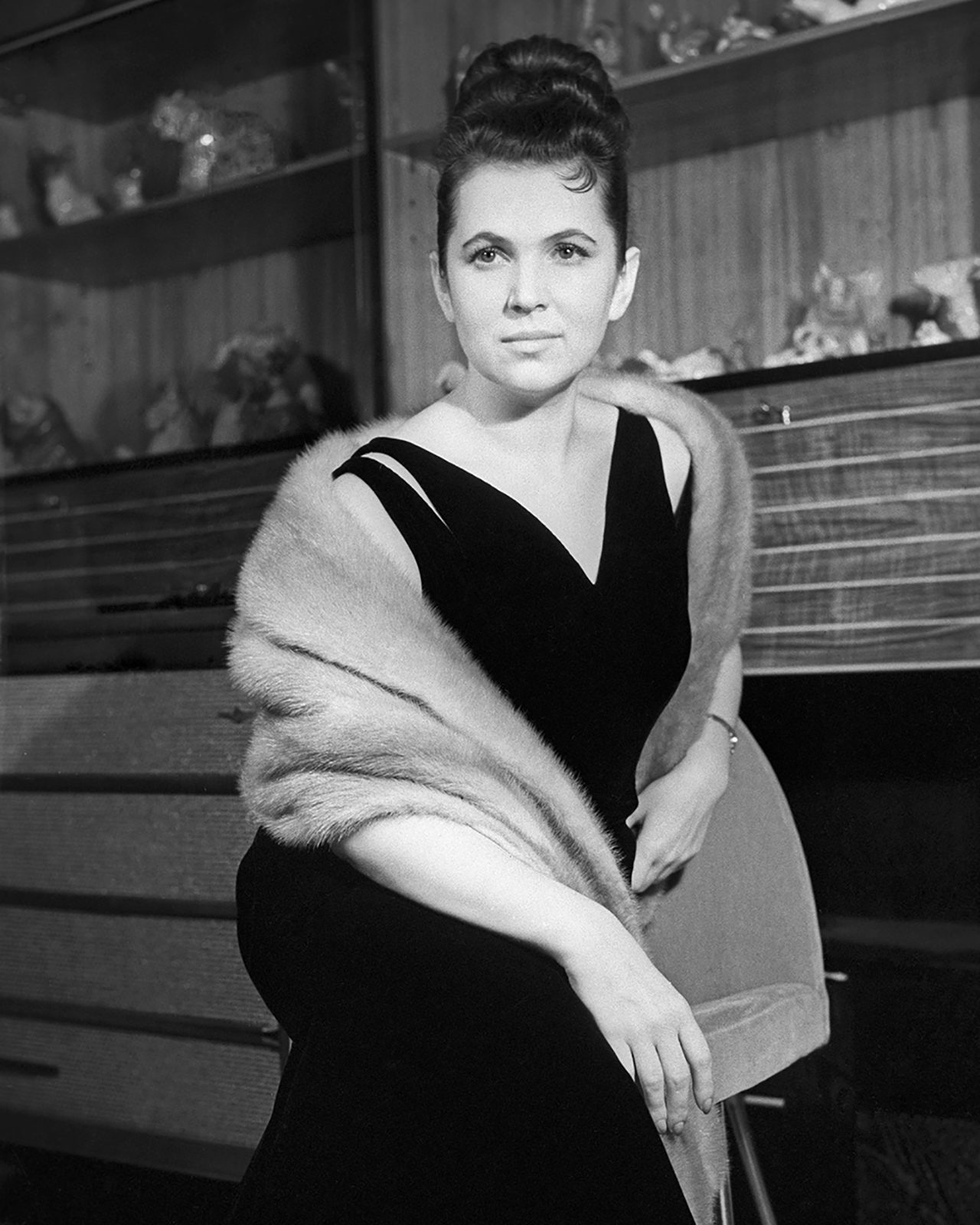
"I was only three years old, yet my voice sounded like that of an adult. I was born with a naturally developed voice; people around me found it strange to hear such a powerful, resonant, chest-driven sound coming from the throat of such a tiny girl. Whenever I heard applause, I would crawl out from under the table, take a bow and – emboldened by my success – begin to act out the songs I was singing," recalled the singer, describing her childhood performances at her parents' dinner parties.
In 1944, she joined the chorus of the Leningrad Regional Operetta Theater, where she soon became a soloist. She also studied voice under Vera Garina. Vishnevskaya later acknowledged that these lessons changed her life; without them, she would never have become an opera singer. She lacked a formal musical education in the traditional sense, yet this did not prevent her from successfully auditioning for the Bolshoi Theater’s trainee group in 1952. In 1966, she completed her studies at the Moscow Conservatory as an external student and, in 1990, she was named an honorary professor there.
3 She had a career at the Bolshoi Theater
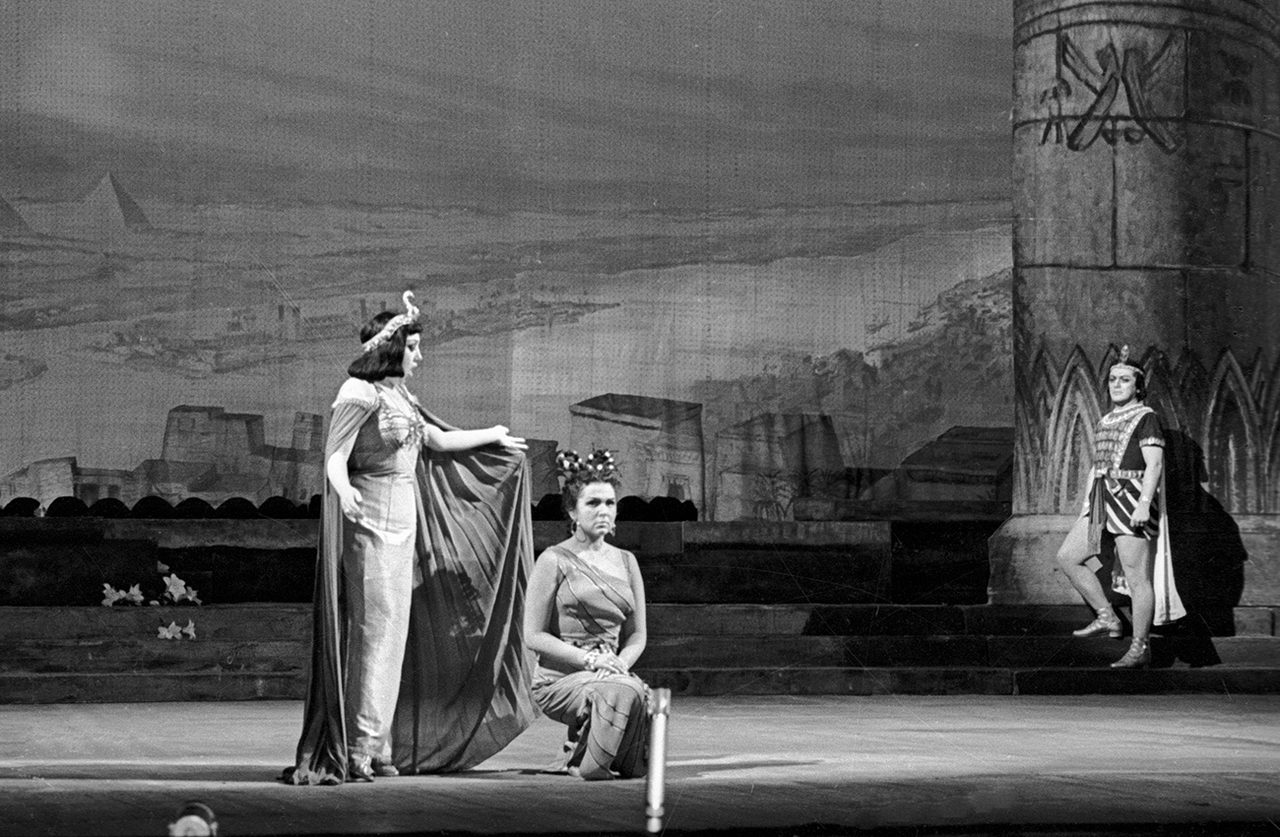
Director Boris Pokrovsky referred to her as the Bolshoi’s “trump card”. For 22 years, she shone on the stage of the nation’s premier theater, bringing to life such characters as Tatyana in ‘Eugene Onegin’, Kupava in ‘The Snow Maiden’, Liza in ‘The Queen of Spades’ and Marfa Sobakina in ‘The Tsar’s Bride’.
Vishnevskaya’s silvery soprano was complemented by her dramatic talent; she meticulously prepared for each role, researching literary sources, archival documents and the broader historical and cultural context of the plot – she even designed her own costumes.
The role of Aida became a pivotal one for the singer. So impressed was Alexander Melik-Pashayev, the Bolshoi’s chief conductor, by her performance that he forbade any other singer from performing the role as long as he was alive.
4 She performed in New York & London in the Soviet Era
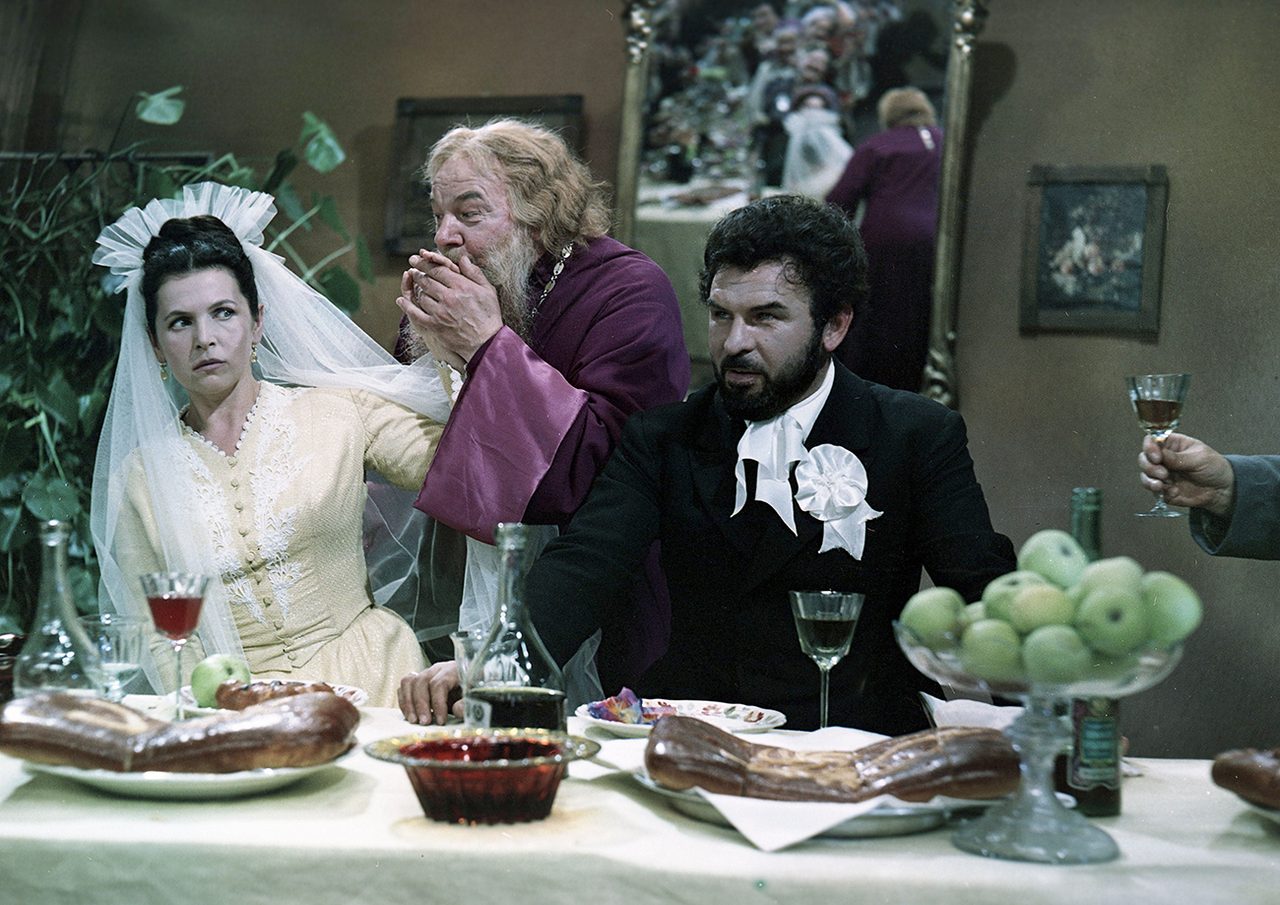
Her first tour abroad took place in 1955, when she participated in the ‘Prague Spring’ Festival. Four years later, she won the acclaim of American audiences, with local journalists describing her as a “knockout for the eyes and ears”. In November 1961, the diva made her debut at the Metropolitan Opera in ‘Aida’ and, a year later, she performed the same role at London’s Covent Garden.
5 She was stripped of her Soviet citizenship
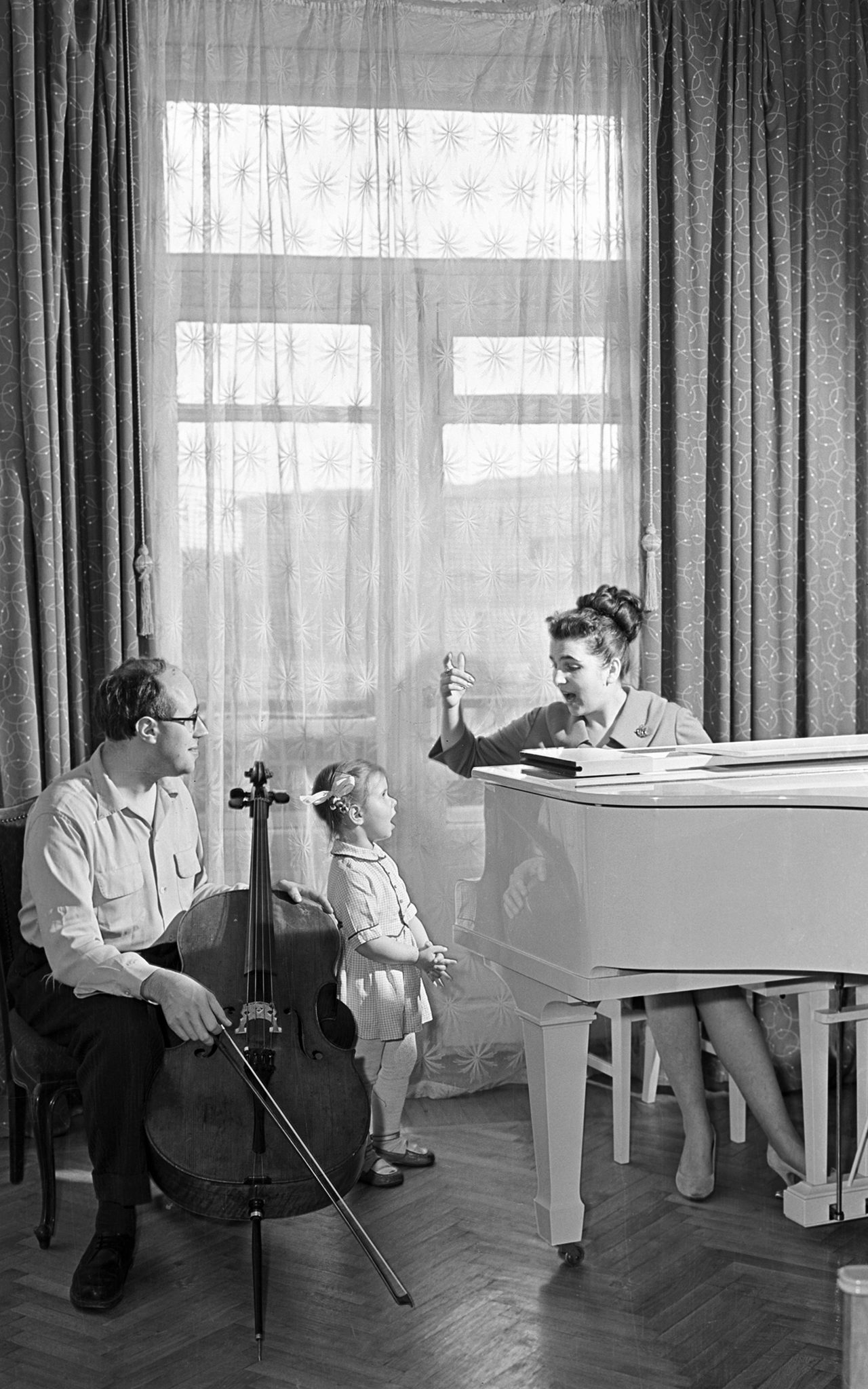
In 1955, the singer married cellist Mstislav Rostropovich. The couple supported writer Aleksandr Solzhenitsyn, who lived at their dacha for several years. Their friendship with the disgraced author came at a price: any mention of Vishnevskaya in the press was banned. In 1974, she and her husband left for a long-term stay abroad, but, four years later, they were stripped of their Soviet citizenship. Vishnevskaya and Rostropovich did not return to Russia until 1990 and they declined to have their citizenship reinstated.
6 She inspired Anna Akhmatova & Benjamin Britten
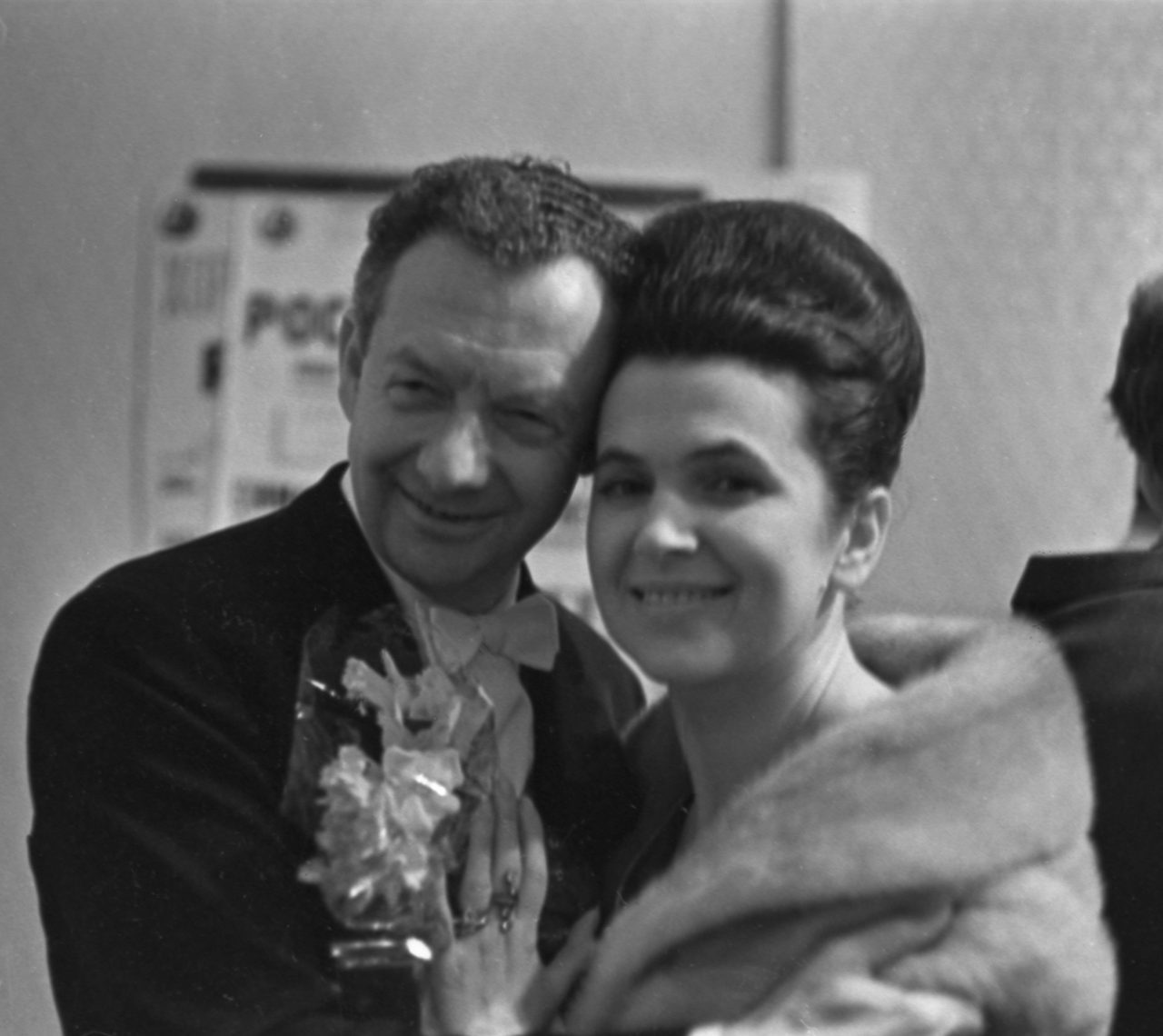
Vishnevskaya’s voice inspired poet Anna Akhmatova; upon hearing her perform ‘Bachianas Brasileiras’ Akhmatova wrote the poem ‘Listening to a Voice’. Dmitri Shostakovich, meanwhile, composed the soprano part in his 14th Symphony – as well as vocal cycles based on poems by Sasha Chorny and Alexander Blok – specifically for her. Benjamin Britten also wrote a part for her in his ‘War Requiem’ and dedicated a vocal cycle, set to poems by Alexander Pushkin, to her. Additionally, French composer Marcel Landowski created an opera titled ‘Galina’, based on the singer’s autobiography.
7 She appeared in a movie by Alexander Sokurov
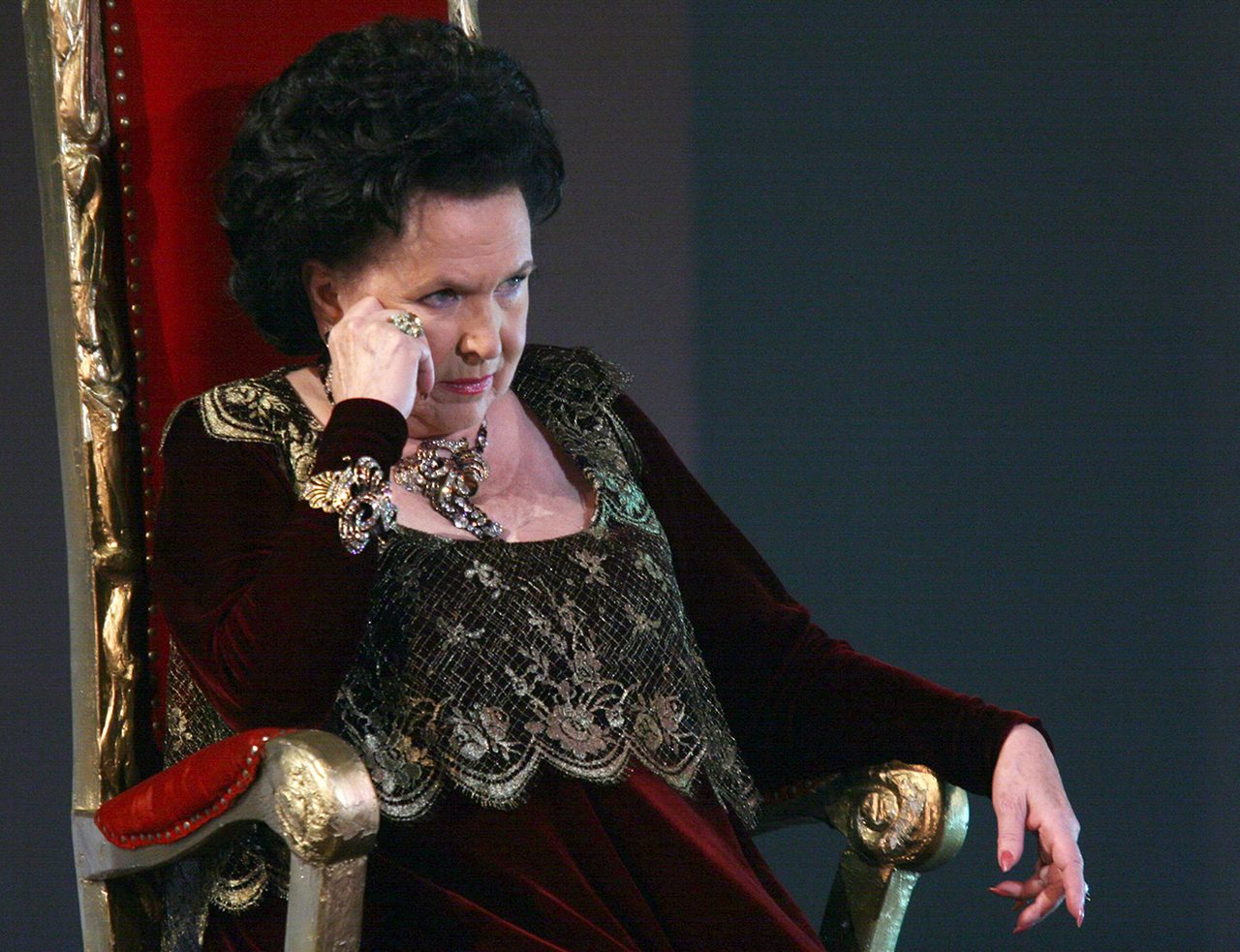
The singer once remarked that, had she not left the USSR, she might eventually have focused on a career in drama. In 1993, she made her stage debut at the Chekhov Moscow Art Theatere, playing the role of Catherine the Great. In 2007, she appeared in the movie ‘Alexandra’, by the acclaimed filmmaker Alexander Sokurov. The director said he saw in her “a certain nobility of spirit – an internal tuning fork, as it were”.