

What were classic Russian writers AFRAID of?
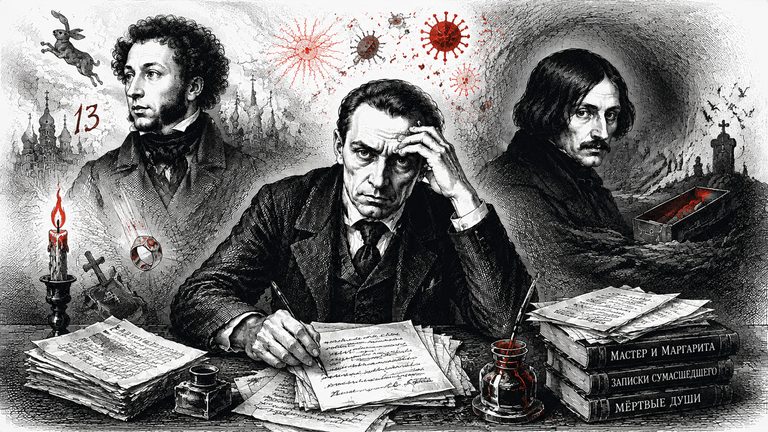
It's common to look for answers to eternal questions in their books. However, even they were not immune to human frailties and weaknesses.
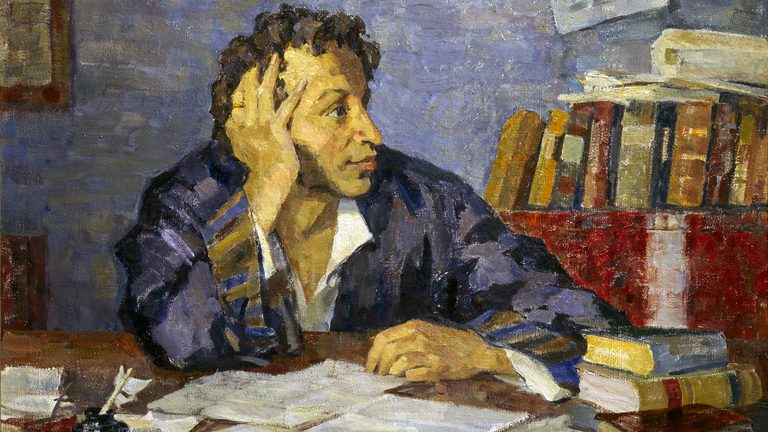
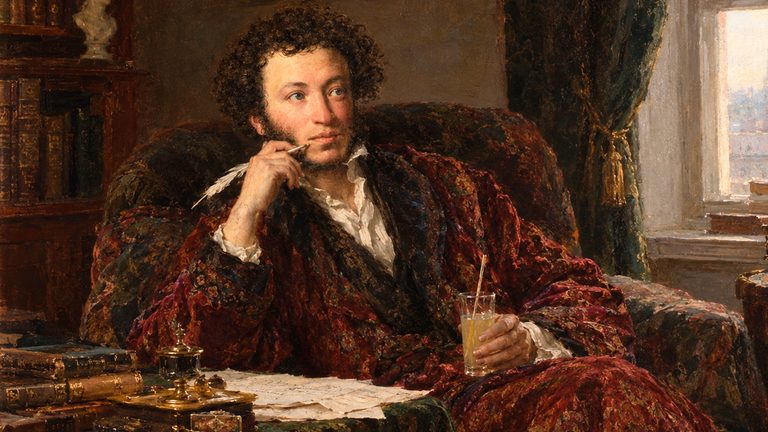
Alexander Pushkin feared bad omens
It's well known that the great poet was extremely superstitious. He wouldn't sit at a table if 13 people were gathered around it; he wouldn't remain in a room with three lit candles (which foreshadowed death); and he wouldn't continue on a journey if a hare crossed his path or he encountered a priest. His wedding to Natalia Goncharova was full of bad omens: as the newlyweds walked around the altar table, the cross and the Gospel fell, then the candle in the poet's hand went out and the groom's wedding ring fell to the floor. He also believed until the end of his life in a prophecy a fortune teller made to him in his youth. She predicted that he would die "at the hands of a white-haired man, a white man or a white horse".
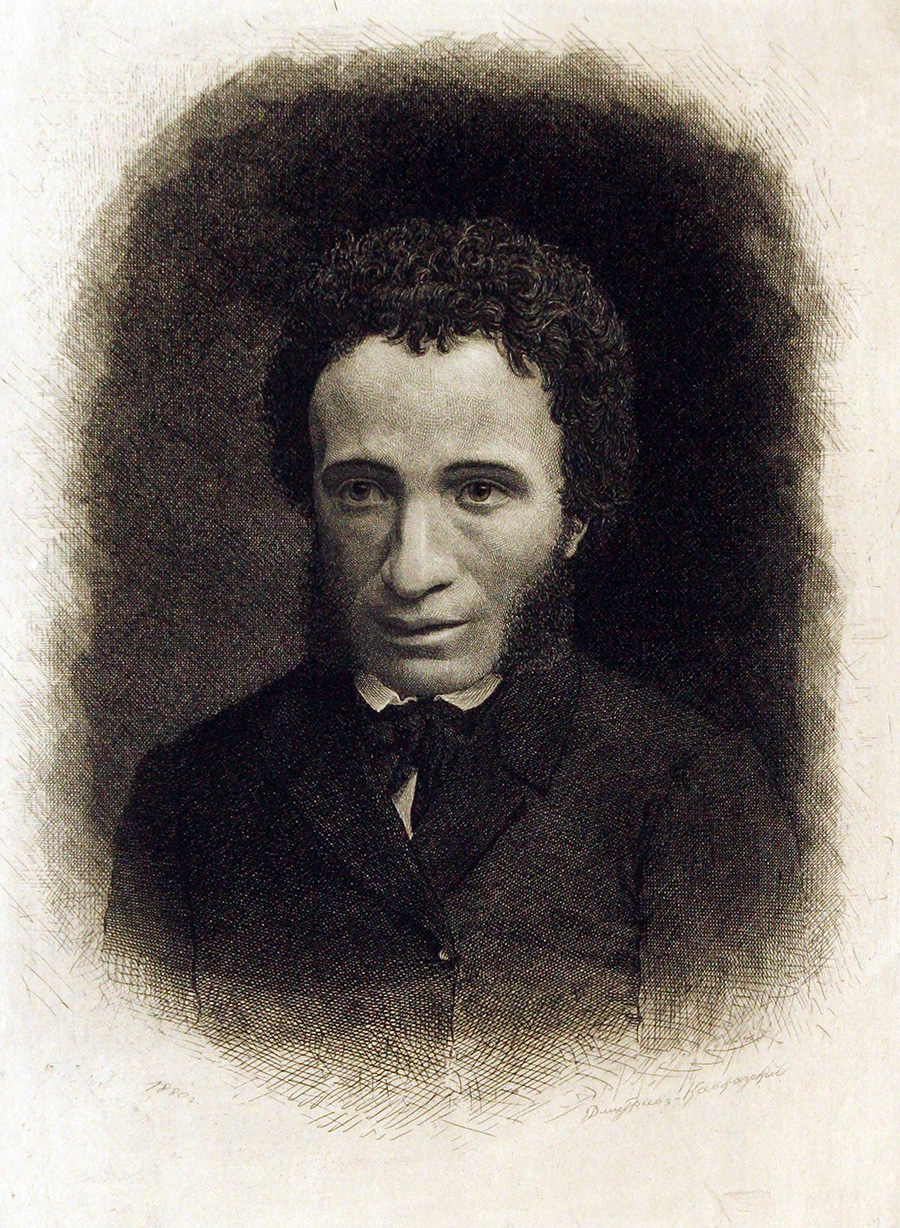 Lev Dmitriev-Kavkazsky. Portrait of the poet Alexander Pushkin. 1880. In the collection of the State A.S. Pushkin Museum, Moscow.
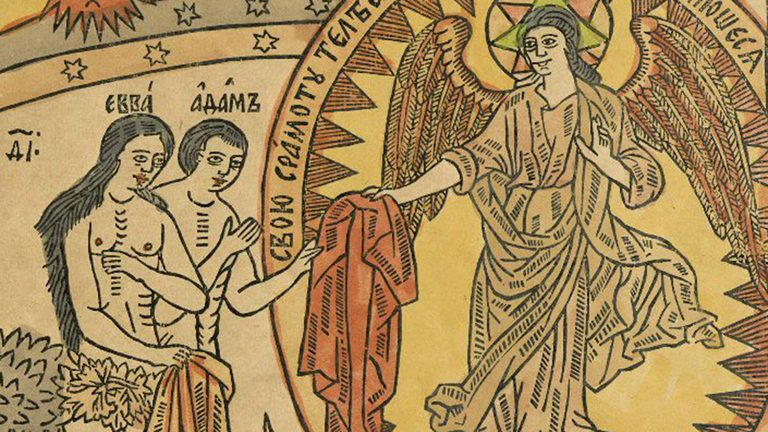
Nikolai Gogol feared being buried alive
In his youth, Gogol suffered from malarial encephalitis. After this illness, he began to suffer from deep fainting spells that could last from several hours to several days. During these episodes, his heartbeat and pulse were barely detectable, which filled him with terror that he might be mistaken for dead and buried alive. To sleep soundly and monitor his condition, Gogol did not go to bed for more than 10 years, preferring to doze off while sitting in a chair or on a sofa. In his will, he specifically stipulated: "I bequeath that my body not be buried until obvious signs of decomposition appear." He was generally a man of weak nerves: he was afraid of thunderstorms, snails, slugs and was wary of strangers.
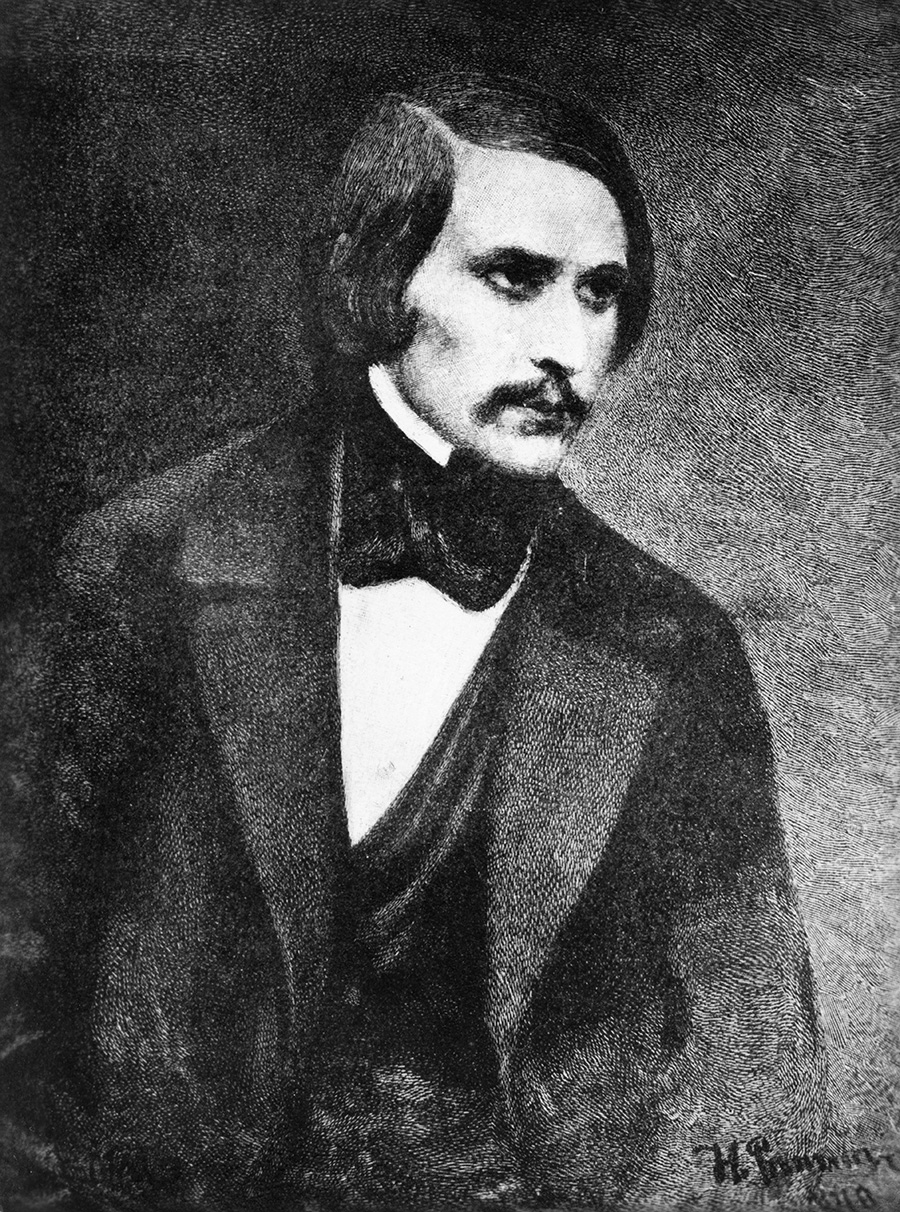 Nikolai Gogol. Woodcut
Ivan Turgenev feared sudden illness & death
Turgenev was haunted by the fear of falling ill throughout his life. From his youth, he had a tendency toward hypochondria; he read medical encyclopedias, carefully listened to himself and recorded all his ailments. Apparently, a fear of illness ran in the Turgenev family: the writer's mother was so afraid of cholera that, at one point, she even went for walks under a special canopy. This fear of cholera was passed on to her son. During the 1849 epidemic in Paris, he was so convinced he was dying that he suffered genuine nervous breakdowns.
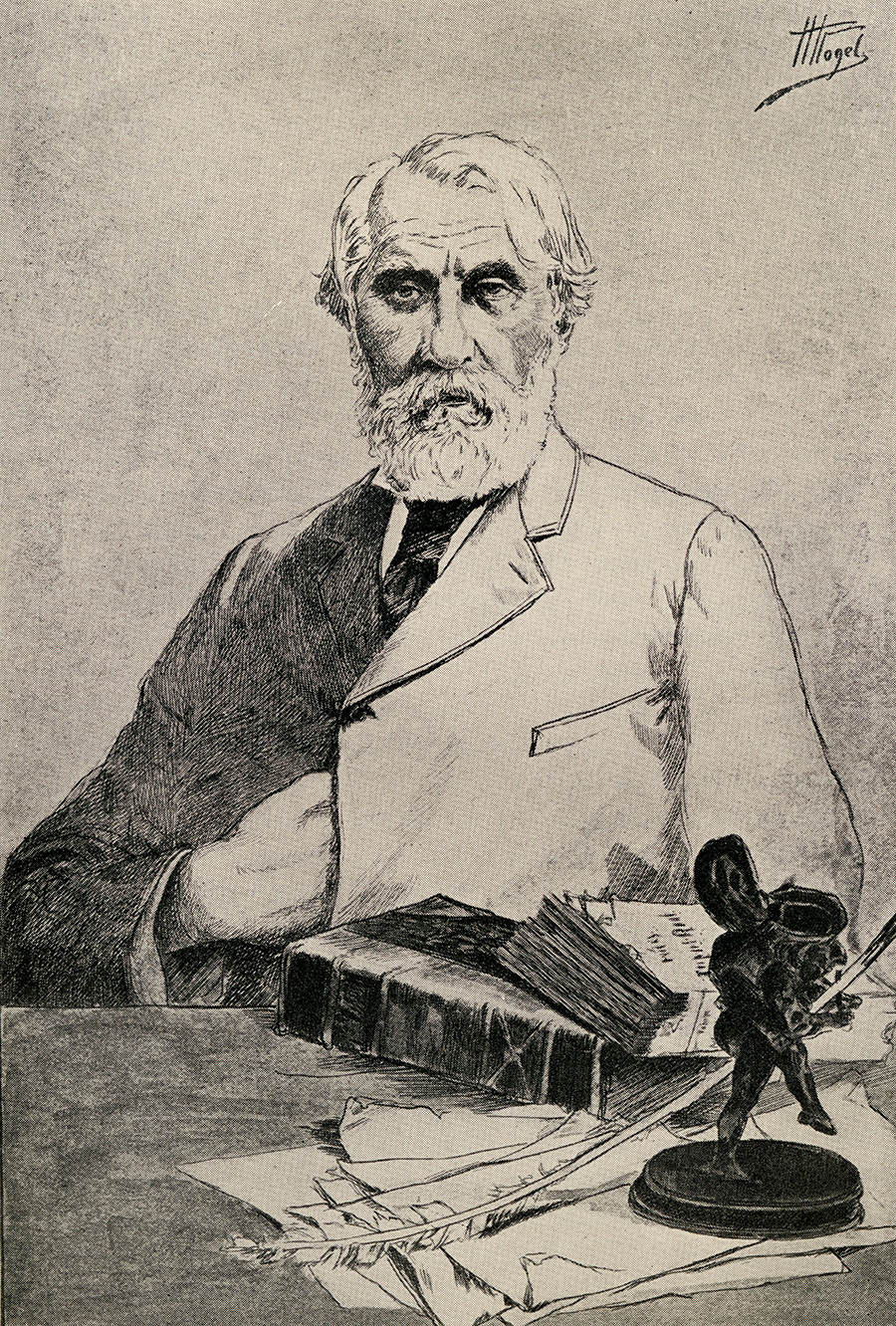 Ivan Turgenev
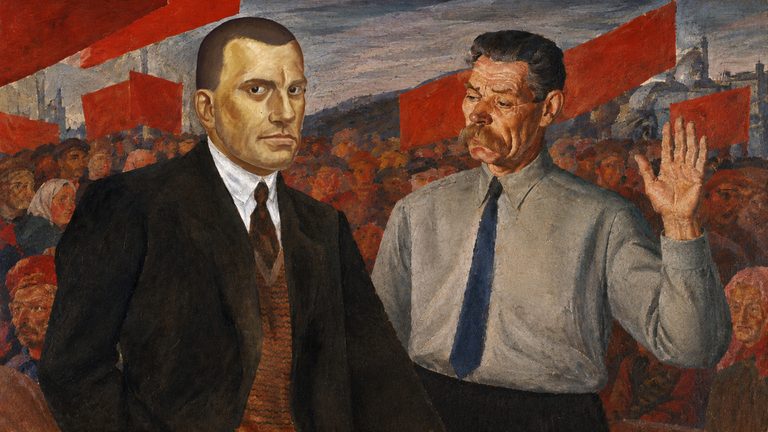
Vladimir Mayakovsky was afraid of germs
Mayakovsky's father died of blood poisoning (sepsis), after accidentally pricking himself with a pin while stapling papers. His father's death from such a minor wound left a lasting impression on the poet. From then on, he was deathly afraid of any infection: he tried to avoid touching doorknobs and other objects in public places; he often wore gloves and always kept a bar of soap in his pocket. And he avoided pins just like the fairy-tale character Sleeping Beauty.
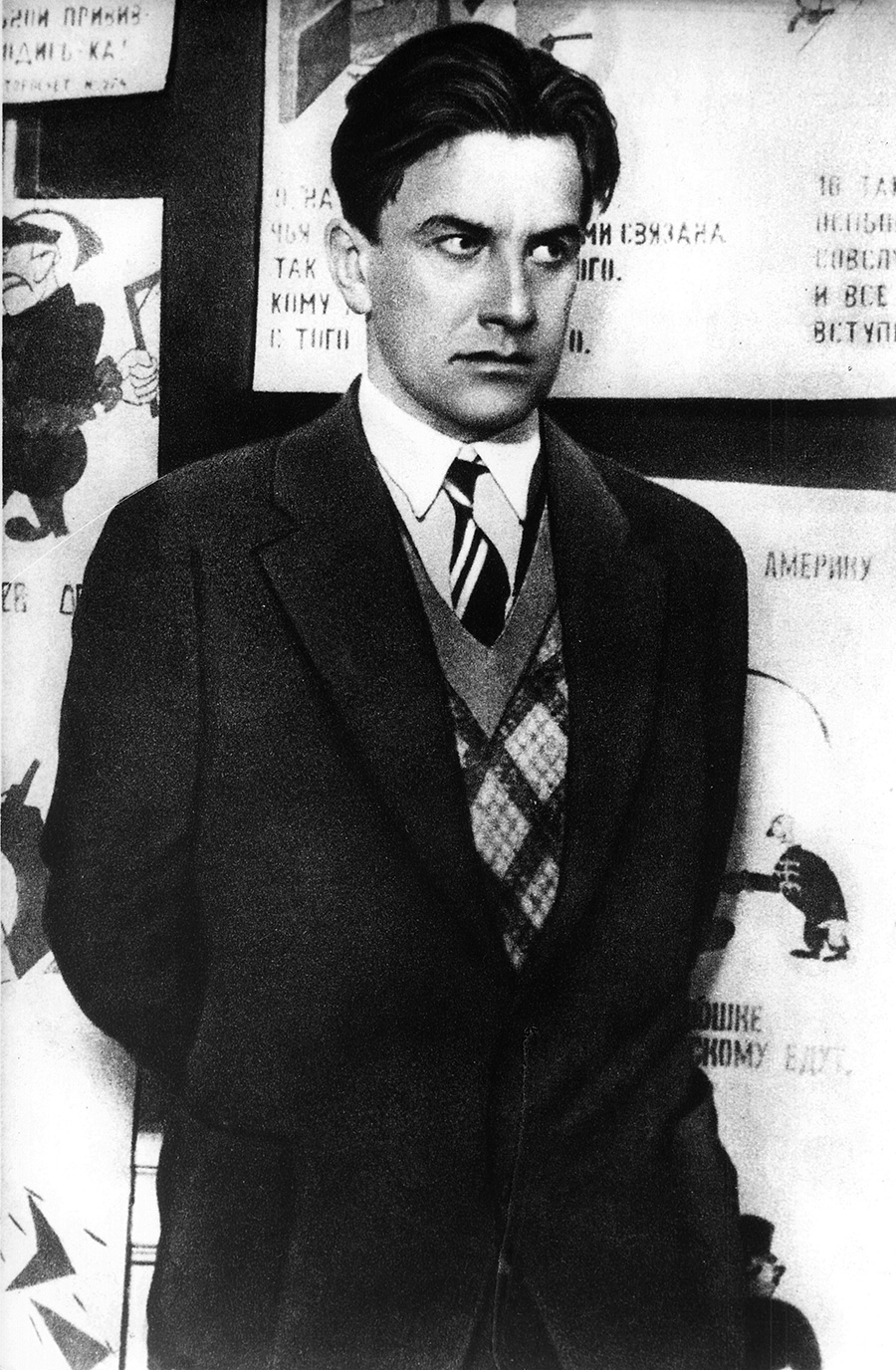 Vladimir Mayakovsky
Sergei Yesenin was afraid of syphilis
Yesenin suffered from a pathological fear of contracting syphilis, which even became an obsession. His poet friend Anatoly Mariengof recalled in ‘A Novel Without Lies’ that, upon the appearance of the slightest pimple on his nose, Yesenin would spend hours pacing from mirror to mirror, studying it in a gloomy mood: "Once, he even went to Rumyantsevka to look for signs of a terrible illness. At the slightest symptom:
– A crown of Venus!
When they returned from Turkestan with ‘Pochem-Sol’, Yesenin's gums began to bleed slightly from constantly chewing dried apricots. He would lift his lip at everyone he met:
– There's blood coming… Huh?… Not the first stage?… Huh?…"
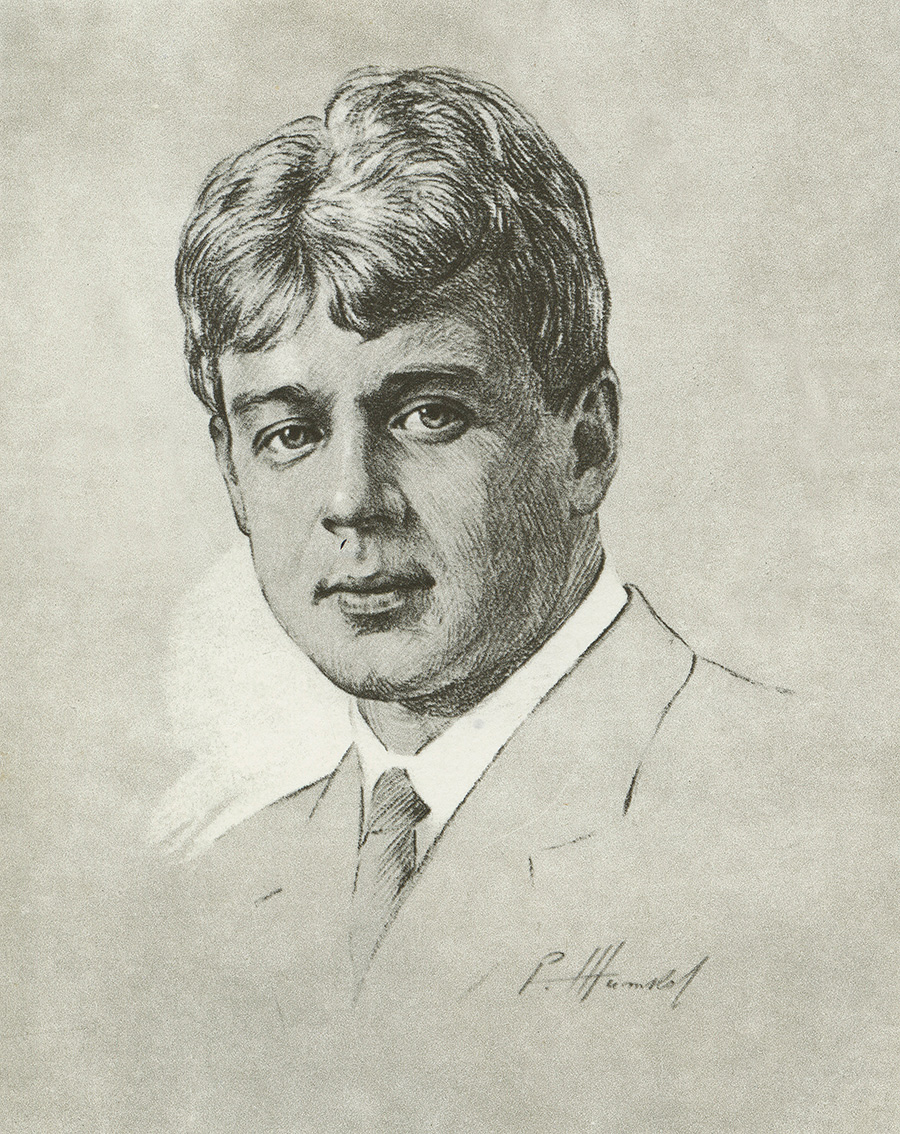 Sergei Yesenin
Mikhail Bulgakov was afraid to sleep
The author of ‘The Master and Margarita’ suffered from neurasthenia in adulthood. And, in his youth, he was a victim of drug addiction. For this reason, he was haunted by nightmares. He could confuse dreams with reality and behave inappropriately upon awakening. As a result, he developed a fear of falling asleep.
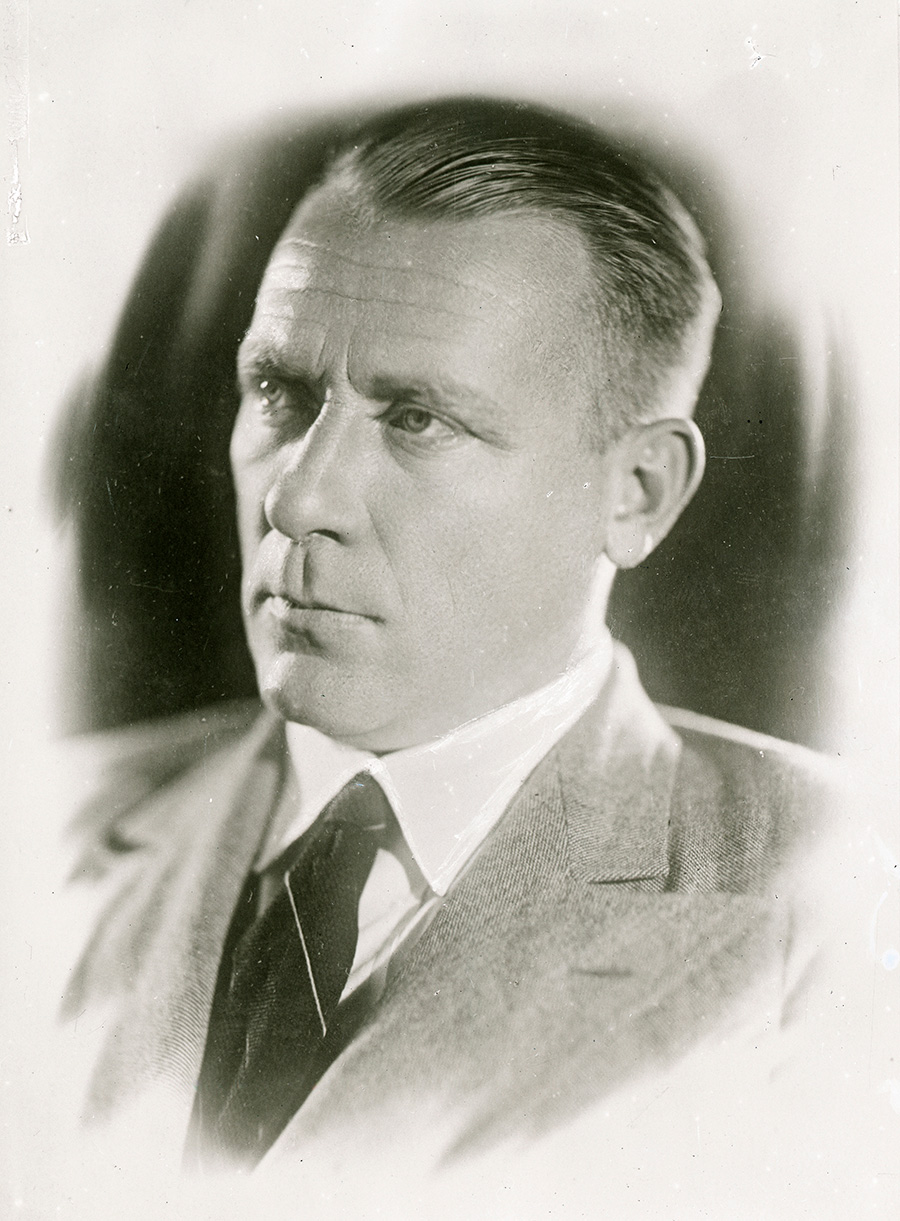 Mikhail Bulgakov