
Who was the most family-oriented of the Russian emperors?
He had no mistresses or favorites and no children born out of wedlock.
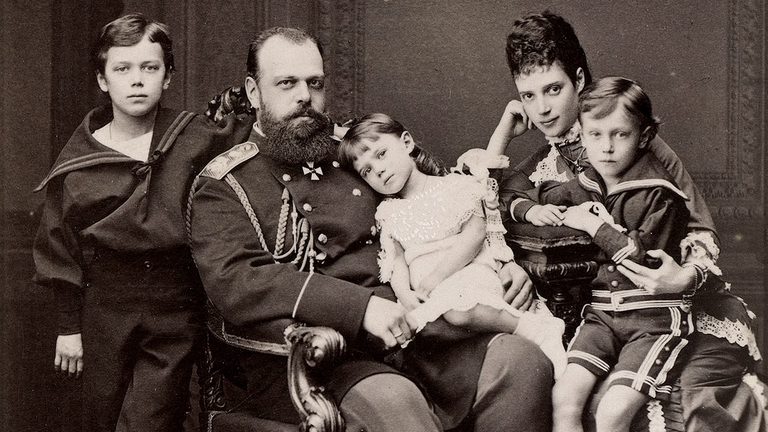
Among Russian emperors, Alexander III stands out as an exception. In a society where infidelity was the norm and marriages were political alliances, his family life seemed abnormally happy.
Yet, it all began with a tragedy. In 1865, Tsarevich Nicholas, the heir to the Russian throne found himself on his deathbed from an injury sustained. At his bedside were his fiancée, Danish princess Dagmar, and his brother Alexander. The dying man blessed their marriage and joined their hands.
A year later, Alexander traveled to Copenhagen to propose to Dagmar. He wrote to his father: "I am certain we can be so happy together." Dagmar accepted. In Russia, she converted to Orthodox Christianity and became Maria Feodorovna. In October 1866, they were married.
Their marriage lasted 28 years. During this time, there was not a single scandal or rumor about mistresses or favorites. Writer Ivan Turgenev noted that Maria Feodorovna and Alexander III "formed a model marriage, remarkable for its harmony and the constancy of their affection."
Alexander was touchingly tender in his letters to his wife: he called her "dear darling Minnie". Maria Feodorovna responded in kind. They had six children, but they were also bound together by common interests. Both collected art. It was their collection that would form the foundation of the Russian Museum in St. Petersburg.
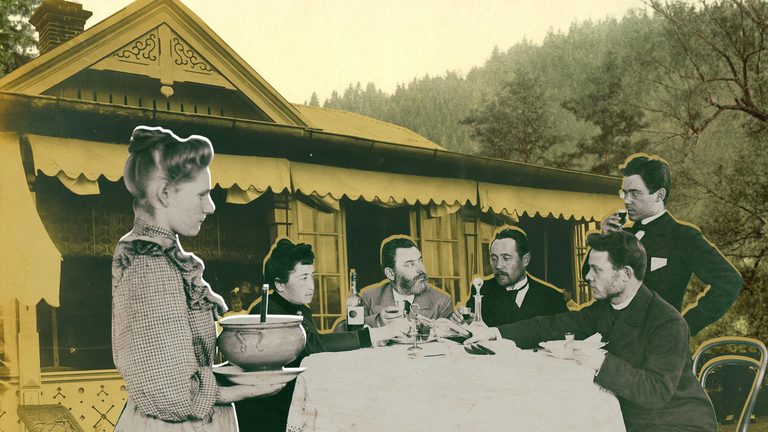
In 1888, the imperial family's train was involved in a accident near Kharkov. The roof of the dining car collapsed. Alexander III, possessing remarkable strength, held it up on his shoulders until help arrived. This strain took a toll on his health – it was then that doctors first noticed he had kidney problems. He died in 1894 at the age of 49. Maria Feodorovna outlived him by 34 years. She wore mourning clothes until her own death.