

What was folk medicine like in Old Russia?
How did peasants imagine fever, how were mental illnesses treated and what step had to be taken to rid a village of an epidemic?
Medical encyclopedias of Old Russia
Historians learn about folk healing practices from ancient medical manuals, herbal manuals, chronicles and lives of saints. These sources describe various methods of treatment: healers cured ulcers and skin diseases, extracted arrows and performed simple surgeries. For disease prevention, villagers wore “magical” protective amulets on their bodies in the form of knives, spoons or animal figurines.
Health-related superstitions have persisted for centuries: ethnographers have noted that, even in the 19th century, despite advances in medical science, people in villages viewed illness as punishment for sins.
Why peasants fell ill
At the end of the 19th century, physician Gavriil Popov began studying traditional treatment methods. He published a comprehensive work titled ‘Russian Folk and Domestic Medicine’, in which he described healing practices in various regions of the country.
He wrote that peasants often failed to connect the origin of illnesses with their actual causes: people paid no attention to the cleanliness of their homes and air or to the quality of their food and water, but, instead, regarded illness itself as a living being. The villagers themselves did not attach any importance to the actual causes of their ailments, instead finding a multitude of supernatural explanations for them.
How fever was imagined
In folk belief, fever was personified as 12 women, each with her own distinct trait: one caused insomnia, another loss of appetite, a third spoiled the blood and pulled at the veins. According to popular belief, epidemics of severe infectious diseases were sent by God as punishment for sins. Consequently, people believed that doctors and medicines would be of no help.
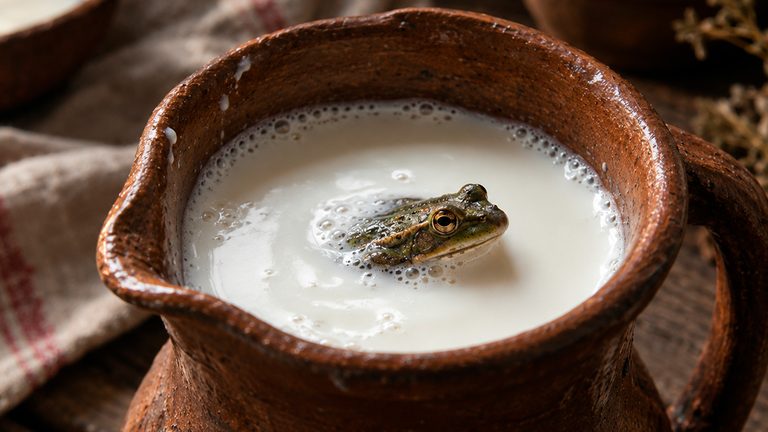
In some regions, illnesses were associated with animal images: smallpox looked like a frog, fever like a butterfly and measles like a hedgehog. Stomach pain was often explained by the belief that a snake or frog had gotten inside. One could become a bitter, hopeless drunkard by drinking vodka into which devils had added a tiny worm.
Everyday injuries were attributed to the devil’s mischief: he could turn into a horse and trample a person’s leg or he could push someone, break an arm or wound them with an axe during work. The Devil’s mischief was also used to explain hysterical fits (‘klikushestvo’), madness and epilepsy.
Magical preventive measures
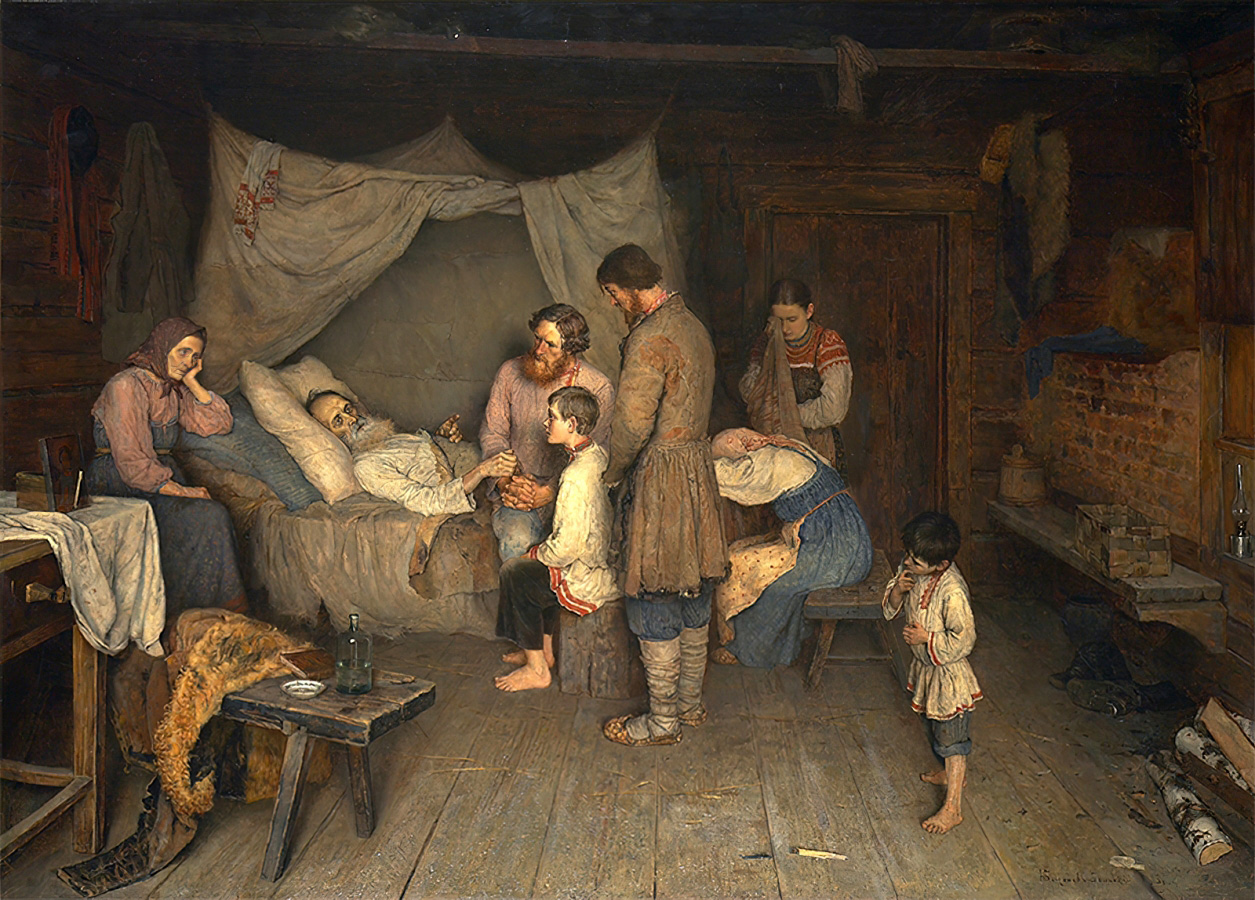
In rural communities, people viewed doctors and pharmacies with skepticism. Every family had its own set of "home" remedies: the sick person would be placed belly-down on a warm stove and their body was rubbed with various substances – tar, lard or horseradish. And, if the usual methods didn't help, then they would turn to ‘znakhari’ (folk healers).
The banya (bathhouse) was considered one of the main and most effective folk remedies and preventative measures: adults and children were taken there for steam baths whenever they felt unwell or suspected they had been struck by the ‘evil eye’.
Magical treatment methods were also widespread. Tumors and skin diseases were outlined with charcoal or the tip of a knife, drawing a magic circle to protect healthy parts of the body from the spread of illness.
The treatment of mental illnesses was entrusted to the clergy. In churches and monasteries, special prayers were recited over the “possessed” and they were brought before miraculous icons.
Read the full version in Russian on the Culture.ru website.