


What did a FILER do in Tsarist Russia?

They were the "eyes, ears and legs" of the security services.
Being a filer (from the French word ‘filer’ – ‘to track’) in Tsarist Russia was no easy task. They were the "eyes and ears" of the political and criminal police, acting as surveillance field agents. Their job was to monitor individuals of interest to the state: revolutionaries, members of opposition organizations and dangerous criminals.
The profession developed in the late 19th and early 20th centuries, when authorities needed increasingly professional methods to combat the wave of political terror and, above all, the revolutionary movement. On the eve of World War I, there were 70,500 informants and about 1,000 filers. It is known that between 50 and 100 surveillance agents reported for duty daily in St. Petersburg and Moscow.
The work was demanding and required special qualities. Candidates were selected with great care. Preference was also given to retired military personnel under 30 years of age.
According to the secret ‘Instructions for the Organization of Surveillance’ of 1907, a filer had to meet a long list of requirements: He had to be honest, sober, courageous, agile, resilient, patient, persistent, cautious, disciplined, in good health, with excellent eyesight and hearing. At the same time, he had to have an unremarkable appearance and the ability to blend in.
However, most filers came from the lower classes, were poorly educated and rarely rose above the rank of non-commissioned officer. A filer’s daily task was to follow a target without being noticed, record all their movements, meetings and contacts and then transmit the information by telegram to the police department. For important operations, two or three people were deployed at the same time, walking along parallel streets to avoid detection. It was considered ideal to memorize the target's face, gait and other distinctive features, rather than their clothing, which could be quickly changed.
Agents used pseudonyms and aliases and telegrams were encrypted to look like business correspondence (for example, the phrase: "I'm transporting Black goods to Tula," meant surveillance of a specific individual). A short, memorable nickname was created for each target, often based on their appearance: ‘Beardy’, ‘Lame’, etc. Every workday, a filer was required to compile a detailed written report.
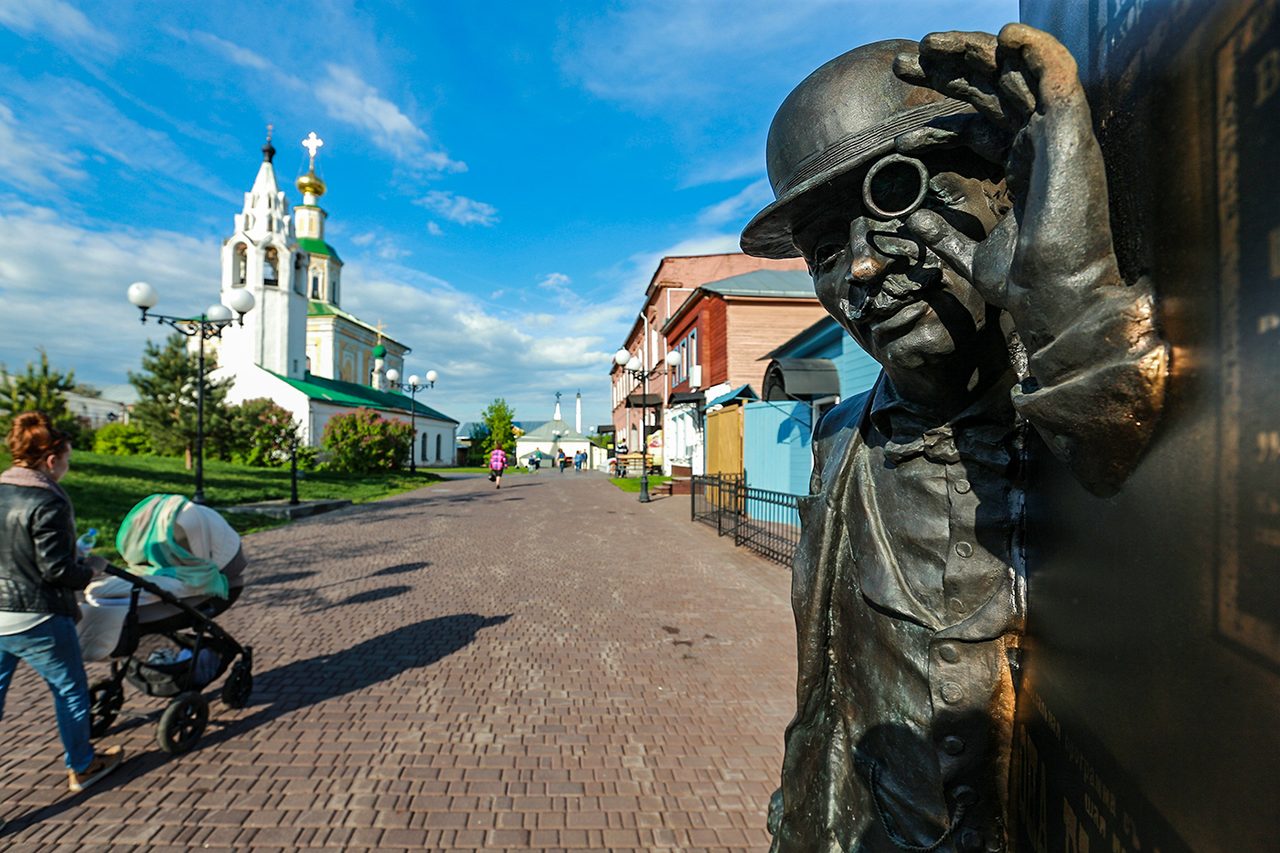
Filers worked closely with inside informants. Informants were recruited from among doormen, janitors, clerks and passport officers. They were required to report all suspicious individuals to the district police officer assigned to them. Unlike filers, informants were not full-time employees and, therefore, did not receive a permanent salary. They were typically paid a reward of 1 to 15 rubles for information that, upon verification, proved "conclusive and useful". Sometimes, they were paid in kind.
For example, Major General of Police Alexander Spiridovich recalled how he bought one of his informants new galoshes. "And then, he would betray (that is, rat on) his own comrades, ratting them out with a kind of frenzied zeal. That's what those galoshes did," wrote the officer.
The best of the best served in the ‘Flying Filer Squad’ – an elite unit created in 1894. These agents handled the most complex and important assignments, including the personal protection of the emperor and his family.
The most prominent figure in the history of the Filer Squad was Yevstraty Pavlovich Mednikov. A peasant by birth, he began his career as a rank-and-file detective, eventually becoming the head of the external surveillance service at the Moscow Security Department. His name became legendary among colleagues and adversaries alike, having developed a unique method for training and coaching agents. Mednikov's value as a specialist was so high that he retained his position under six Ministers of Interior Affairs.
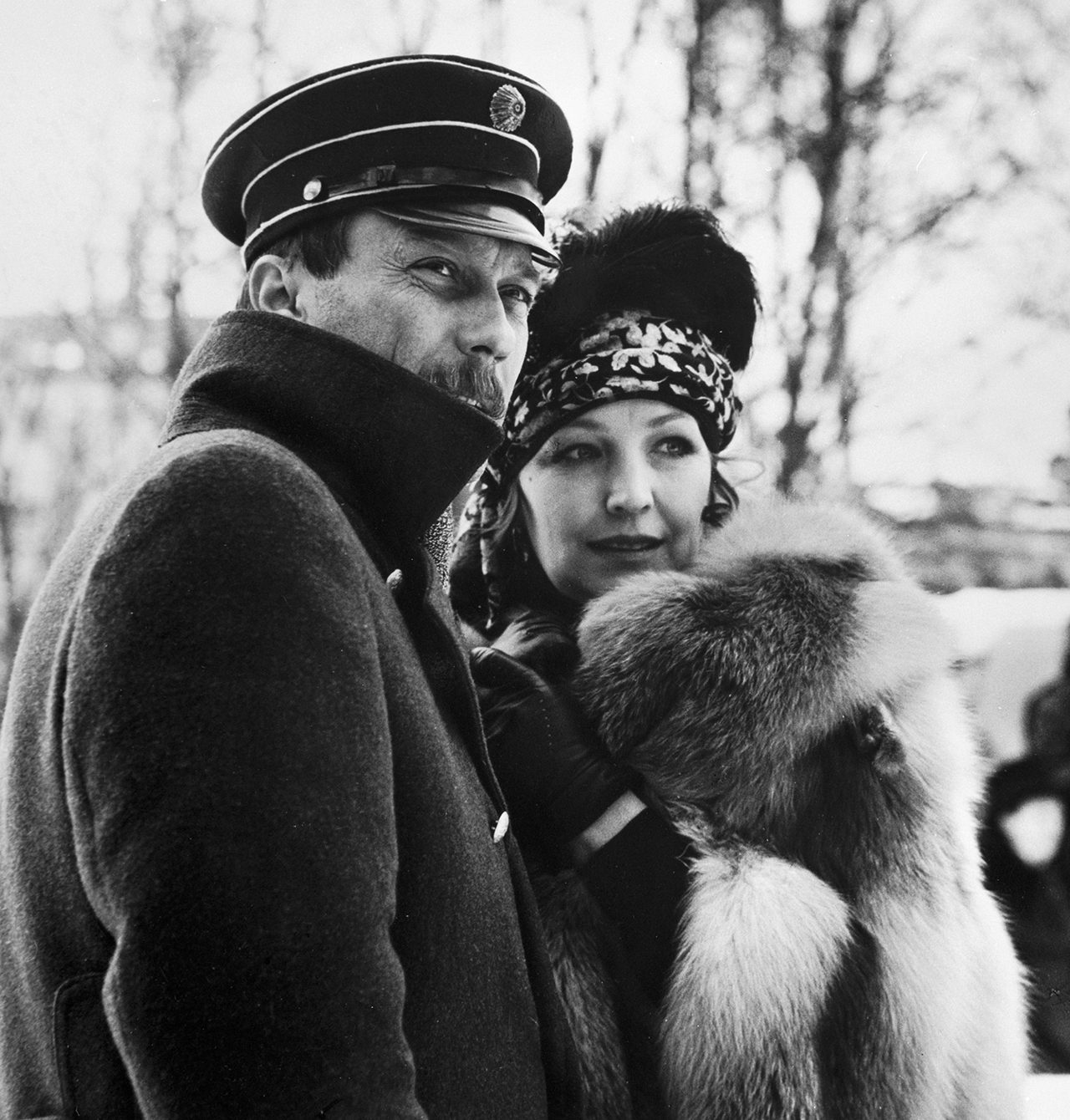
A filer's salary was often not fixed, but depended on several factors. In Moscow and St. Petersburg, salaries were higher than in the provinces. Beginning agents received a modest salary, while experienced detectives with many years of experience and proven track record in complex operations could expect much higher incomes.
A filer’s income consisted of a base salary, additional allowances for food and rent compensation. Additional payments could be allocated from the Security Department's funds for exceptional achievements or the completion of particularly important missions. For example, Collegiate Assessor D. V. Popov, a veteran detective with 25 years of experience, received an annual salary of 3,300 rubles (today approximately 6 million rubles or $77,000!). This amount consisted of a salary (800 rubles), meal allowances (500 rubles), housing allowance (500 rubles) and additional allowance for sundries (1,500 rubles).
Rank-and-file agents working in St. Petersburg received 1 ruble per day, which amounted to a modest 30 rubles per month.
The Central Filer Squad ceased its activities with the fall of the monarchy in 1917, but the experience it had accumulated in carrying out state tasks became the foundation of public safety principles.