

What did a remonteur do in Tsarist Russia?

Nikolai Rostov, one of the characters in Leo Tolstoy's ‘War and Peace’, was sent on a business trip to Voronezh "to procure supplies for the division". Where did he go and why?
A remonteur is not a painter, carpenter or mason. In Tsarist Russia, this was the title given to an officer responsible for procuring horses to replenish the horse stock of cavalry units. The word derives from the French word ‘remonte’, which, in military terms, meant replacing aging or fallen horses with new ones.
A key aspect of the procurement process was ensuring the horses met the requirements of their regiment. This was a matter of national importance with strict regulations. Horses had to be suitable in terms of color, height, conformation and purpose – heavy riding horses, light riding horses, artillery horses and so on. Each cavalry regiment had horses of a certain color and this was strictly regulated – almost like a badge of honor. For example, the first squadron rode black horses with a “star”, while the second rode black horses with white legs.
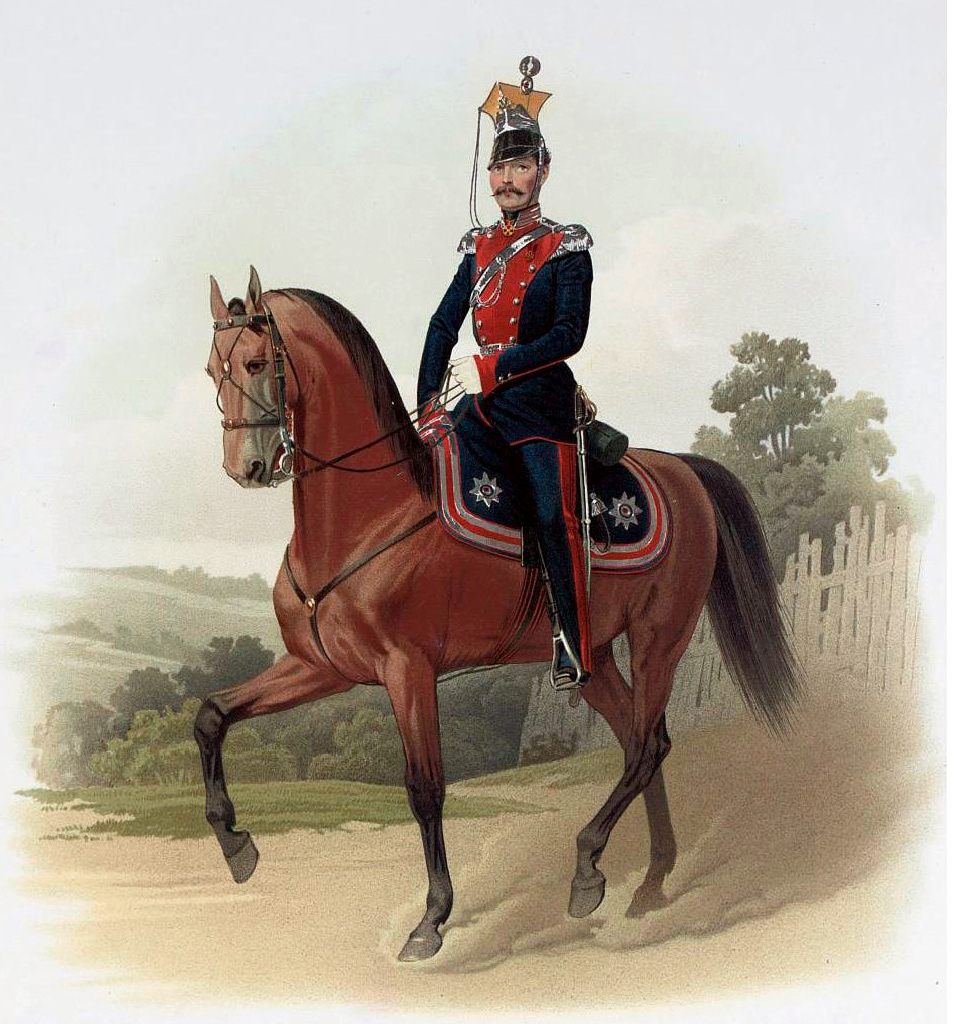 K. Piratsky. Staff officer of the Life Guards Uhlan Regiment of His Majesty. 1855
The tallest horses were reserved for the guards. Those assigned to the army were shorter, but still of a certain height at the withers. Officers’ horses were more well-proportioned than those intended for the lower ranks. Nevertheless, horses with drooping ears or other physical flaws – such as a large dewlap or an overly thin neck – were not accepted..
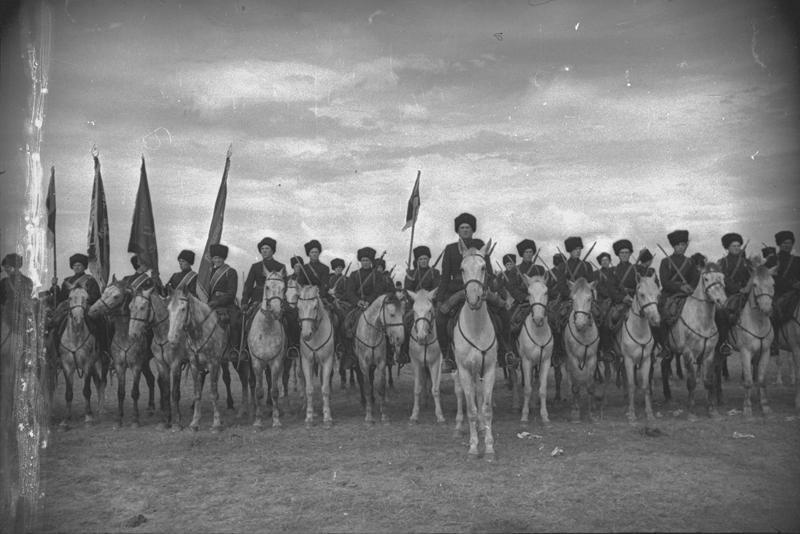 1937 Maneuvers. Cavalry
Remonteurs were appointed directly by the regiment commander's decree. In the late 19th and early 20th centuries, with the establishment of the Army Repair Administration, the process became more bureaucratic. However, even then, given that thousands of horses were being purchased annually, trusted officers of the nobility with a reputation for honesty were appointed to this position. In addition to an understanding of horse breeding, a remonteur was required to have market knowledge and a knack for business. To acquire the best horses at the best price and in the required quantity, a remonteur had to be able to negotiate and bargain with breeders and dealers. And after acquiring the horses, he had to organize their transportation to his military unit. Today, this would be called logistics expertise.
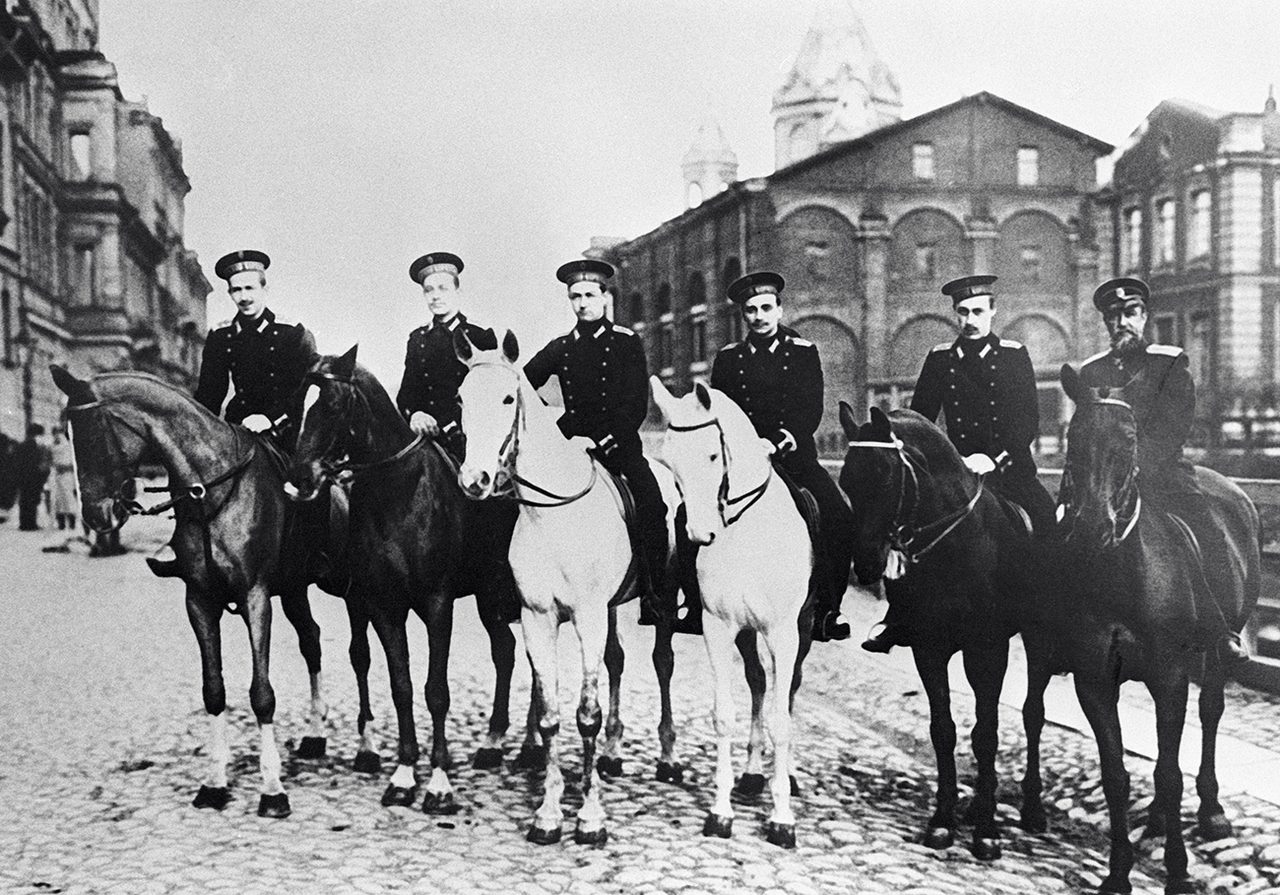 Naval Corps midshipmen taking horseback riding lessons
A “horse procurement” assignment was not only a responsibility, but also a coveted opportunity for a remonteur. First, it provided a chance to leave the regiment, especially during wartime, and spend time in the rear. Secondly, it offered the opportunity for legitimate additional income.
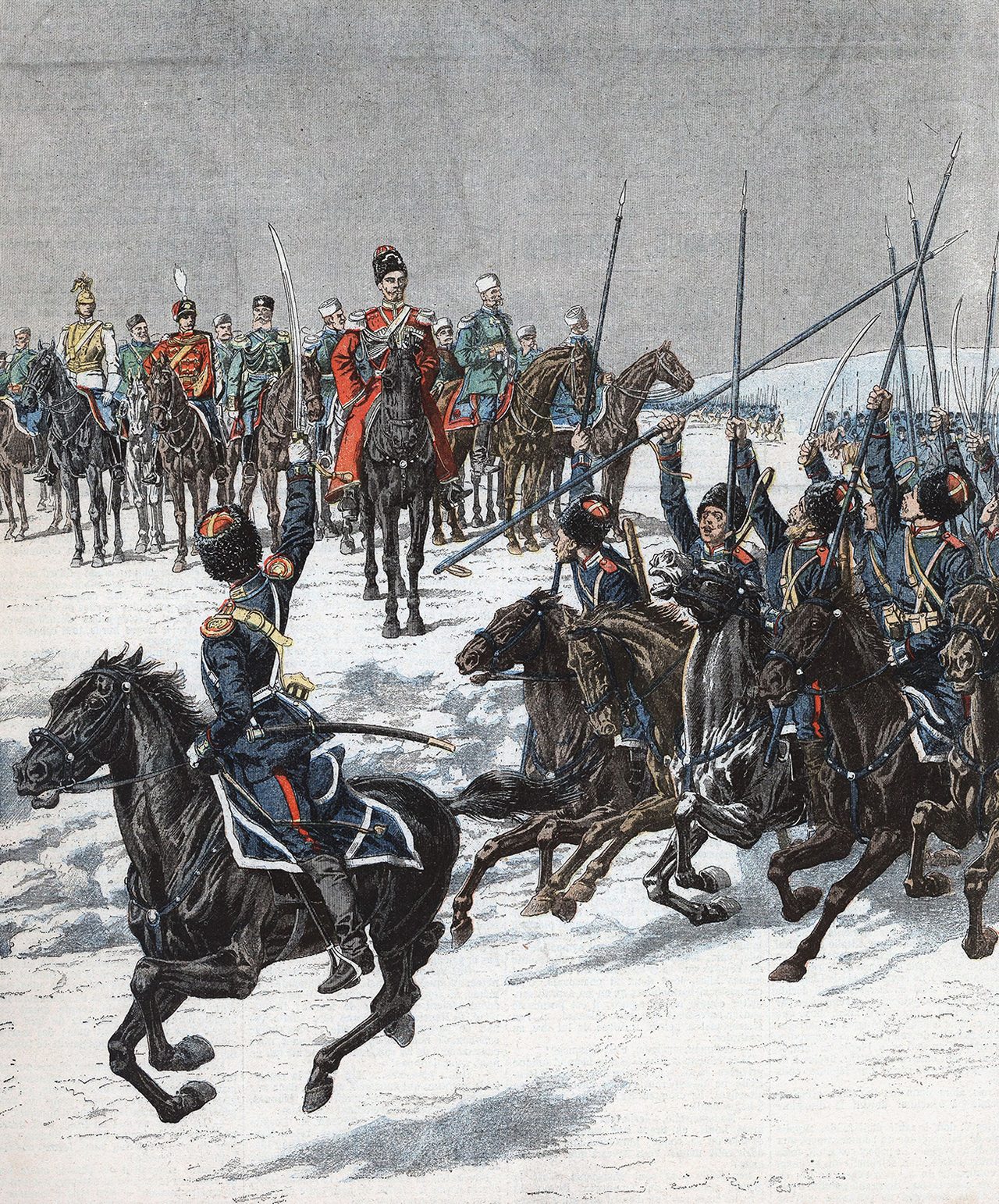 Tsar Nicholas II of Russia reviewing troops during Russo-Japanese War
The remonteur received money from the treasury to purchase horses. At horse fairs and stud farms, thanks to his bargaining skills, he could obtain discounts from breeders interested in lucrative contracts. The documents (receipts) often indicated a price higher than the actual one paid. However, the difference saved did not go into the remonteur’s pocket, as one might expect, but to the regimental commander. The commander, in turn, used these funds for the regiment's needs (keeping some for himself – as was customary).
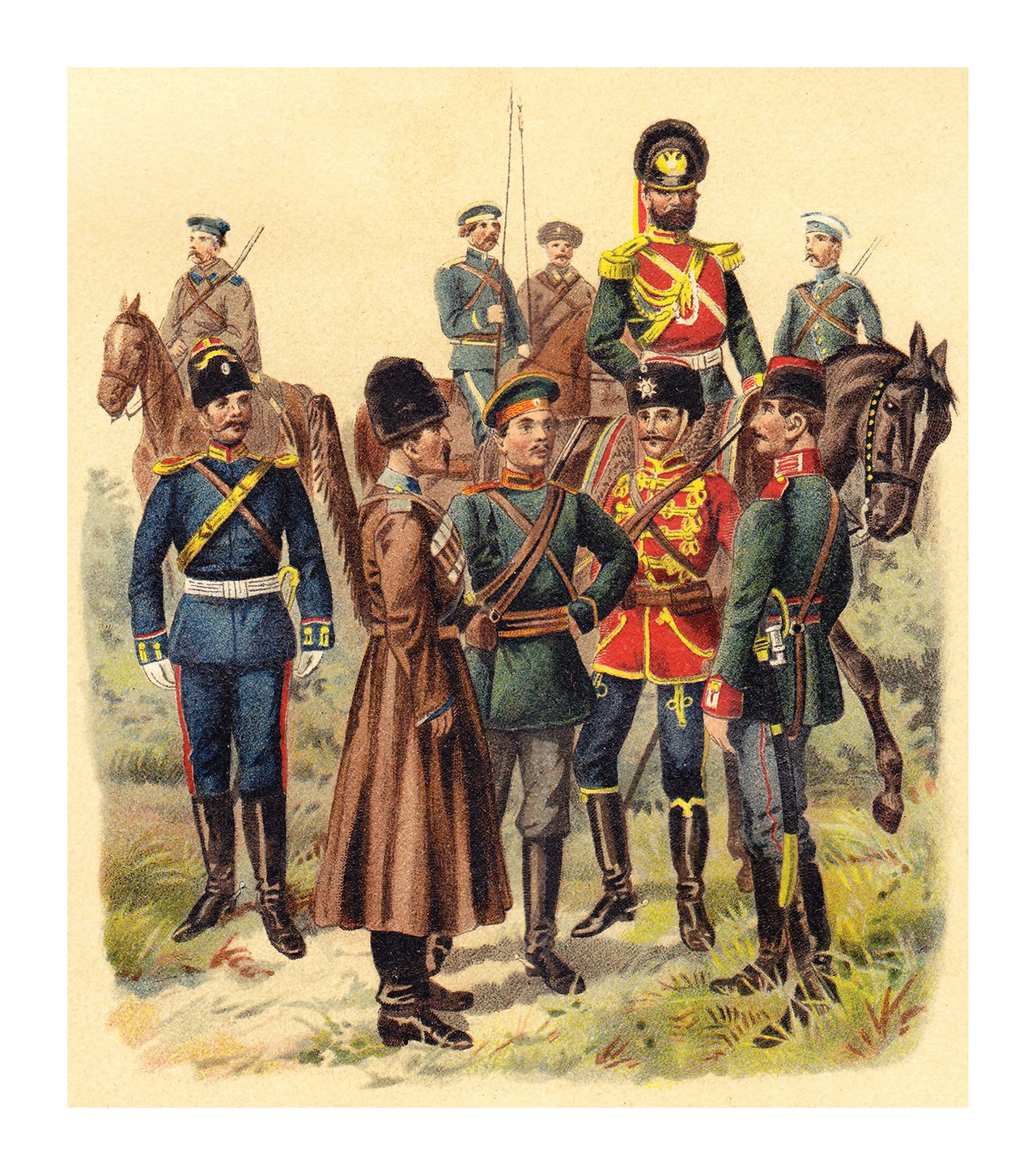 Historical military uniforms from (Russia)
The commander could profitably resell the best horses from the purchased lot to the officers in his own regiment, who were always in need of spare horses. The remonteur's own advantage lay in the fact that he could buy one or two excellent horses for himself at a reduced price.