

How the Moscow Kremlin's Spasskaya tower got its name
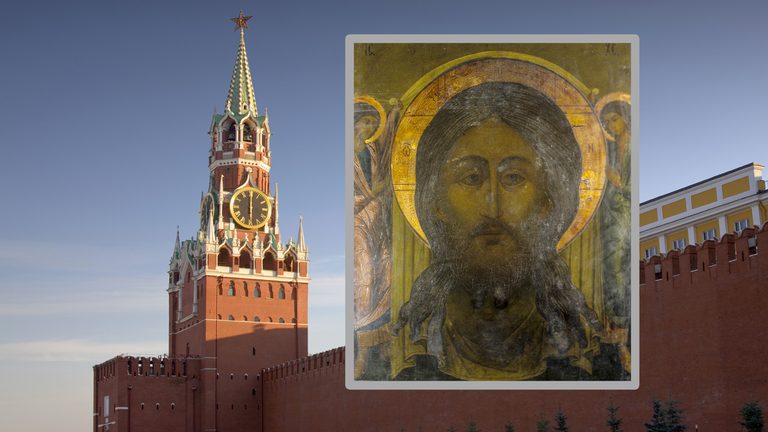
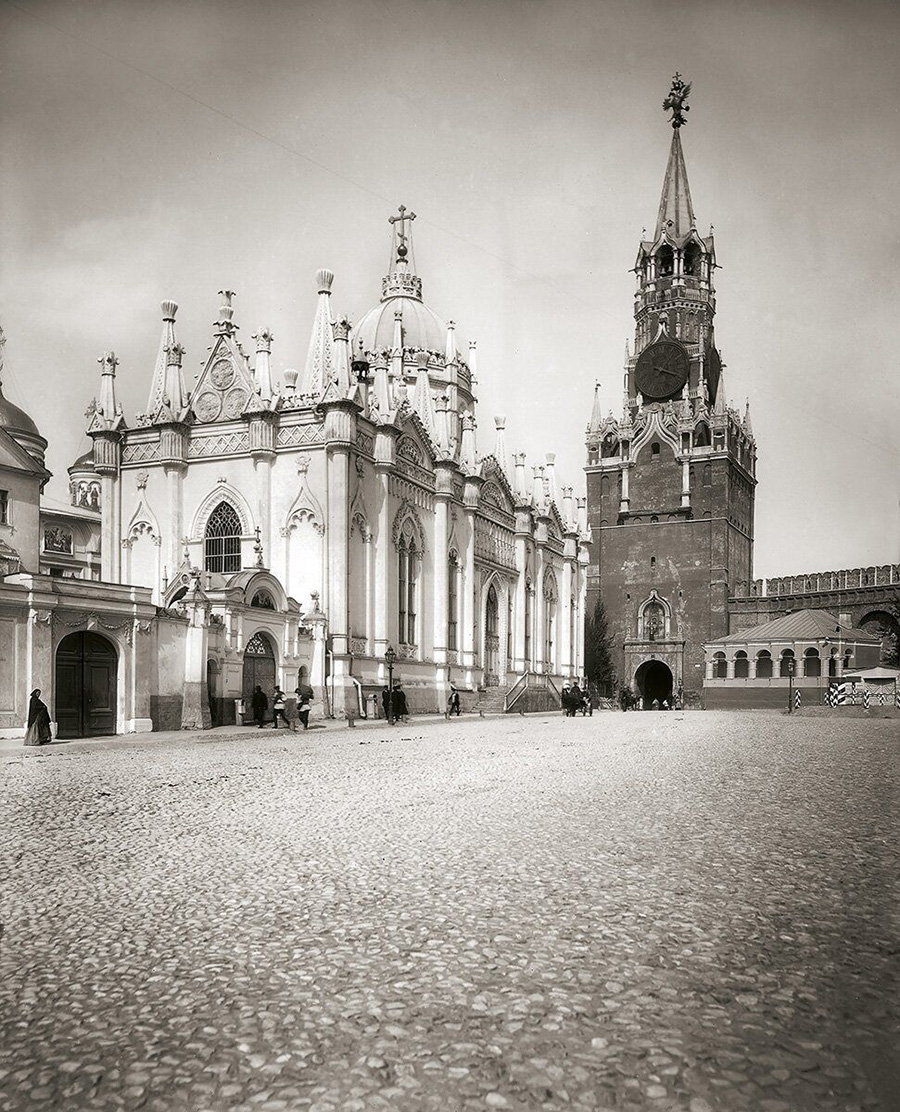
It’s considered the most important of the 20 Kremlin towers. Foreign heads of state, ambassadors, as well as important guests enter through it. It also houses Russia's main clock. But, did you know that it wasn't always called ‘Spasskaya’?
For over 150 years, it was known as the Frolovskaya Tower – the Church of Saints Florus and Laurus stood nearby. But, everything changed when Tsar Alexei Mikhailovich ascended the throne in 1645. He learned of the miracles occurring in the town of Khlynov and the associated icon of the ‘Spasa Nerukotvornogo’ (Savior Not Made by Hands). It was believed to heal the sick and restore sight to the blind. Plague outbreaks were common at the time, but they miraculously bypassed Khlynov.
By order of Alexei Mikhailovich, the icon was transferred to the capital in 1647. The icon of the Savior Not Made by Hands was placed in the Kremlin's Assumption Cathedral and, later, in the Novospassky Monastery, built specifically for it. A copy of it was installed on the Frolovskaya Tower, which then became known as the Spasskaya Tower, because of the icon. From then on, only those bare-headed and on foot were permitted to pass through it.
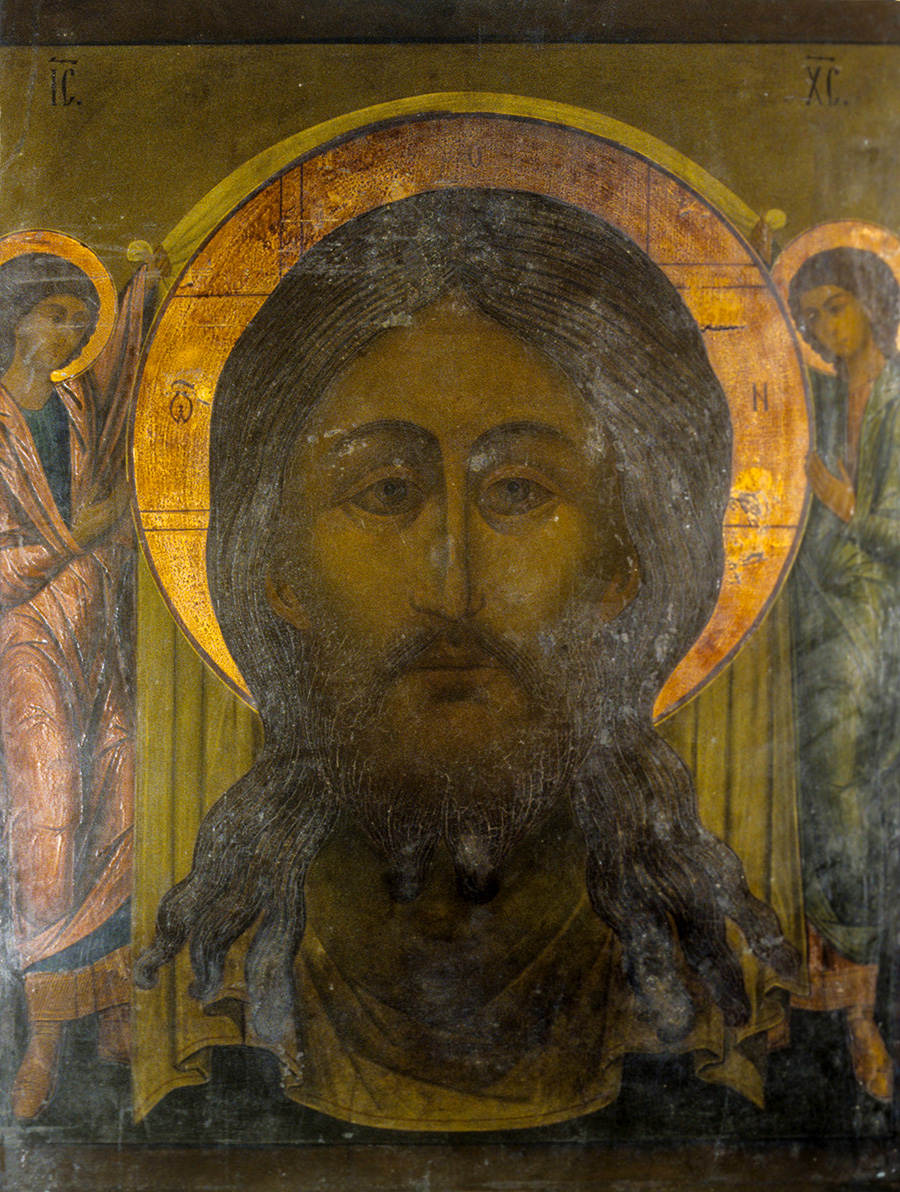
The miraculous icon is believed to have saved Muscovites on numerous occasions. In 1834, during another fire, the icon was carried out of the monastery to help stop the flames. And, in 1848, during a cholera epidemic, it healed the sick. In gratitude for its miraculous salvation, the icon was adorned with a riza of gilded silver and precious stones.
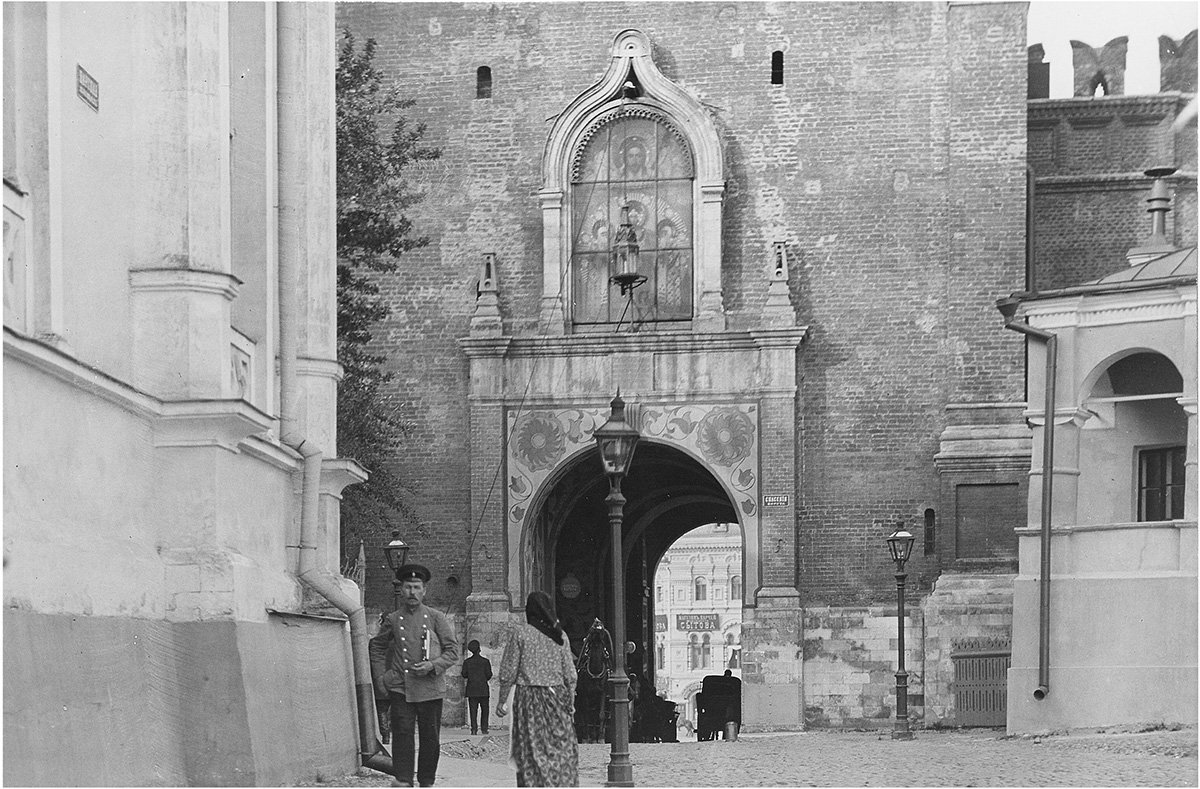
After the 1917 Bolshevik Revolution, the icon of the Savior Not Made by Hands disappeared, as did the gate icon on the Spasskaya Tower. However, a copy of it has been preserved in the Novospassky Monastery.