
What Russia was like in 1996 (PHOTOS)

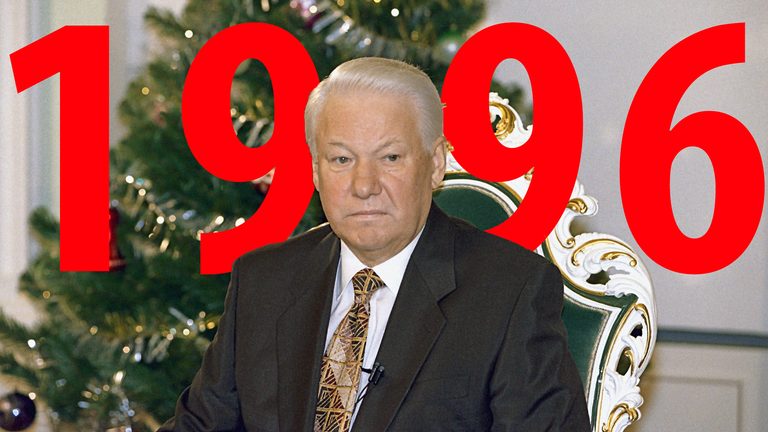
The first years of the new state's existence after the collapse of the USSR. So, what did the country look like and how did people live in it exactly 30 years ago?
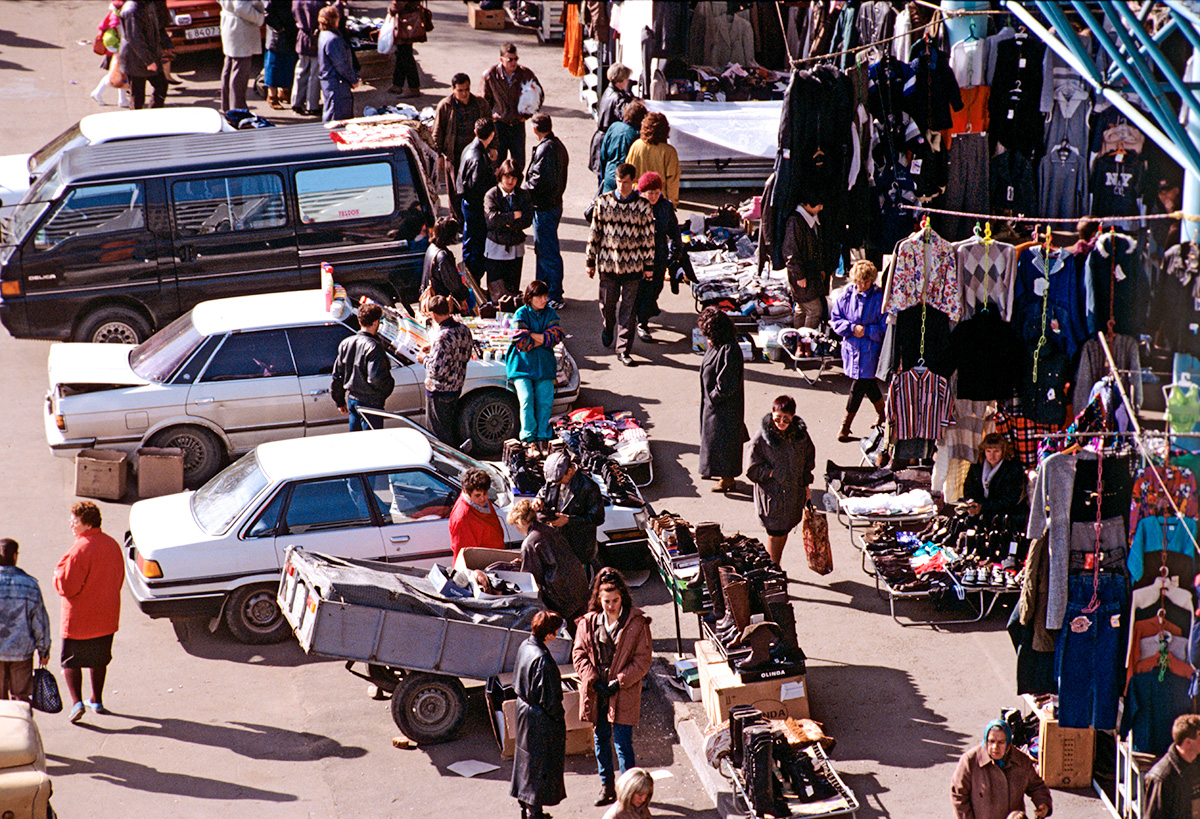
The main hallmark of the 1990s were endless flea markets and open-air bazaars. The whole country dressed itself there, trying on clothes and shoes right there on a piece of cardboard.
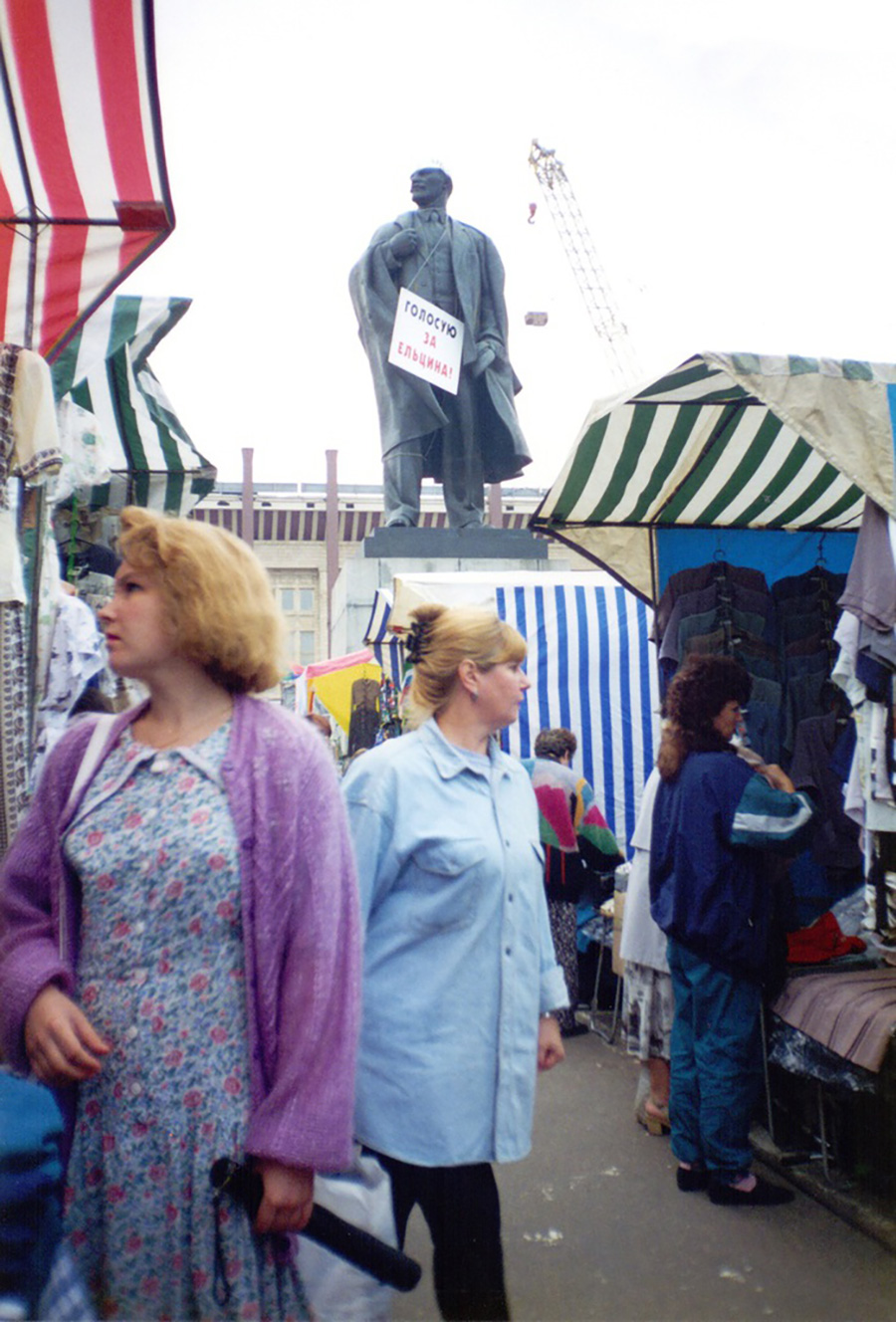
In the background, a sign on the Lenin monument reads: “I vote for Yeltsin”.
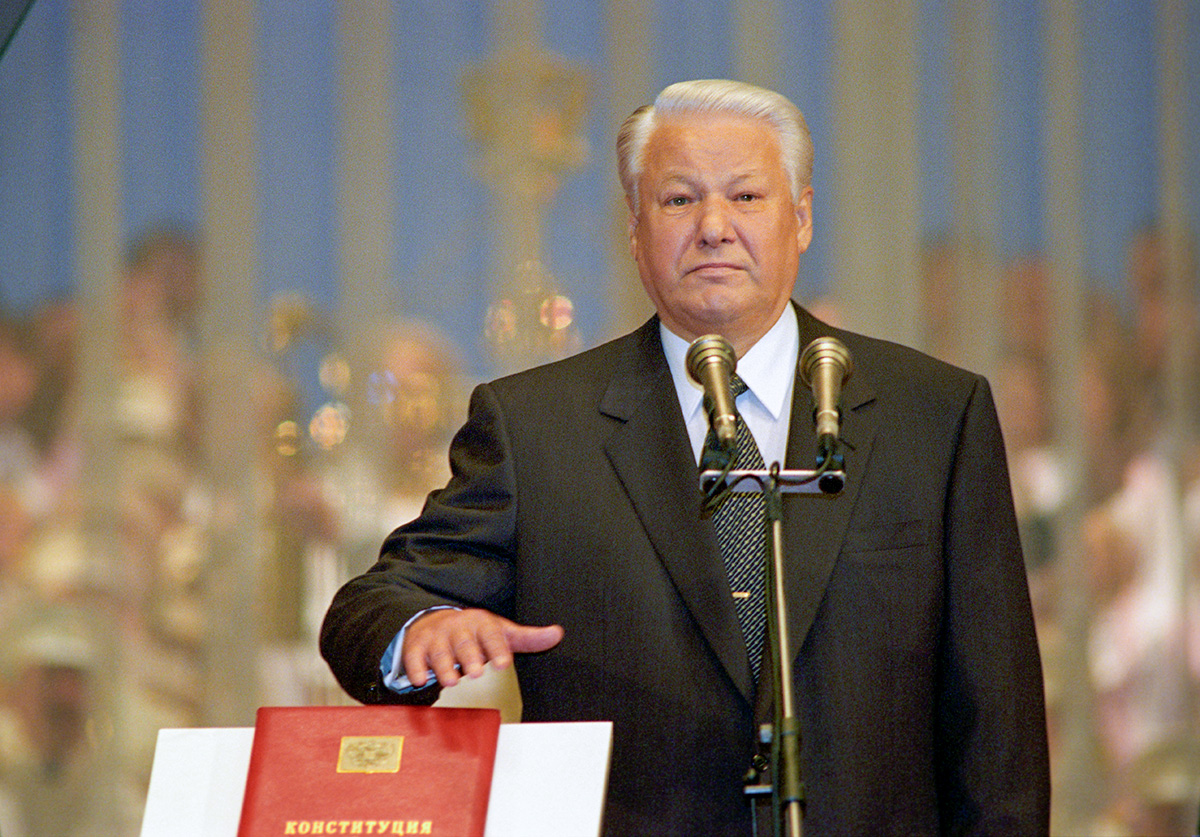
In 1996, Boris Yeltsin, Russia's first president, was re-elected for a second term.
His main and quite serious rival was Gennady Zyuganov, head of the Communist Party. The ideas of communism and revolutionary ideals were still very strong in the country.
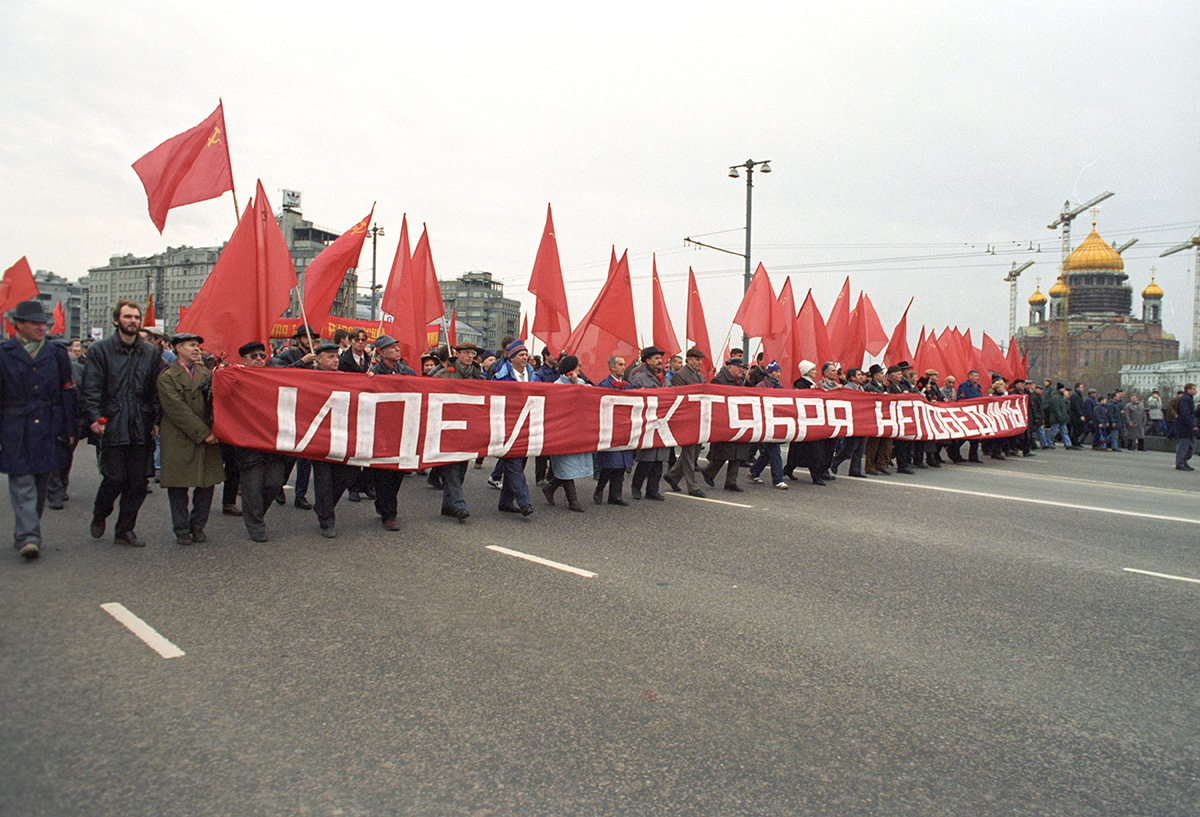
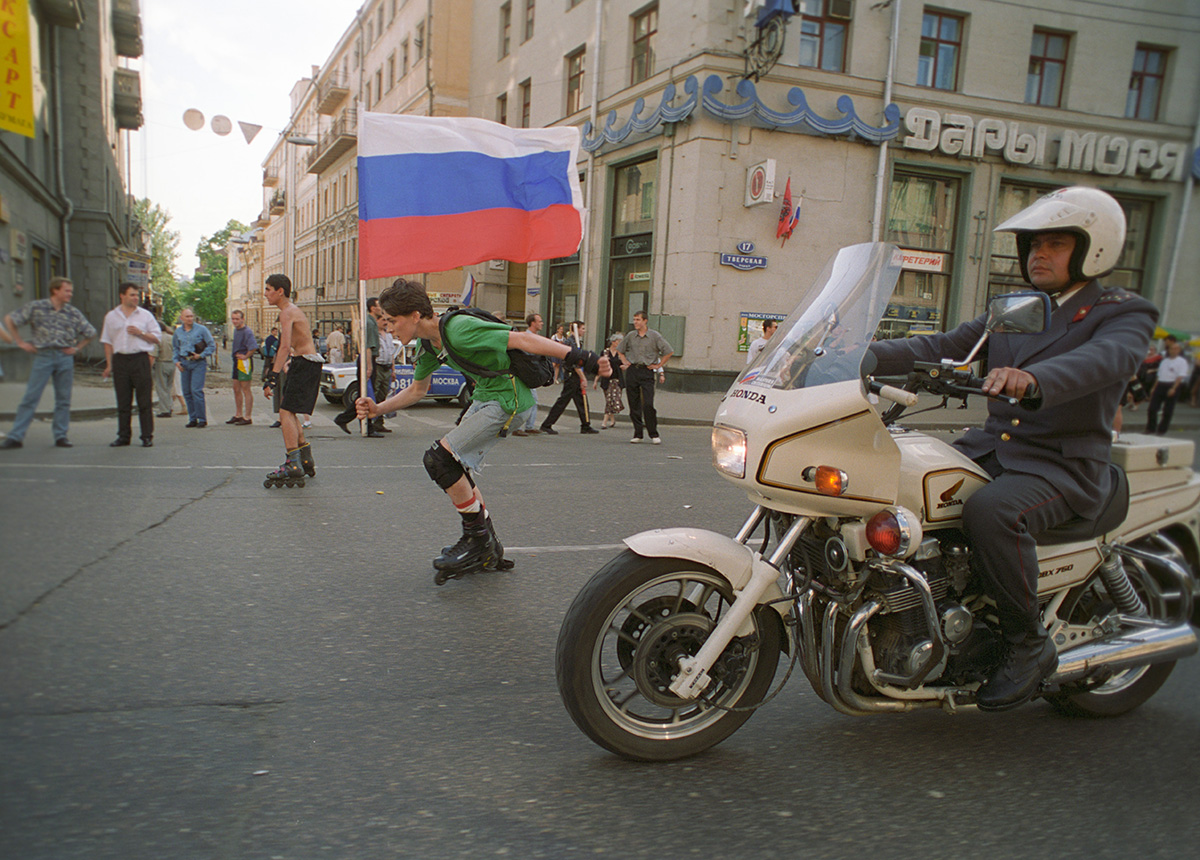
Nevertheless, many people did not want to return to communism or the USSR. Pictured below is a demonstration on Russian Independence Day.
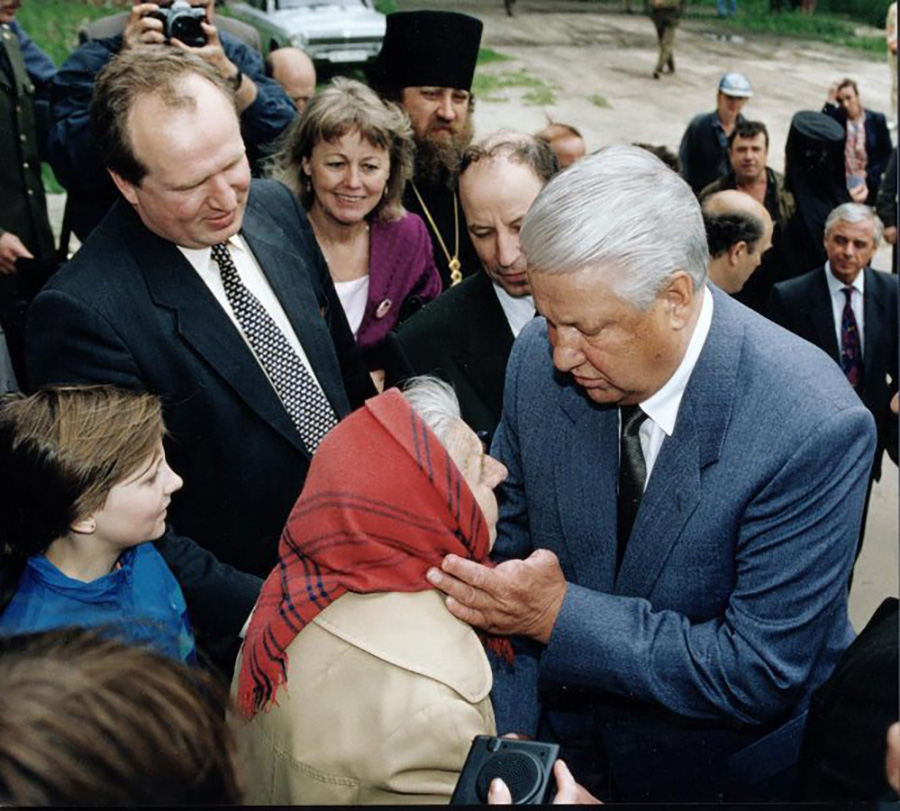
Compared to the official face of communism, Yeltsin was a president very close to the people, meeting with all factions of young Russian society.
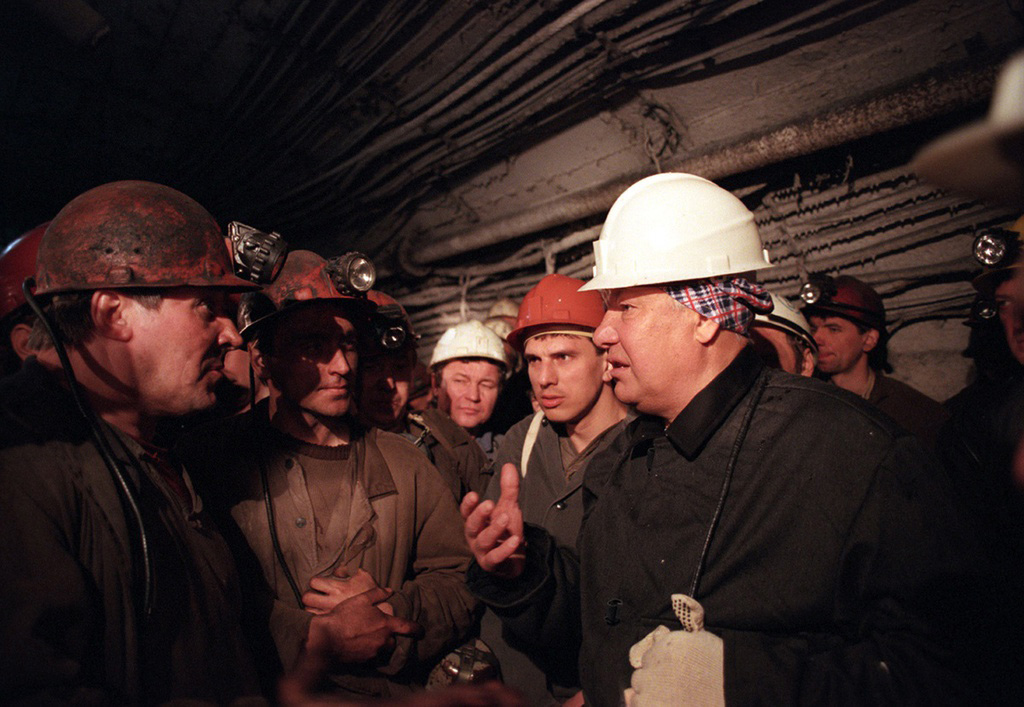
He traveled to many factories and even danced in public.
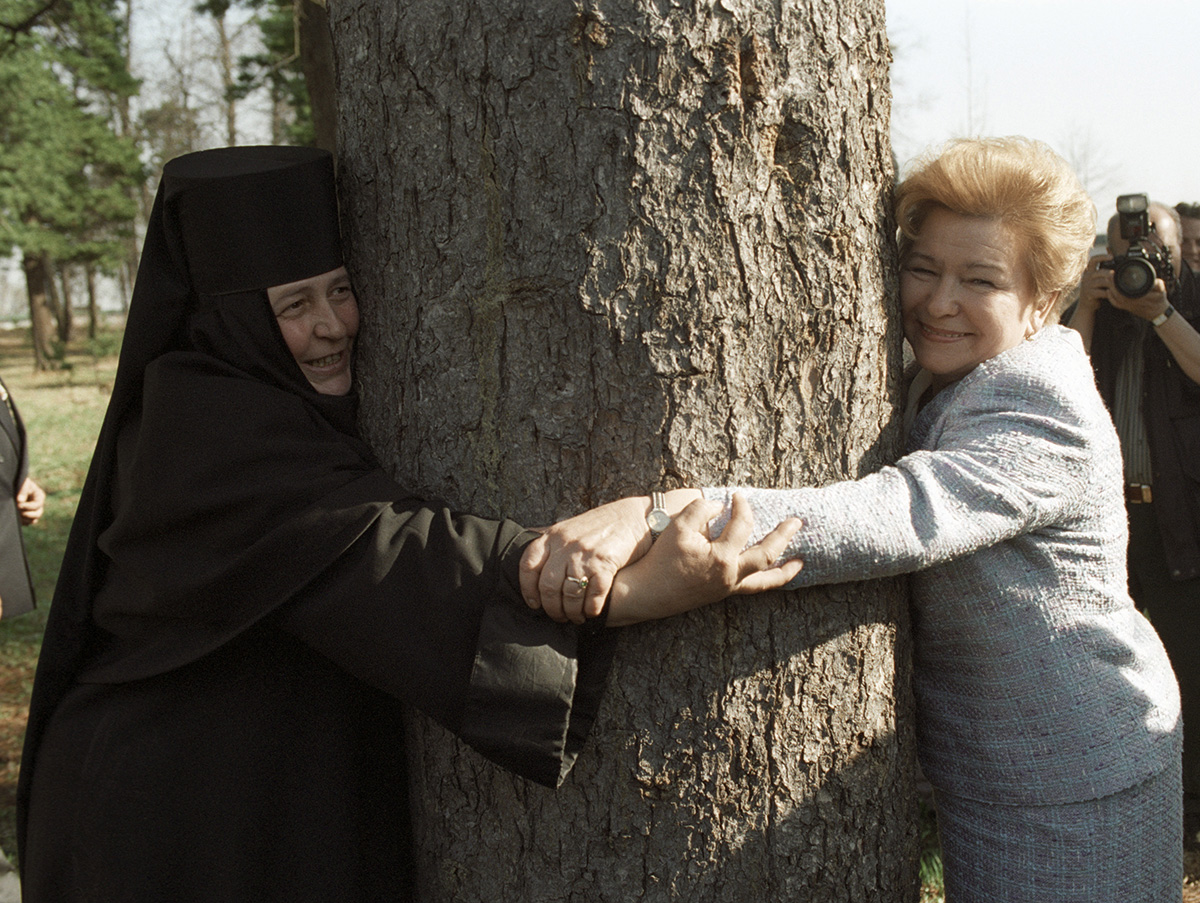
On many of the president's trips, he was accompanied by Naina Yeltsina, the First Lady, and she, too, was “close to the people”. In the photo, she’s hugging an ancient tree together with the abbess of the Tolga Convent.
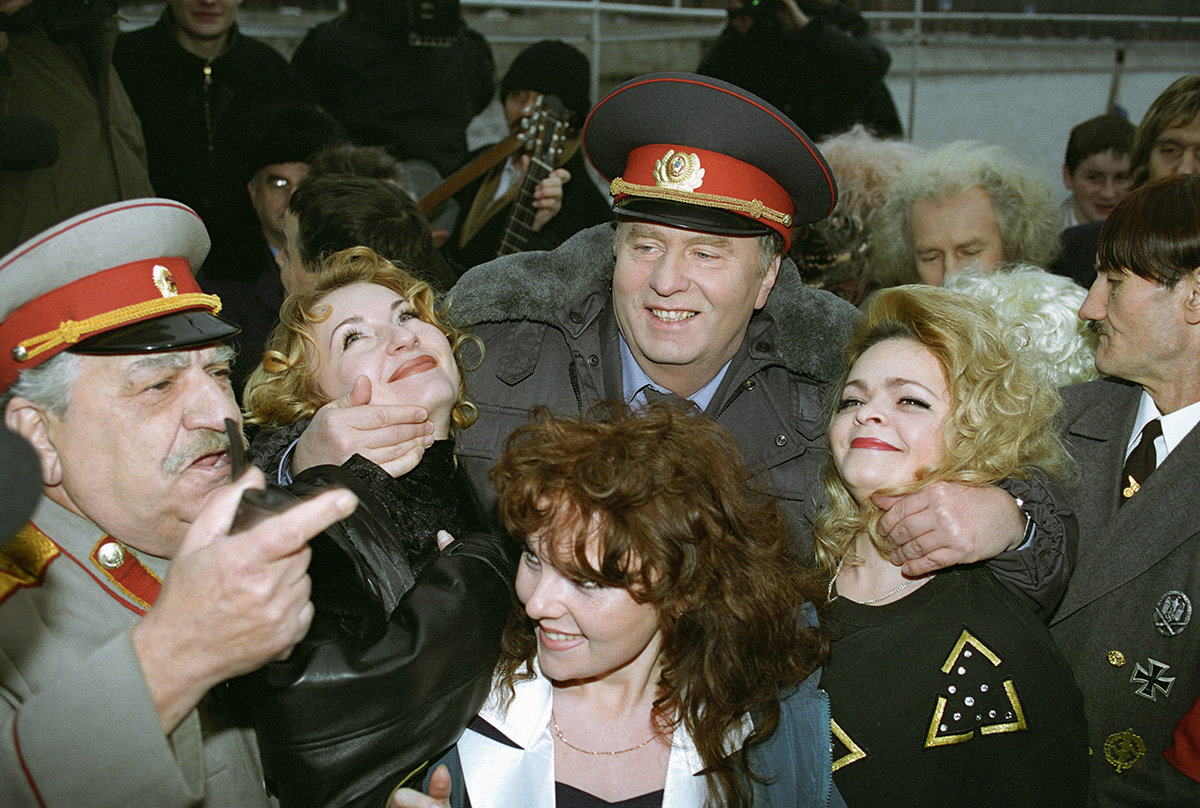
Politicians were no longer cardboard figures like they used to be in the USSR, but, instead, became more like celebrities. And the most striking example is Vladimir Zhirinovsky, leader of the LDPR (Liberal Democratic Party of Russia).
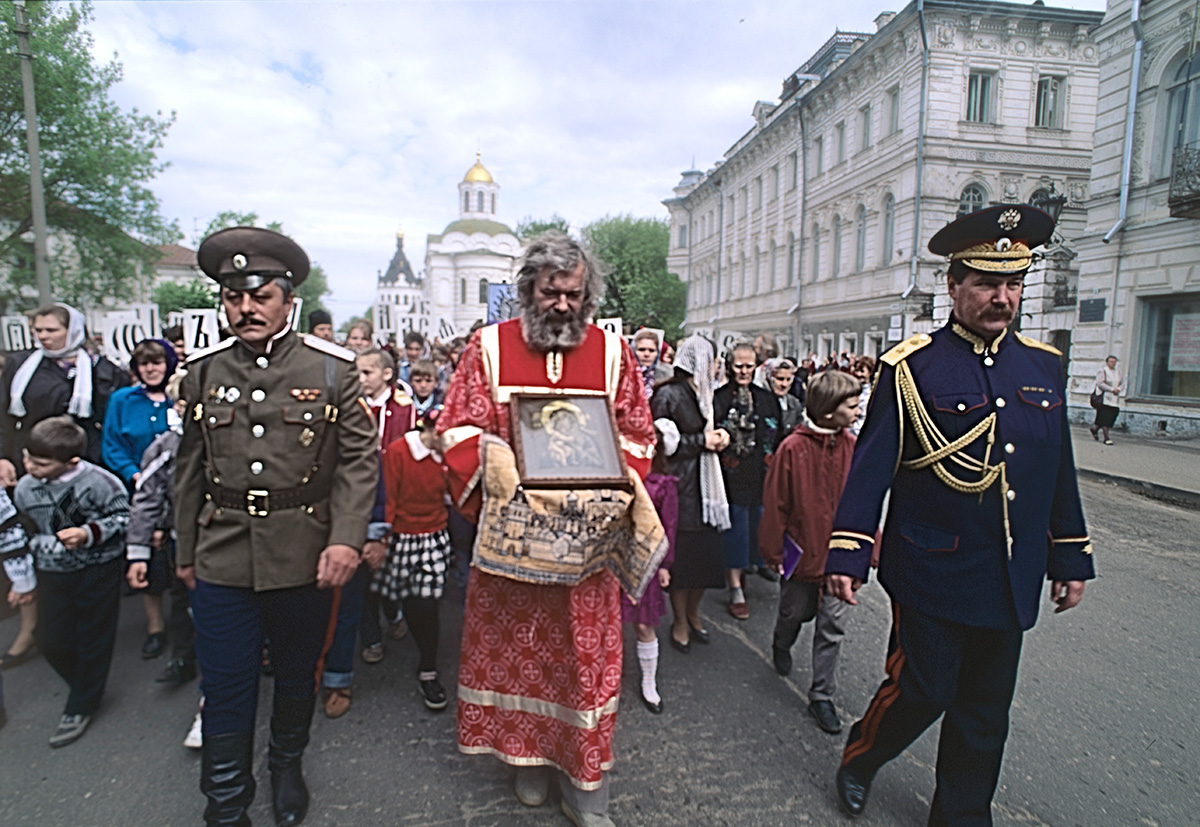
Attitudes toward religion in the 1990s also changed dramatically. After many years of Soviet bans, churches began to reopen and be built, services were held and clergy became an important part of public life once more.
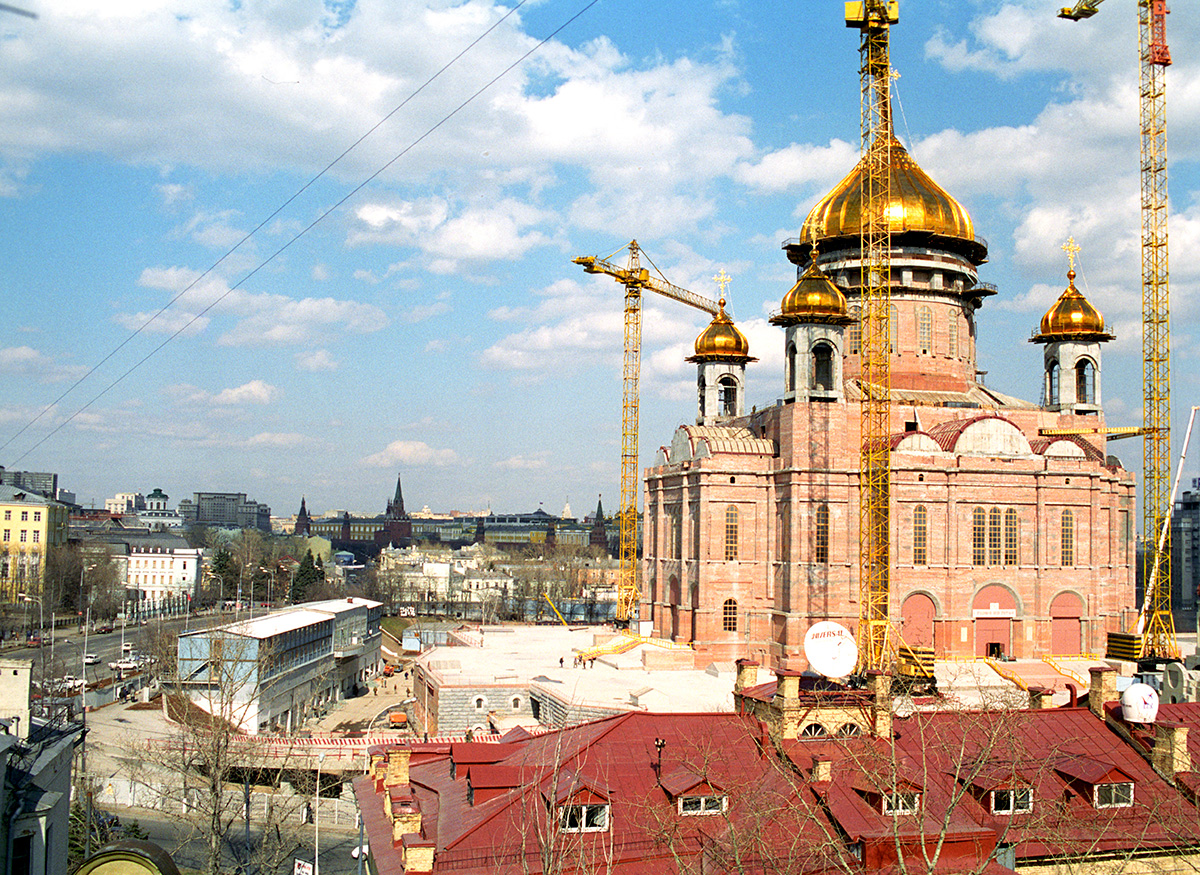
In 1996, construction of the Cathedral of Christ the Savior was in full swing, it was the rebuilding of a cathedral that was blown up by the Soviet authorities back in the 1930s, on whose site a swimming pool had stood for many years.
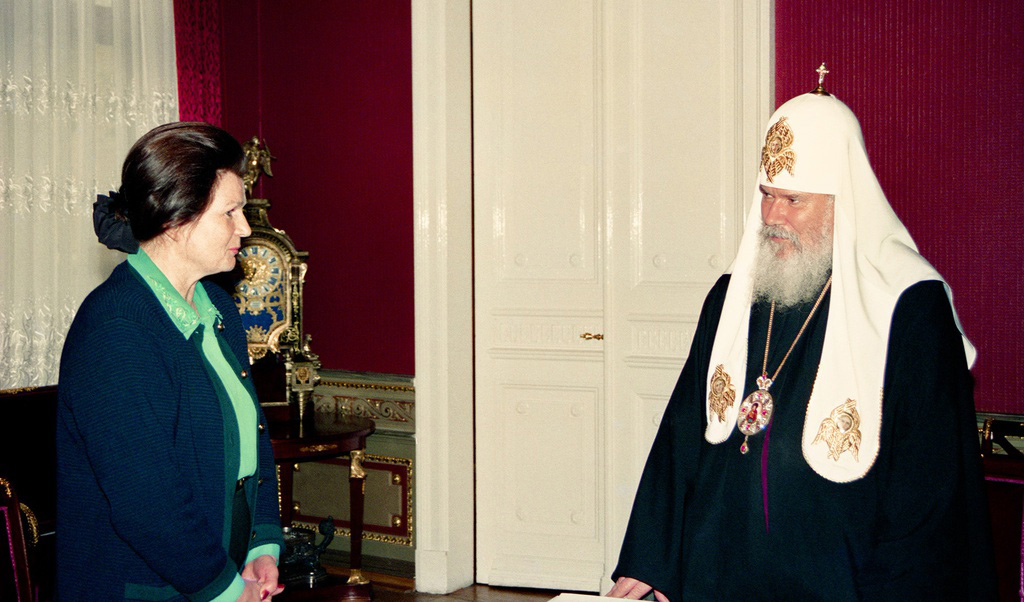
An oxymoron of the 1990s: A meeting between first female cosmonaut Valentina Tereshkova and Patriarch of Russian Church, Alexy II.
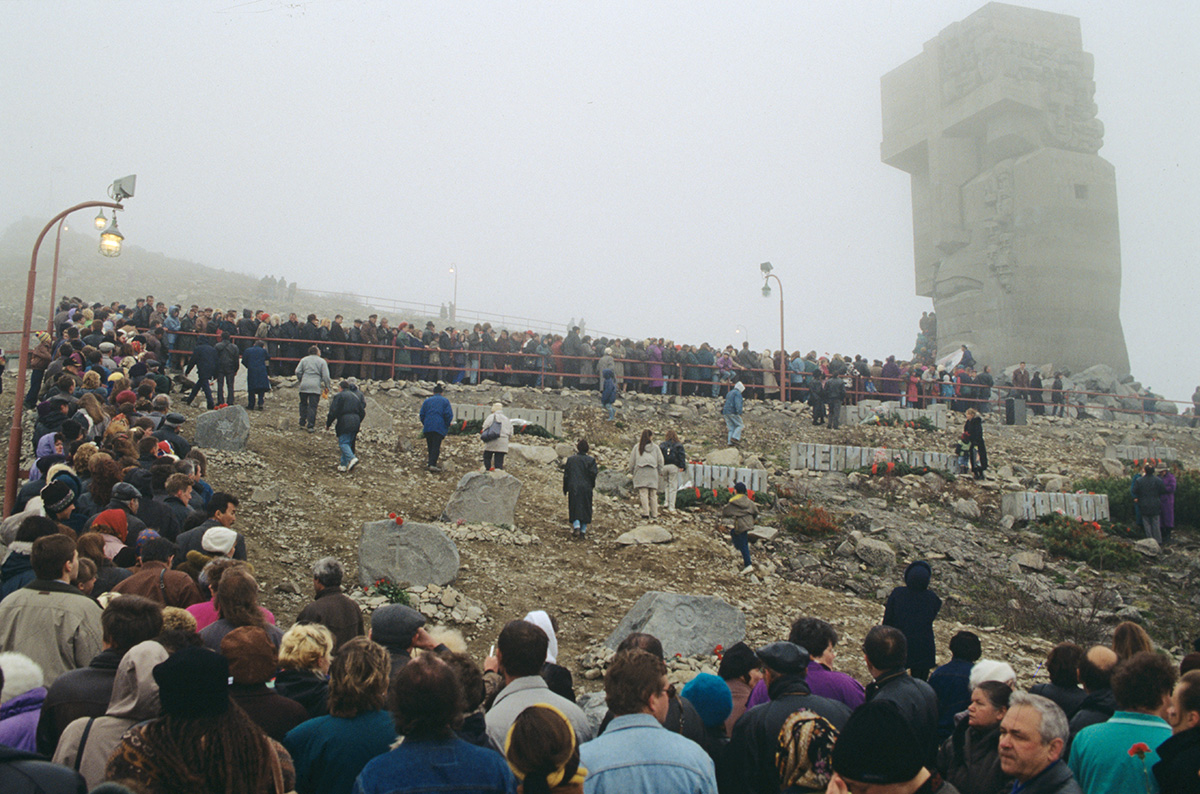
The 1990s were also a time of restoring the memory of prisoners and victims of the Soviet repressive Gulag system. Notably, the ‘Mask of Sorrow’ memorial was opened in Magadan.
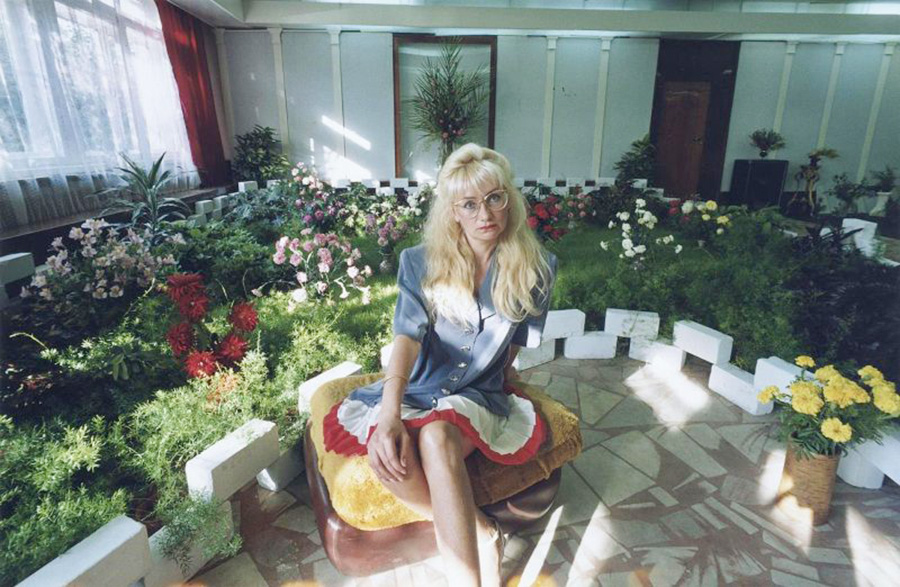
The 1990s had their own unique aesthetic and recognizable style, which many people today look back on with nostalgia.
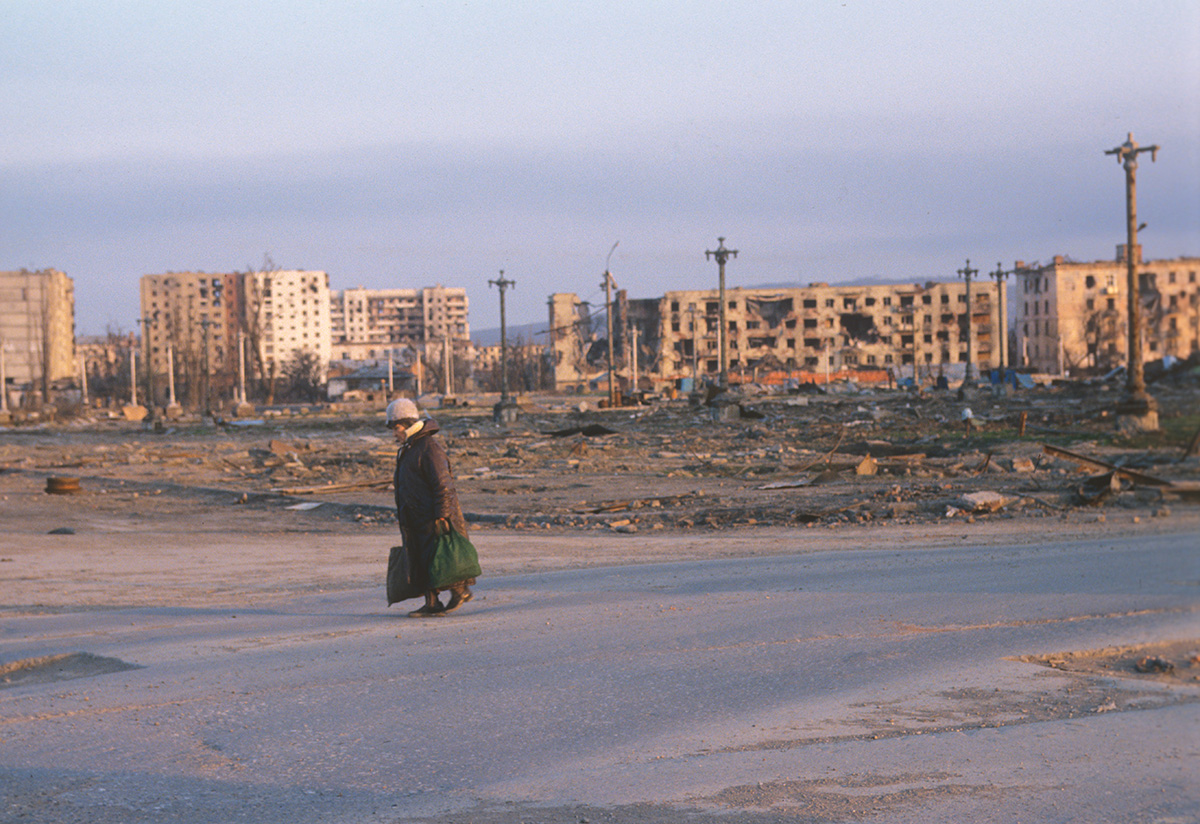
A dark chapter of the 1990s was the Chechen conflict, but, in 1996, both sides signed a truce.
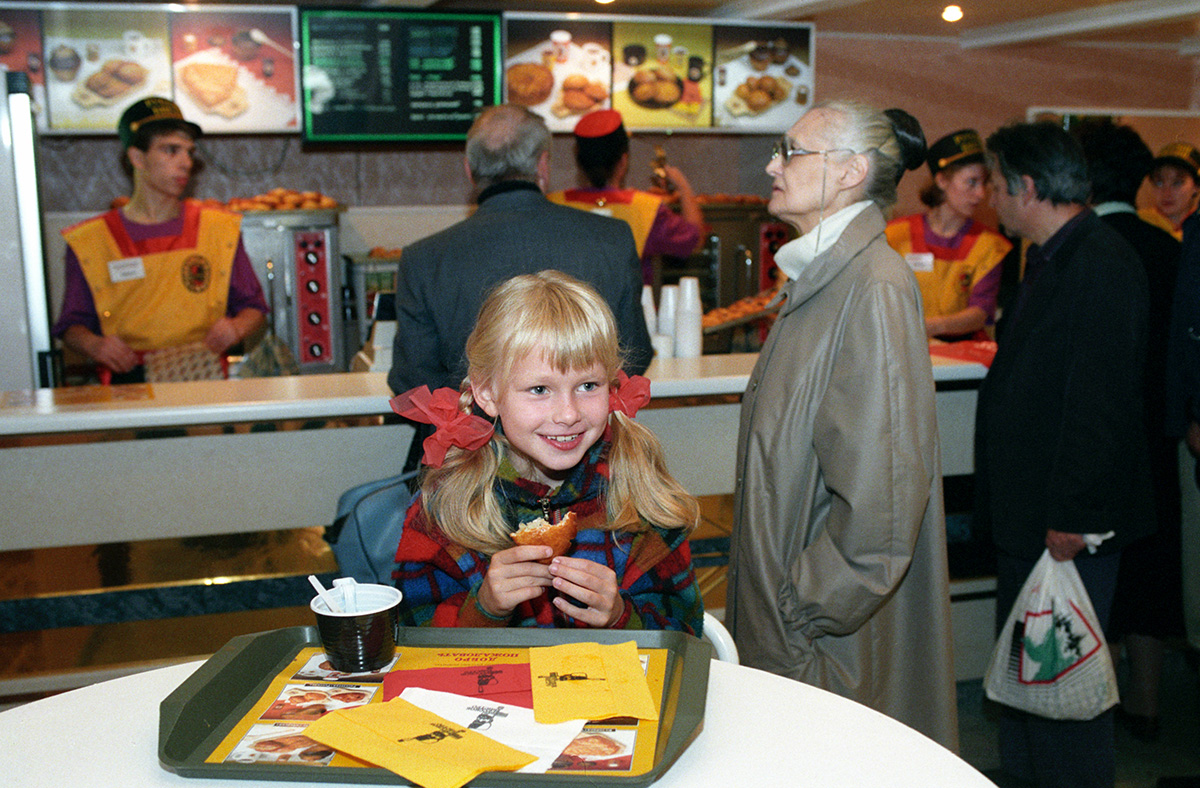
With the collapse of the USSR, capitalism came to Russia. A homegrown fast-food chain, ‘Russian Bistro’, appeared.
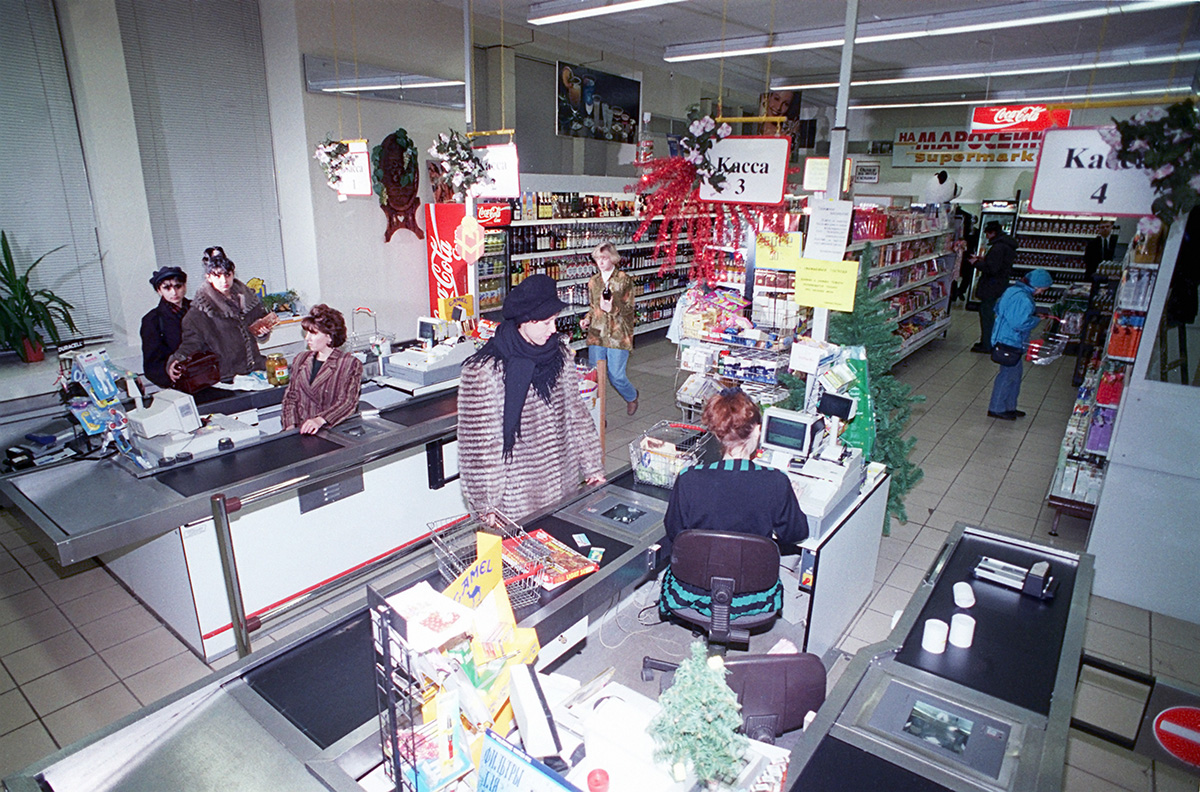
The first supermarket chains also appeared.
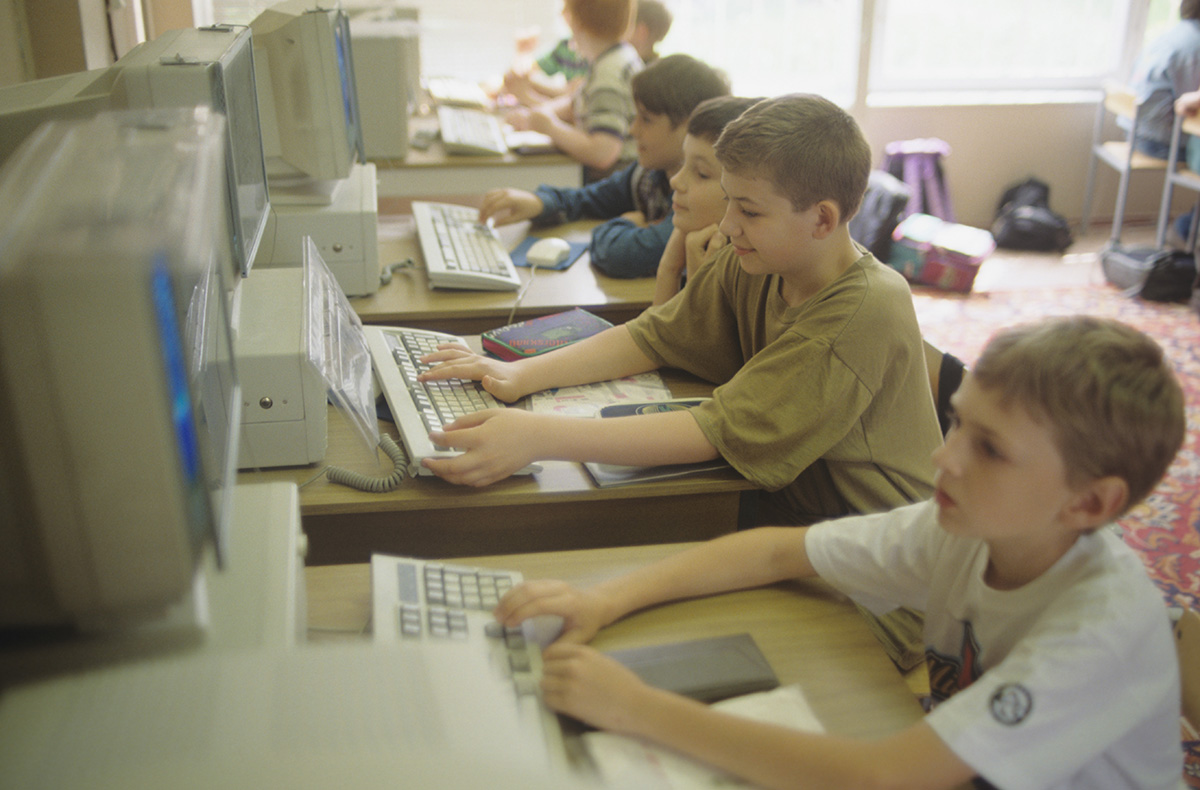
Schools began receiving much needed upgrades – including computer science classes.
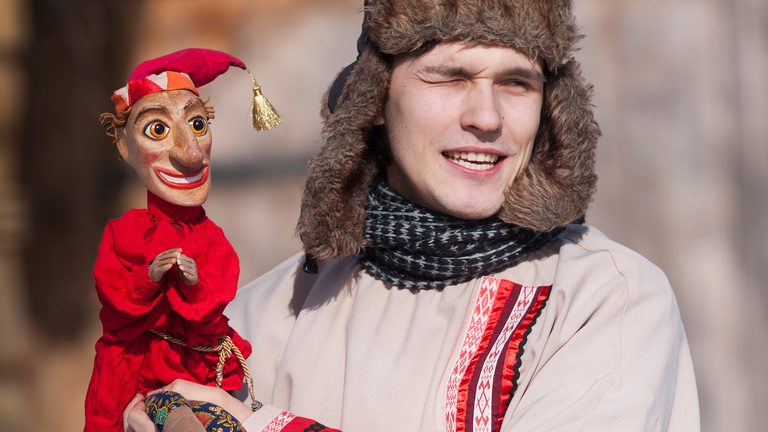
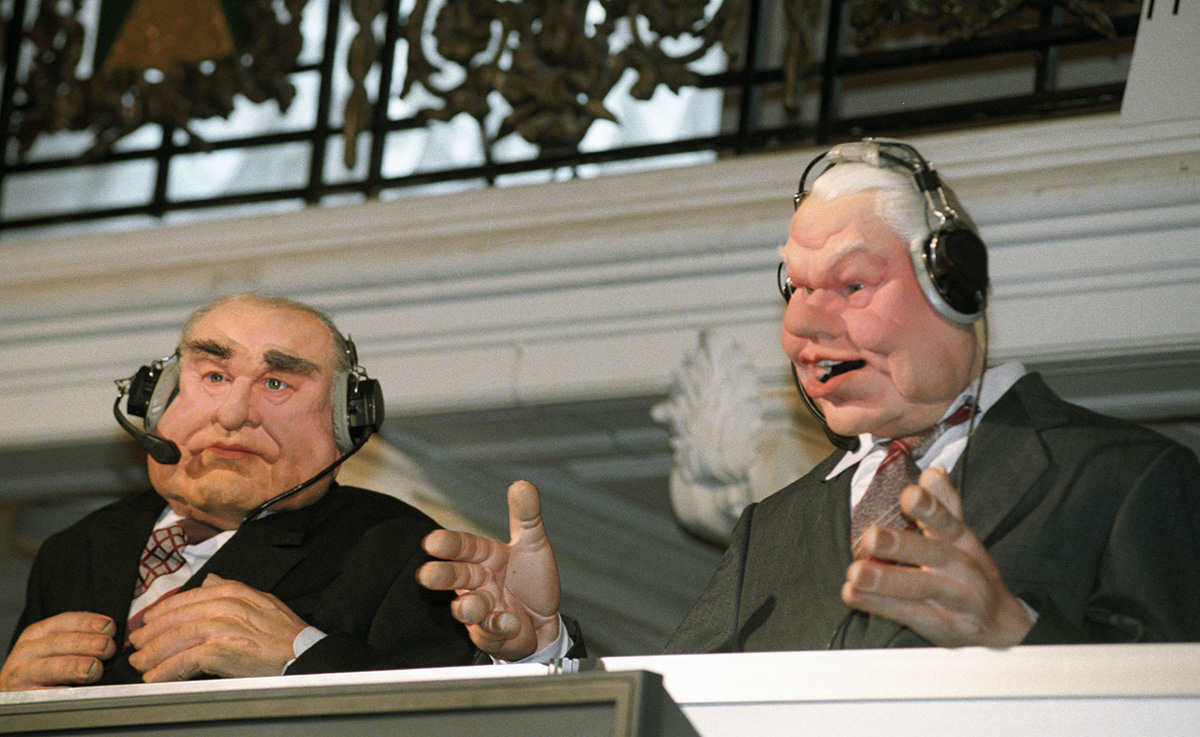
Freedom of speech also emerged. Here’s a still from the political satire show ‘Kukly’ (‘Puppets’), parodying President Yeltsin and Prime Minister Chernomyrdin among others.
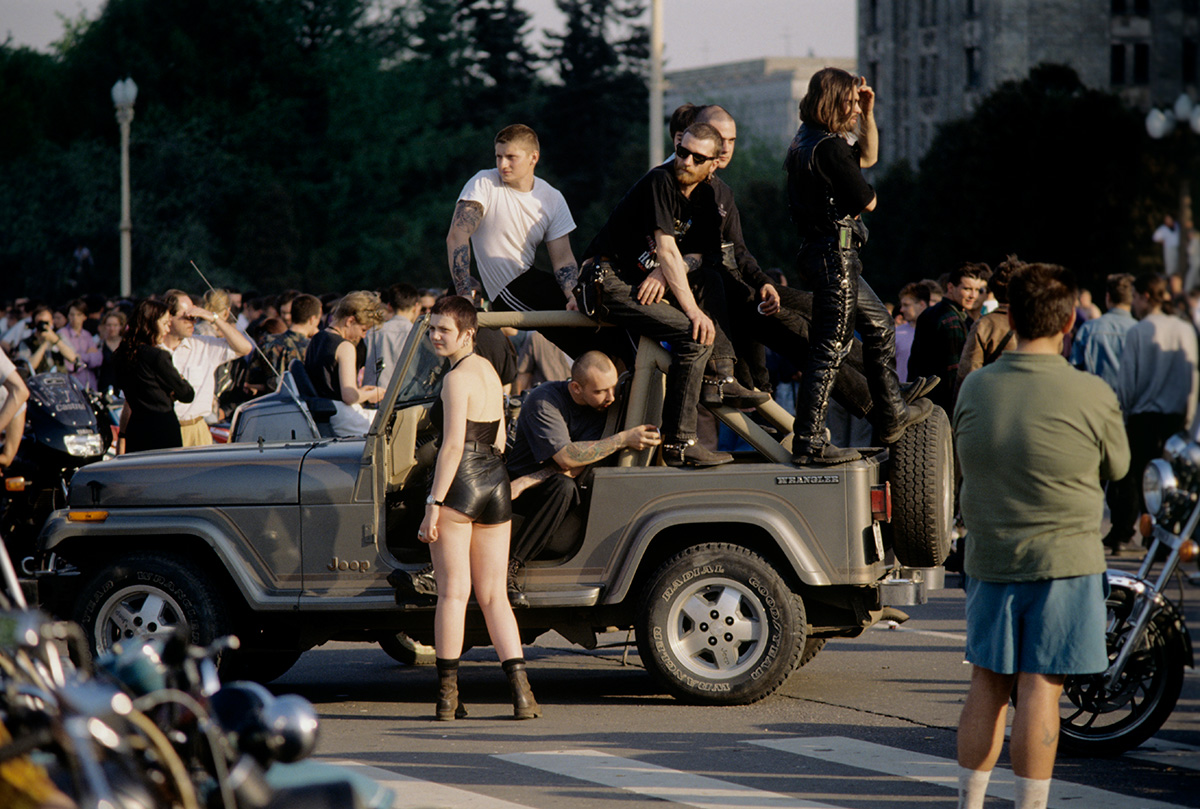
Freedom of self-expression also emerged, nonconformists and bikers began gathering in cities.
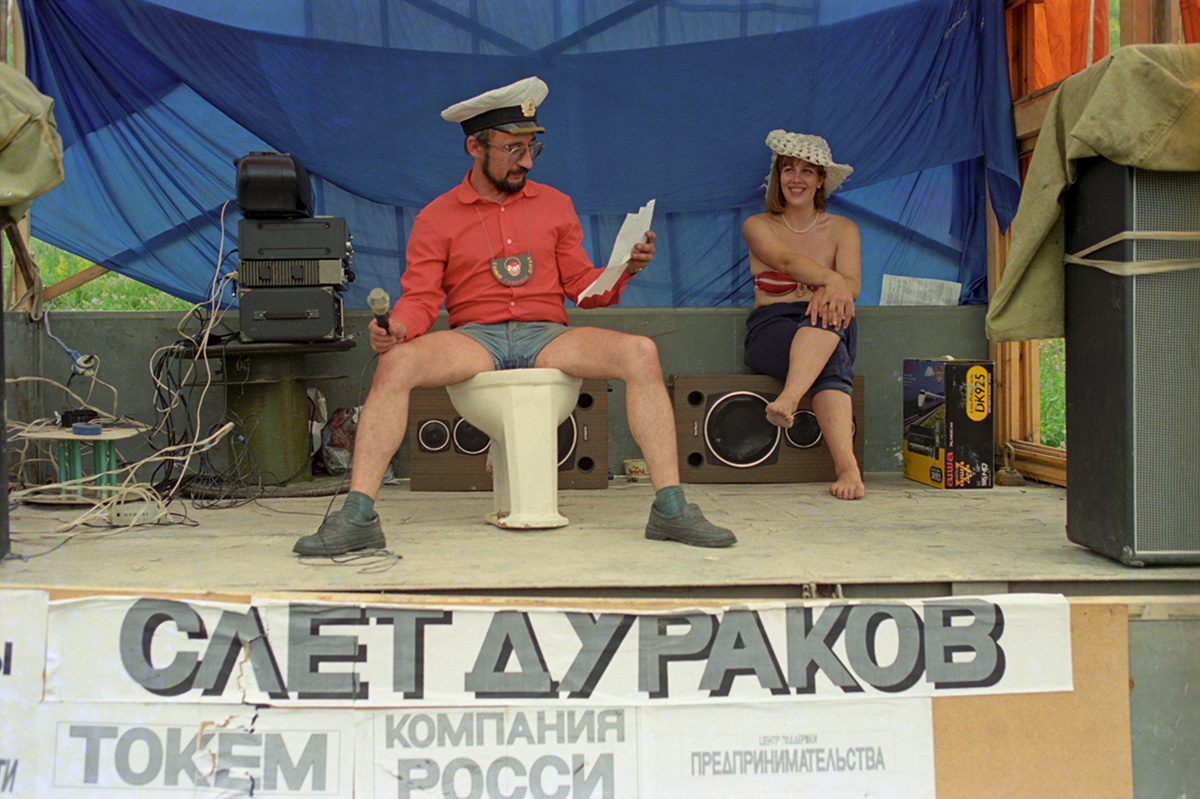
All kinds of festivals began to be held, for example, a gathering of fools.
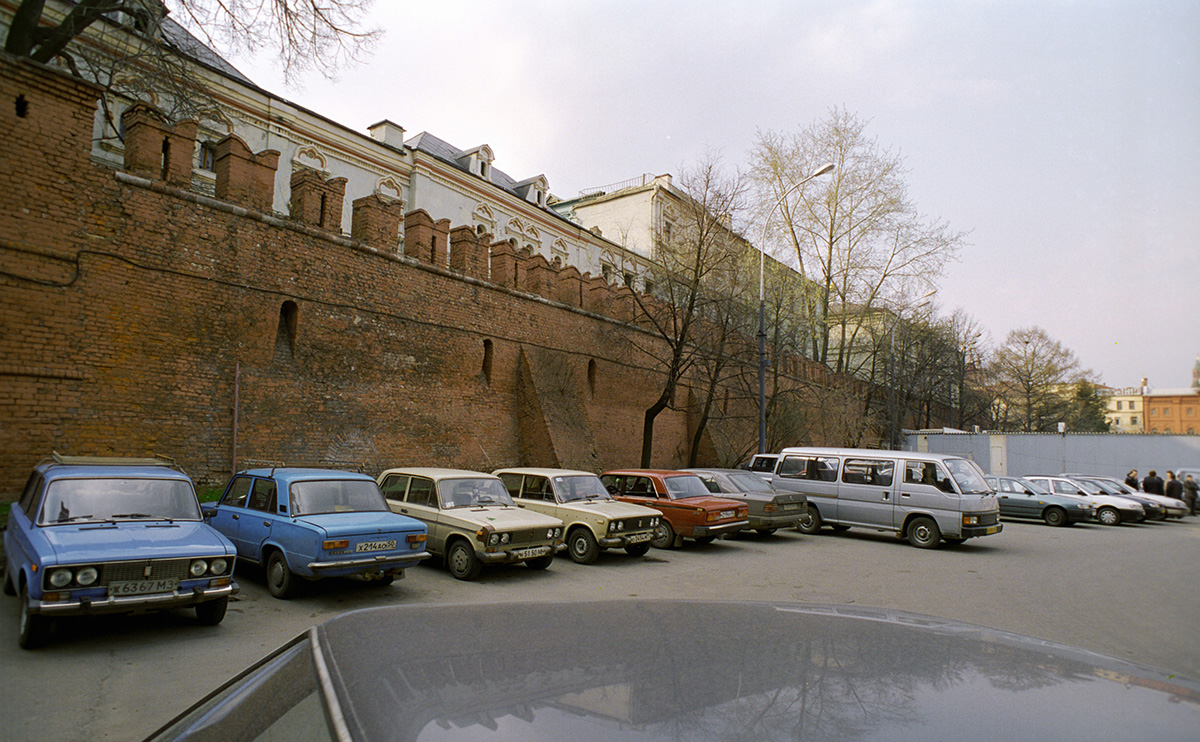
Remnants of the ancient Kitai-Gorod wall in Moscow and Soviet cars.
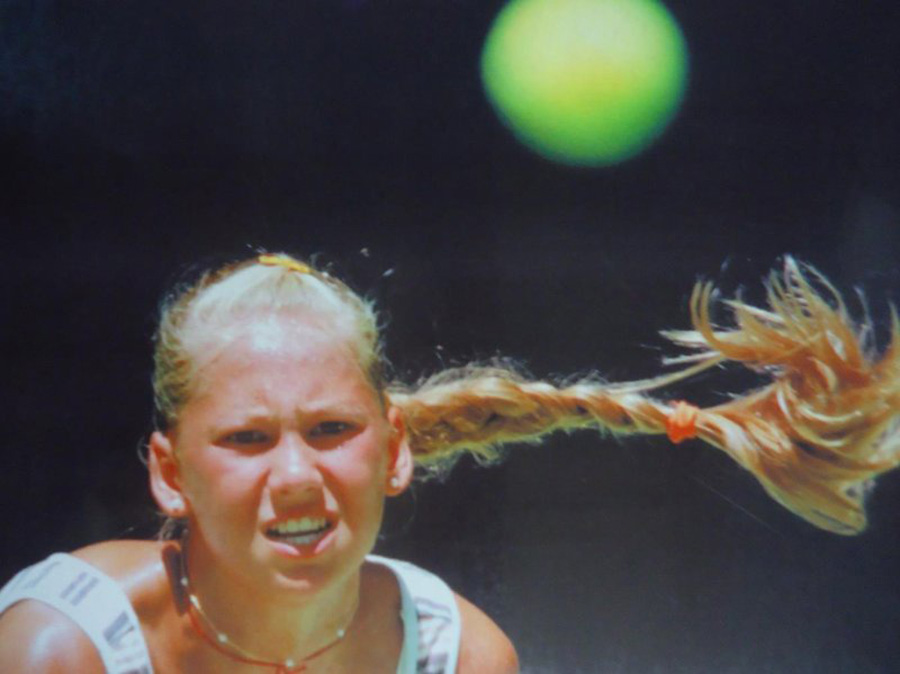
A sports legend of the 1990s – tennis player Anna Kournikova made her Olympic debut at the 1996 Atlanta Games at the age of just 15.
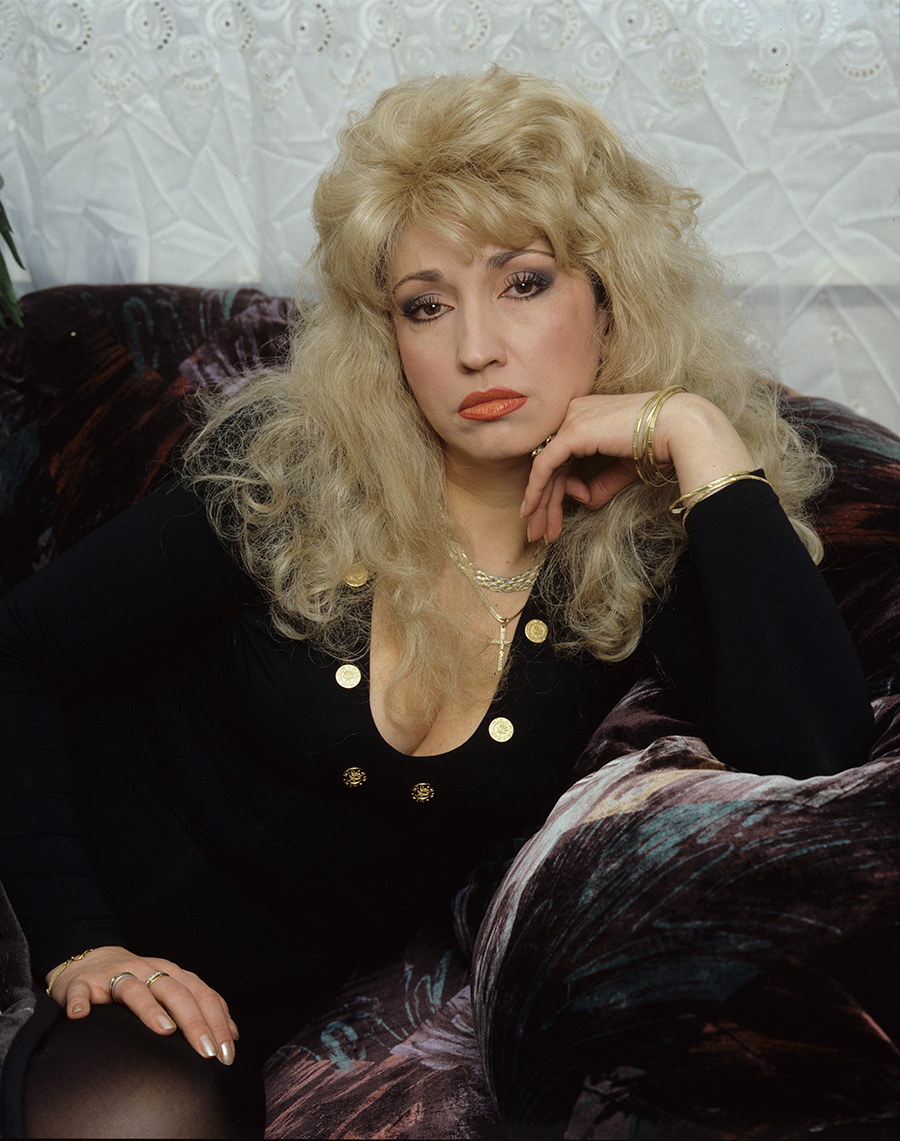
The standard of beauty and style of the 1990s, the femme fatale – singer Irina Allegrova.
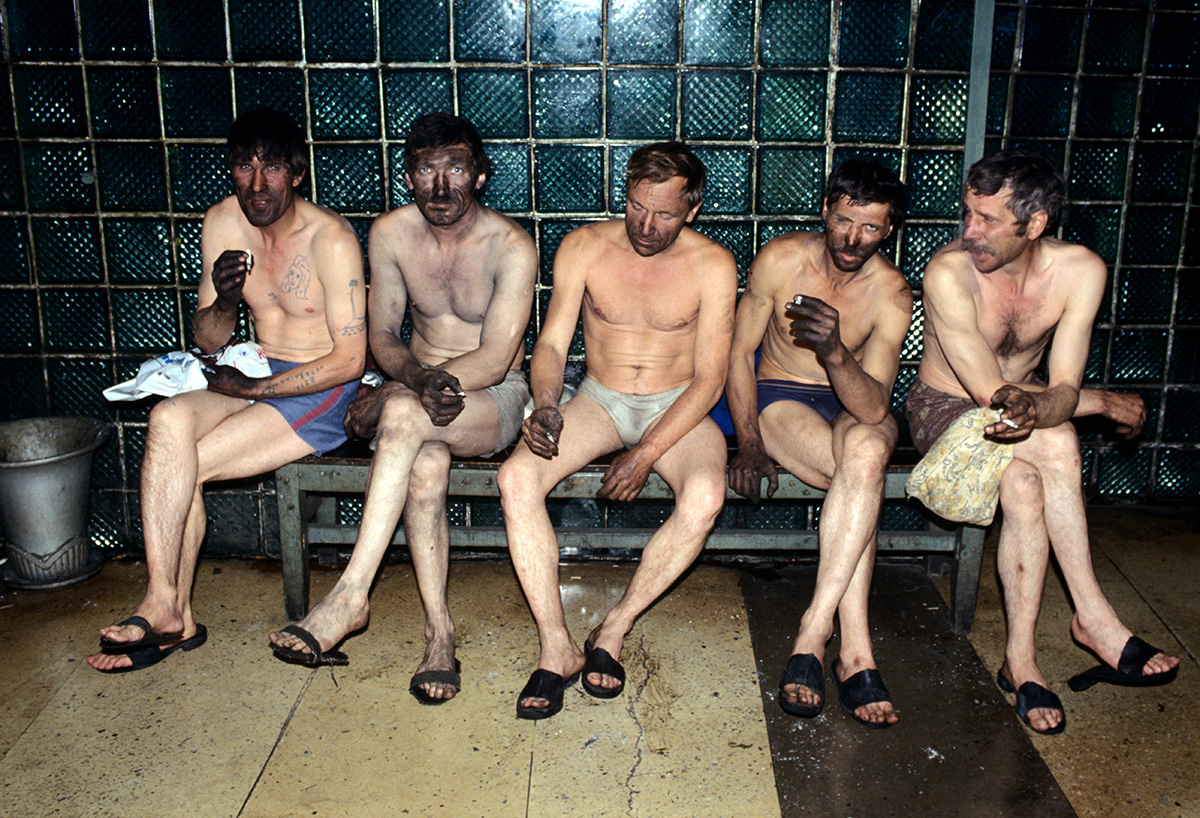
Kuzbass miners pictured after a shift.
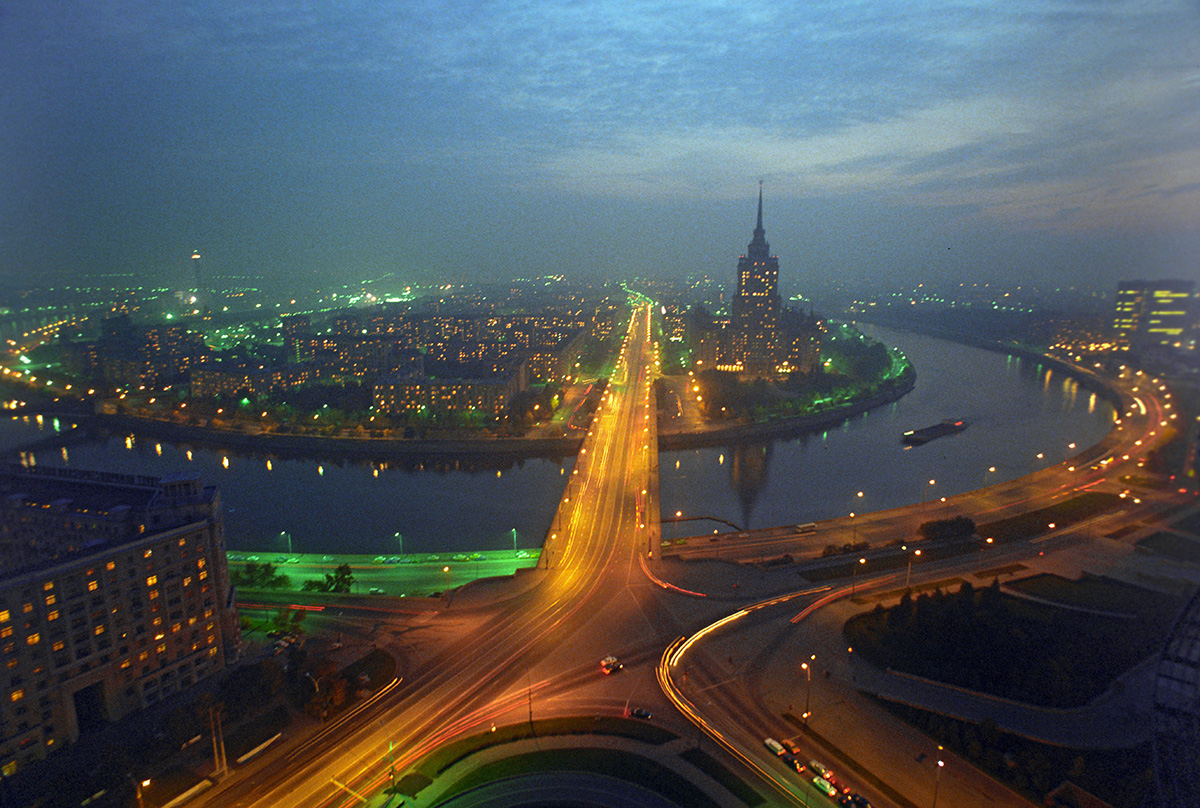
The lights of nighttime Moscow.