

Why did Catherine the Great decide to… educate women?
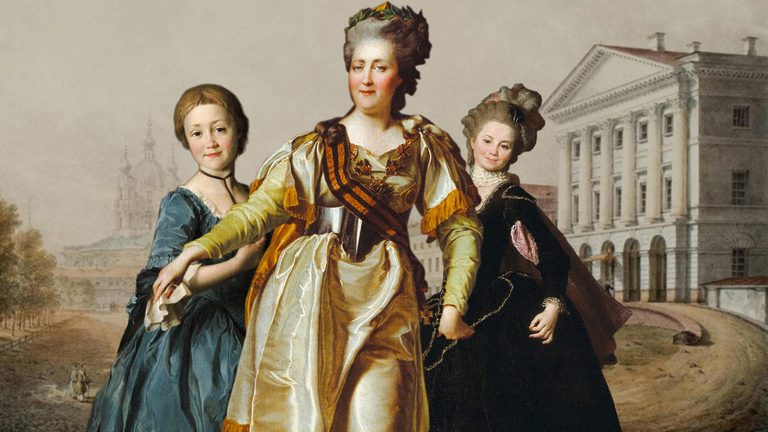
The Smolny Institute, founded by the empress on May 16, 1764, became not only the first educational institution for women in Russia, but also an important milestone in the history of society.
Catherine the Great was deeply fascinated by the social ideas of Locke, Voltaire, Diderot and Rousseau. Her dream was not simply to rule a large country wisely – she wanted to govern educated and responsible subjects. But where could she find them? Naturally, by raising them from scratch. And, preferably, by removing them from the environment that could hinder them from becoming such. Thus, the educational reform prepared by Ivan Betskoy was born.
Betskoy was an extraordinary man. Highly educated, he initially served in the diplomatic service and spent many years in Europe, then became the empress' advisor on educational matters.
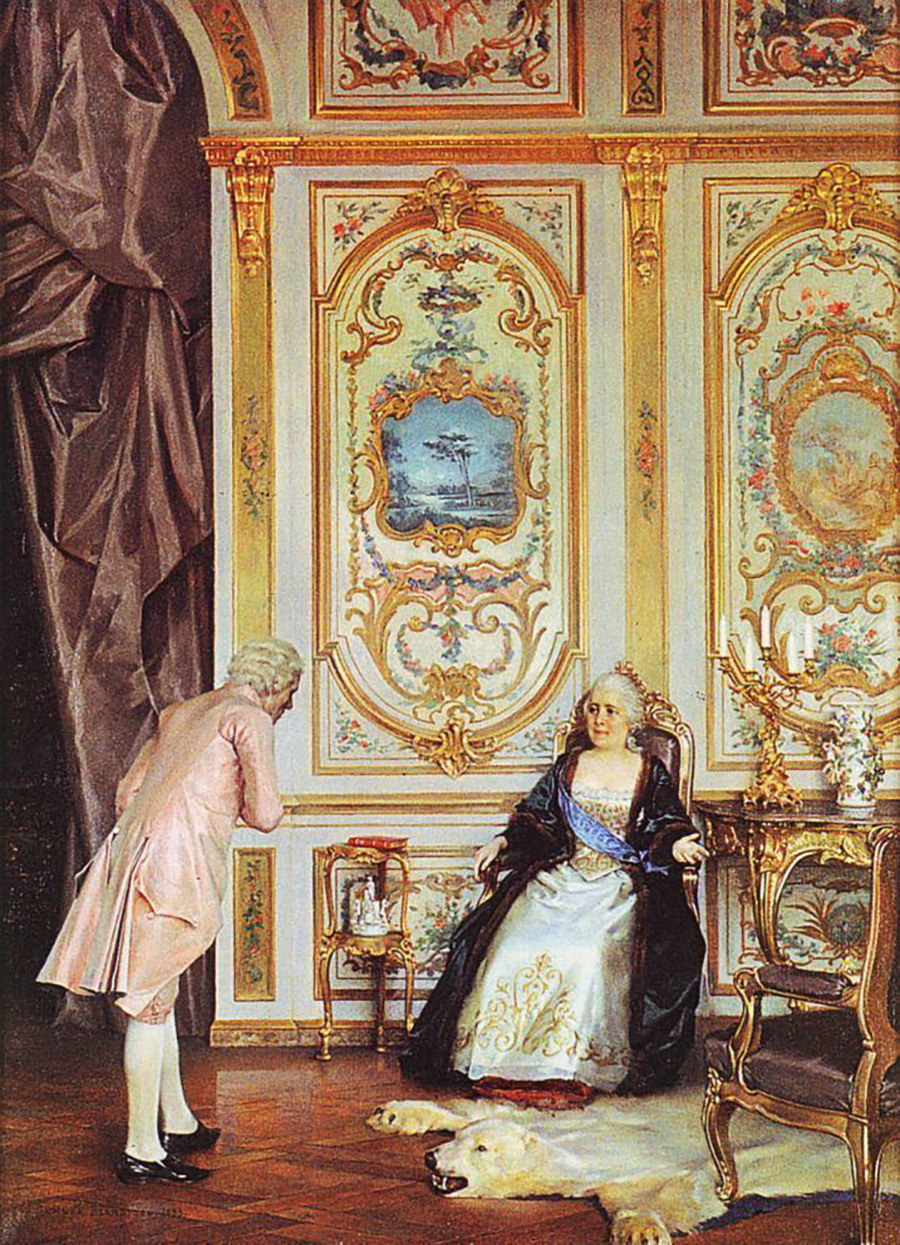 Gunnar Berndtson. Diderot and Catherine the Great
The key document of his reform was the ‘General Institution on the Education of Youth of Both Sexes’, approved by the empress in March 1764. It outlined the fundamental principles and objectives of the reform. In short, the plans were truly ambitious: the creation of a "new breed of people" through education. It was believed that by isolating a child from a "corrupt society" and raising them in an ideal environment, it was possible to shape a personality free from old vices. Moreover, educating girls was considered just as important as educating boys – after all, they would later raise the next generation. Thus arose the idea of an educational institution for girls – the ‘Imperial Educational Society for Noble Maidens’, later known as the ‘Smolny Institute for Noble Maidens’.
This boarding school opened that same year, 1764. It accepted the daughters of hereditary nobles, aged six. Applicants were required to provide documents confirming their lineage, pass entrance exams in French and Russian and have a basic religious education.
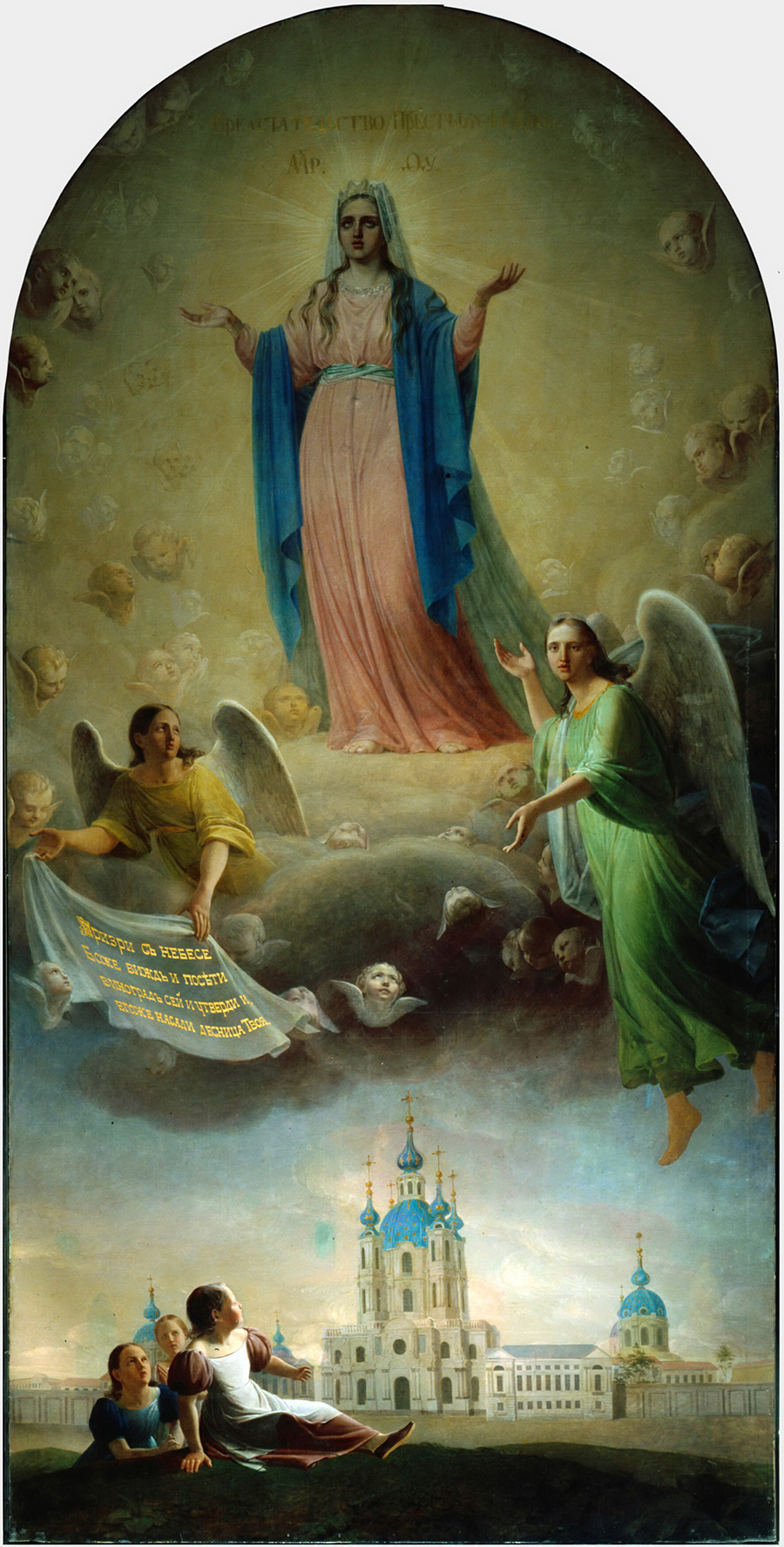 A. Venetsianov. "The Intercession of the Mother of God for the Pupils of the Smolny Institute." Between 1832 and 1835
By sending their child at such a young age, the family had to sign a written pledge not to take their daughter home until she turned 18. There were no vacations or extended visits and letters were strictly censored by the governesses.
Girls were taught not only music, dance, literature and home economics. Betskoy included general history and art history, geography, mathematics and even physics in the curriculum, albeit with a practical emphasis.
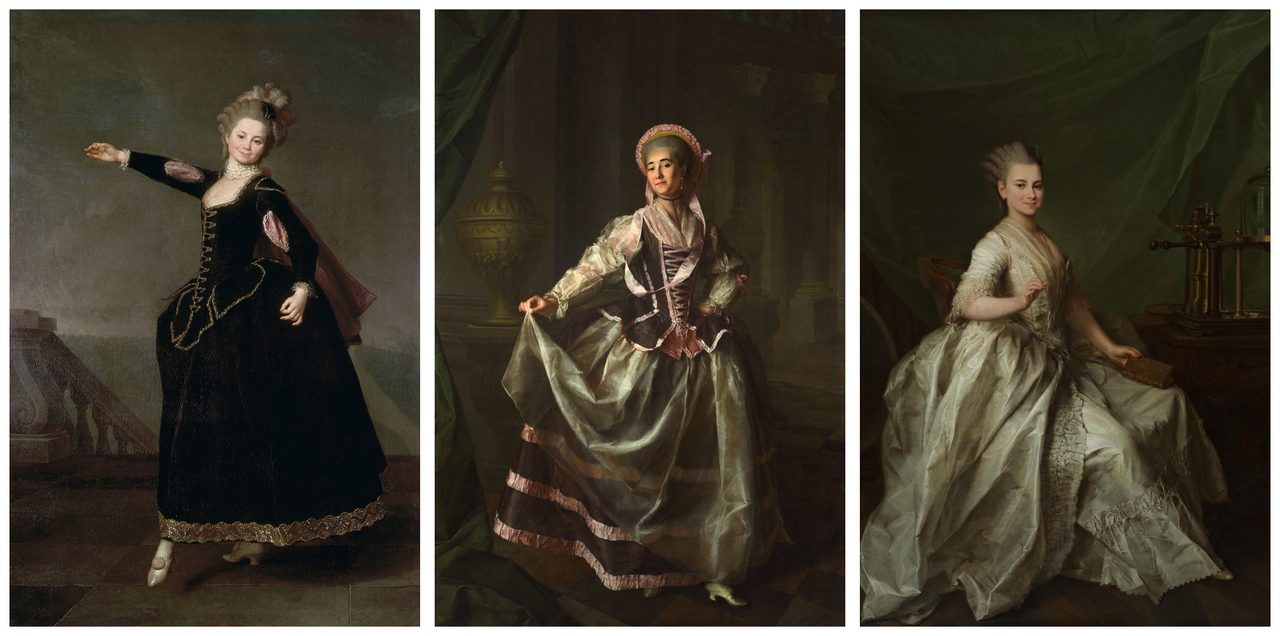 Dmitry Levitsky. Smolensk. 1772–1776
Teaching methods were planned to be highly progressive: corporal punishment was prohibited; learning "without coercion, taking into account the child's interests and abilities" was encouraged; teachers were expected to be "conscientious and exemplary people". In practice, things were not quite so rosy. But, the result was still impressive: the institution produced many outstanding women, from ladies-in-waiting to the first female diplomat, Darya Lieven.
Enlightened women were viewed as "a solid pillar of the throne and the prosperity of the state." Graduates were expected to become ideal wives, capable of managing a household, raising intelligent and educated children and softening the morals of society.
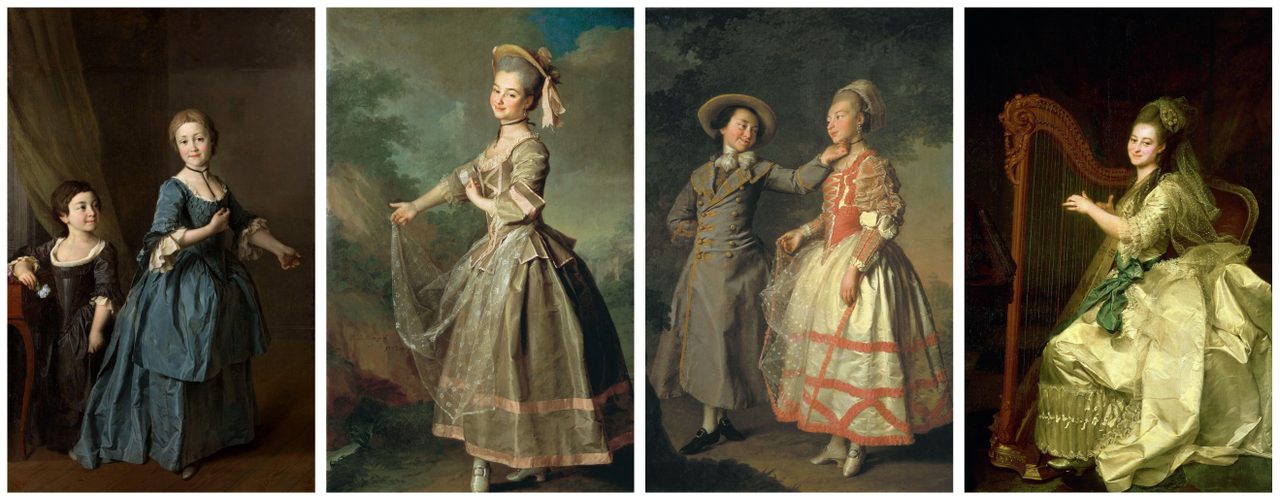 Dmitry Levitsky. Smolensk. 1772–1776
As a result, Smolny paved the way for the creation of a whole network of women's gymnasiums and institutes across the country. By the end of the 19th century, education for women in Russia had become not the privilege of a select few, but a much more accessible and widespread practice.