

7 legendary historical stones of Russia (PHOTOS)

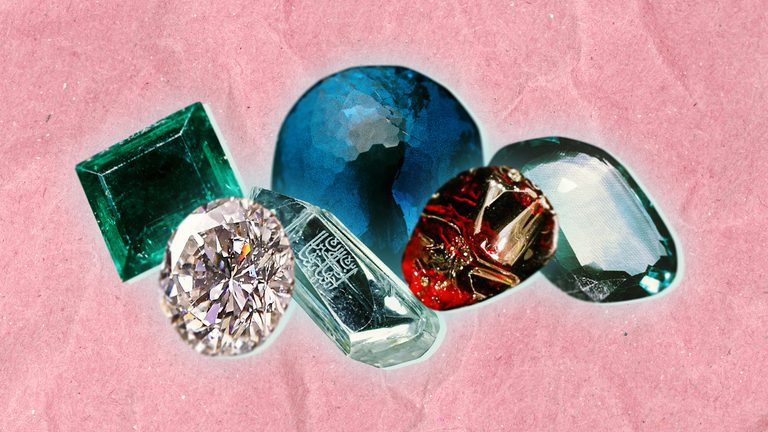
The Diamond Fund in Moscow houses unique gemstones, seven of which are considered historical. They once adorned state regalia and were “witnesses” to major events.
1. The ‘Orlov’ diamond
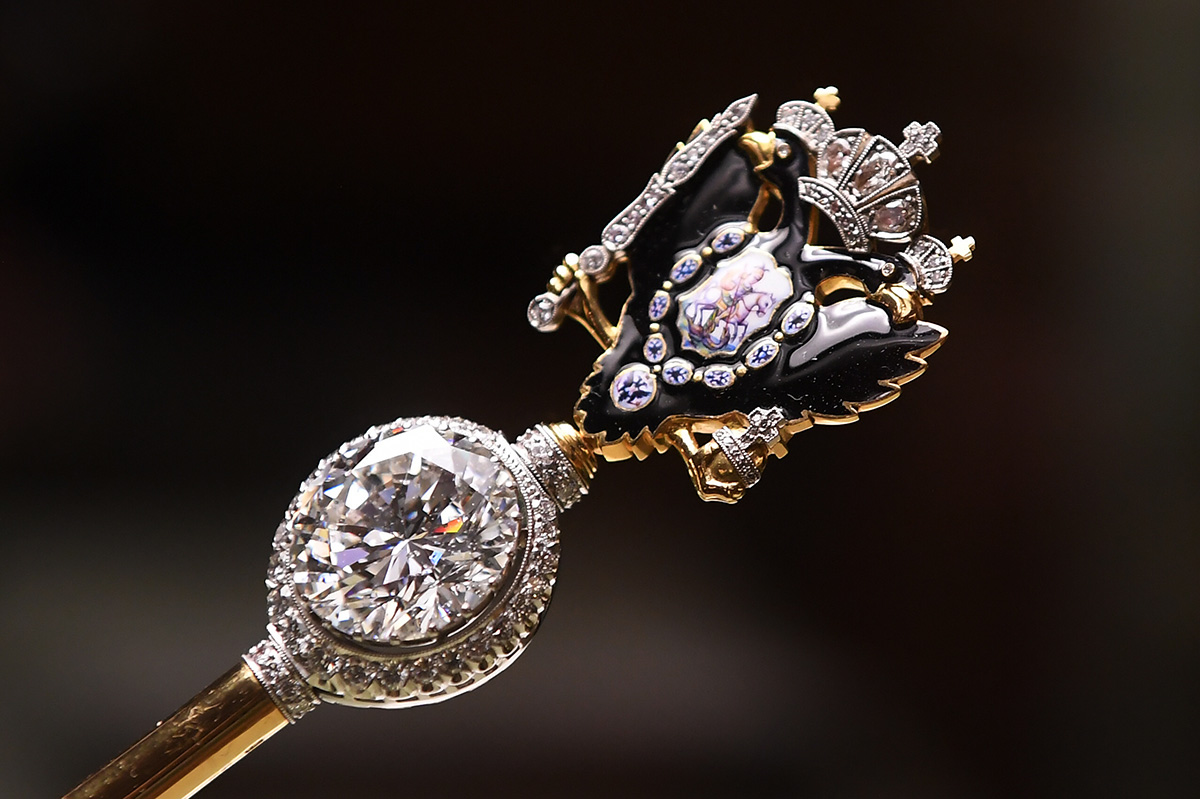
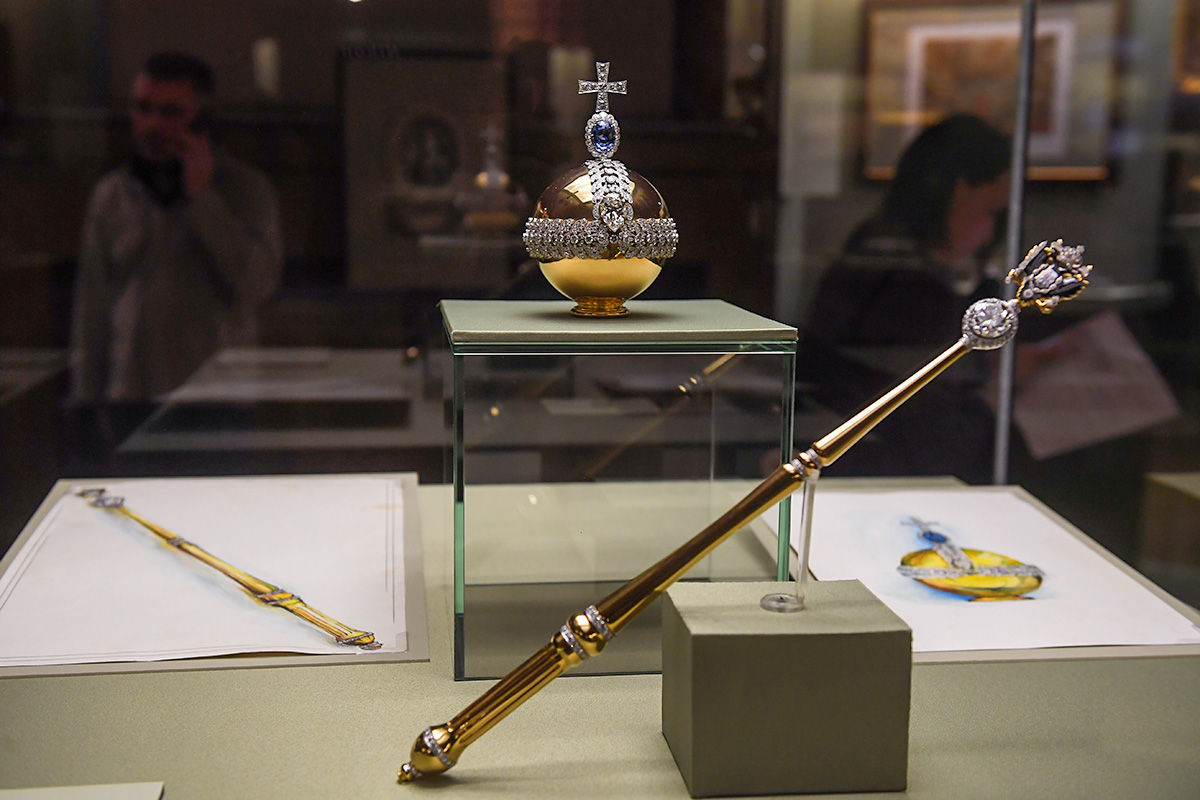
It bears the name of Count Grigory Orlov, who presented it to Empress Catherine the Great as a present on her name day in 1773. However, historians speculate that the empress actually paid for the diamond from the state treasury – it cost a whopping, astronomical 400,000 rubles. Be that as it may, Catherine ordered the 189.6-carat diamond to be set into her scepter.
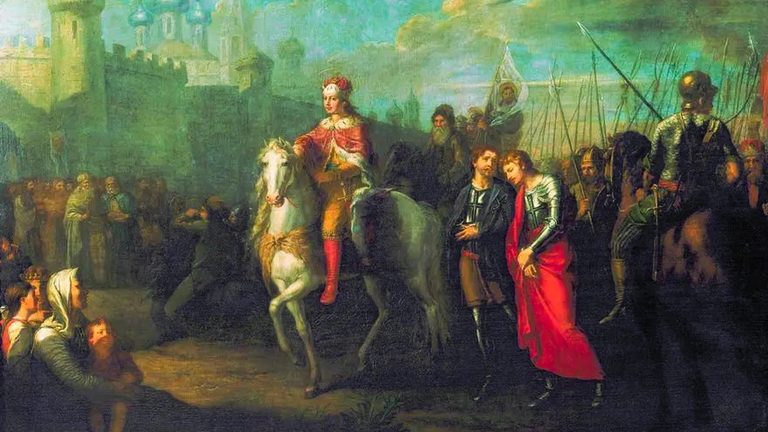
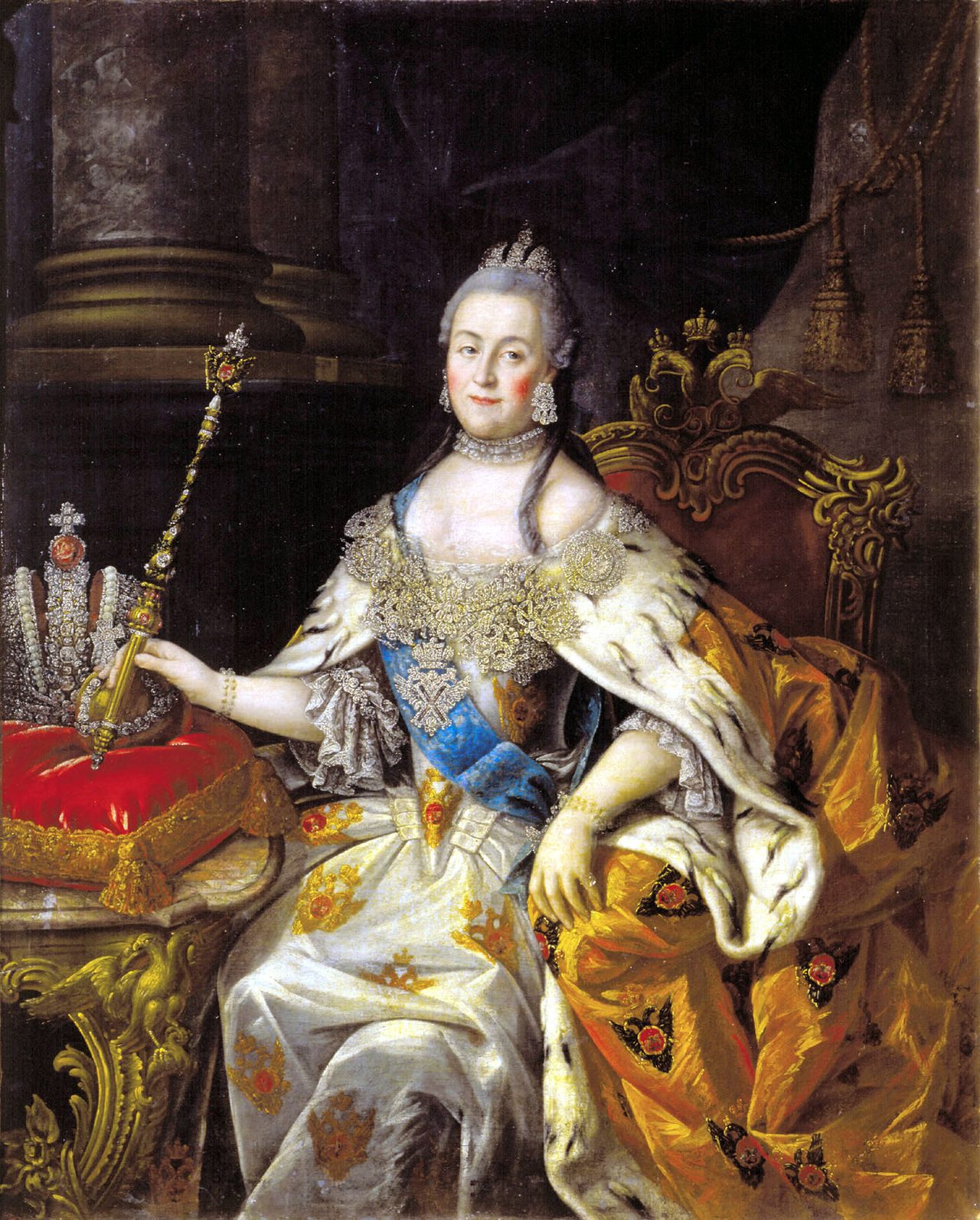 Empress Catherine the Great.
Soviet mineralogist Alexander Fersman, after thoroughly studying the diamond, concluded that this stone was a recut version of the Indian ‘Great Mogul’ diamond, discovered in 1650. It was the largest diamond ever found in India: its original weight was 787 carats!
2. The ‘Shah’ diamond
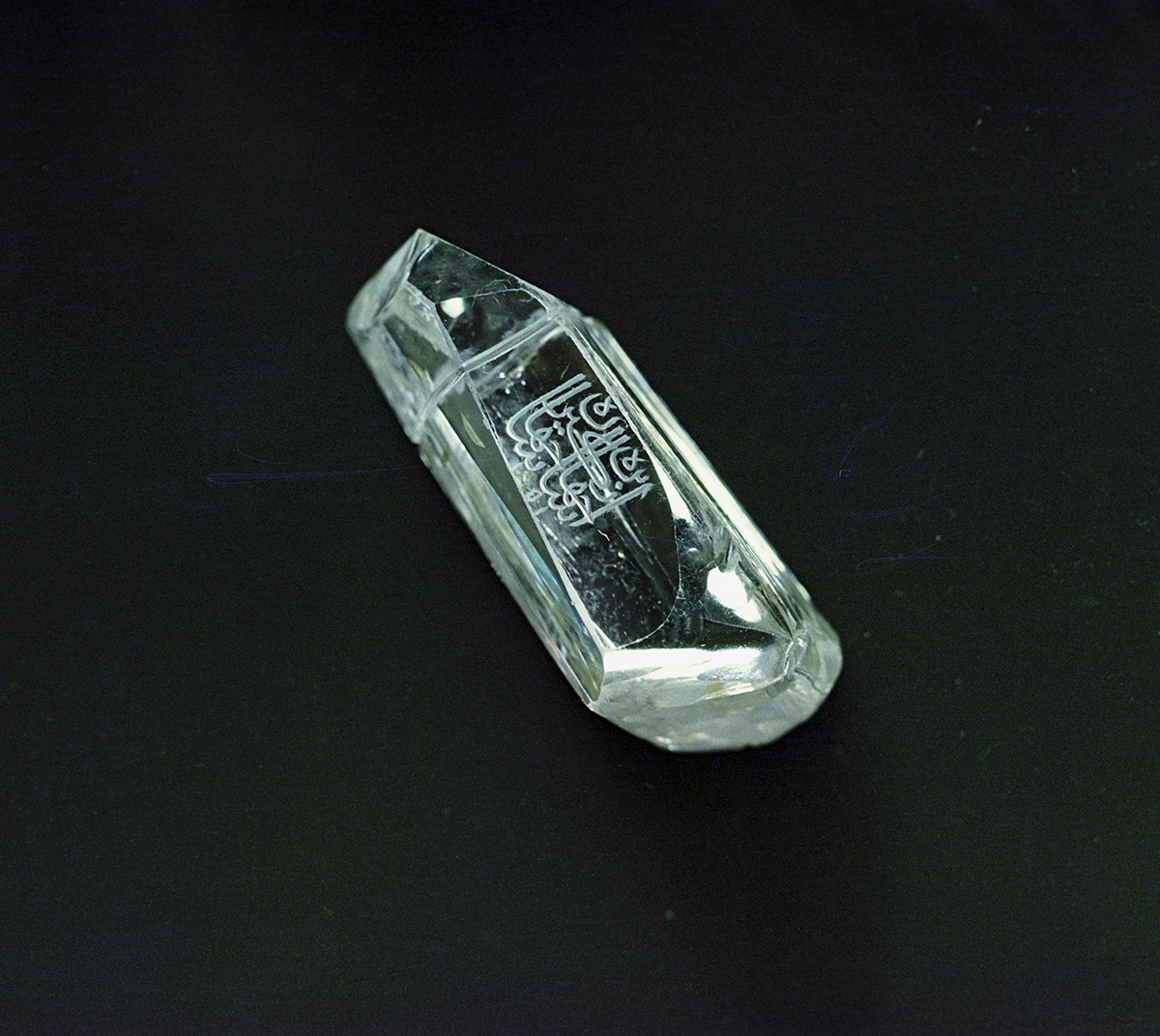
In 1829, a Persian prince presented this unique stone to Emperor Nicholas I after the Russian embassy in Tehran was raided and writer and diplomat Alexander Griboyedov was murdered. However, historians believe the gem was actually part of the indemnity that Persia paid to Russia under the ‘Treaty of Turkmanchay’ in 1829.
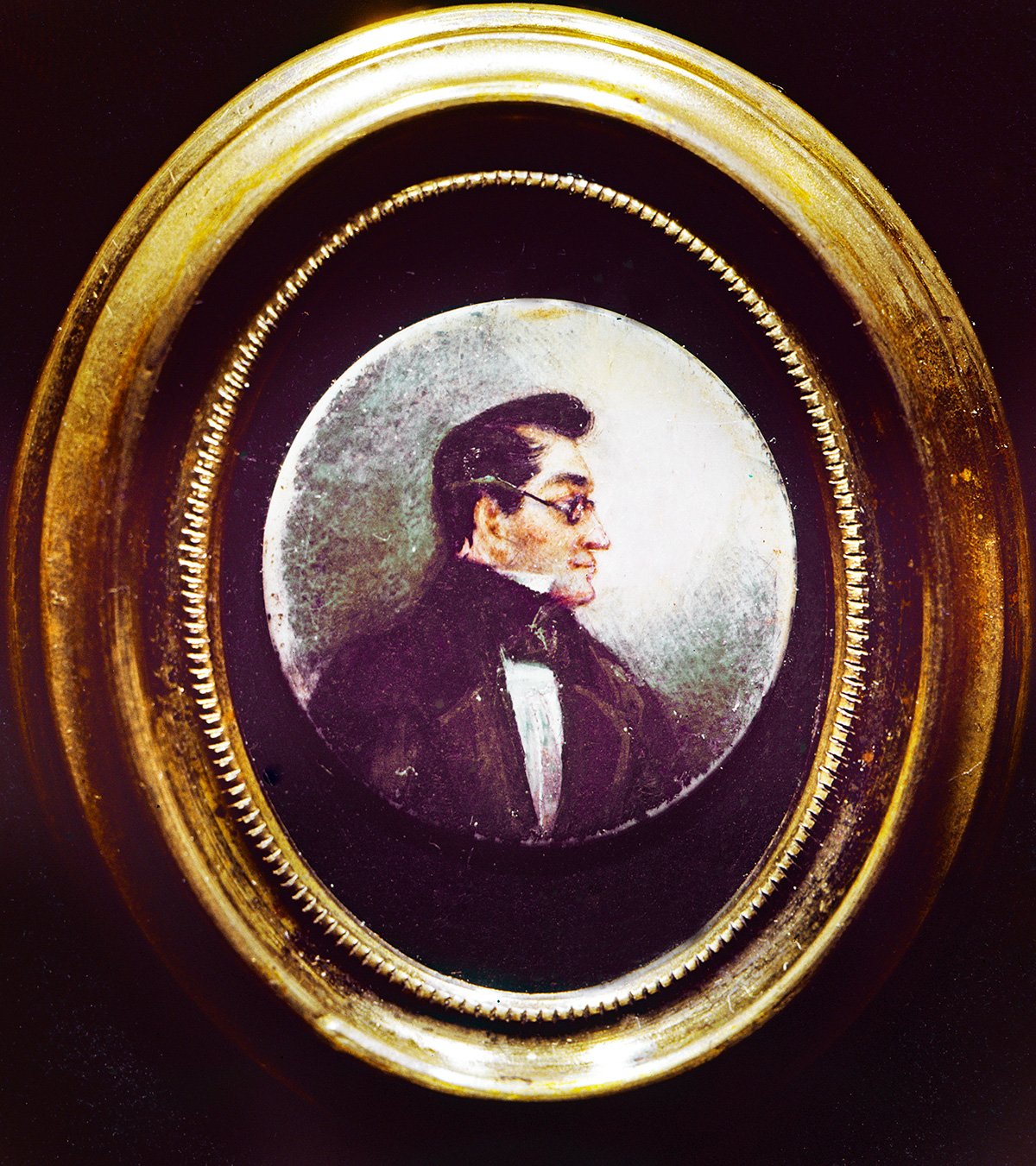 Писатель Александр Сергеевич Грибоедов. Миниатюра.
The ‘Shah’ diamond weighs 88.7 carats. It’s not faceted, but merely polished, retaining the shape of an elongated crystal. It was presumably discovered in India in the mid-15th century. It is engraved with the names of three rulers to whom it belonged, each using a different ancient engraving technique.
3. The portrait diamond
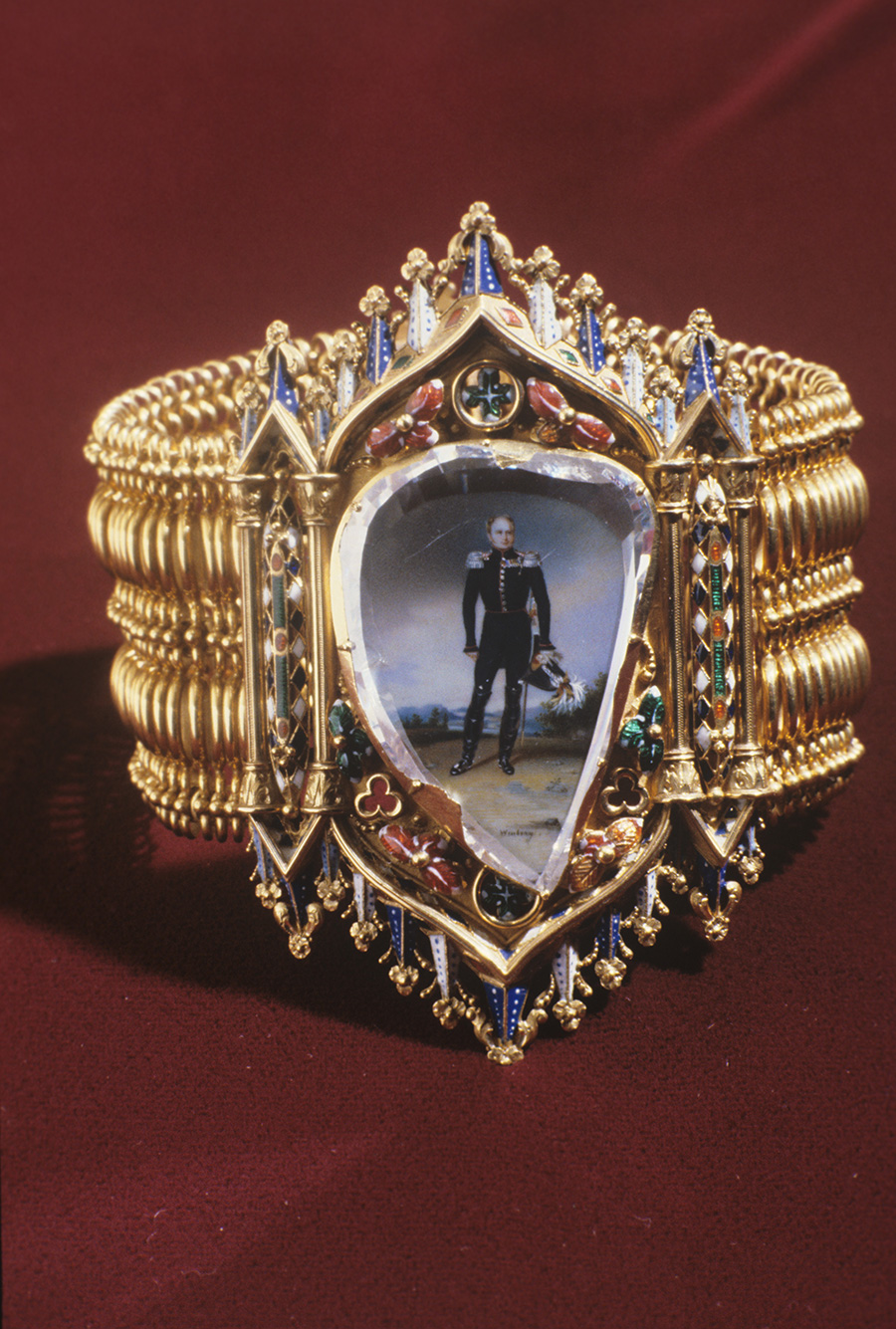
The Diamond Fund has a 19th-century gold bracelet on display, featuring a very rare Indian-cut diamond – the largest known. Such diamonds are dubbed "portrait diamonds", because they were typically placed over colored miniatures. This particular diamond is a portrait of Emperor Alexander I (1777–1825). This magnificent stone weighs 25 carats.
4. The spinel on the Great Imperial Crown
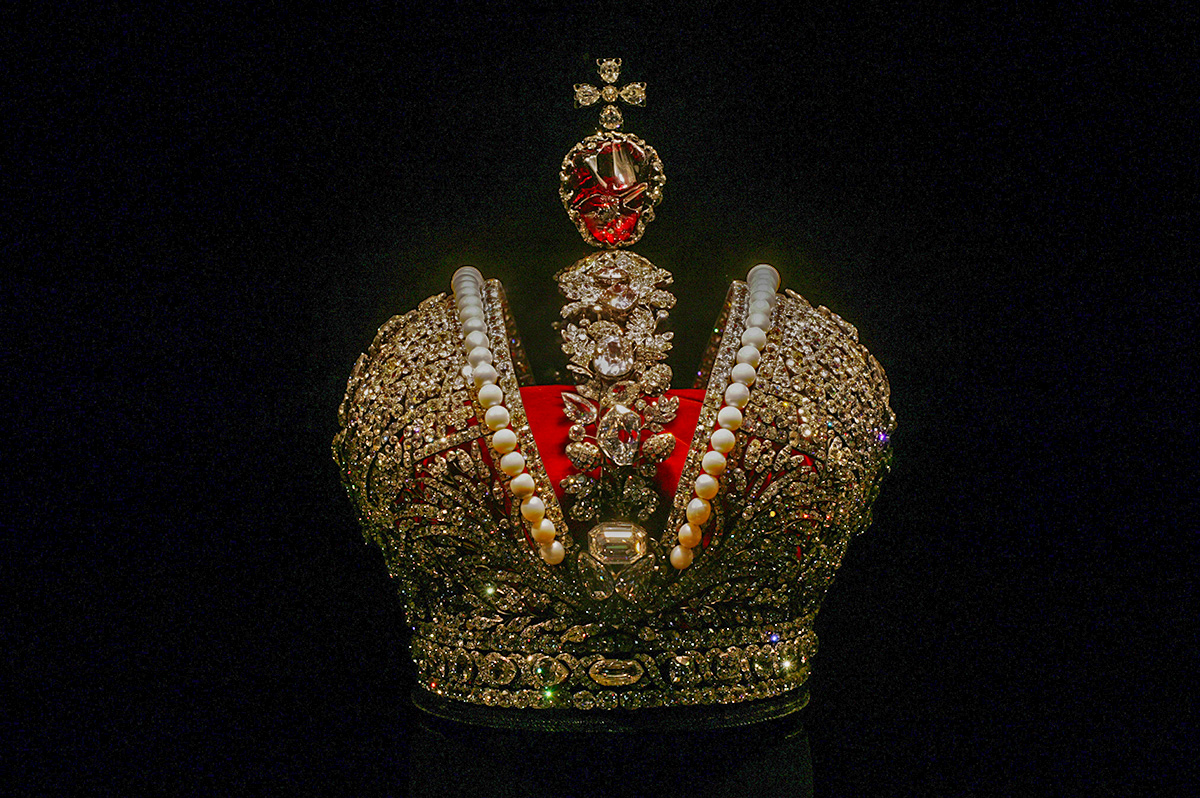
A rare red spinel weighing 398.72 carats adorns the Great Imperial Crown, which was made for Empress Catherine II in 1762. The gemstone is believed to have arrived in Russia from China at the beginning of the 18th century. At the time, jewelers claimed it was a ruby or corundum; only in the Soviet era did expert analysis confirm it to be spinel.
5. The Colombian emerald
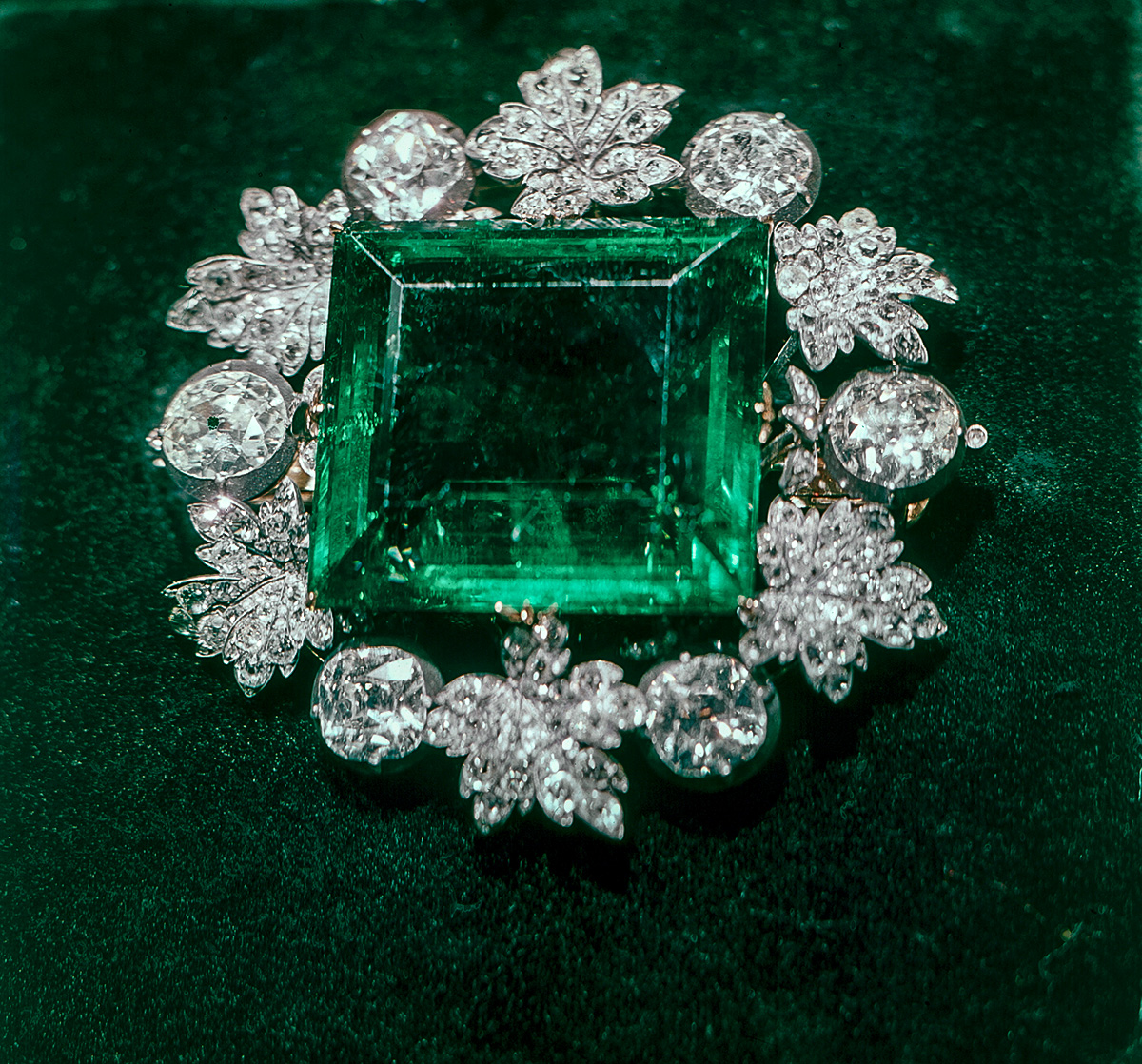
Nicknamed the ‘Green Queen’, it weighs 136.25 carats. This unique stone was discovered in Colombia in the 16th century and, according to experts, was then brought to Europe by the conquistadors. The emerald forms the centerpiece of a brooch and is surrounded by "flower-like" clusters of diamonds.
The ornament belonged to Grand Duchess Alexandra Iosifovna (1830–1911), the wife of Grand Duke Konstantin Nikolayevich (younger brother of Emperor Alexander II).
6. The Ceylon sapphire
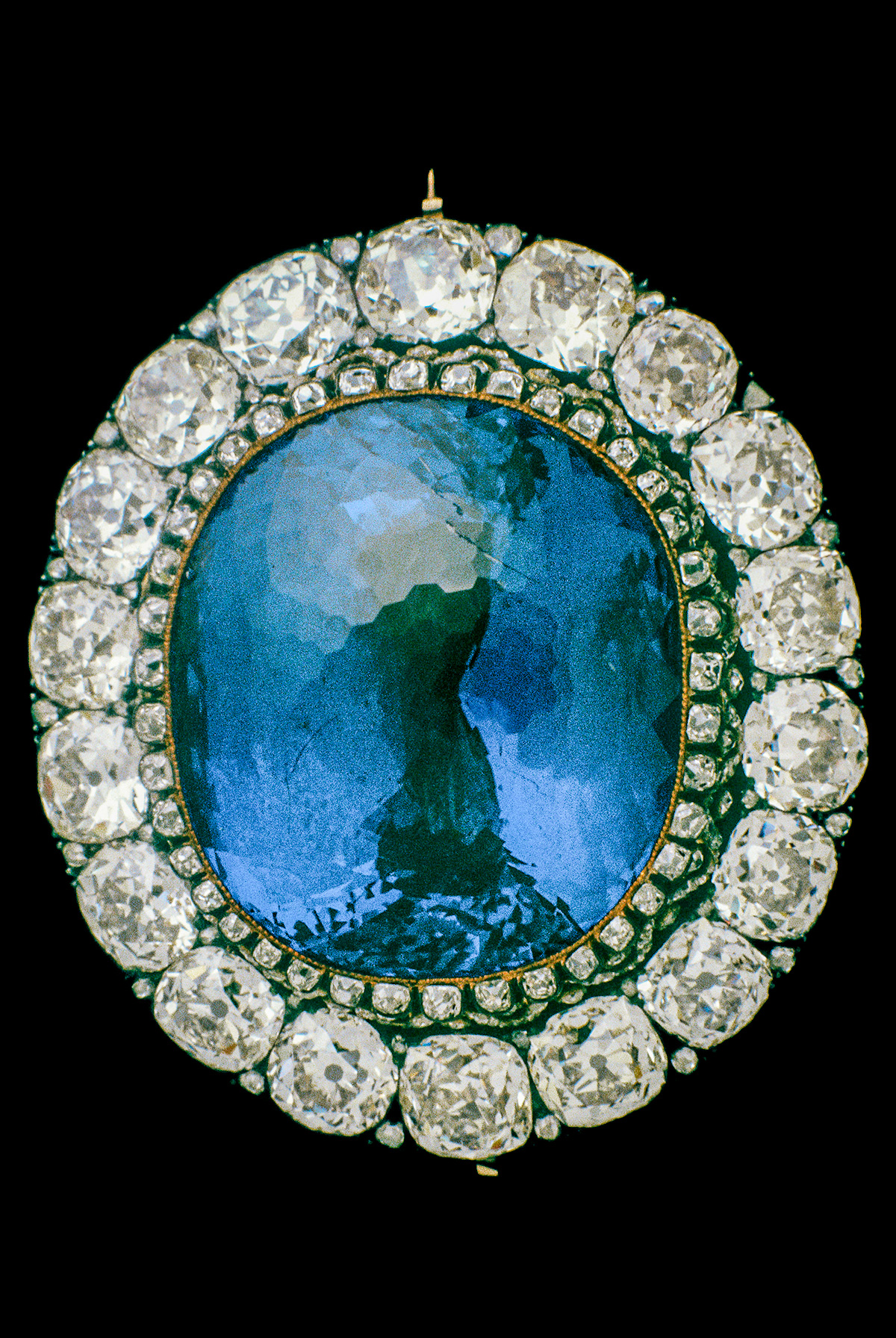
In 1862, Emperor Alexander II purchased this antique Ceylon sapphire for his wife, Maria Alexandrovna, at the World's Fair in London. Jewelers then set it into an exquisite gold brooch with numerous diamonds.
The sapphire, weighing 260 carats, is considered one of the largest in the world. And the cut of the stone is unique: it has over 100 facets that enhance the depth of its color.
7. The peridot (chrysolite)
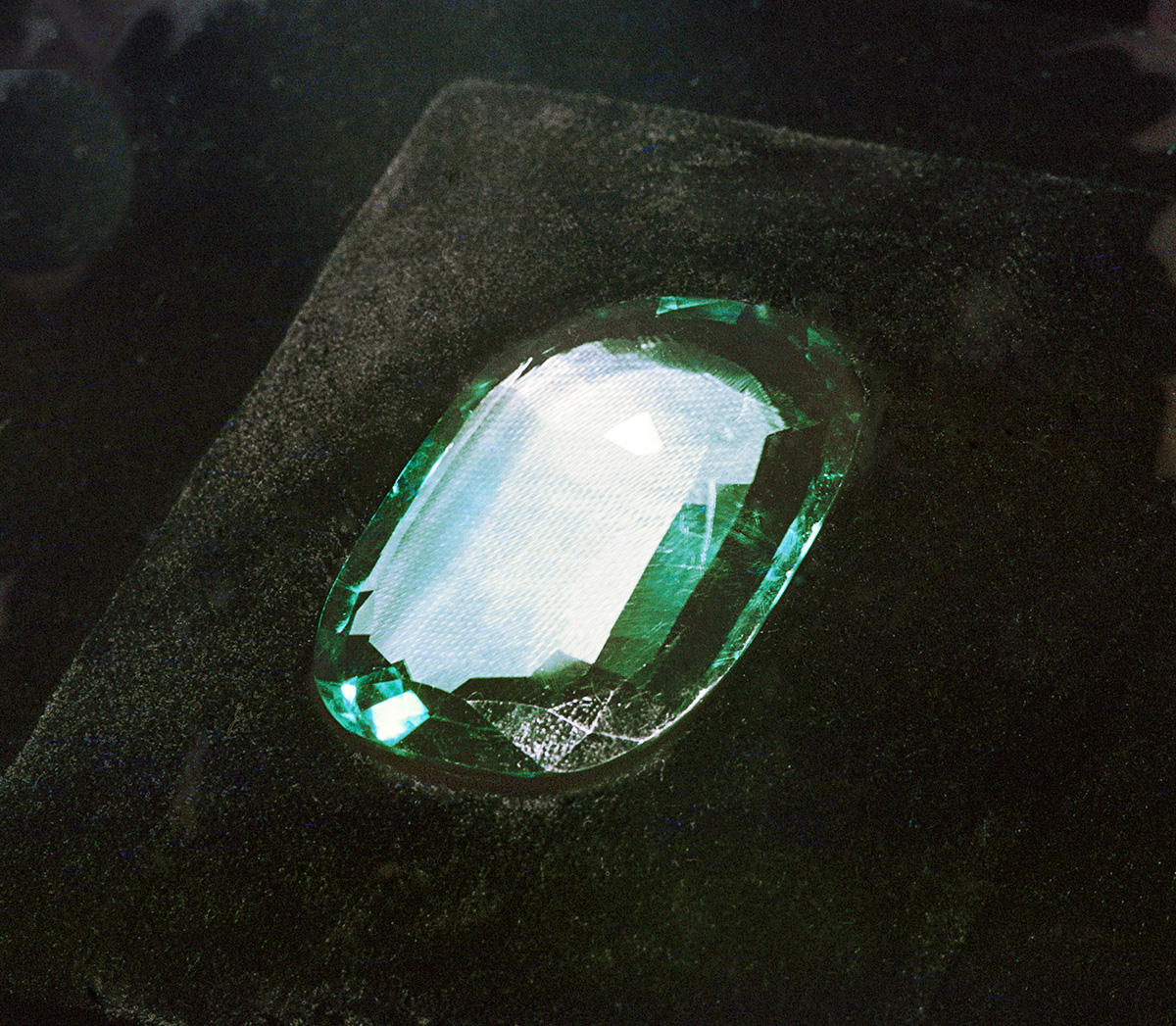
Rounding out the list is one of the largest faceted peridots (chrysolites) in the world. Weighing over 192 carats, it originates from the volcanic island of Zeberged (St. John's Island) in the Red Sea. Some researchers suggest that this very stone is the "emerald" through which the Roman Emperor Nero watched Rome burn.