

This WWII pilot returned to the front after having both legs amputated


In Soviet times, the name of Alexey Maresyev was known to every schoolchild. And his incredible feat was immortalized in Boris Polevoy's book, ‘The Story of a Real Man’.
April 5, 1942. Northwest Russia – Novgorod Region. Senior Lieutenant Alexey Maresyev took off in his fighter to escort bombers that were attacking an enemy airfield. He was only supposed to back up the attack aircraft, but he was tempted by an easy target and decided to attack a Nazi plane himself, then a second… He fired off his entire munitions and then his own plane was hit. The crash was softened by pine trees, so the pilot survived.
He woke up to a bear sniffing him and then tearing his uniform with its clawed paw. But, Maresyev managed to pull out his revolver and empty the entire clip into the bear. That saved the pilot's life once again.
A feat of the spirit
Alexey realized his legs were damaged, but he still stood up. With an incredible effort of will, he began walking, gripping onto trees. Hearing the sound of artillery in the distance, he understood that the Red Army position was there and that he had to walk toward the sound. Later, it would turn out that all the bones in his feet had been shattered…
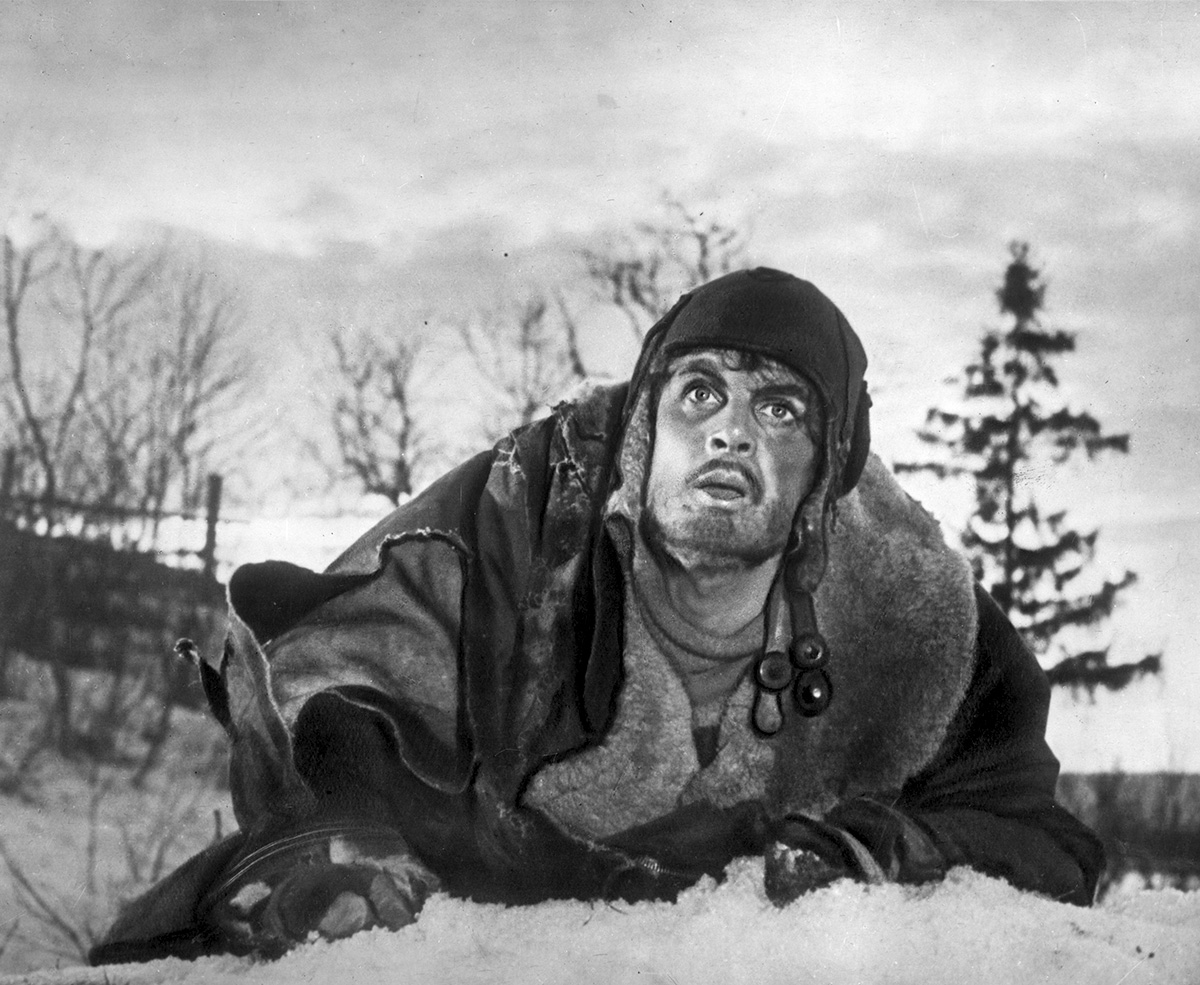 A still from ‘The Story of a Real Man’ movie
He limped, fell, rested and suffered from hunger and cold. He even had to eat a hedgehog – the only living creature he encountered in the winter forest.
When he no longer had the strength to walk, he began to crawl. And when he was completely exhausted, he simply began rolling along the ground.
A miraculous rescue
Bearded, dirty and emaciated, he was found by village children. The wounded pilot was taken to the village on a sled, where he lay unconscious for several days while the locals nursed him.
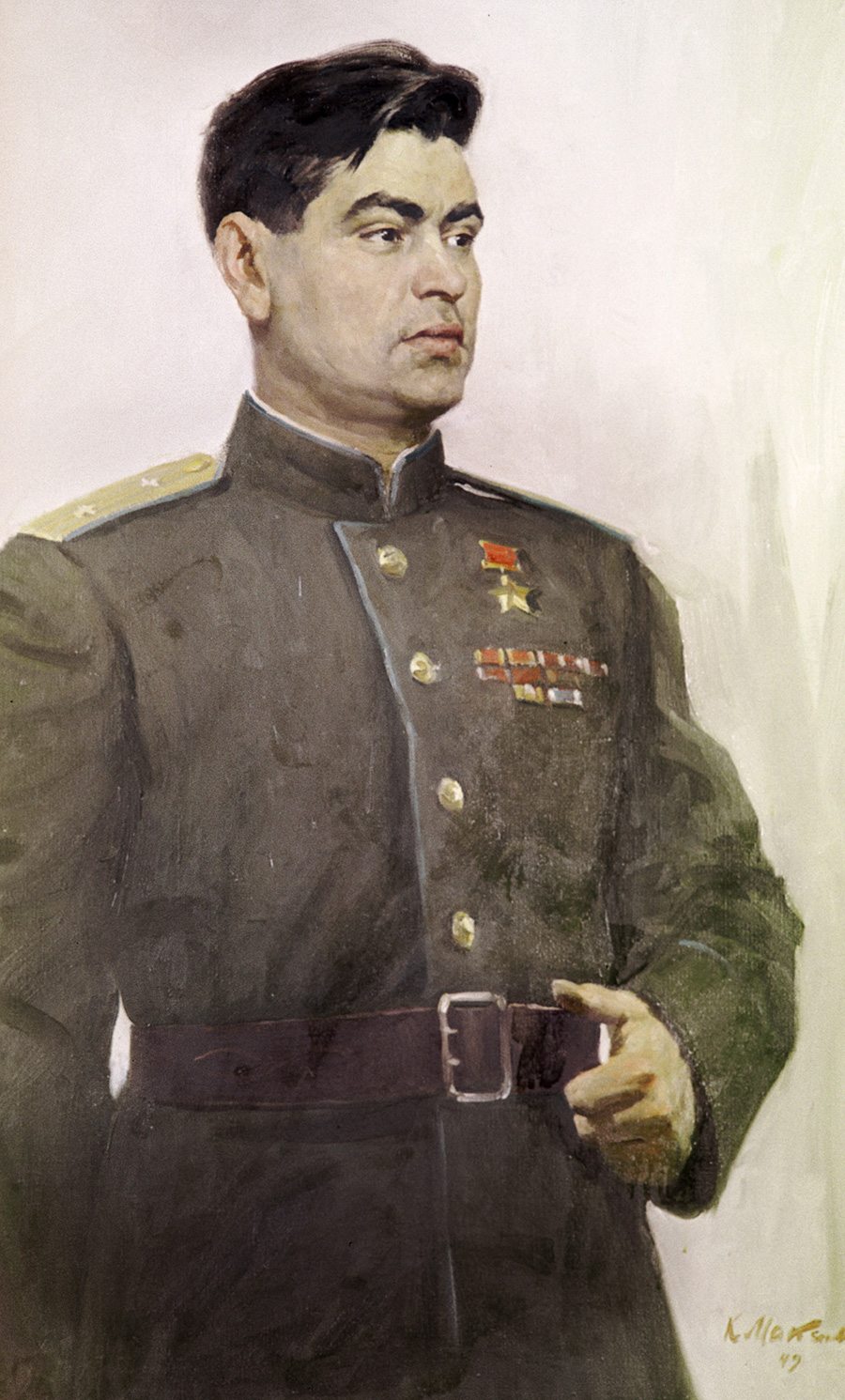 K. Maksimov. Portrait of Alexei Maresiev. A reproduction from the Tretyakov Gallery collection.
In May, the commander of his regiment's squadron arrived in the village. It was then, comparing the dates, that they discovered Maresyev had spent 18 days making his way through the forest. Today, a memorial marker stands at the spot where he was found. The commander took the soldier and brought him to an airfield, from where he was transported to a military hospital.
The end or a new beginning?
At the hospital, it turned out that Maresyev had gangrene and blood poisoning. Fortunately, a prominent professor performed surgery and saved his life. However, both legs had to be amputated below the knee.
Maresyev fell into severe depression, realizing he would never fly again. But, in hospital, he met a commissar who was able to support and encourage him. He gave him an article about a World War I pilot who had lost a leg, but managed to fly again. This story inspired Maresyev and he decided not to give up.
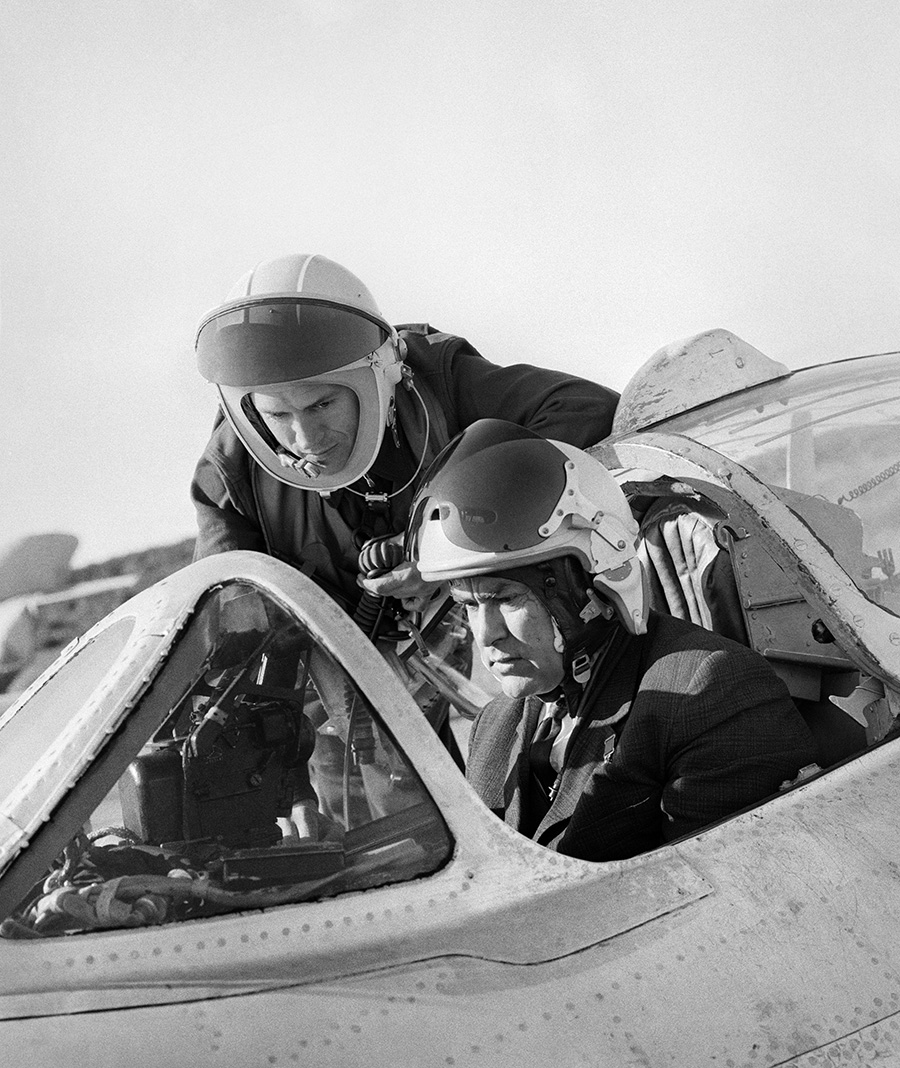 Maresiev aboard a plane, 1967
For months, he recovered in a rehabilitation center, learning to walk again, then to run and even to dance. Overcoming incredible pain, he moved toward his goal. He managed to convince the doctors that he was once again fit for flight. And in Summer 1943, he was allowed to return to the front. By the end of the war, he had shot down another seven German aircraft.
The most famous pilot of the USSR
In July 1943, just as Maresyev had returned to aviation, in a dugout somewhere near Oryol, he met Boris Polevoy, a correspondent for the ‘Pravda’ newspaper. Immediately after the war, Polevoy wrote the novel ‘The Story of a Real Man’ in just 19 days, retelling Maresyev's incredible life. It was published in 1946 and instantly became one of the most famous and popular works about World War II.
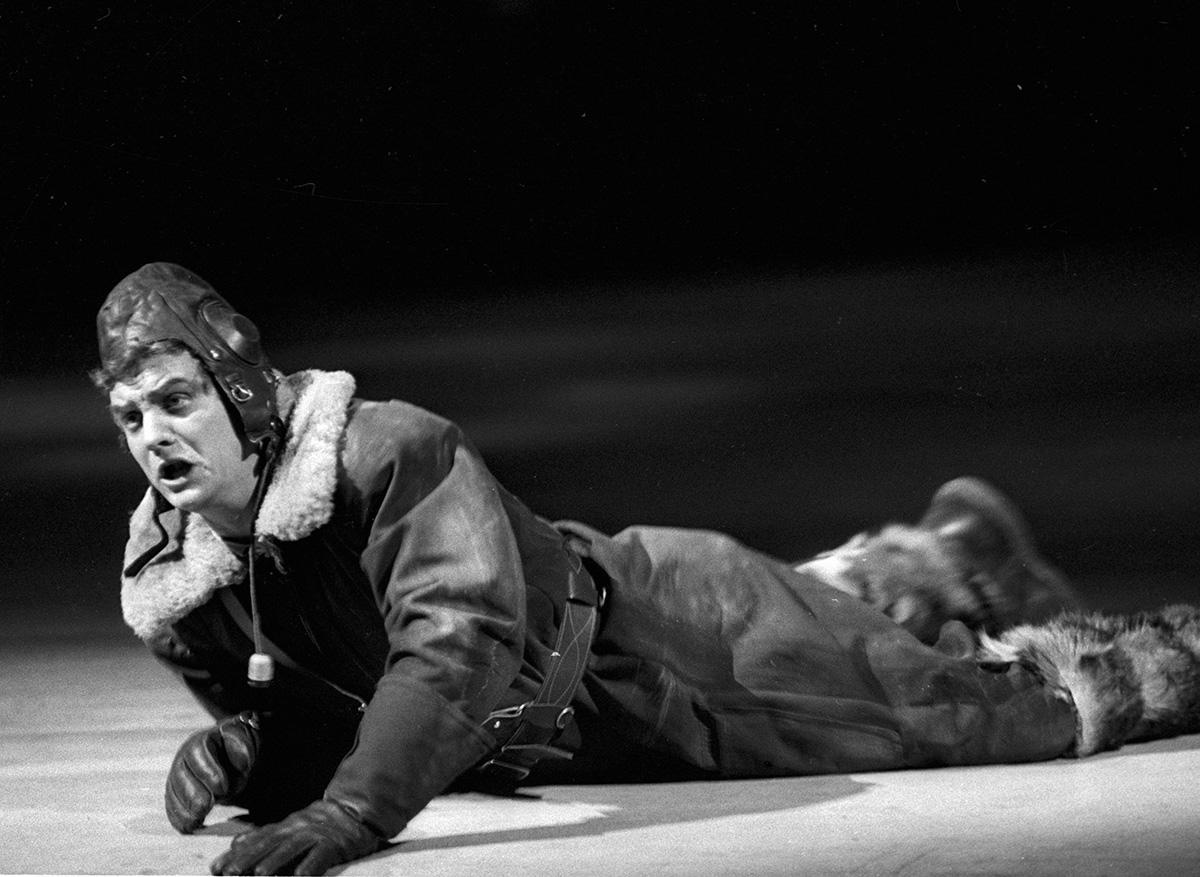 A scene from ‘The Story of a Real Man’ opera on the stage of the Bolshoi Theater
After the novel was published, every Soviet schoolchild knew Maresyev's name, though Polevoy changed one letter in the surname, so the hero became known as ‘Meresyev’. Millions of copies of the novel were published and it was soon adapted into a movie.
Maresyev himself was uncomfortable with the fame. “He didn't like remembering what happened, didn't like the increased attention that came after the book and movie,” the pilot's son recalled, adding the father would say: “We were all fighting! How many people like me are there in the world that Polevoy just didn't come across?”
You can discover the incredible stories of other WWII heroes in our special project ‘Heroes of War’.
Also, see how World War II unfolded on the Eastern Front in our documentary series ‘Path to Victory’.