
Why the Soviets were obsessed with ‘FATTY’ literary magazines


Literary magazines were a completely unique cultural phenomenon of immense significance in Soviet Russia. Literally the entire country read them and being published in them promised the author almost guaranteed fame and glory.
The USSR was a country focused on literature and reading. Writers were considered to be “masters of minds” or, as one might say today, influencers. At the same time, books were in short supply and people often brought them even from trips to socialist bloc countries.
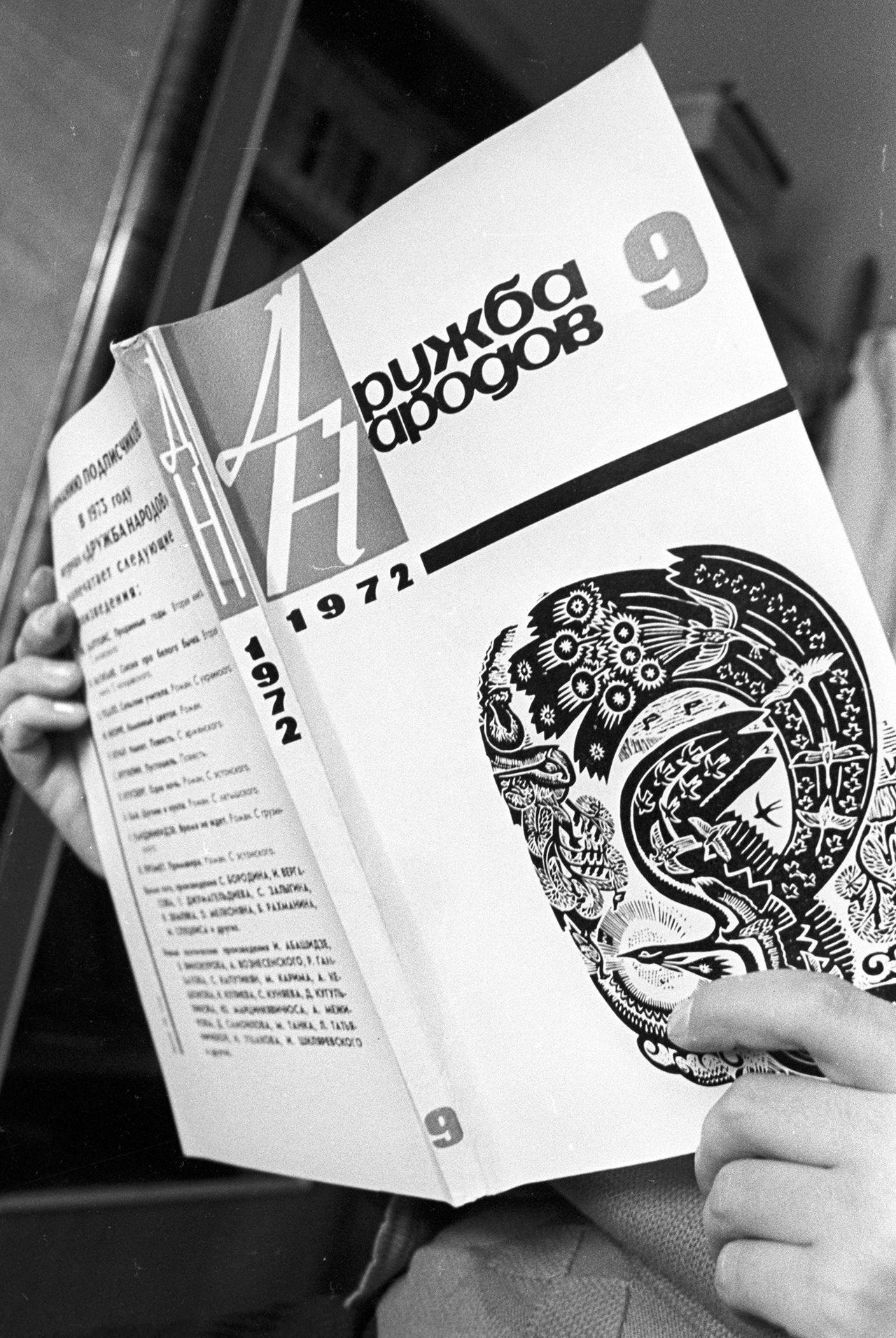
However, there was a source of comfort and relief, such as monthly “thick” magazines (or ‘tolstyak’ – literally ‘fatty’). They were distributed by subscription, for which there could even be a waiting list, due to limited print runs and high demand. Therefore, magazines were often passed from hand to hand. Even today, many Russians have entire archives of such “fatty” magazines – which could reach as many as 300-400 pages – gathering dust on their balconies or at their ‘dachas’ (country houses).
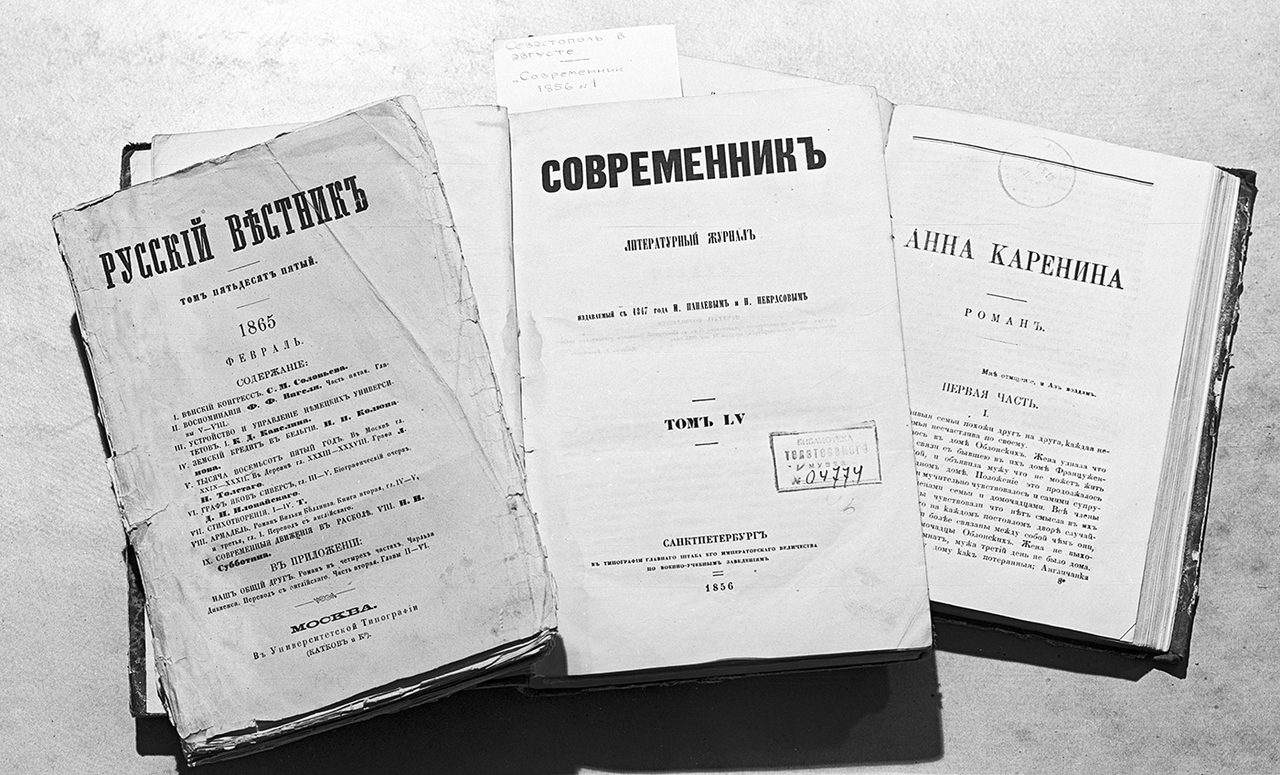
They were valued for their fundamental nature and intellectual weight: they published literary works, short stories and even novels sliced up into serialized form, poetry selections, opinion columns and journalism from talented authors, living classics and serious experts.
“In Russia, literary magazines and almanacs appeared back in the 18th century and the entire cultural community developed within the atmosphere of these journals. And, in the 19th century, they became, simply put, an integral part of any cultured Russian person's life. In that sense, the Soviet regime inherited, expanded and made this phenomenon mass-scale,” notes Russian writer Yuri Polyakov.
The most popular Soviet ‘fatty’ magazines
One of the most important was ‘Novy Mir’ (literally – ‘The New World’), which gave readers a ‘breath of freedom’. It was there, in 1962, that Alexander Solzhenitsyn's story about the Gulag, ‘One Day in the Life of Ivan Denisovich’, was first published. This was made possible thanks to the talent and determination of its long-time editor-in-chief, Alexander Tvardovsky (he personally “lobbied” certain publications from General Secretary Nikita Khrushchev). His editorship is associated with the journal's golden age, which coincided with the ‘Thaw’ era and the easing of censorship.
Almost every issue became a sensation, printing everything previously considered impossible: articles about White Russian émigrés, religious materials and poems by disgraced poets of the Silver Age.
Circulations grew constantly, and during perestroika, when censorship was officially abolished and previously banned authors were allowed to be printed, circulations reached unimaginable scales – over 2 million copies per month!
Read more about how ‘Novy Mir’ bypassed censorship in our article.
Another epochal event was the publication of Mikhail Bulgakov's novel ‘The Master and Margarita’ in 1966 in the ‘Moskva’ (‘Moscow’) magazine, albeit with censorship restrictions. That issue had a stunning effect on the public.
“It's my favorite work. I've been rereading it my whole life, since I was 14, when someone gave me the journal ‘Moskva’ for one night. I made a copy for myself and treasured it just as Margarita treasured the Master's manuscripts," recounts film director Yuri Kara, who made a screen adaptation of the novel.
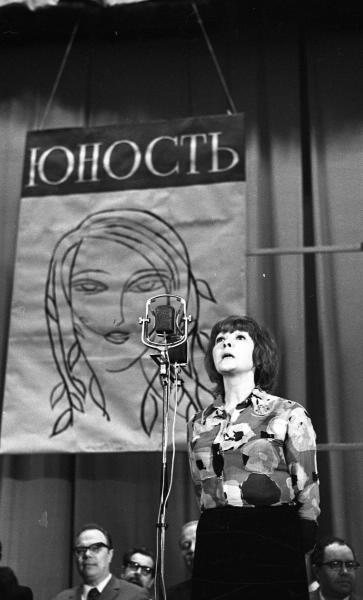
The ‘Yunost’ (‘Youth’) magazine, aimed at young people, was incredibly popular. Writer Yuri Polyakov recalled his first ever selection of poems with a photo published in it in 1978. After that, people started recognizing him on the street.
The ‘Inostrannaya Literatura’ (‘Foreign Literature’) printed first ever Soviet translations of such world hits as Salinger's ‘The Catcher in the Rye’, Harper Lee's ‘To Kill a Mockingbird’ and Márquez's ‘One Hundred Years of Solitude’.
The ‘Znamya’ (‘Banner’) magazine, meanwhile, published poems from Boris Pasternak's banned novel ‘Doctor Zhivago’ and Ilya Ehrenburg's ‘The Thaw’ story, which actually gave its name to an entire era under Khrushchev's reign. At the end of the 1980s, when censorship was abolished, ‘Znamya’ became, in the words of its current editor-in-chief Sergei Chuprinin, “the flagship of perestroika”.
At Lenin's initiative, ‘Roman-Gazeta’ (‘Novel-Newspaper’) magazine was created specifically for proletarian writers. It published novels and short stories by over 400 Soviet authors, had enormous print runs and was subscribed to by the majority of literate people in the country.
What became of these magazines today?
In the 1990s, journal circulations started to gradually decline, as a boom in book publishing began. Nevertheless, the “fatty” journals and magazines remained a literary tuning fork and, moreover, more new thick journals began to appear.
“The magazine connected the reader and the writer; new works came out faster, because, in publishing houses, books always faced editorial and other bureaucratic red tape,” writes Alexei Alekhin, editor-in-chief of the ‘Arion’ poetry journal.
Nowadays, thick magazines remain a passion for a narrow circle of literature enthusiasts. However, even today, the careers of aspiring writers and poets can still jumpstart on the pages of such publications.
You can check out almost the entire archive of the most famous journals online and free of charge!