
What Soviet Russia was like in 1986 (PHOTOS)

Perestroika, Glasnost, long waiting lines and sobriety… What was the land of the Soviets living like and how did it look exactly 40 years ago?
Since 1985, Mikhail Gorbachev had been in power, charting a course for change in the country. Improving relations with the West, easing censorship, relaxing religious tolerance, and plotting a course towards democratization.
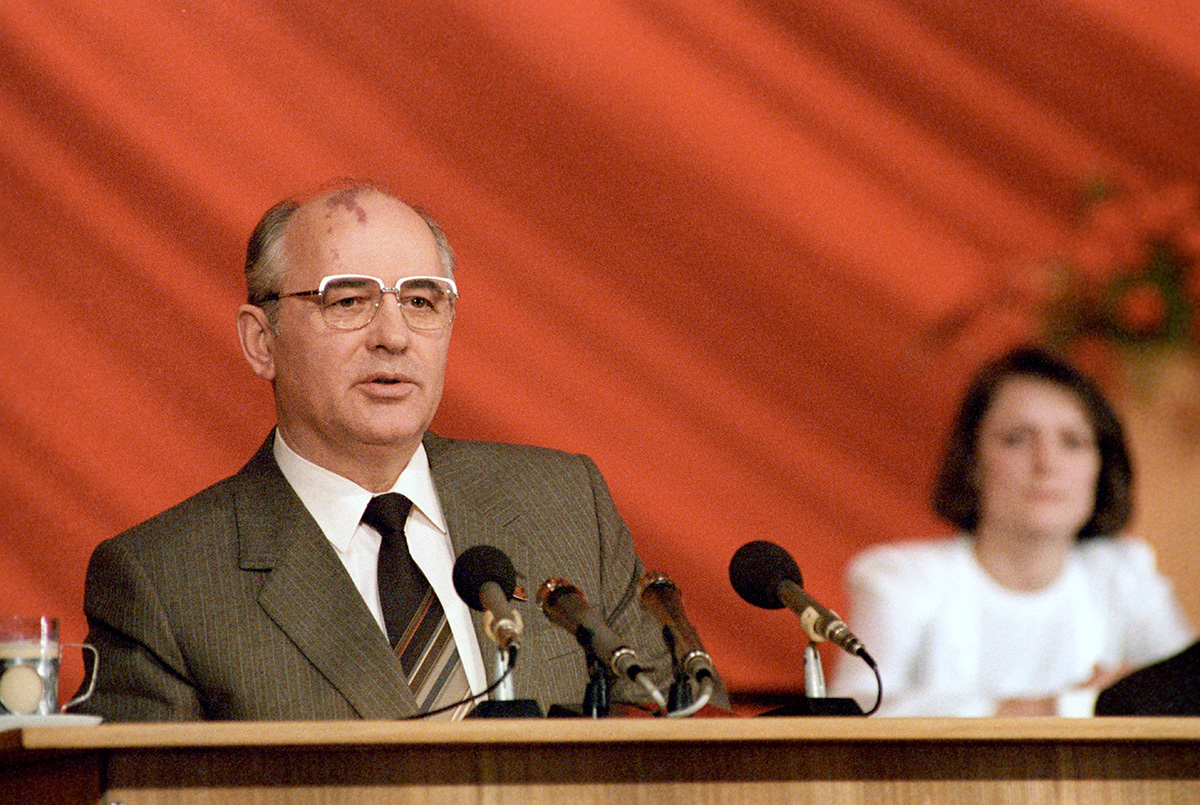
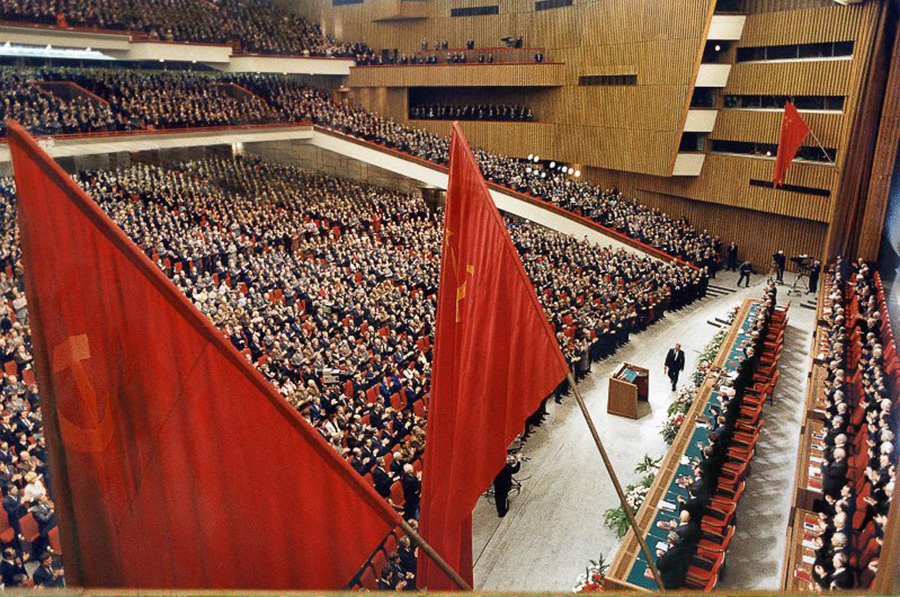
Gorbachev outlined his plans for liberalization at the massive 27th Congress of the Communist Party of the Soviet Union in the Moscow Kremlin. Despite all the newfound "freedoms", the country was still experiencing shortages and long waiting lines for goods and Gorbachev's policies ended up leading to the collapse of the USSR, for which he is now often criticized.
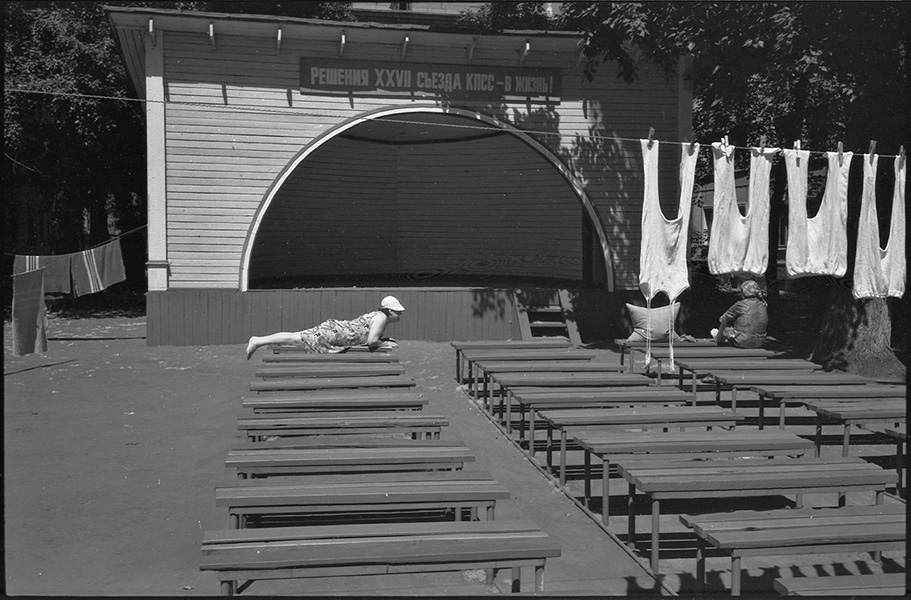
In the 1980s, agitation platforms began to be used for other purposes (The slogan reads: ‘Implement the decisions of the 27th CPSU Congress into life!’).
Since the previous year, an anti-alcohol campaign had been ongoing in the USSR under the slogan ‘Sobriety is the norm of life’. Authorities reduced alcohol production, closed many stores and raised prices. The photo shows a rally in honor of Sobriety Day.
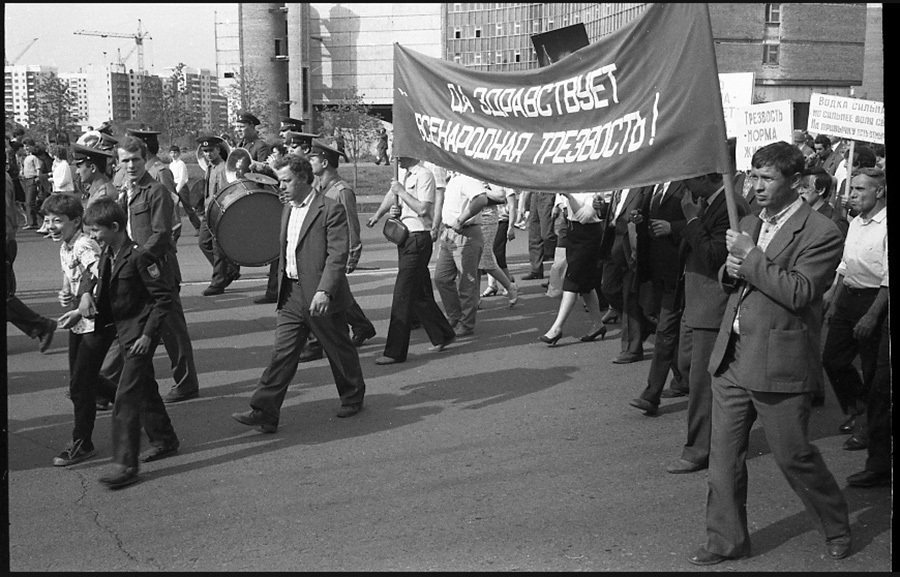
Authorities promoted sobriety and even organized demonstration performances, such as alcohol-free weddings.
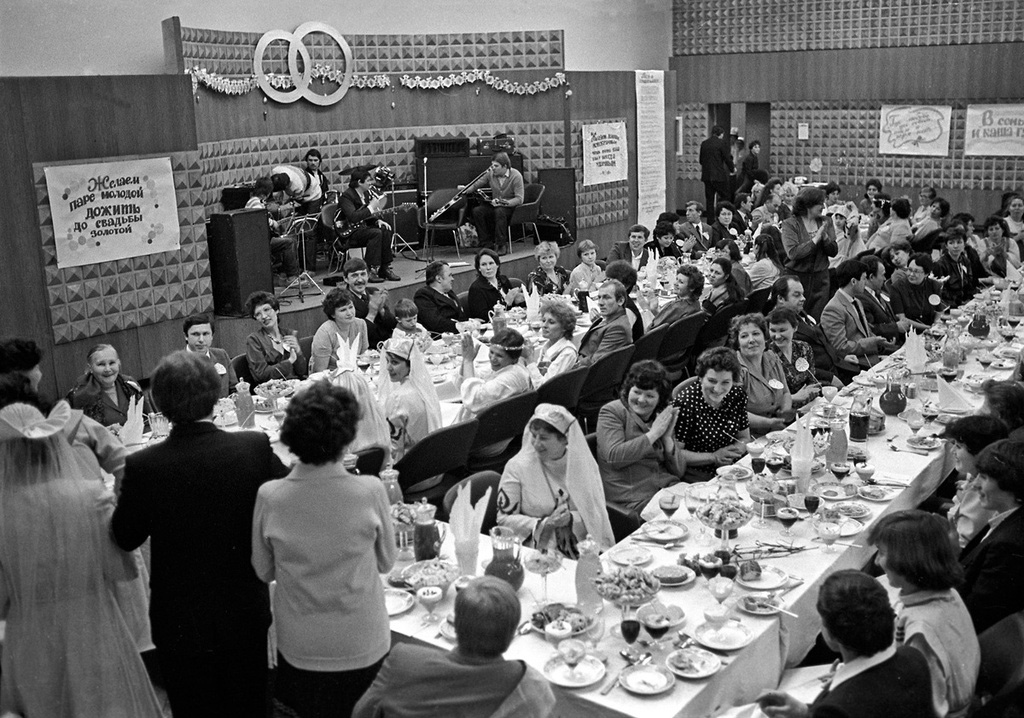
The result was public discontent, destroyed vineyards and huge lines for vodka.
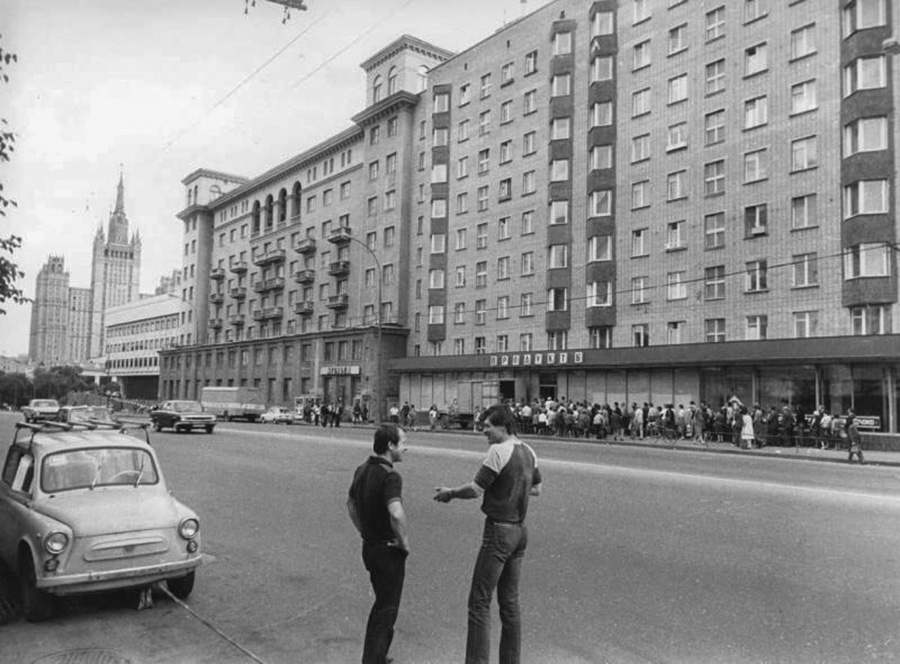
In general, waiting lines and shortages were a hallmark of the time. Whenever goods or food products were delivered to some stores, crowds of people would instantly gather. People could stand in line for a pair of boots or a furniture set for up to 24 hours.
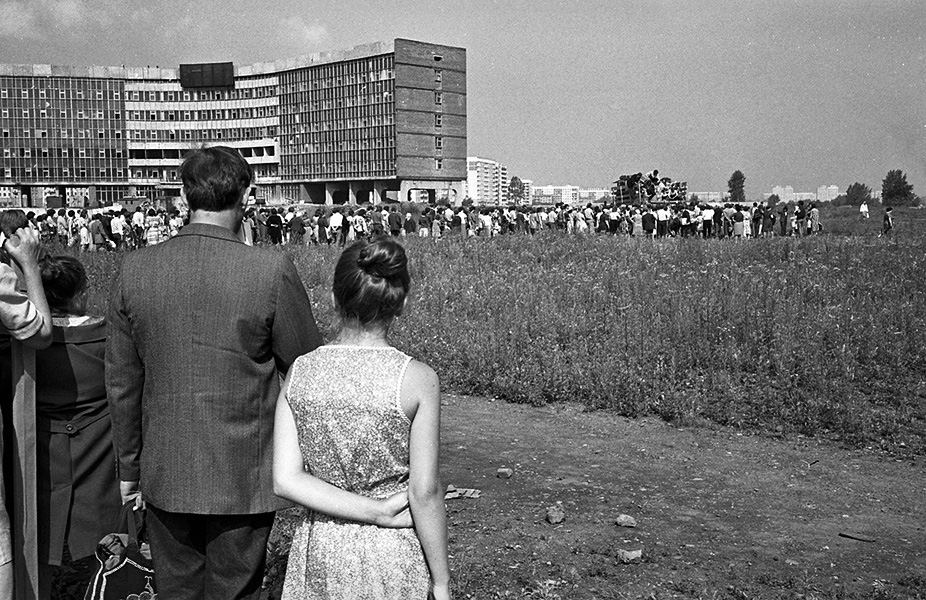
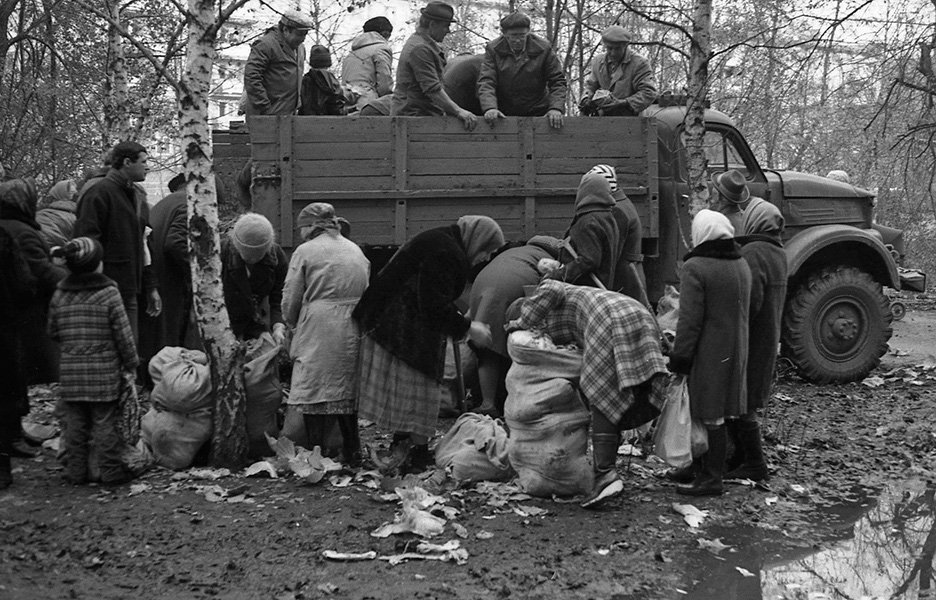
Potatoes and cabbage, for example, were often sold right off trucks.
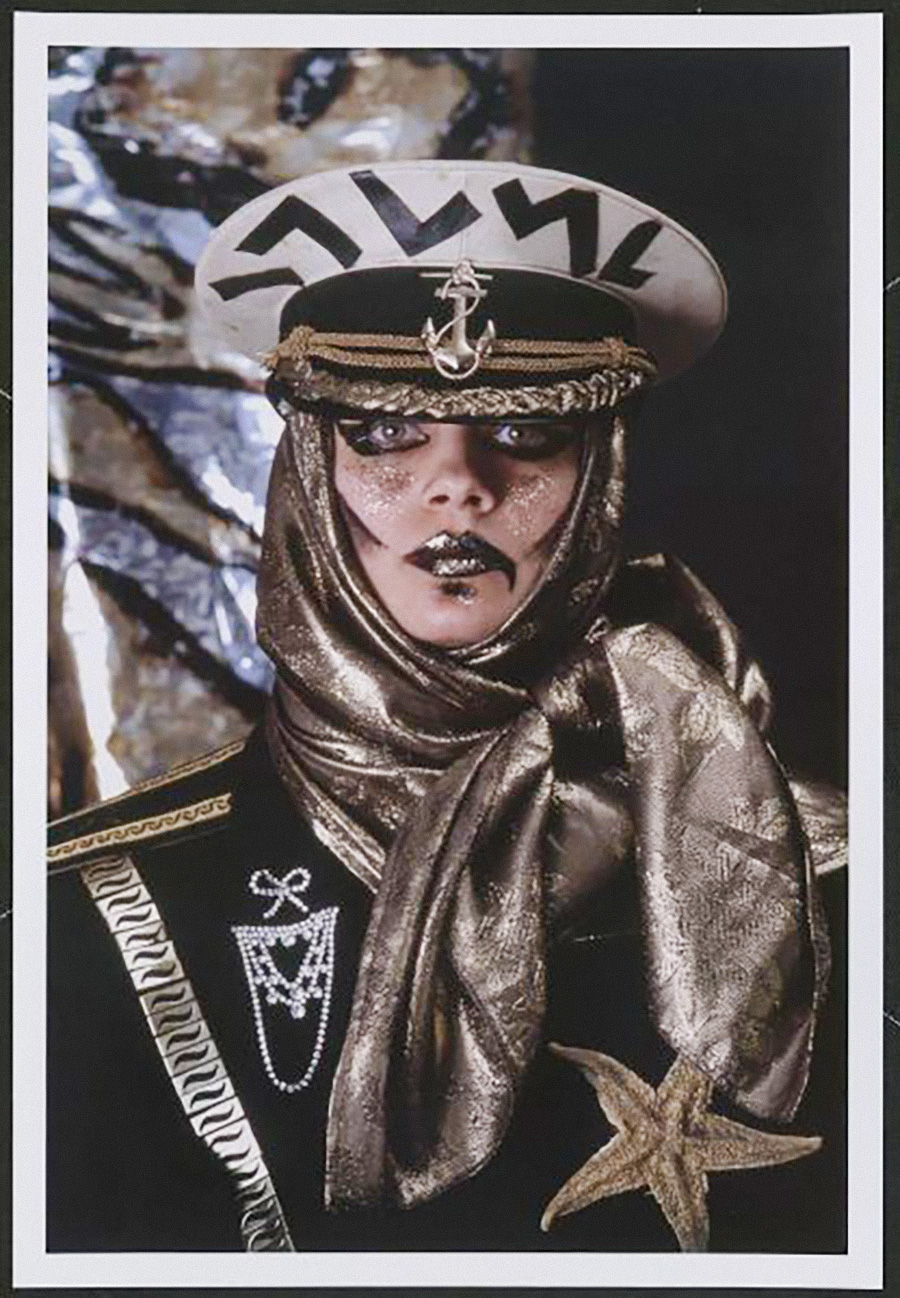
Non-conformist art began to gain an open opportunity for self-realization.
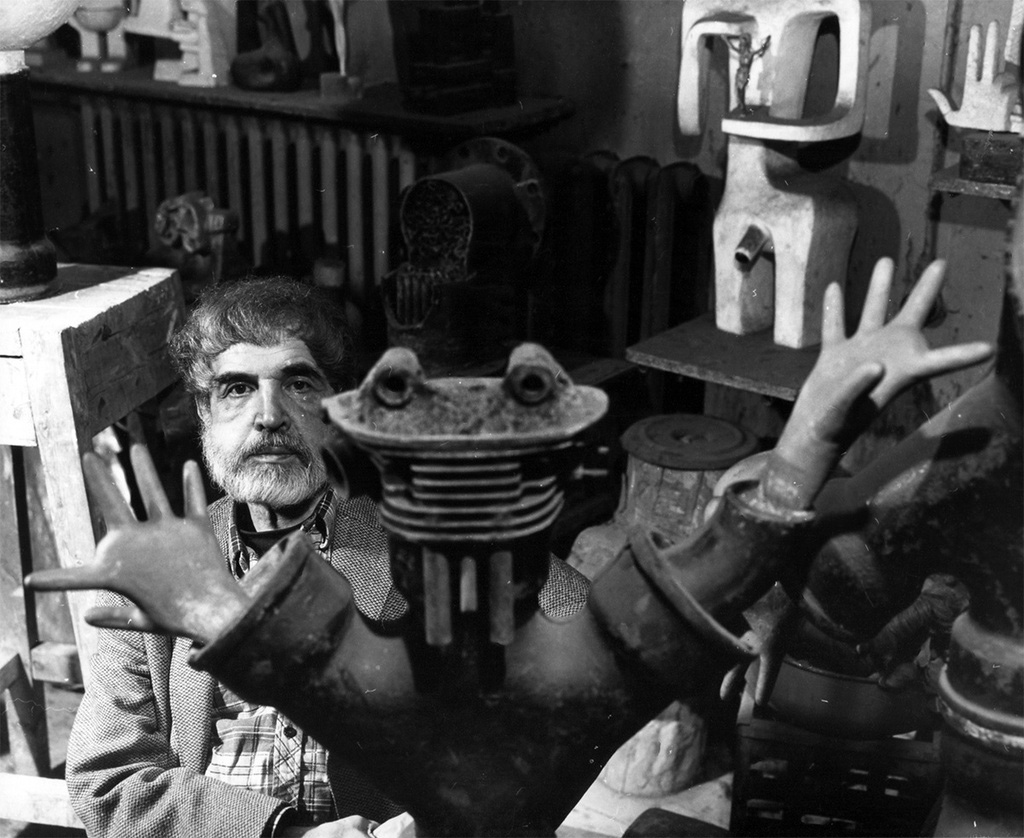
Artist and sculptor Vadim Sidur began creating art objects from garbage.
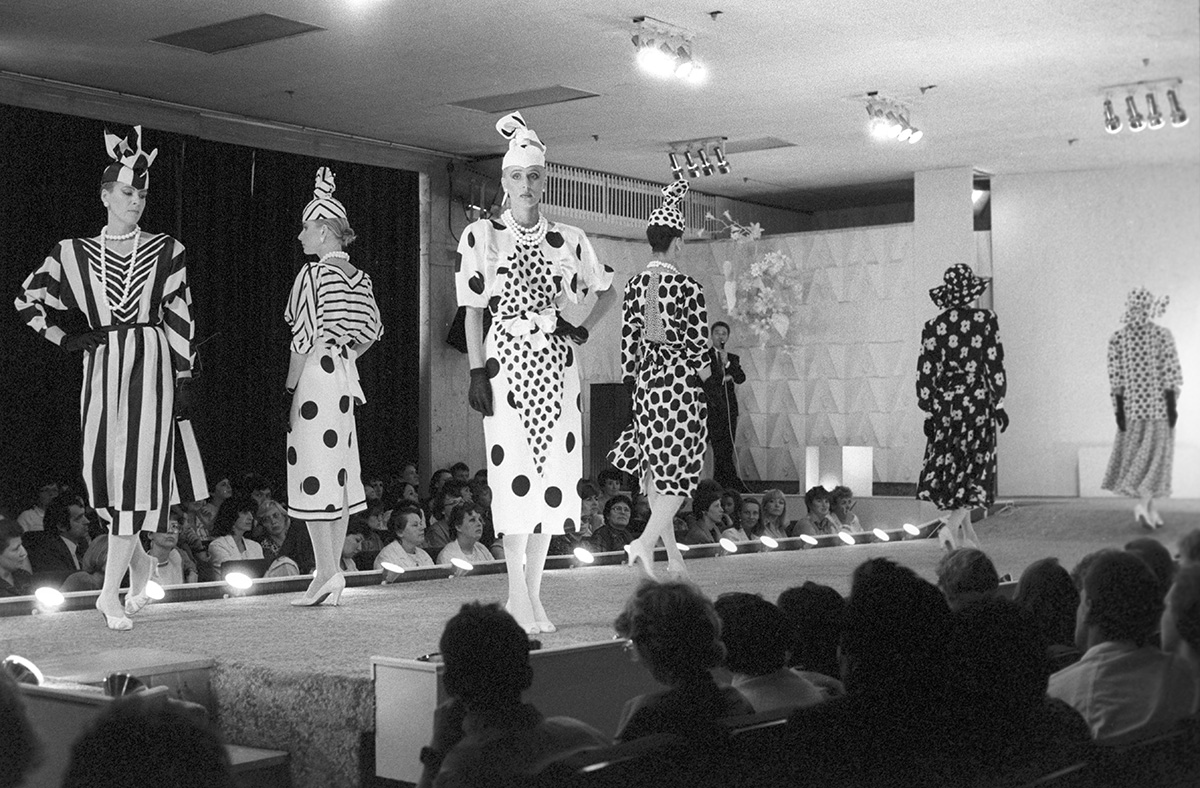
The era of Soviet fashion began.The photo shows a show by designer Slava Zaitsev.
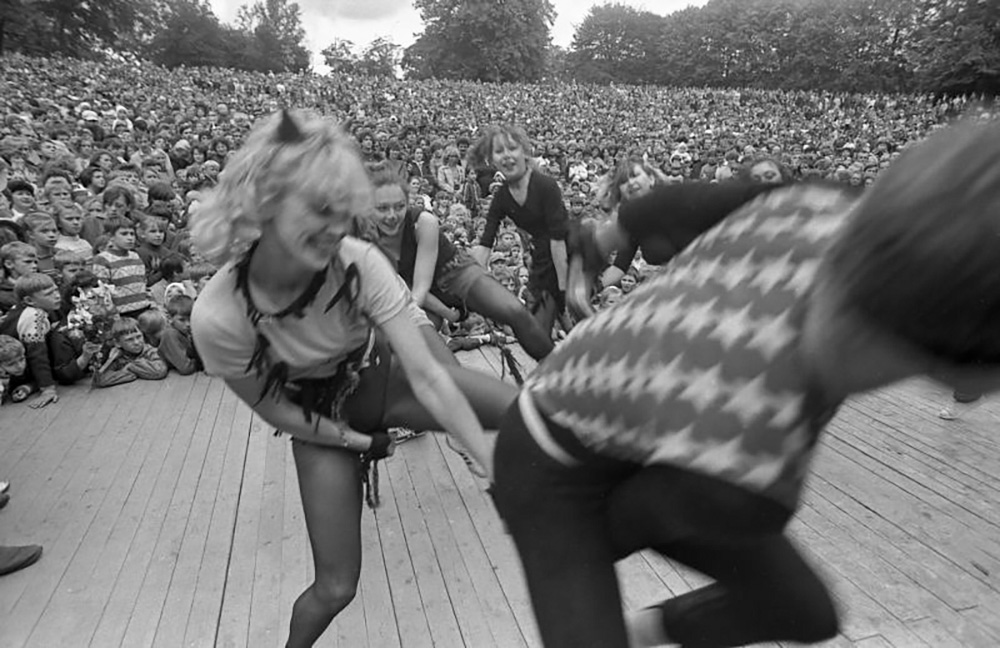
Instead of parades and marching in orderly rows, young people started organizing freer parties.
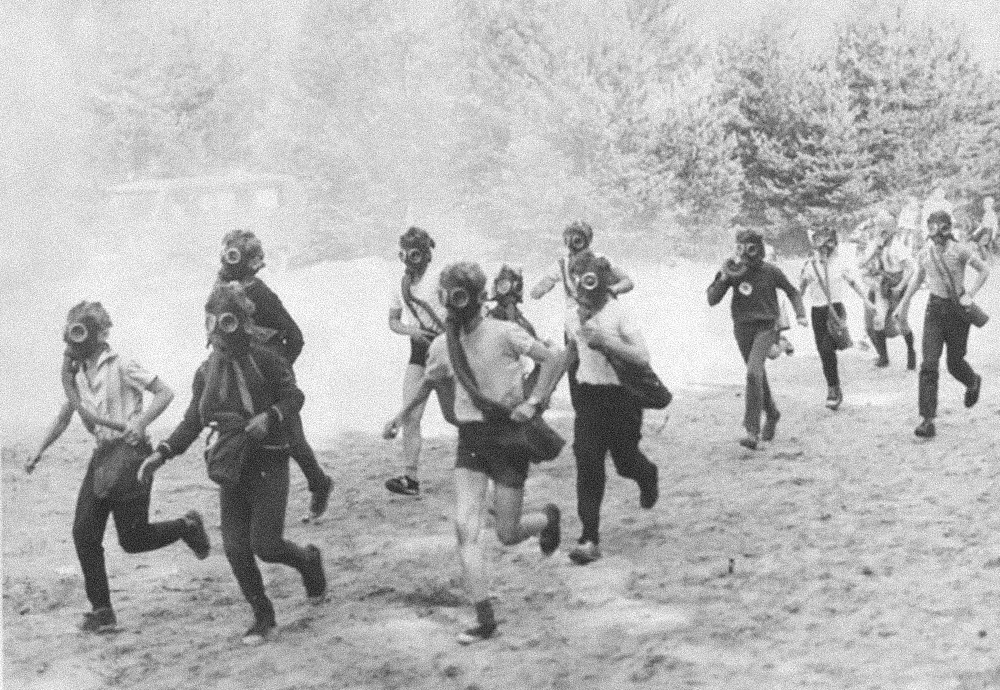
Although children continued to run in gas masks during ‘Zarnitsa’ (military & sports games) in pioneer camp.
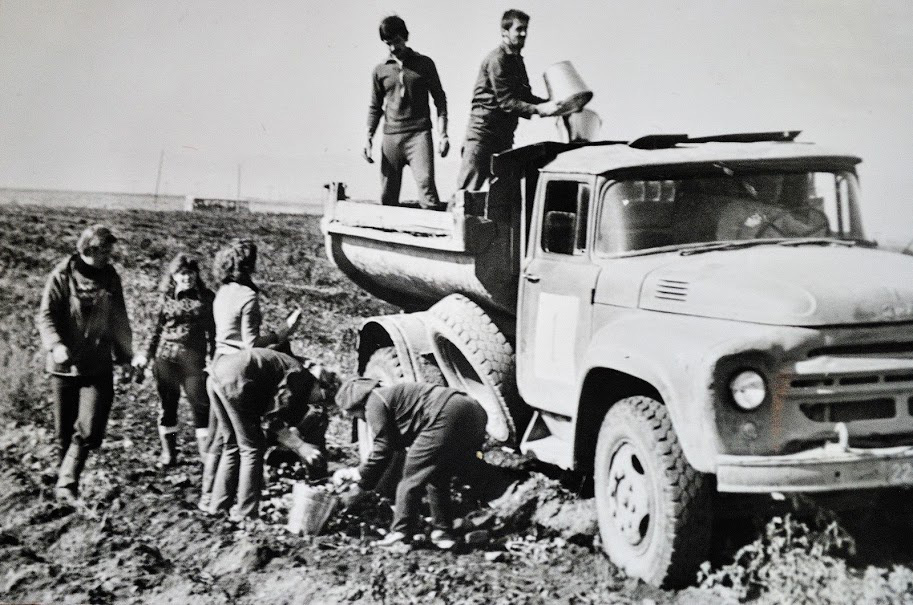
A nationwide pastime was helping with the potato harvest. Villages lacked labor, so volunteers and students would go for field work.
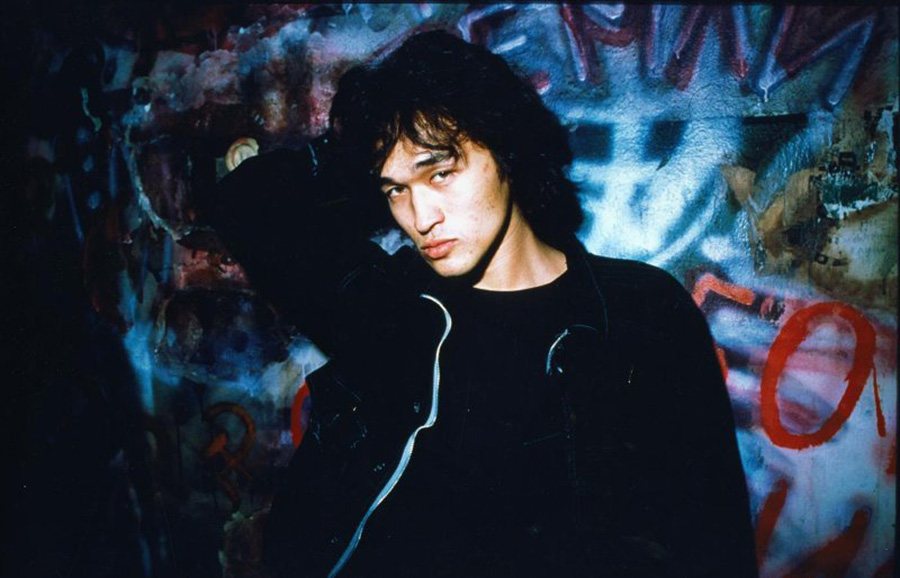
The music of the generation became rock and the voice of the generation became the band ‘Kino’ and its charismatic frontman Viktor Tsoi.
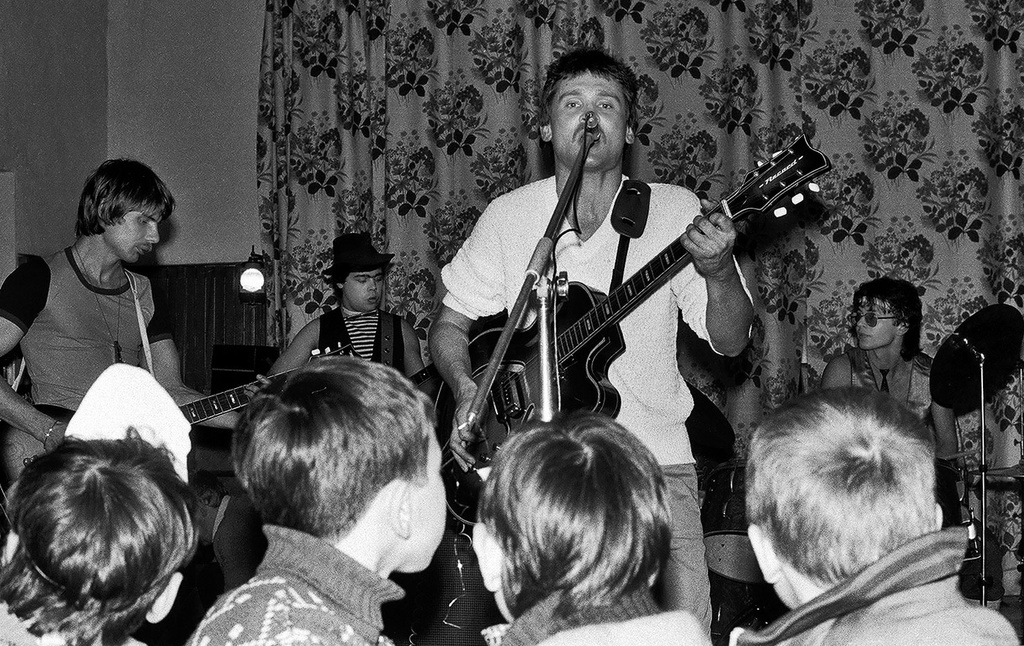
Amateur rock groups began to appear en masse.
Amateur theatrical performances were also highly regarded.
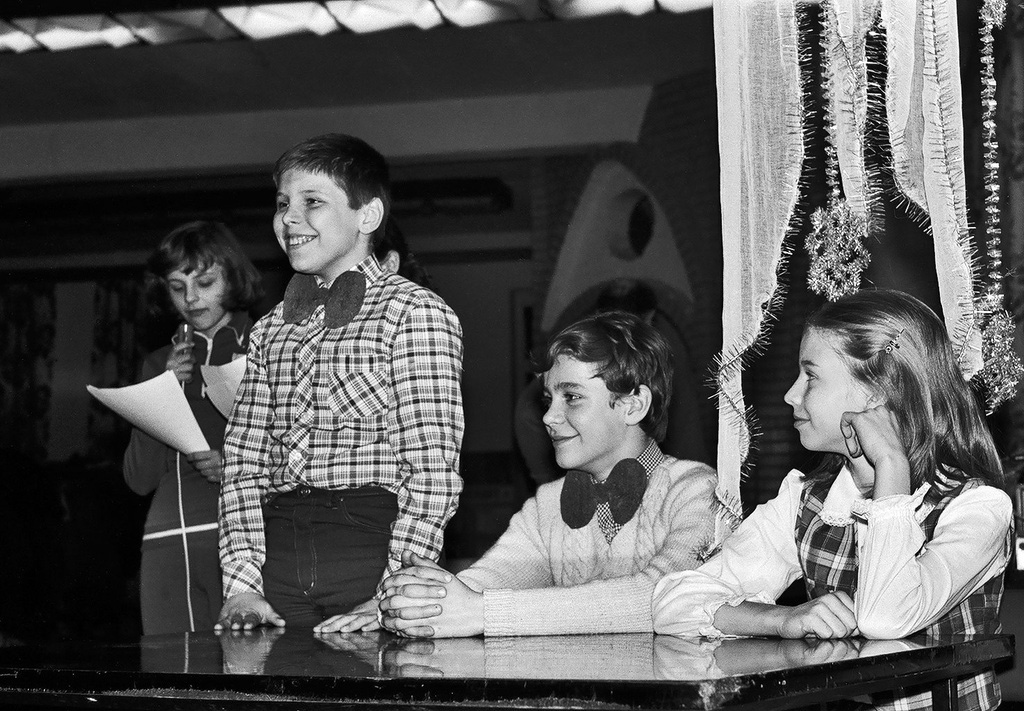
In 1986, a catastrophe occurred in the Ukrainian SSR. The Chernobyl nuclear power plant accident. The radioactive fallout also affected several southern regions of Soviet Russia.
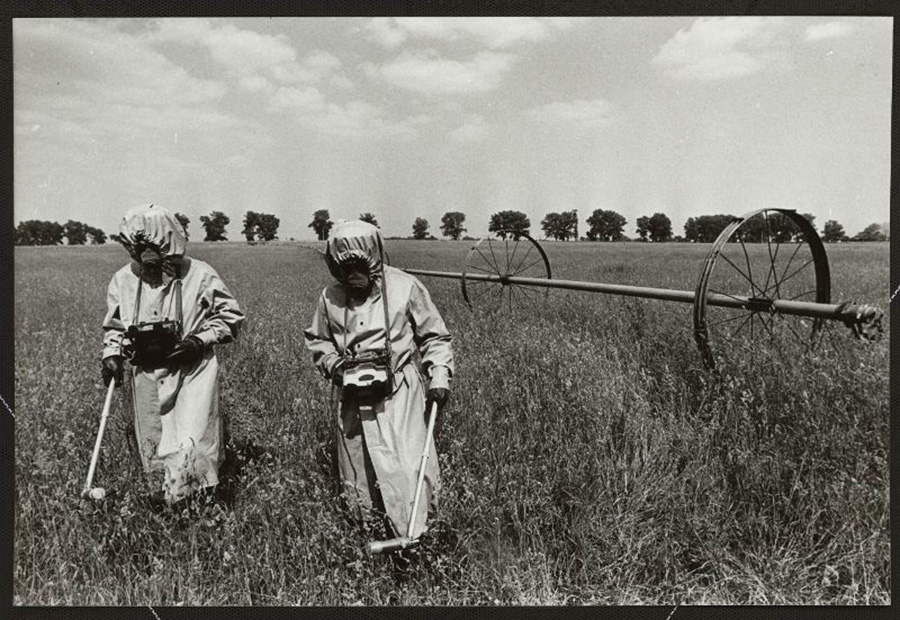
The UN declared 1986 the ‘Year of Peace’. The first orbital station, ‘Mir’ (Russian word for ‘peace’), was launched into space. The photo shows participants of the first expedition to the station, the crew of the Soviet spacecraft ‘Soyuz’ T-15: commander Leonid Kizim (left) and flight engineer Vladimir Solovyov.
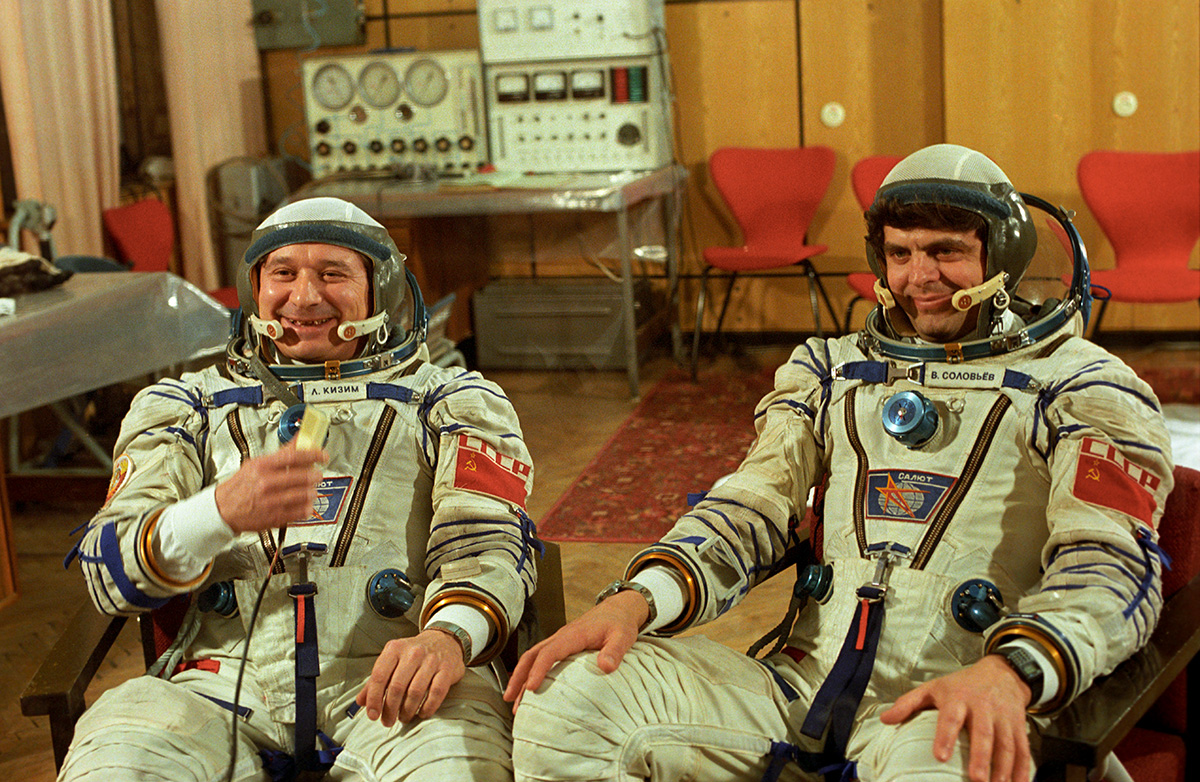
There were many events in the USSR aimed at supporting and "advertising" peace. Schools held classes dedicated to this topic.
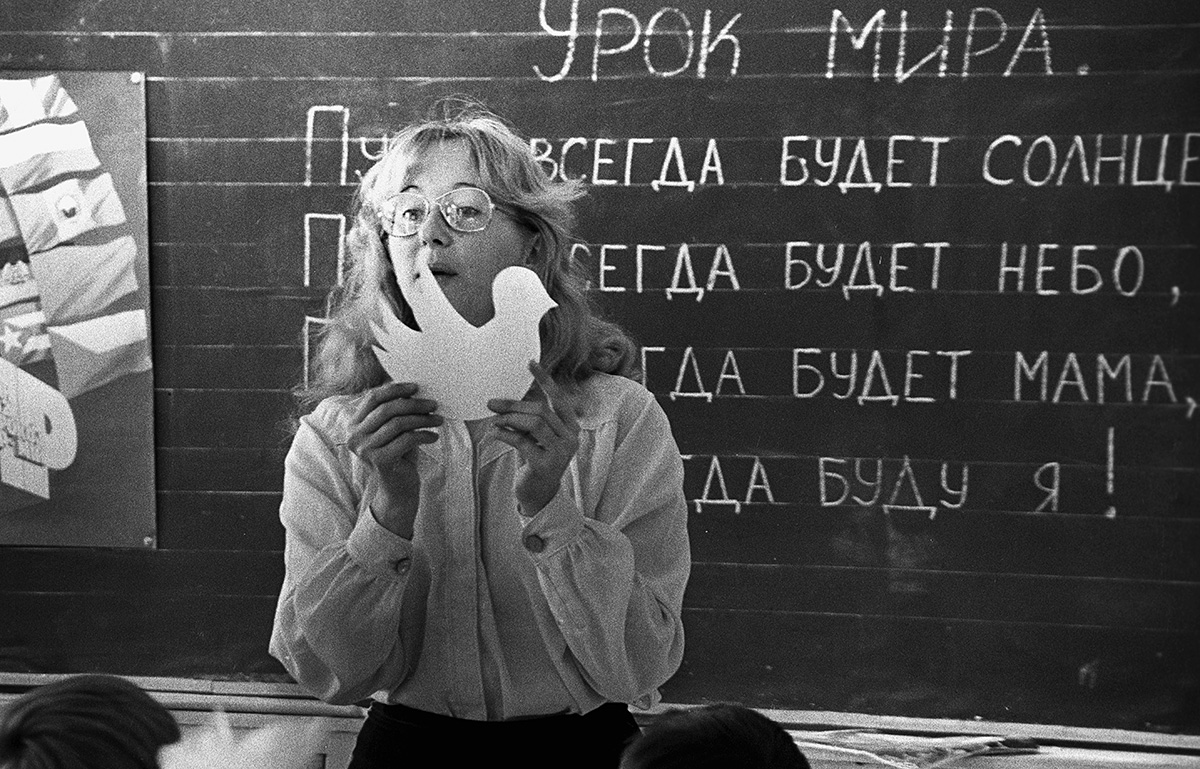
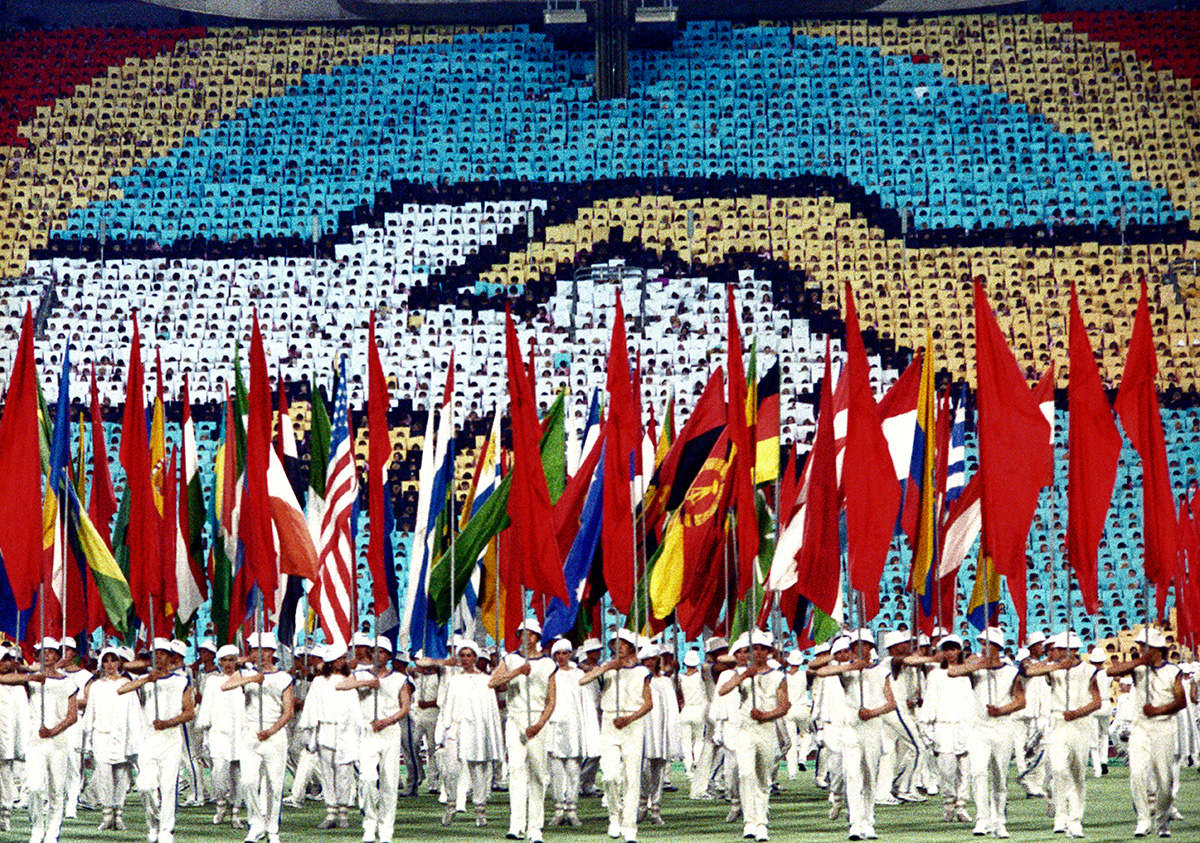
The first international Goodwill Games were held in the USSR.
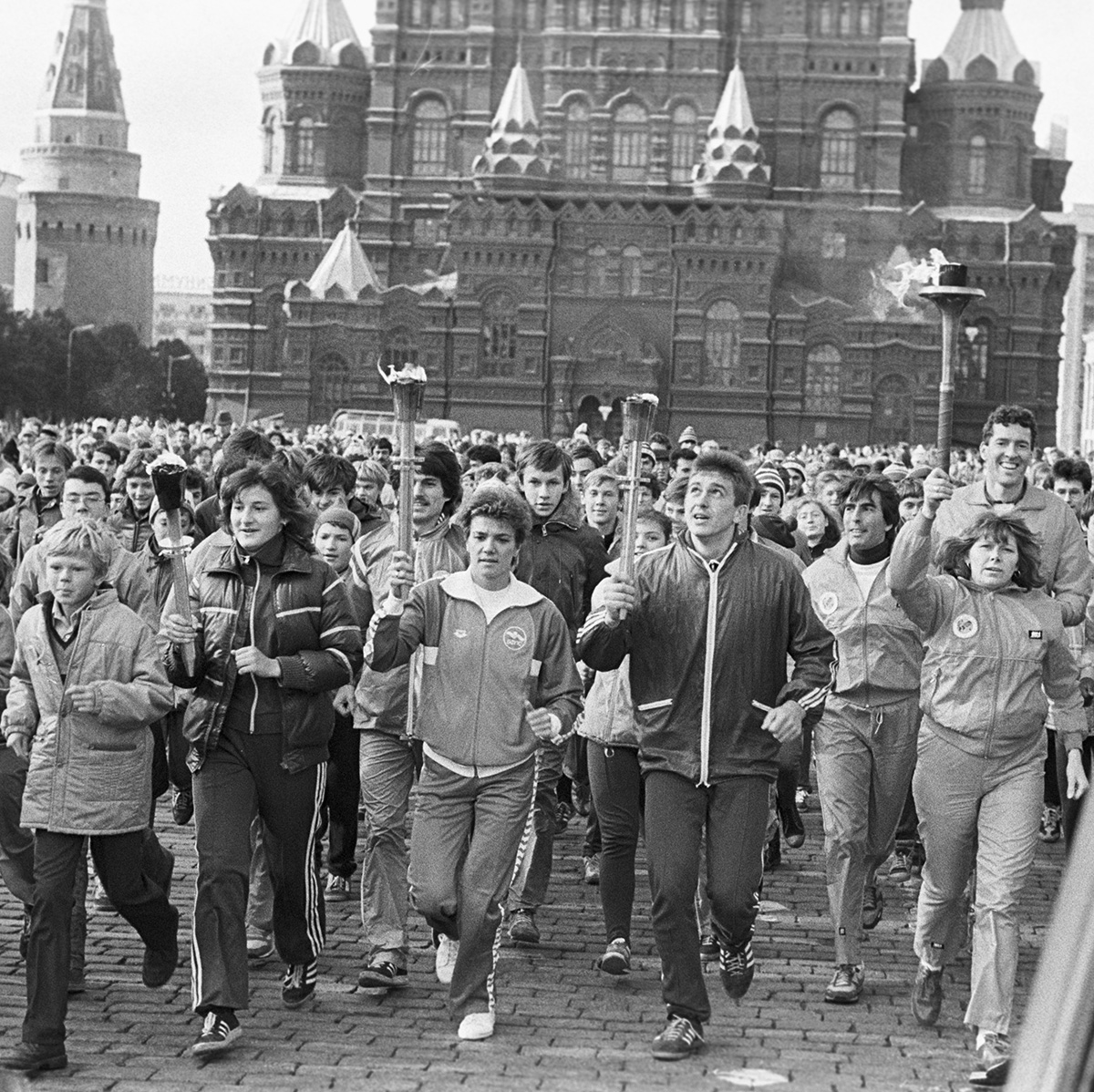
An international peace run was also held in Moscow.
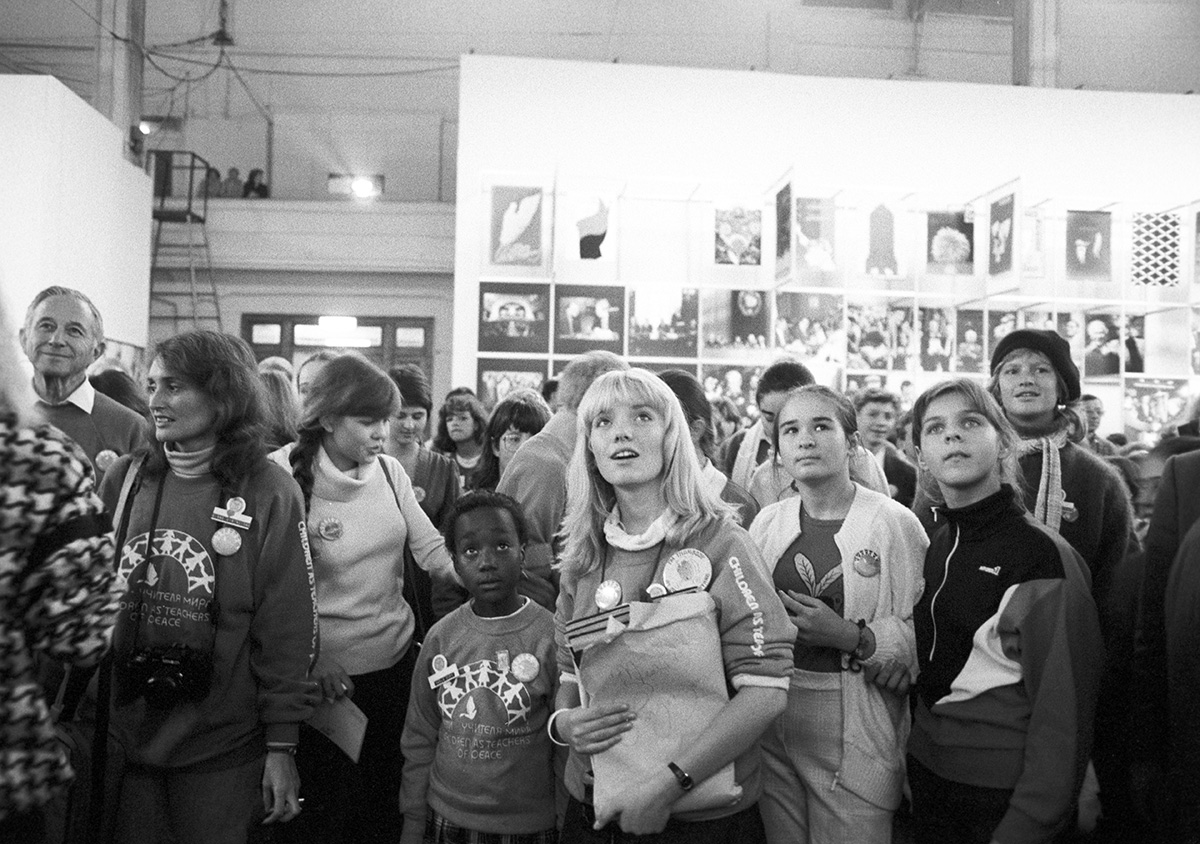
A large-scale exhibition, ‘Masters of Culture for Peace’, was held in Moscow. The photo shows members of the American organization ‘Children as teachers of Peace’ at this exhibition.
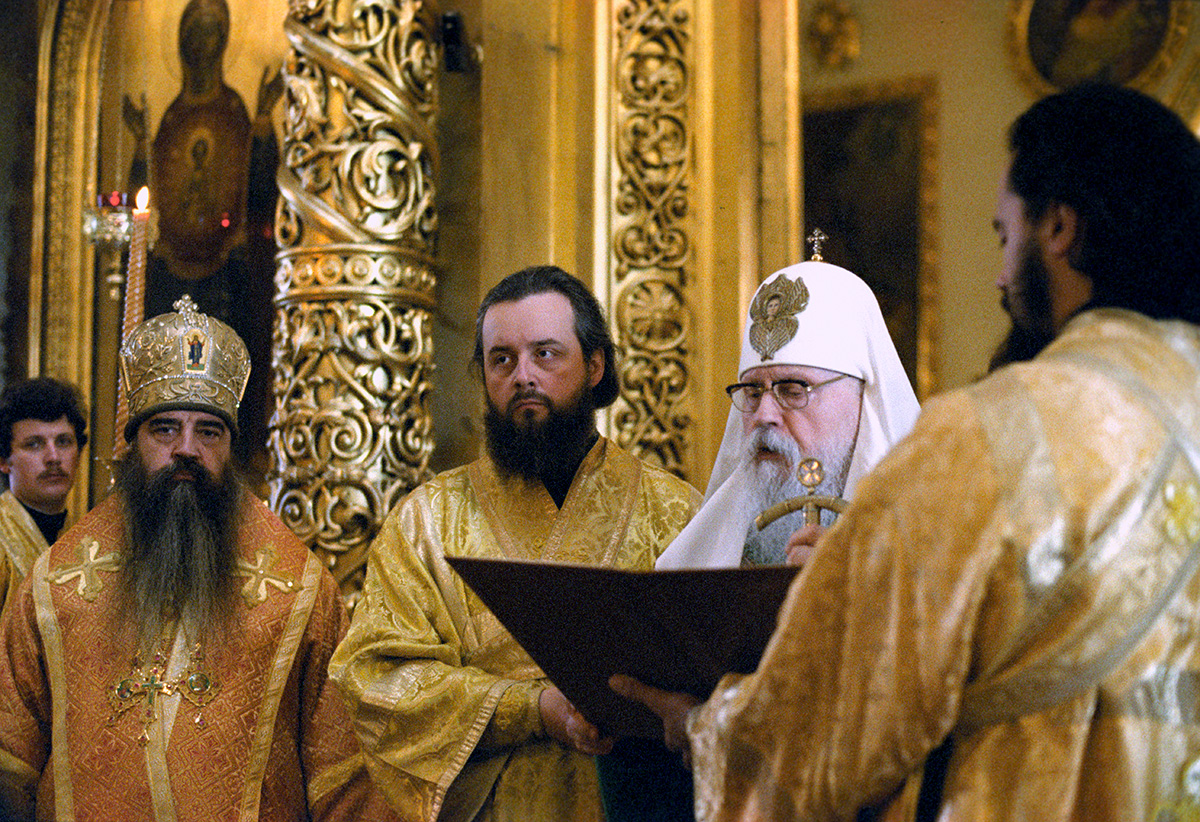
Even the Russian Orthodox Church, which authorities had begun to treat more leniently in recent years, joined the peace events. The photo shows Patriarch Pimen (second from right) at a solemn prayer service ‘For peace in the whole world’.
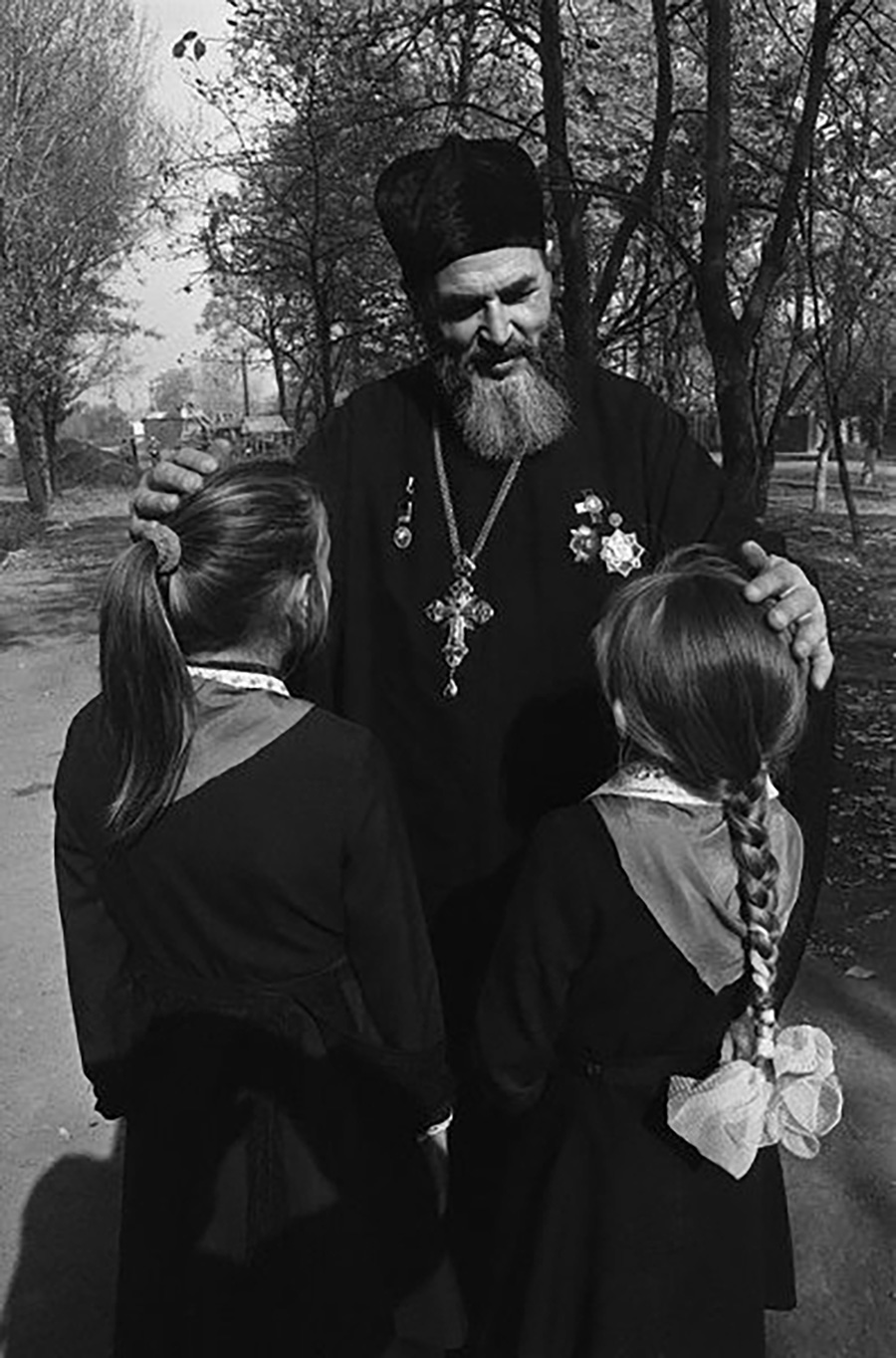
A true Soviet oxymoron of the 1980s: a priest blessing pioneer girls.