
5 things that every soviet apartment had (PHOTOS)
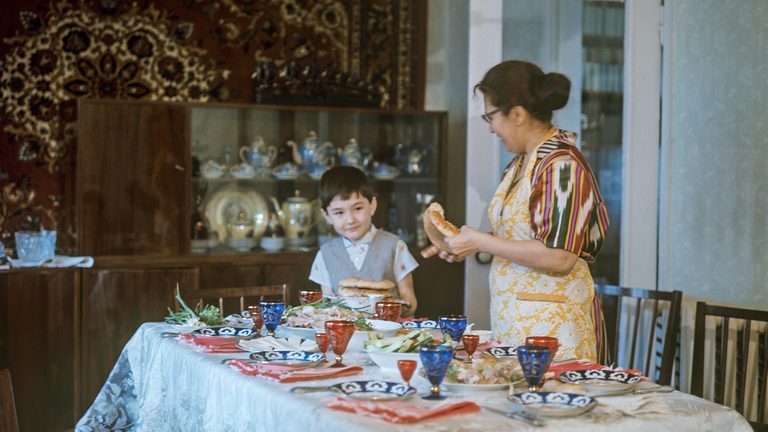
How Soviet citizens sought to create a cozy atmosphere in their rooms and decorate their homes with beautiful tableware, porcelain figurines, lace napkins and other interior items.
1. A dinner set in the sideboard cabinet
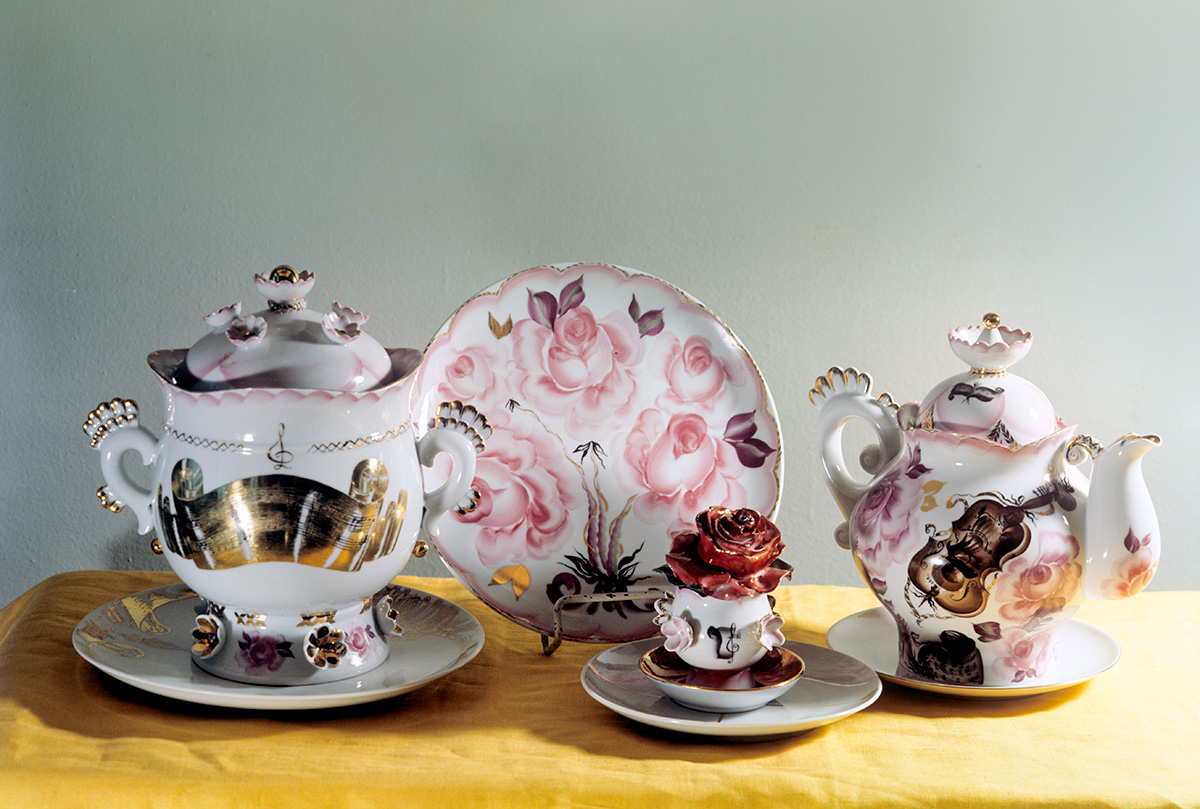
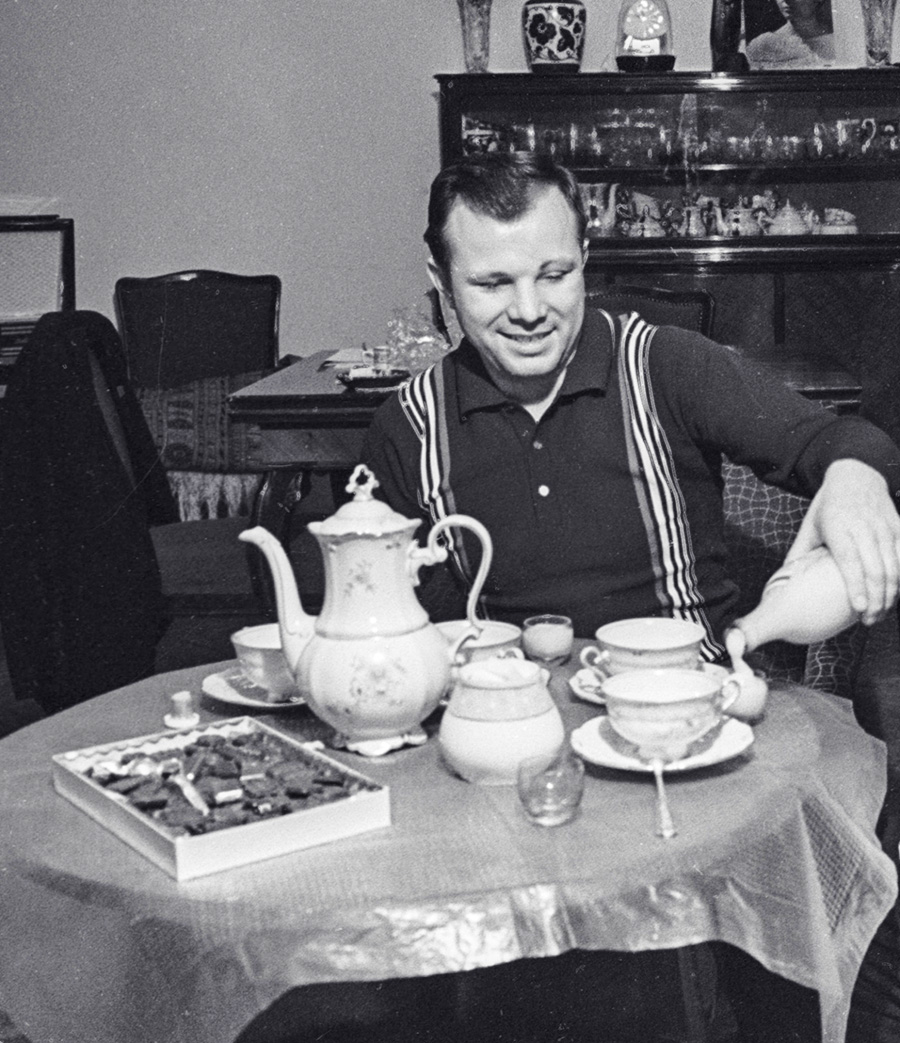
A porcelain set – for dinner, tea or coffee – was considered a basic yet valuable acquisition. A set was always an appropriate gift; they were bought as a group gift for newlyweds at weddings or for colleagues' anniversaries. Sets were expensive and difficult to obtain – they were often acquired through acquaintances. Beautiful tableware was rarely used in everyday life; it was usually placed on the table for special occasions and, sometimes, it was never taken out of the sideboard.
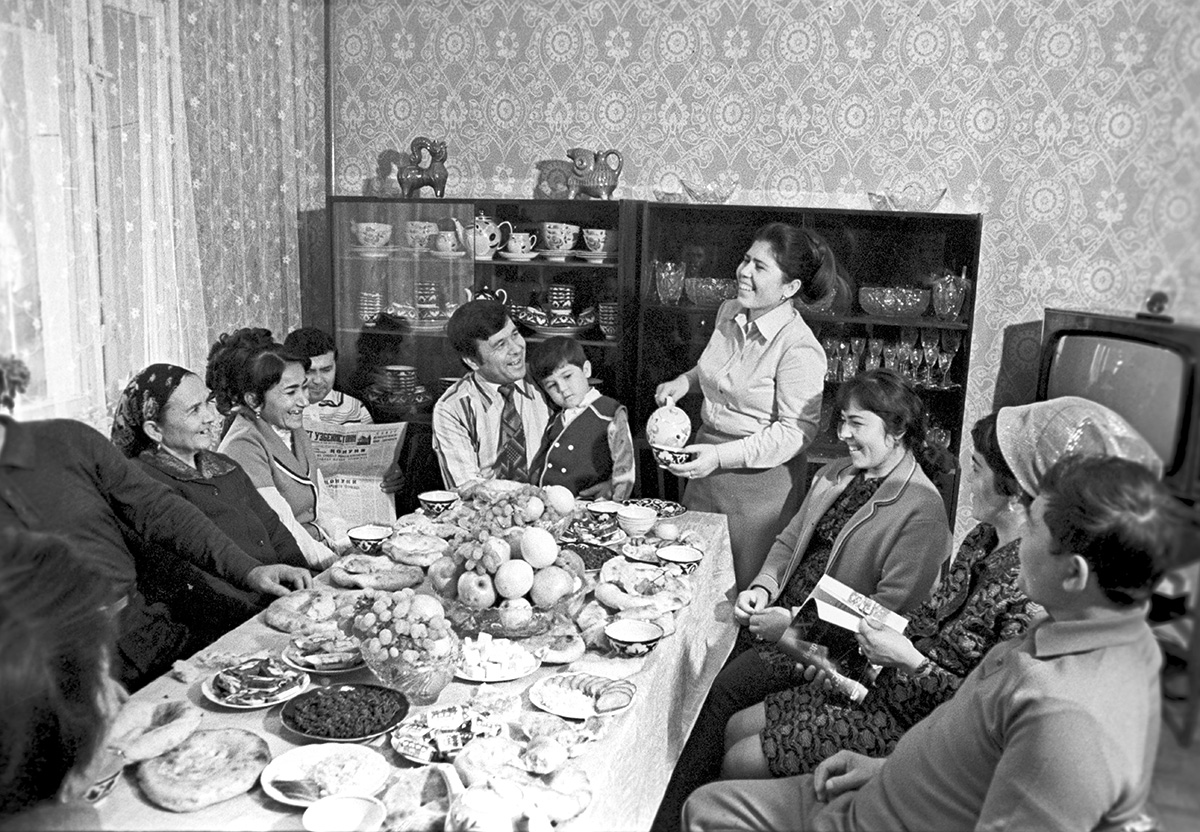
On average, a tea set for six people included more than ten items: cups, saucers, a teapot, a milk jug and a sugar bowl.
2. Prestigious crystal
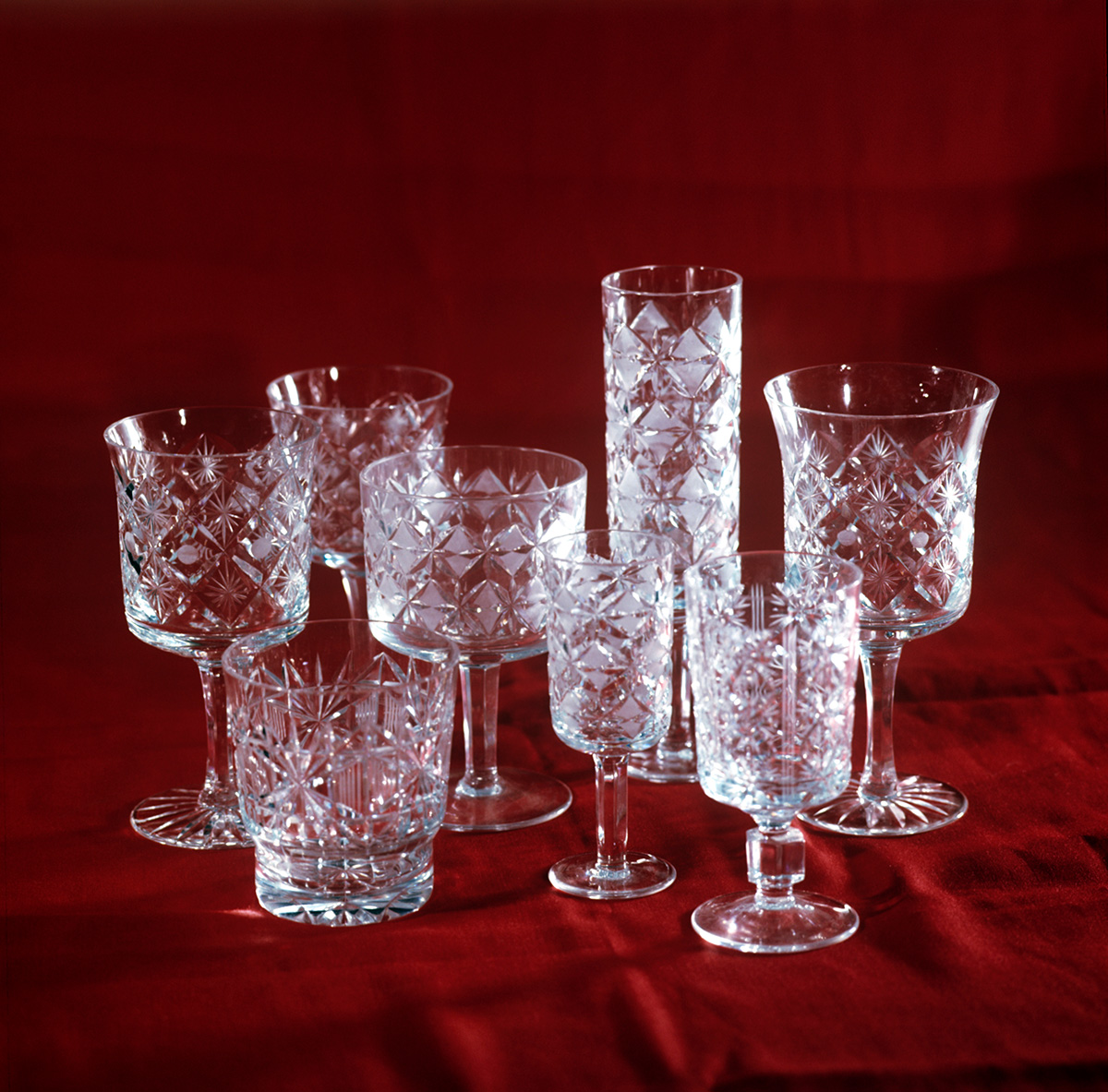
Owning crystal home decor and tableware was considered prestigious in the Soviet Union. They were kept in a prominent place, in a sideboard cabinet behind glass, next to the porcelain dinner sets and taken out only on special occasions.
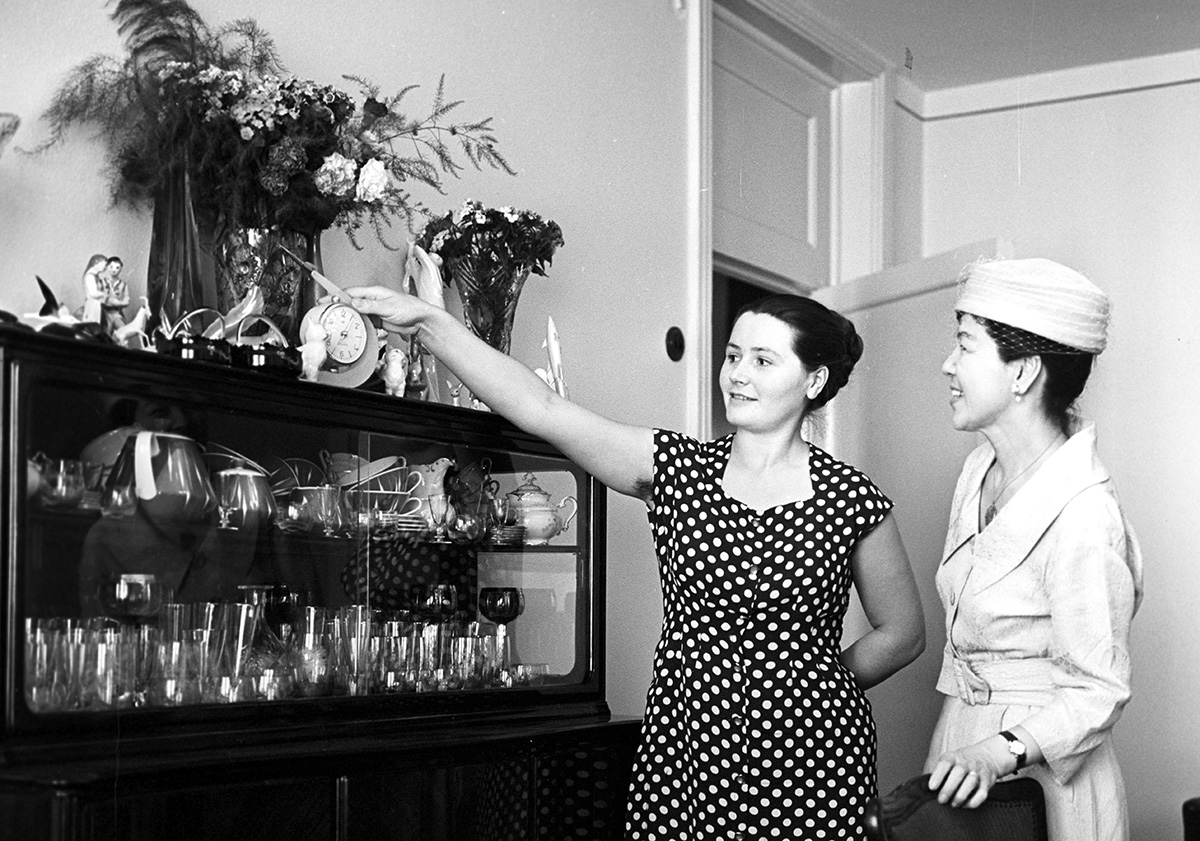
Soviet factories produced crystal glasses and tumblers, salad bowls and vases, decanters and pitchers, caviar and herring bowls, candy bowls and fruit platters. In addition to colorless crystal, colored crystal was also produced. Different metals and their oxides colored the tableware in different shades: gold gave a red color, cobalt – blue and manganese – purple.
3. Porcelain figurines
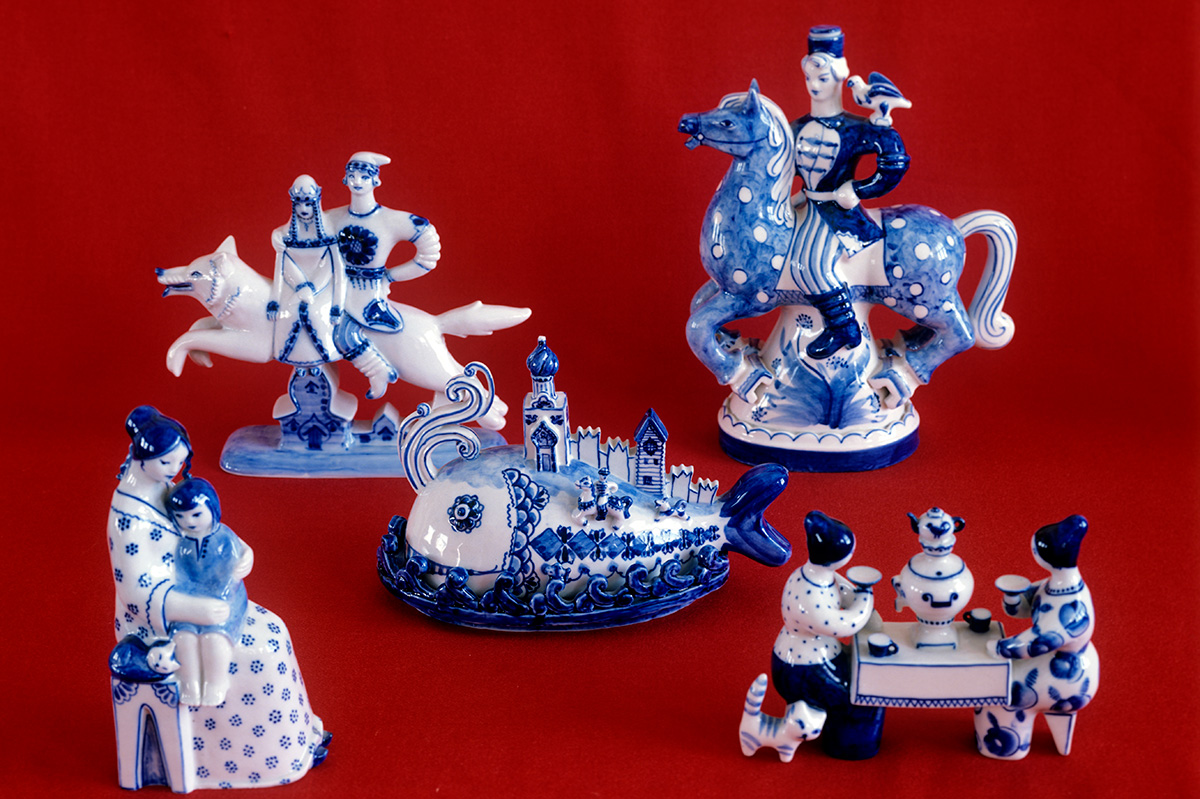
Porcelain figurines were produced in large quantities and were inexpensive. Sculptors created compositions on themes understandable to the mass market: childhood, characters from fairy tales and literature and famous personalities.
In 1957, the USSR launched ‘Sputnik’, the first artificial Earth satellite, marking the beginning of the space age, including in porcelain. Small figurines of rockets and cosmonauts, as well as busts of Yuri Gagarin and German Titov appeared in the rooms of Soviet citizens. The Dmitrov Porcelain Factory released a figurine of ‘Belka and Strelka’ in honor of the first animals to leave the confines of the Earth.
4. Wall carpets
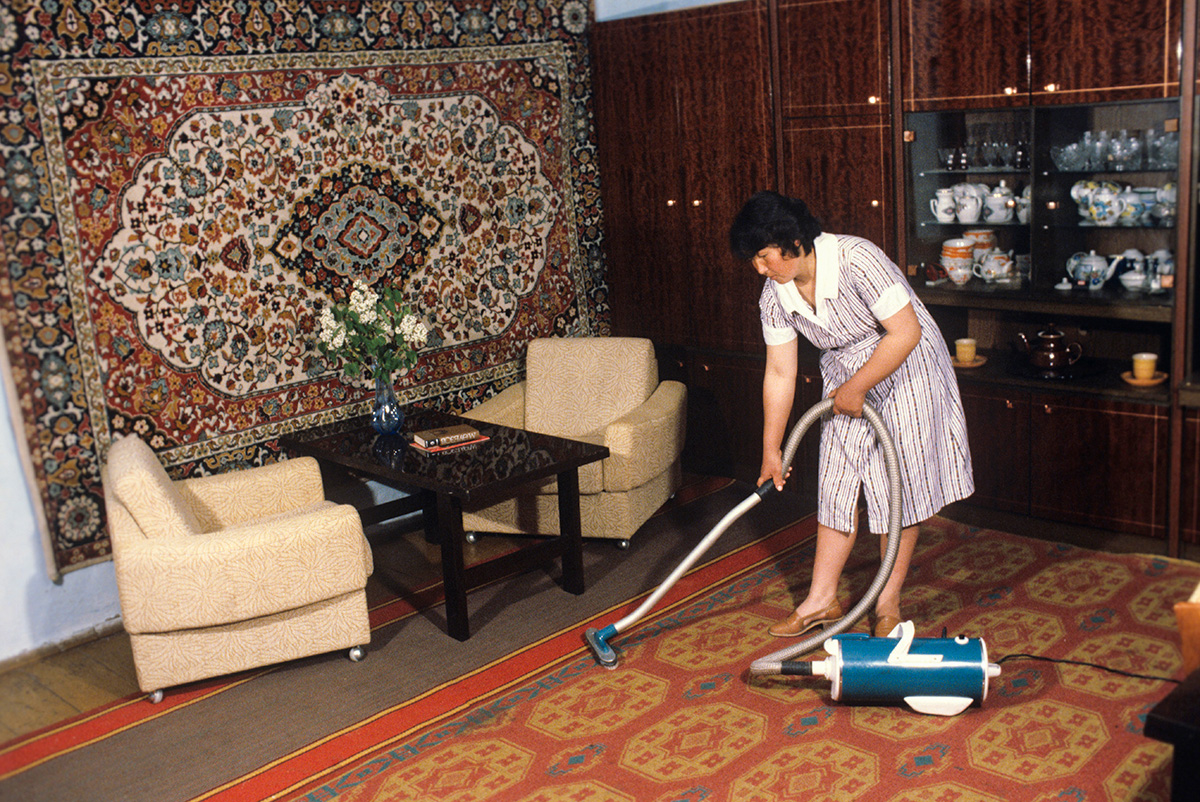
Until the 1960s, carpets were considered a luxury. On the walls of Soviet citizens' rooms hung thin tapestries, usually depicting animals, most often deer. And even when carpets became affordable and available to the mass market, they were still quite expensive. Thick rugs with oriental-style patterns were chosen carefully and painstakingly and they were rarely placed on the floor; instead, they were hung on the wall. Carpets were bought not only for status, but also for practical reasons. Carpets dampened sounds, concealed imperfections in the wall finishing and also helped insulate rooms. Turkmen rugs were considered among the best.
5. Lampshades
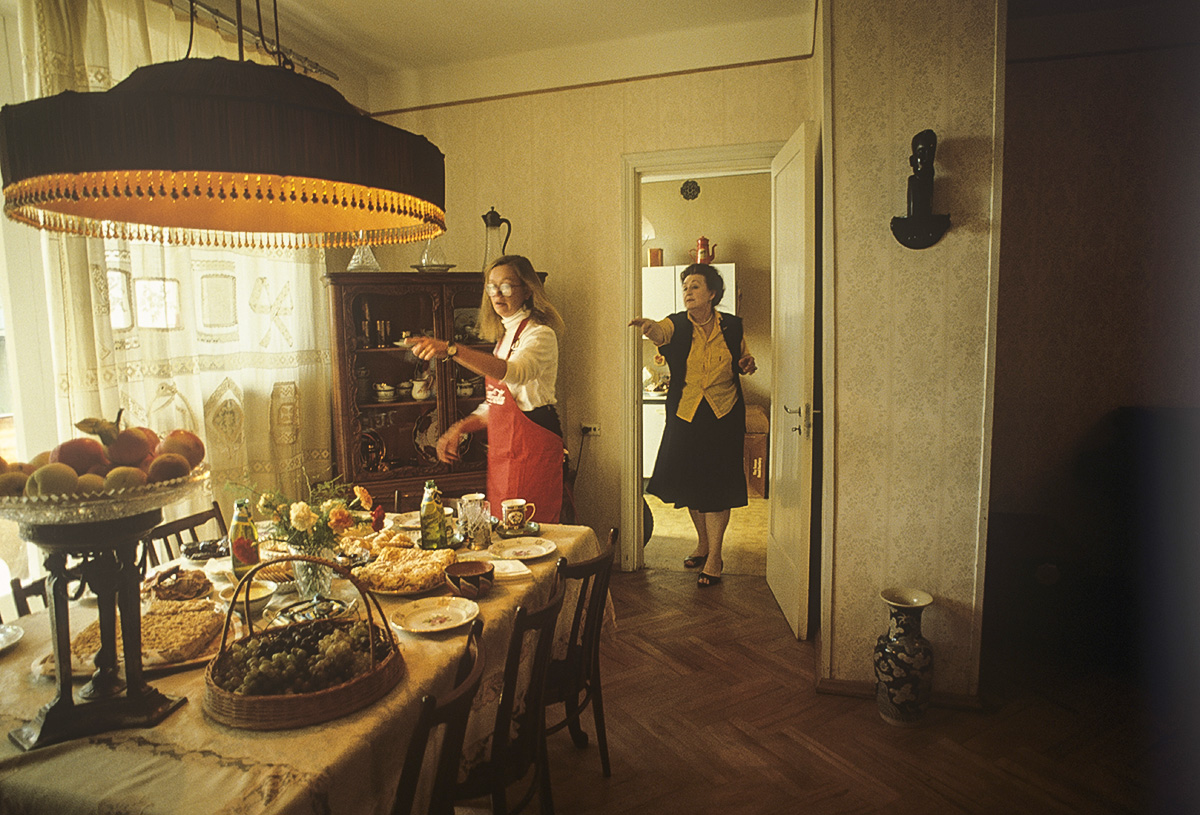
In Soviet homes, lamps with geometric, plant or floral patterns, decorated with fringe or tassels, were very popular. The color and texture of the fabric were usually chosen to match the decor, but shades of red, pink, orange and yellow were more common, because they gave a soft, warm light. Sometimes, housewives sewed lampshades themselves, using patterns and instructions from magazines.
The full version of the article (in Russian) can be found on the Culture.Ru website.