
What Soviet Russia was like in 1926 (PHOTOS)
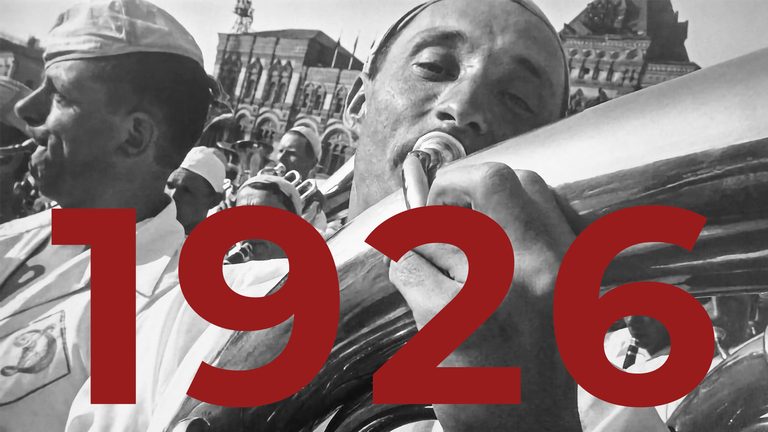
Avant-garde, retro chic, the elimination of illiteracy and mass gymnastic parades. How did the young land of the Soviets live and look exactly 100 years ago?
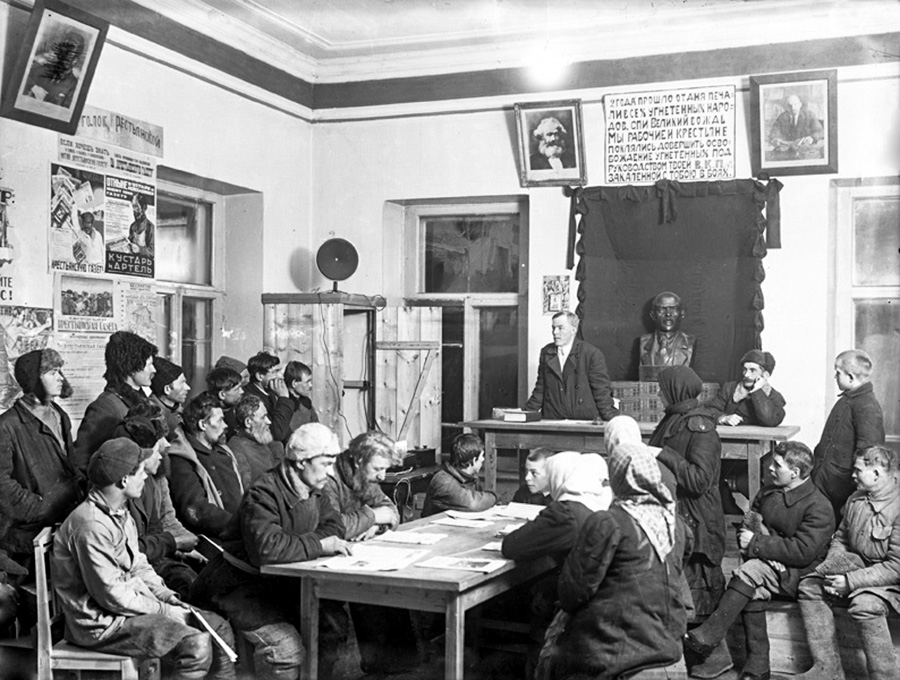
This year fell into the period, in which the Soviet government was most actively engaged in transforming the country. One of the main tasks was the elimination of illiteracy. School education became universal and compulsory, but adult workers and peasants were also sent to learn to read and write.
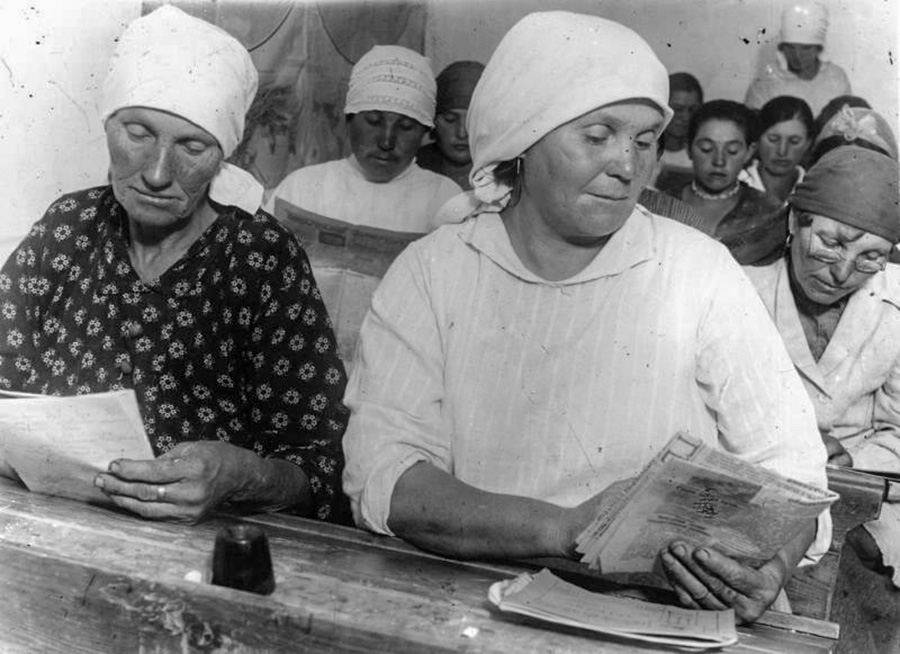
Soviet authorities cared much that all the people could read newspapers and absorb propaganda about the advantages of the new system. For the same purpose, political information sessions were held in all factories, villages and institutions.
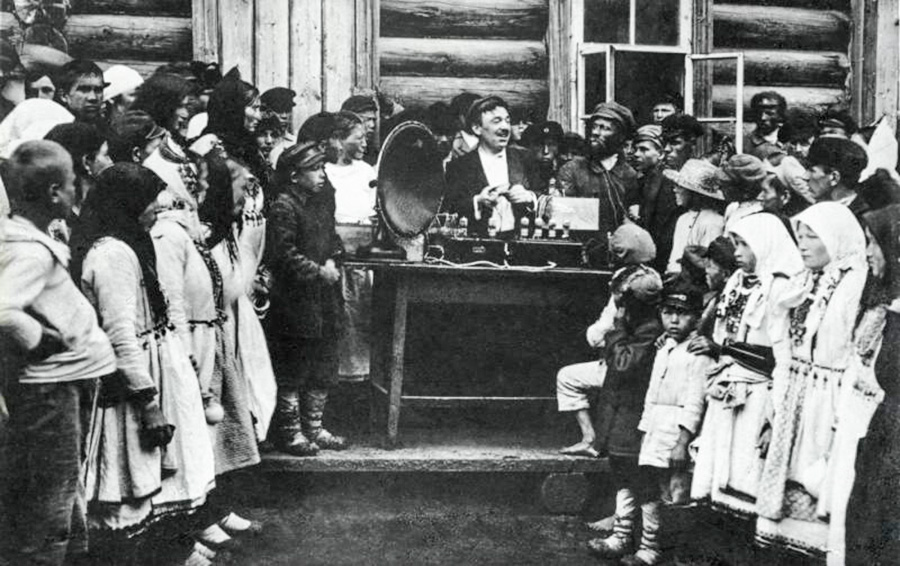
In the early 1920s, radio appeared in the USSR and was actively promoted so that even the illiterate could listen to important news.
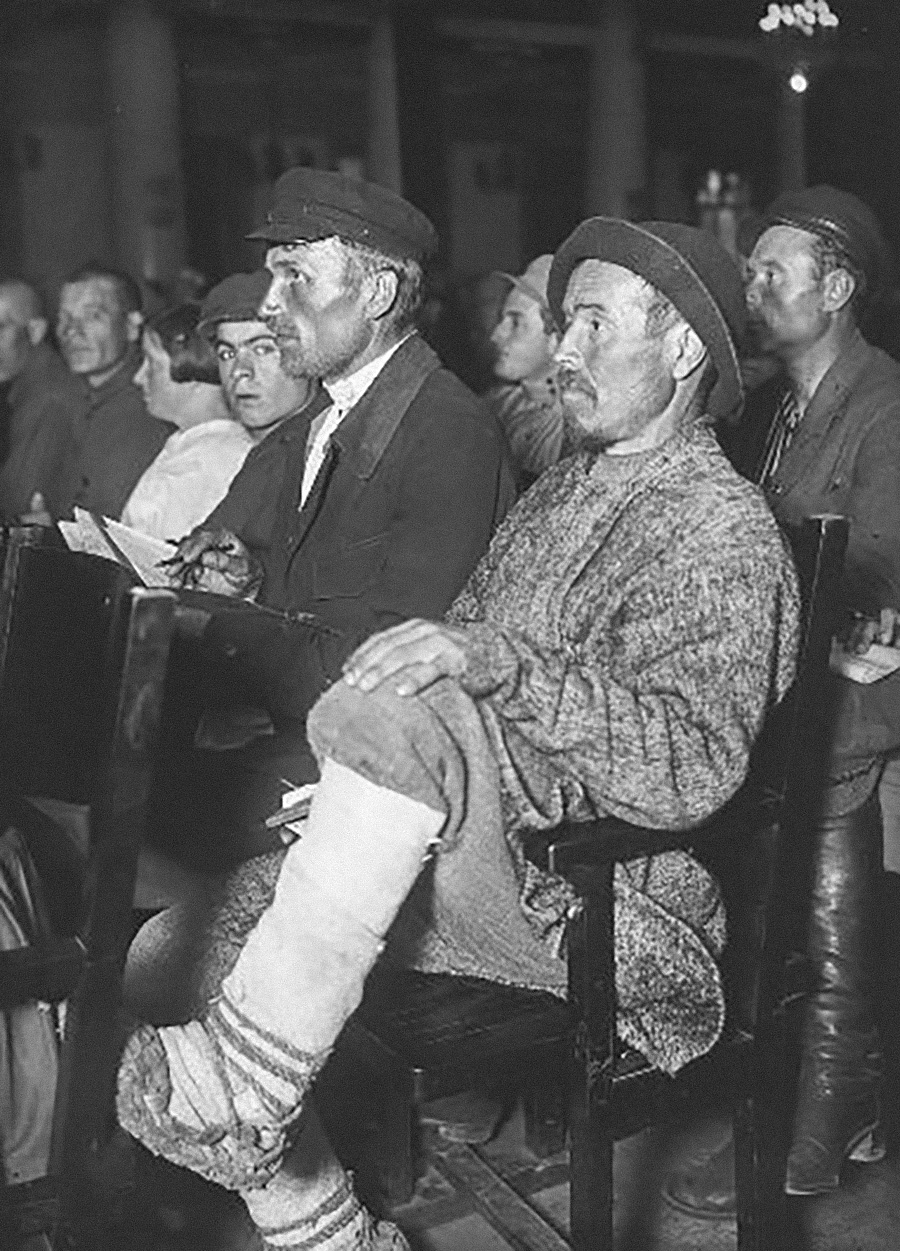
The number of newspapers and, therefore, journalists, was also increasing rapidly. Worker and rural correspondents were invited to Moscow for all-union congresses. Sometimes, it looked funny and out-of-place.
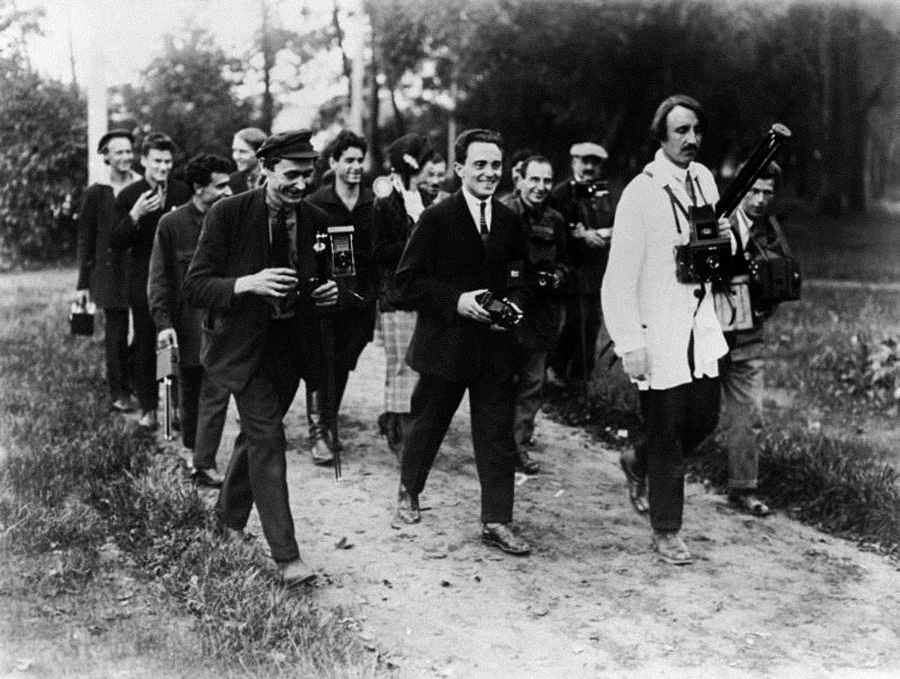
The era of vibrant photography began. Every newspaper had photojournalists, who would capture a wide variety of scenes of city life.
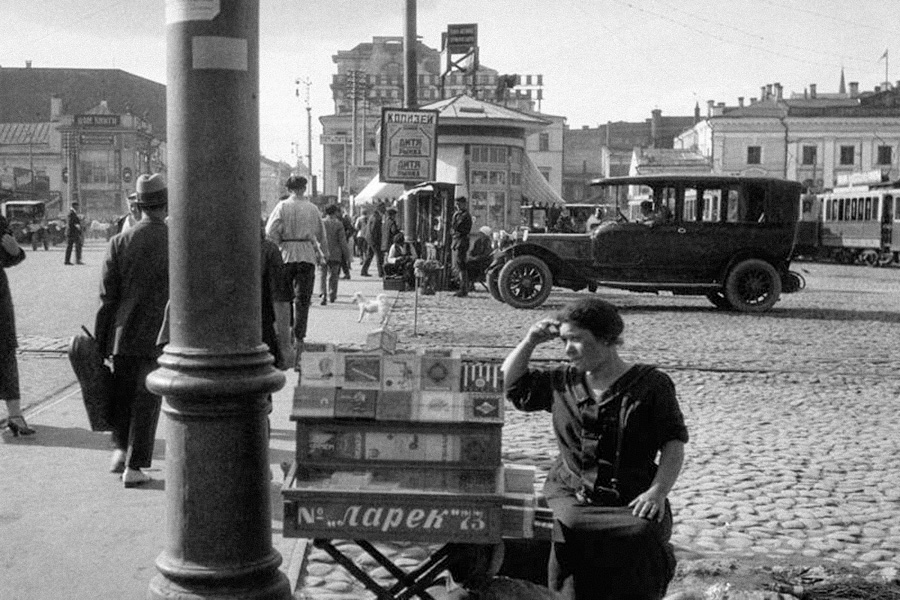
Be it a street vendor selling cigarettes in the center of Moscow…
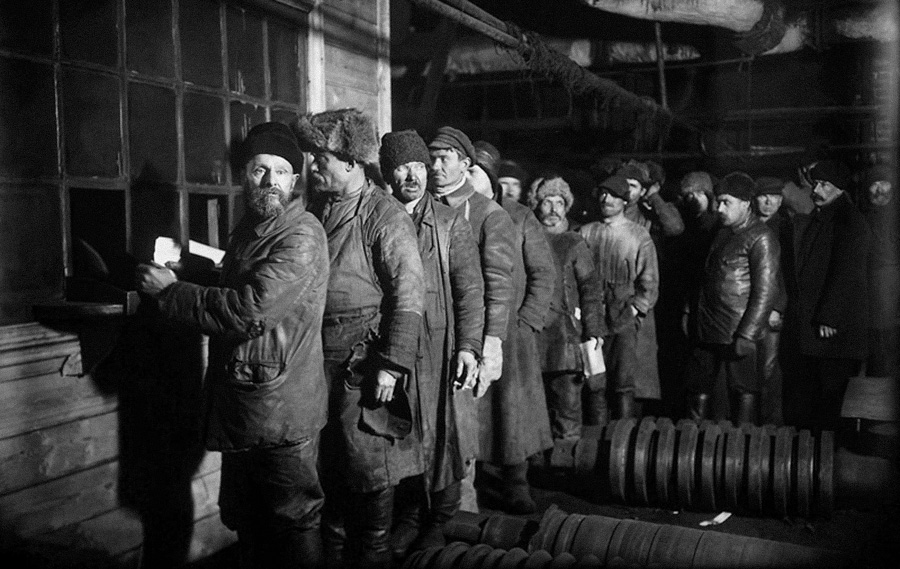
…or workers lining up to collect their weekly wages.
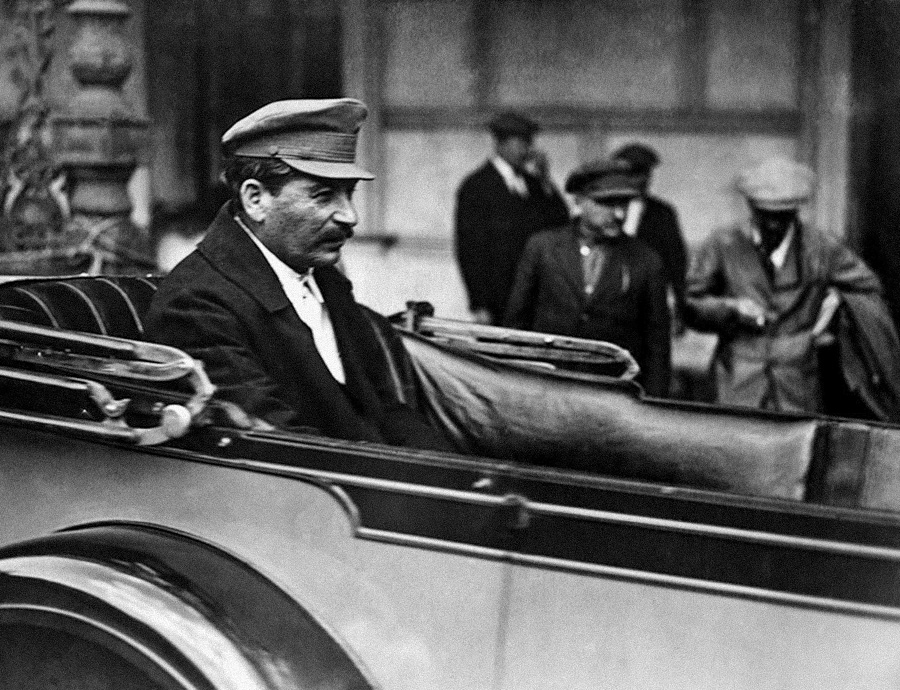
And below, Joseph Stalin is captured on camera, at the time just beginning his rise to power and engaged in an internal party struggle with opponents.
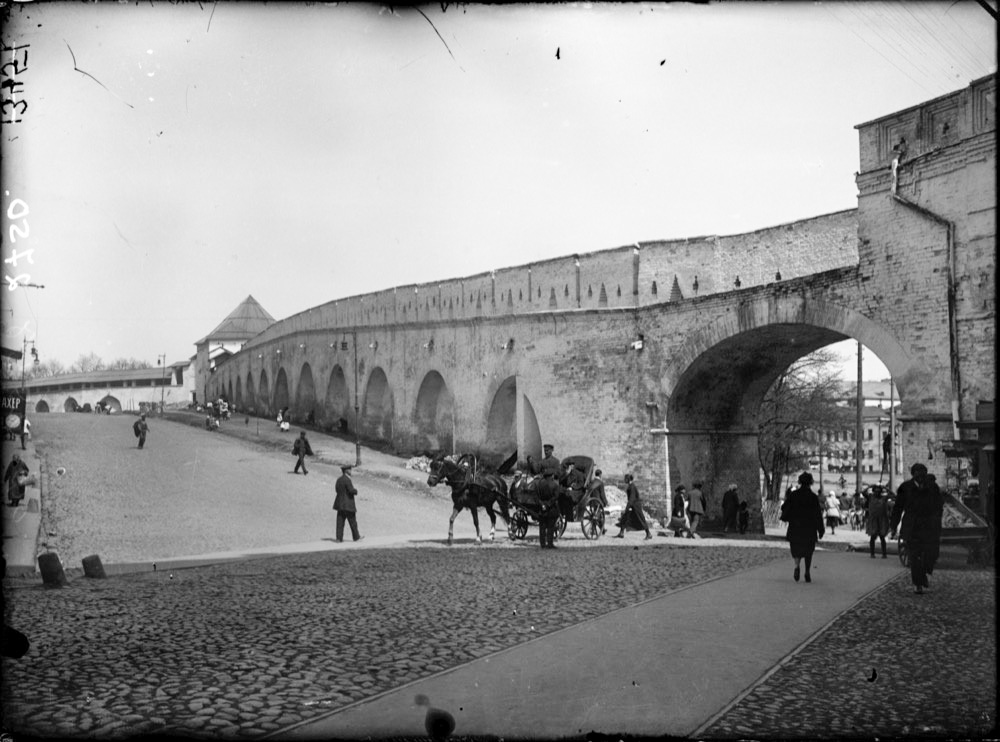
Photographers also chronicled the city views. Some of the relics of old Moscow that no longer exist, only remembered by these photos. For example, the Kitai-Gorod Wall. Authorities would soon tear it down to widen roads for transport.
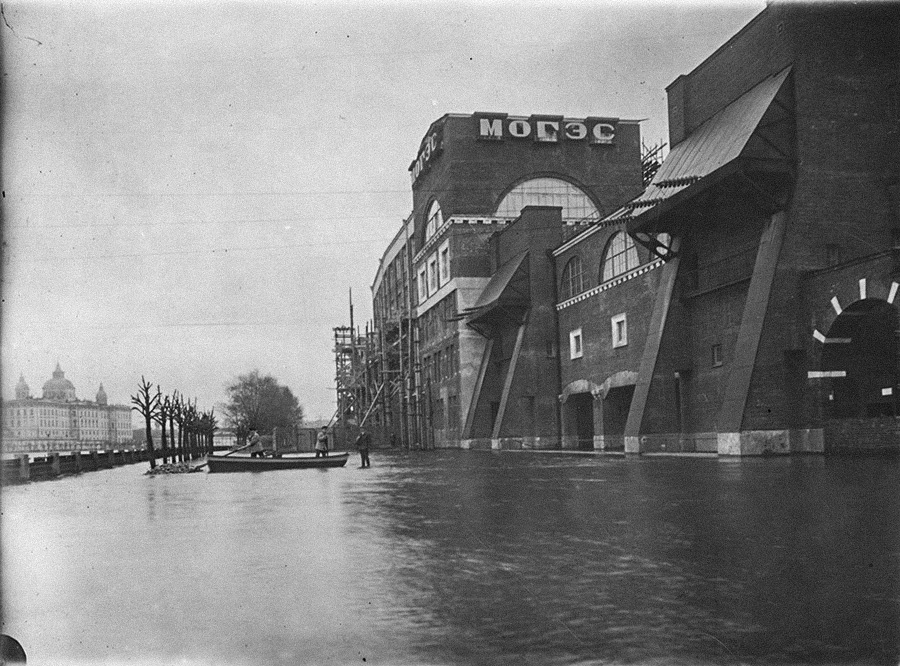
By the way, in April 1926, Moscow experienced the largest flood of the Soviet period. The water didn’t recede for several days, and people even moved around the center by boat.
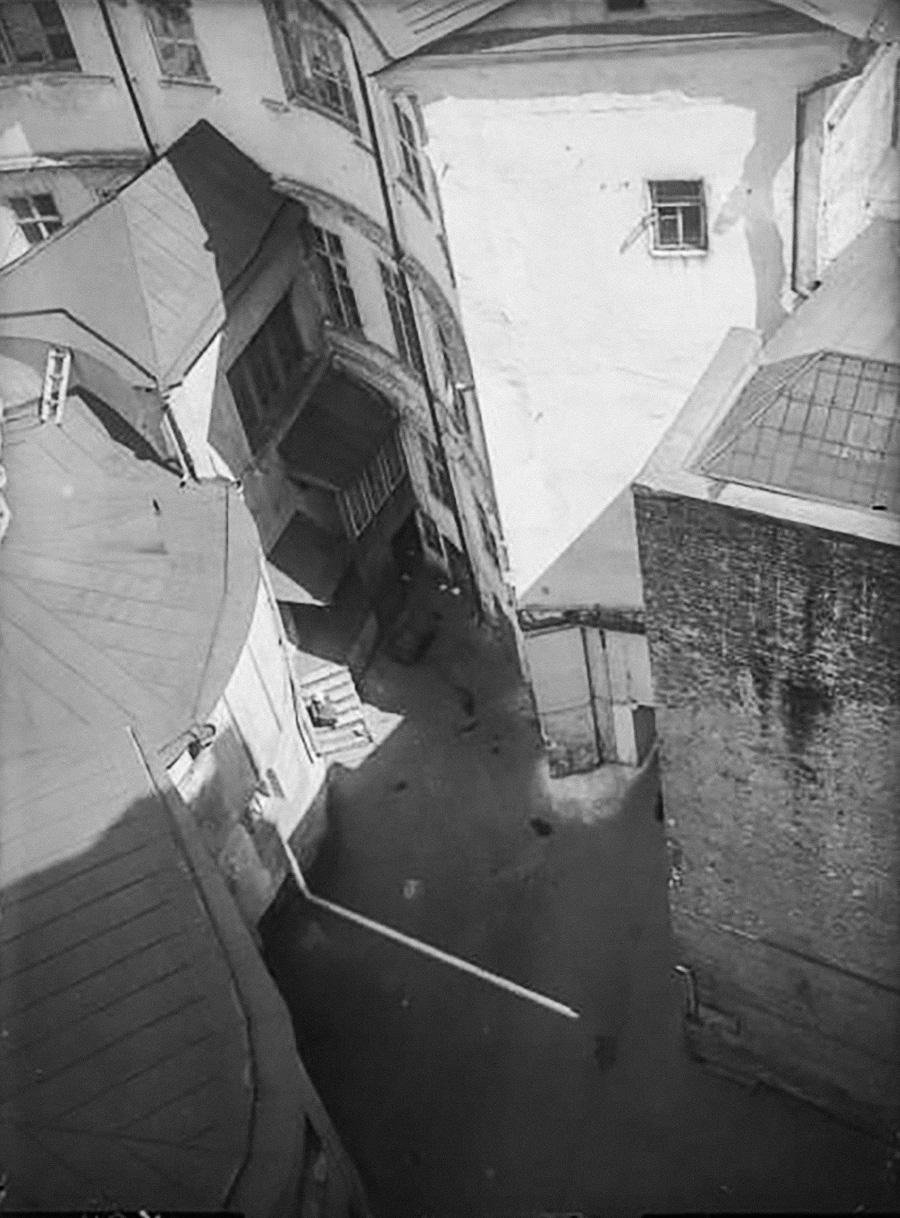
One of the most famous photographers of the era was Alexander Rodchenko. He brought an avant-garde vision, with new angles, techniques and subjects.
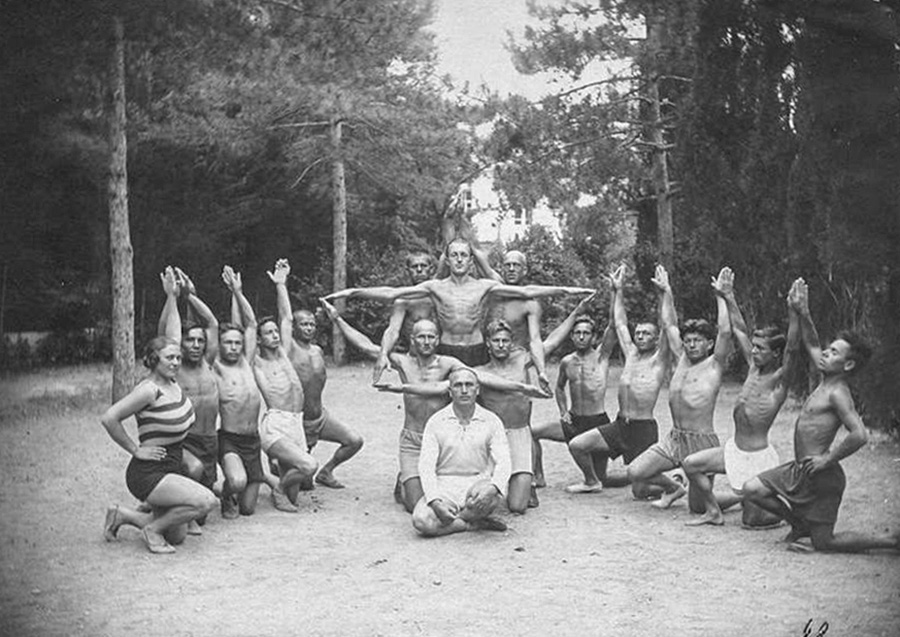
Along with the elimination of illiteracy, the Soviet government began to care about the health of Soviet citizens, opening up sanatoriums and health resorts and promoting physical culture and sports.
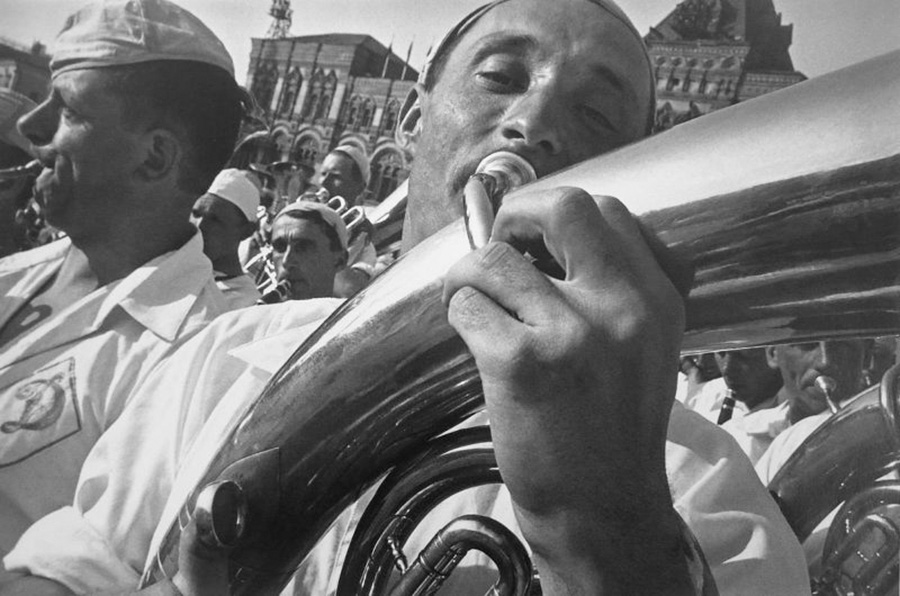
Massive parades of athletes and gymnasts began to be held annually on the Red Square in Moscow.
Labor Day – May 1 – became one of the new main holidays of the Soviet Union, with demonstrations featuring slogans, flags and flowers taking place across the country.
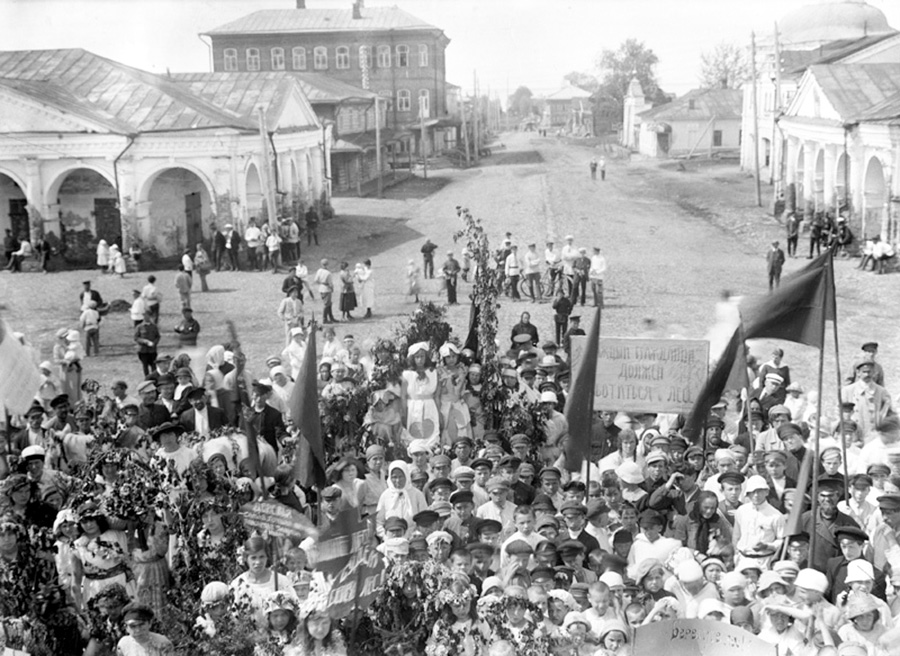
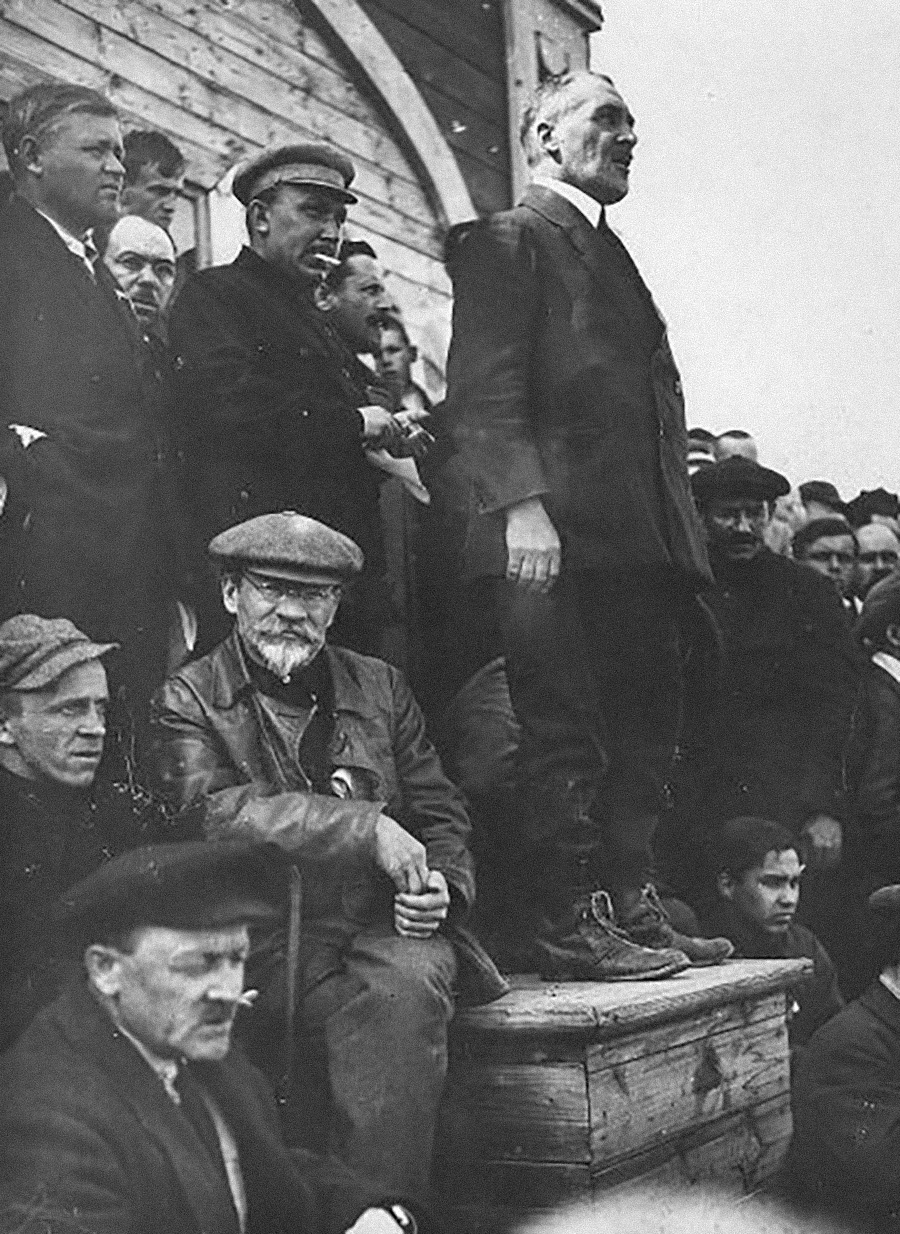
One of the main goals of the government was industrialization and electrification. Thus, in December 1926, the Volkhov Hydroelectric Station, one of the first large HPPs in the country, was launched. During the Siege of Leningrad in World War II, it would end up supplying electricity to the entire city. The photo below shows a rally of builders gathering on the occasion of its launch.
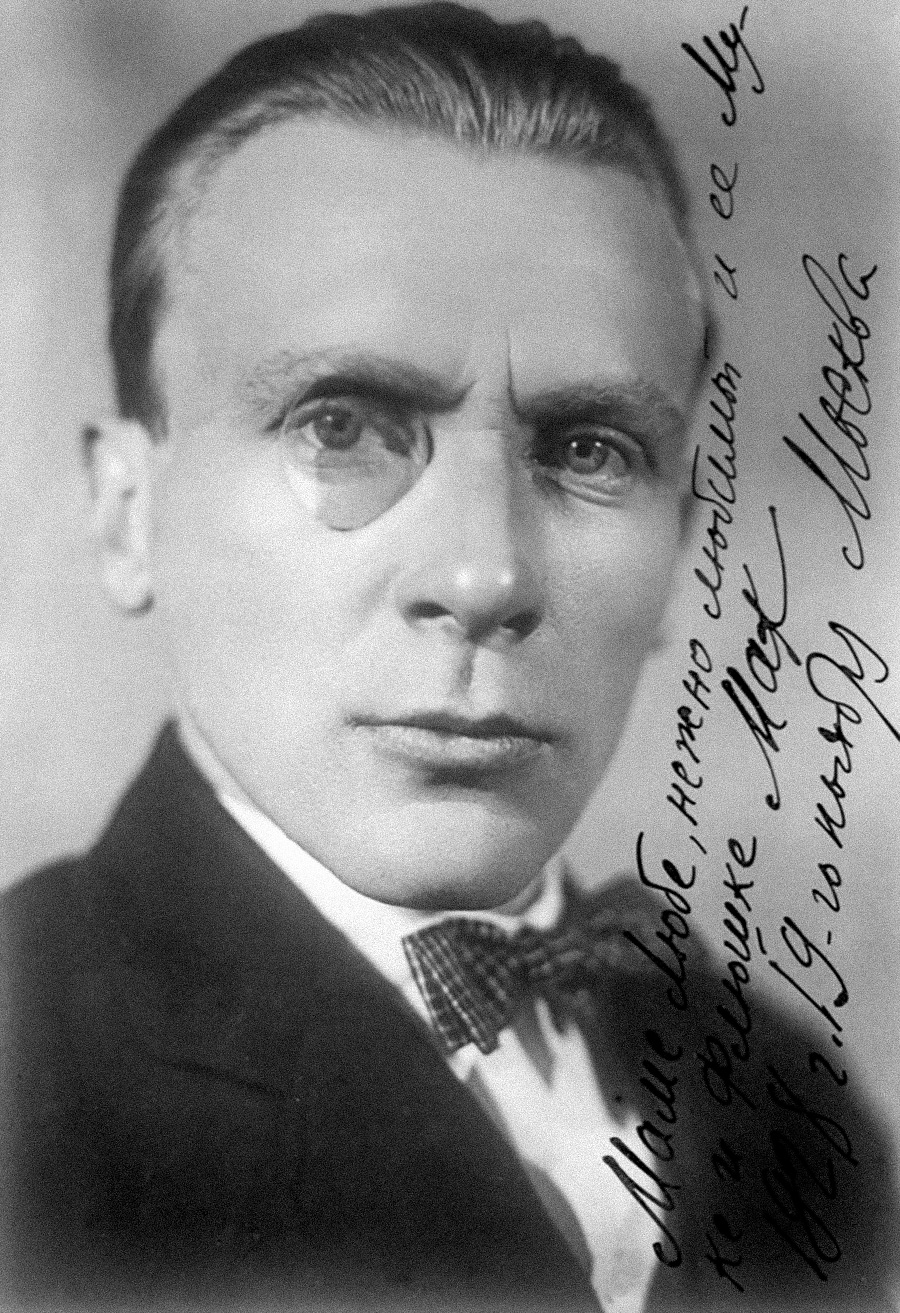
The 1920s were also a time of flourishing culture and literature, especially experimental works. The photo below pictures writer Mikhail Bulgakov, author of ‘The Master and Margarita’, at the time his popularity peaked.
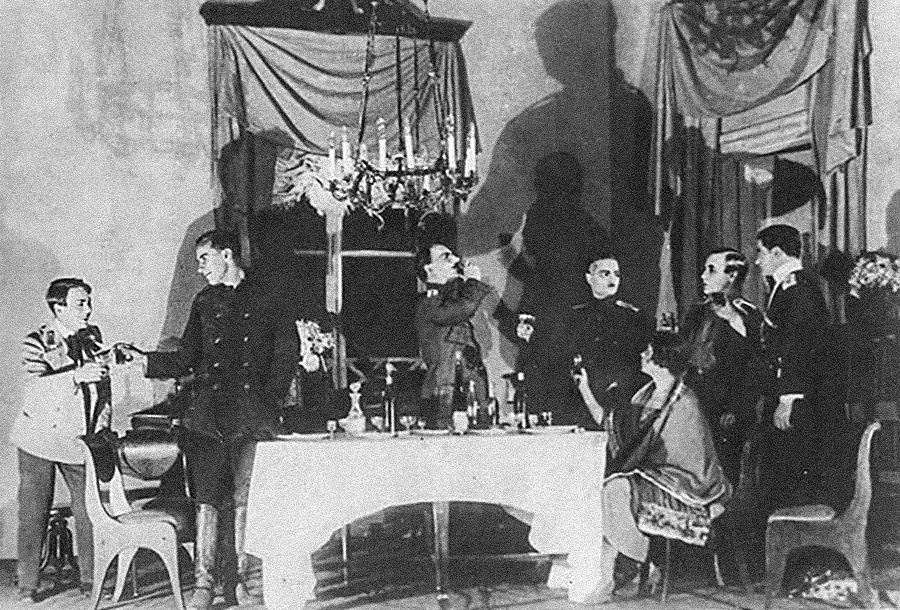
In 1926, a staging of Bulgakov's play ‘The Days of the Turbins’ premiered at the iconic Moscow Art Theater. According to rumors, Joseph Stalin himself watched this play about the Civil War more than 10 times.
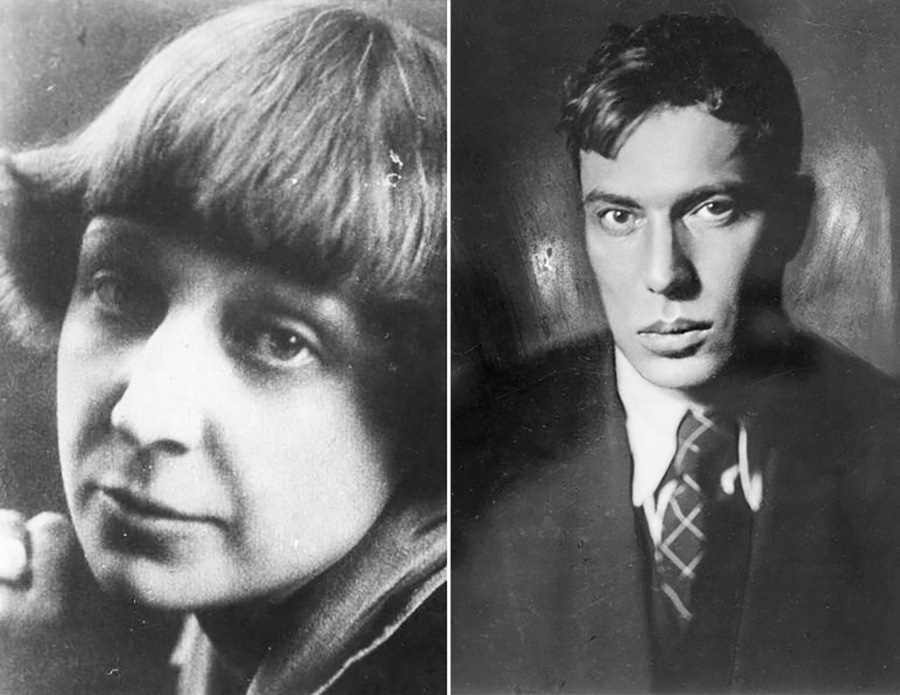
Other iconic figures of the era were Marina Tsvetaeva and future Nobel laureate Boris Pasternak (incidentally, they had an epistolary affair!).
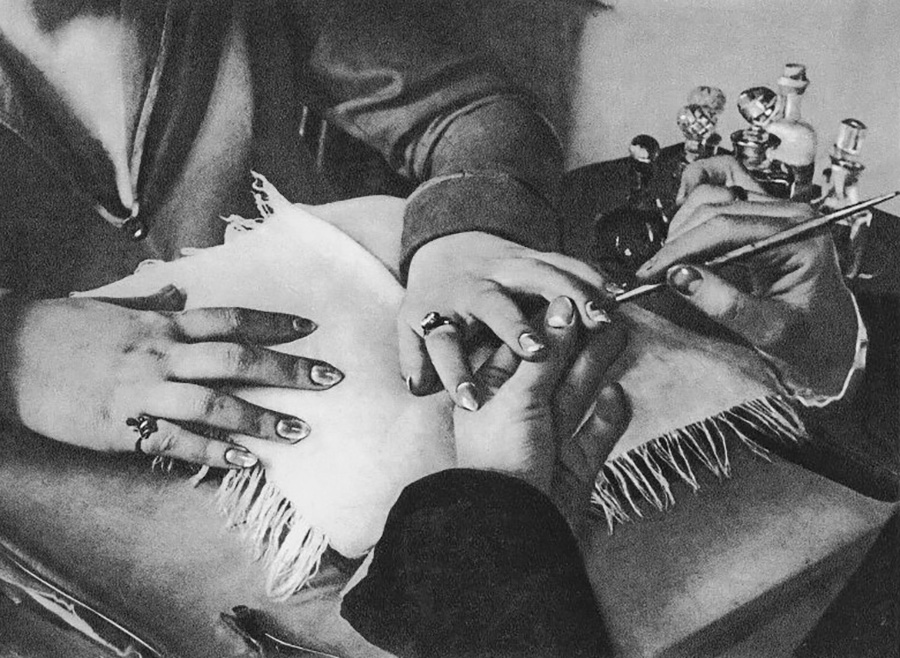
The early 1920s was also the time of the NEP, the New Economic Policy, when people were given more entrepreneurial freedom.
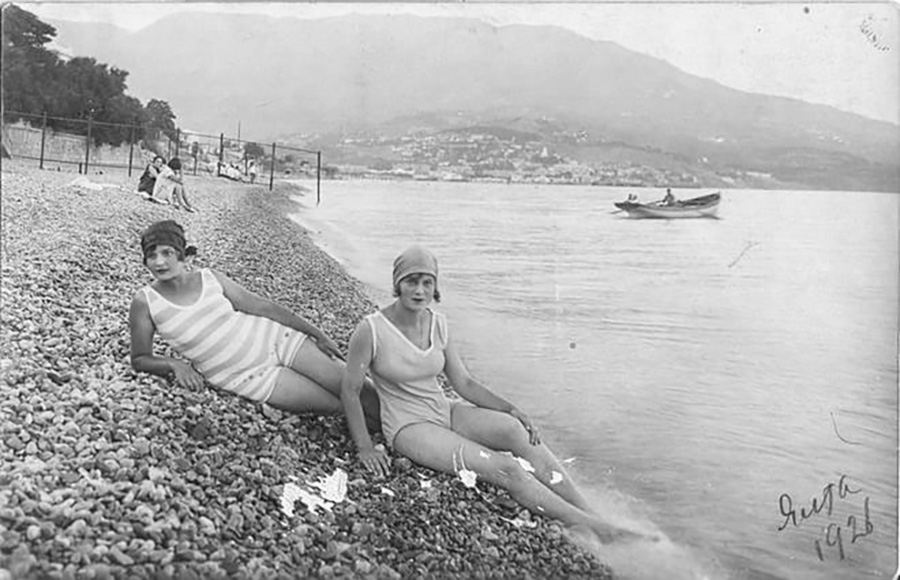
So, the USSR also had echoes of the ‘Roaring Twenties’ in style and lifestyle.
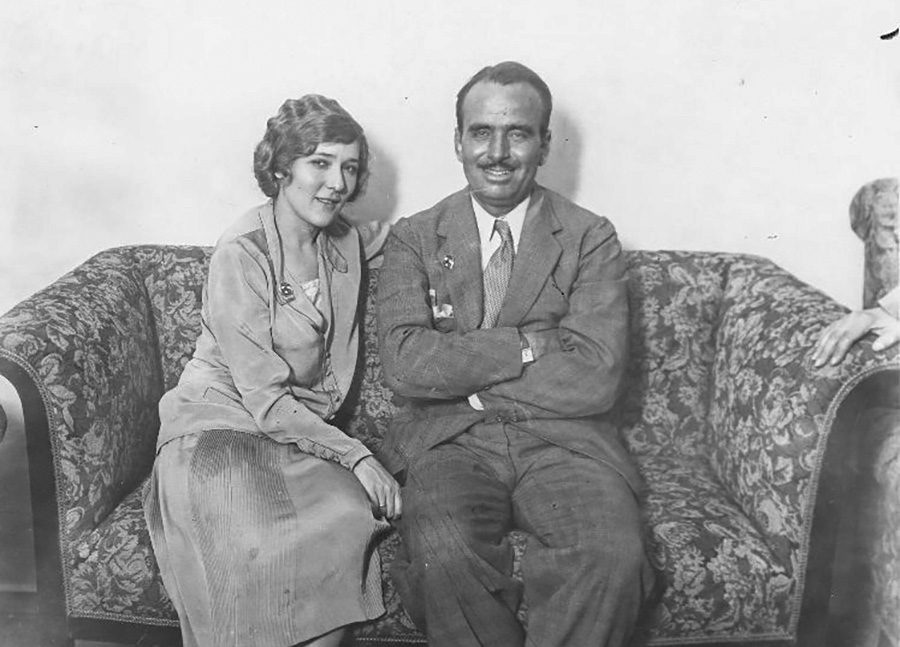
Curious foreigners willingly began to visit the new land of the Soviets. For example, Charlie Chaplin's colleagues, the stars of American silent cinema, Mary Pickford and Douglas Fairbanks.
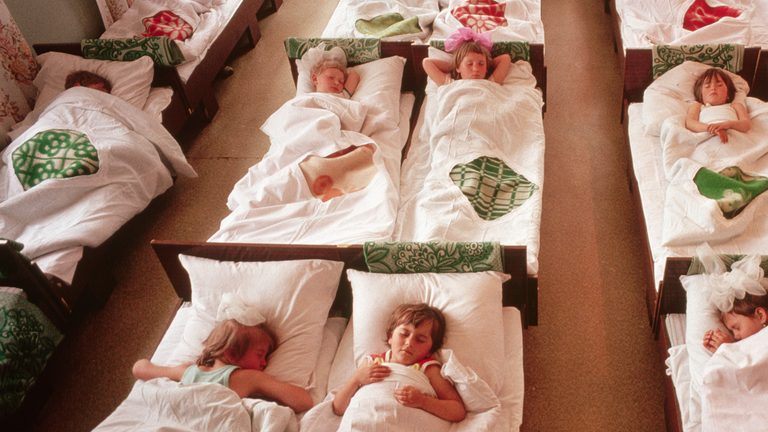
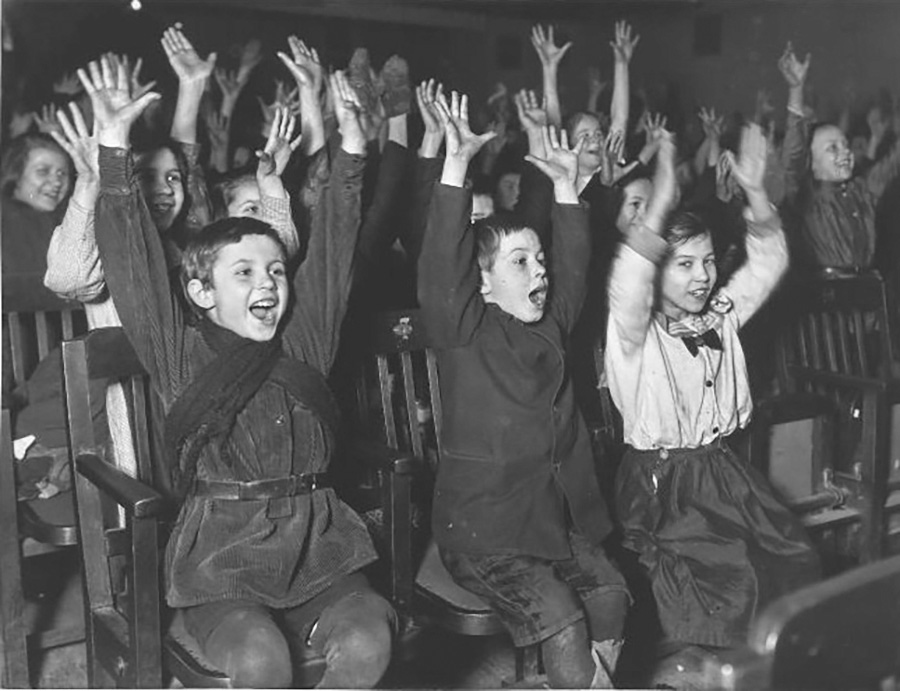
The Bolsheviks also focused on the upbringing and education of children. Not only schools and libraries, but also theaters and various hobby groups began to be opened en masse for children. The Soviet government also fought against child homelessness and organized orphanages.
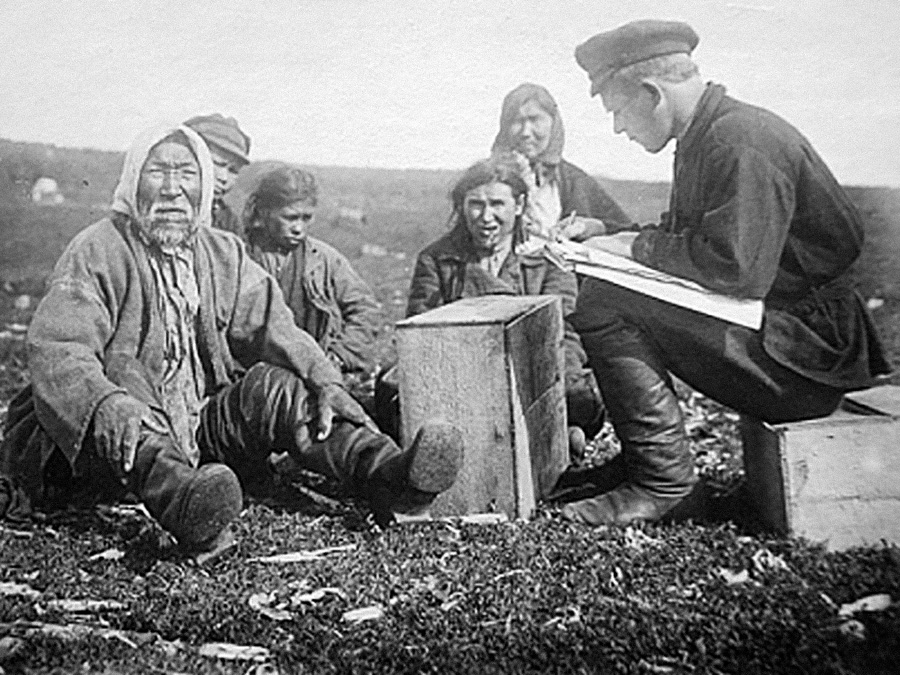
In 1926, the first All-Union population census was conducted in the USSR. According to reports, a total of 147 million people lived in the country.