
What Russia was like in 1916 (PHOTOS)

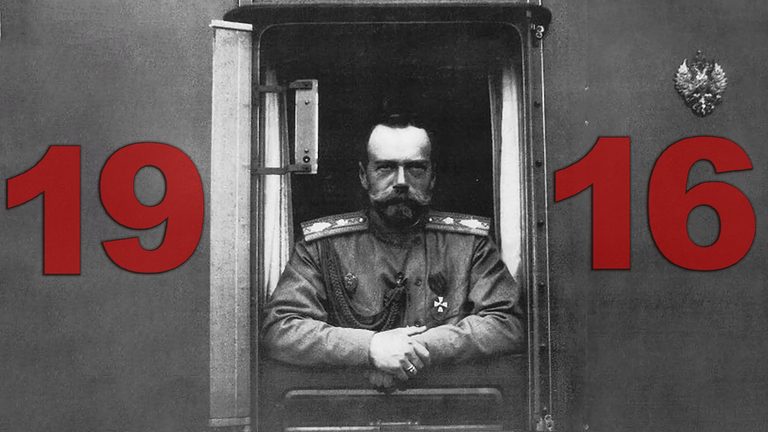
World War I, the murder of Grigori Rasputin and everyday life in Petrograd (now St. Petersburg). Check out how the Russian Empire lived and what it looked like in the last year of its existence, exactly 110 years ago.
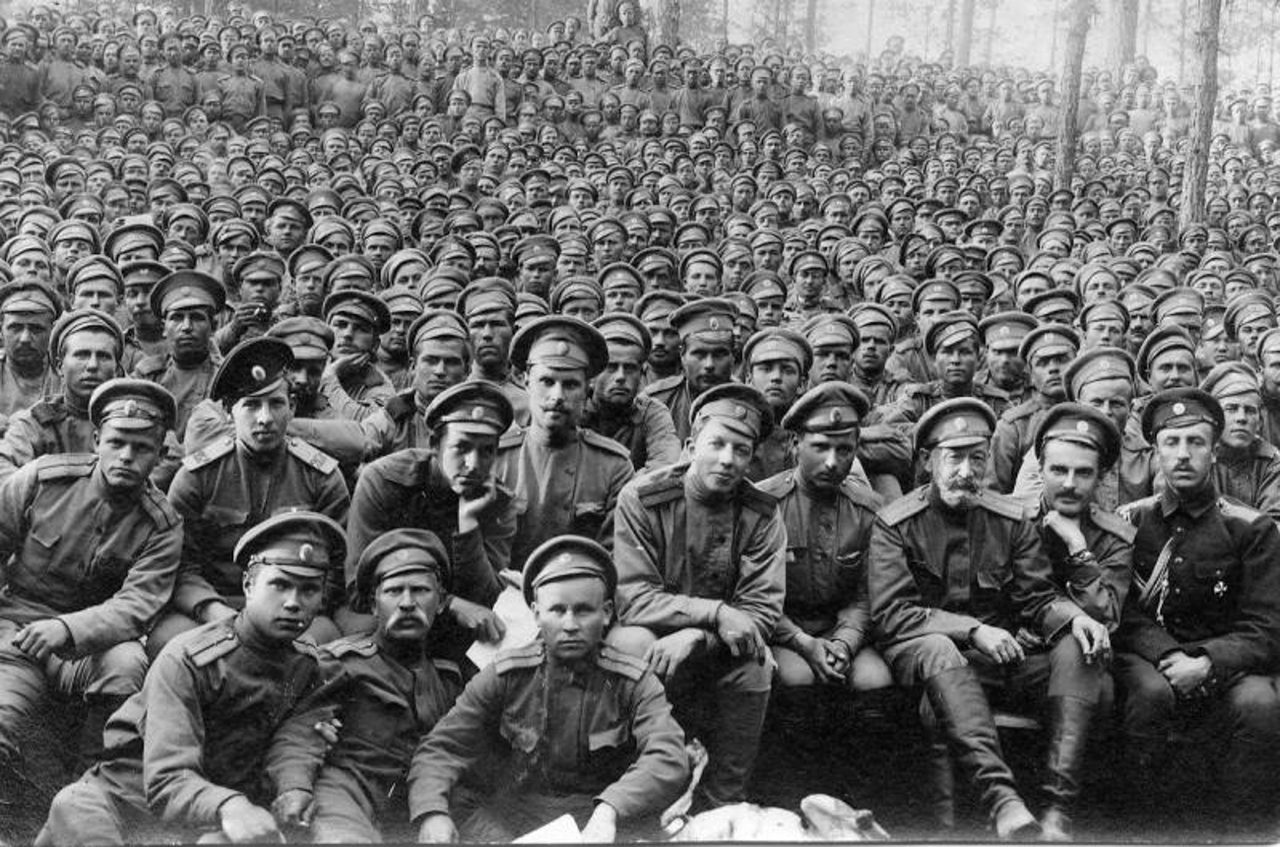
In 1916, World War I was in full swing and Russia was already visibly weary of it.
Gas masks were used in the army for the first time and soldiers willingly posed in them for photographers.
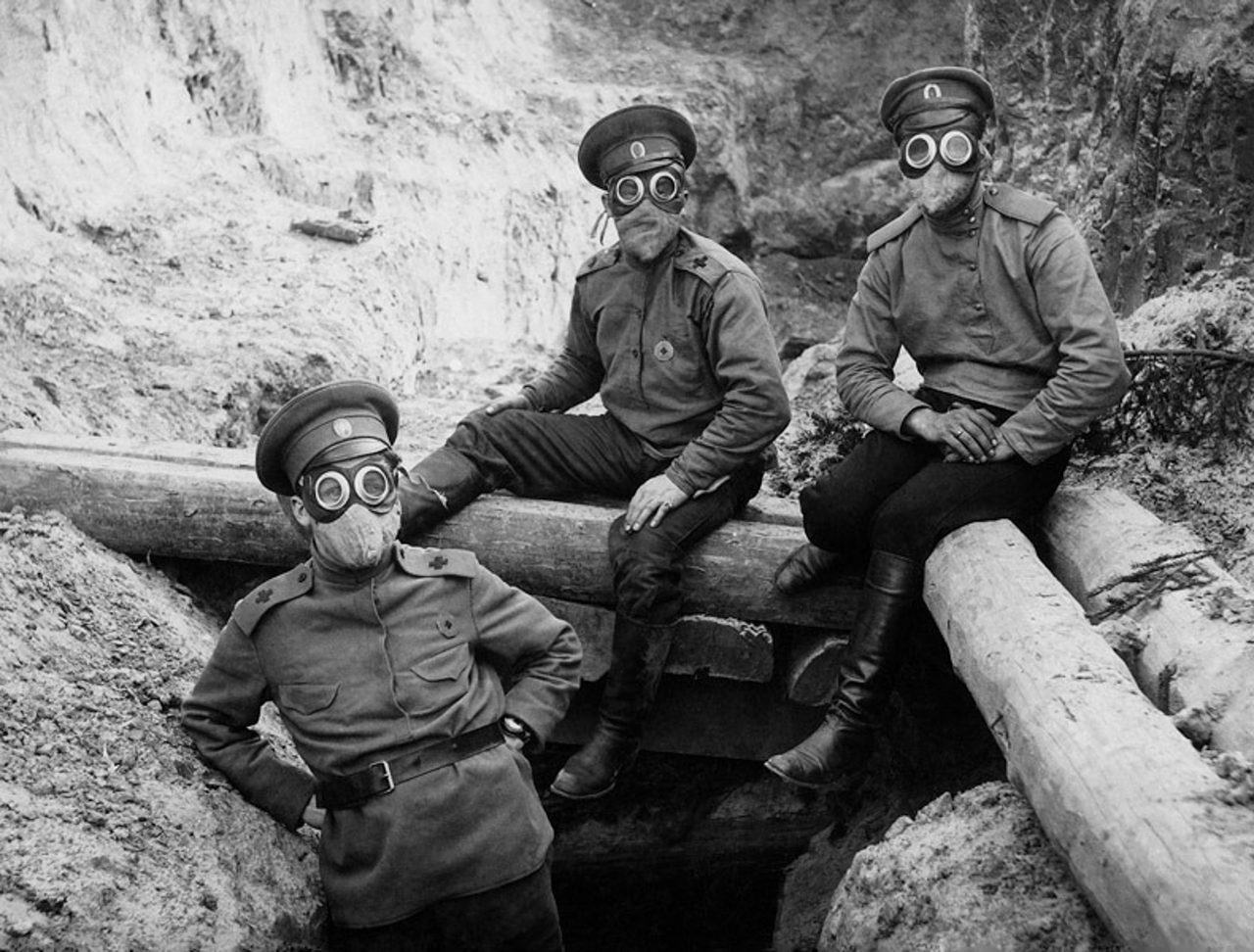
Photo chronicles captured in detail the daily trench life of soldiers.
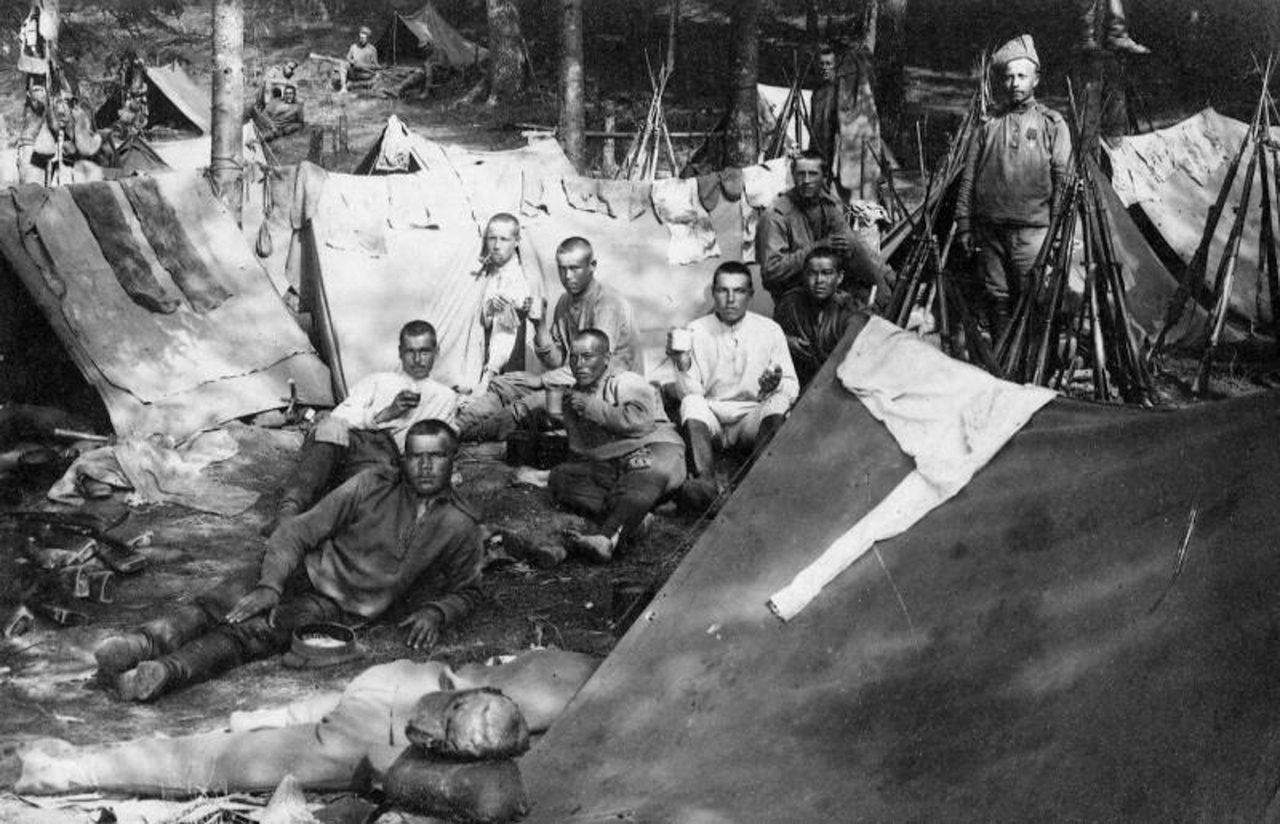
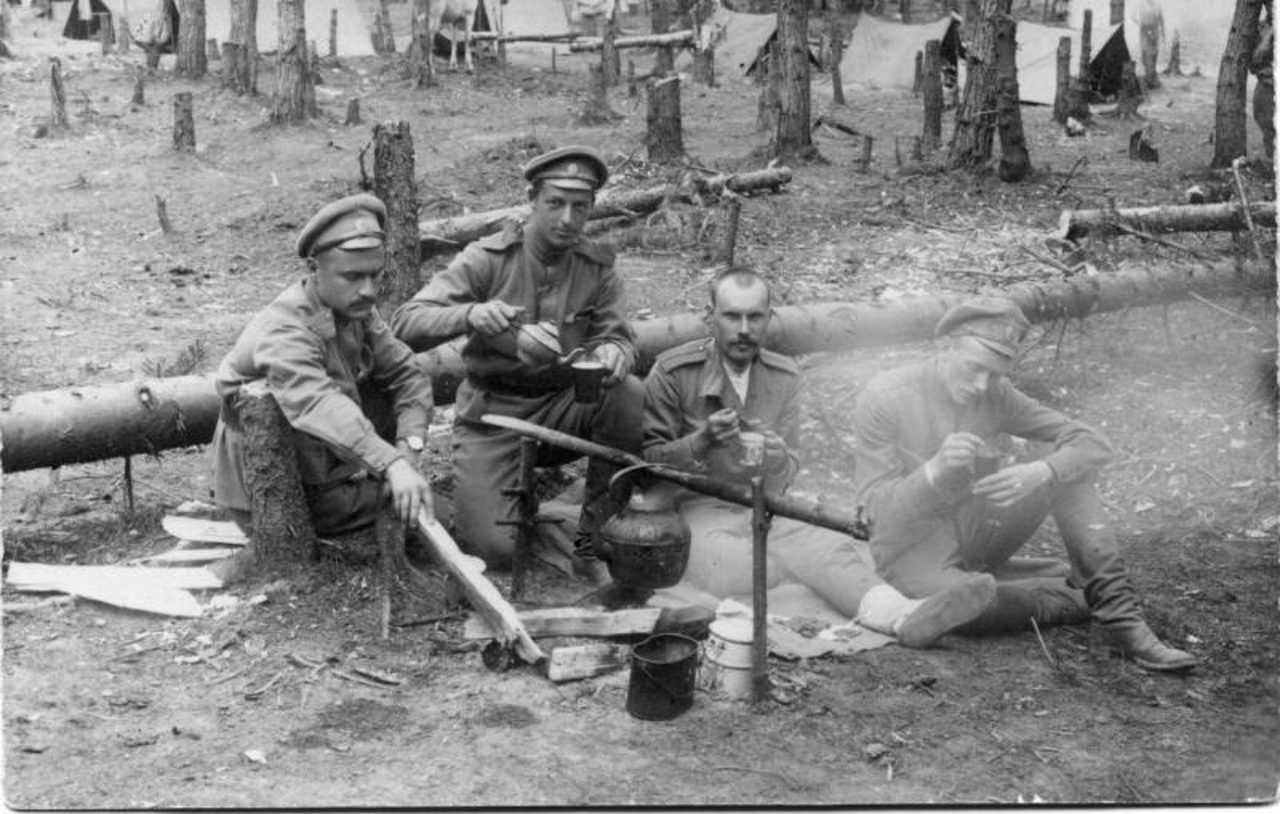
Peaceful moments at a camp.
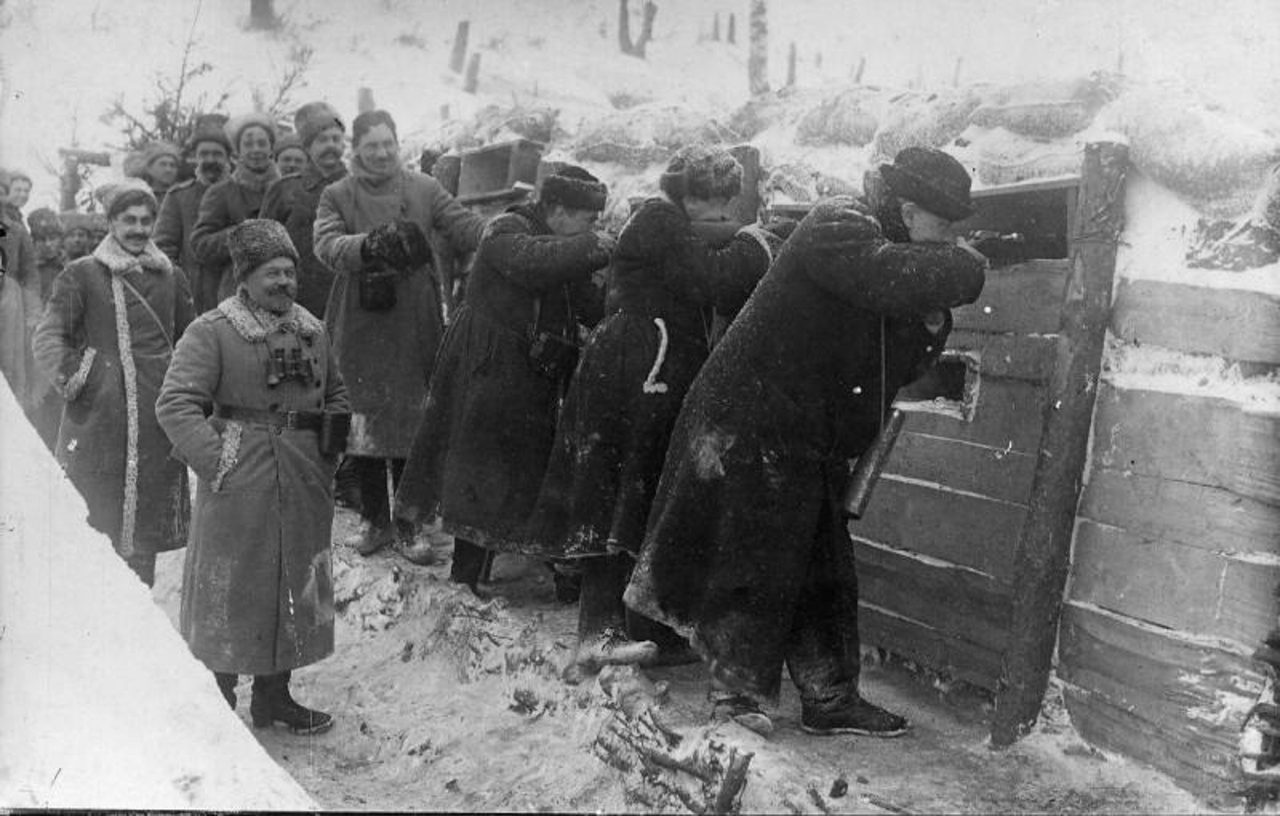
And combat moments in the trenches.
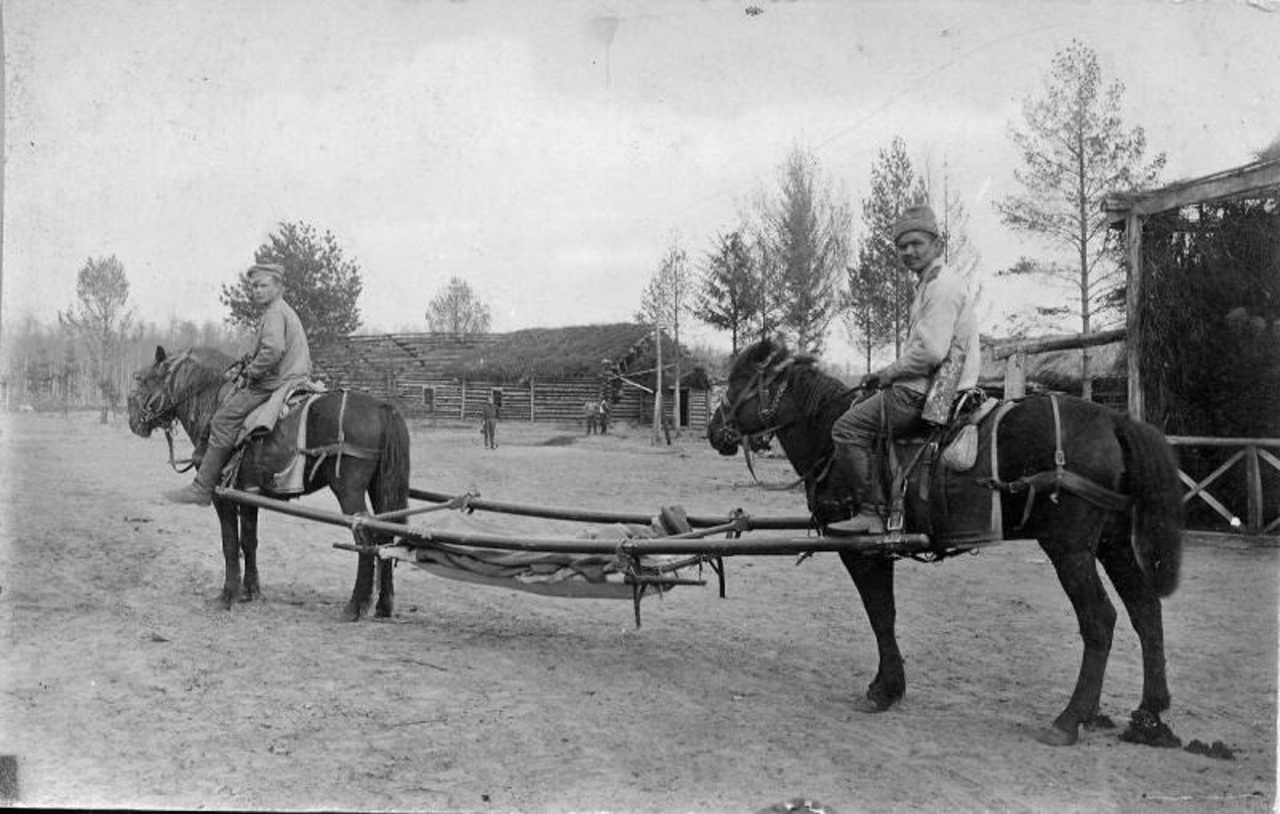
Transporting the wounded…
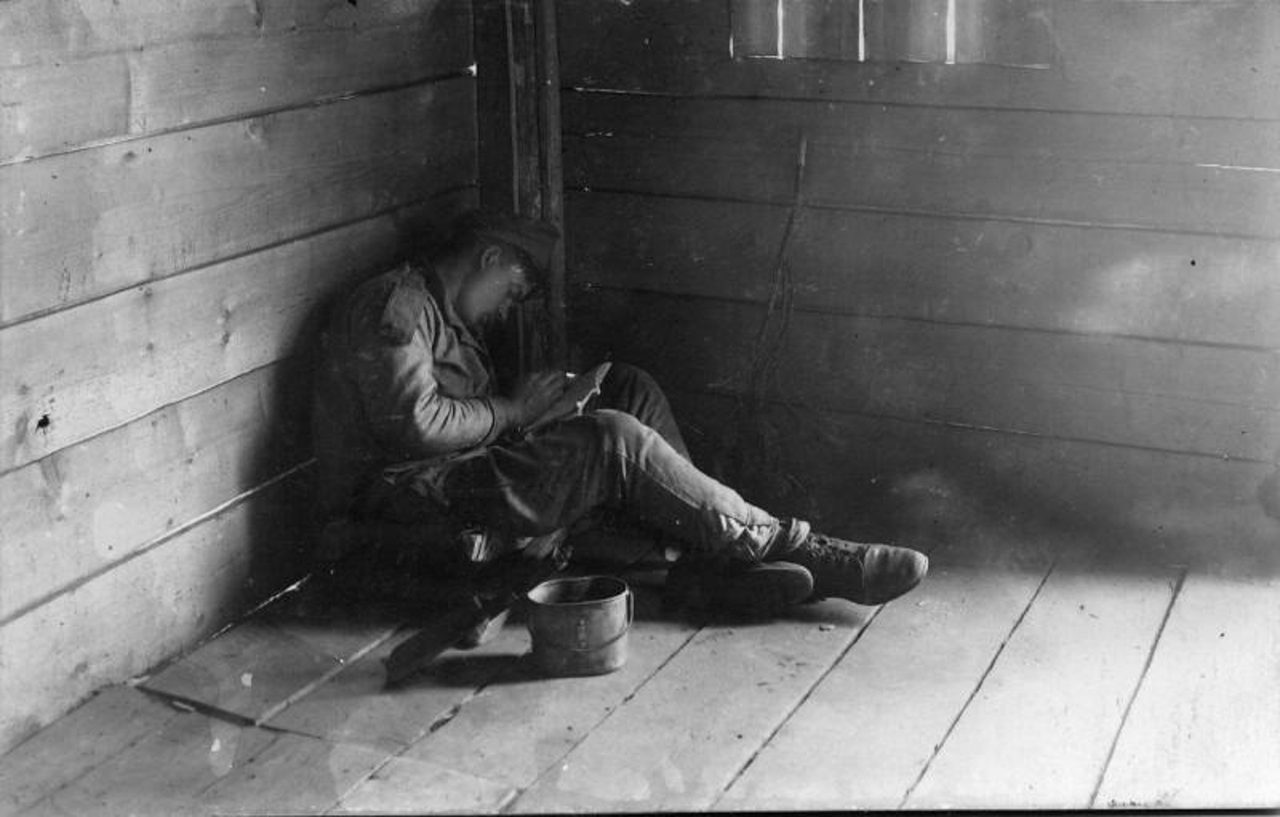
…and writing letters home.
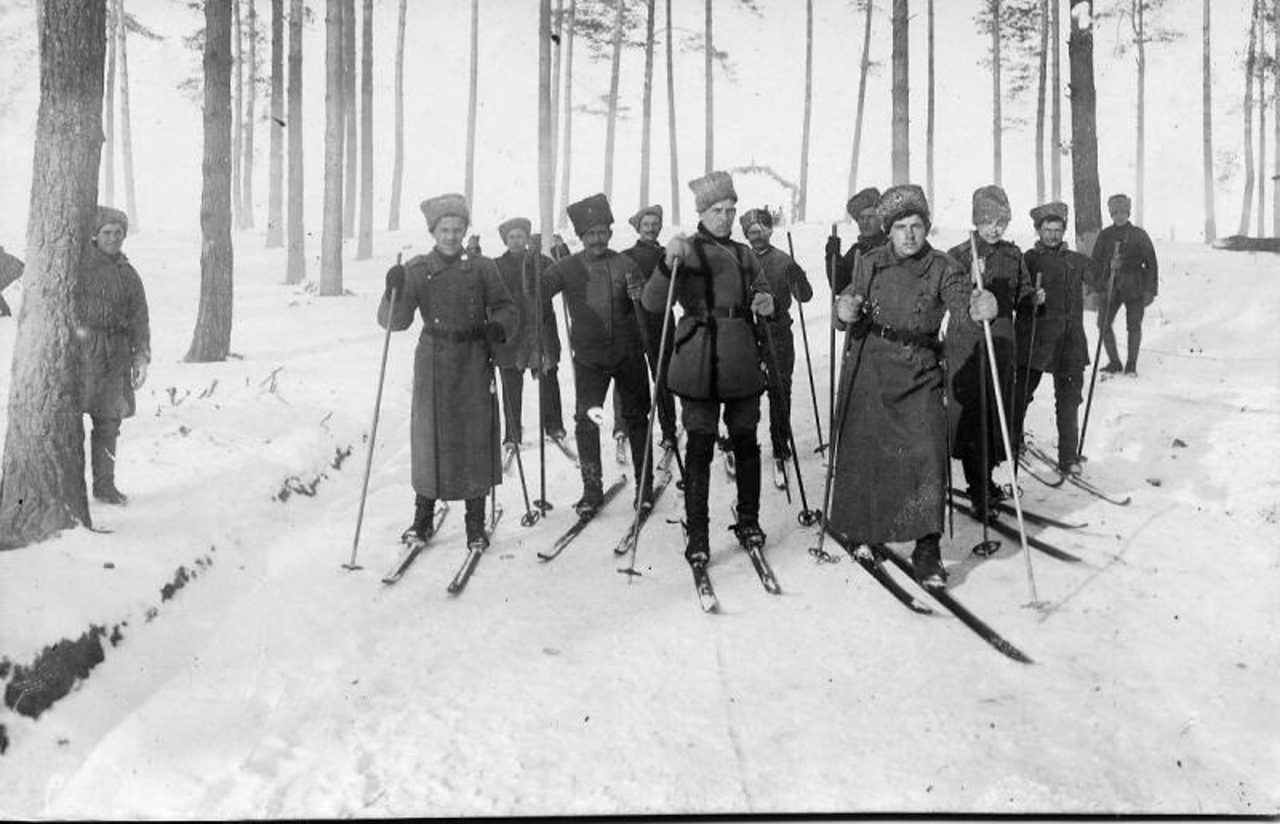
Ski patrols were increasingly popular.
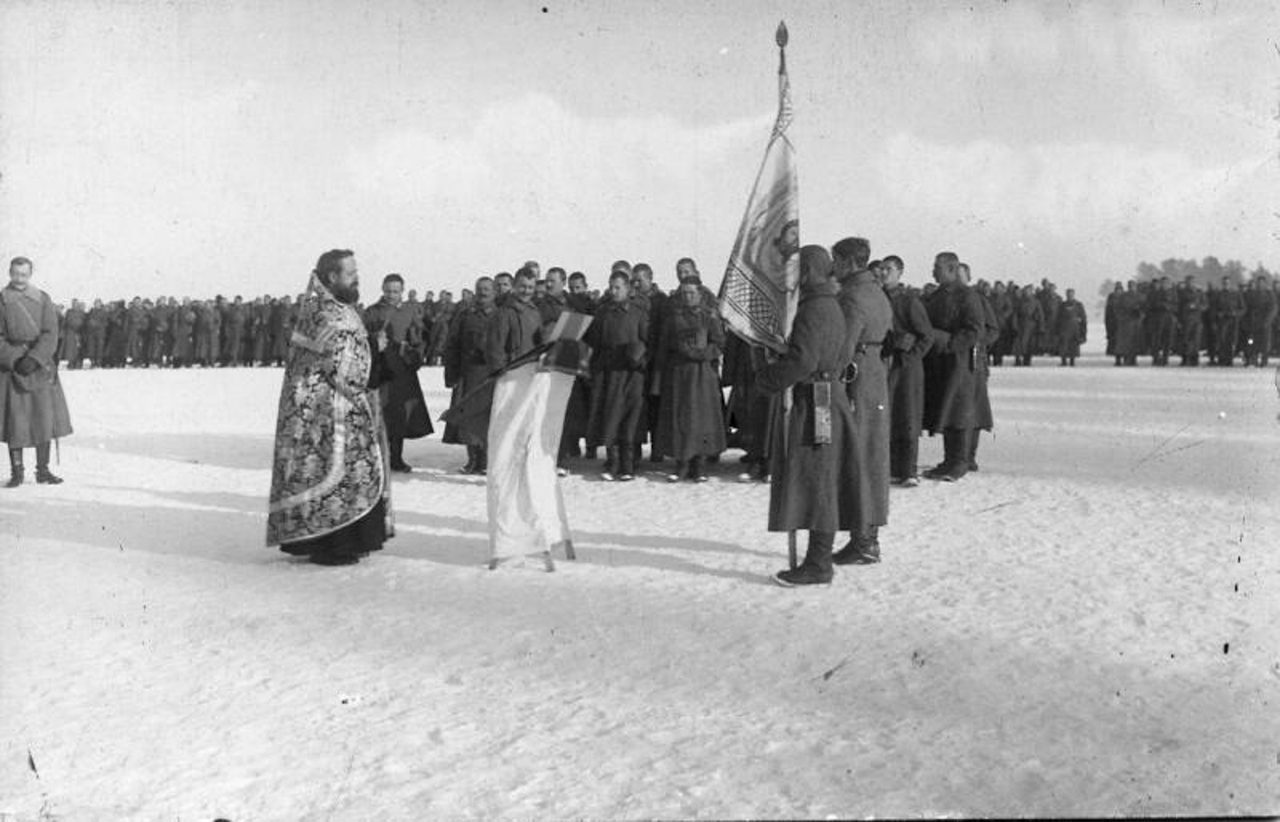
Priests were present right at army positions on the front line, conducting prayer services for soldiers.
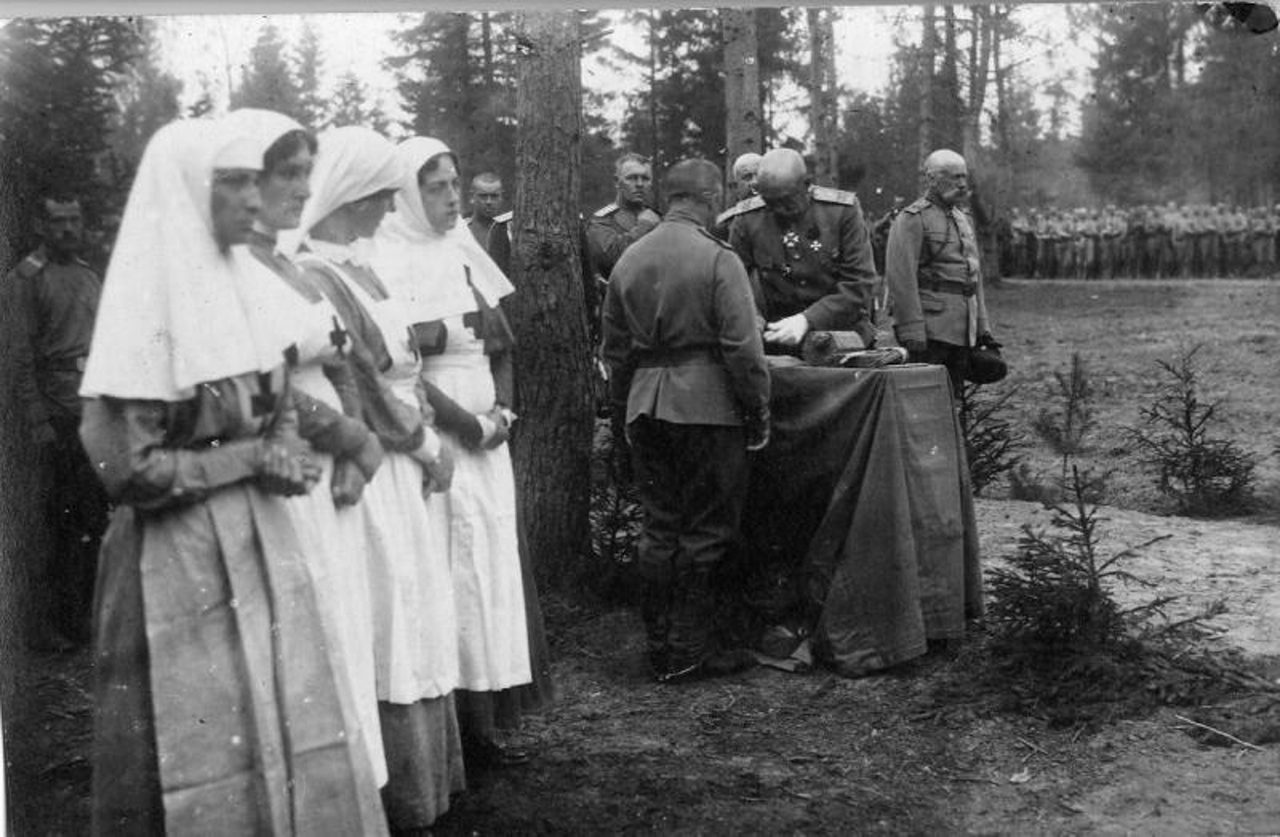
For the first time, there were many nurses, who had been trained en masse in first aid and care for the wounded.
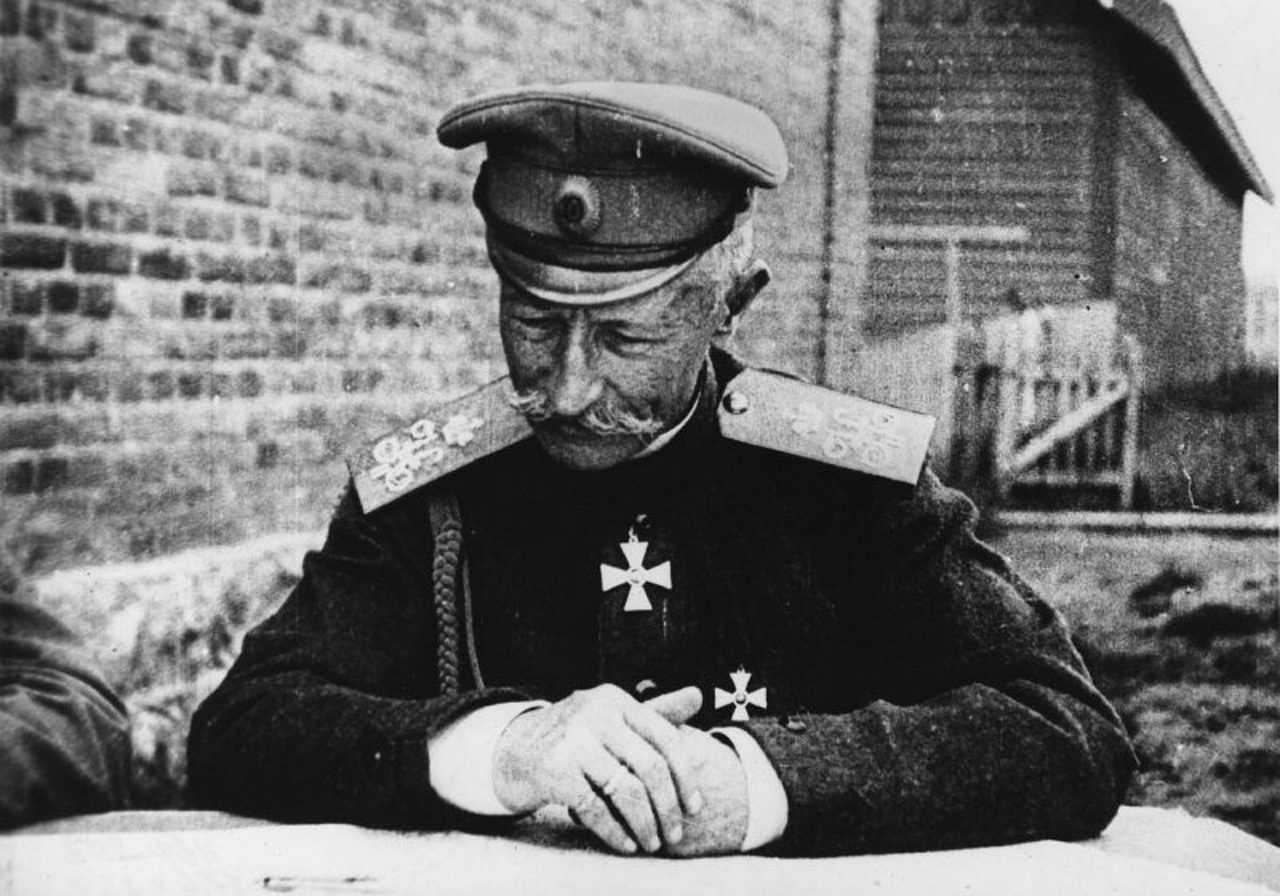
A major success was the ‘Brusilov Offensive’, during which the Russian army defeated Austria-Hungary. It was named after General Alexei Brusilov (pictured below), the commander of the troops.
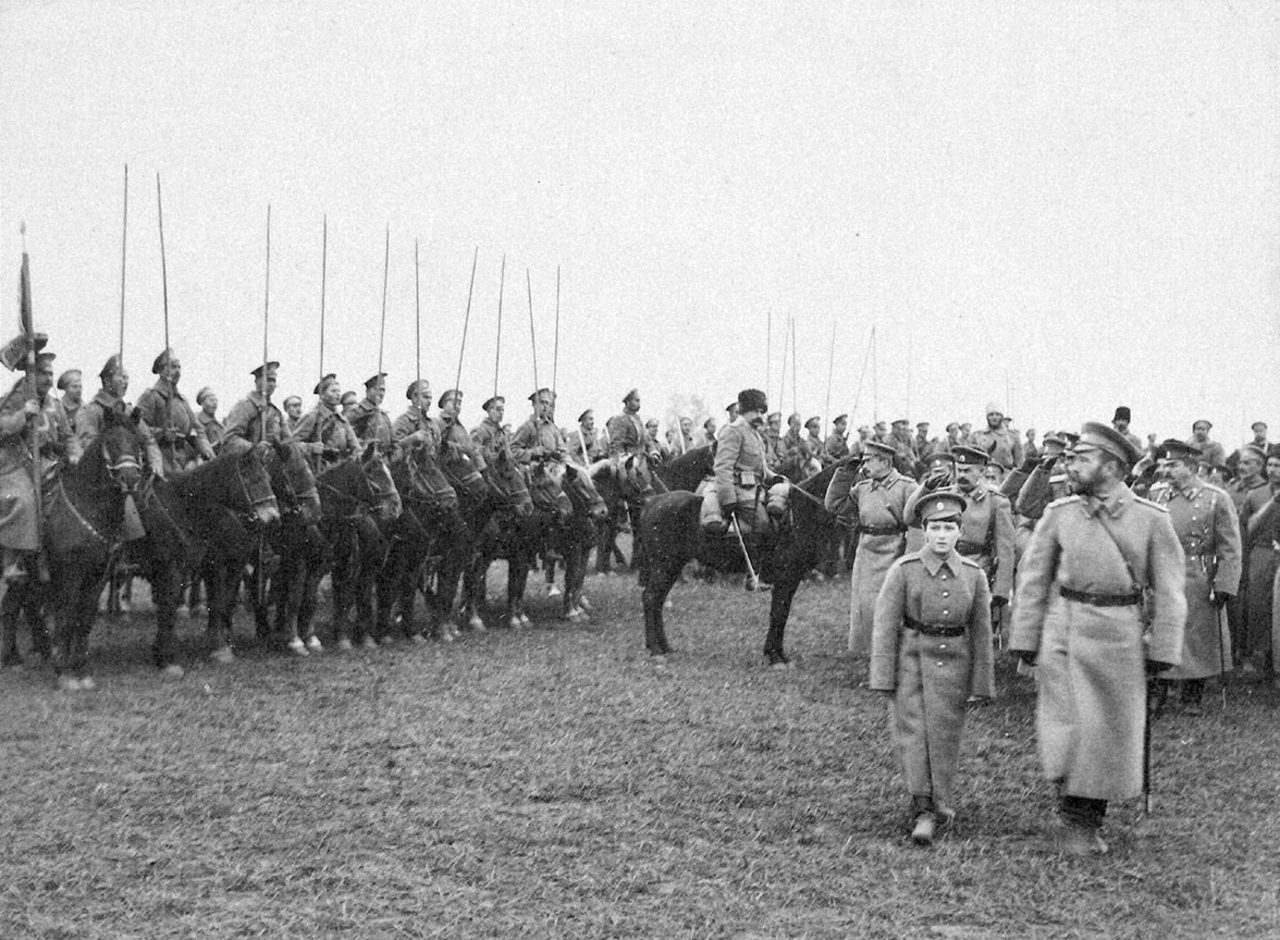
Emperor Nicholas II, along with the heir, Tsarevich Alexei, also personally visited the front line troops on multiple occasions.
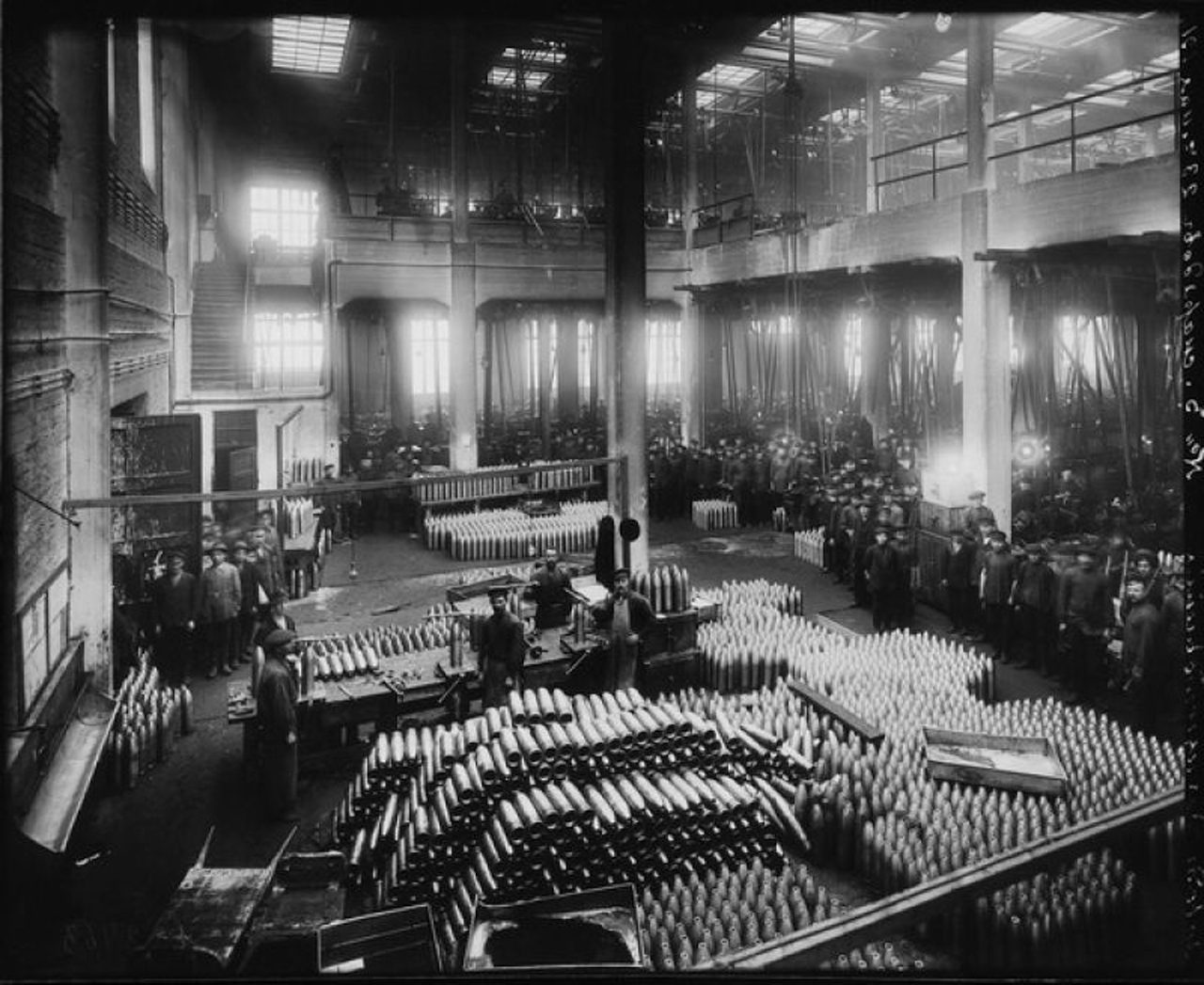
Funds for army needs were regularly collected across the entire country. The photo below shows a workshop manufacturing shells and military supplies.
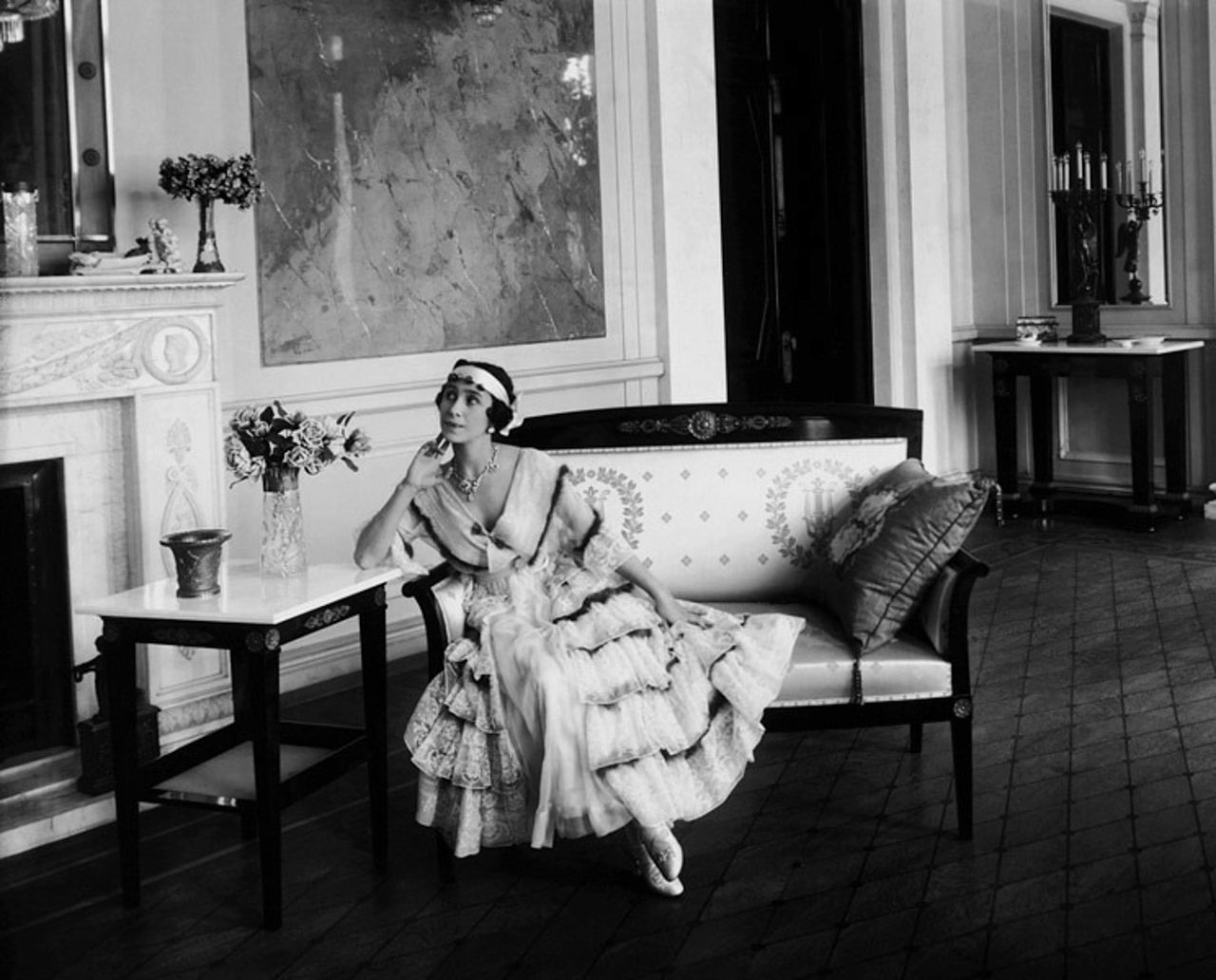
Meanwhile, bohemian life continued in the capital. Ballerina Matilda Kshesinskaya would host lavish receptions in her mansion.
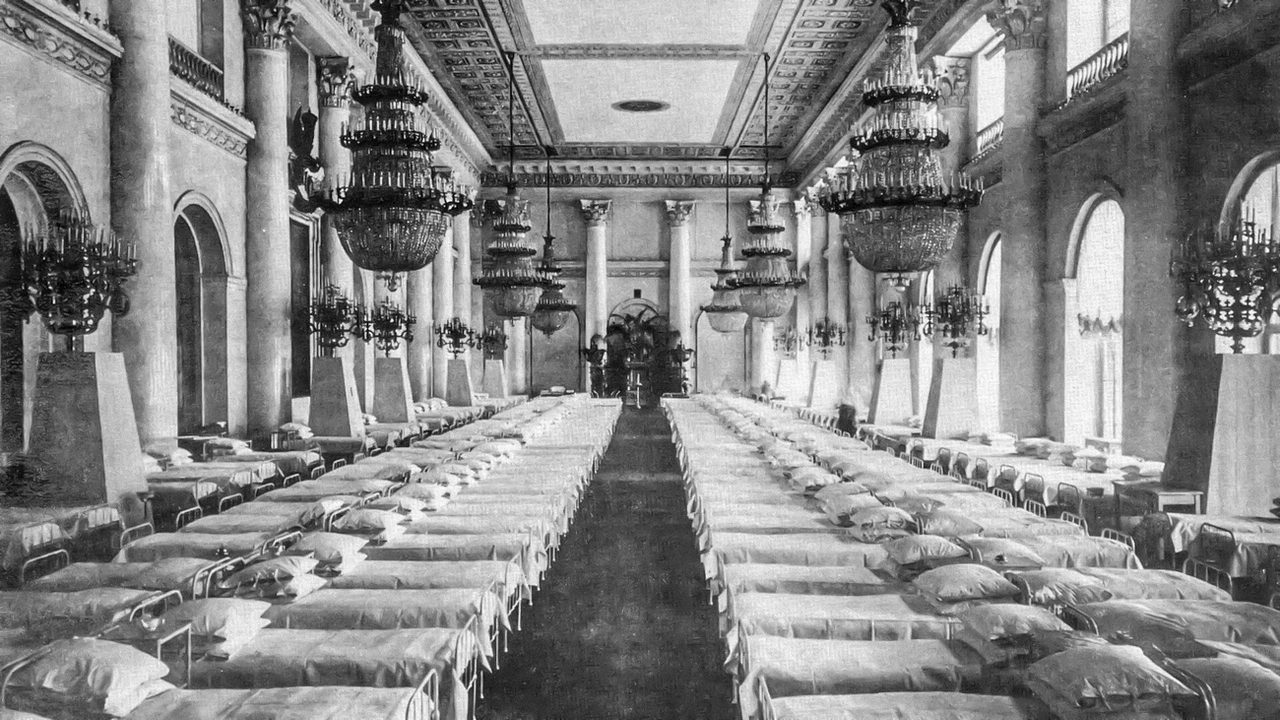
At the same time, during World War I, the imperial Winter Palace housed an infirmary for wounded officers.
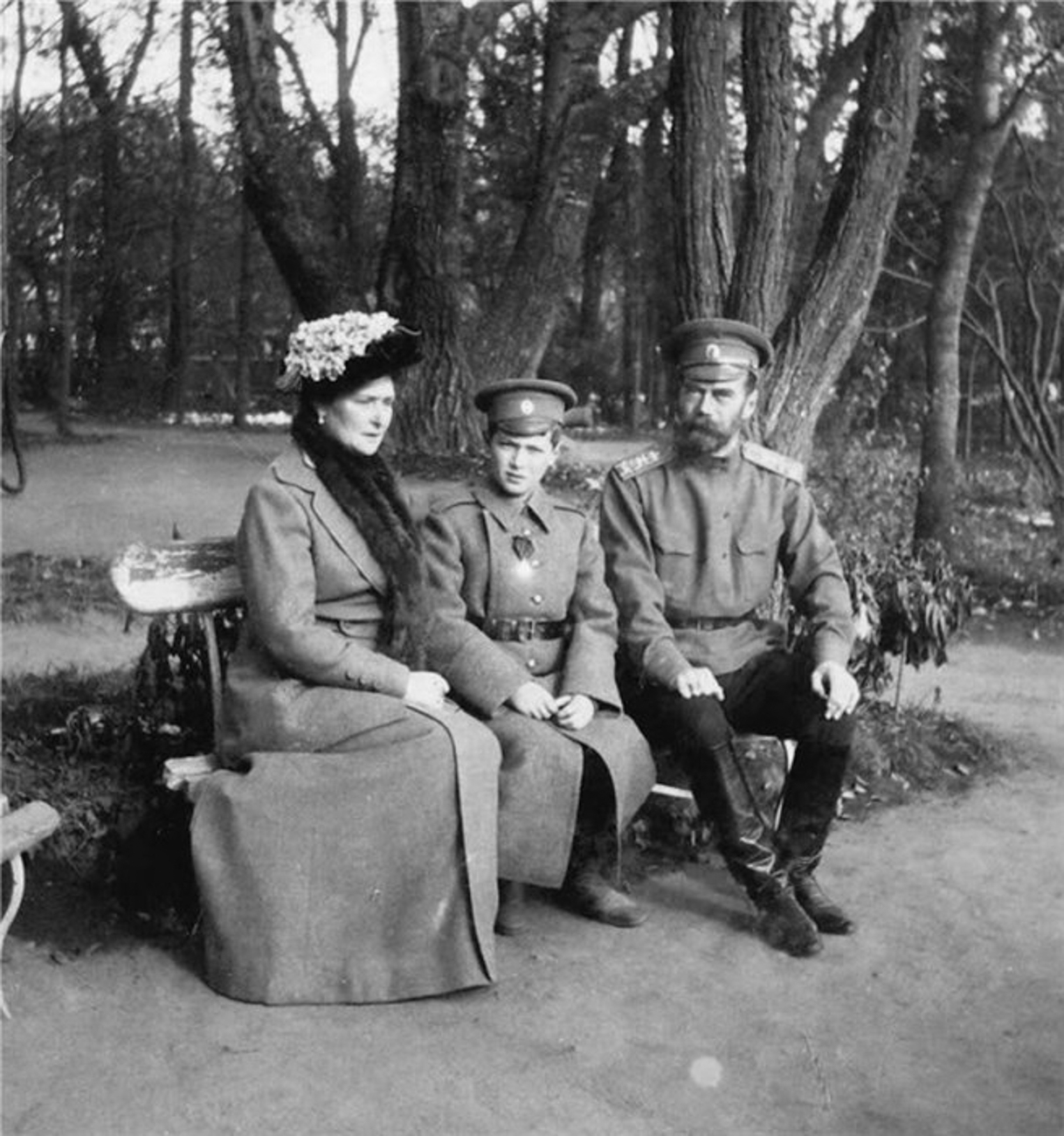
The royal family itself lived in the suburban residence of Tsarskoye Selo.
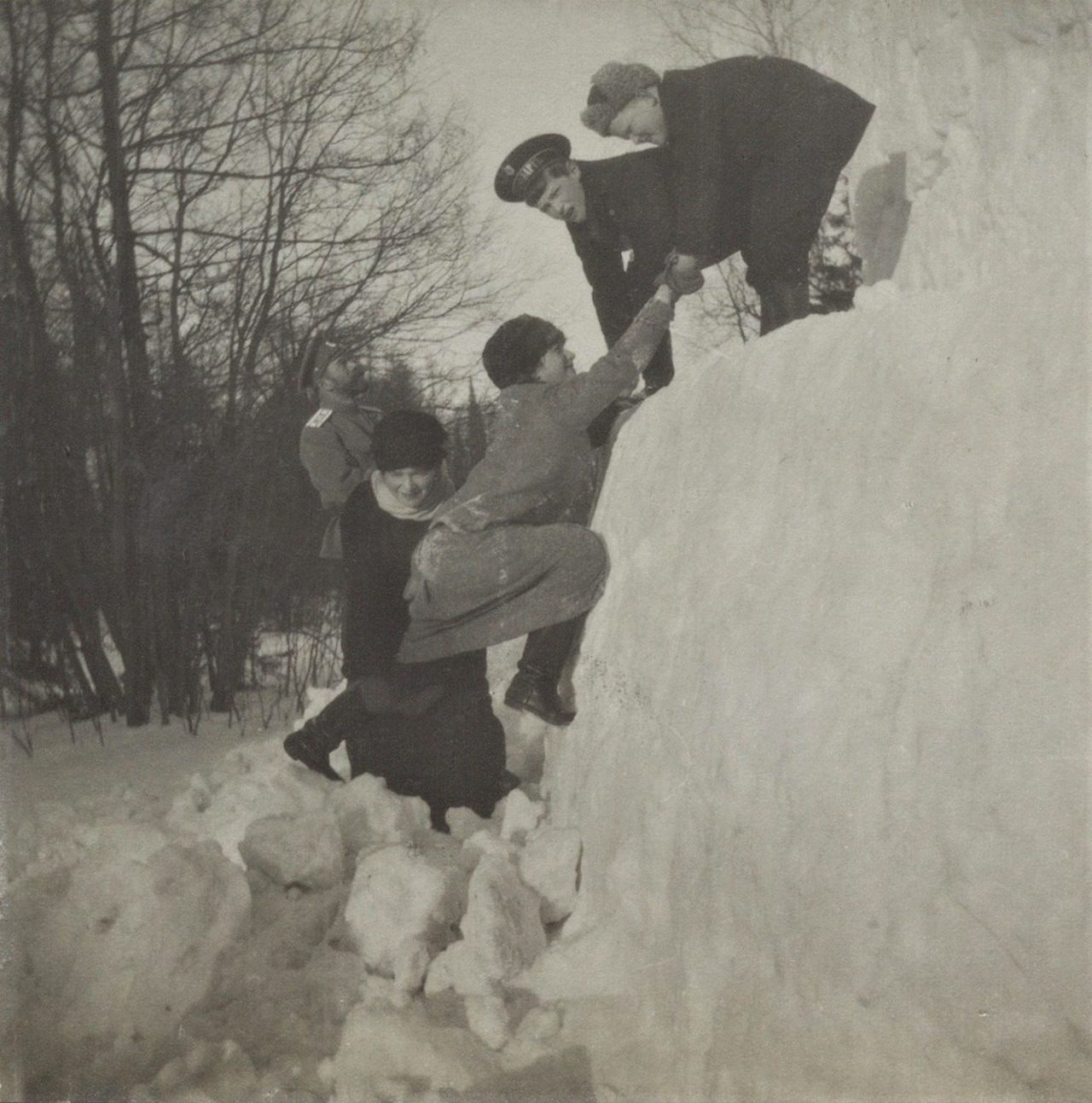
The photo below shows Nicholas II and his children enjoying winter pastimes.
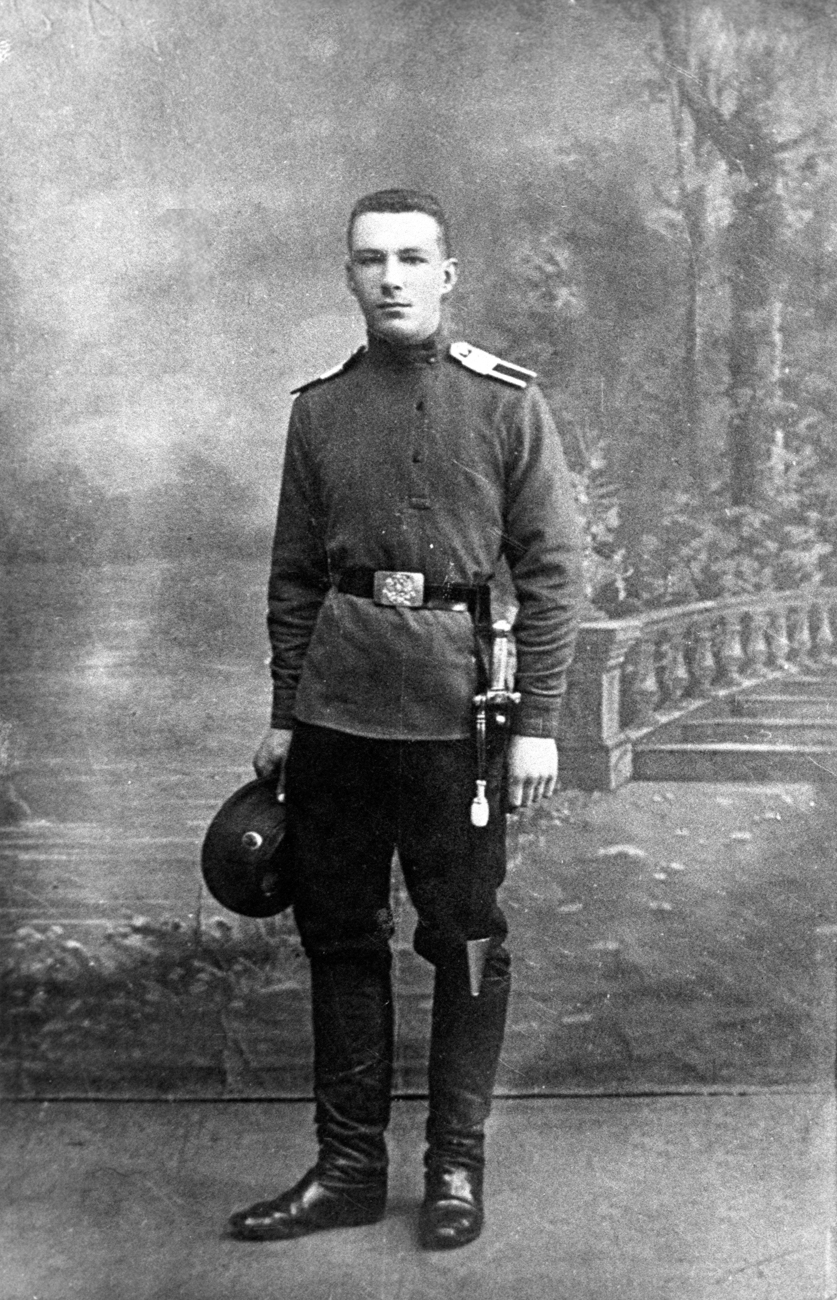
Tsarskoye Selo had its own radio station and one of its employees was Lev Termen, future inventor of the theremin, a unique musical instrument. Earlier that year, Termen had graduated from electrical engineering courses in Petrograd.
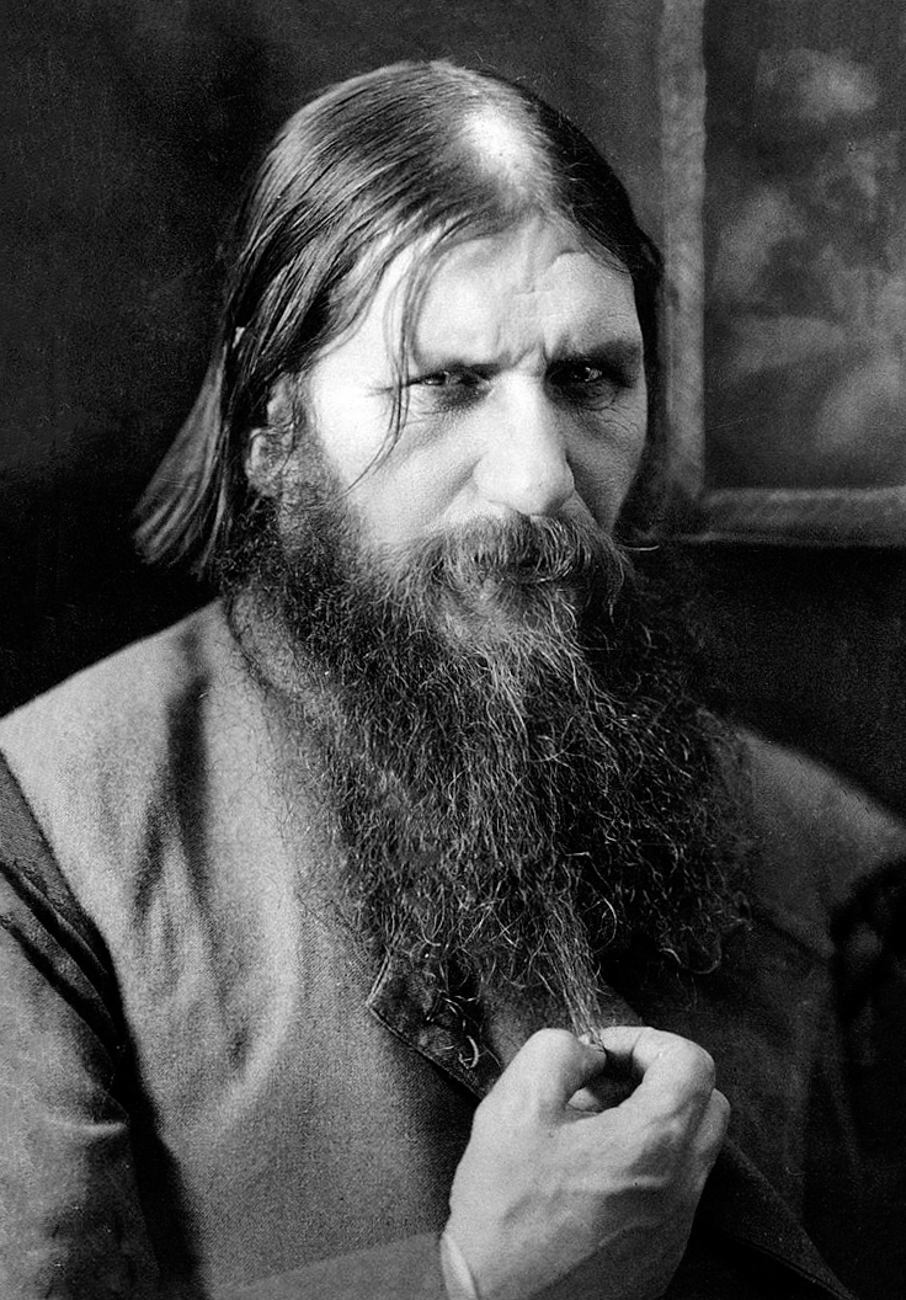
At the end of the year, a sensational event occurred: the tsar’s “friend” Grigori Rasputin was murdered in Petrograd. This event is also believed to have hastened the revolution.
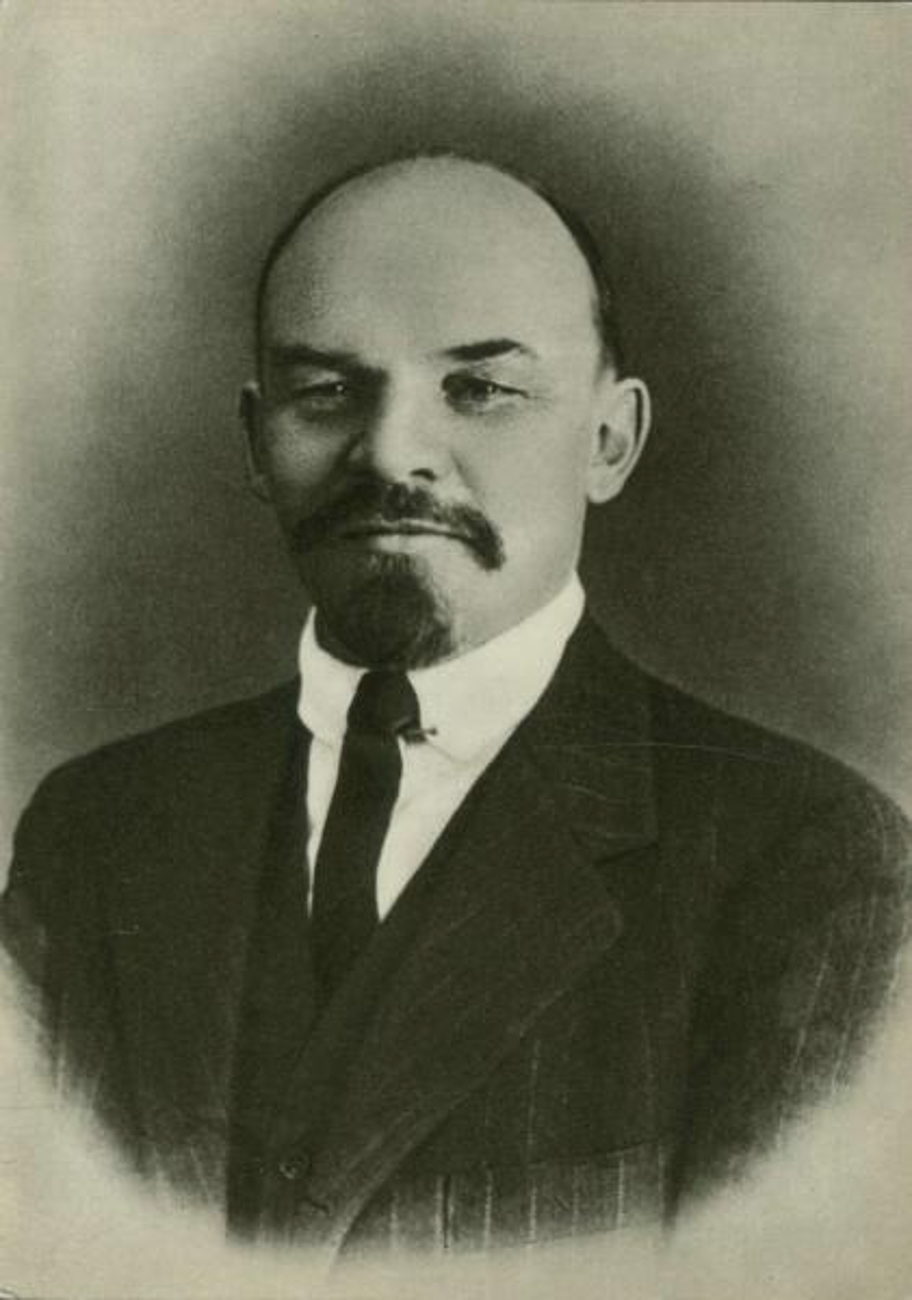
At that time, Vladimir Lenin, the future leader of the revolution, was living in Europe and actively agitating for the defeat of the Russian Empire in World War I.
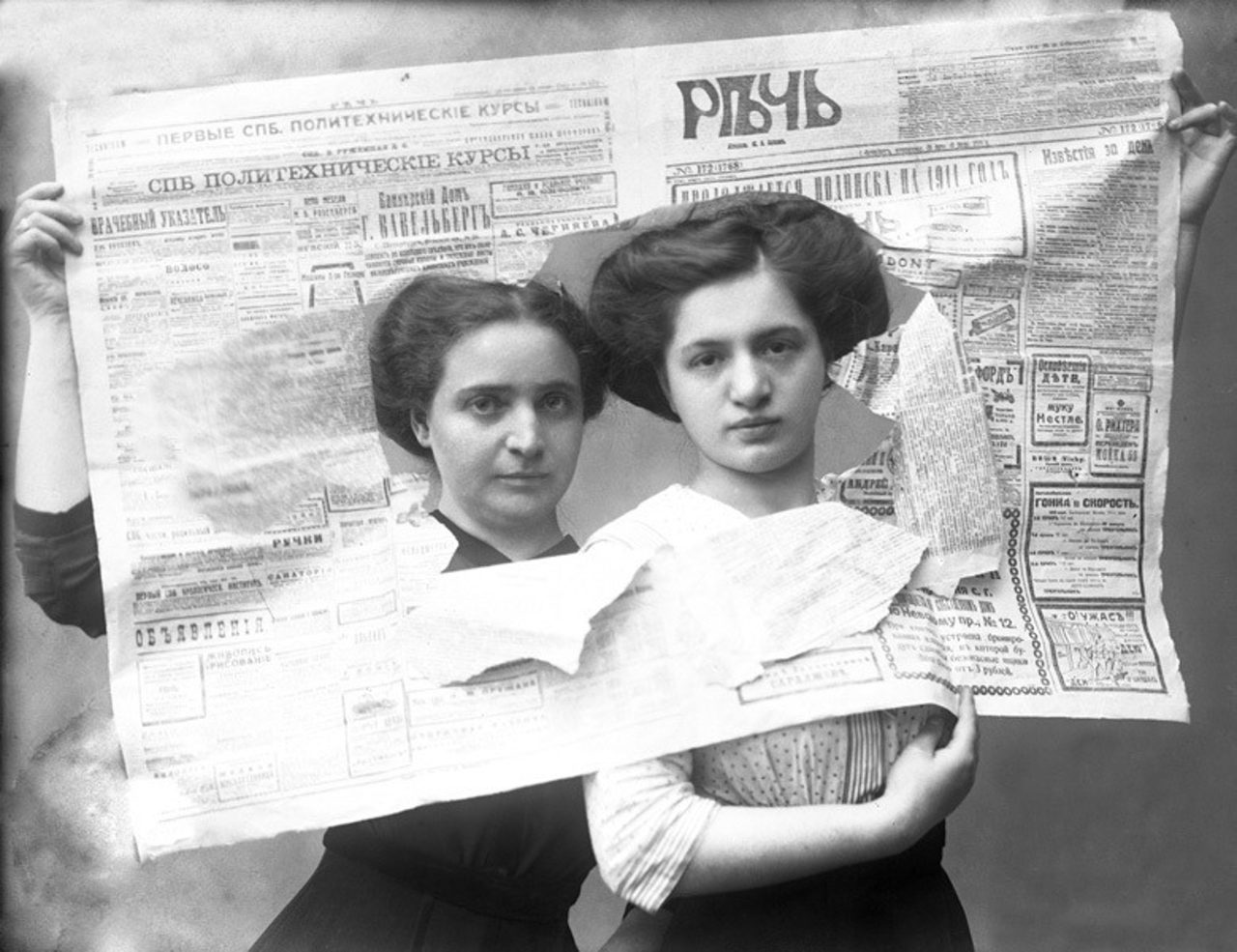
The year 1916 was the last year of the Russian Empire’s existence. In early 1917, the country would be swept by revolution, during which even the old orthography would be reformed. This whimsical portrait of two girls shows the pre-revolutionary spelling of the newspaper ‘Речь’ (‘Rech’; ‘Speech’ in English) – ‘Рѣчь’.