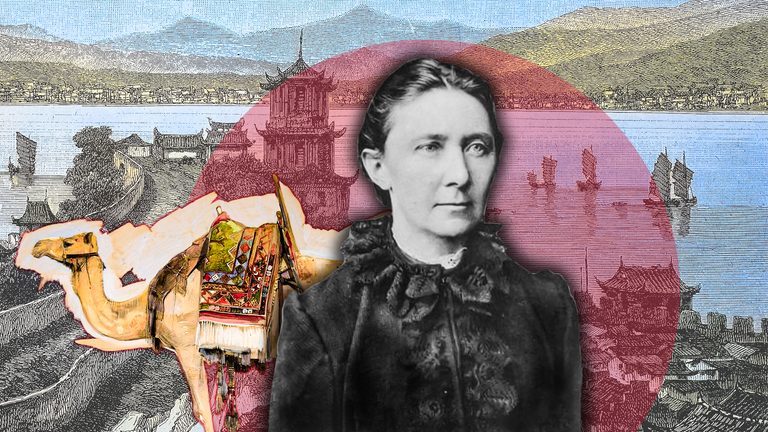

How an English Courtyard appeared in the heart of… Medieval Moscow
The English ended up in Moscow by accident – they were searching for China, but found Ivan the Terrible. But, instead of imprisoning them, the tsar gave the uninvited guests luxurious chambers in the very center of the capital.
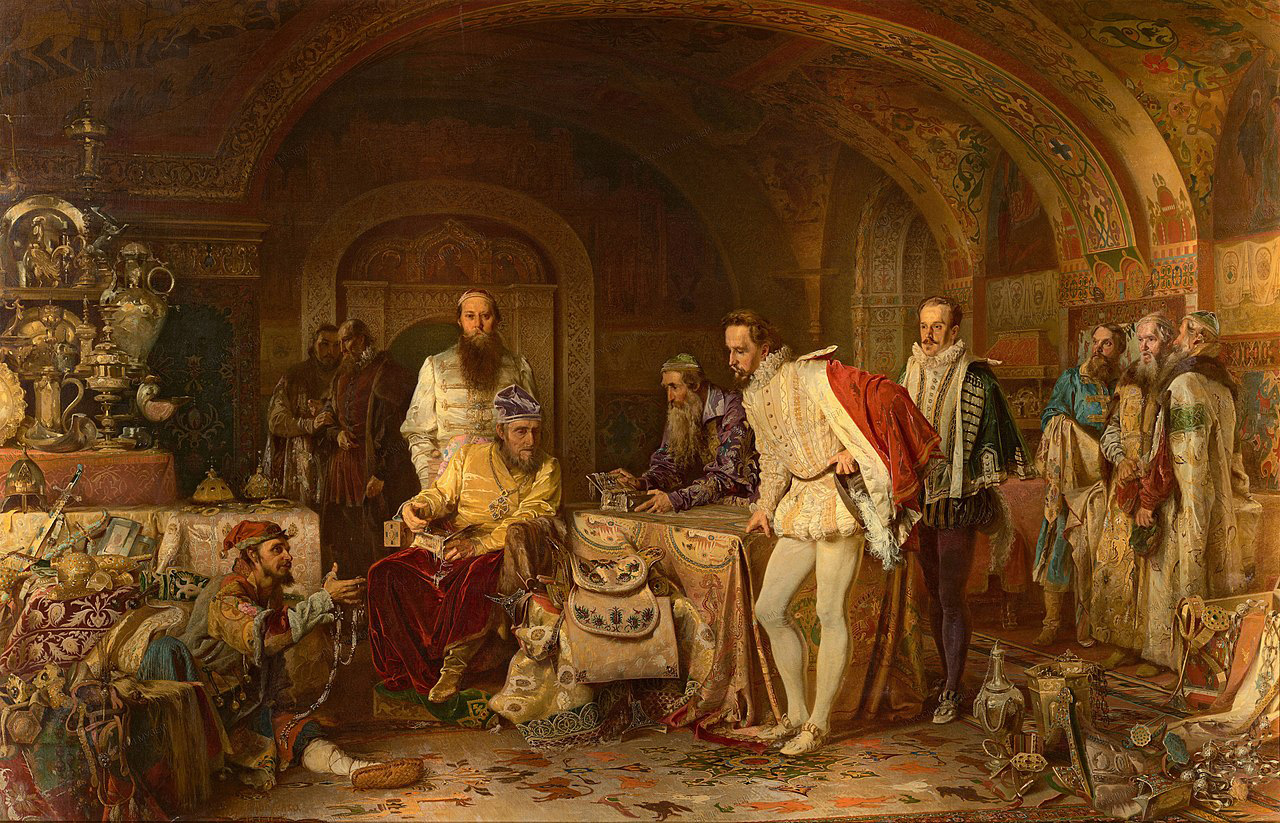 Ivan IV of Russia ("Ivan the Terrible") demonstrates his treasures to the ambassador of Queen Elizabeth I of England.
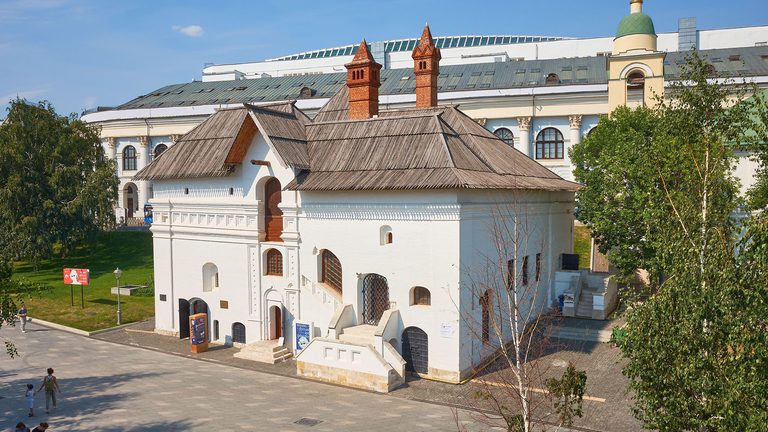
One of the oldest buildings in Moscow is the English Courtyard chambers on Varvarka Street. This was the first official representative office of a foreign power in Moscow, simultaneously functioning as an embassy and a trading company.
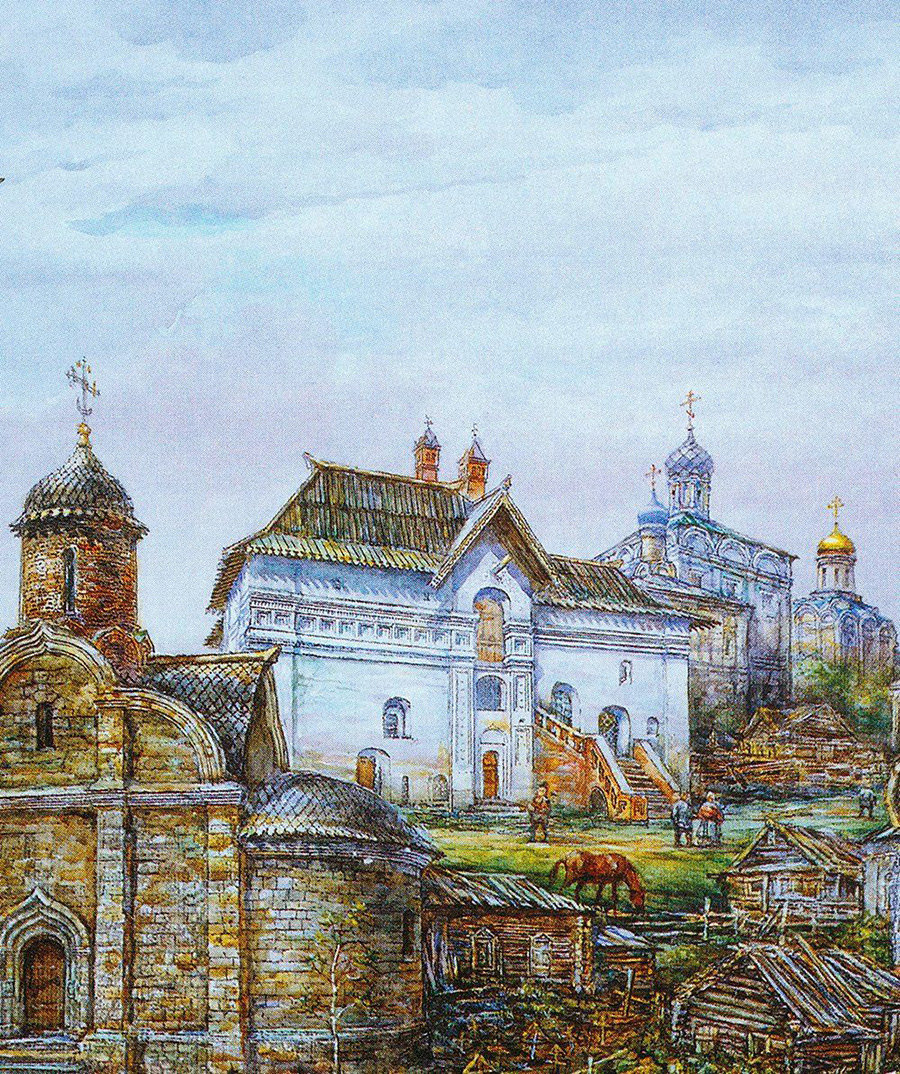
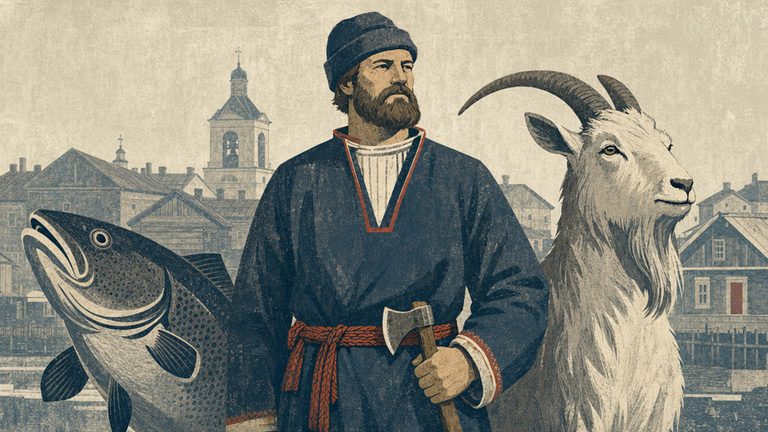
The story of its origins began with a maritime disaster. In 1553, an English expedition was searching for a northern route to China, but, after rounding Scandinavia, the ships were caught in a freezing storm. Only one ship, commanded by Captain Richard Chancellor, survived. It was washed up at the mouth of the Northern Dvina River. To the surprise of the English, the local inhabitants received them warmly and the captain set off to Moscow for an audience with a then young Ivan the Terrible.
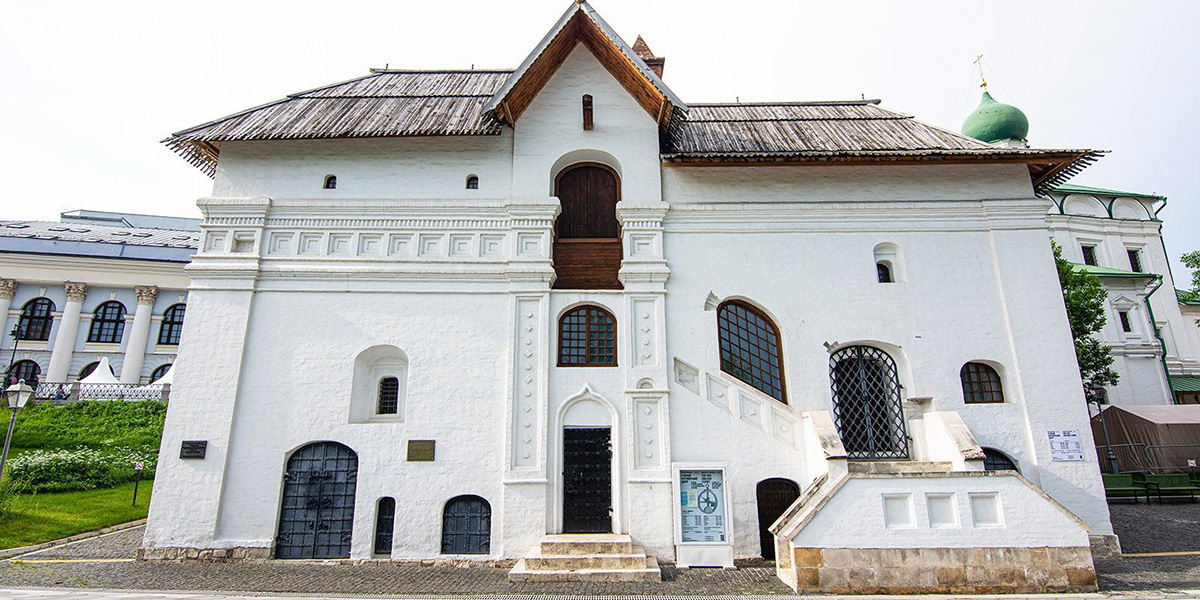
The tsar needed contacts with Europe and granted the English the right to duty-free trade. In England, this offer was gladly accepted, leading to the founding of the ‘Muscovy Trading Company’.
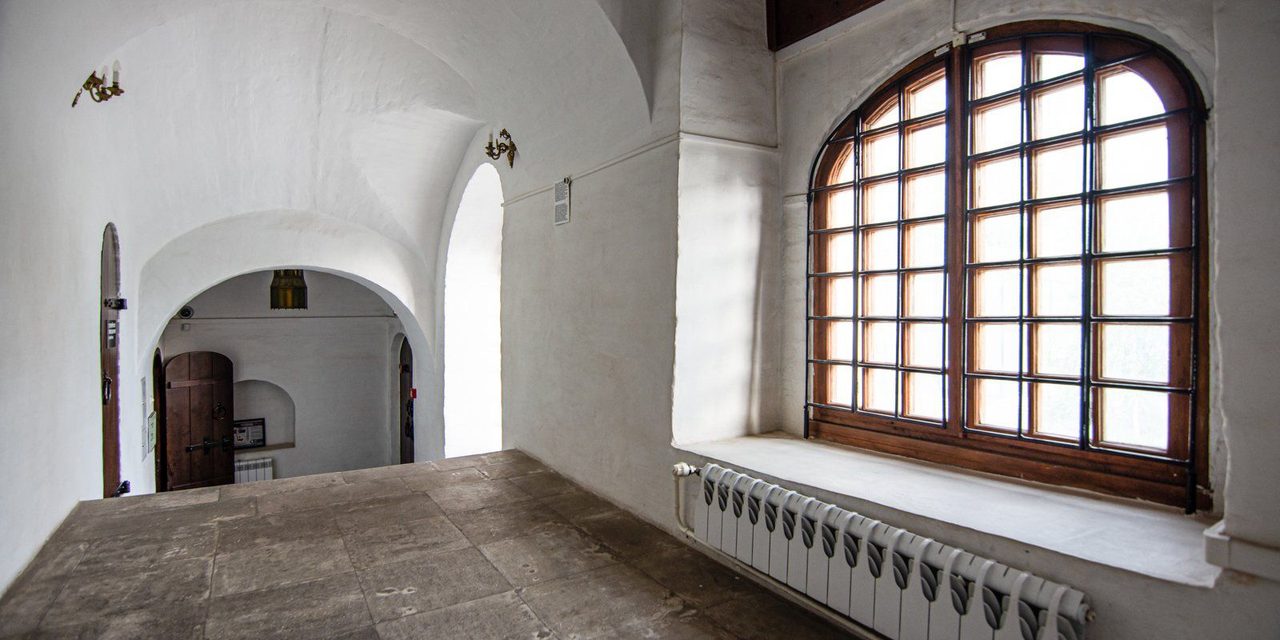
In 1556, Ivan the Terrible transferred the early 16th-century white-stone chambers near the Kremlin, previously owned by boyar Ivan Bobrishchev, to the foreigners. This is how the English Courtyard appeared in the heart of Moscow. And it existed for almost a century.
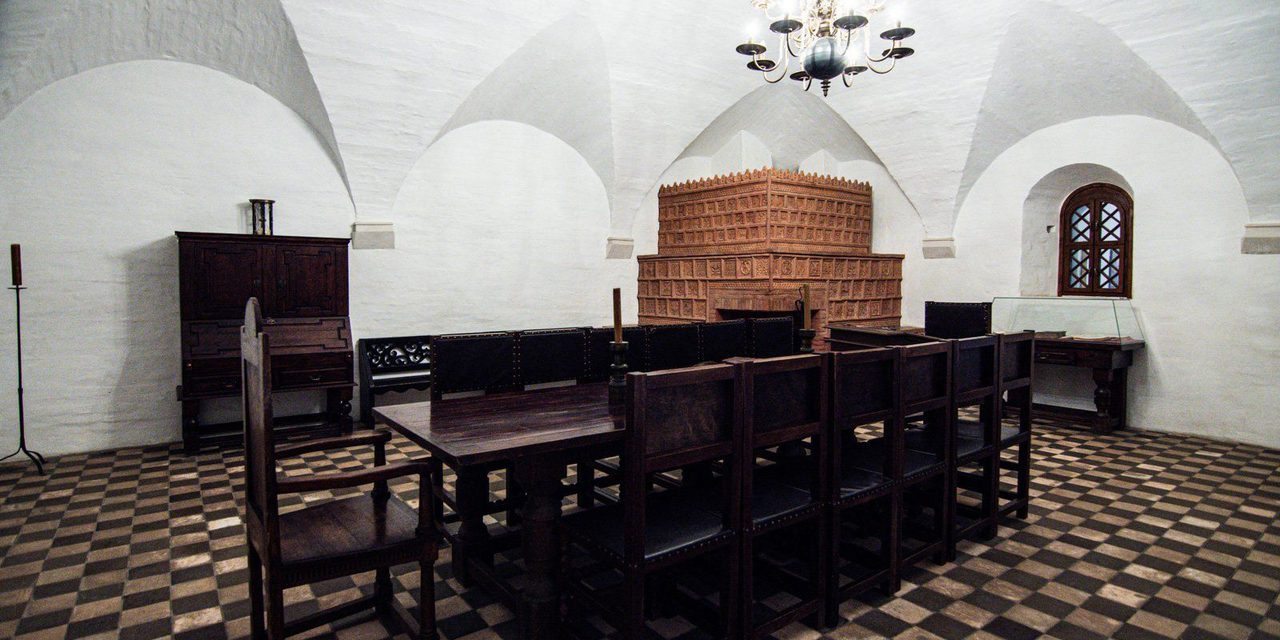
In 1649, King Charles I was executed in London and Tsar Alexei Mikhailovich, considering this an insult, expelled the English. The chambers were transferred to boyars; later, one of the first schools of Peter the Great was opened there, while, in Soviet times, it was even turned into communal apartments.
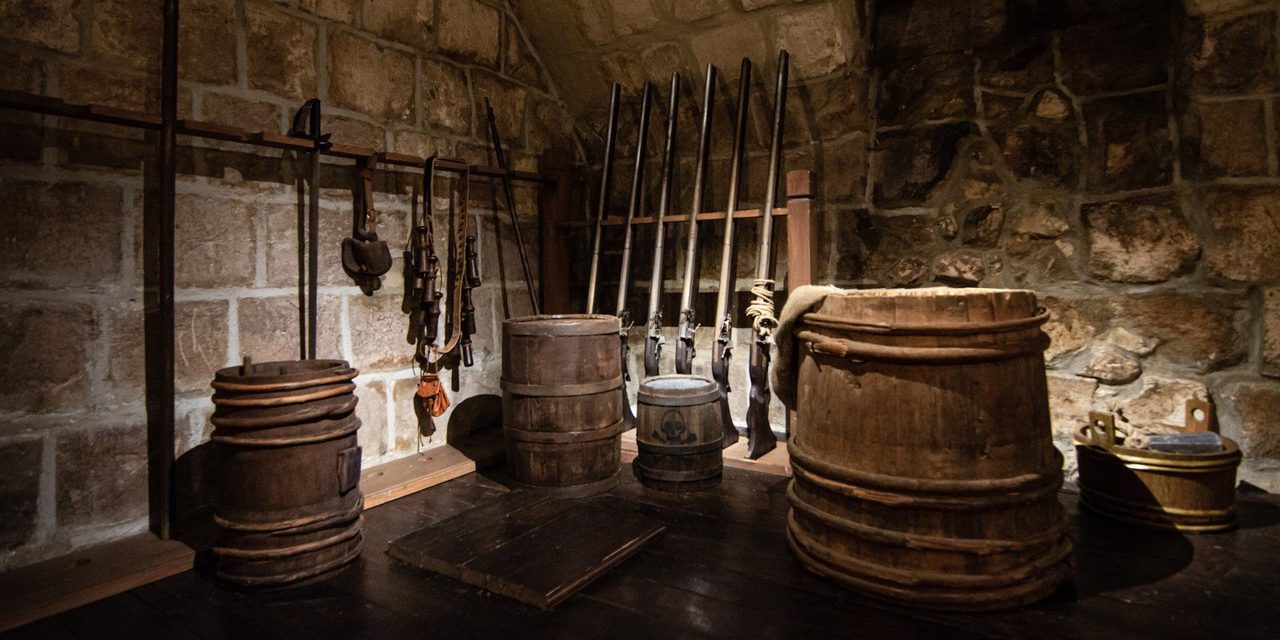
Today, it’s a museum, opened in 1994 with the participation of Queen Elizabeth II.
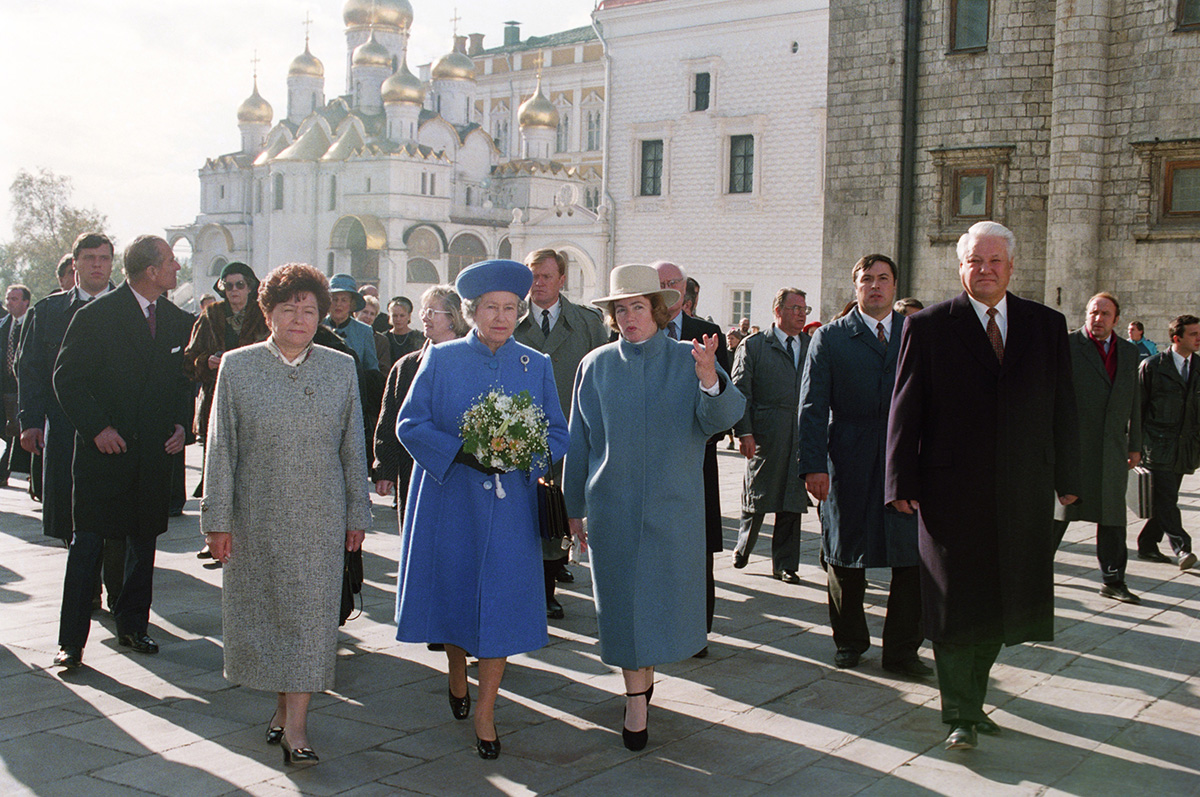 Queen Elizabeth II in Moscow, 1994.