

How Alexander III found himself at the epicenter of a train crash (PICS)
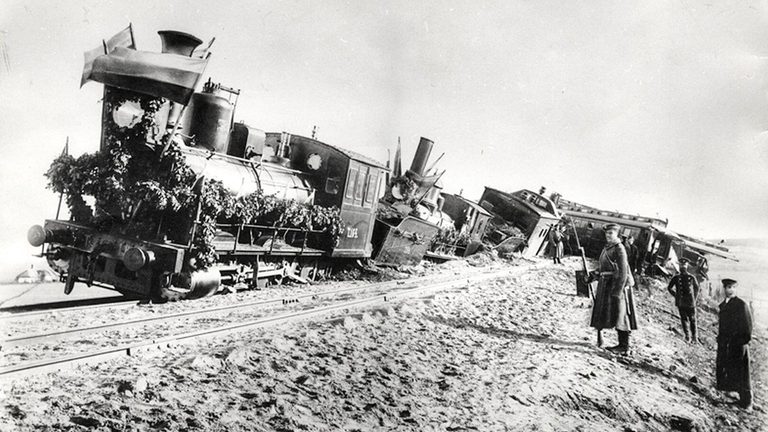
Twenty-one people died and more than 60 were injured in this disaster. The imperial family was saved thanks to a miracle and the remarkable strength of the tsar, who briefly held the roof of the train car literally on his shoulders.
Return from Crimea
In Fall 1888, Alexander and his family traveled to the Caucasus, traveling along the newly built Vladikavkaz Railway. From Batumi, they traveled to Sevastopol, where they transferred to a train bound for St. Petersburg.
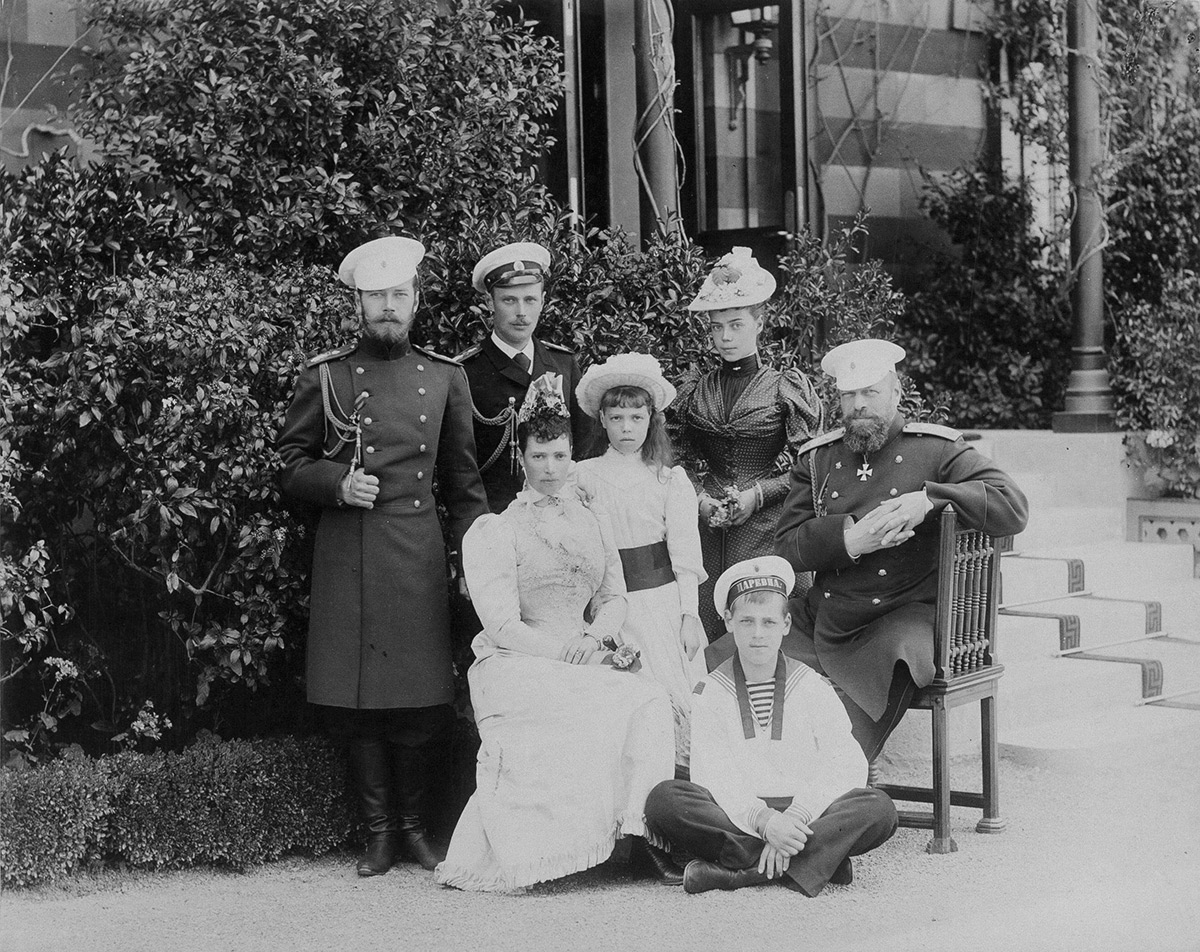
At midday on October 17, the family dined with courtiers and ministers in the dining car. The children sat at a separate table. Only Grand Duchess Olga was absent; the six-year-old girl had remained with her nanny in another car.
Suddenly, the train seemed to collide with something so hard that everyone in the car fell to the floor. Everything around began to shake: the walls began to collapse before the terrified passengers' eyes: "Everything was falling and cracking, like on Judgment Day… and then, suddenly, there was such a deathly silence, as if no one was left alive," recalled Empress Maria Feodorovna.
Miracle of Survival
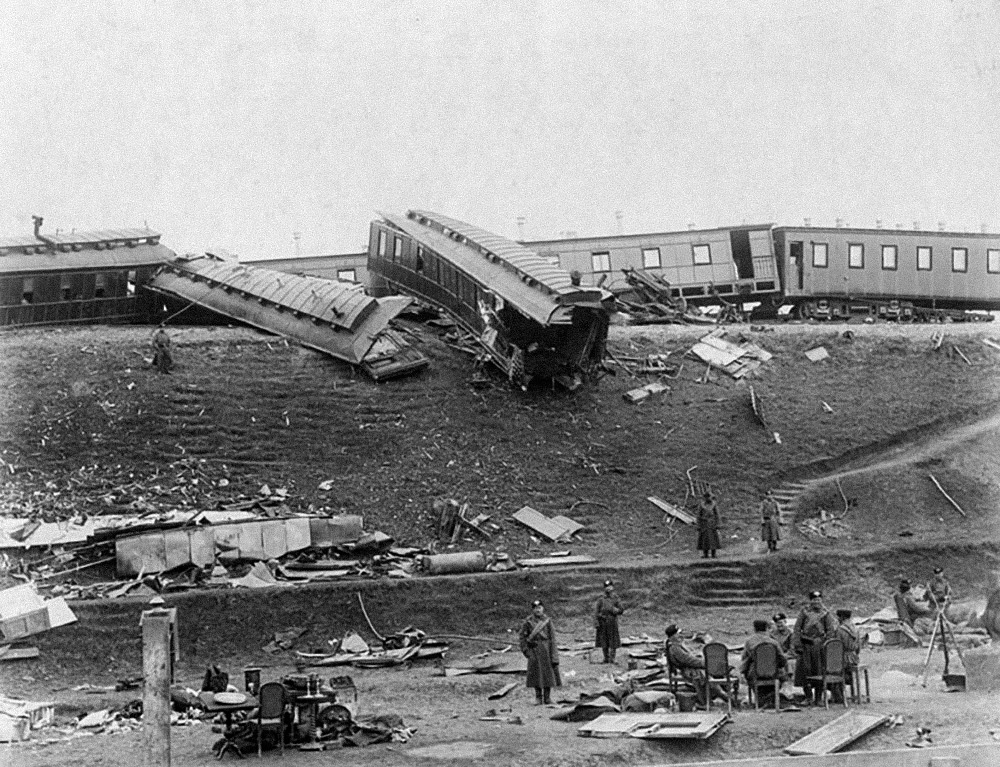
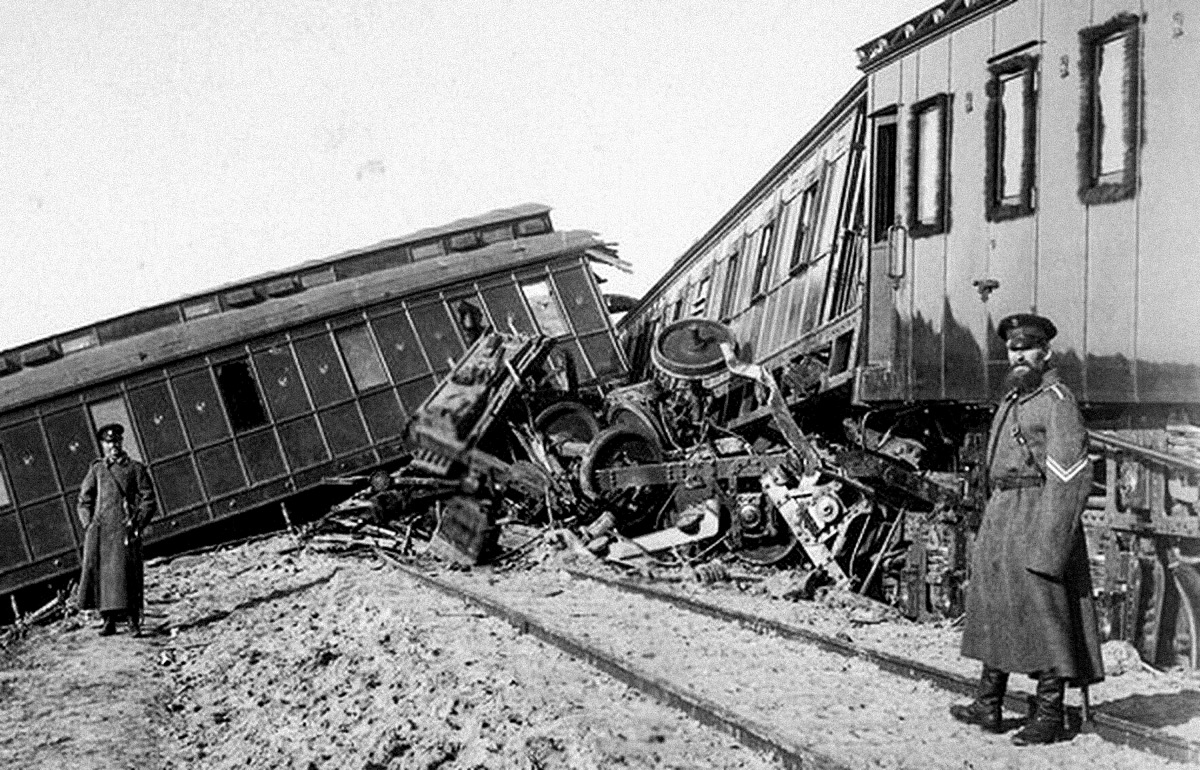
The disaster occurred near the Borki station of the Kursk-Kharkov-Azov Railway. Of the entire train, only five cars survived, thanks to more modern brakes. Another ten were destroyed, reduced to rubble: the rear cars literally crushed the front ones. Nothing remained of the car containing the servants — everyone on board perished. The emperor's beloved dog, a husky named ‘Kamchatka’, also died in the crash. The dining car, meanwhile, collapsed onto an embankment. Eyewitnesses reported seeing Alexander III literally hold the roof of the car on his shoulders to help his family and courtiers escape. Miraculously, none of them were injured, suffering only bruises and scratches. The emperor's younger children were also lucky: the impact threw Grand Duchess Olga and her nanny out of the car onto the embankment, while Grand Duke Mikhail was quickly pulled from the wreckage. After ensuring that everything was in order, the emperor joined the effort to clear the rubble. Empress Maria Feodorovna, in turn, assisted the wounded.
Finding the Perpetrators
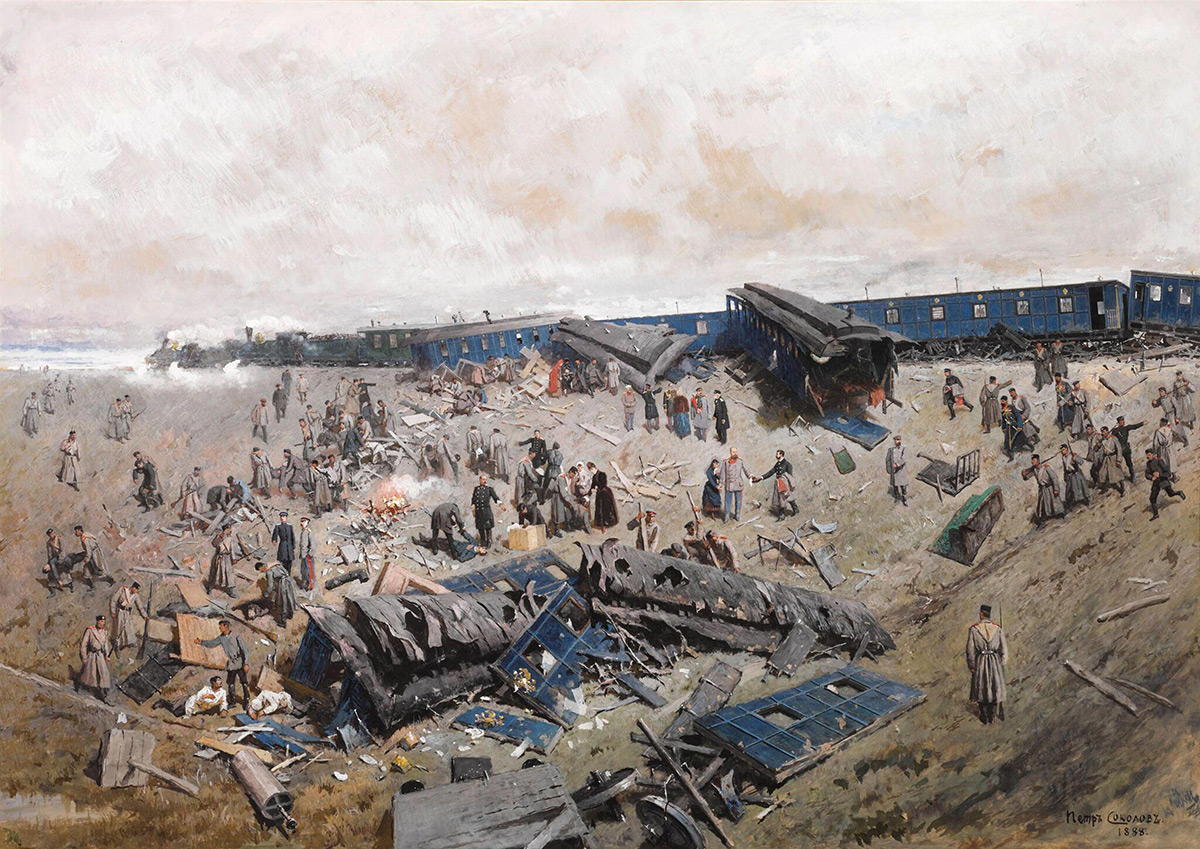 Pyotr Sokolov, "The Crash of the Imperial Train," 1888
Several theories about the disaster have emerged. The first, according to legend, was voiced by the emperor himself. While clearing the rubble, he allegedly responded to the frightened cries of his courtiers: "We need to steal less, gentlemen!"
Terrorism was not ruled out: supposedly, the bomb was planted by the cook's assistant and then managed to disembark the train. There were reasons to look for a terrorist connection: a year earlier, Narodnaya Volya (People's Will) had already attempted to assassinate Alexander III. However, there were also those who believed there had been a conspiracy, not by Narodnaya Volya, but by Grand Duke Vladimir.
Human factors also played a role: the wooden sleepers on which the train traveled were allegedly rotten and the gravel between them was of poor quality. However, there was no one to blame: Samuil Polyakov, the railway's builder, had died several months before the tragedy.
The disaster could have been avoided
"You'll break the tsar's head!" — the words of Sergei Witte, stationmaster of the Southwestern Railway, proved prophetic. He had warned that an accident was possible. The cause was the failure to meet many technical requirements. Firstly, the train was larger than permitted — 15 cars instead of 11. Secondly, the imperial train weighed as much as a freight train, but traveled at the speed of an express train. To please Alexander III, who disliked slow travel, the train was pulled by two locomotives — one freight, one passenger. Witte tried to convince the emperor of the dangers of this decision, but he was unwilling.
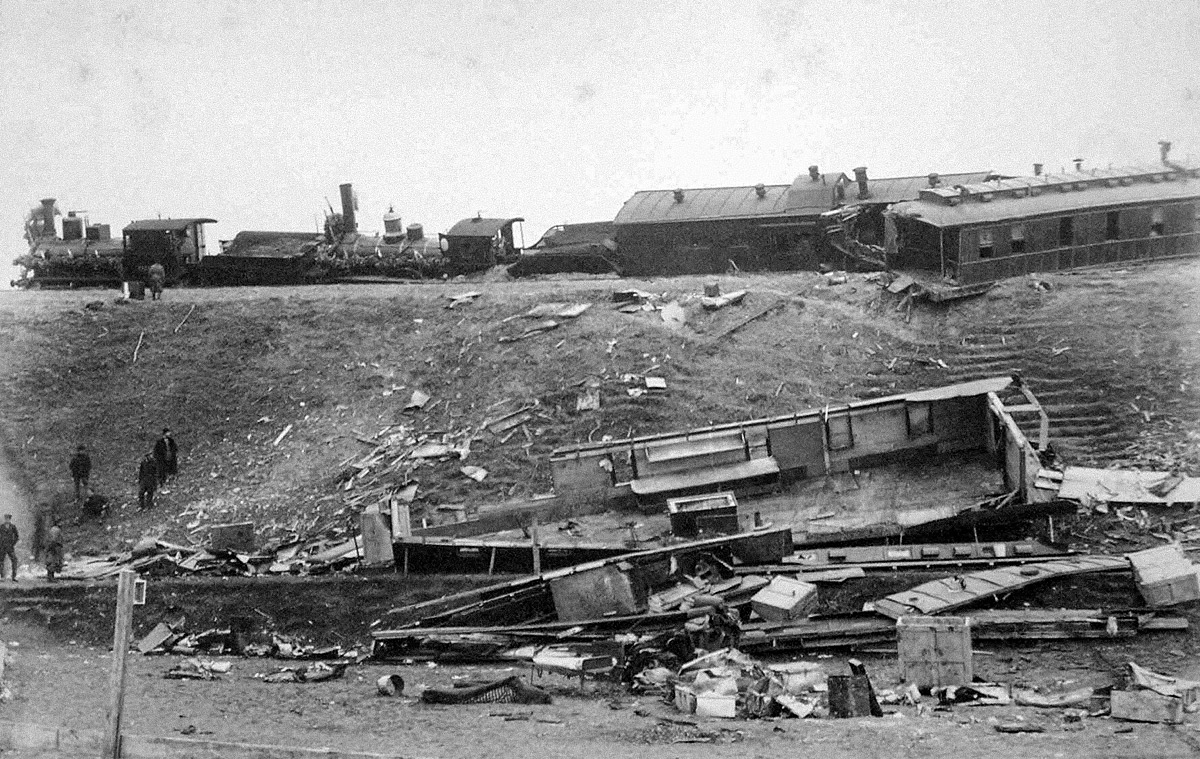
The freight locomotive was traveling at up to 68 km/h, significantly faster than the speed limit, causing it to sway violently. The passenger locomotive, coupled behind it, had wheels of a different diameter. Furthermore, the brakes on the carriages were in poor condition. On a curve, the train caused so much sway on the track that it gave way. Sleepers snapped, the rails separated, and the second locomotive collapsed, followed by the passenger carriages.