
How a new theater was opened during the Siege of Leningrad

In October 1942, a real miracle happened in the besieged, freezing city, which helped its residents to believe and to survive.
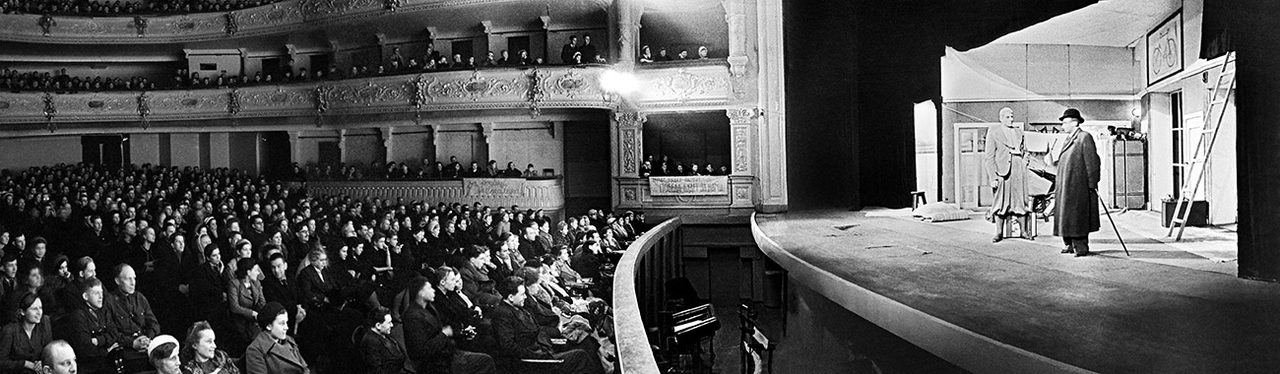
By August 1941, almost all of Leningrad's theaters had been dismantled and evacuated deep into the country. And, on September 8th, the city found itself under siege.
Only the Radio Committee Symphony Orchestra and the Theater of Musical Comedy remained – these groups then traveled to the front to perform concerts for the Red Army soldiers.
In 1942, the ‘Pravda’ newspaper published the play ‘The Russian People’ by young writer Konstantin Simonov. It was broadcast on Leningrad Radio and was such a success that the editorial office was flooded with letters requesting a repeat performance. It was read live on air three more times. Then the decision was made to bring it to the stage and, with the support of local authorities, the organization of a new theater began.
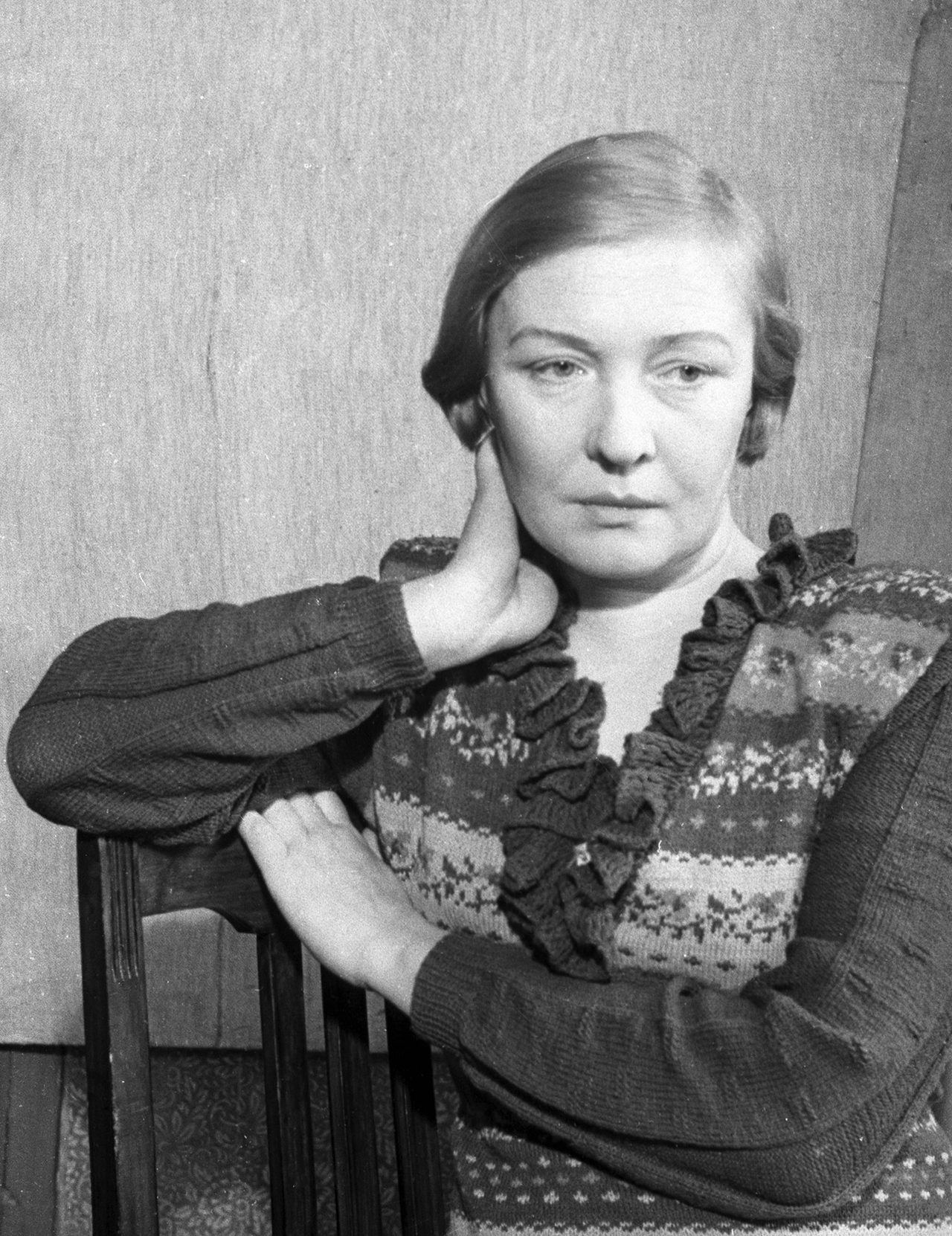
"This is an unprecedented case in the history of world theater," recalled writer Olga Berggolts. "After all, they say that when the cannons roar, the Muses fall silent. But, the people of Leningrad refuted this. Proving that the city is alive, fighting and will win."
The ‘Blockade Theater’
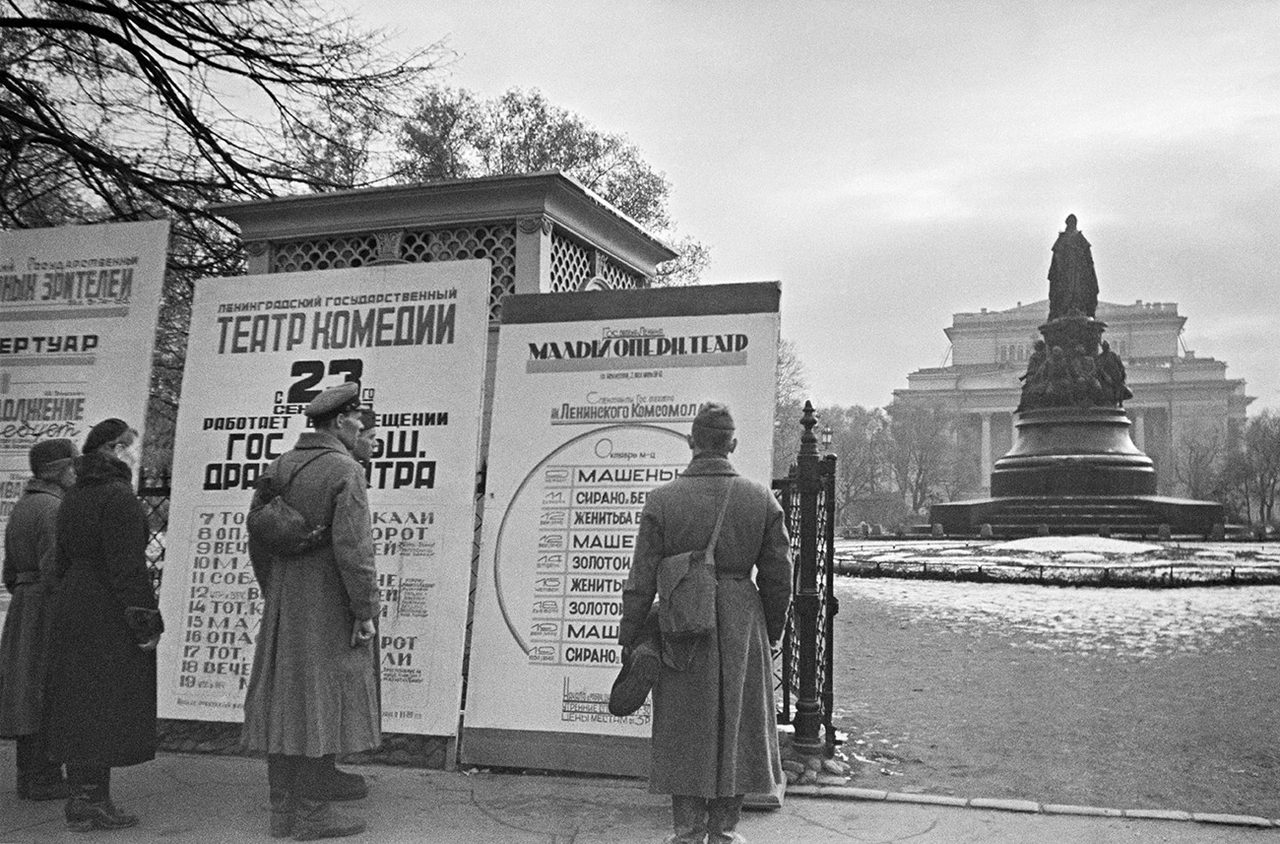
The premiere of ‘The Russian People’ took place on October 18, 1942 – this day is considered the founding date of the theater. It was simply named the ‘City Theater’, but locals gave it another, unofficial name: the ‘Blockade Theater’.
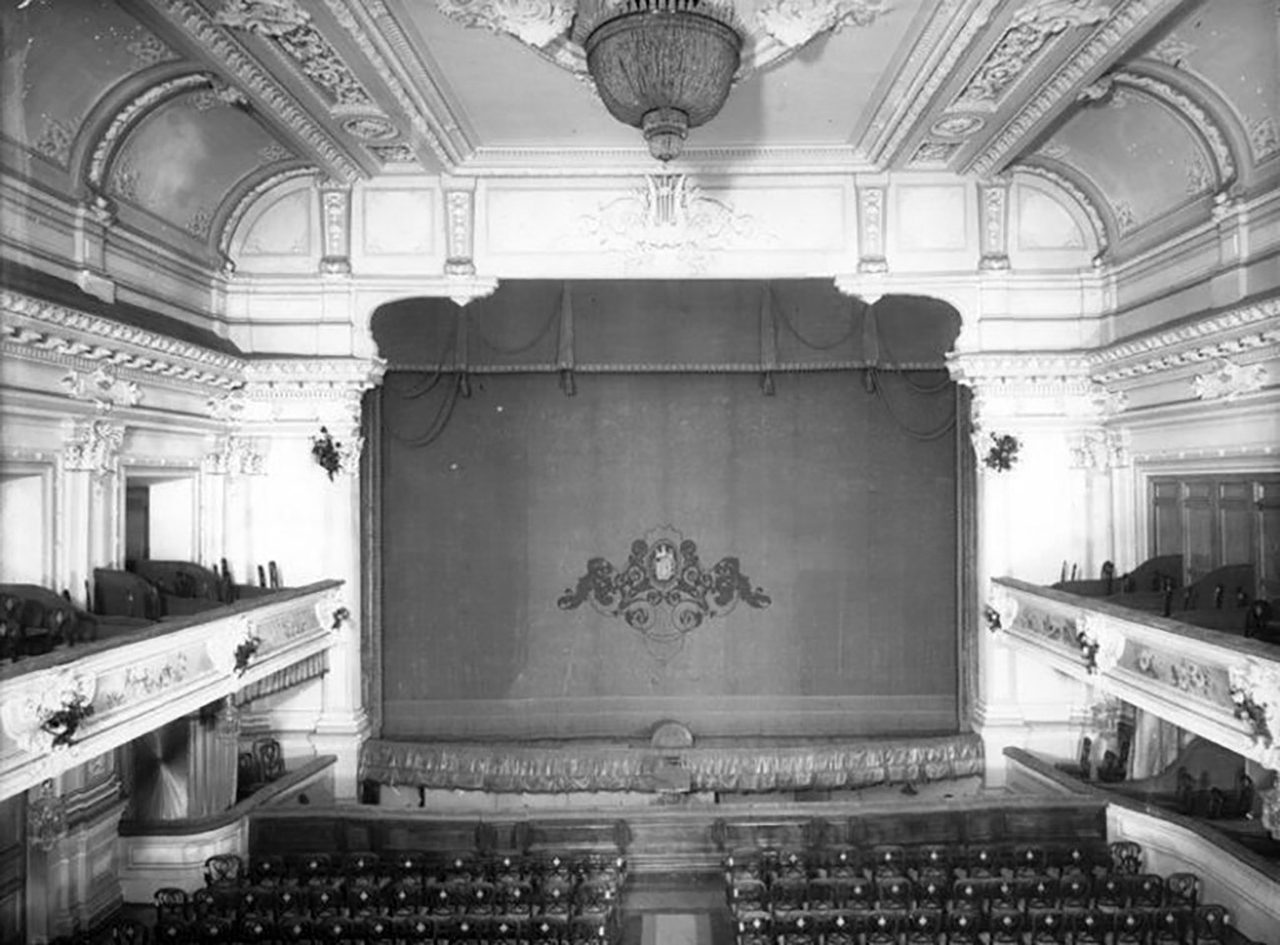
The Theater of Musical Comedy became its first stage: it had been badly damaged in bombings and the actors had to work hard to clear the rubble and repair the premises.
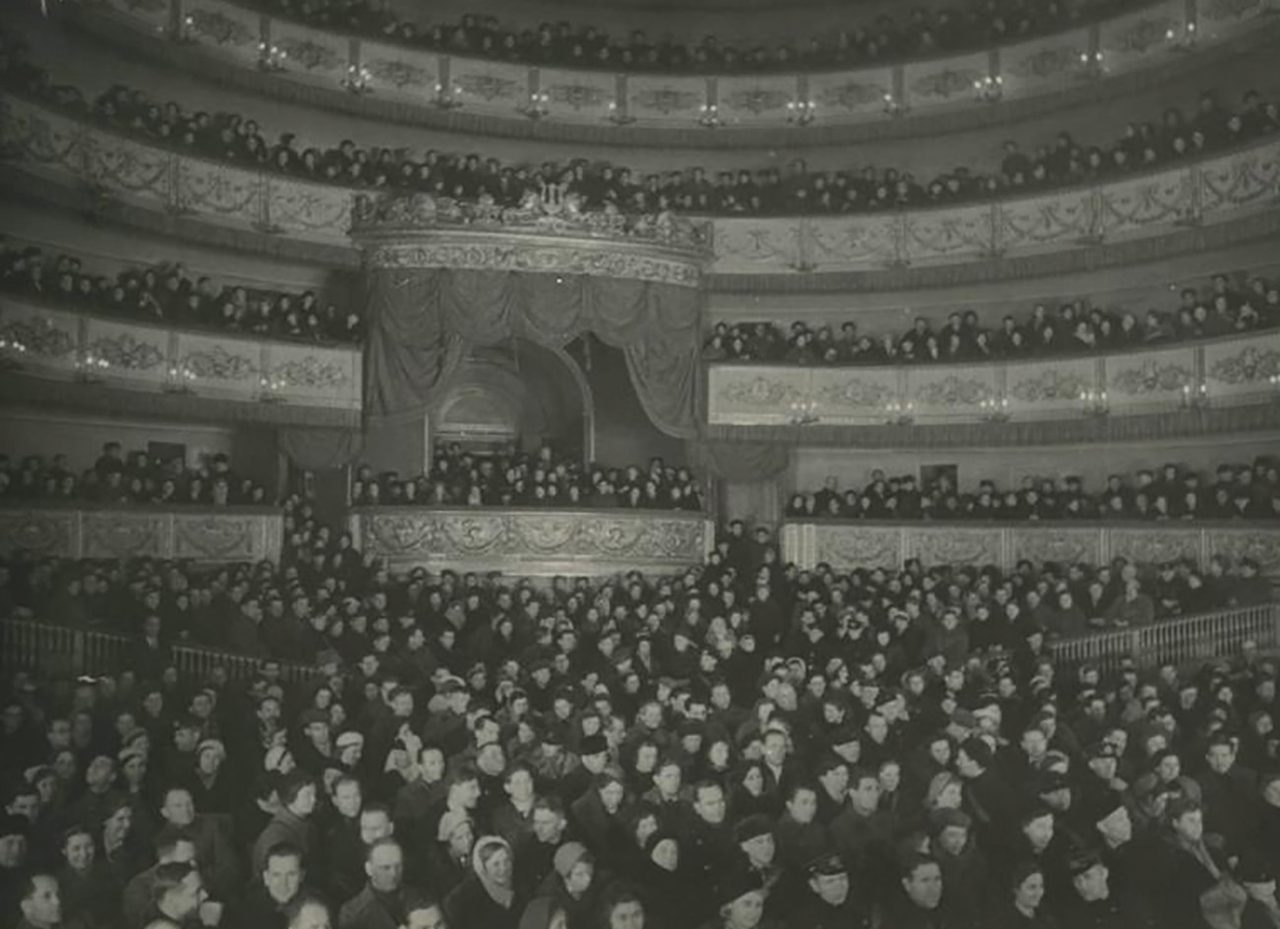
They also had to perform in cold halls, while performances were constantly interrupted by air raids; but the audience would remain in their seats. When the lights went out, due to an alert, they illuminated the stage with flashlights and the performance continued.
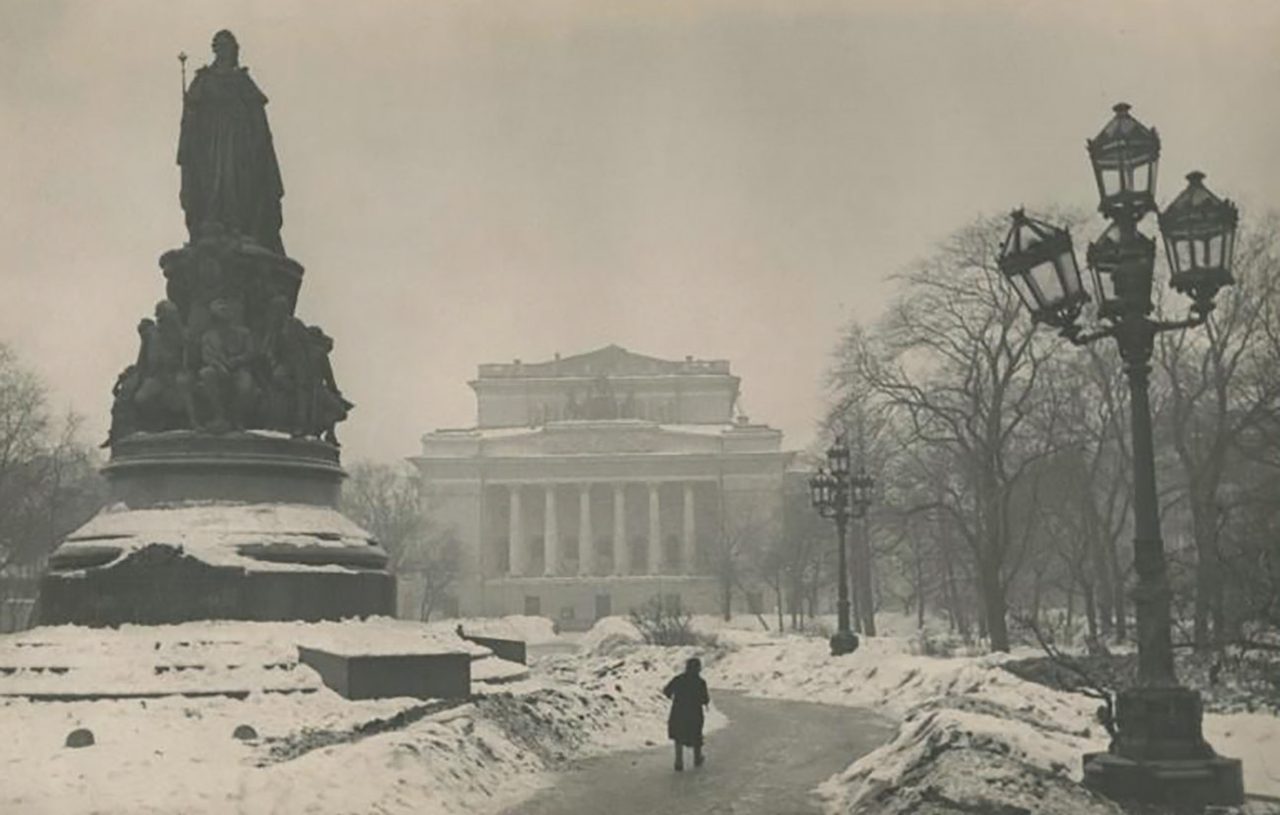
The first plays were about the Great Patriotic War (‘Invasion’, ‘Front’), but later, they began staging classics and even an opera. "'Eugene Onegin' was performed at the ‘Blockade Theater’ at a time when the fascists had already printed tickets for a parade on Palace Square and a subsequent banquet at the 'Astoria' restaurant," recalled Radio Committee employee Yevgenia Prudnikova.
Performances took place every day, sometimes even twice a day, despite the bombings only intensifying.
After the Siege
The siege was lifted on January 27, 1944. After that, theaters began to return to Leningrad.
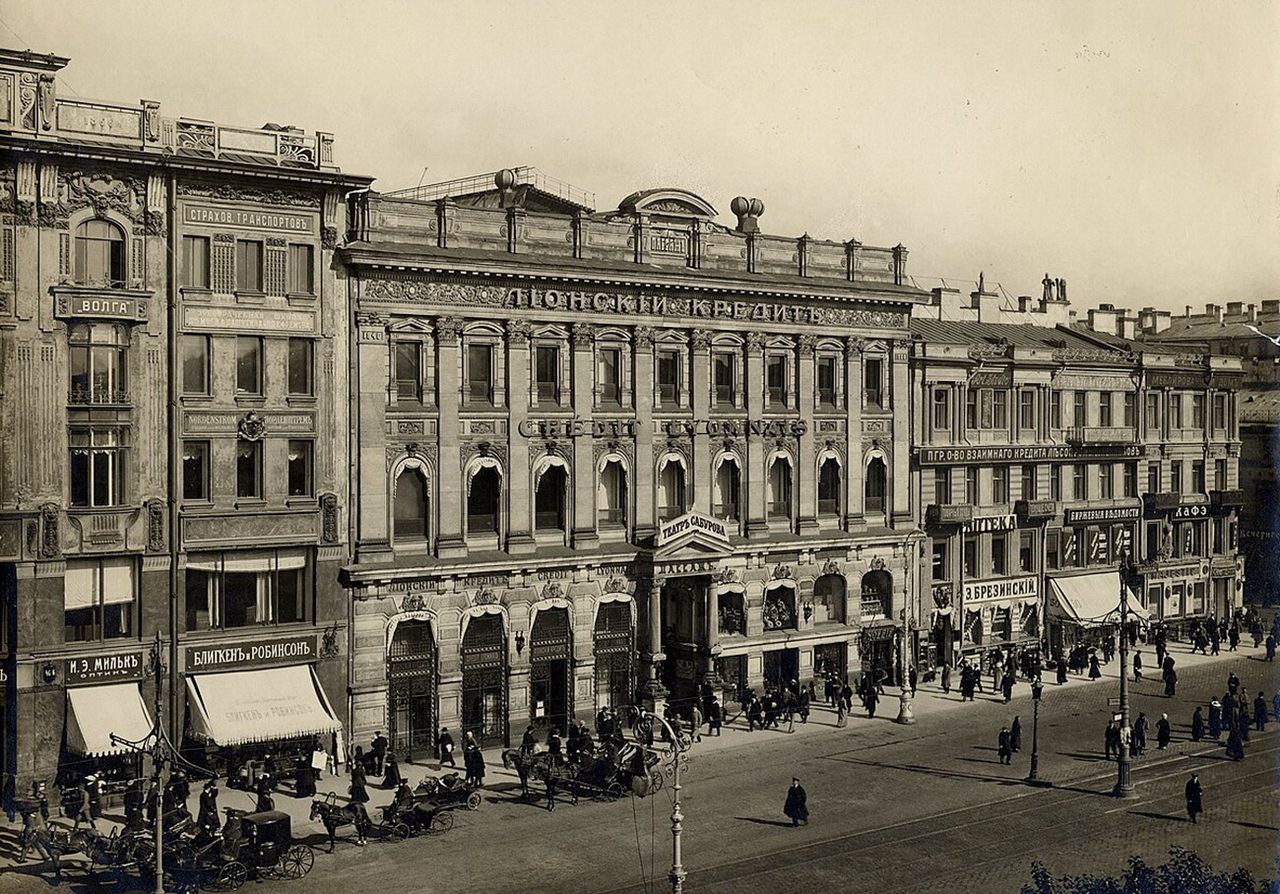
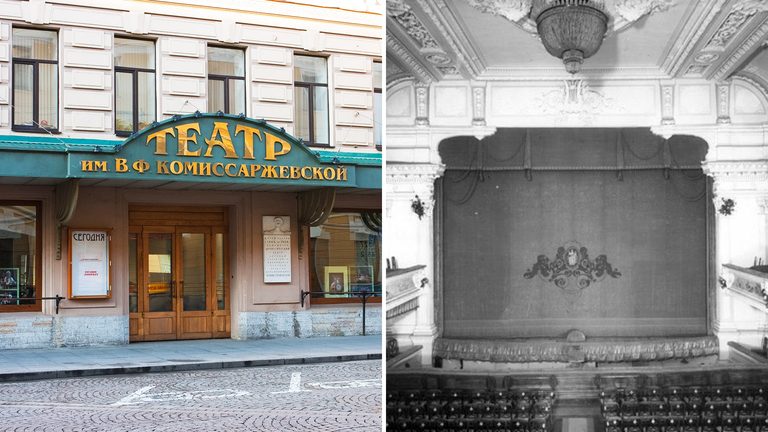
That very fall, the ‘Blockade Theater’ moved to the ‘Passazh’ (‘Arcade’) on Italianskaya Street, located next to the Theatre of Musical Comedy. In this historic shopping center, a theater hall had been opened as early as 1848, where various troupes performed.
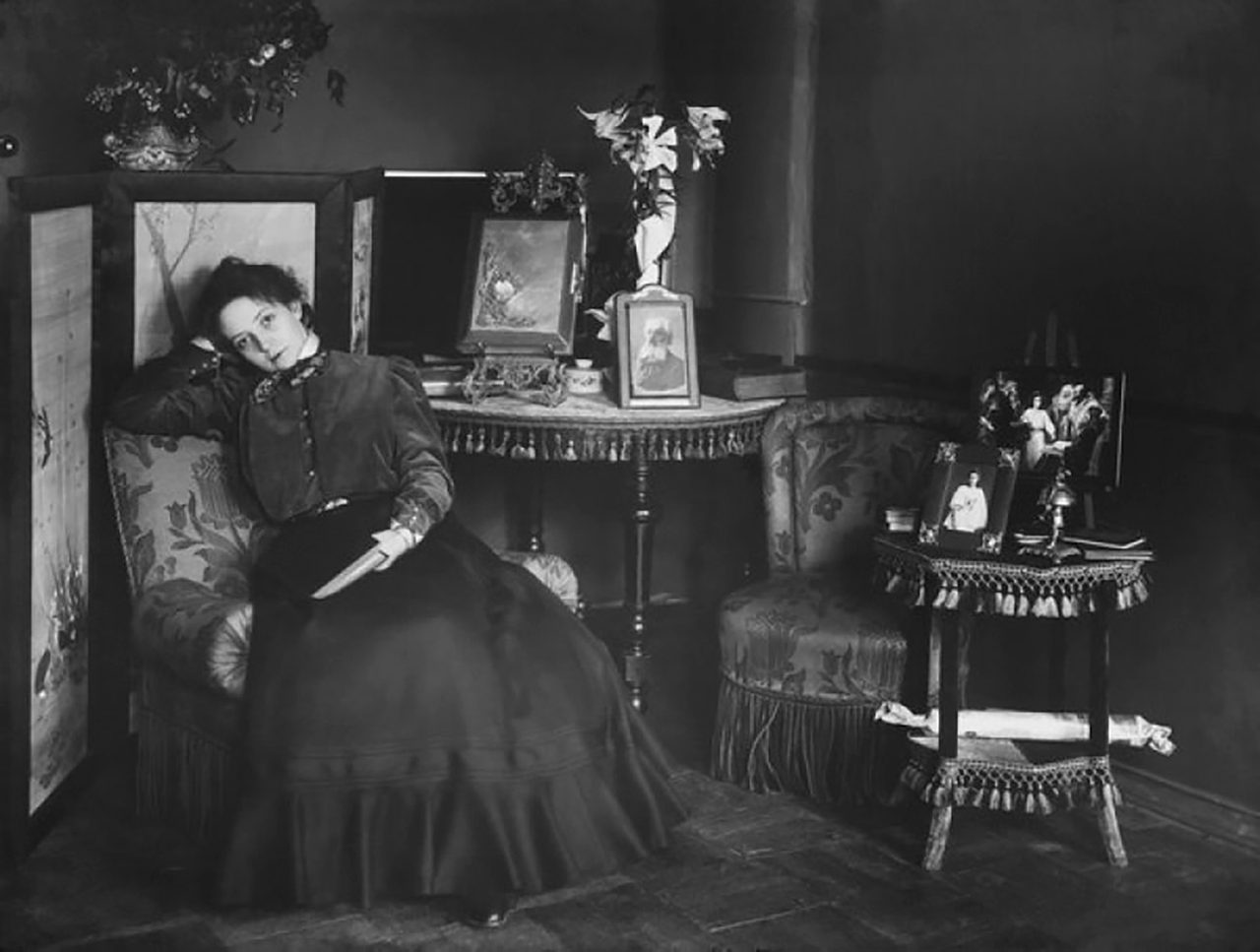
That same year, the theater became the Leningrad Drama Theater. Fifteen years later, it was named after Vera Komissarzhevskaya, one of the most famous pre-revolutionary actresses, whose theater had worked in this very ‘Passazh’ at the beginning of the 20th century.
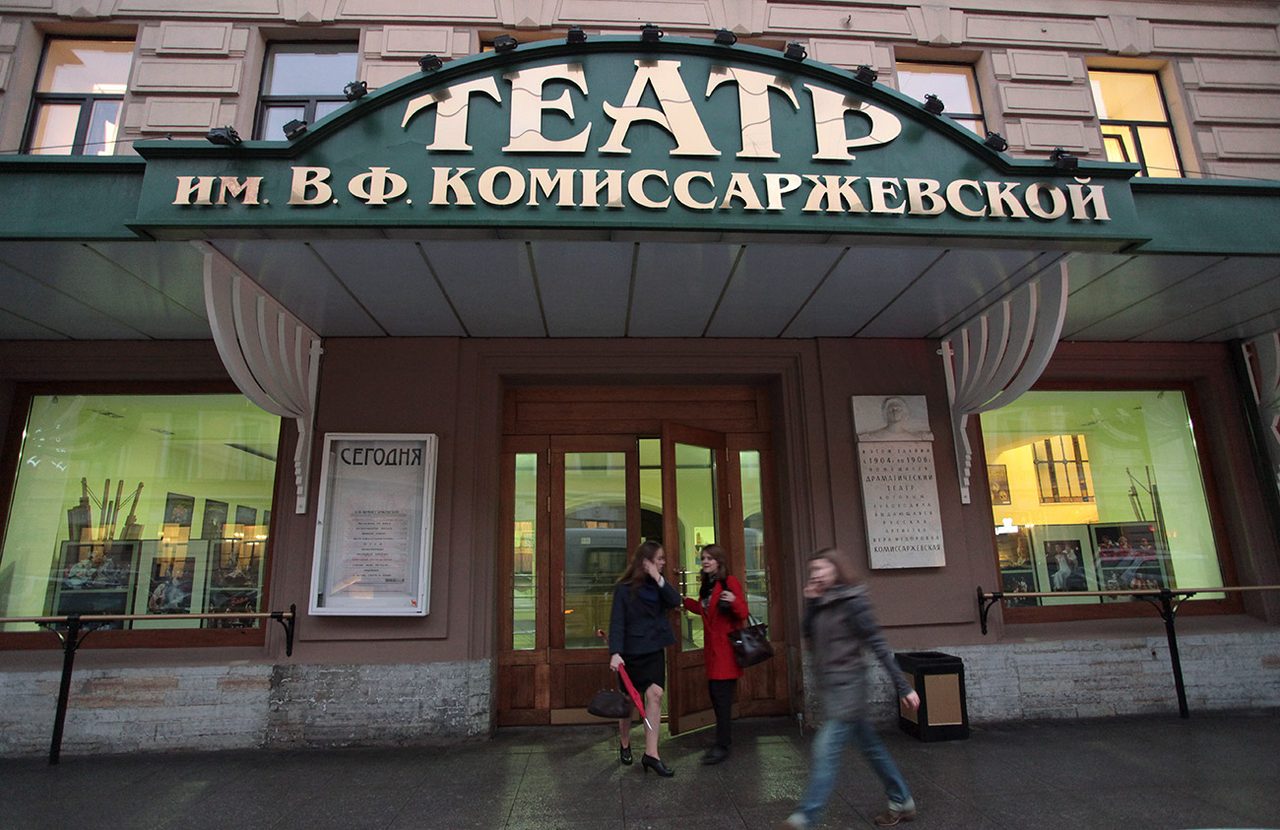
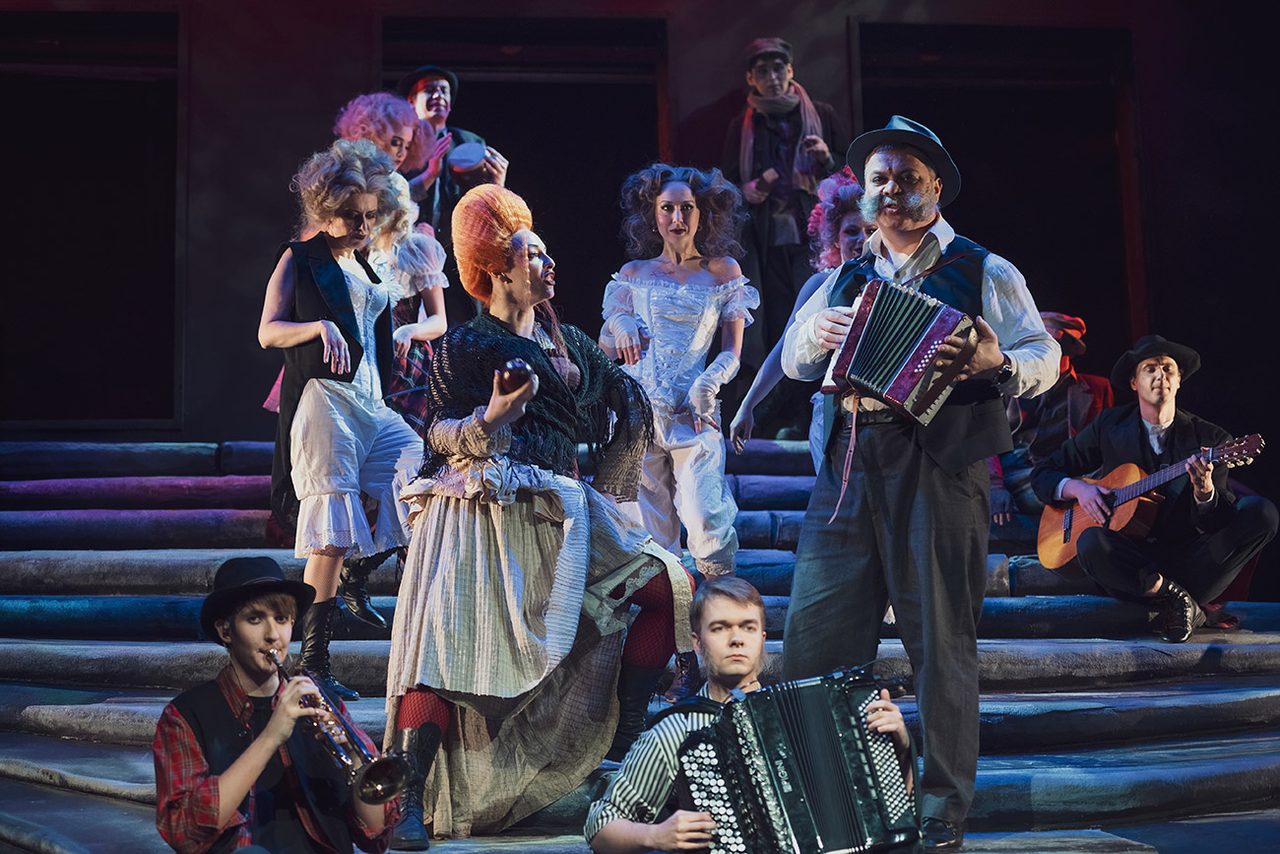
The Vera Komissarzhevskaya Academic Drama Theater still resides in this space today. Over the years, legendary theater and movie actors have graced its stage, including Alisa Freindlich, Andrey Urgant and Yelena Safonova. And the time of its founding is still remembered today – this year, a play titled ‘Polyphony’ about how Leningraders survived the Blockade premiered there.