
Is it true that 'General Frost' defeated the Germans near Moscow?

The myth that the Wehrmacht failed to take the Soviet capital solely because of the cold winter originated in Nazi Germany and persists to this day.
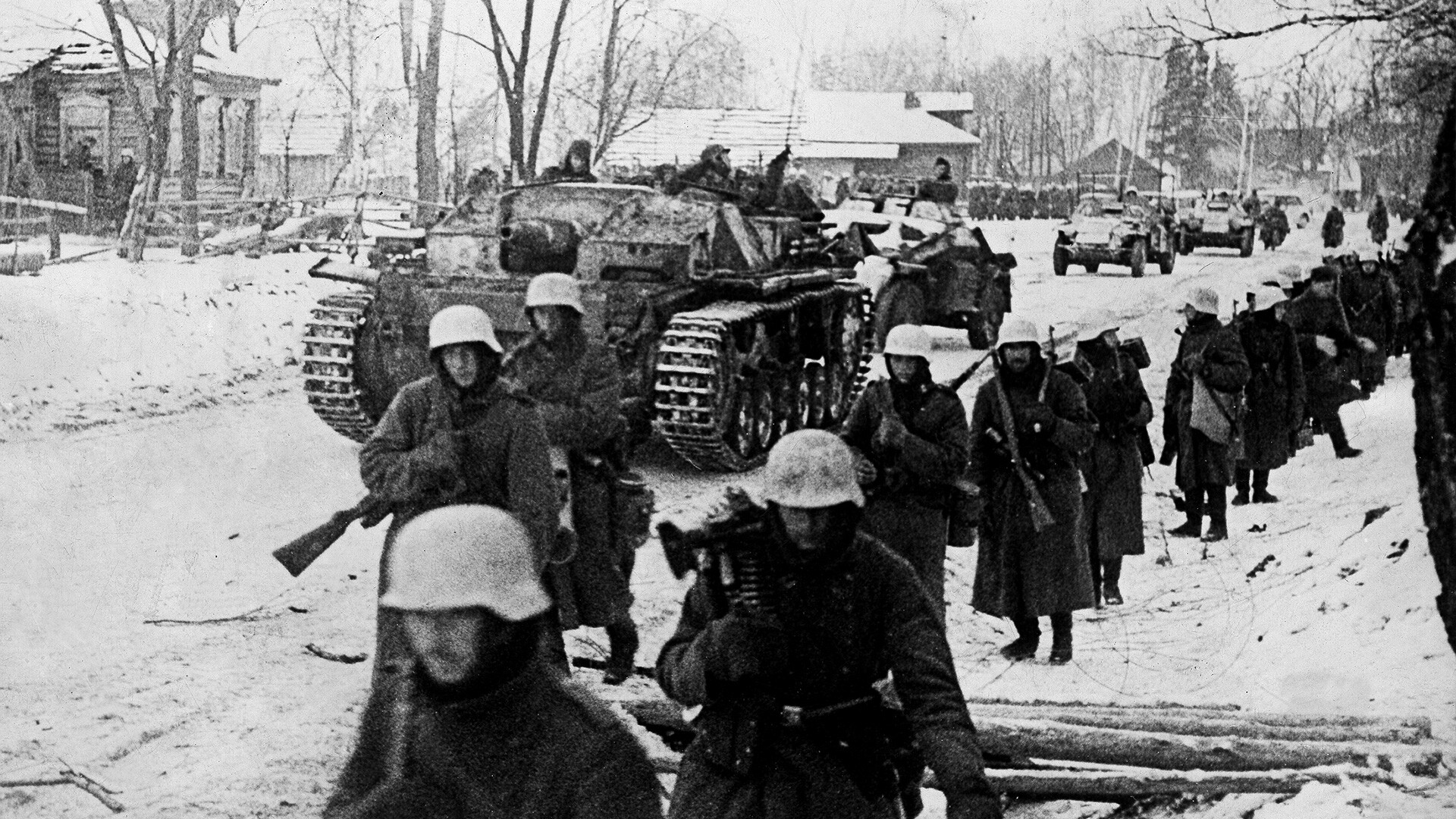
By the end of November 1941, the Wehrmacht had closed in on the Soviet capital. The Nazis believed they needed only one final decisive blow and the city would fall.
However, instead of triumph, disaster awaited them: On December 5, the Red Army launched a massive counteroffensive and pushed the enemy back 100-250 km from Moscow.
Third Reich propagandists blamed the harsh Russian winter for this failure. General Heinz Guderian later lamented in his memoirs that "alone, especially in -35°C (-31°F) temperatures, he was unable to overthrow the entire Eastern Front".
In fact, temperatures in November rarely dropped below -10°C (14°F). And the weather actually favored the Germans. "The cold had frozen the swamps and, now, the German tank and motorized units… had greater freedom of action… The enemy command began using tanks off-road," recalled Marshal Konstantin Rokossovsky.
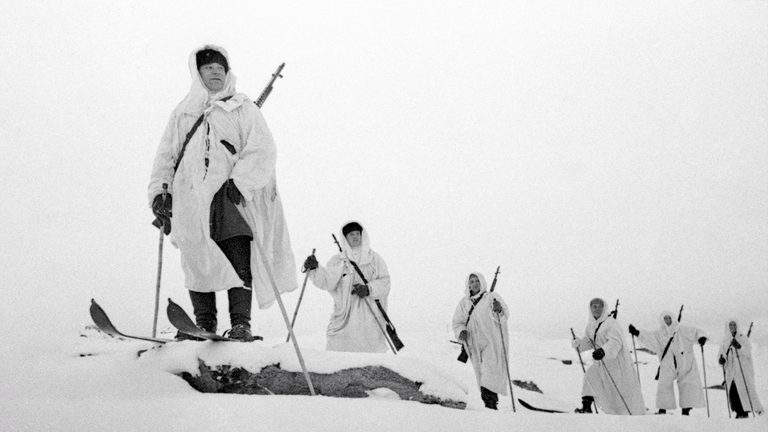
A severe frost of -23°C (-9.5°F) struck just at the start of the December counteroffensive. Soviet soldiers were forced to attack, drowning in snowdrifts and suffering from the cold, while the enemy defended themselves in the warm homes of villages near Moscow.
The Germans truly suffered from the cold. They had counted on a quick, victorious military campaign and had neglected to provide warm clothing. However, even in the Red Army, not all soldiers had acquired sheepskin coats. And equipment kept breaking down in the low temperatures on both sides of the front.
"General Frost" fought against everyone and it was not he who caused the German defeats, but the stubborn resistance of the Soviet troops. The German group approached Moscow exhausted, at the limit of its strength and capabilities, having lost many valuable personnel in bloody battles and racked up logistical problems. One blow and it collapsed like a house of cards.