
How Soviet soldiers fought the Nazis… on aerosleds (PHOTOS)
The Germans often mistook the light Soviet aerosleds for tanks and could not understand how they were able to literally fly through the deep snow.
An aerosled is a self-propelled vehicle designed for travel on snow and ice. A lightweight body mounted on three or four skis is propelled by an engine and propeller. It was invented in the Russian Empire in the early 20th century – this type of transport was desperately needed given the harsh climate, vast expanses and poorly developed road network.
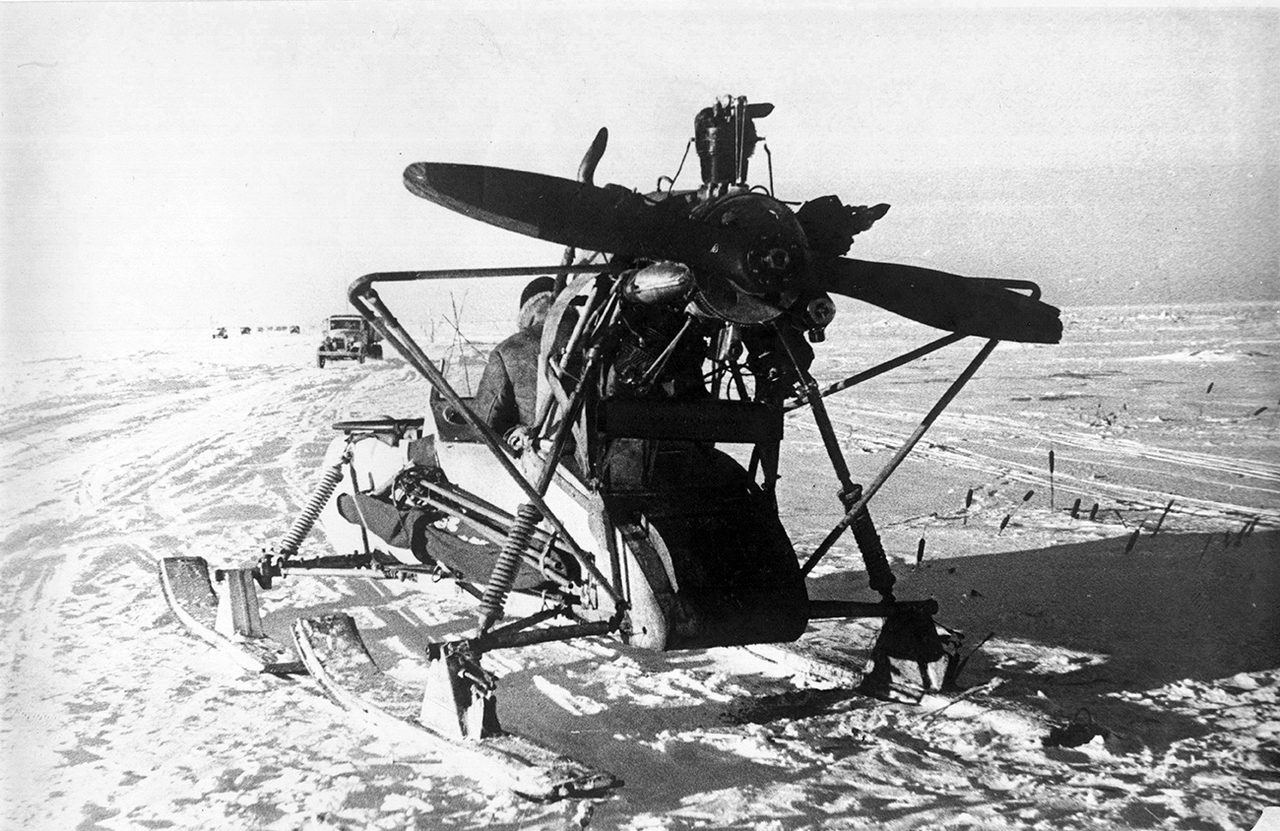
Throughout the 1920s and 1930s, various types of aerosleds were developed and tested in the USSR. In addition to transport vehicles, combat versions were also developed. During the Soviet-Finnish Winter War of 1939-1940, they were used for patrol duty, delivering ammunition to troops and helping to evacuate the wounded.
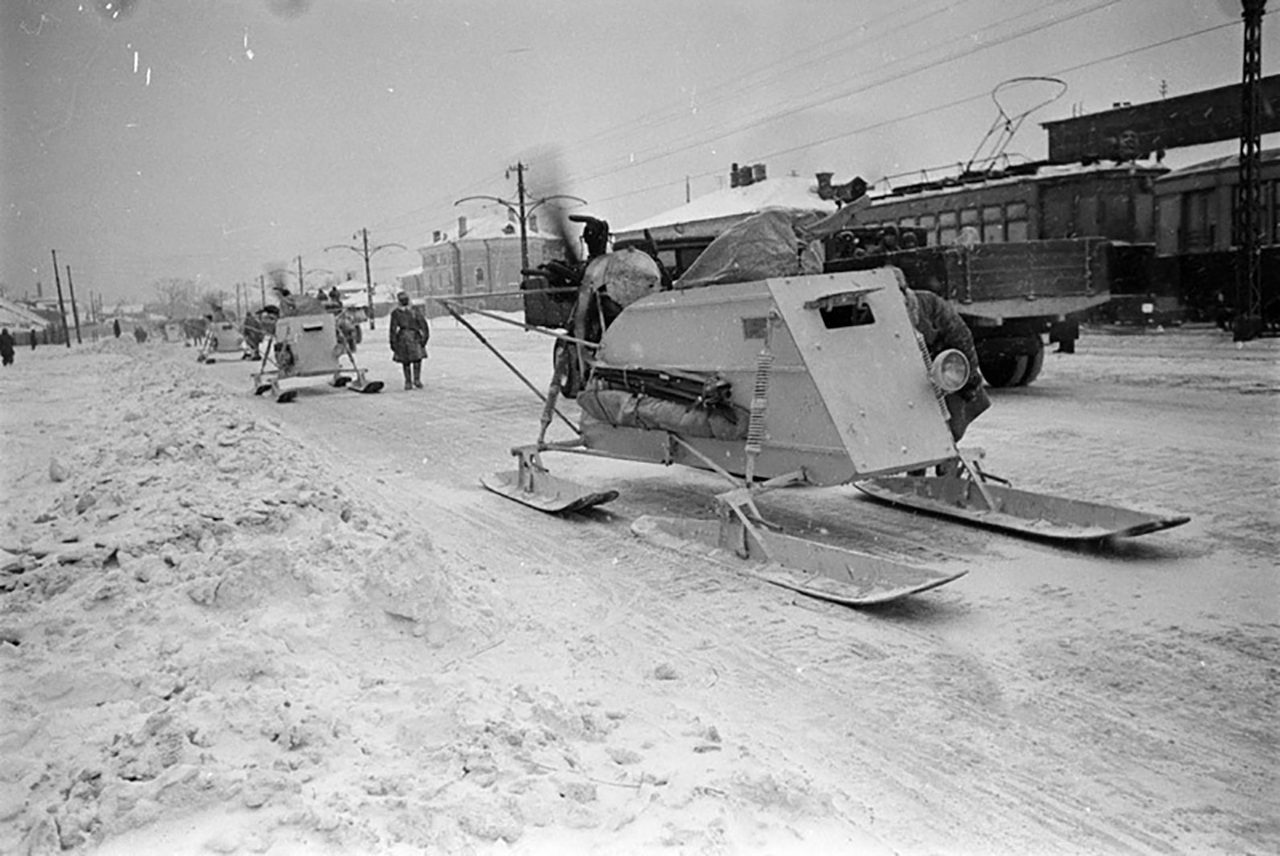
After the German invasion of the USSR, all available aerosleds were requisitioned for military use. On August 19, 1941, the State Defense Committee issued a directive for the production of 5,000 aerosleds, of which just under 3,000 had been produced by May 1942.
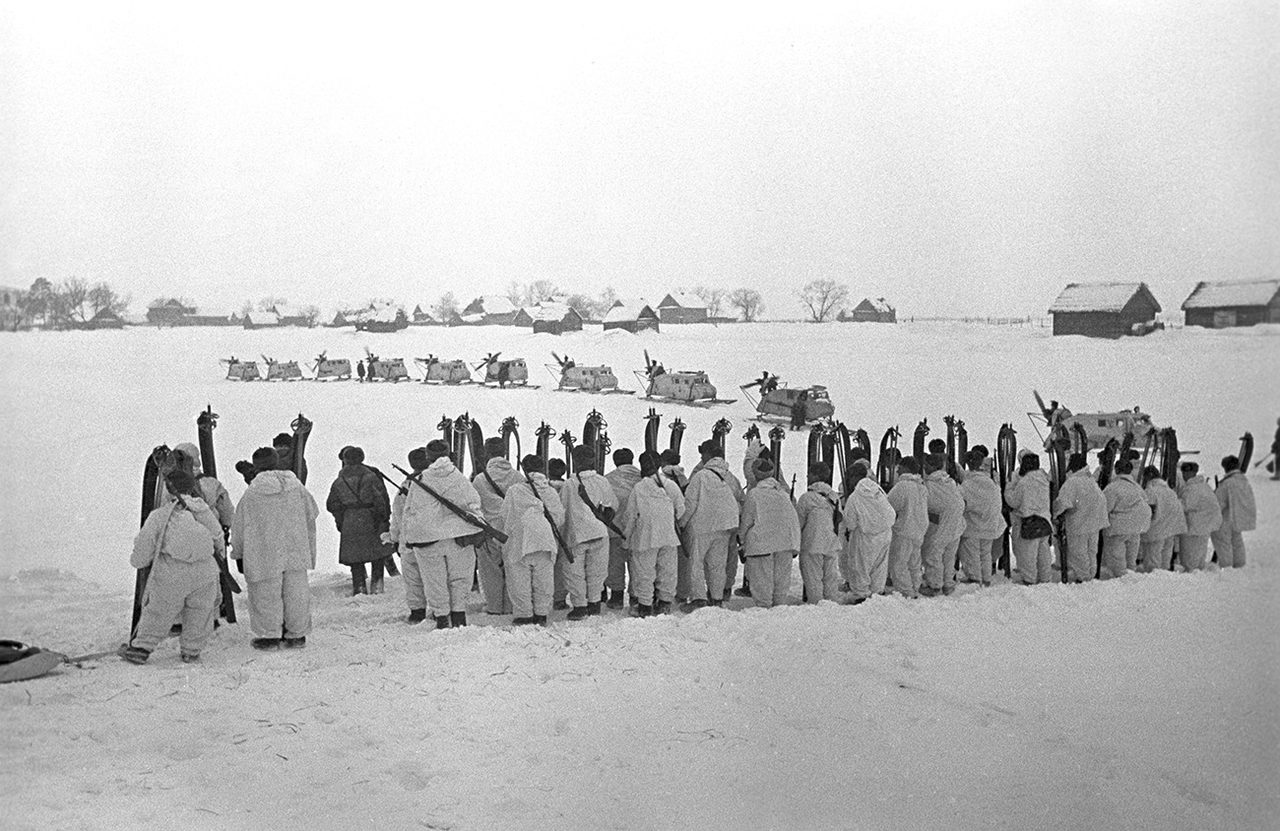
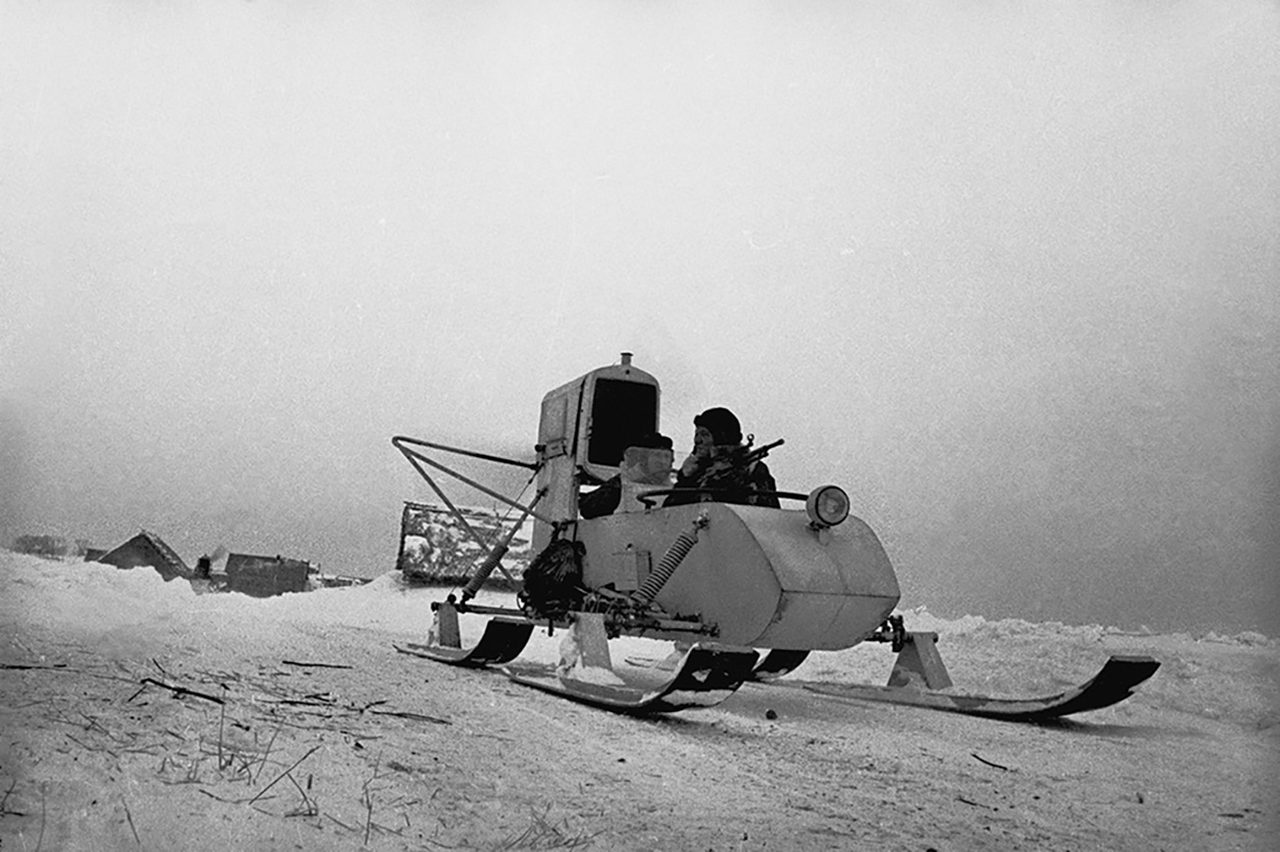
One of the main types was the ‘NKL-26’. Its plywood body was protected at the front by 10 mm of armor. The roof housed a turret with a 7.62-mm machine gun and an armored shield for the machine gunner. The crew consisted of two people: the vehicle commander, who also served as the gunner, and the driver/mechanic. The sleds, weighing just over a ton, could reach speeds of up to 35 km/h on rough terrain and up to 70 km/h on roads and highways.
Entire aerosled battalions were created in the Red Army and were mainly used for reconnaissance, communications, guarding installations and covering the flanks of military formations, pursuing retreating enemies, evacuating the wounded, transporting personnel, as well as conducting raids into the German rear.
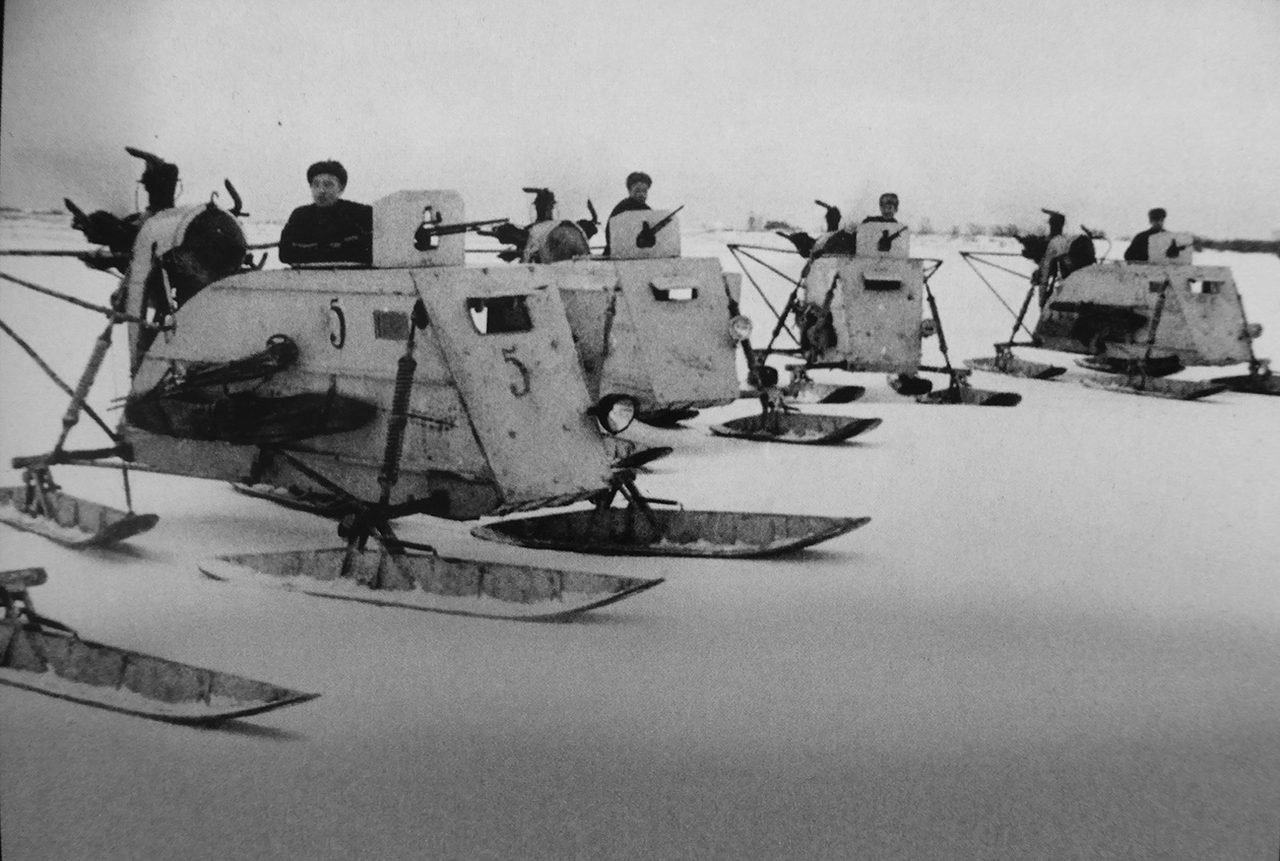
The strength of the aerosled was its speed and ability to travel off enemy-controlled roads. Having quickly broken through into enemy rear areas and wreaked havoc, it could retreat just as quickly. However, speed dropped significantly on rough terrain, while on narrow forest roads and bushes, the propeller made steering impossible.
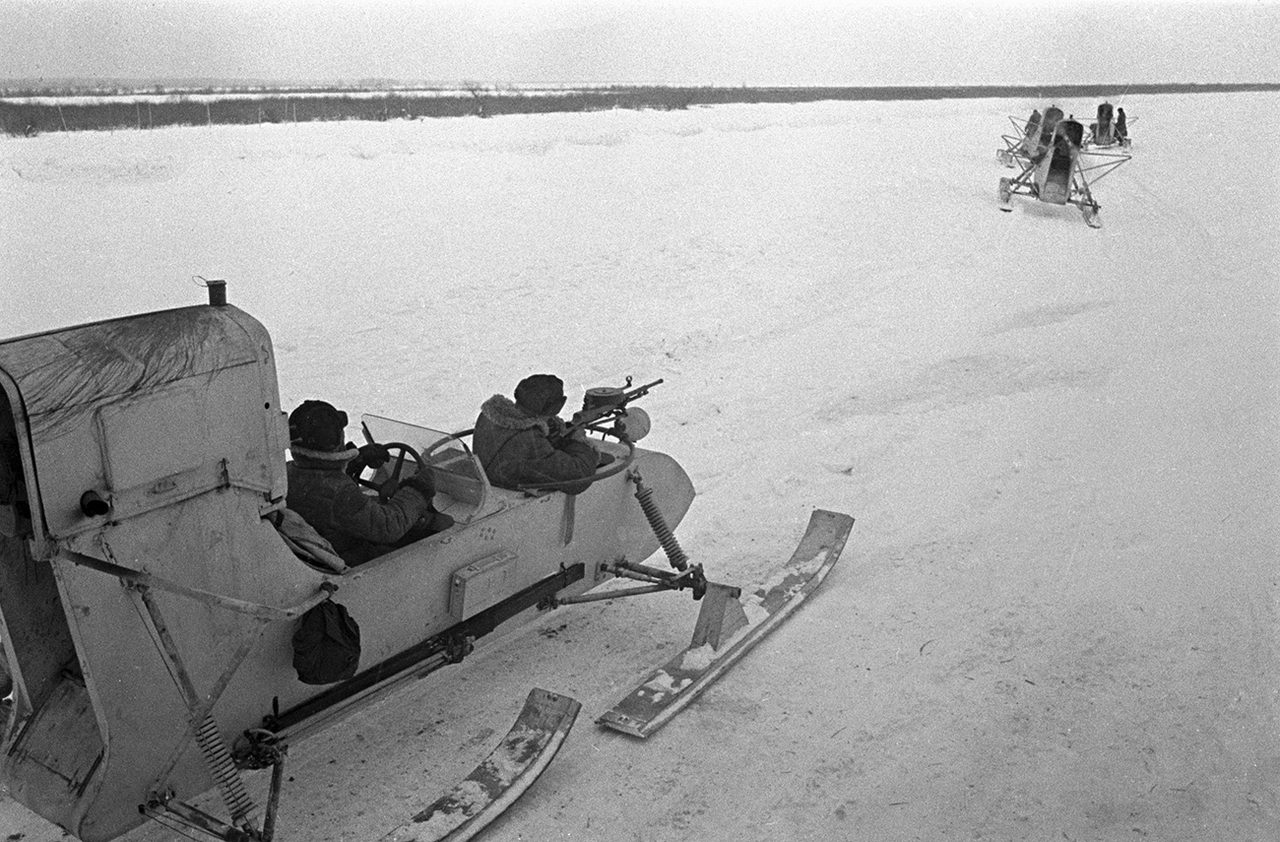
Aerosled units fought in many sectors of the front, including the Arctic, Leningrad and Stalingrad. Marshal Konstantin Rokossovsky recalled how, during a counteroffensive near Moscow, an aerosled company routed a German ski detachment that had penetrated the Soviet rear:
"The company immediately advanced to the area occupied by German skiers, deployed and attacked on the move, firing from its fourteen machine guns. The Germans were scattered and annihilated. Only those who managed to reach the bushes at the edge of the forest survived.
Prisoners captured in this skirmish unanimously said that the attack stunned them: they mistook the aerosleds for tanks and were amazed at how the vehicles seemed to be flying through the deep snow."