
Who was the most famous Soviet cartoonist? (POSTERS)

Boris Yefimov lived to be 107 years old. He witnessed all the key events of the 20th century and brilliantly depicted them in his works.
"A modest, thoughtful man, a persistent satirist and exposer, a master with a great sense of humor," is how David Low, Winston Churchill's favorite cartoonist, described his Soviet colleague, Boris Yefimov (Fridlyand).
The son of a simple shoemaker, he fell in love with drawing from early childhood. It was this path that he pursued after receiving a specialized education. Yefimov had only just turned sixteen and his cartoons were already being published in Moscow newspapers.
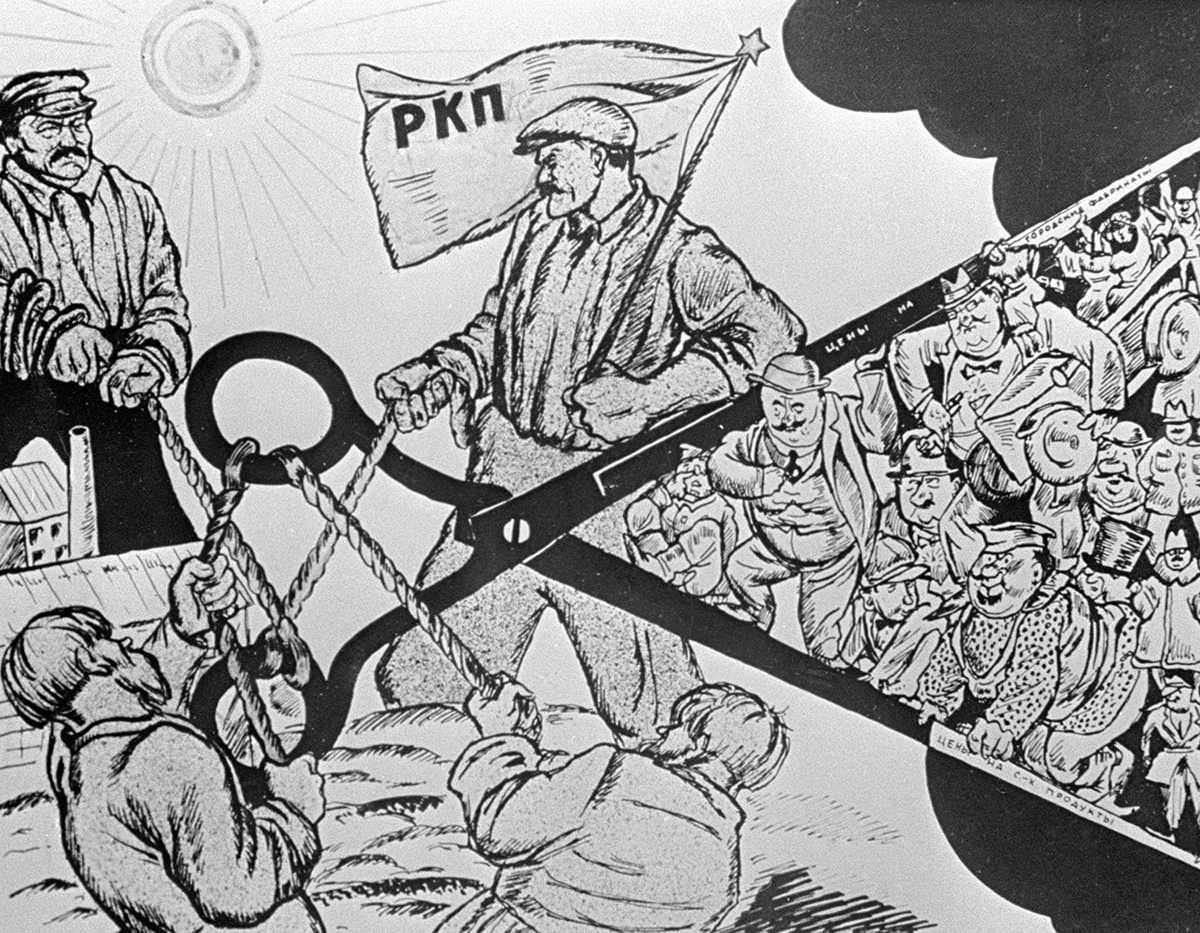
In the 1920s and early 1930s, the artist drew caricatures of the opponents of the Bolsheviks in the Civil War, White émigrés, domestic opponents of Soviet power, as well as negligent Soviet officials.
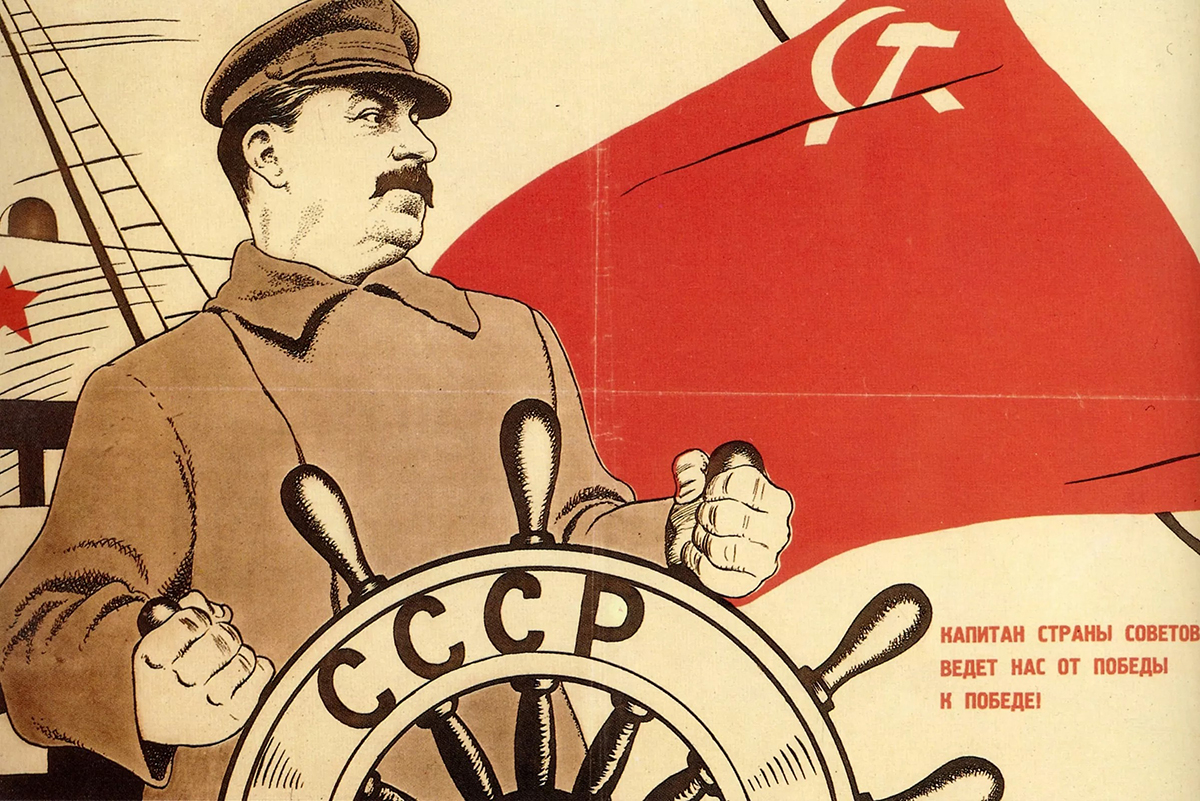
Yefimov didn't limit himself to caricatures alone. In 1933, he created the now-iconic Stalin poster with the caption: "The Captain of the Land of Soviets Leads Us from Victory to Victory!"
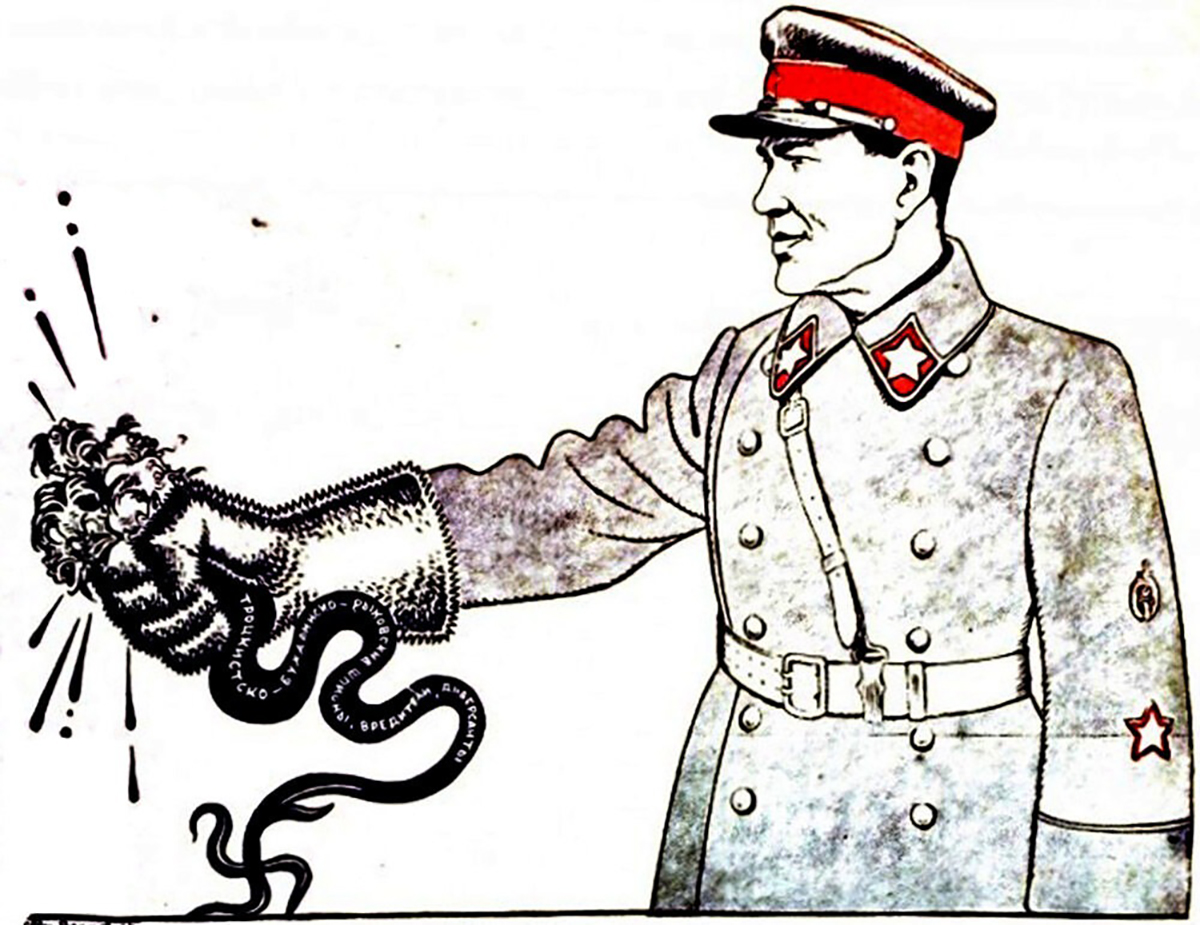
There's a work for which the artist would later be ashamed. In 1937, he created the laudatory caricature ‘Iron Gloves of Steel’ of People's Commissar of Internal Affairs Nikolai Yezhov. However, Yezhov's name soon became inextricably linked with mass repressions in the USSR.
"We mustn't forget the insidious nature of political caricature, which sometimes appears witty and successful under certain circumstances, but becomes shameful when we look at past events with completely different eyes," Yefimov lamented in the 1980s.
In the 1930s, foreign policy issues came to the forefront of the artist's work. Among the main targets of his satire were the Nazi figures who came to power in Germany.
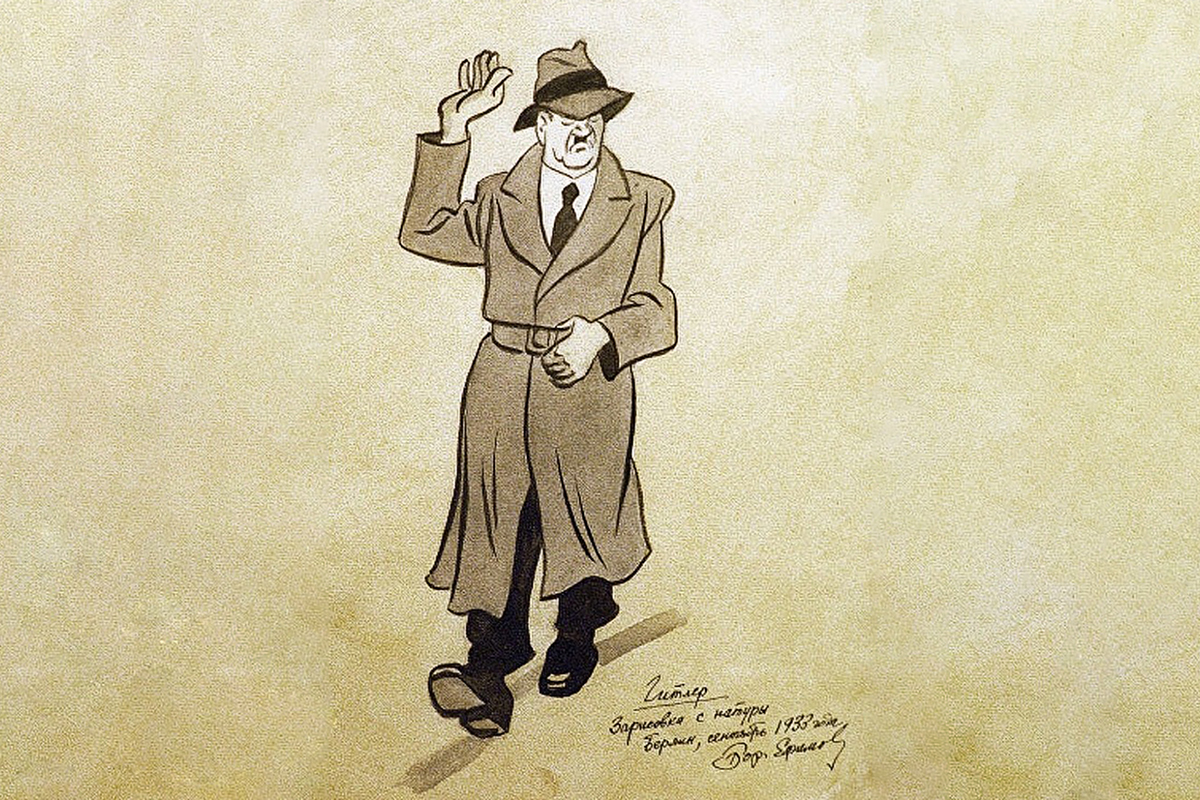
Once, Yefimov managed to draw Hitler directly from real life. In 1933, he was passing through Berlin and bumped into the Führer on the street. "Noticing the icy and threatening gaze of an SS man fixed on me, I thought it best not to linger and quickened my pace…," Yefimov recalled. But he still managed to hastily sketch the scene before him on paper.
The cartoonist also had a special connection to the Spanish Civil War. His brother, Mikhail Koltsov (Moisei Fridlyand), a talented writer and correspondent for the ‘Pravda’ newspaper, fought in the war.
But, in 1938, Koltsov was arrested and executed two years later for being an "enemy of the people". Yefimov himself could have been caught up in the repressions, but he was spared on Stalin's personal orders.
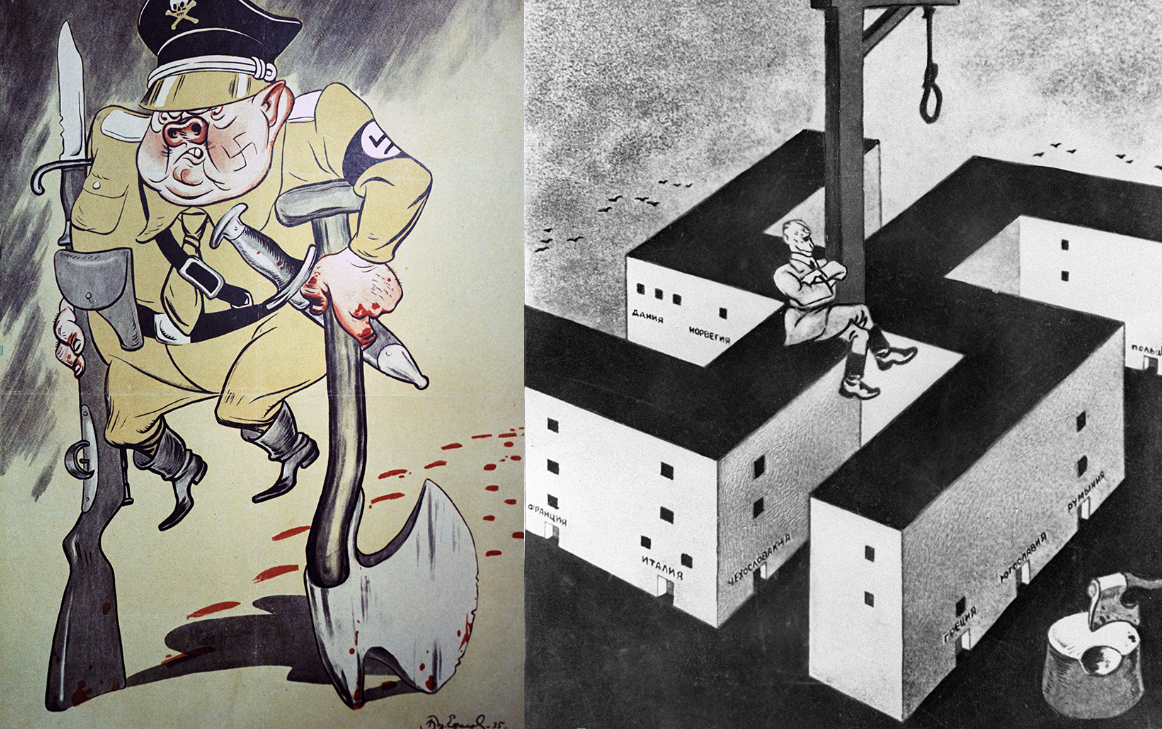
During World War II, the artist worked on propaganda posters for the ‘TASS Windows’ project and traveled to the front multiple times as a war correspondent for the ‘Krasnaya Zvezda’ newspaper.
After Victory Day, he participated in covering the International Military Tribunal in Nuremberg. His depictions of Nazi leaders as a "fascist menagerie" – disgusting half-human, half-animal creatures – became widely known.
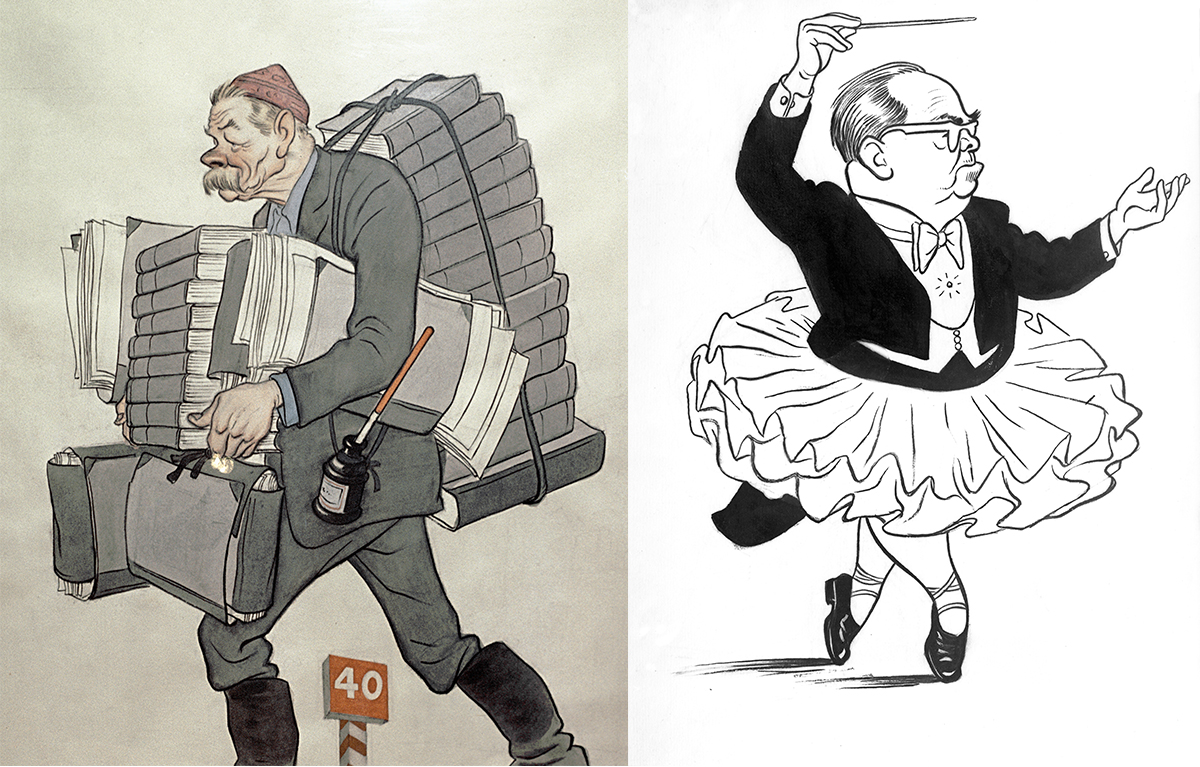
In subsequent years, Yefimov continued working on political cartoons. He also enjoyed designing productions for Moscow theaters.
During his lifetime, the artist created over 70,000 drawings, published dozens of collections and wrote several memoirs and scholarly works dedicated to his life's work – caricature. His awards included two ‘Stalin Prizes’, three ‘Orders of Lenin’, the titles of ‘People's Artist of the USSR’ and ‘Hero of Socialist Labor’.
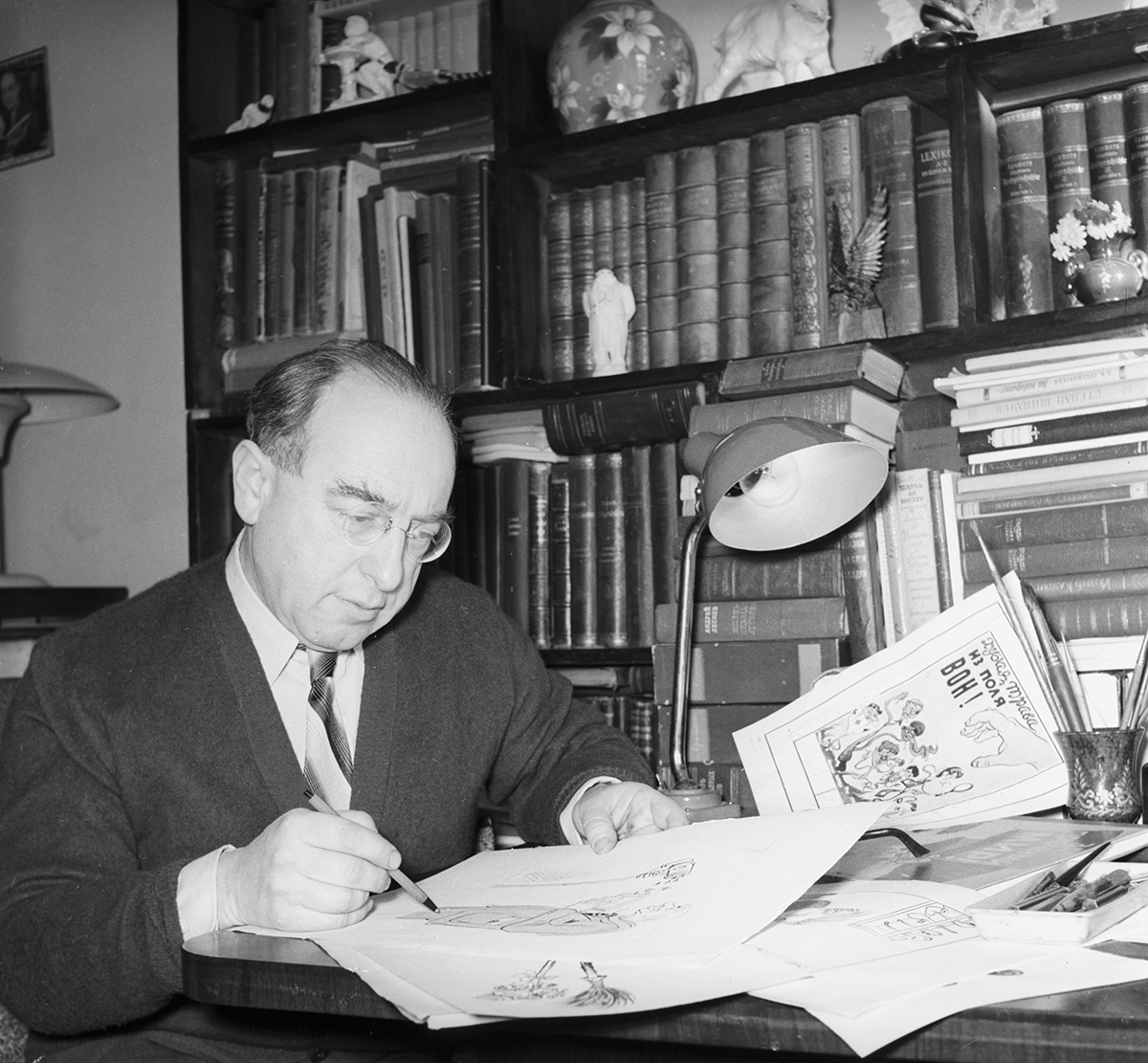
Even after reaching his 100th birthday, Yefimov continued to lead an active creative life—working on memoirs, drawing friendly caricatures, and performing at events and soirees. The artist died on October 1, 2008, ten days shy of his 108th birthday.