Why did German captivity become a living HELL for Soviet soldiers? (PHOTOS)

"The Bolshevik soldier lost the right to be treated as an honest soldier and in accordance with the Geneva Convention," stated a decree of the Wehrmacht High Command at the beginning of the war.
During World War II, according to various estimates, between 4.5 and 5.7 million Red Army soldiers were captured by Nazi Germany. And more than half of them died.
The Nazis justified their inhumane treatment by citing the USSR's failure to sign the 1929 Geneva Convention relative to the ‘Treatment of Prisoners of War’. In reality, the Third Reich was obliged to abide by its provisions, even if the other side had not signed the Convention.
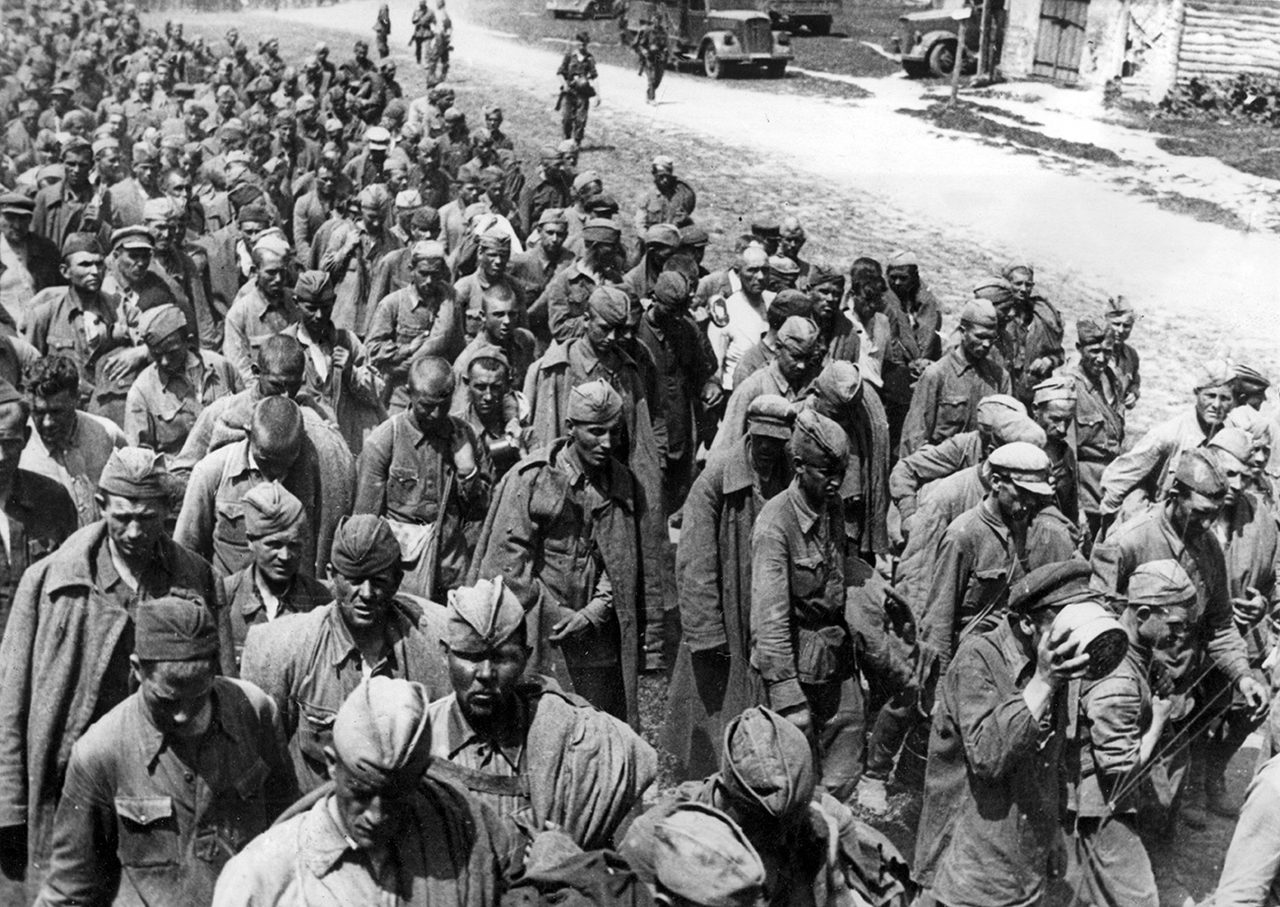
The peak mortality rate among Soviet prisoners of war occurred in the first eight to nine months of the war. The Germans, who were liberating “Lebensraum” ("living space") for themselves, treated them harshly – killing them for any offense and even without cause. Only when it became clear that the war was dragging on did they begin to value the prisoners as labor.
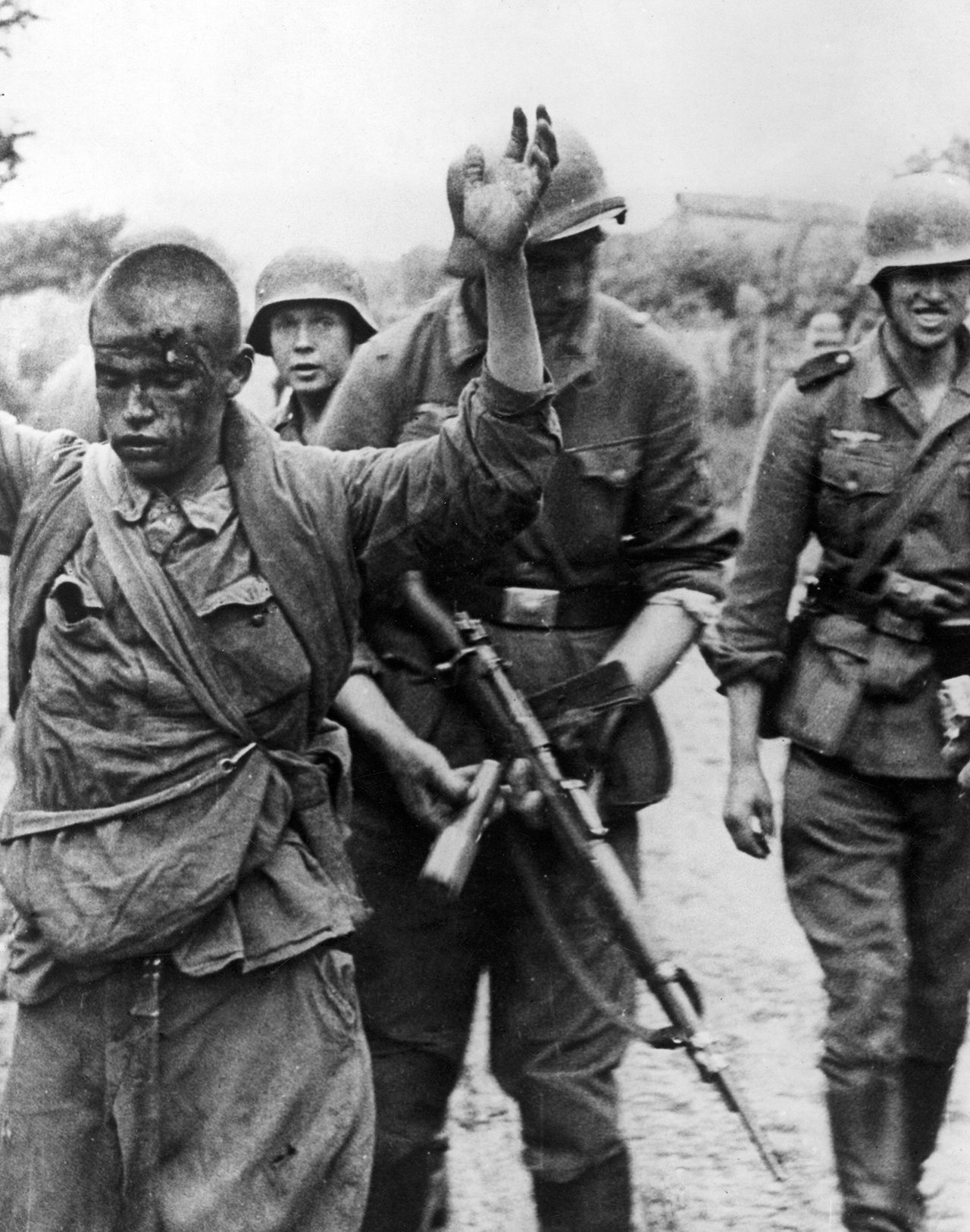
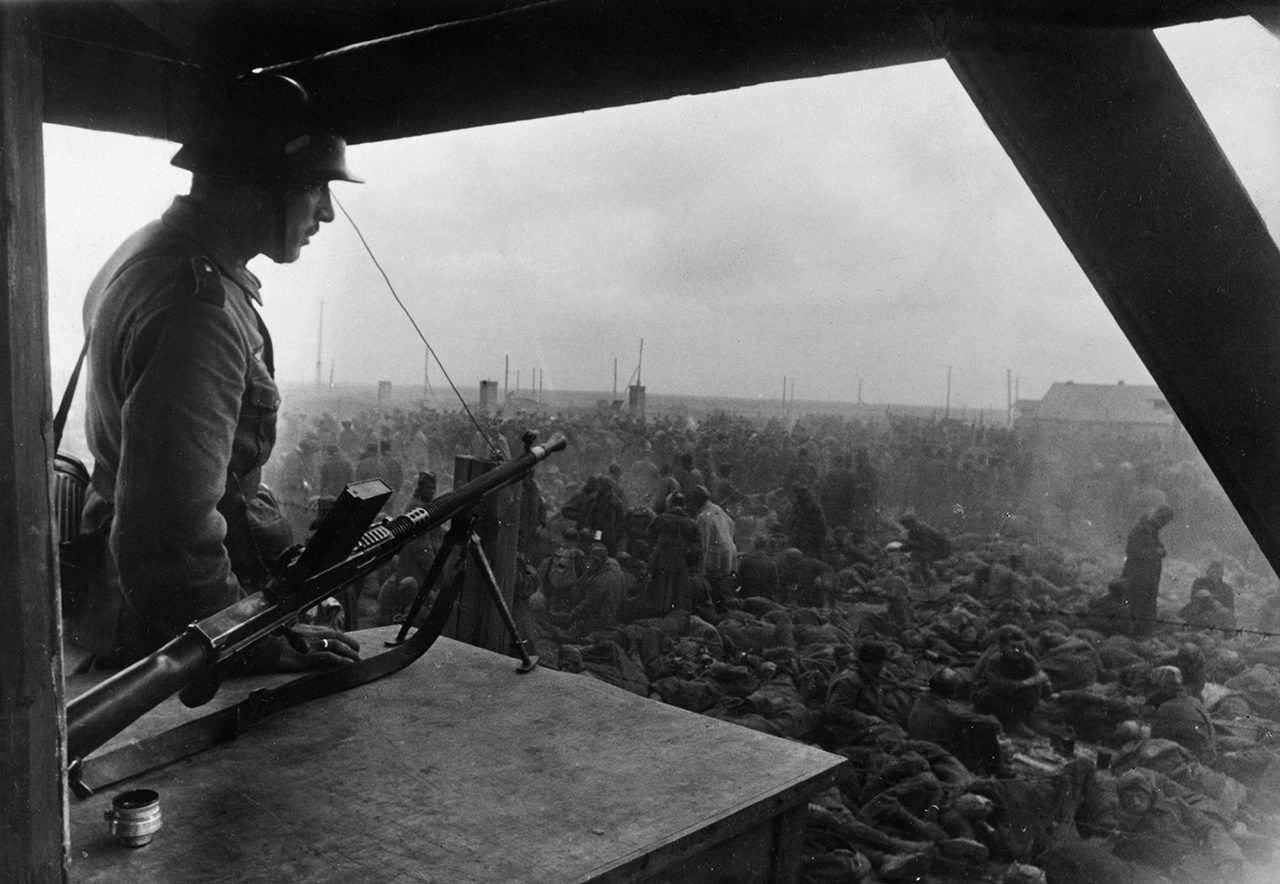
There was insufficient space in the camps for the enormous number of prisoners of war. People were huddled in unheated barracks in appallingly cramped and unsanitary conditions. Often, there weren't even barracks and the camp was simply a patch of open ground fenced with barbed wire.
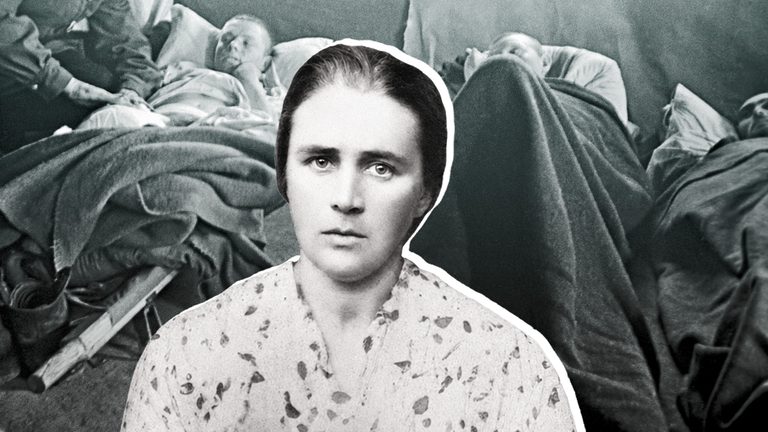
The hospitals for prisoners of war were little different from living quarters – they lacked medical equipment, sufficient beds or mattresses, and the sick were often laid on dirty floors. Fyodor Yasnov, a resident of Peski near Pskov, recalled how, in 1942, the Germans simply burned down a barracks containing typhus patients.
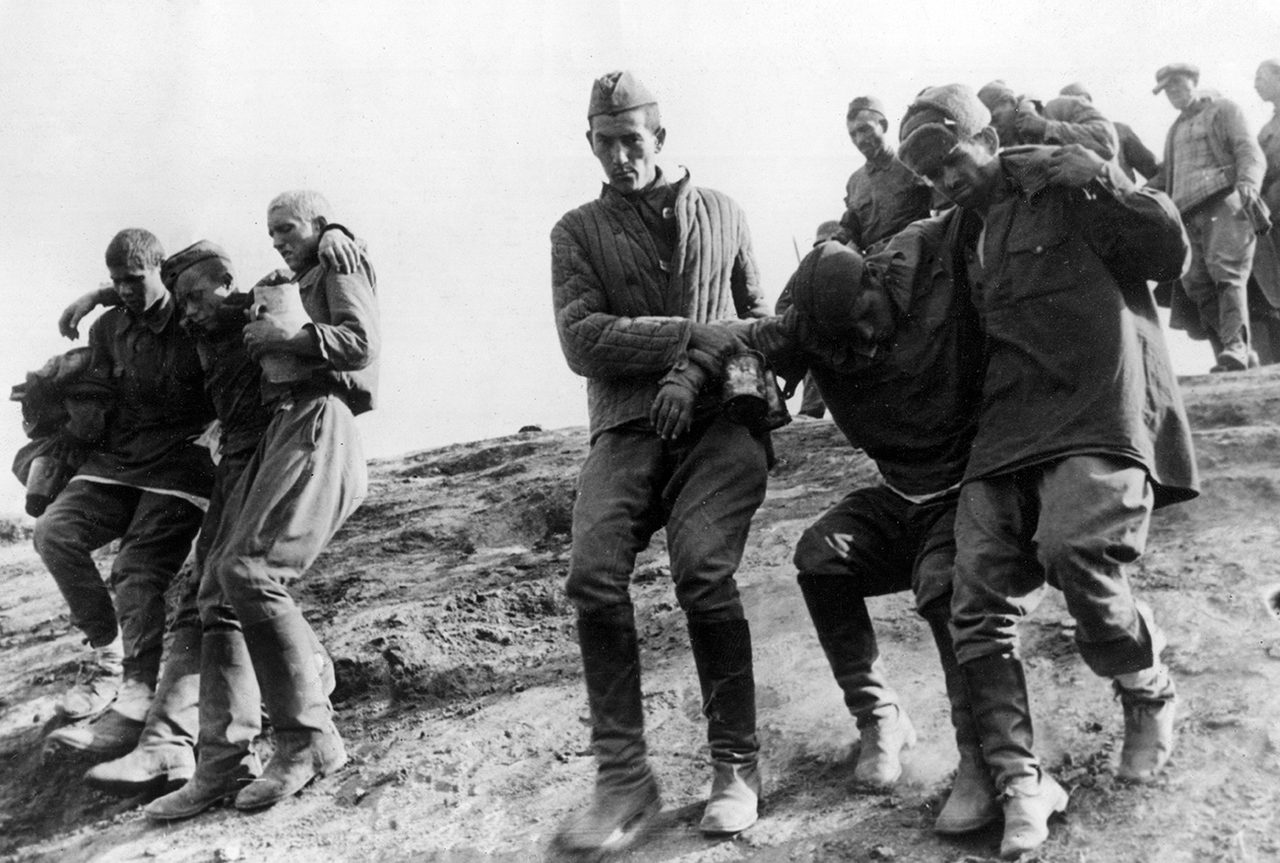
The conditions for transporting prisoners of war were also appalling. They could be marched hundreds of kilometers on foot for weeks. There was no special treatment for the sick and wounded. Those who fell behind were mercilessly finished off by the guards.
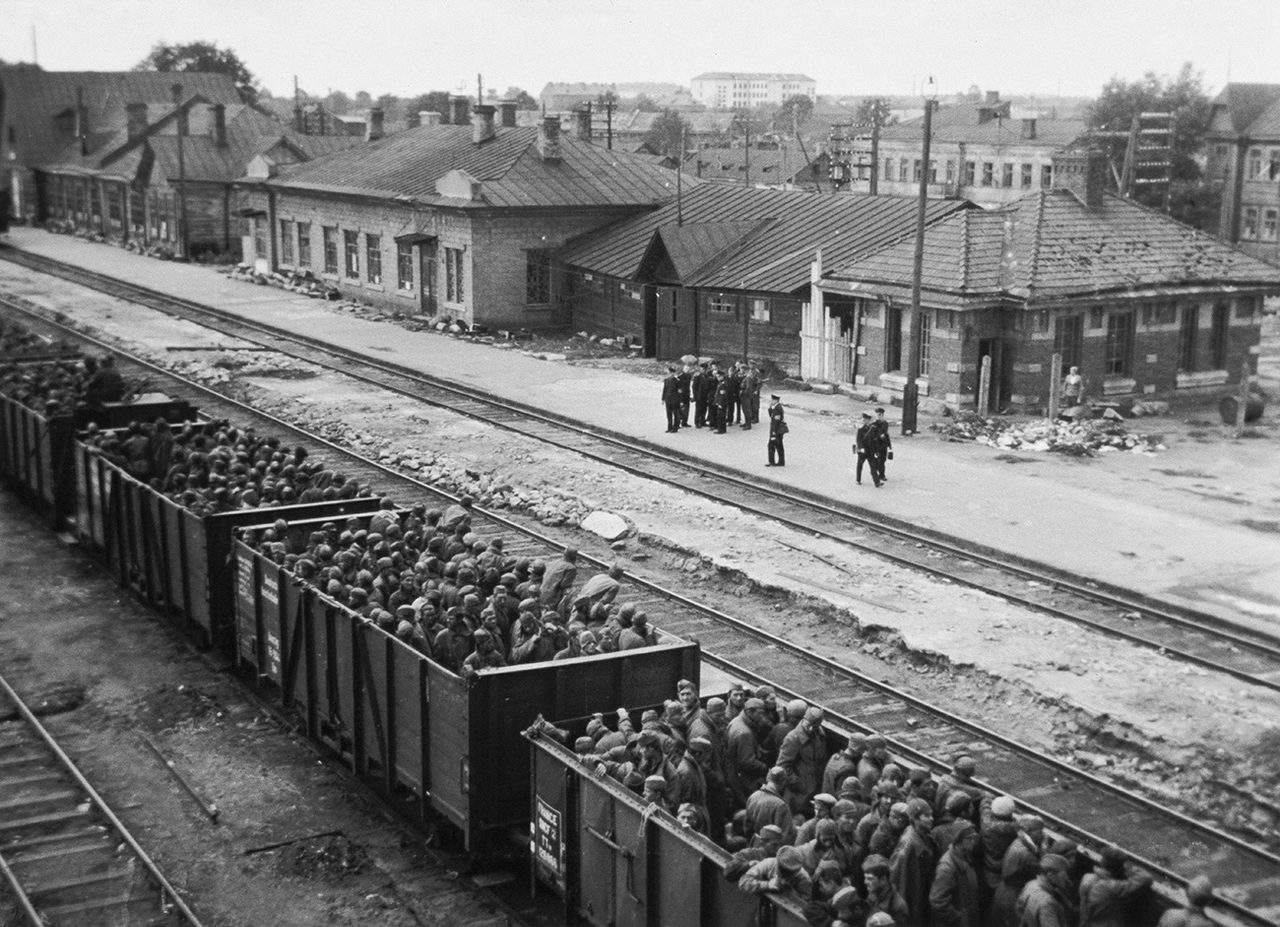
The situation with rail transport was also no better. In cramped train cars without bunks, water, or toilets, the prisoners suffered from hunger for days, suffocated from the heat or froze from the cold. It also happened that not a single person remained alive on the trains arriving at the camp.
The prisoners were fed extremely meagerly, using whatever was left over from the plundered occupied territories. A single serving of potato peel soup with bread was a rare treat. It got to the point where people ate all the grass in the area and even hunted mice, frogs and cats.
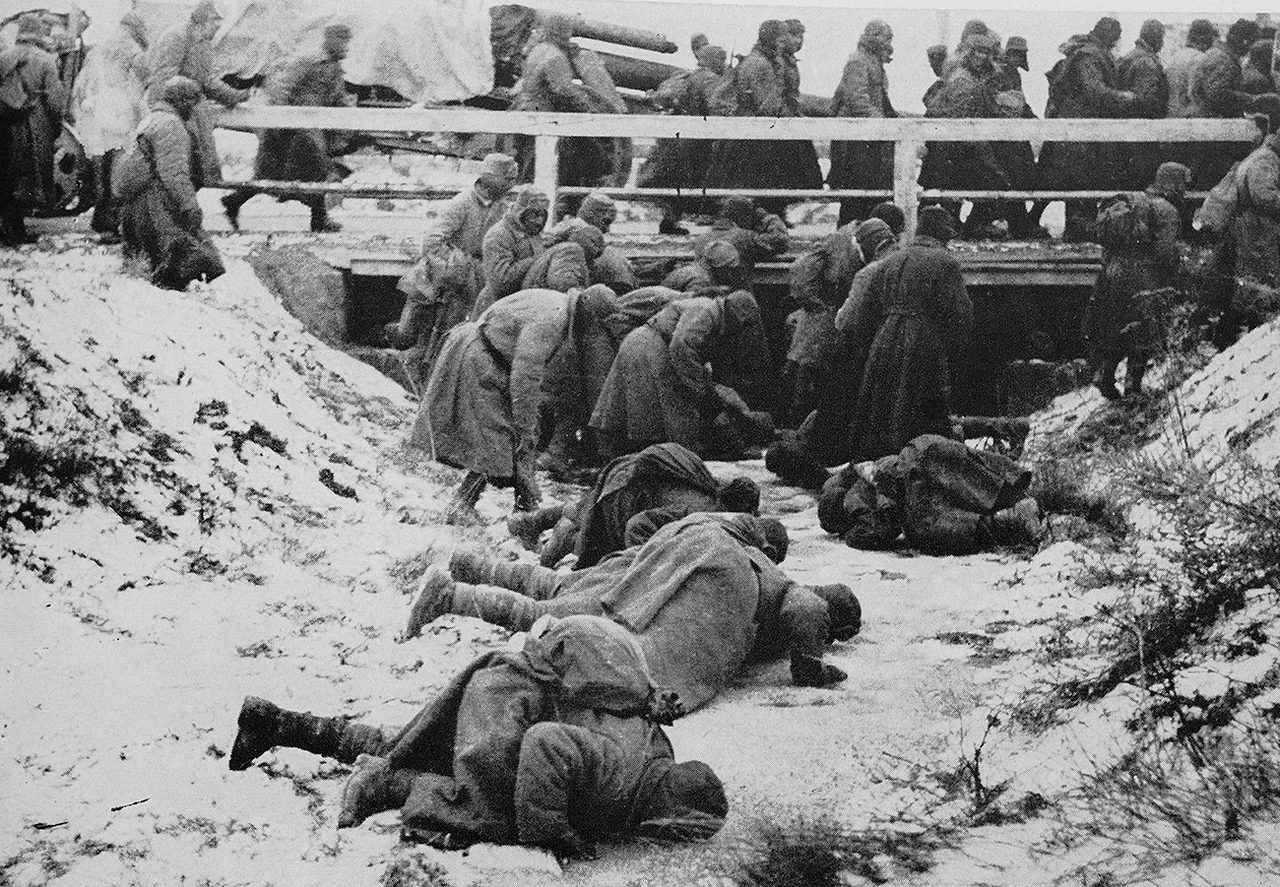
"The food was terrible: a piece of bread with sawdust for lunch and herbal tea three times a day. We chewed this piece of bread for hours, moistening it with saliva, since it was impossible to swallow, until there was nothing left in our mouths," recalled prisoner of war Konstantin Chukhlantsev.
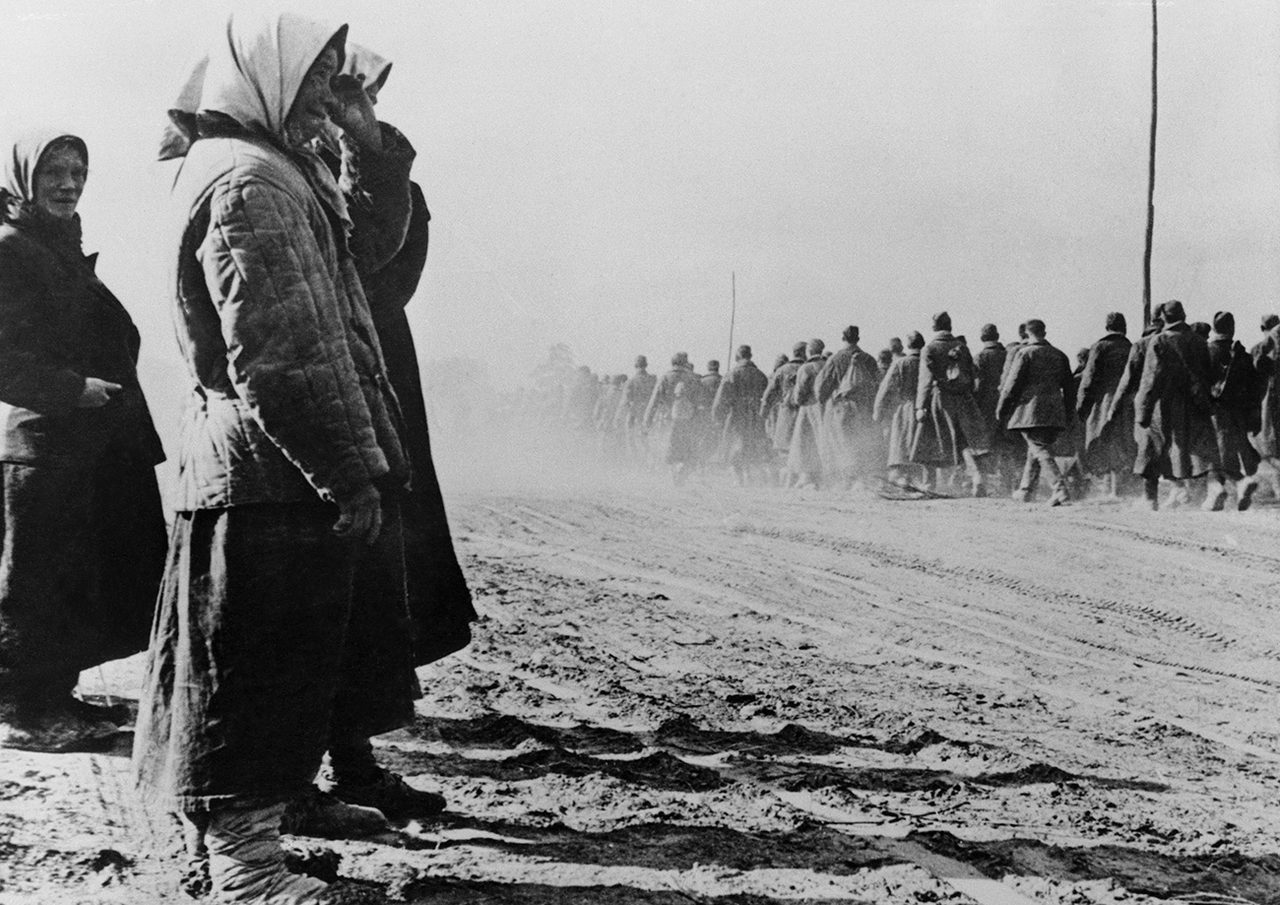
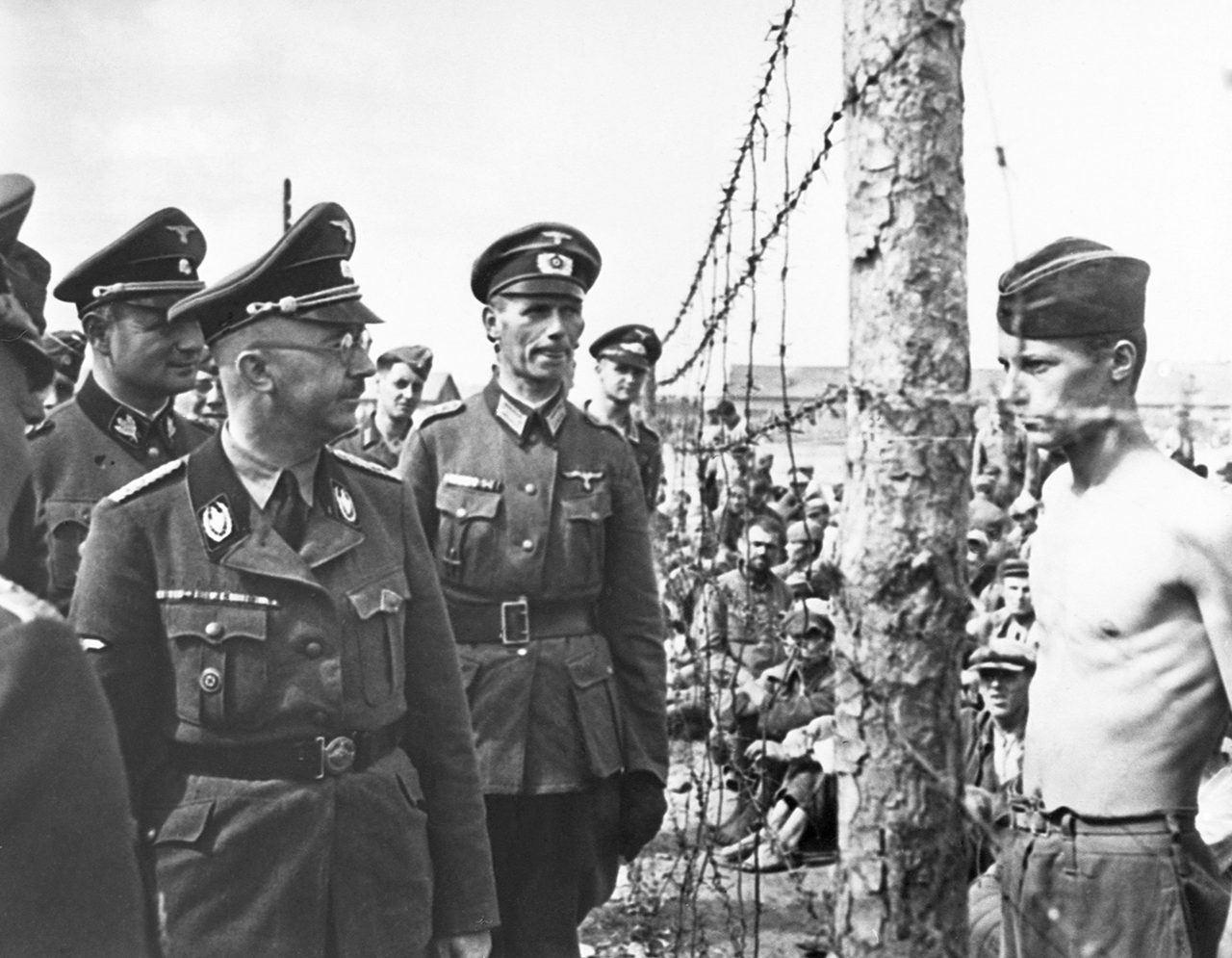
Local residents were strictly forbidden from passing food to the unfortunate prisoners. A resident of occupied Pskov recalled: "I personally witnessed a village woman hand a carrot to a prisoner of war being escorted. The German guard hit him on the head with a thick birch stick. He fell from the blow and then the German shot him and placed the carrot next to his body, emphasizing that it was the cause of his death."
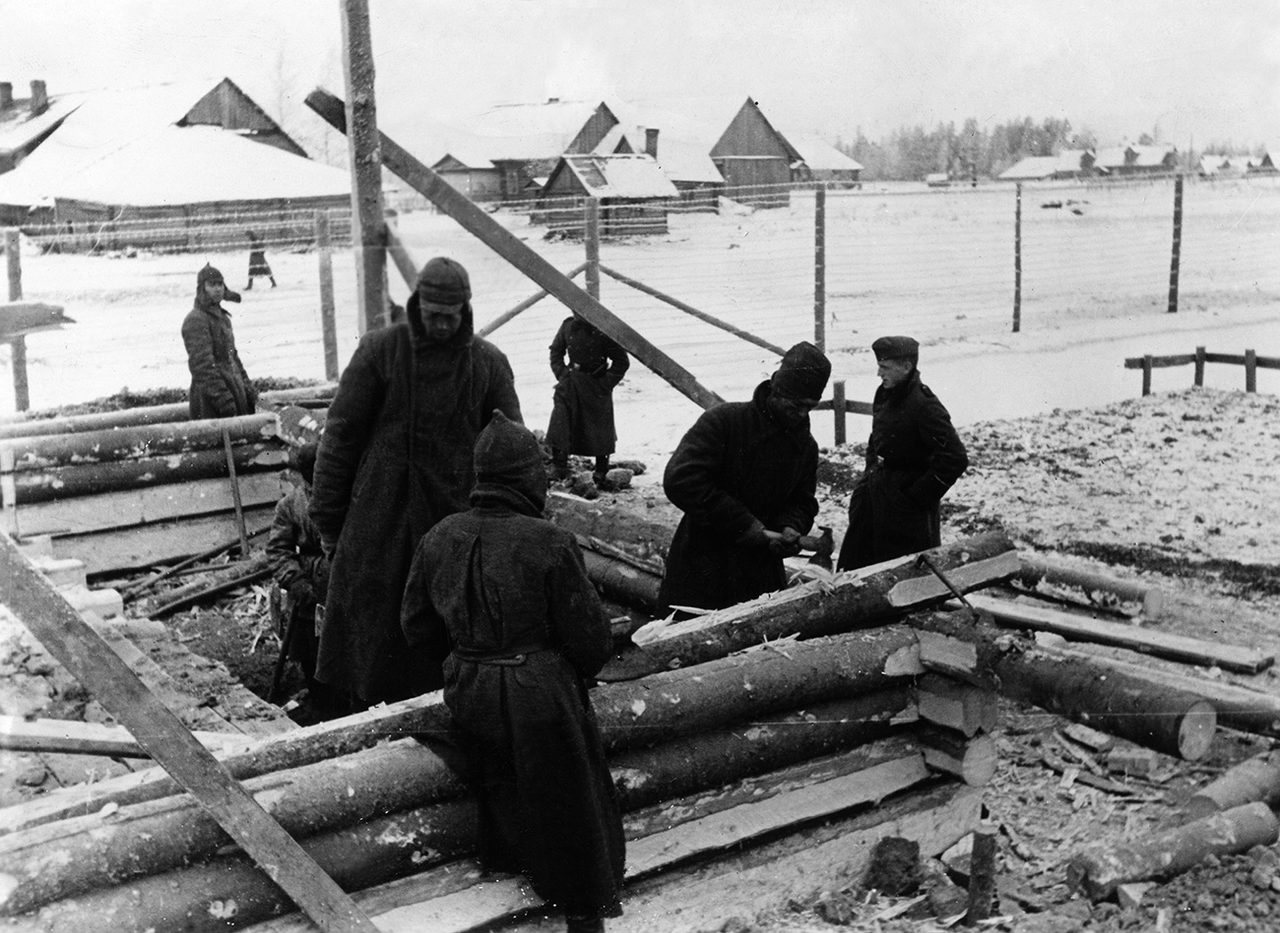
Those who could still move were used by the Germans for hard labor for the Third Reich. Thousands died building a road in northern Norway, which became known as the infamous ‘Bloody Road’.
Pavel Garinov, who found himself in the Tiefbaum coal mine, recalled: "The miners, working 14 hours a day, survived no more than a month and a half. They fed us a thick, sour slop that even the starving couldn't stomach. In the mine, morning and evening, they picked up the bodies of dead prisoners and two vanloads of them, completely naked, were taken away and buried in a common pit."