
How Soviet partisans terrorized the Nazis (PHOTOS)

They fought effectively against the Germans, their allies and collaborators not only in the USSR, but also in distant Italy and France.
"Blood for blood and death for death! I swear by all means necessary to assist the Red Army in exterminating the rabid Hitlerite dogs, sparing neither blood nor my own life!" This was the oath of the Soviet partisans.
More than 6,000 Soviet partisan detachments operated behind German lines during World War II. Even before the Allied landings in Normandy, the Nazis often referred to the fight against them as a "second front".
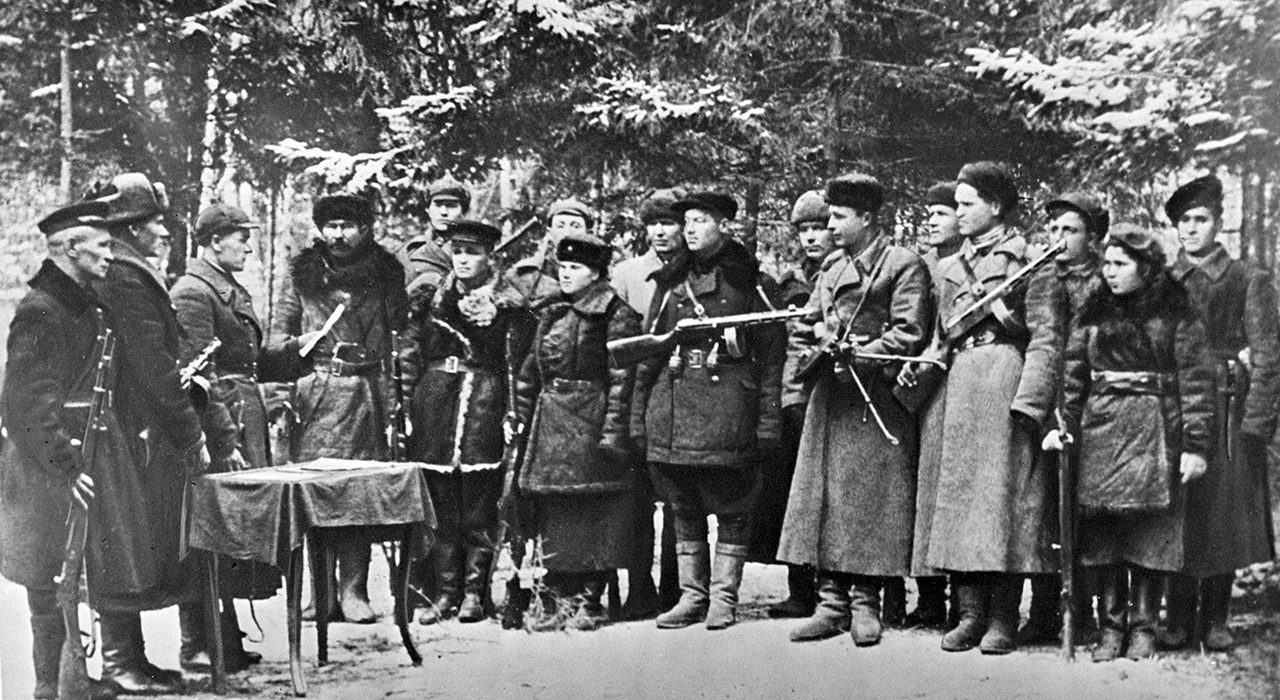 Belarusian partisans take an oath of allegiance to the Motherland.
The first appeared in Fall 1941. They included encircled Red Army soldiers, local residents and special reconnaissance and sabotage units brought in from the mainland.
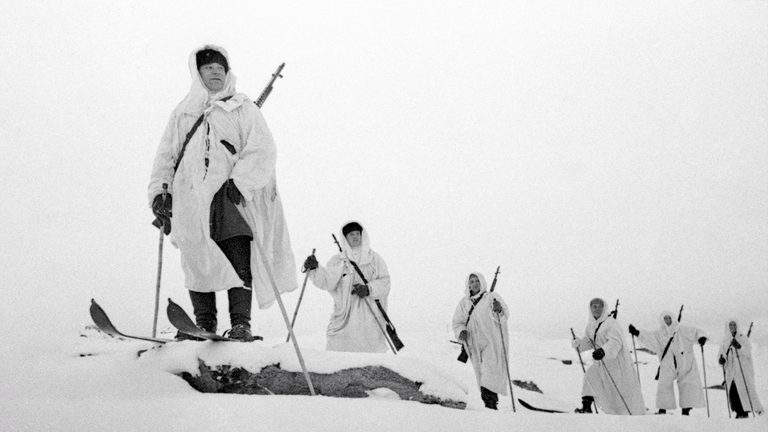
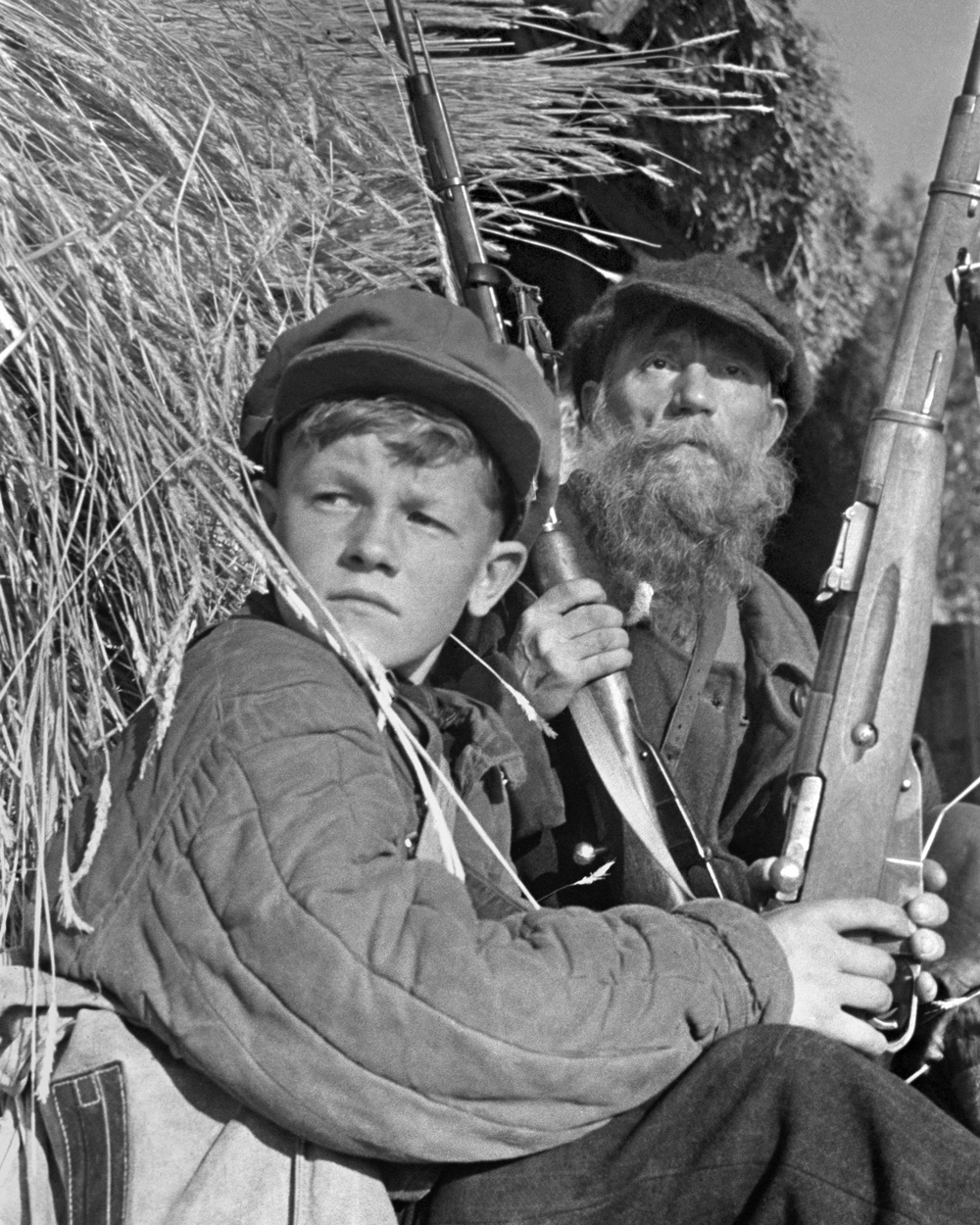 Partisans on patrol.
“Fighting with the partisans was hard. Only one thing, I think, helped us survive: stubbornness. After all, we weren't just shooting at the Germans, capturing their supply trains and blowing up railroad tracks. We had to march dozens of kilometers a day. And all this through impassable swamps and forests. We slept by campfires in villages, but only when we had the time and opportunity, which was very rare,” recalled partisan Meinhard Krunberg.
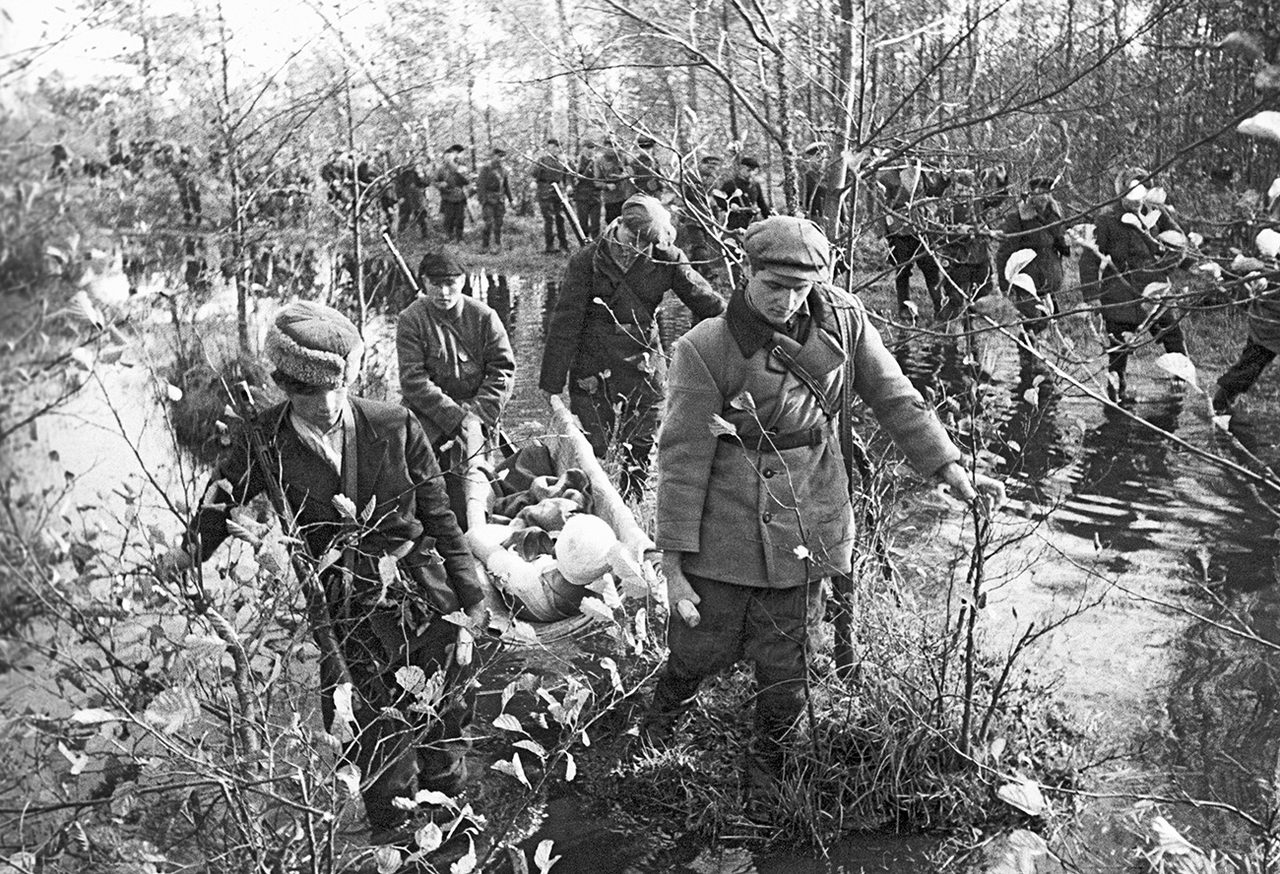 Partisans from the Kotovsky detachment return from a combat mission.
From time to time, large partisan units would carry out long raids behind enemy lines, destroying their communications, equipment and manpower. In 1943, Stalin was so impressed by Captain Mikhail Naumov's ‘Steppe Raid’ across Ukraine that he immediately ordered his promotion to major general.
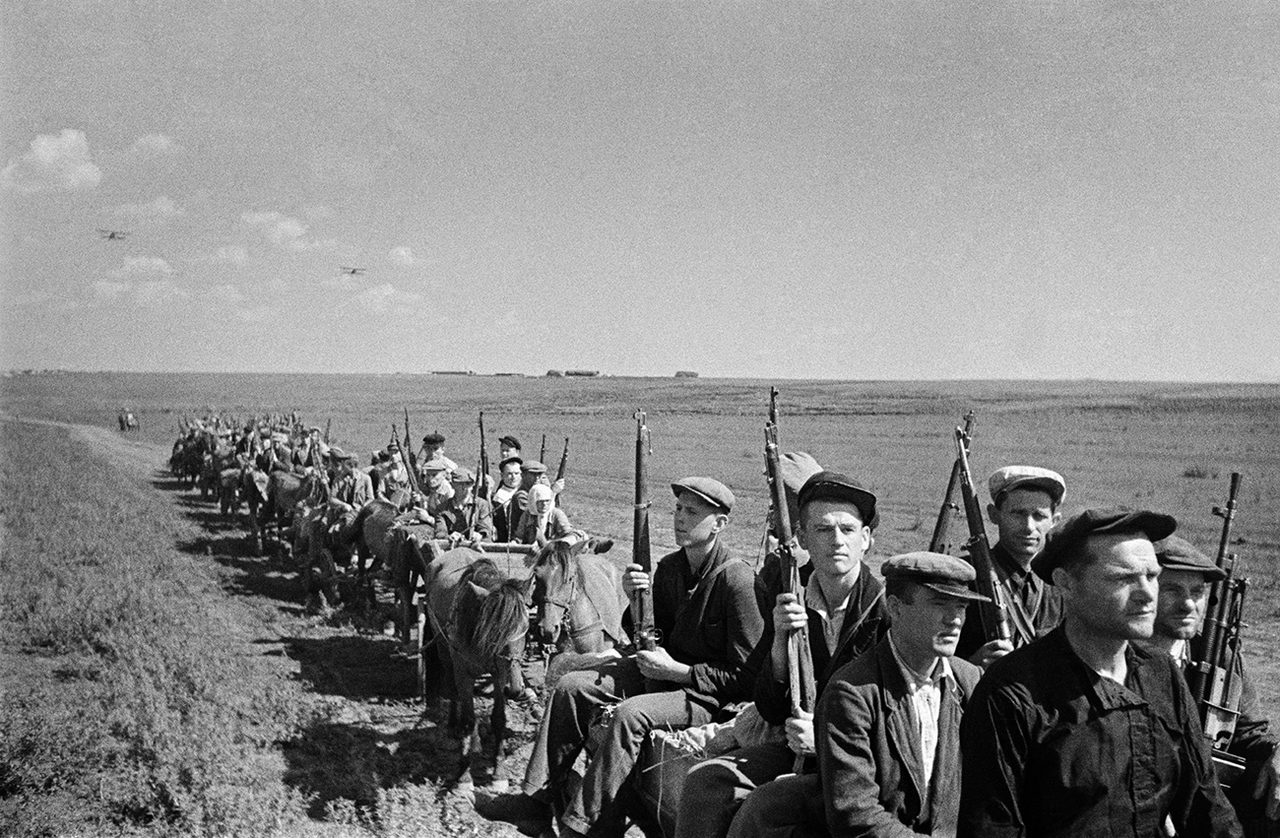 A detachment of partisans on horse-drawn carts sets out on a mission near Odessa.
The Central Headquarters of the Partisan Movement reported to the Supreme Command Headquarters, while the partisans typically coordinated their major operations with the Red Army. For example, during the ‘Battle of Kursk’, they launched ‘Operation Rail Warfare’ behind German lines to destroy railway lines, forcing the Germans to divert large forces to protect them.
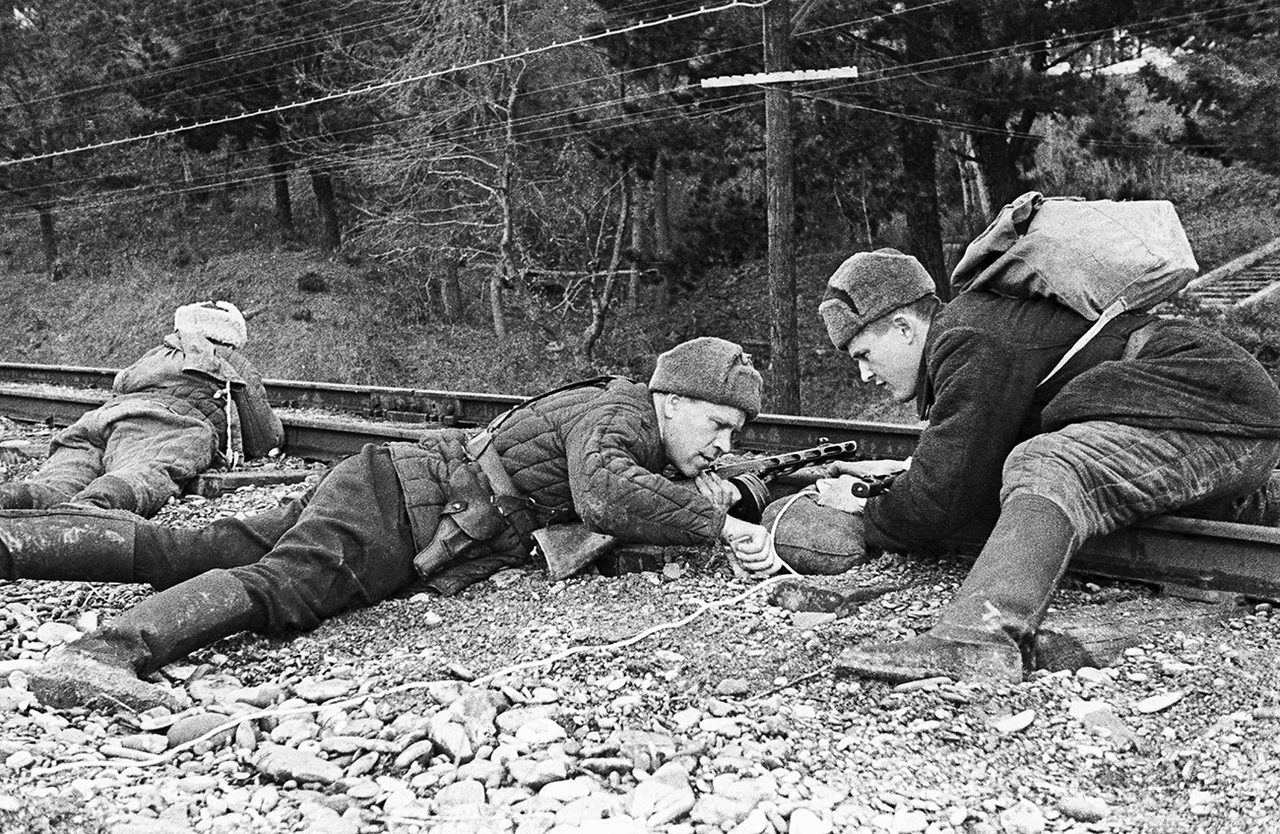 A group of Soviet partisan demolitionists in Crimea.
Periodically, the partisans managed to liberate vast territories and establish so-called partisan territories, each with hundreds of settlements, where Soviet power was restored.
"There were no longer any people on their territory who weren't fighting the enemy. Some were in the detachment, while others were helping the partisans… Tens of thousands of people lived there, city dwellers fled there from the Nazis and partisans retreated there after fighting the Germans and sabotaging enemy communications," recalled partisan Yakov Menshikov.
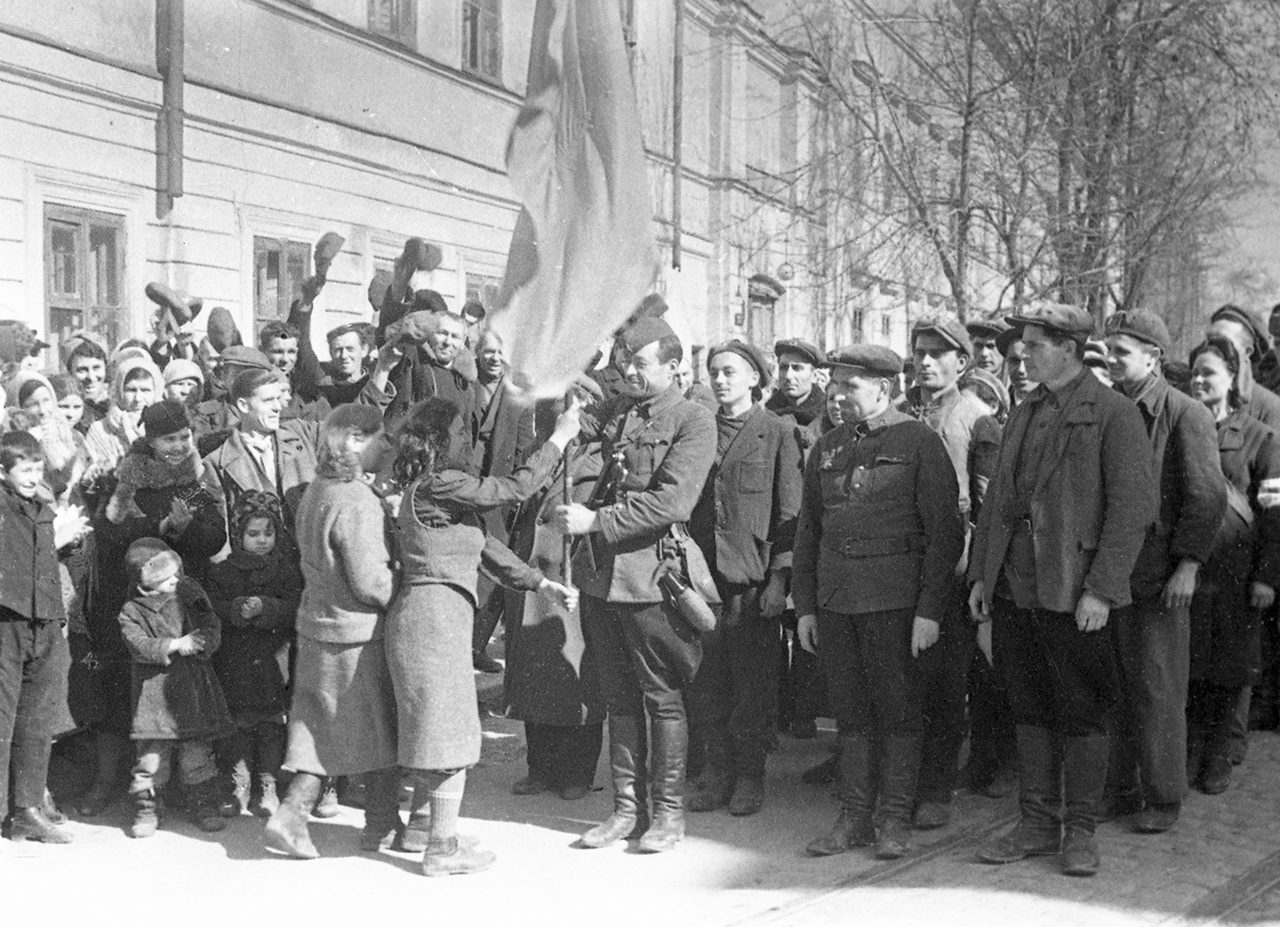 Residents of Odessa present the Red Banner to a partisan detachment that entered the liberated city in 1944.
The Germans harshly punished the population for assisting the partisans. For the death of several of their soldiers at the hands of the partisans, an entire village could be burned down. Large-scale anti-partisan operations were periodically carried out, involving not only police units and collaborators, but also the army.
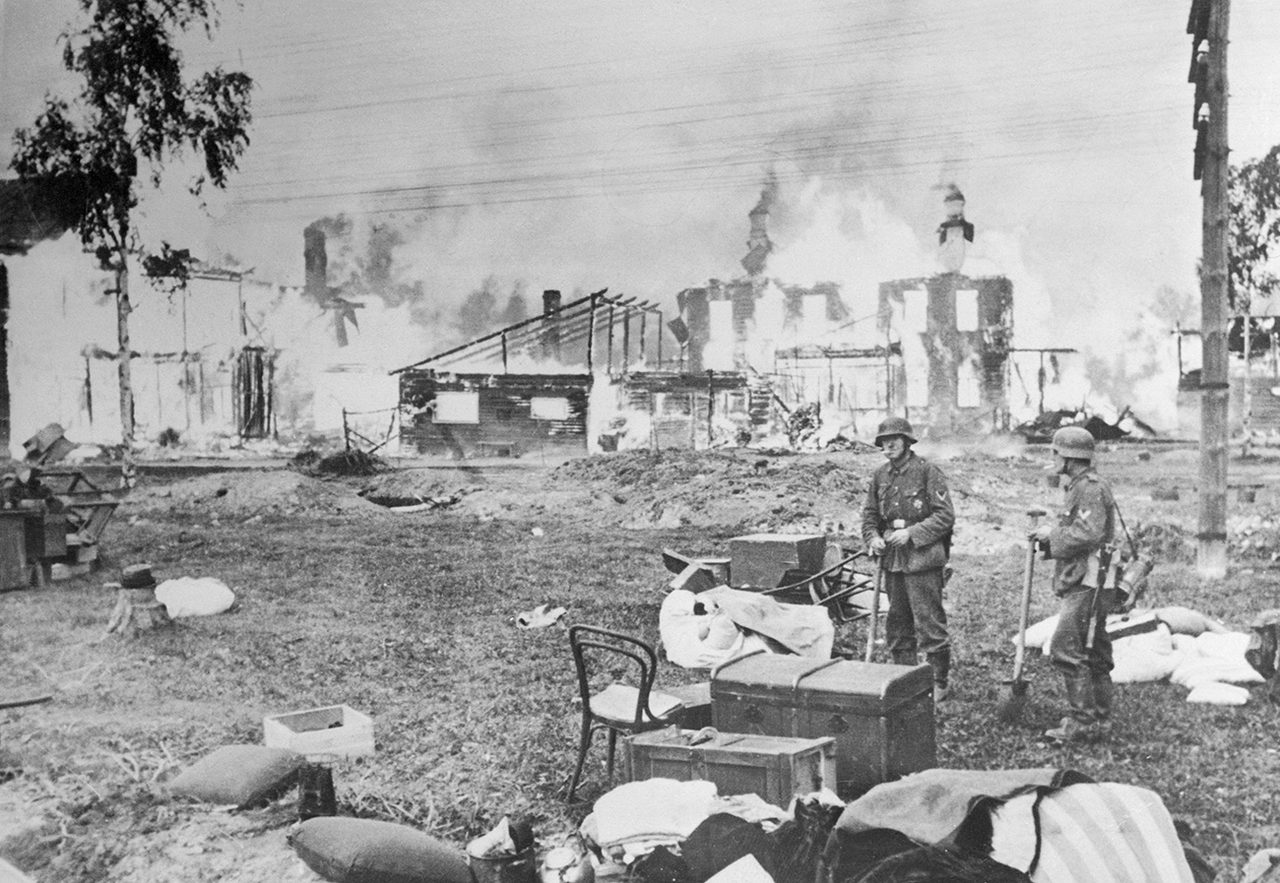 German soldiers in a burnt-out village near Leningrad.
After the arrival of the Red Army, partisans in the liberated territories joined its ranks. "Army life, as we know, is strictly regulated. In this regard, it was much easier in the partisan ranks. Everything was simpler there: you simply participated in combat operations. The only thing was that if you were given an order, you were obliged to carry it out at any cost. And everyone respected that," Krunberg said.
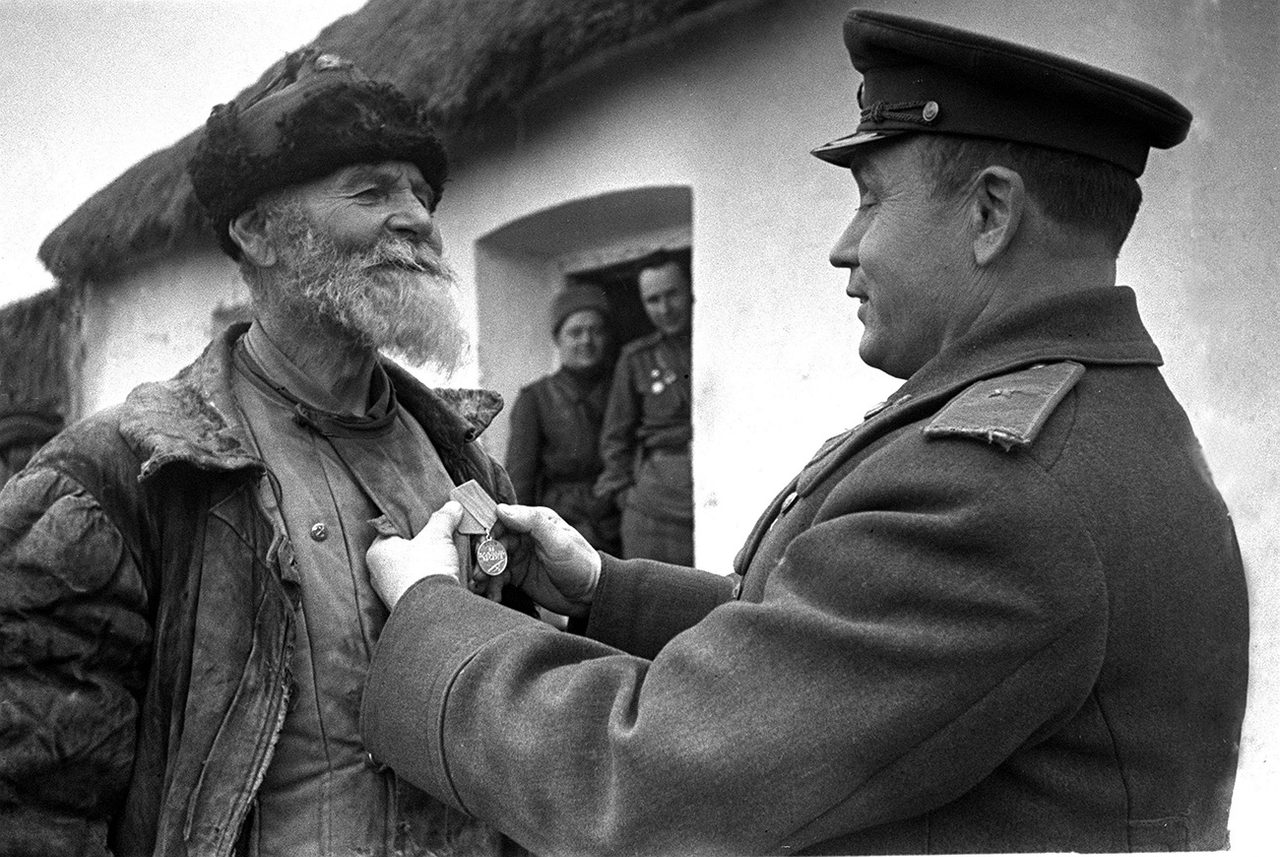 Guards Major General Afanasy Shemenkov awards Grigory Pompik, a resident of the village of Shirokoye, with the medal "For Military Merit."
Soviet partisans fought not only in the USSR, but also abroad. Thousands of prisoners of war in France, Belgium and Italy escaped from camps and joined the Resistance movement. With their combat training and experience, they often became virtually the only force capable of resisting the Nazis.
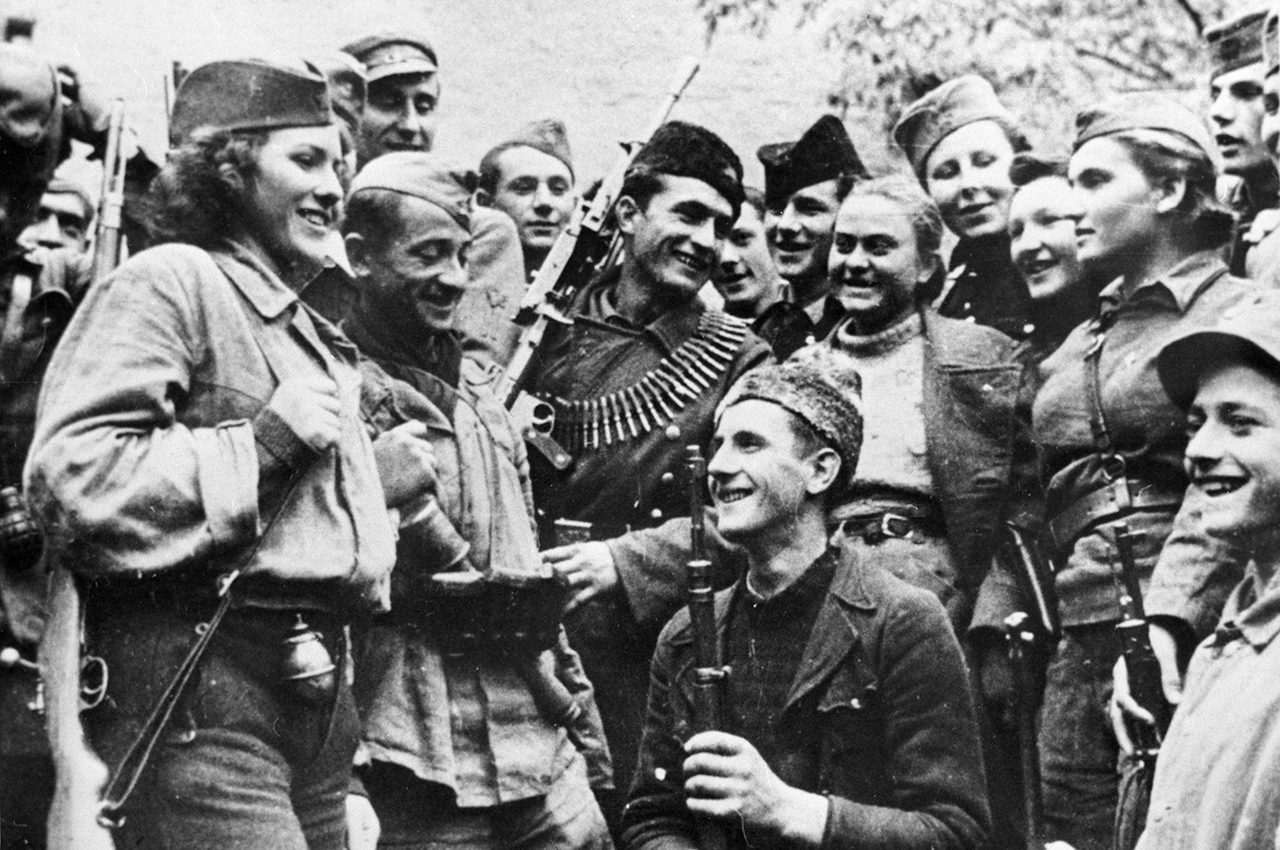 Yugoslav partisans are accepting new fighters into their ranks.