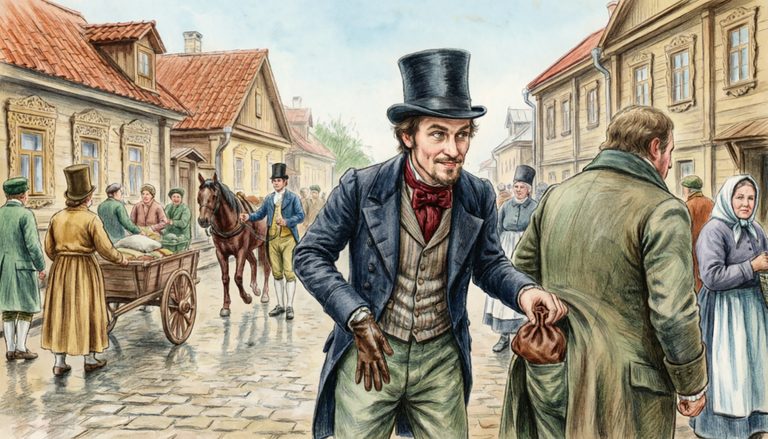
Who was a ‘BEAR MAN’ in Tsarist Russia?
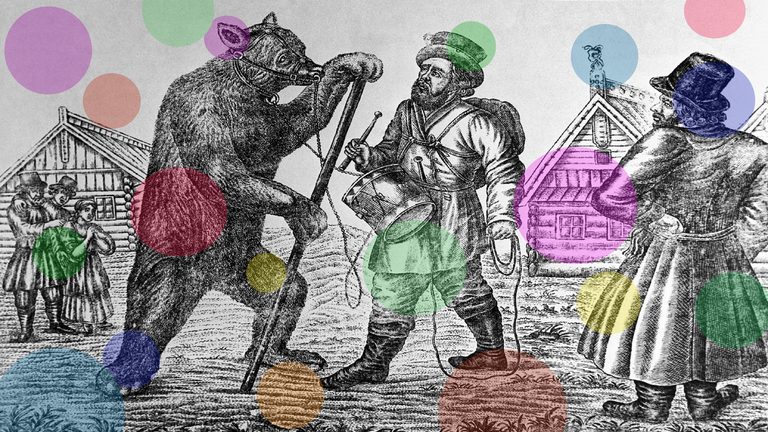
The myth that bears roam the streets of Russia actually has a historical basis. However, they weren't wild, but trained.
The art of bear training in Russia is very ancient. There is no reliable information about who first began this practice, but it’s known that the tradition became widespread with the advent of ‘skomorokhs’ – traveling performers for whom the bear was the main "partner" and earner. Archival documents from the 16th and 17th centuries attest to the nationwide popularity of "bear entertainment".
Over time, a special profession developed – a bear leader or "bear trainer". Peasants would travel with their “pets” through towns and villages and their appearance in the quiet life of the backwoods was always an event. It wasn't just a circus act, but a veritable street theater with recognizable and comical characters.
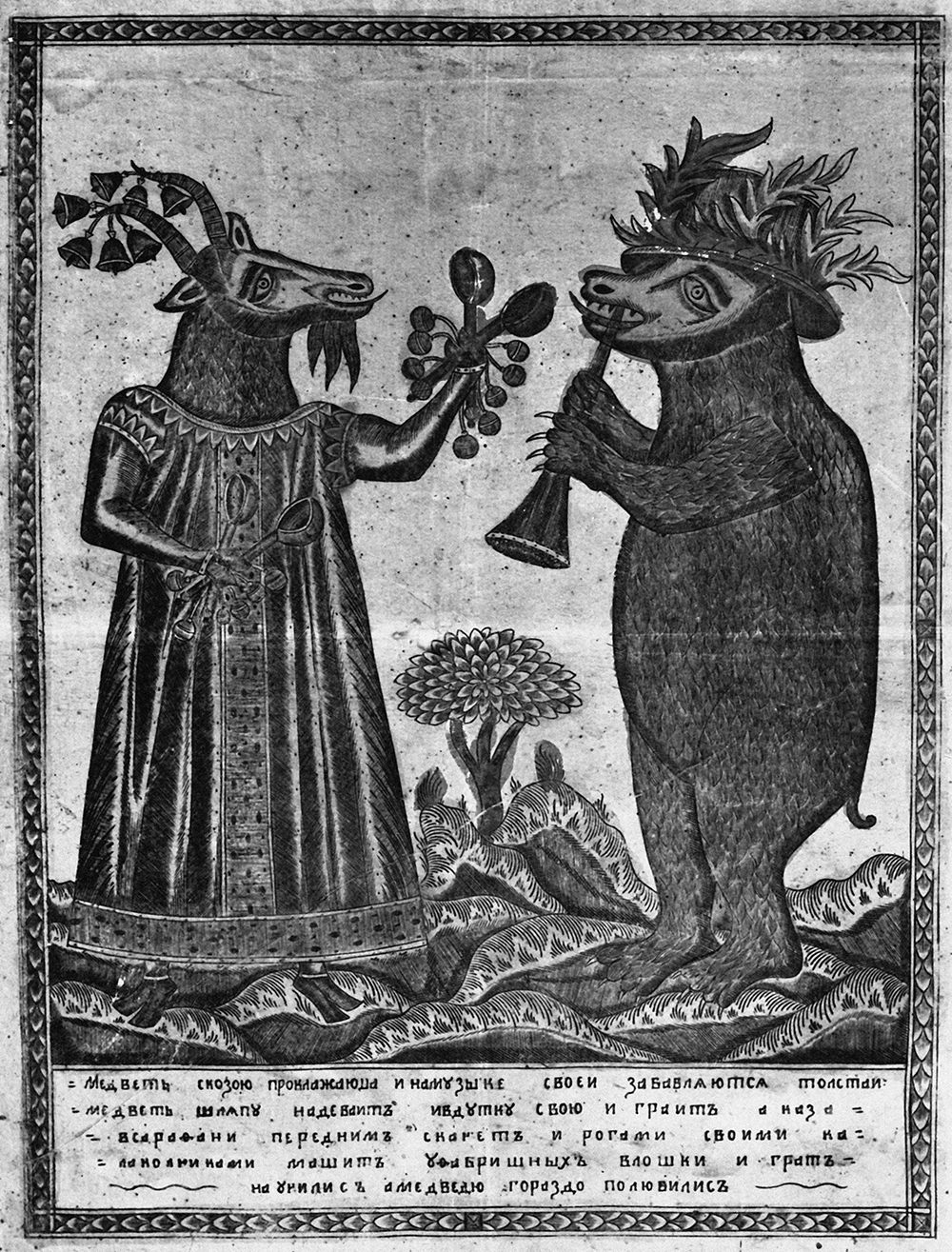
Typically, a traveling troupe consisted of four members: the leader, two assistants and a bear.
The bear's handler wasn't just a trainer, but also a scriptwriter, director and lead comedian. He held the bear on a chain by a ring threaded through its lip or nose, controlling it and commenting on its every move with witty jokes, sayings and dialogue addressed to the audience.
The bear would perform a complex pantomime. Here are some of its tricks: how a nobleman struts; how a priest prays; how a drunken peasant staggers; how children steal peas (the bear carefully picks up and hides imaginary peas); How a mother-in-law treats her son-in-law (the bear does this by bowing and offering the treat); how a young man courts a young woman and so on.
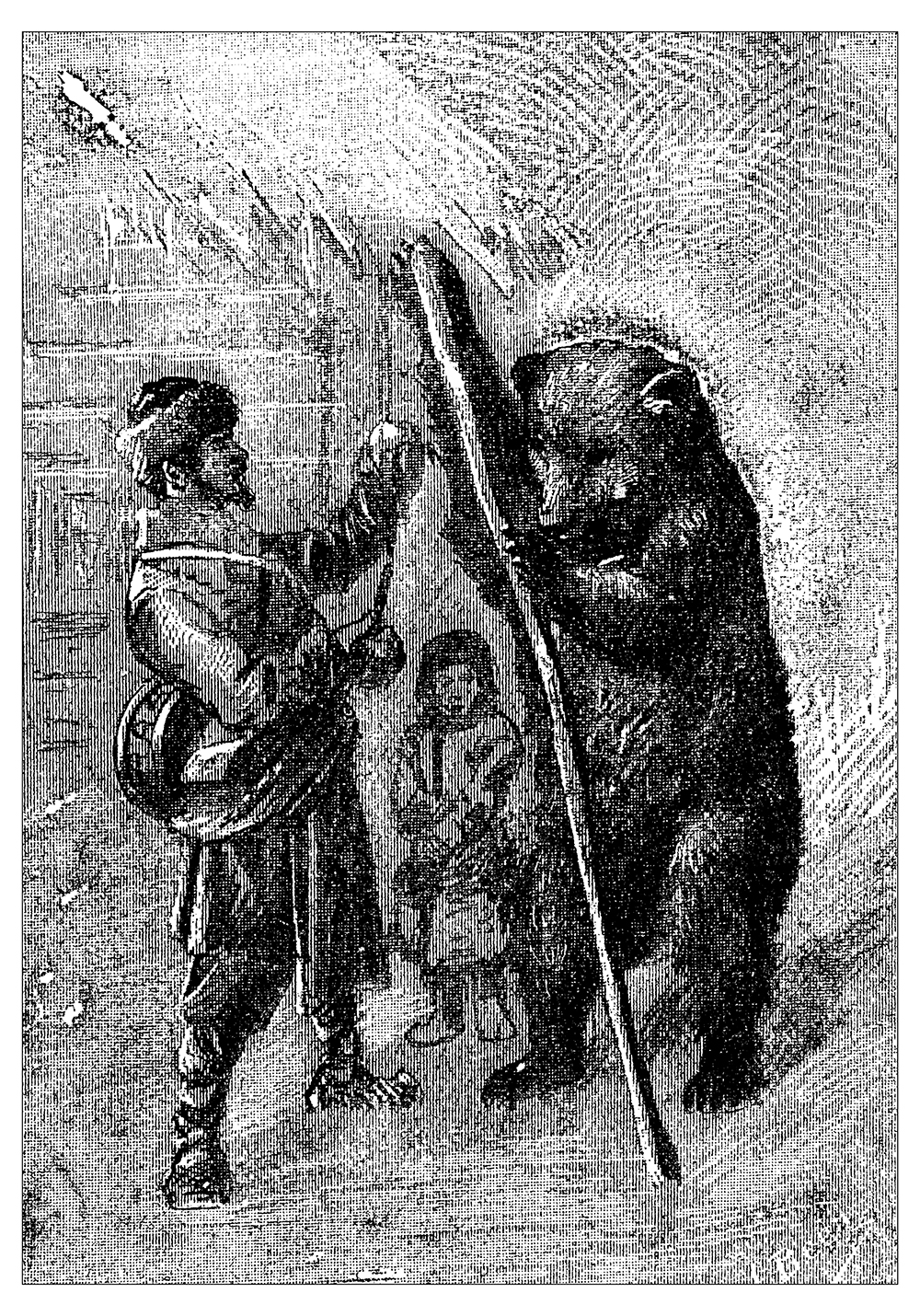
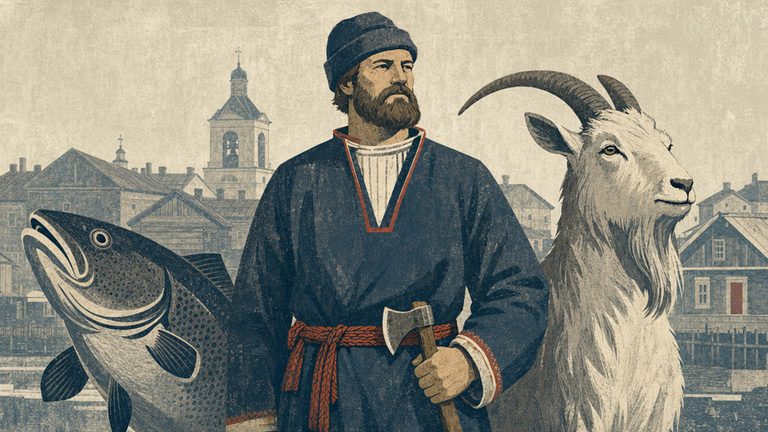
The leader's first assistant (often a teenage boy) played the role of the goat during the performances: he wore a sack with a goat's head and horns attached to it. His role was noisy and comical: he would jump around the bear, taunt it, banged spoons or rattles and clown around, imitating how a goat butts itself. The fourth member of the troupe was typically a musician playing a violin or a drum.
After the performance, the bear would go around the audience with his cap and collect payment. This wasn't always money. Often, peasants paid with pies, eggs and other food, enough to feed the small troupe.
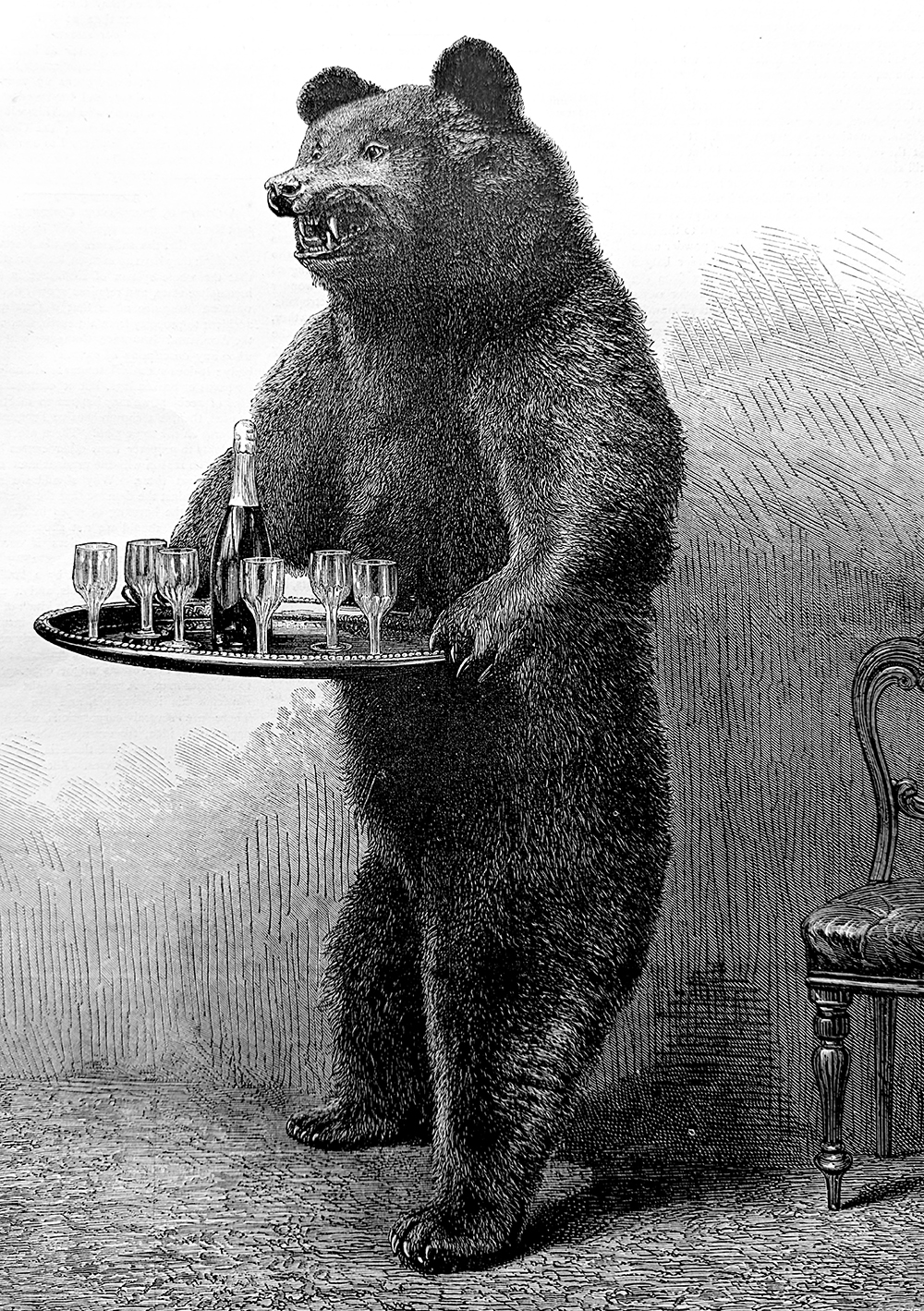
Unfortunately, the bear’s “skills” were often based on cruel training. To prevent the predator from posing a mortal threat to humans, bear cubs' fangs and claws were removed or filed down. A ring was inserted into the lip or nose, which was then yanked with a chain, causing pain and forcing the animal to submit. The most unruly bears could even have their eyes gouged out or their tendons cut to prevent them from moving quickly and attacking.
The Orthodox Church always opposed "bear games", calling them "demonic". In 1648, Tsar Alexei Mikhailovich, known for his piety, issued a decree officially banning buffoonery and bear driving. However, this centuries-old tradition was never completely eradicated.
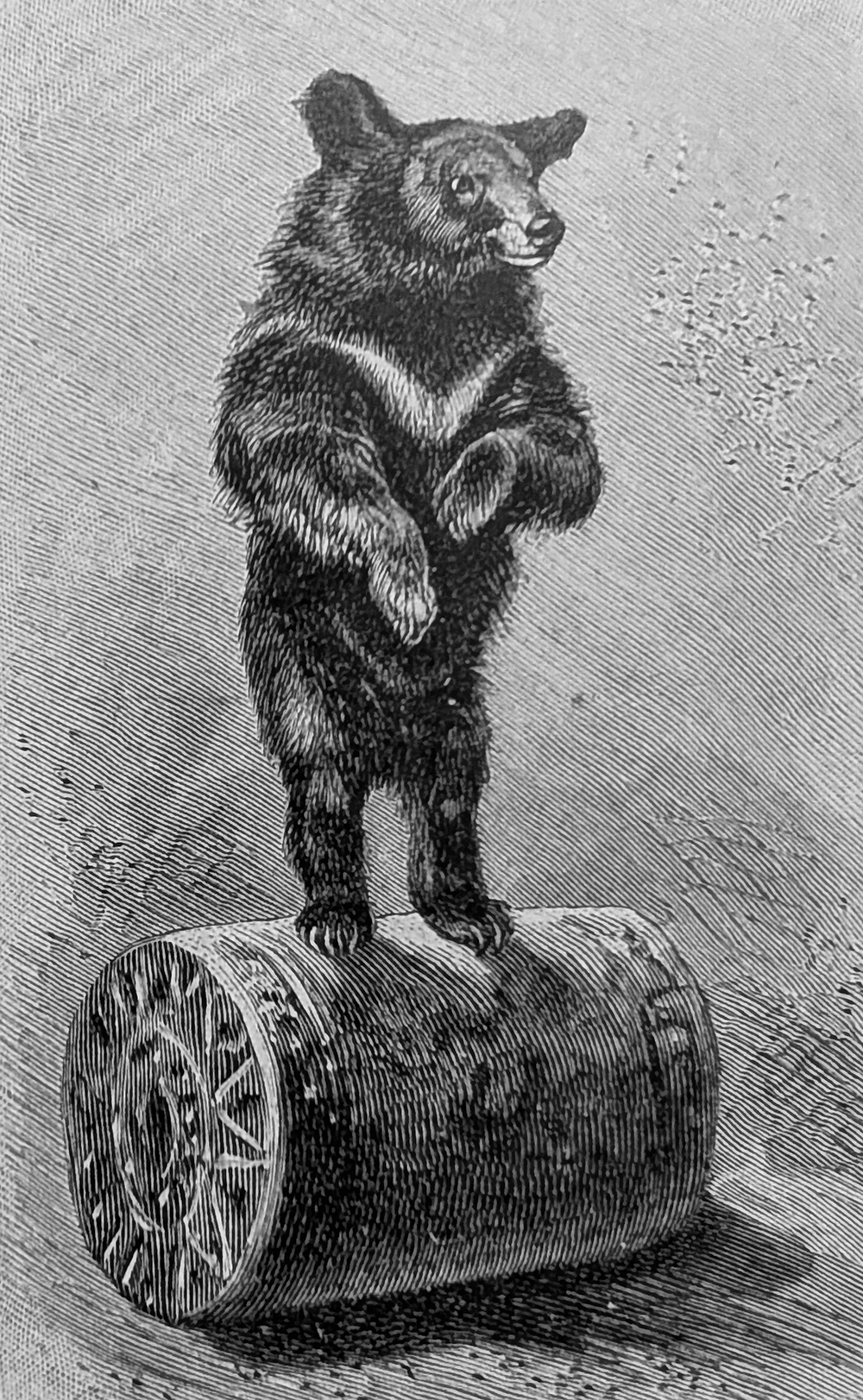
The final blow to the industry came in the 19th century. In 1867, at the initiative of the newly established Society for the Protection of Animals, Emperor Alexander II signed a decree ‘On the Prohibition of the Trade of Bears for the Amusement of the People’. The reason for this was precisely the inhumane cruelty with which the animals were treated.
But, the decree proved tragic for both people and animals. For many peasant families, this trade was their only source of income. And releasing crippled bears, unable to hunt, into the wild was prohibited. According to some estimates, several thousand animals were killed as a result in Central Russia alone. However, despite the ban, some remnants of the trade persisted until the 1930s.