
What Soviet Russia was like in 1936 (PHOTOS)

The Stalin Constitution, the exploration of the Arctic and forced industrialization. What did the land of the Soviets look like and how did it live exactly 90 years ago?
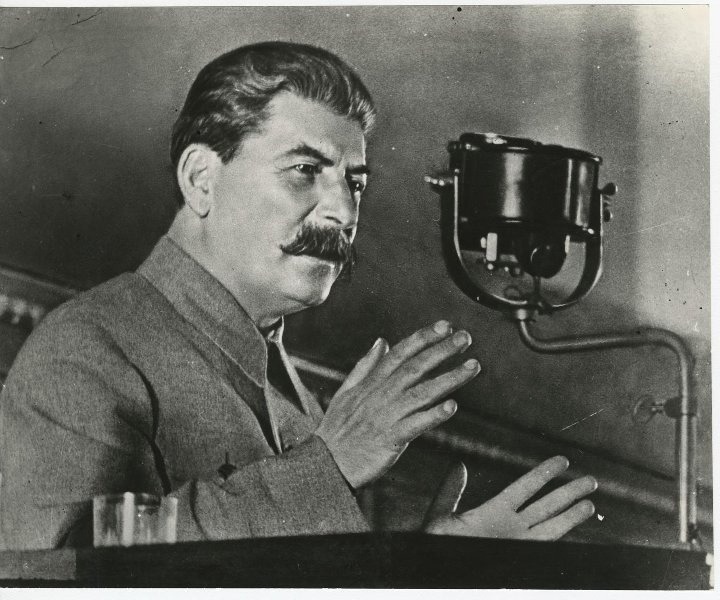
In 1936, Stalin finally consolidated his personal power by adopting the ‘Stalin Constitution’. He gave up focusing on world revolution, as the Bolsheviks before him were trying to achieve. Instead, he prioritized defending the national interests of the USSR. The photo shows Stalin speaking at the 8th All-Union Congress of Soviets.
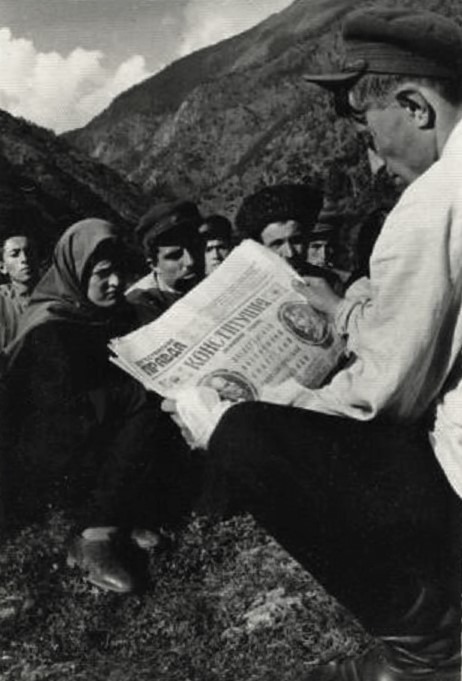
The draft of the new constitution was printed by the ‘Pravda’ newspaper and the entire population could get acquainted with it, even in remote mountain villages.
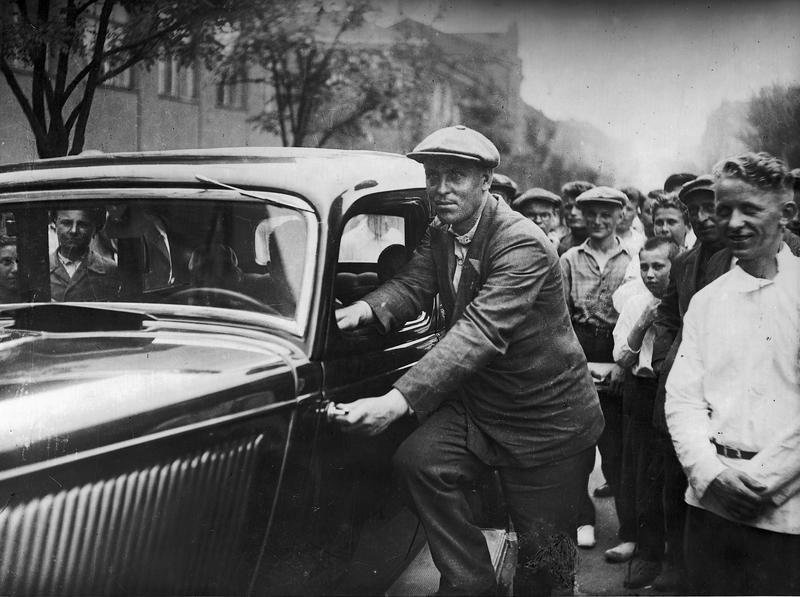
Miner Alexey Stakhanov was a hero of his time and a true celebrity. He set a record by fulfilling 14 work norms in a single shift. His name became a byword and workers in all industries strove for ‘Stakhanovite’ speeds of productivity. The photo shows Stakhanov with a car gifted to him by Stalin for his achievements.
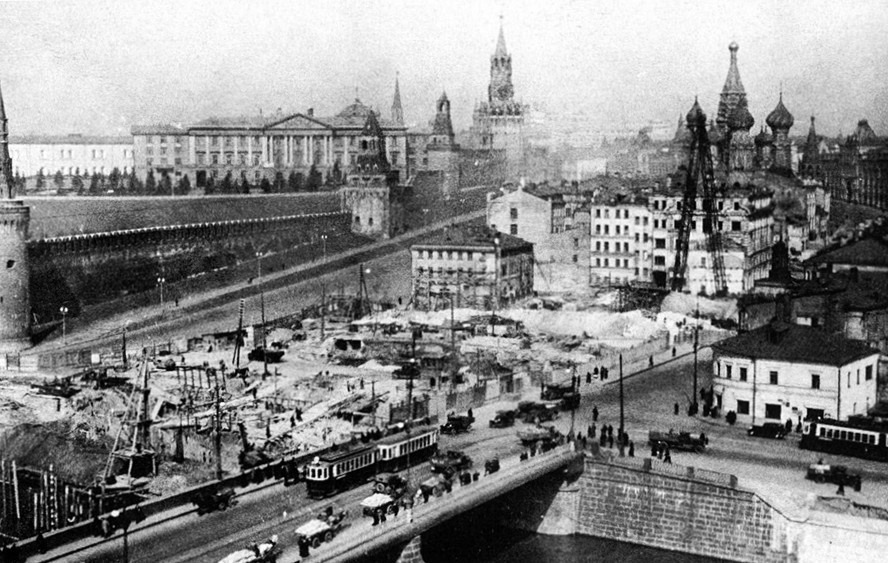
Stalin initiated a massive plan for Moscow reconstruction. To widen roadways, the authorities had to demolish old houses and churches. An entire ancient quarter near the Kremlin also suffered; it was razed to build a new bridge across the Moskva River.
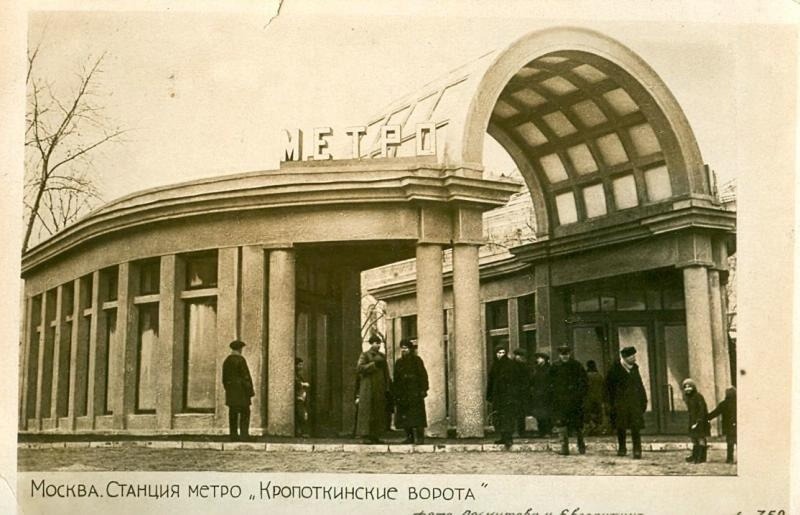
The entrance halls of the Moscow Metro subway stations (which had first launched a year earlier) added to Moscow landscapes.
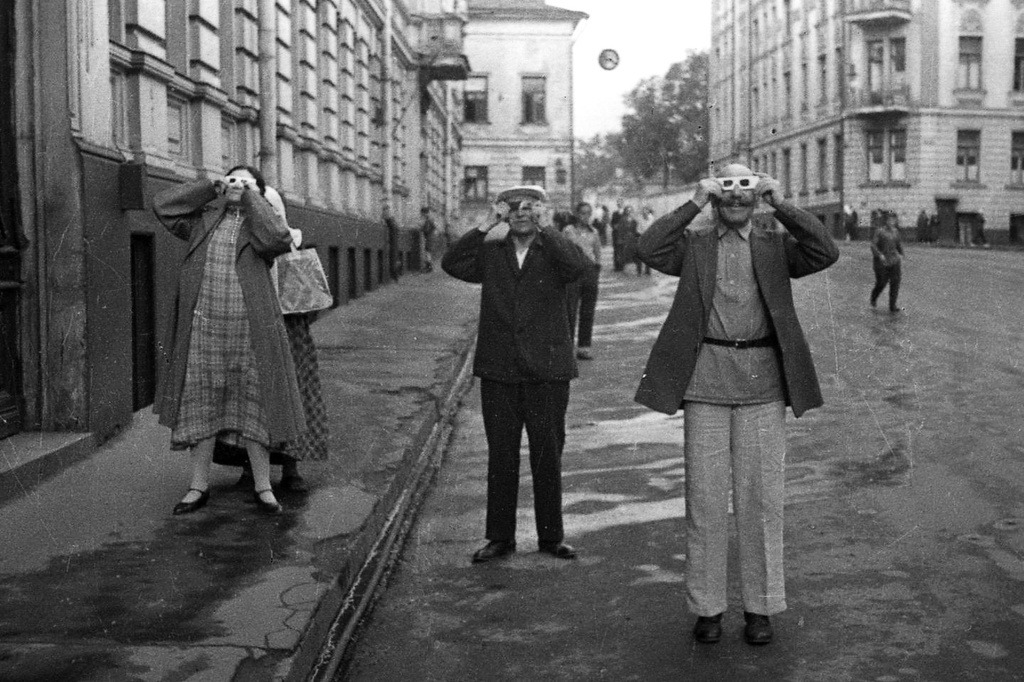
And this is how Muscovites observed a solar eclipse in 1936.
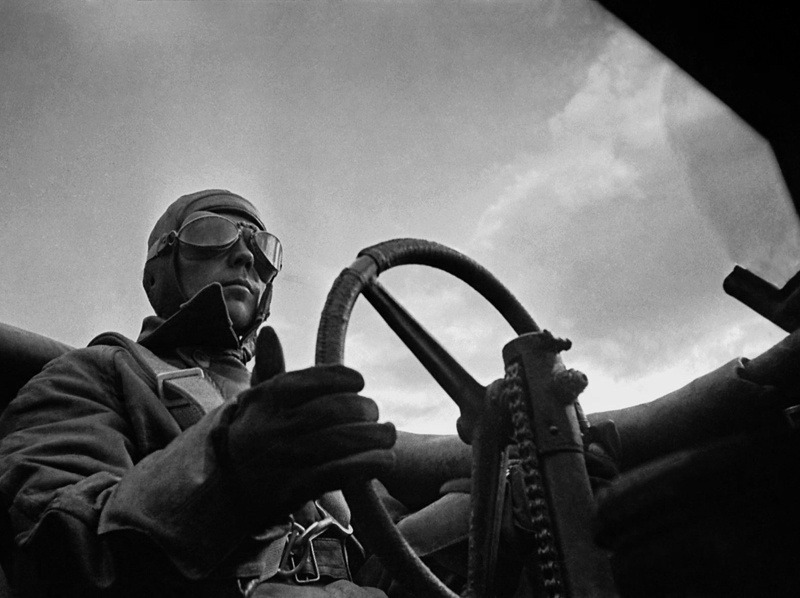
The era of aviation also began in earnest in Soviet Russia. Pilots broke all records and staged air shows, demonstrating feats of aerobatics.
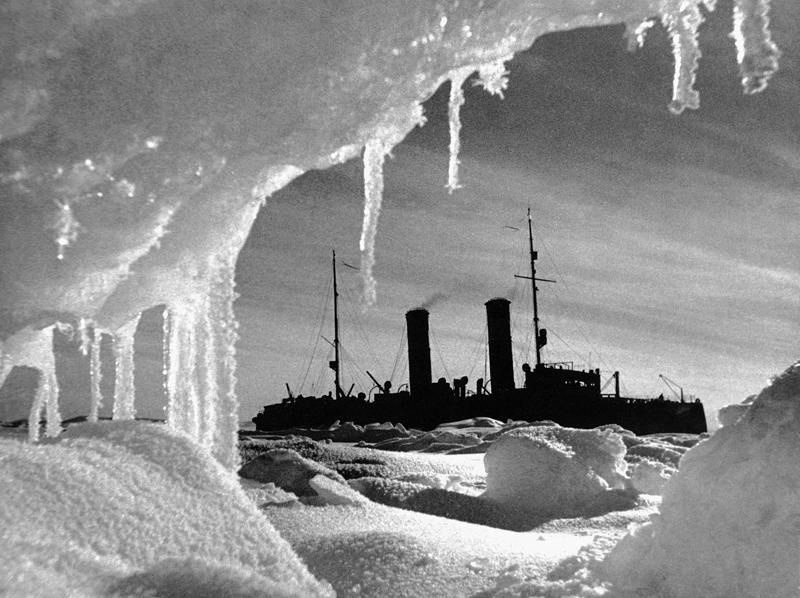
In the mid-1930s, the Soviet exploration of the Arctic began. Icebreakers traveled the Northern Sea Route. The photo below shows the ‘Krasin’ icebreaker, which now, as a museum ship, is permanently moored on the Lieutenant Schmidt Embankment in St. Petersburg.
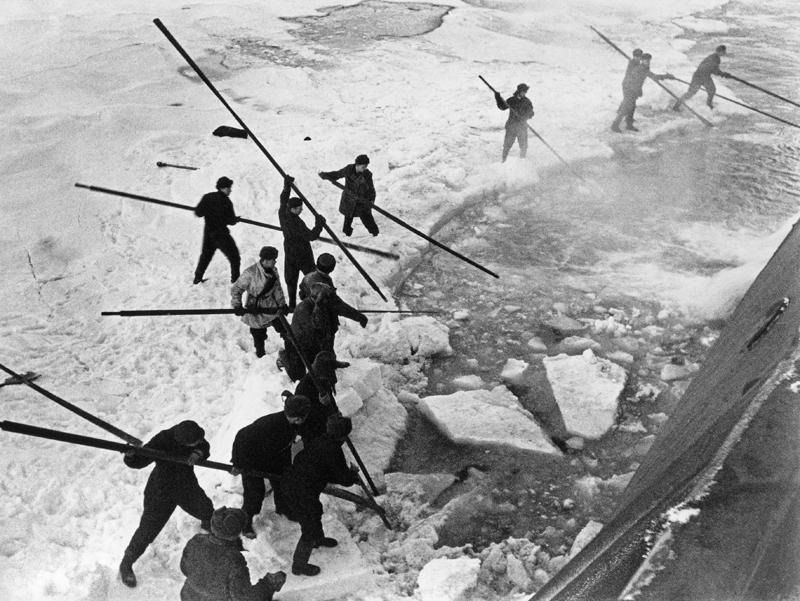
Ships often drifted and found themselves trapped in ice. Crews then had to manually save the vessel. The photo shows an emergency shift on the ‘Krasin’ in the East Siberian Sea.
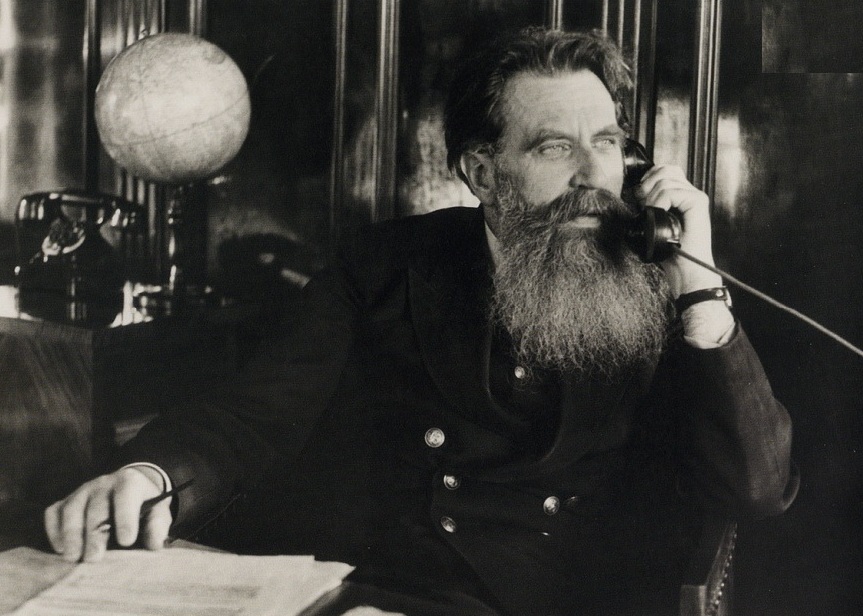
And below is the legendary Otto Schmidt, who was head of the Northern Sea Route, a pioneer of this route on icebreakers and an explorer of the North. He was also an organizer of Soviet science and initiated the creation of the ‘Big Soviet Encyclopedia’.
Pilots also conquered the Arctic. Though, the first non-stop flight by Valery Chkalov over the North Pole was still a year away.
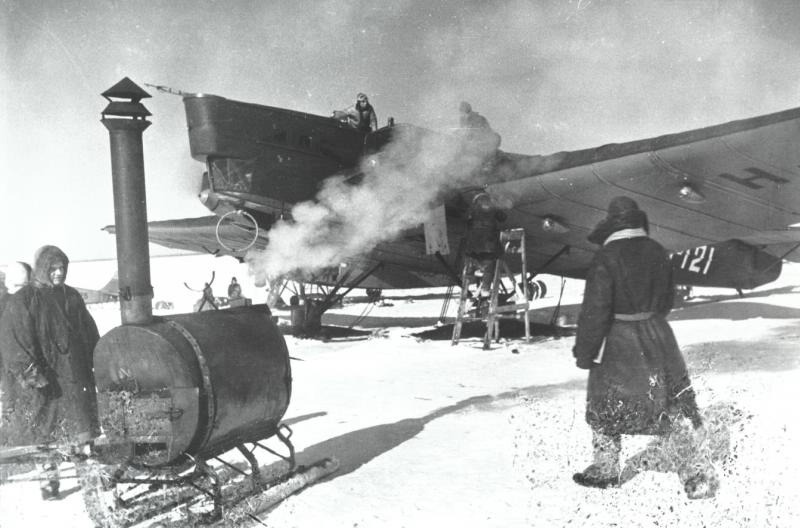
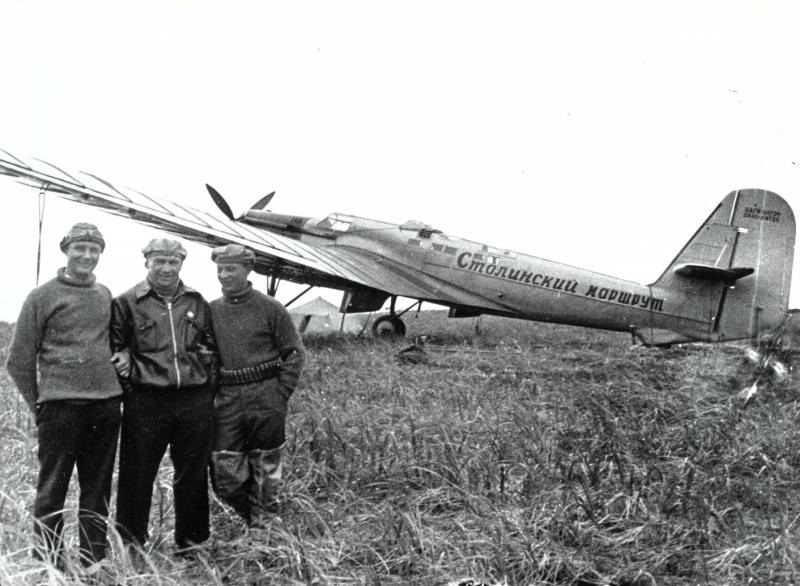
For that monumental achievement, pilot Chkalov had to "train”. On July 20, 1936, he and his crew completed a 56-hour flight from Moscow to the Far East – and landed on Udd Island in the Sea of Okhotsk. The flight was dubbed the ‘Stalin Route’ and this inscription was painted on the aircraft's fuselage.
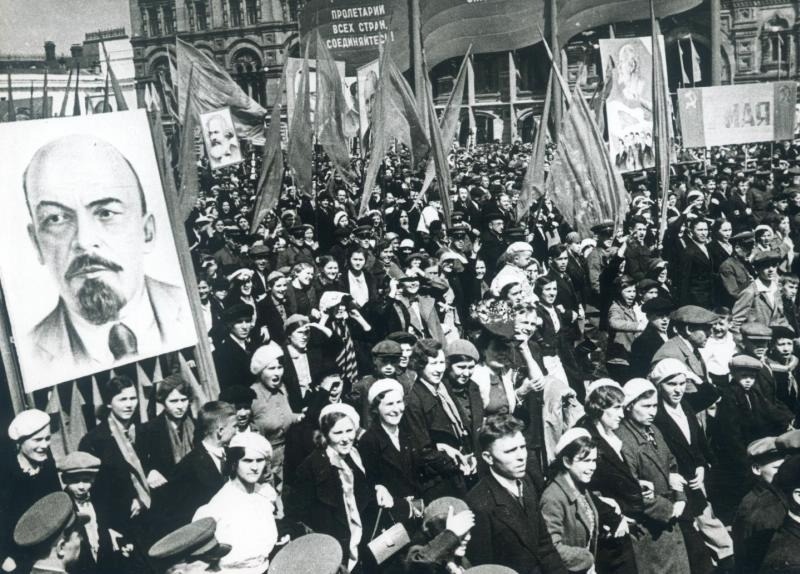
The main holiday of the workers' state was May 1, the Labor Day. It was the most beloved day, marked by massive demonstrations.
Despite Stalin being at the height of his power, portraits of the revolutionary leader Vladimir Lenin were still an important attribute.
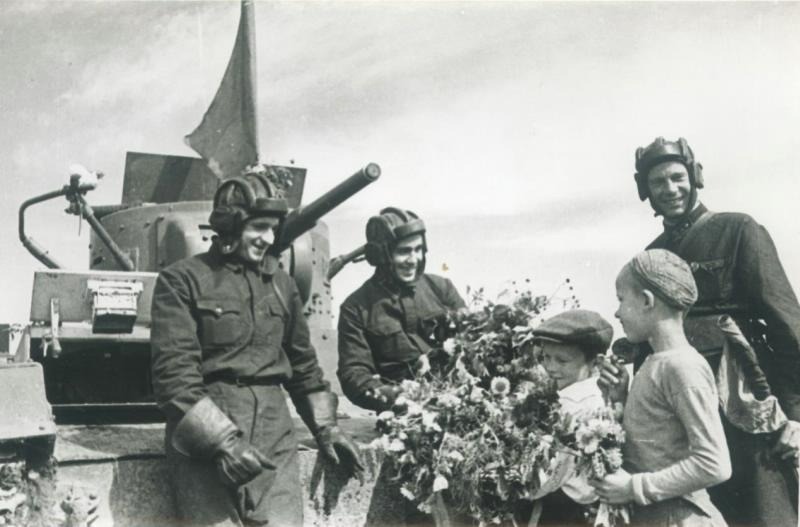
A typical Soviet scene: Young Pioneers present flowers to tankmen.
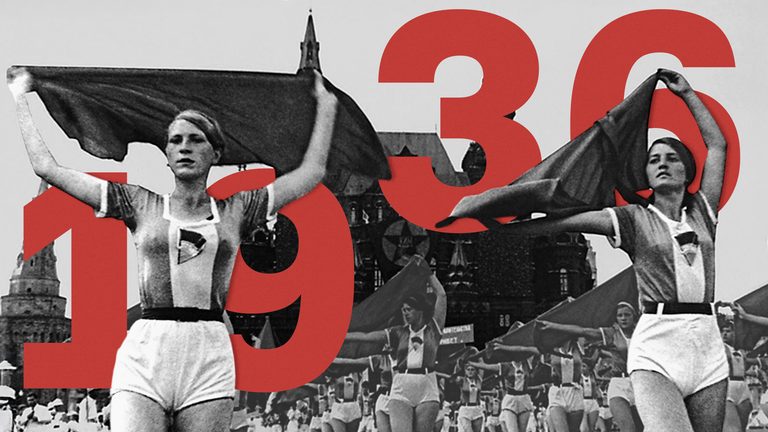
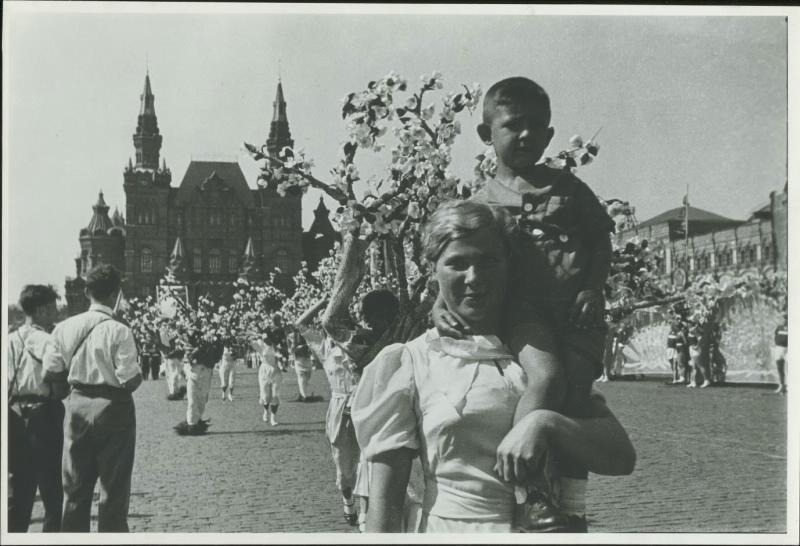
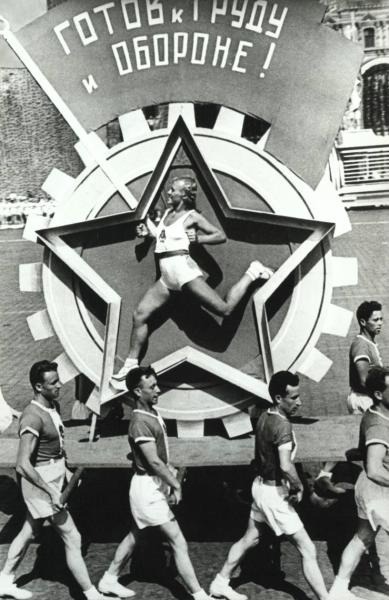
Authorities cared a lot for citizens' health and carried measures for physical development and fitness training. Those who passed all the standards received the coveted ‘GTO’ badge (‘Ready for Labor and Defense’). The photo below shows the living embodiment of the badge at a massive physical culture parade on the Red Square.
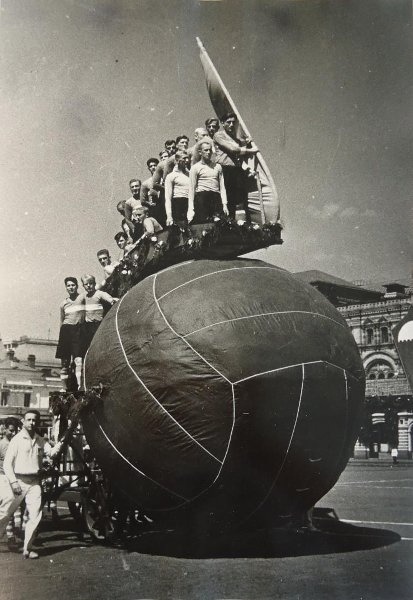
In general, the development of mass sports in the country reached incredible proportions. And the nation started to get soccer fever! The first-ever club championship of the USSR in soccer was held the same year.
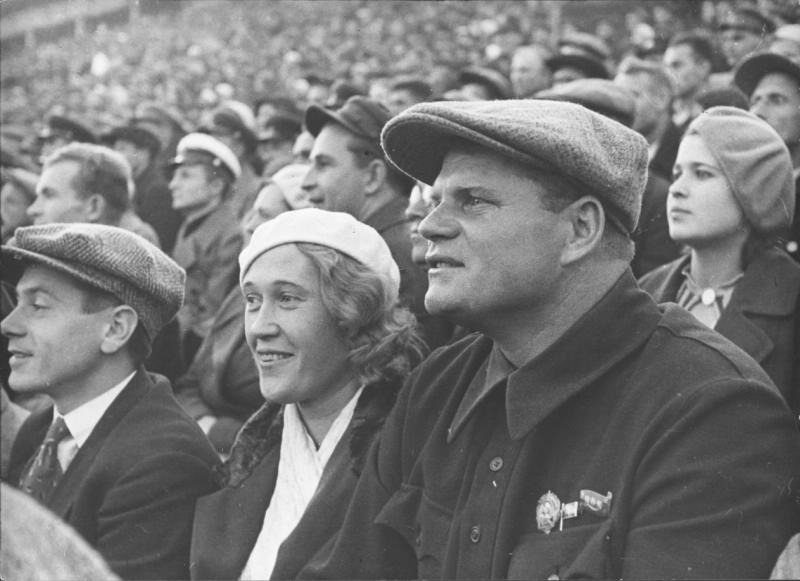
The country's largest stadium, Dynamo, was constantly filled to the rim.
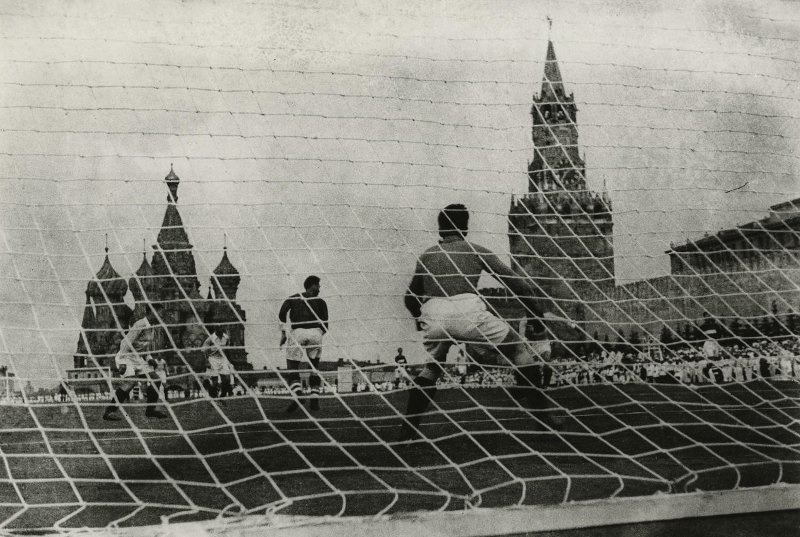
And a soccer match was even held right on the Red Square.
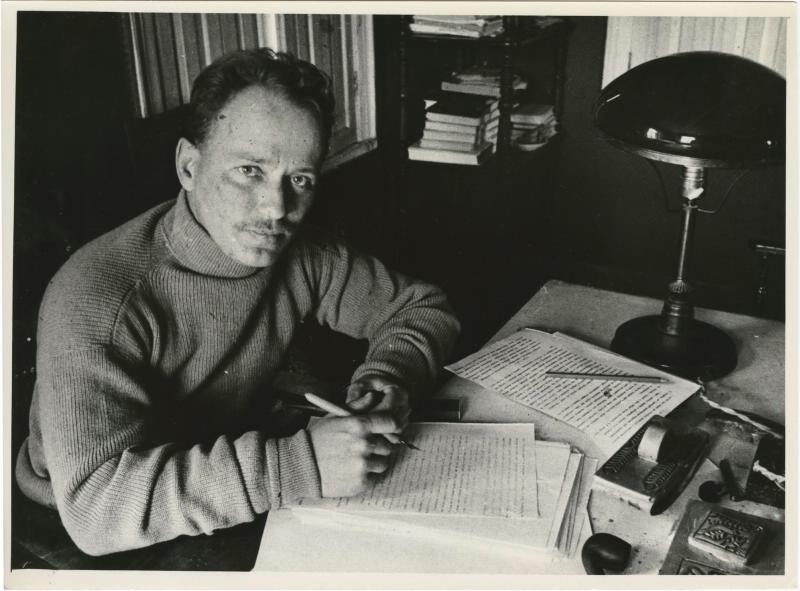
The star of the literary Olympus was Mikhail Sholokhov. The entire country was engrossed in his novel about collectivization, ‘Virgin Soil Upturned’, as well as his epic about the Civil War, ‘And Quiet Flows the Don’ (people also eagerly awaited the 4th and final volume, which would be published in 1940).
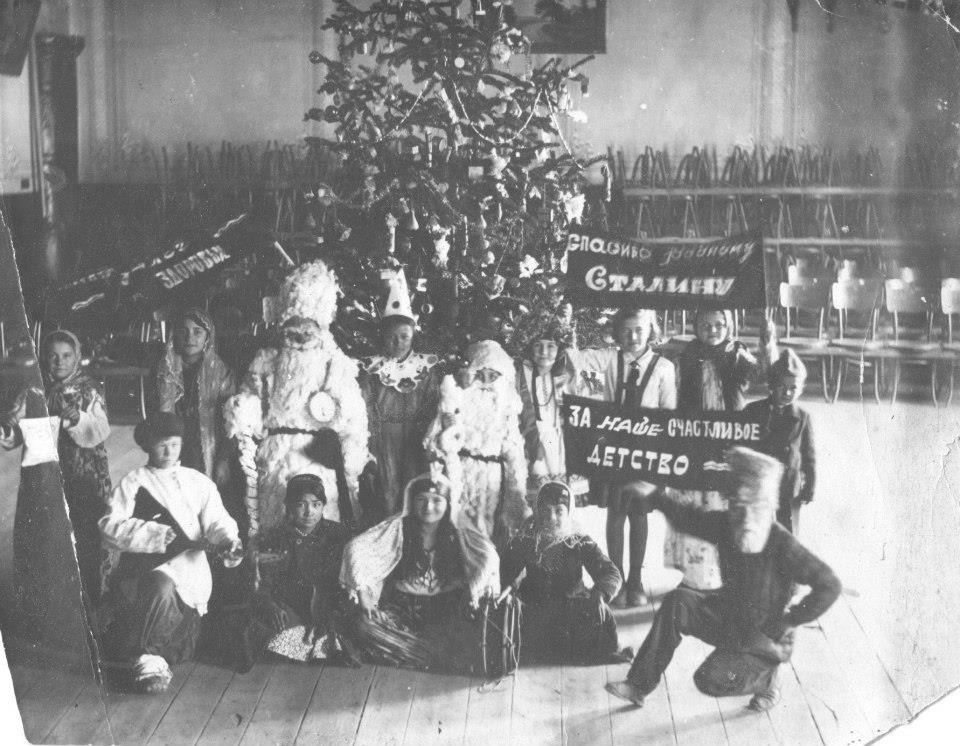
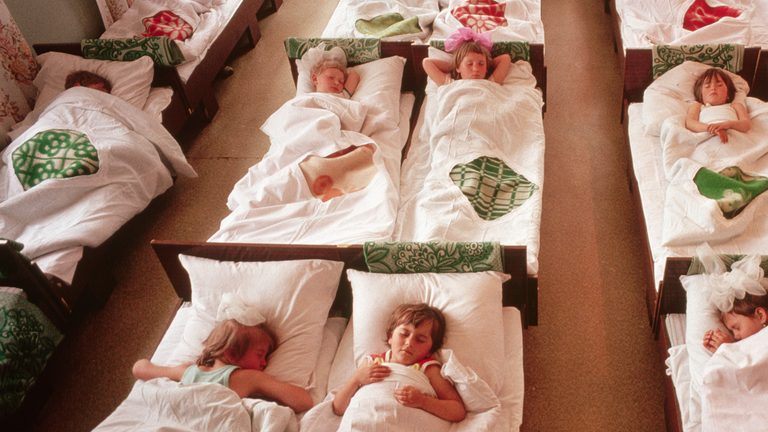
In 1936, the USSR began to widely celebrate the New Year. The Bolsheviks had banned Christmas and hadn't come up with another winter holiday, so Stalin “bestowed” New Year's Eve. Initially, only as a holiday for children, with presents. Grateful posters proclaim: “Thank you, Comrade Stalin, for our happy childhood”.