
Why did Alexander's beloved regiment revolt?
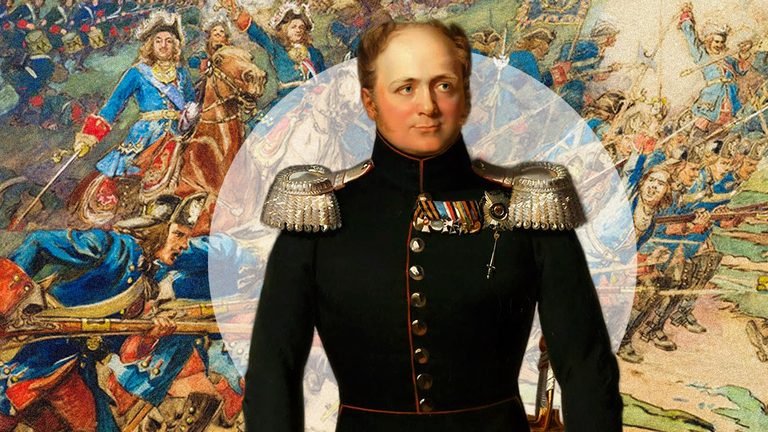
This event was called a rehearsal for the Decembrist Uprising.
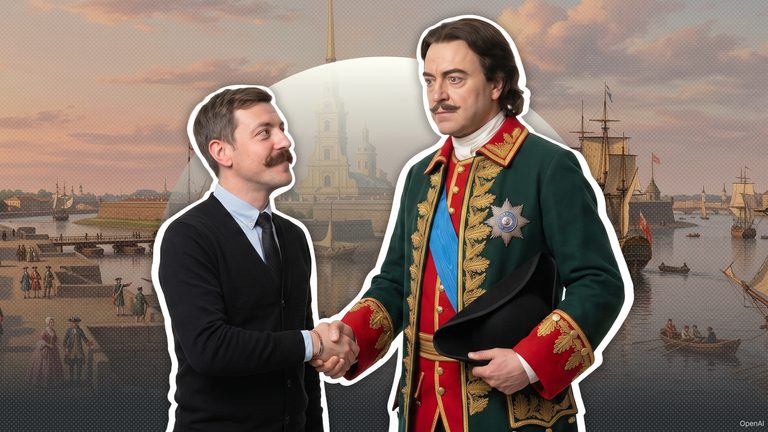
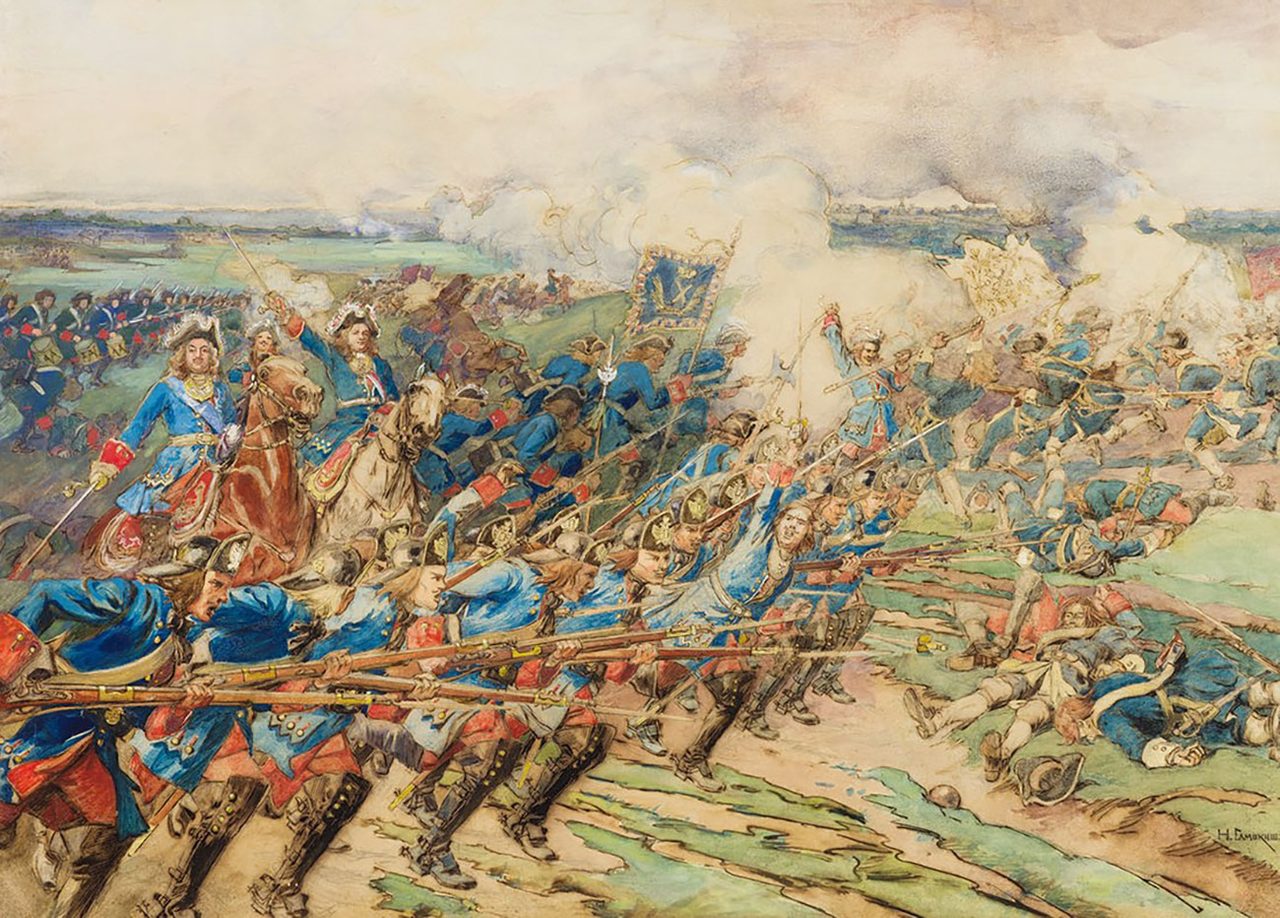
The Semenovsky Regiment, one of the oldest in the Russian army, was founded by Peter the Great in 1683. It was stationed in the village of Semenovskoye near Moscow – hence its name. The regiment fought in the Azov campaigns, the Northern War, the Battle of Poltava, the Napoleonic Wars and the Patriotic War of 1812.
There is also a dark chapter in its history: its commander and officers were involved in the assassination of Paul I.
The regiment of knights
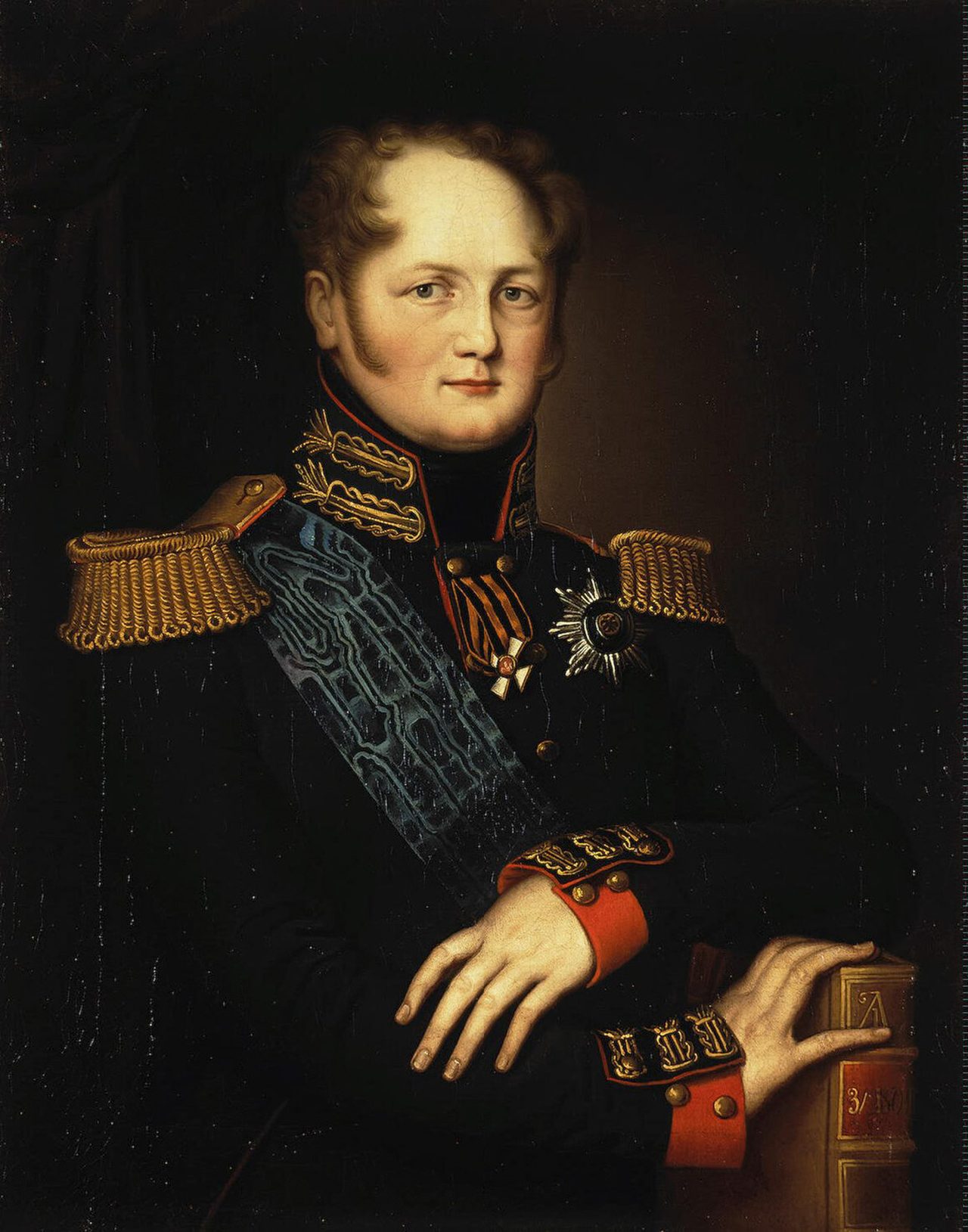
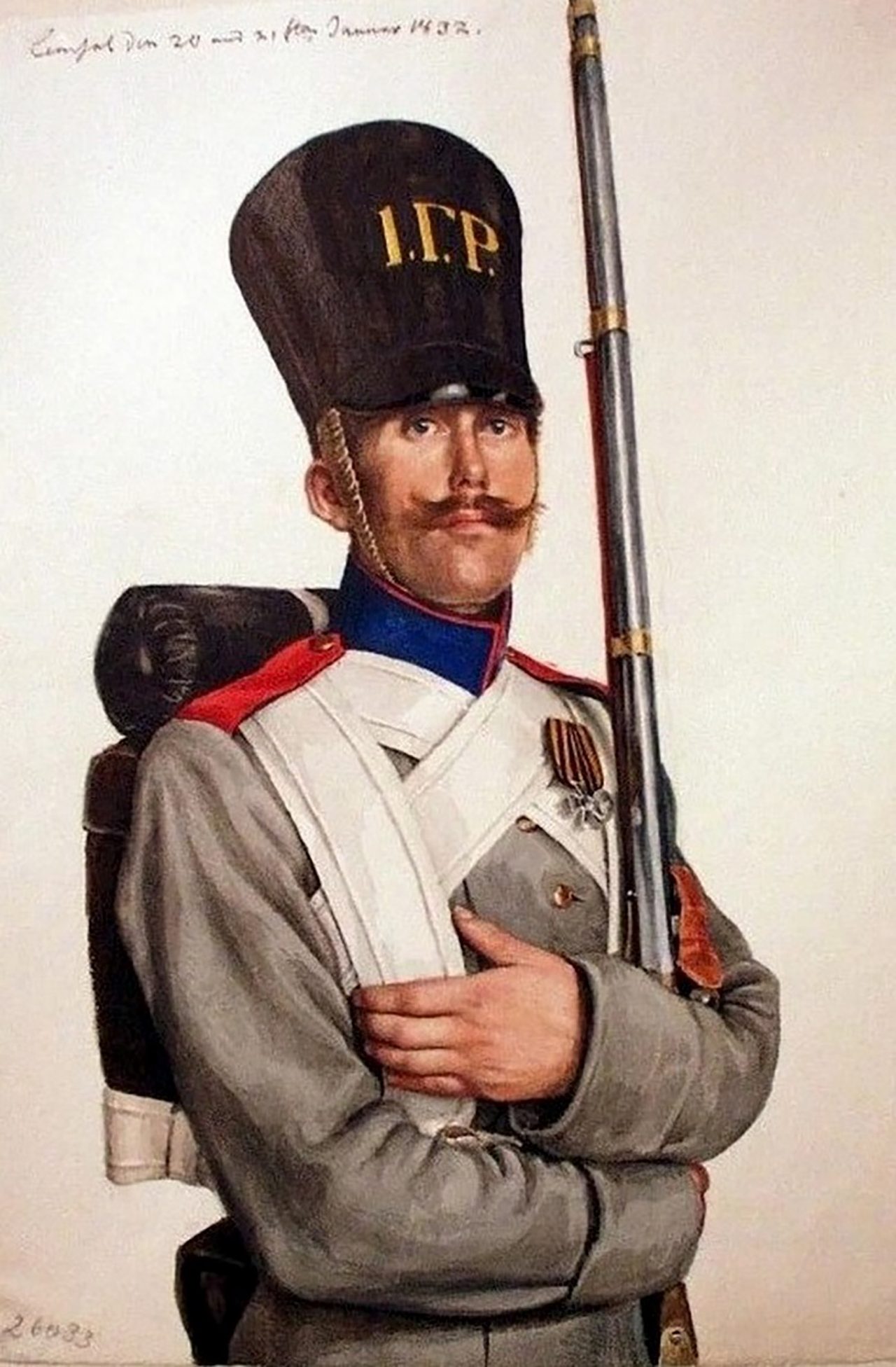
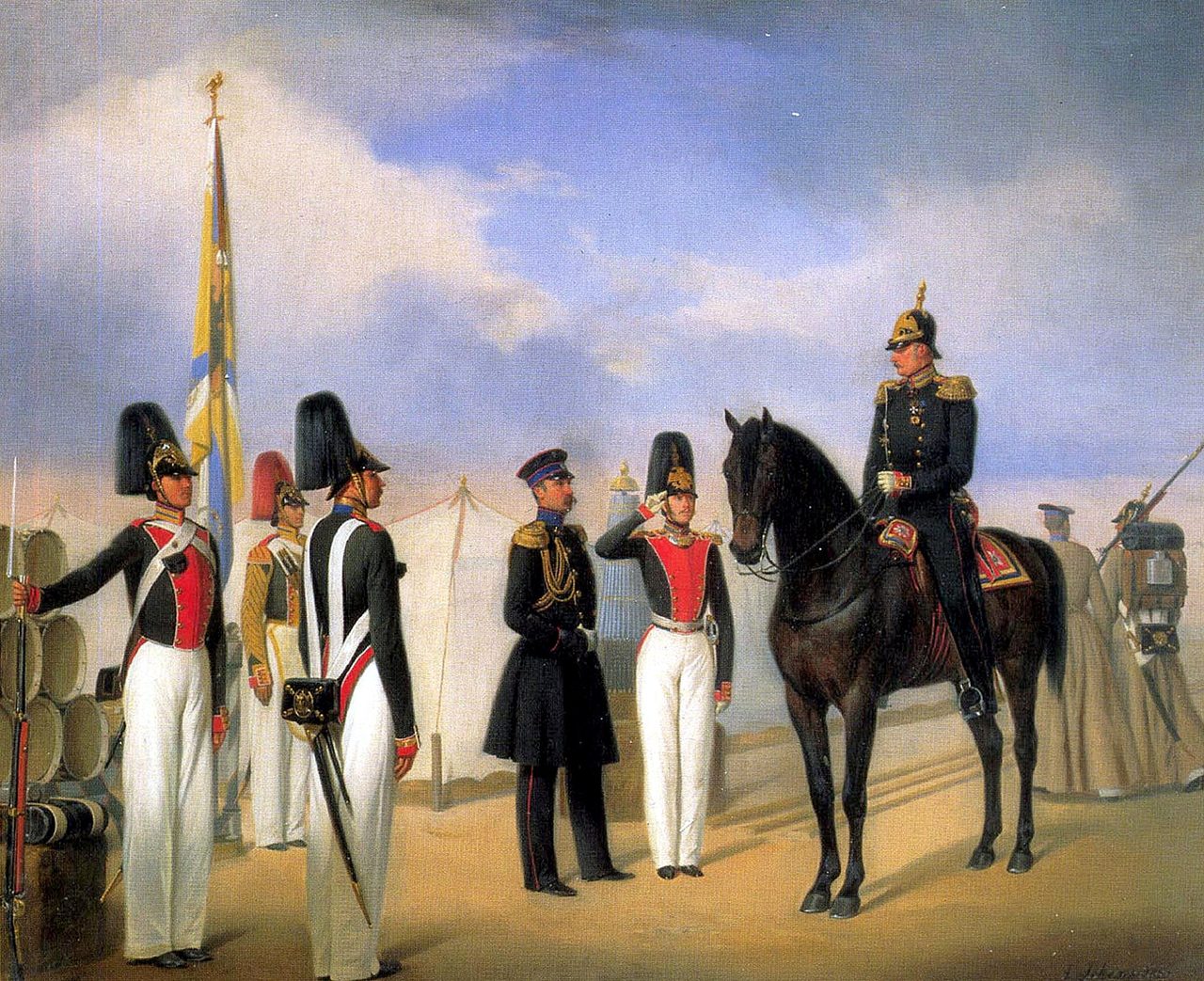
To ensure that his beloved regiment was well provided for, Emperor Alexander I – even as tsarevich (crown prince) – commanded it himself and remained the patron of the Semenovsky Regiment throughout his life. The tsar personally selected the regiment's officers. The lower ranks weren't forgotten either – soldiers and their children were taught to read and write and pensions were awarded for their service. Contemporaries ironically called the Semenovsky Regiment a "knightly order" – the officers strictly adhered to a code of honor and corporal punishment had long been forgotten in the regiment.
In Spring 1820, a new commander was appointed to the Semenovsky Regiment – Colonel Fyodor Schwartz, whose first act was to tighten discipline.
Everyone under arrest
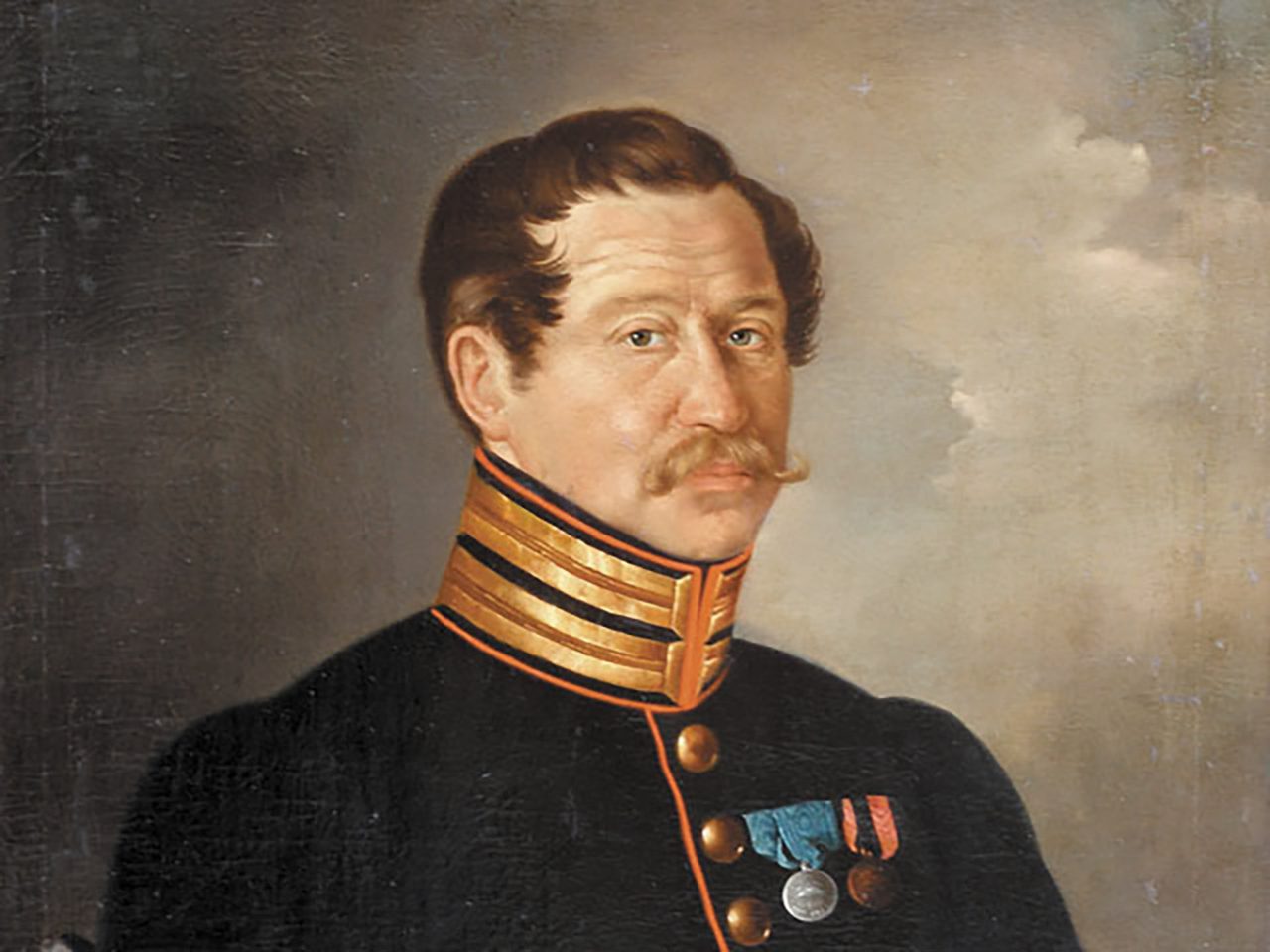
Life for the Semenov soldiers had turned into an endless drudgery. Every day, in addition to group and individual drills, Schwartz began conducting them in groups of 10 and, later, in groups of 20 and 40 men. After that, the soldiers were sent off… to company-level drills. If, however, Schwartz deemed their uniforms insufficiently clean or otherwise falling short of the ideal, the offenders were ordered to undergo another inspection. When the soldiers weren't marching on the parade ground, they were busy tidying up their uniforms. They would, in turn, wear out after constantly being washed, but they had to buy new ones at their own expense – the new commander had forbidden the use of regimental funds for this purpose.
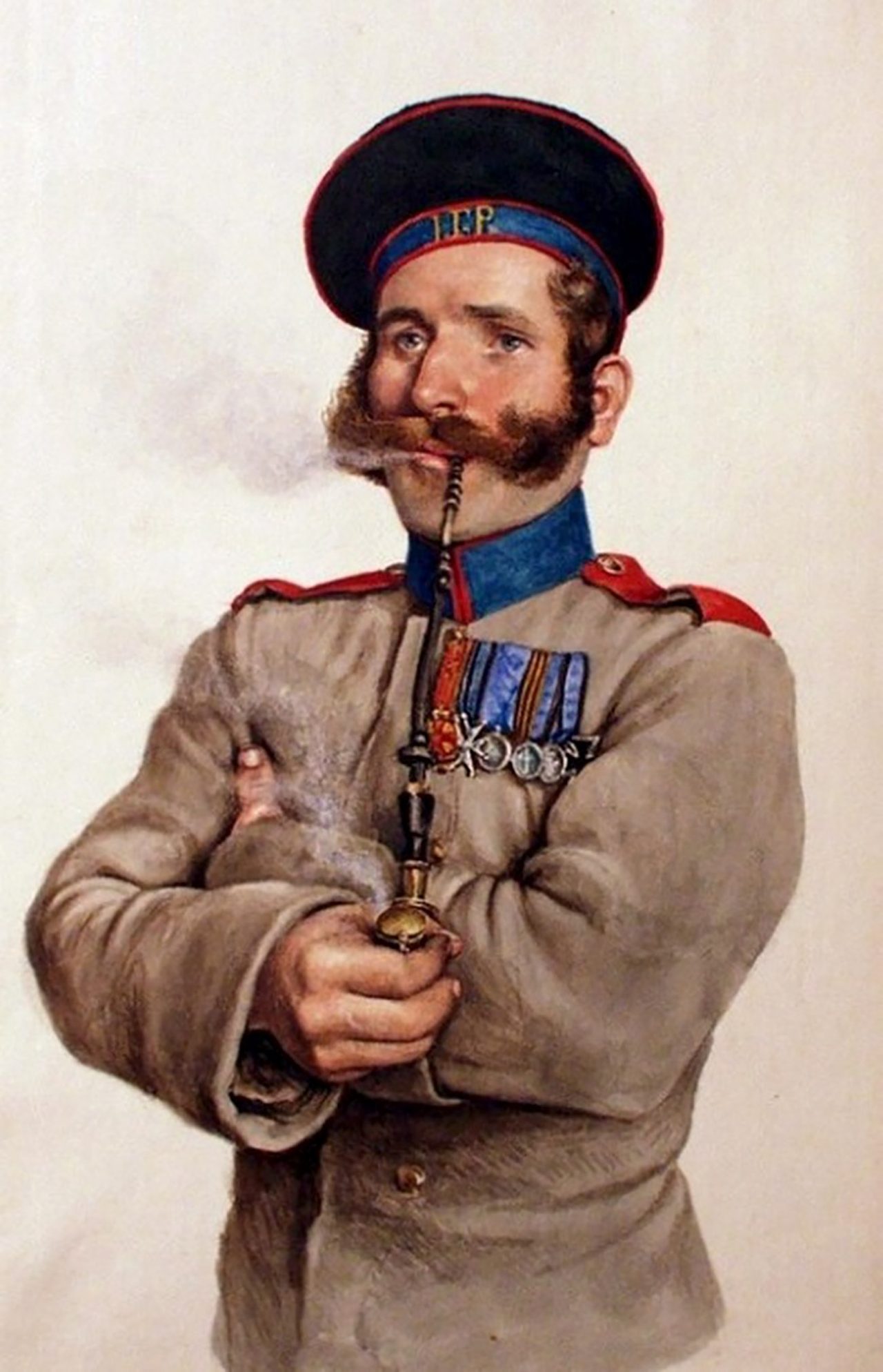
Worse than the endless drill was the return of corporal punishment. Everyone was subjected to it, regardless of merit, even recipients of the Military Order. This particularly outraged the soldiers, since an imperial decree exempted holders of the Cross of St. George from any corporal punishment. But, the regimental commander preferred not to mention this.
Schwartz ordered one row of soldiers to slap the other across the face; he might strike a soldier for looking too gloomy; he made them march barefoot – so the soldiers would pull their socks up tighter. And those he didn’t particularly like, he sent off to the army. “Private Boychenko didn’t have time to button his uniform. Then Schwartz ran up to him and spat in his eyes. Then he took him by the arm, led him along the front line, ordering the privates to spit on him; on top of that, he punished some of the lower ranks with a sword.”
Realizing that the new commander's cruelty knew no bounds, one of the companies decided to file a complaint, in violation of regulations. The soldiers of His Majesty's Company went out without permission for the evening roll call and told the arriving commander about their problems. And they were arrested. The remaining companies supported their comrades and set a condition: either the soldiers would be released or the entire regiment would be placed under arrest.
The entire Semenovsky regiment was placed under arrest – in the Peter and Paul Fortress, Kronstadt and the Finnish fortresses of Kexholm (now Priozersk) and Sveaborg (now Suomenlinna). Meanwhile, Schwartz spent the few days, during which the Semenovsky Regiment was in turmoil, holed up at home.
Punishments for Rebels
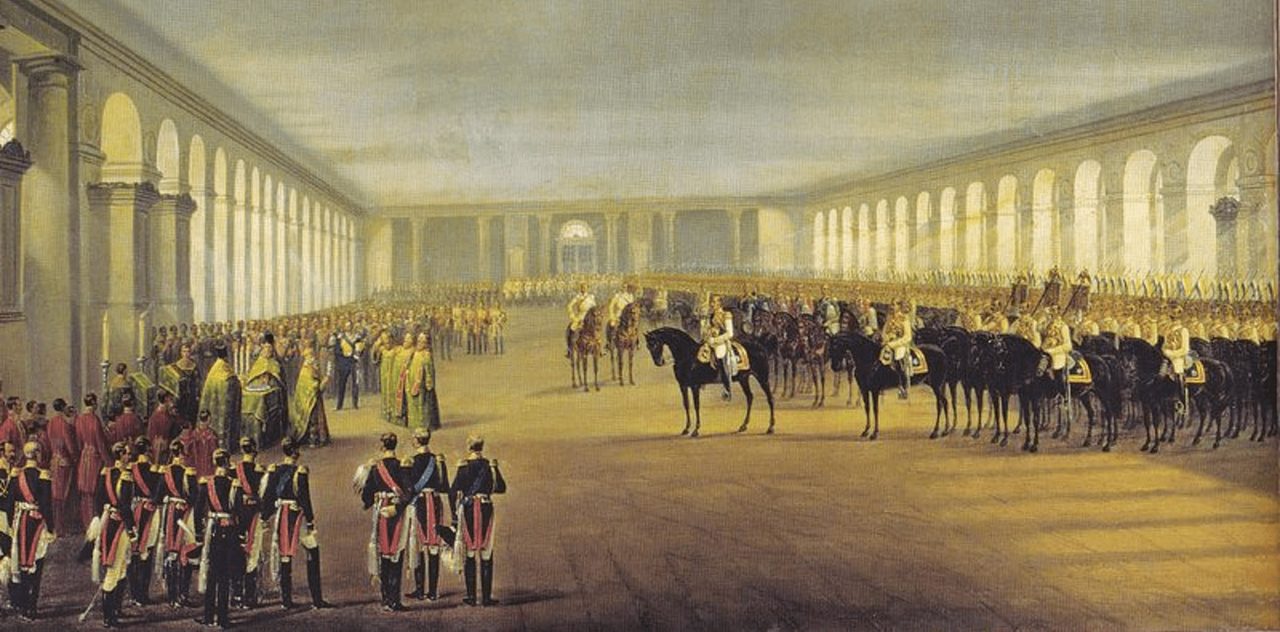
Upon learning that his favorite regiment had staged a mutiny, Alexander I refused to believe that the cause was solely the commander’s cruelty; he was convinced that one of the secret societies – which were dissatisfied with the ruling authorities – had “helped” his favorites instigate the unrest. On November 2, he signed a resolution: complaints could be filed four times a year during inspection reviews. Any insubordination was to be punished.
The fate of 3,000 was sealed: the Semenovsky Regiment was disbanded. Officers and soldiers were sent to other regiments. The mutineers, meanwhile, faced severe punishments: exile to the mines and service without the possibility of retirement or leave. Several officers who ended up in the dock were sentenced to stripping of their ranks and estates, as well as the death penalty, a sentence that was later commuted. Resignation was permitted for lower-ranking officers only if they had not participated in the events of October 1820. Soldiers were barred from obtaining the rank of non-commissioned officer without proper authorization, and their wives could not obtain residence permits for Moscow or St. Petersburg. The sons of soldiers registered with the military department could not enlist without permission.
Meanwhile, Schwartz was court-martialed. Thanks to the patronage of War Minister Count Arakcheyev, he managed to remain in service. But, in 1850, he appeared in the dock once again – again for cruelty toward soldiers. After this, Schwartz was dismissed from service and banned from entering the capital.
The Semenovsky Regiment was reformed, but it was not until three years later that it regained its former rights and privileges. Its mutiny ended up serving as a kind of rehearsal for the Decembrist Uprising of 1825. Scattered among other regiments, the former Semenovsky Regiment found like-minded individuals dissatisfied with the situation. They were also among the Decembrists.