
How many times was the Apocalypse expected in Russia?

How did fear of the end of the world evolve into a daily concern for the salvation of the soul?
In Old Russia, until Peter the Great’s reforms, they used the Byzantine calendar system, counting years "from the creation of the world", instead of "from the birth of Christ". The difference between these two systems is 5,508 years. And many calculations of the approaching end of the world were based on this more archaic calendar.
In the 11th century
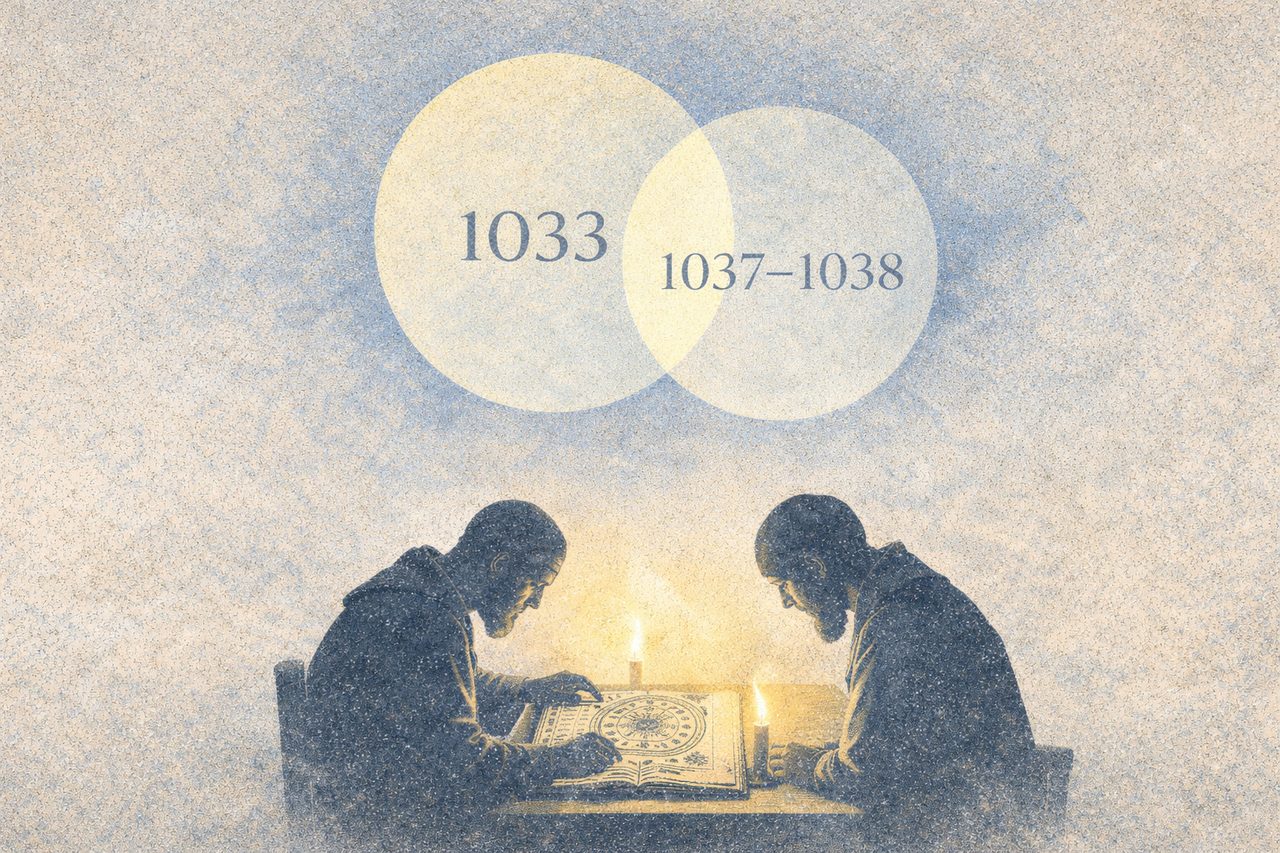
In Europe, the end of the world was predicted for the year 1,000 AD, but Old Russia missed these disturbances, because it had been baptized shortly before (in 988) and had not yet adopted the Christian calendar. The first "eschatological fears" gripped the few Russian scholars and educated people in 1033 and 1037-1038. The first date was 1,000 years after the death and Resurrection of Christ. The second was calculated as follows: according to some interpretations, the Antichrist was to appear in 1033 and reign for three and a half years. Accordingly, the end of the world itself was expected around 1037.
There was also an astronomical and theological explanation. It was believed that Judgment Day would come if the great feast of the Annunciation (March 25) coincided with Easter. In 1038, the Annunciation fell on Holy Saturday – the day immediately preceding Easter. This was perceived as a near-perfect fit for the prophecy.
The second wave of anxiety came at the end of the century. Scholars were terrified by the seventh century of the seventh millennium: 6,600-6,604 years from the creation of the world, that is, 1092-1096 since the birth of Christ. The main Russian chronicle, the ‘Tale of Bygone Years’, is full of alarming allusions about these years. Not to mention its very title: ‘Bygone Years’ means "the last days" – that is, the time before the Second Coming.
1492: The Main Russian Apocalypse
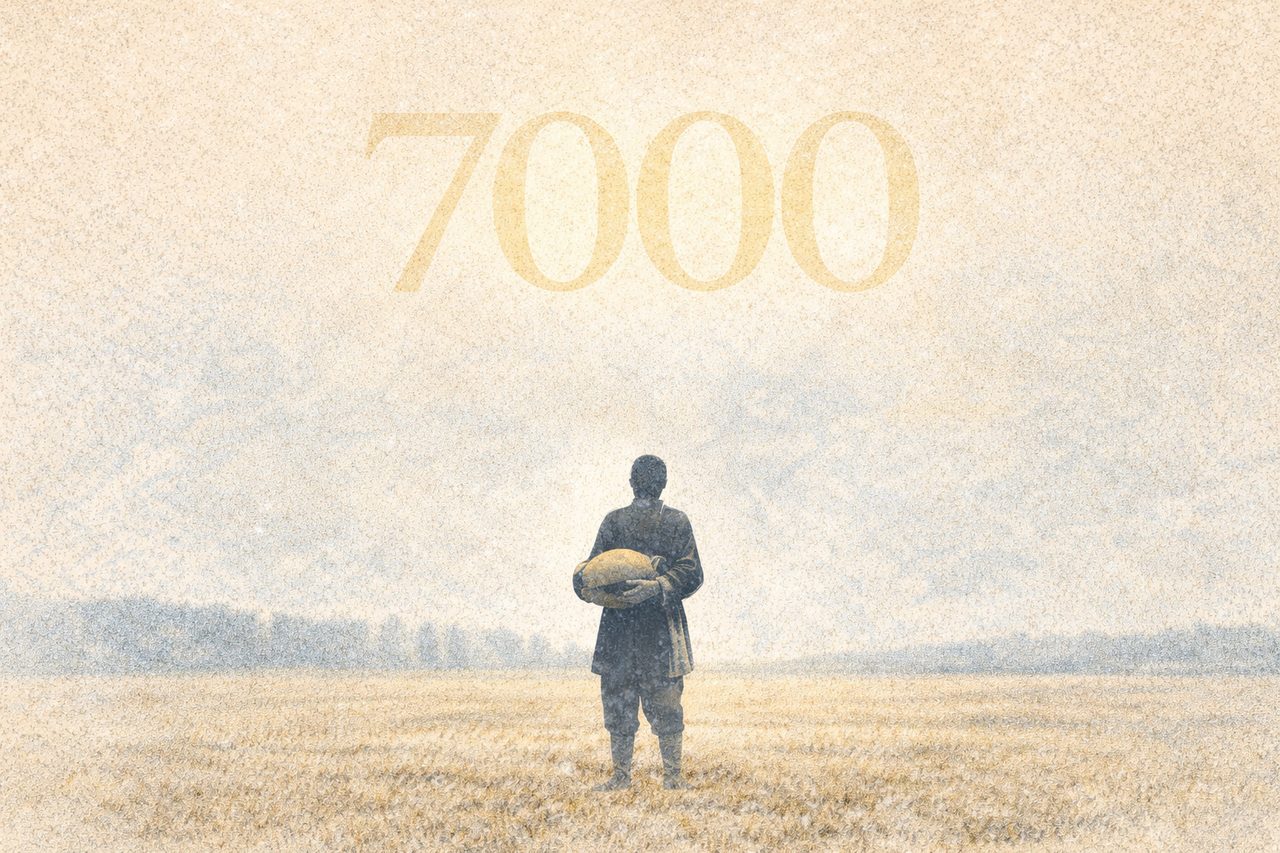
The year 1492 AD corresponded to the year 7000 since the creation of the world. This year marked the most powerful and widespread wave of anticipation of the end of the world in Russian history.
In theology, there was a concept that the world, created in six days (symbolizing 6,000 years), would live exactly 7,000 years – until the Second Coming of Christ, after which the "eighth century" – eternity – would begin. Therefore, the expiration of the seventh millennium was perceived as an unconditional milestone.
The expectations were so high that the church did not compile paschal tables (calculations of Easter dates) for 1493, as they simply saw no point in doing so. Peasants stopped sowing their fields, which led to a real famine after the Apocalypse failed to materialize.
In 1477, Tsar Ivan III's mother, Princess Maria Yaroslavna, donated a huge sum of 495 rubles to the Kirillo-Belozersky Monastery on the condition that the monks would pray for the princely family until exactly 1492.
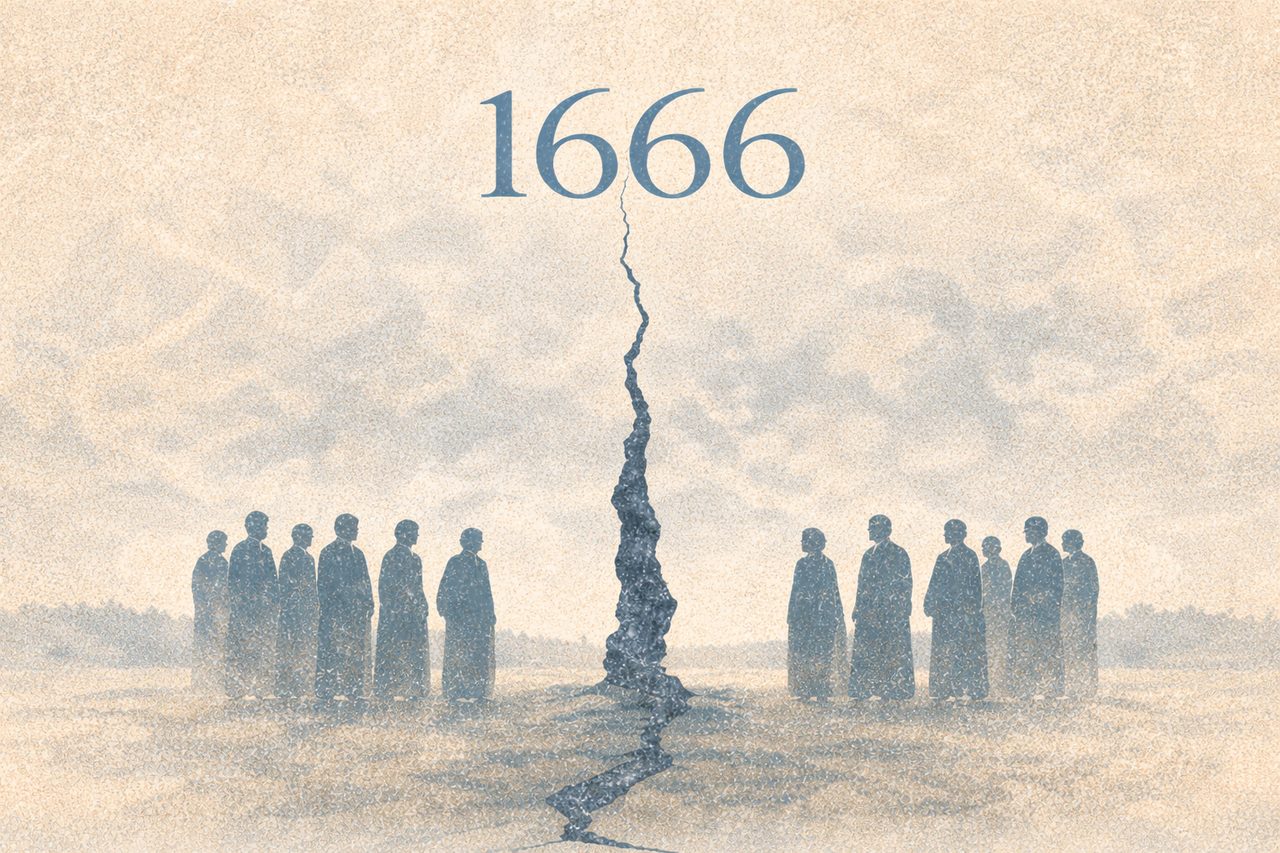
1666: Schism & the ‘Number of the Beast’
The next powerful outbreak of panic occurred in the year 1666 AD. This number was directly associated with the ‘Number of the Beast’ (666) from the Apocalypse.
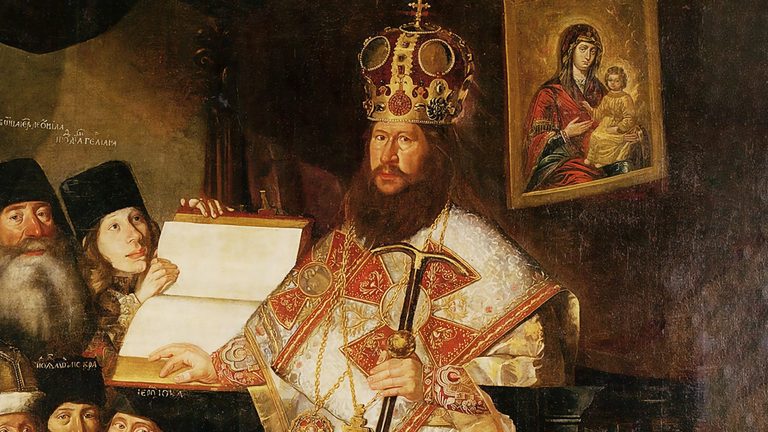
Fuel was added to the fire by Patriarch Nikon's recent church reform, which divided the Russian Church into the Old Believers and the New Believers. For the Old Believers, the reform was not simply a change in ritual, but the collapse of true Orthodoxy and the rise of the Antichrist. Nikon himself was perceived by many as devilish.
This led to tragic consequences: people, seeking salvation, retreated to the forests and committed "scorches" (mass self-immolations) to purify themselves by fire and avoid submitting to the devil's servants. Others lay in coffins and awaited the Archangel's trumpet. But, the Apocalypse did not come this time either.
Then, public expectations gradually began to shift toward greater individualization. The idea emerged that instead of a collective end of the world, one should await and prepare for one's own death and personal accountability before the Almighty.