

How Mozart almost came to Russia

“…I would like to send to you the foremost harpsichordist and one of the most skillful composers of Germany, named Mozart, who, having some dissatisfaction here, would be inclined to undertake this journey.”
These lines were written in 1791 by Count Andrei Razumovsky, the then Russian envoy to Vienna, to Prince Grigory Potemkin, one of the most powerful men in Russia at the time. The diplomat was a great connoisseur of music and could not help but admire the talent of the already great Mozart.
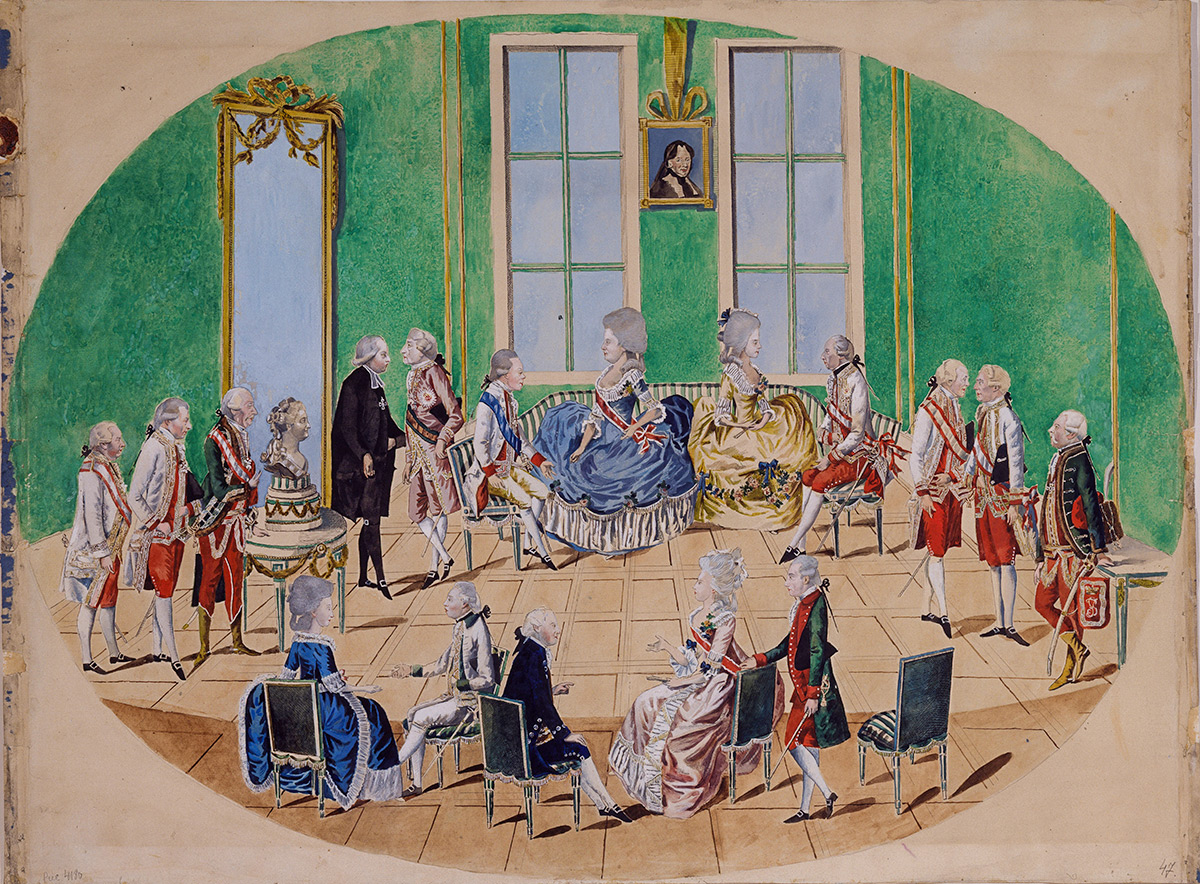
Ten years earlier, the 25-year-old composer had performed at the court of Joseph II for the future Paul I, Grand Duke Pavel Petrovich, and his wife, Maria Feodorovna. He had rushed to complete the opera ‘The Abduction from the Seraglio’ especially for their visit and then conducted it. He also took part in a piano competition alongside Italian maestro Muzio Clementi.
Aware of Mozart’s difficult financial situation, Razumovsky decided to help him. The composer was in desperate need of money: the Vienna municipal authorities had offered him a position, but without a salary. Individual commissions, though generously paid, did not cover all his needs. An invitation to travel to Russia would, therefore, have been most timely. Prince Potemkin was a man who loved music and could spend any sums on his passions. Moreover, at that very time, he was planning to open a university with a music academy in Novorossiya.
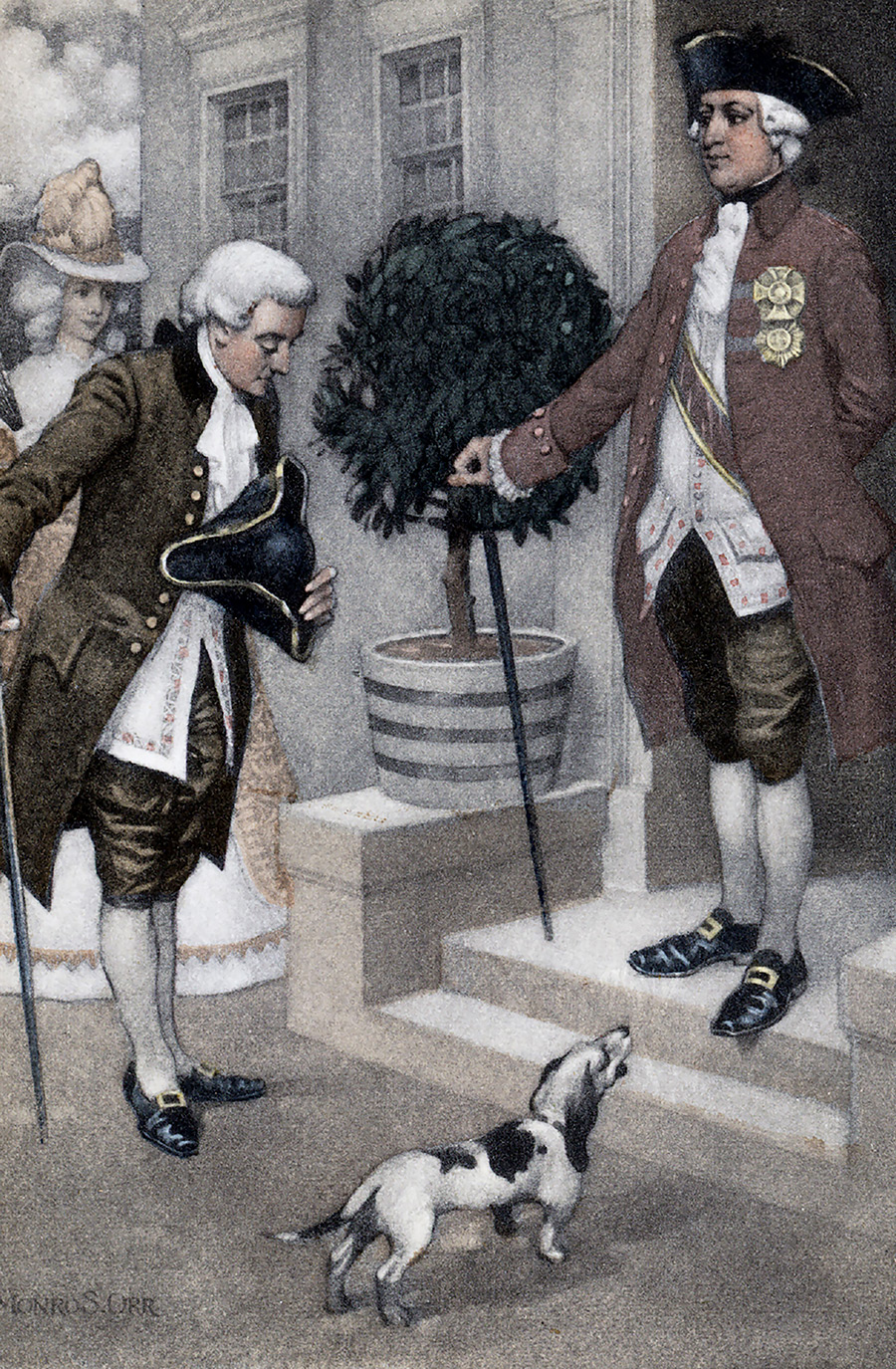
“If Your Serene Highness permits me, I would then invite him; not for long, but simply so that he might come to Your Highness, that you might hear him and, if you find it appropriate, then take him into your service,” urged Razumovsky.
Alas, the proposal remained only on paper: Potemkin either did not have time to reply or forgot to and, a few months later, he died; shortly thereafter, Mozart himself passed away.