
Why did Beethoven dedicate his sonatas to a Russian tsar?

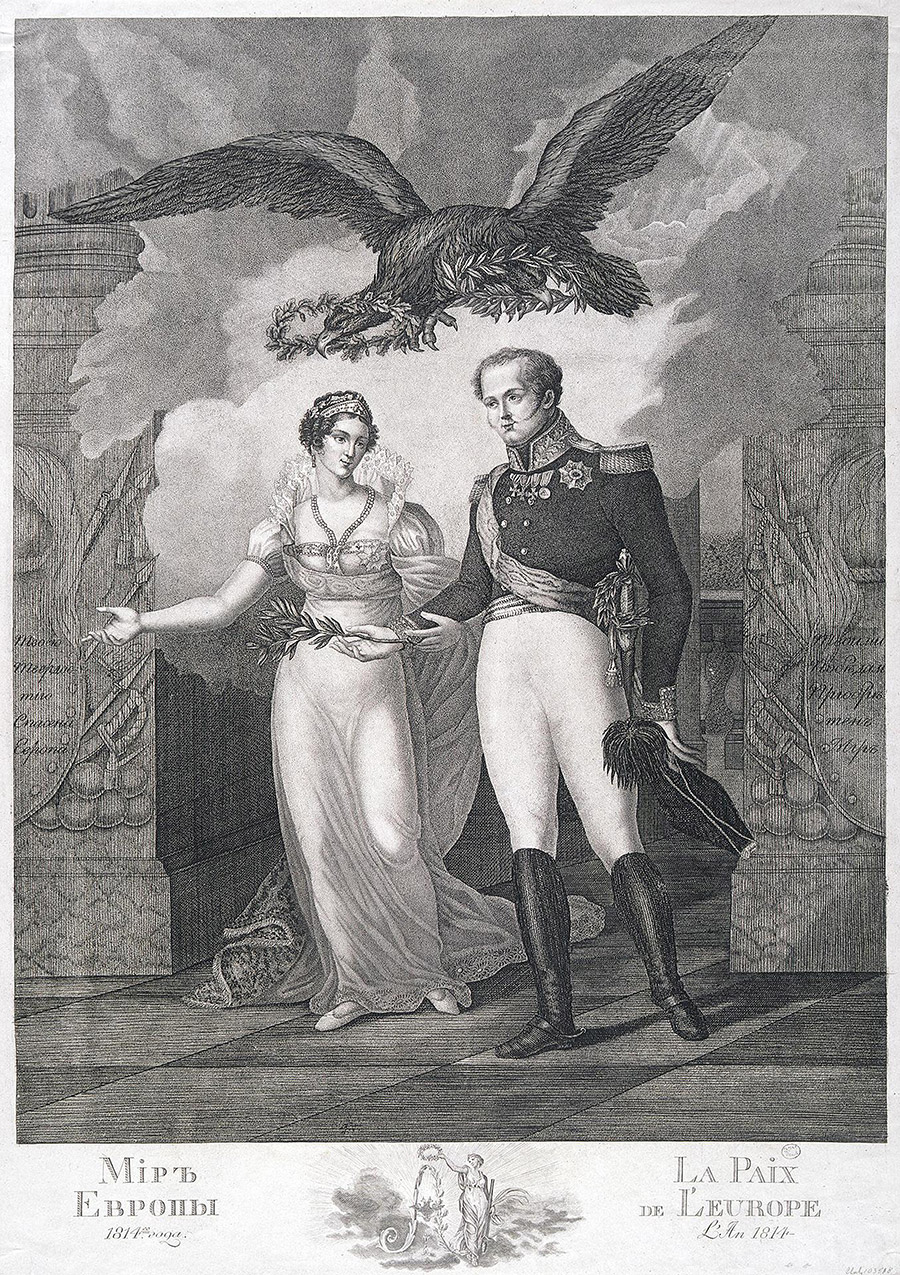
In 1814, Russian Emperor Alexander I and his wife, Elizabeth Alexeyevna, arrived at the Congress of Vienna, where the future of Europe after the Napoleonic Wars was being discussed. One of those introduced was composer Ludwig van Beethoven.
They had already known each other in absentia. Twelve years earlier, in 1802, the composer had written three violin sonatas, which he dedicated to Alexander. The idea was suggested to him by Count Andrei Razumovsky, the then Russian ambassador to Vienna. Under Paul I, he had fallen into disgrace and even been exiled for a time. Alexander I, on the other hand, restored him to service upon ascending the throne. So, it was a kind of veiled gratitude from a nobleman to his monarch. However, for Beethoven, this dedication was no coincidence either. He knew the Russian tsar was a superb violinist and would appreciate his genius.
During the congress, Beethoven gave a benefit concert, which the tsar attended. His wife also attended a performance of ‘Fidelio’, the composer's only opera. Afterwards, in gratitude for his work, she presented him with 200 chervonets and a ruby-and-diamond ring. Inspired, Beethoven dedicated the ‘Polonaise’ and the piano arrangement of his ‘7th Symphony’ to Elizabeth Alexeyevna.
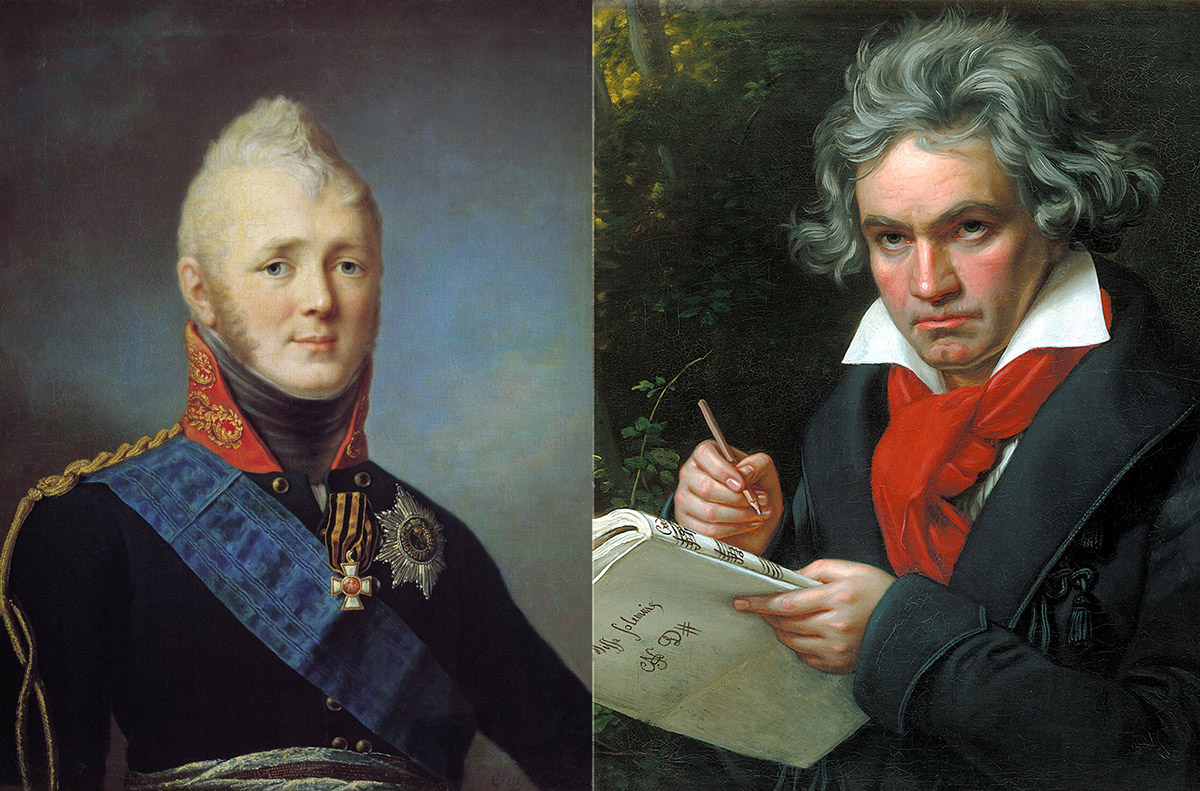
Their acquaintance continued later: Alexander I was among the patrons who financed the score for ‘Missa Solemnis’. The composer personally approached him with a request to contribute to the subscription. The emperor accepted. Incidentally, the world premiere of the work took place in St. Petersburg in Spring 1824.