
How Tchaikovsky's ‘mistake’ became a great opera
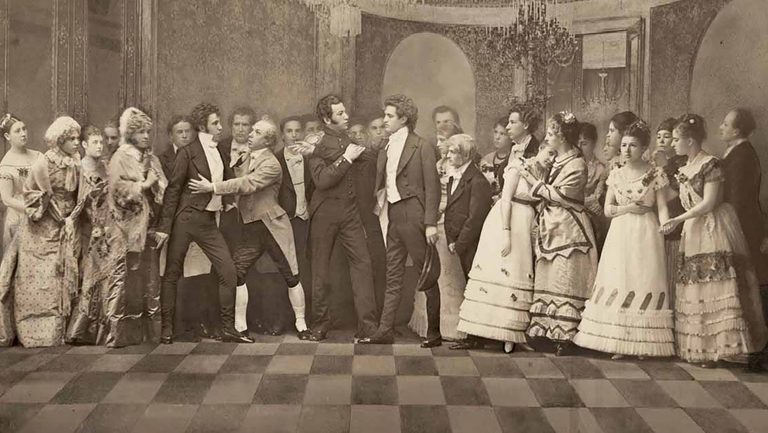
Today, ‘Eugene Onegin’ is performed on the stages of theaters across all continents.
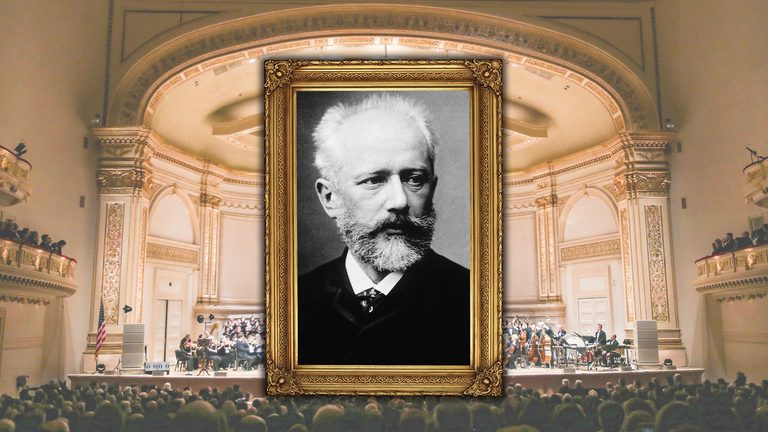
In the second half of the 1870s, Tchaikovsky was vainly searching for a plot to create a new opera. The idea to use the storyline of Alexander Pushkin's novel in verse ‘Eugene Onegin’ appeared by chance. As the composer himself recounted, it was suggested to him in May 1877 by opera singer Yelizaveta Lavrovskaya.
"This idea seemed wild to me… Then, having dinner alone in a tavern, I remembered 'Onegin', started thinking, then began to find Lavrovskaya's idea possible, then got carried away and, by the end of the dinner, I had decided," wrote Pyotr Ilyich in a letter to his brother Modest. "Immediately, I ran to find Pushkin. I found it with difficulty, went home, reread it with delight and spent a completely sleepless night, the result of which was the scenario of a charming opera with Pushkin's text."
Even at the stage of creating the opera, few believed in its success on stage. Almost all of the composer's close friends and relatives considered his choice to be a mistake: A"contemporary" plot, without spectacular scenes and unexpected twists, the death of one of the characters in the middle of the action, not in the finale, etc… However, Tchaikovsky himself was aware of the difficulty of the task, believing that his opera was "condemned to failure and the inattention of the general public. The content is very simple, there are no stage effects, the music is devoid of brilliance and flashy effects… I… wrote 'Onegin' without pursuing any extraneous goals. But, it turned out that 'Onegin' would not be interesting in the theater."
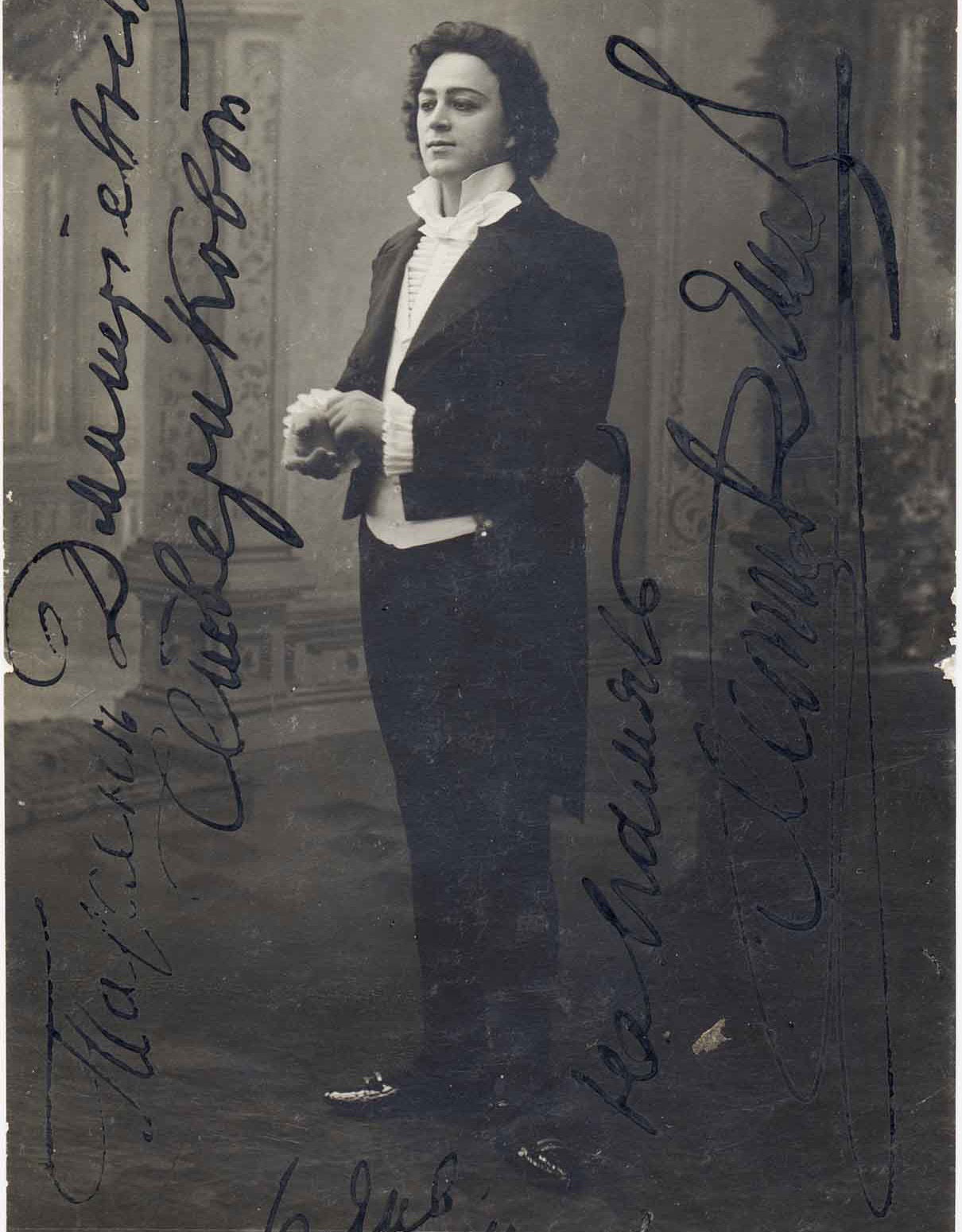
His assumptions practically came true: The first production of the opera was essentially chamber-like and took place on the stage of the Maly Theater. It was performed by students of the Moscow Conservatory. Despite the restrained reception from the audience, the composer was pleased with the performance, mainly because he "felt inner satisfaction with his composition".
However, Tchaikovsky continued to consider ‘Onegin’ unsuitable for large stages and did not hope for a production of the opera in the imperial capital theaters. Meanwhile, in Moscow, a decision was made to stage ‘Eugene Onegin’ at the Bolshoi Theater.
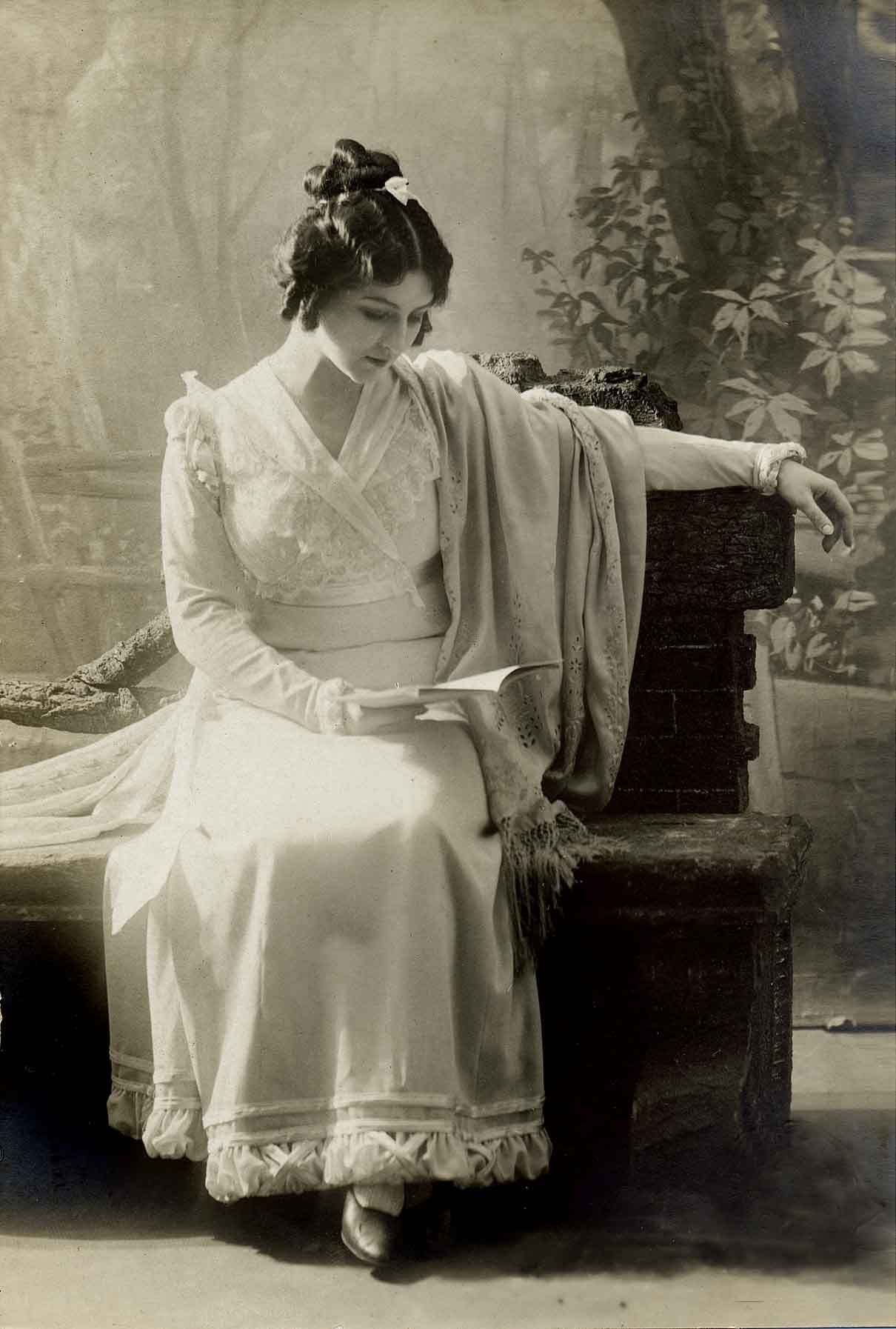
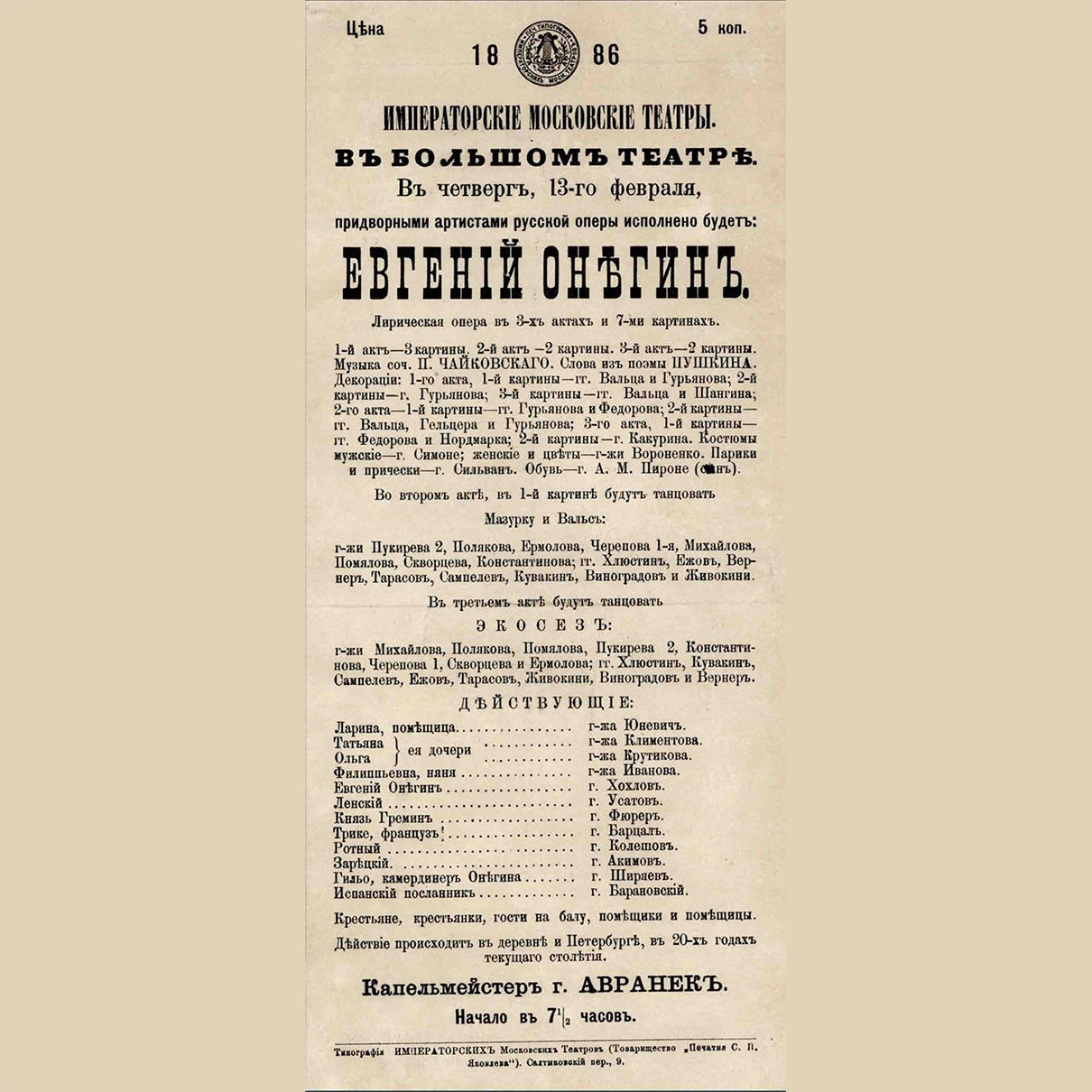
"Yesterday evening we… listened to 'Onegin'. The theater was full, I already found signs at the theater box office early in the morning saying 'all tickets sold out' and bought a ticket from a scalper for five rubles. The audience downstairs was very restrained, but, above the dress circle, there was literally a roar… If I didn't know about your publisher's stinginess, I would have thought he hired claqueurs. But no, they don't try that hard for money…" wrote Pyotr Jurgenson, a music publisher, to Tchaikovsky a month after the premiere at the Bolshoi.
Critics also received ‘Onegin’ controversially. Some considered the opera drawn out, lacking impressive musical passages, while the music itself monotonous and boring. Tchaikovsky was even reproached… for a lack of a musical ear! However, others noted the charming "musical-dramatic pictures", comparing them to "masterful, delicate watercolors".
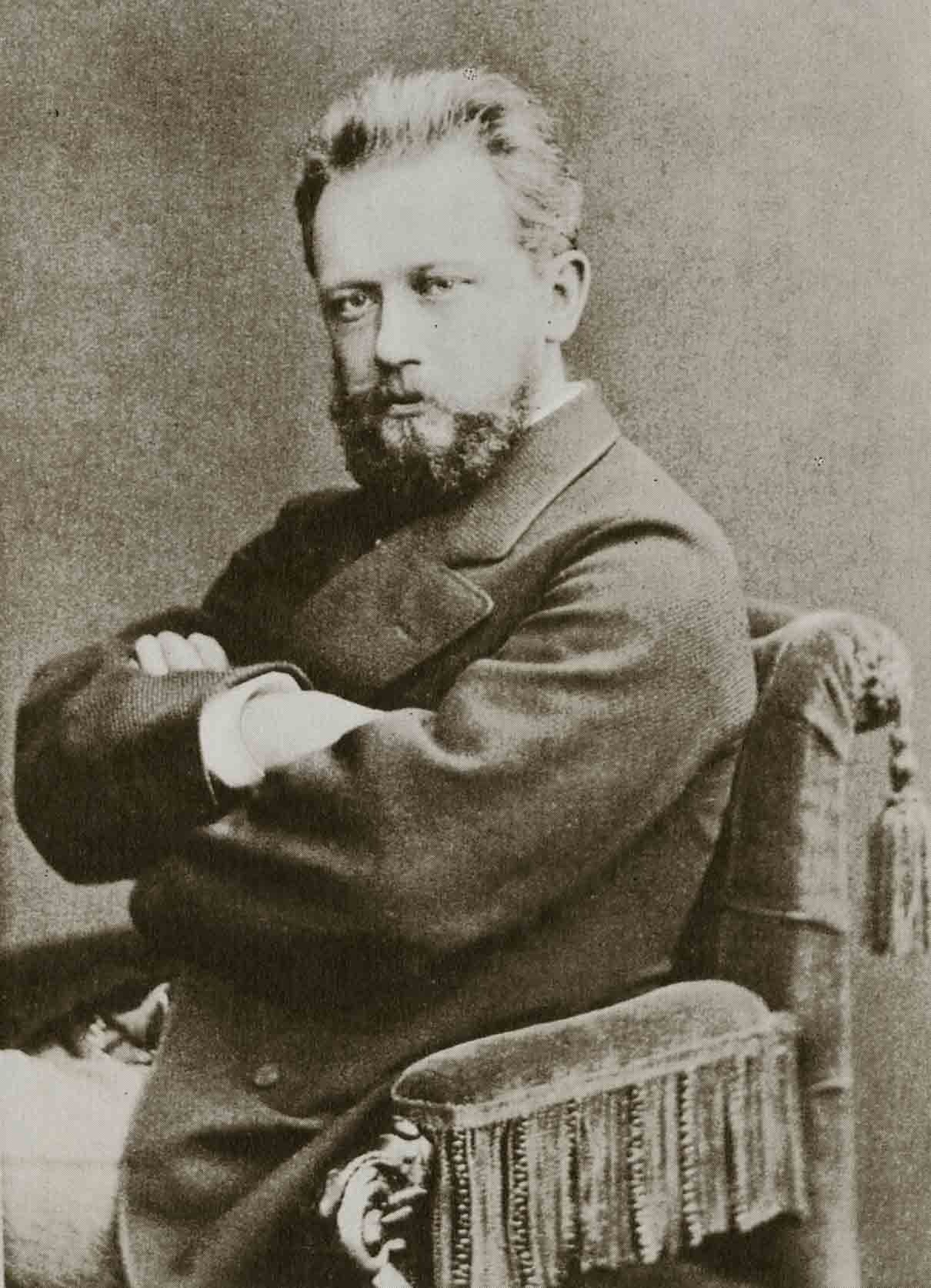
Pyotr Ilyich himself confessed in a letter to his student and composer Sergei Taneyev: "About the music, I will tell you that if music was ever written with sincere enthusiasm, with love for the plot and its characters, it is the music for 'Onegin'. I melted and trembled with inexpressible delight when I wrote it. And, if the listener feels even the smallest part of what I experienced composing this opera, I will be very satisfied and need nothing more."
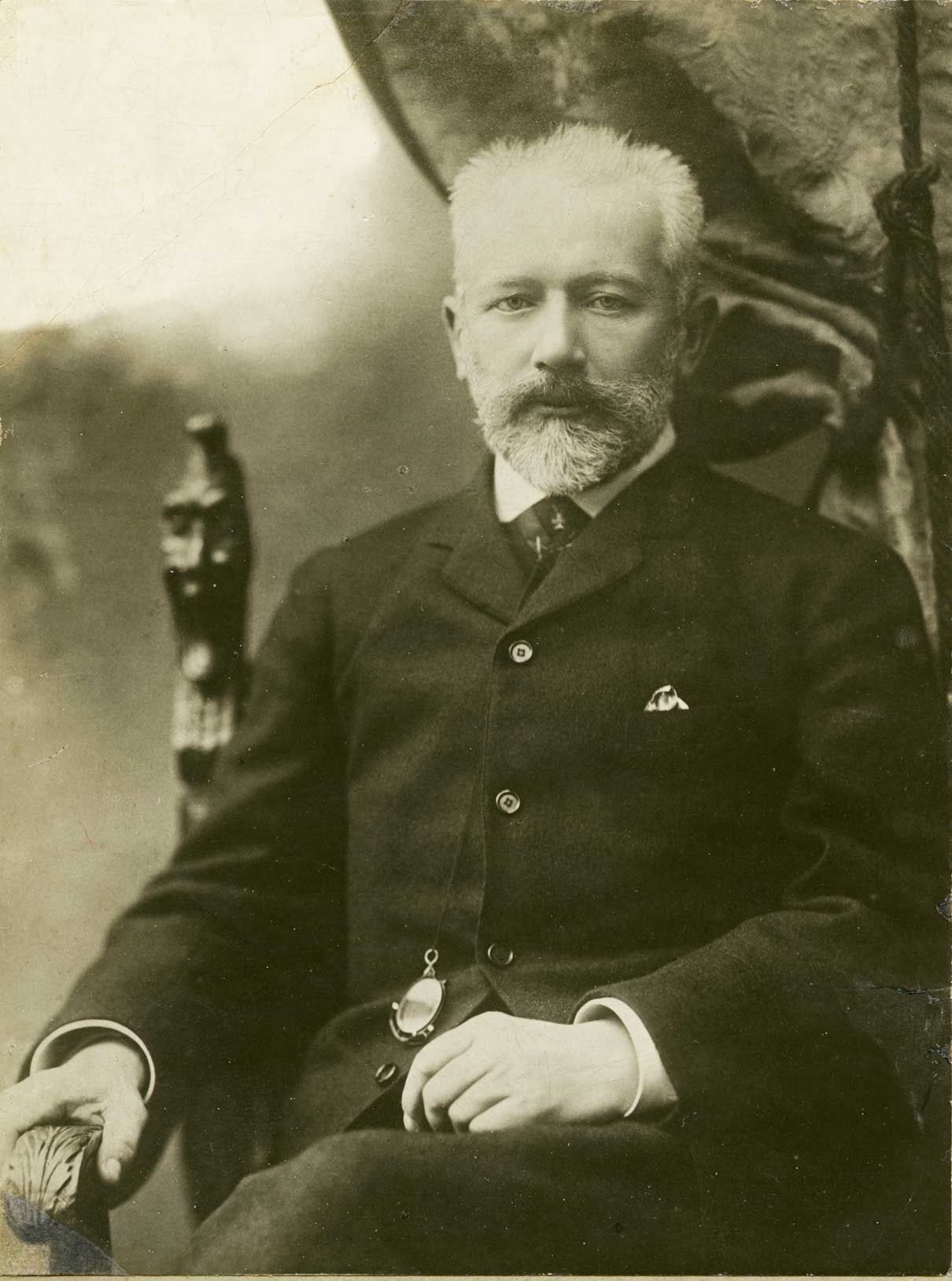
After the Bolshoi Theater, the opera ‘Eugene Onegin’ settled on all the major Russian theatrical stages. During the composer's lifetime, it was staged in Prague and Hamburg and, today, it’s performed from time to time on all continents.
The full version of this article is available (in Russian) on the ‘Russky Mir’ website.