
How a GYPSY Theater came to be in the USSR (PHOTOS)
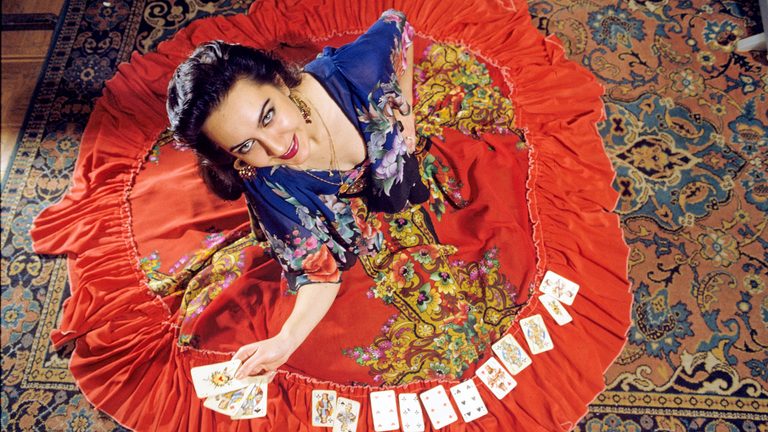
"Russian Gypsies", along with ballet, have long been Russia's "cultural ambassadors" to the world.
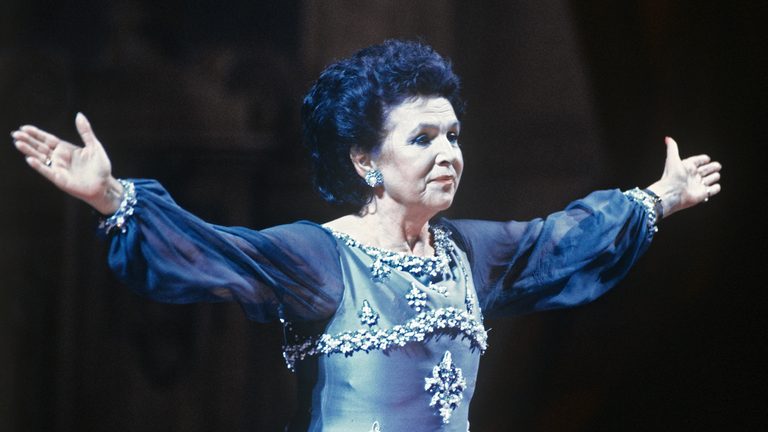
The Romen Theater's current building in Moscow was chosen for a reason: before the 1917 Bolshevik Revolution, it housed the ‘Yar’ restaurant, known not only for its sumptuous dishes, distinguished patrons and scandalous drinking bouts, but also for its Gypsy choirs. It was the main venue for Gypsy singing in Russia: The famous ‘Ilya Sokolov Choir’ performed there and stars such as Olimpiada Fedorova (the contralto of ‘Gypsy Pishi’ was known throughout Moscow) and Varvara Panina sang there.
Restaurants & Taverns
Gypsy choirs became popular in Russia in the late 18th and early 19th centuries. However, in the mid-19th century, the monopoly on organizing entertainment events was given to the imperial theaters. This meant that the Roma were left with just restaurants and taverns to perform in. In 1882, the monopoly was abolished, but the tradition had already taken hold: people went to hear Roma music outside the theater.
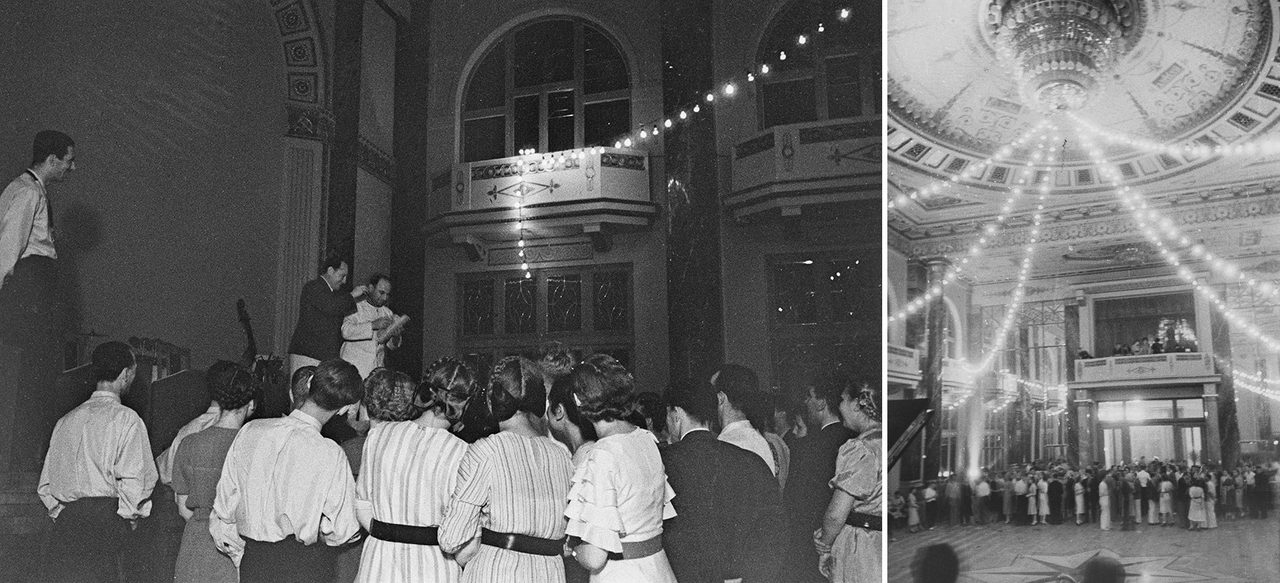
The Roma initially had an ambivalent relationship with the Soviet government. On the one hand, in the 1920s, Roma choirs were effectively banned and disbanded. On the other hand, the new Soviet state declared one of its goals to be the support of the cultures of indigenous and small peoples. This included the Roma, who were encouraged to adopt a sedentary lifestyle. Kindergartens and schools with instruction in the Romani language began to open in Soviet Russia. Grammar and primer were published, as well as books and magazines. In January 1931, with the support of Anatoly Lunacharsky, People's Commissar for Education, the Indo-Romen Theatre Studio opened in Moscow. And, by the end of the year, it had become the official Romani ‘Romen’ Theater, whose name simply means ‘Gypsy’. The founders were conductor Ivan Lebedev, later known as Rom-Lebedev, his brother Georgy and director Moisei Goldblat, who became the first artistic director. The first production was a musical and dramatic play titled ‘Life on Wheels’.
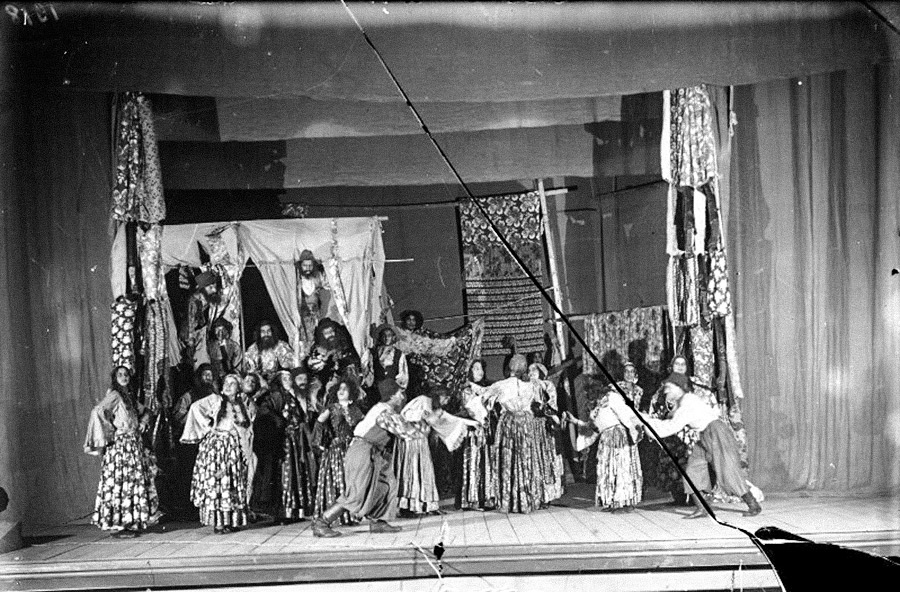
In the early years, the troupe consisted of only about 20 people, who were taught literacy, acting and singing. Performances were held in the Romani language and based on folklore. The brightest star of this period was Lyalya Chernaya (Nadezhda Kiseleva), a beauty with a magical voice, the daughter of a nobleman and a Romani singer, the embodiment of Romani romance.
The Moscow Art Theater & Spartak
In 1937, the theater was headed by Mikhail Yanshin, a distinguished actor and Lyalya Chernaya's husband. He brought the traditions of Stanislavsky's psychological school and an extensive classical repertoire to the theater. Works by Pushkin, Gorky, Leskov and Leo Tolstoy appeared on the playbill.
This collaboration was mutual and fruitful. A veritable creative camp gathered in Yanshin and Chernaya's home, where Moscow theater stars and Roma artists sang and danced together. The theater, while maintaining its national character, reached a new professional level and became incredibly popular in Moscow. From then on, performances gradually switched to Russian, making the art of "Romen" accessible to a wider audience.
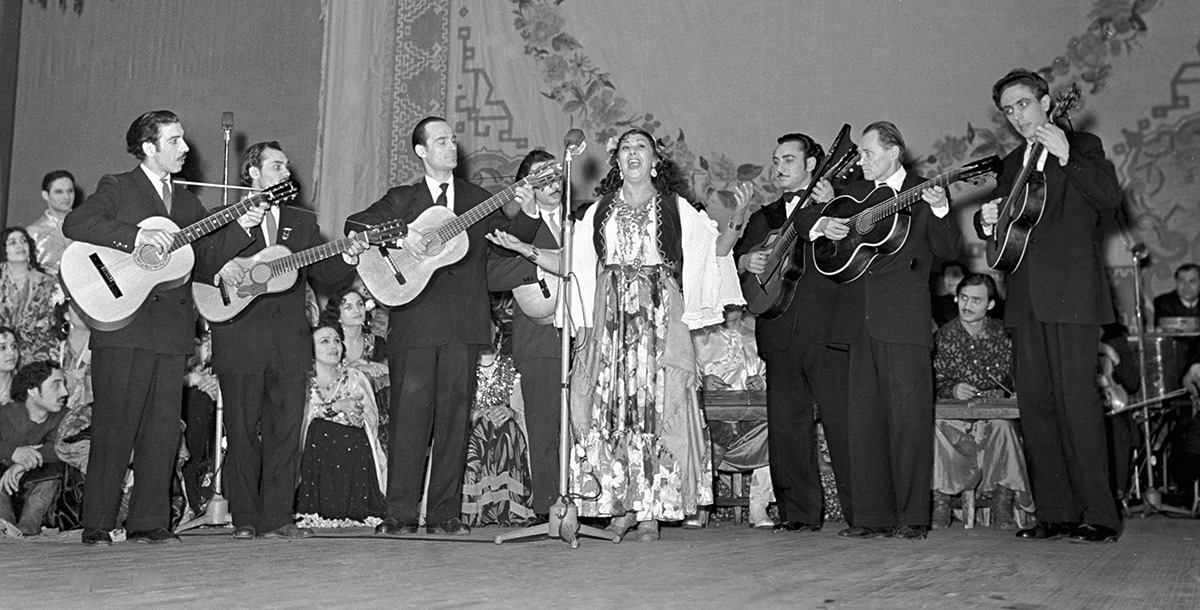
The theater's relationship with sports also became an important milestone: Olga Kononova, one of its first performers, married Andrei Starostin, founder of the ‘Spartak Moscow’ soccer club. Since then, Spartak's members have since become fans and friends of Romen.
During World War II, the theater was not evacuated: throughout all those years, the troupe continued to perform concerts on the front lines and in hospitals.
The Slichenko Era
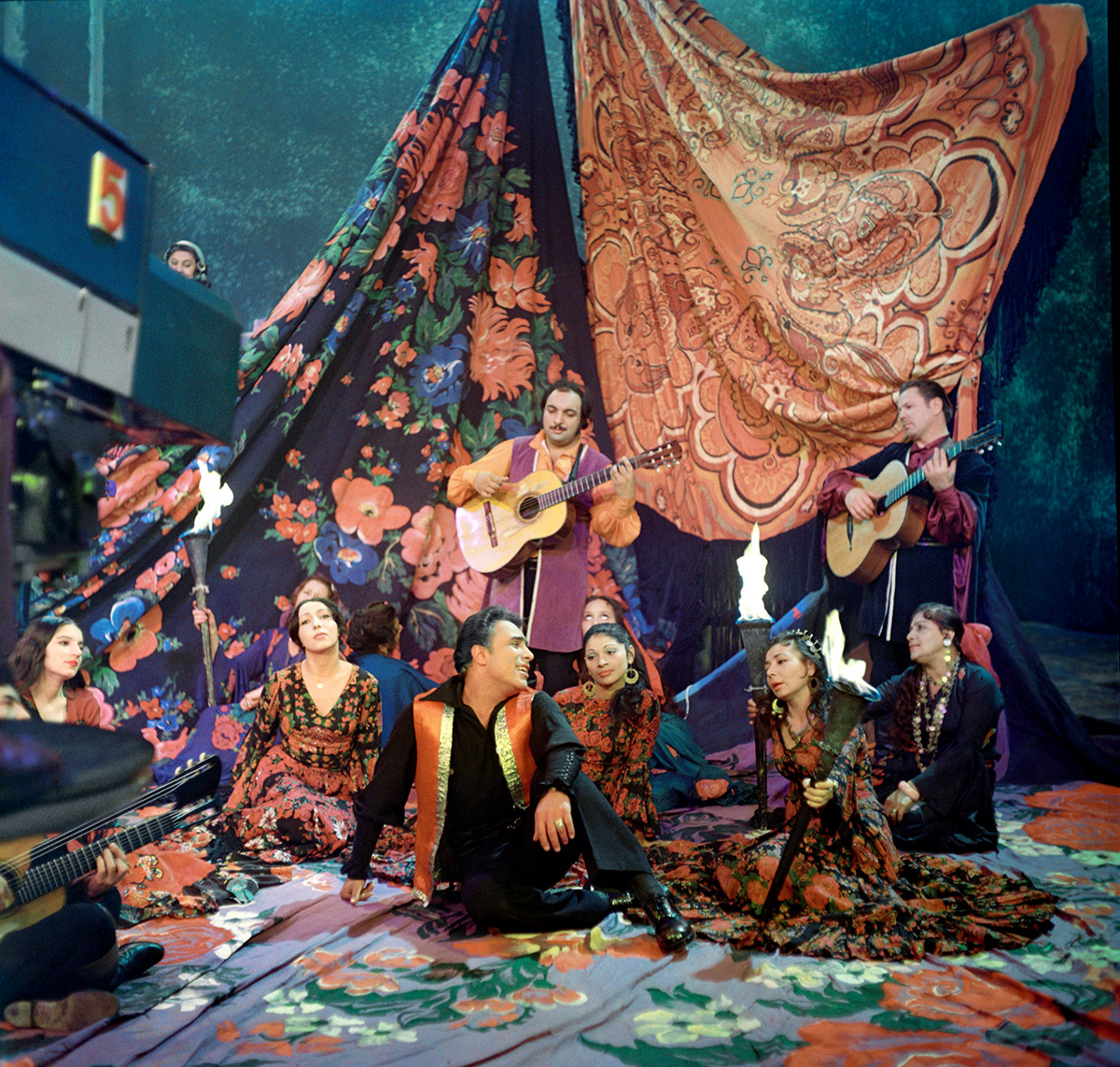
The longest and most colorful chapter in the theater's history is associated with the name of Nikolai Slichenko. He survived the war as a child and lost his father. Having learned of the existence of a Roma theater in Moscow, the then 16-year-old boy headed straight for it from a Voronezh collective farm. His talent as a singer and dramatic actor was immediately noticeable – in 1951, he was accepted into the supporting cast. By the 1970s, he was already famous throughout the country and a regular fixture at every traditional New Year's Eve TV concert. And, in 1977, having completed his training as a director, he took over the Romen Theater. Under his leadership, which lasted nearly 45 years, the theater achieved worldwide recognition. He created the productions that became the hallmarks of the Romen Theater: ‘The Living Corpse’, the lyrical ‘Grushenka’ and the grand folk musical spectacle ‘We Are Gypsies’ (1976). This epic production, which tells the story of a people from India to Russia and features the entire troupe, is still running today.
Slichenko brought the theatre onto the world stage. Its success was resounding and stories of foreign admirers taking actresses home as wives after tours have become part of theatrical folklore. He also founded the National Roma Studio at the Shchukin Theater Institute in Moscow (2005), establishing a system for training professional actors.
Romen Today
The modern Romen Theater, led by Nikolai Sergienko since the death of Nikolai Slichenko in 2021, remains true to itself. This is a theater where feelings can't simply be expressed on stage – they must be sung, danced and shared with the audience. Emotions are always on the edge.
The repertoire balances classics with Gypsy themes (‘Carmen’, ‘The Enchanted Wanderer’), original plays by Romani playwrights and large-scale musical extravaganzas. ‘We Are Gypsies’ continues to be the crowning achievement of the playbill. Artists of other nationalities also join the troupe, but the spirit and style remain subtly recognizable in the details: For example, in the way a skirt falls to the floor during a dance or the jingle of a necklace.