
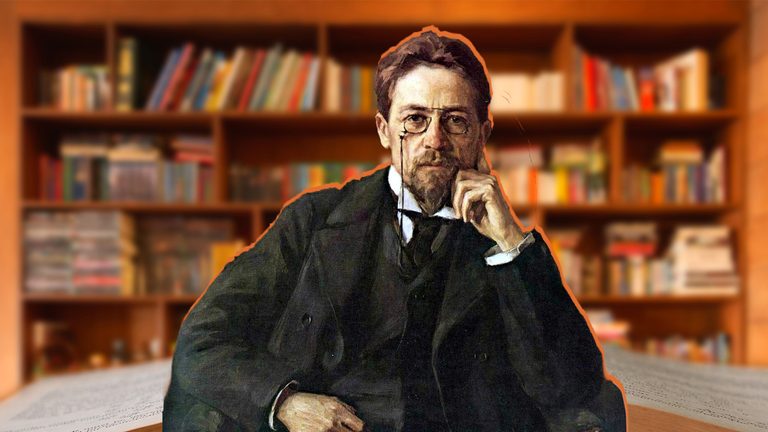
Why were books in short supply in the USSR?

In “the world’s most literate country”, finding something worthwhile to read wasn't so easy.
And it wasn't at all because the bookstore shelves were empty. On the contrary, they were overflowing with classic works of Marxism-Leninism and socialist realism (popularly referred to as "cement" – after the title of Fyodor Gladkov's novel). However, they weren't in demand. On the other hand, books that truly sparked interest among Soviet readers were published in print runs of 100,000 copies for a population of 280 million. In other words, not only were there not enough copies to go round – in major cities, they didn't even make it to the stores. One might naturally ask: why not print more of these appealing books?
Book shortages
State policy in the USSR prioritized ideology over reader demand. Two agencies were responsible for restricting choice: ‘Glavlit’ (the Main Administration for Literature and Publishing) and ‘Goskomizdat’ (the State Committee of the USSR Council of Ministers for Publishing, Printing and Book Trade). They approved thematic plans and exercised censorship over all printed materials in the country, right down to stamps and calendars.
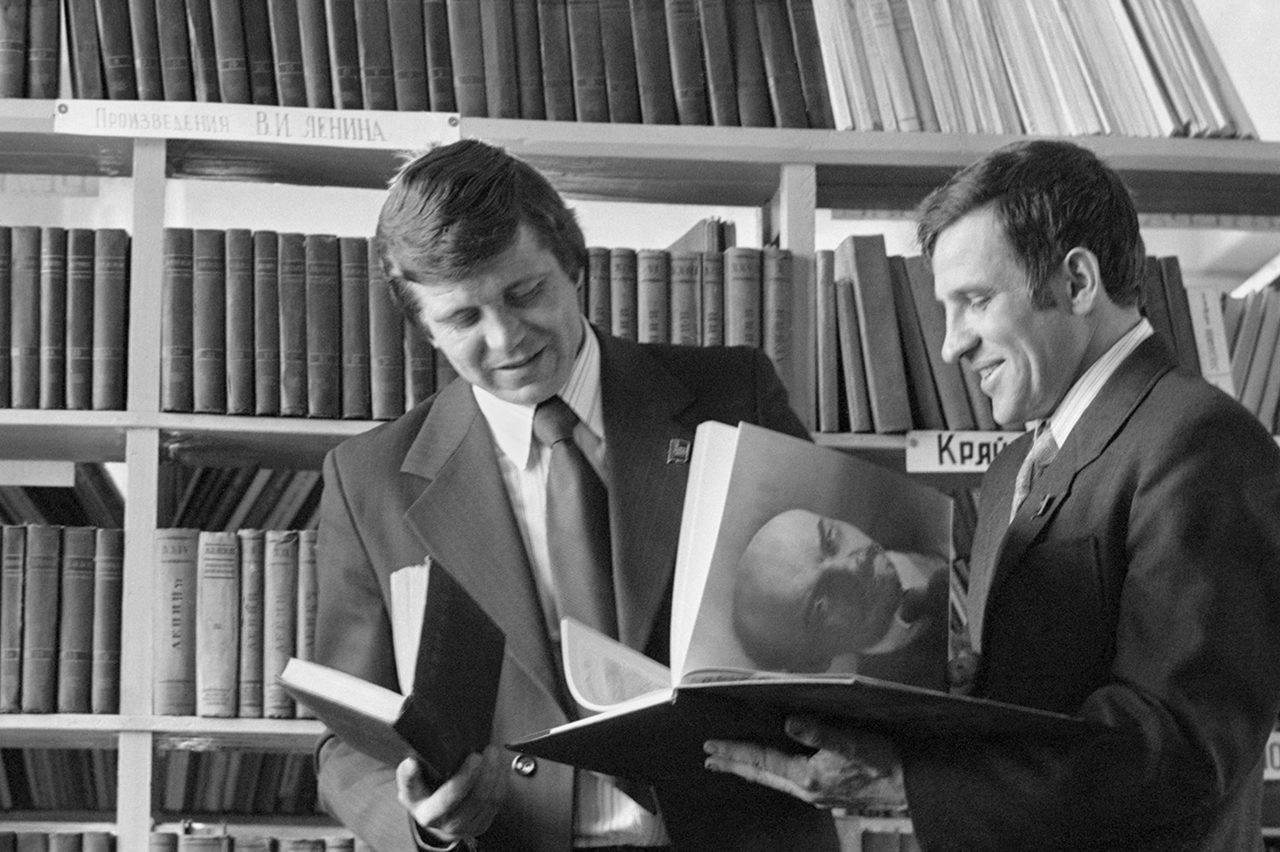 Deputies of the district council of the village of Akbulak
Their priority was not the literature people wanted to read (at best, entertaining, at worst, harmful), but, rather, the literature the state needed to advance its ideological goals. As a result, large print runs and the best paper were reserved for multi-volume collected works of Vladimir Lenin, state leaders and materials from party congresses, while print runs of works by Alexandre Dumas or the Strugatsky brothers served as mere “cherries on top”.
There were also production-related reasons. At one point, the country experienced a shortage of high-quality paper. Printing capacity was also insufficient. Ideological commissions were prioritized, while other orders were printed on a residual basis.
This imbalance between supply and demand gave rise to a unique phenomenon – a "book shortage" – which did not apply to books in general, but only certain categories of books most sought after by readers. This, in turn, gave rise to another phenomenon: In times of scarcity, an interesting book ceased to be merely a source of knowledge, but also became a symbol of prestige. The presence of a collection of Russian and foreign classics in a house – Alexandre Dumas, Arthur Conan Doyle, Jules Verne, Mayne Reid, Leo Tolstoy or Fyodor Dostoevsky – was as indicative of the owner's social status as a crystal chandelier, a cabinet or a German ‘Madonna’ dinner set displayed within.
What did readers dream of?
Well-published Western and foreign classics, science fiction and detective novels drew readers in. Their print runs were tiny and there was a scramble for each new book. Here are some of the most prized series:
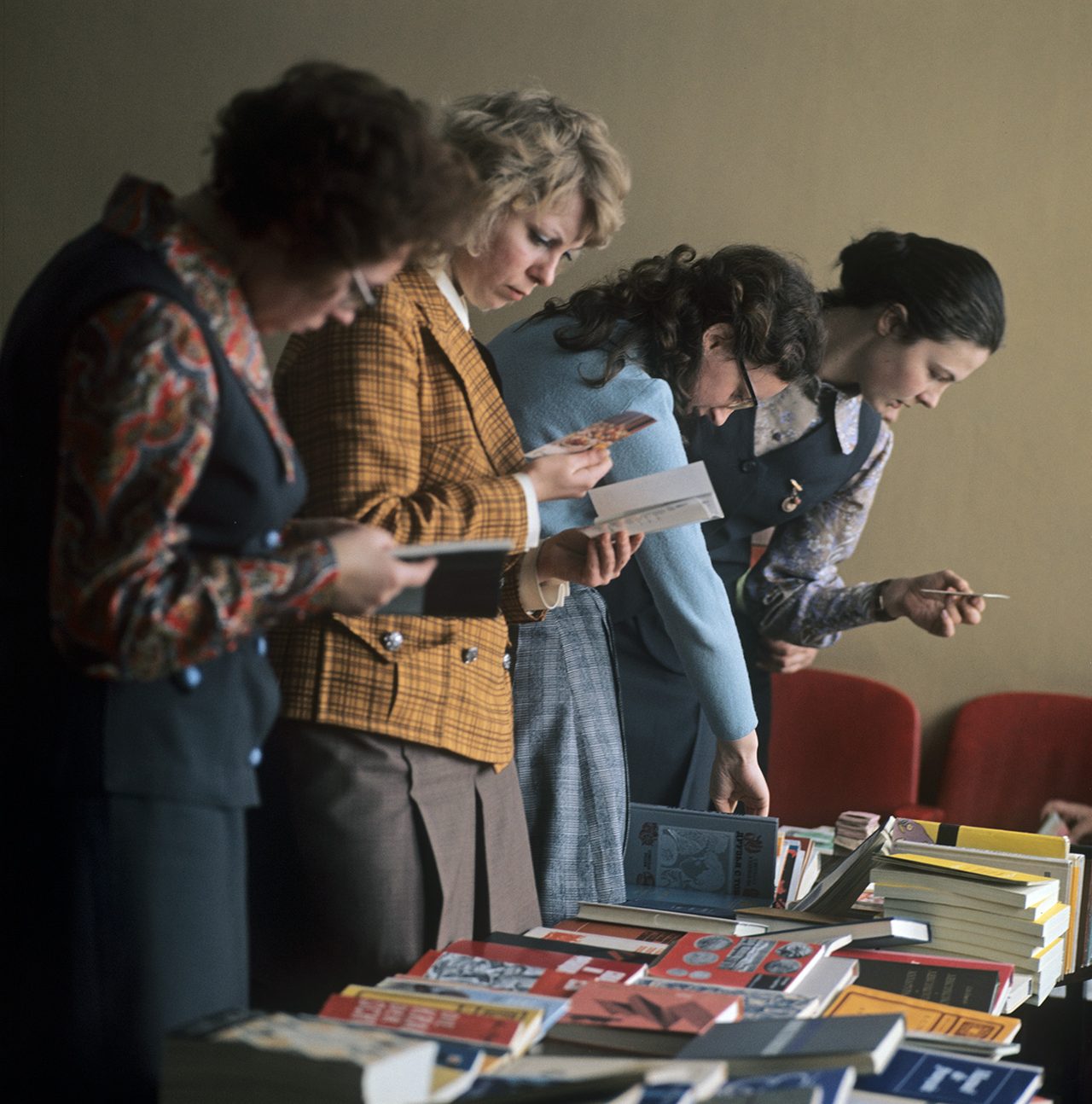 Ivanovo State University. At the book kiosk
– ‘The Library of World Literature’. This 200-volume series was the pinnacle of literary prestige. From ‘The Iliad’ to ‘Robinson Crusoe’, from ‘The Divine Comedy’ to ‘Faust’, from African poetry to Rilke. All the most important works of all times and peoples! It was practically impossible to buy it in stores and, on the black market, a set was valued at 10,000 rubles – the price of a new GAZ-24 Volga at the time.
– ‘Adventure and Science Fiction Library’. One of the most popular and beloved series with a distinctive design. Despite print runs in the hundreds of thousands, demand for it was enormous.
– ‘Foreign Science Fiction’. This series introduced Soviet readers to Isaac Asimov, Ray Bradbury and Robert Sheckley. The books flew off the shelves and their price among scalpers sometime reached 20–25 rubles, compared to the official price of 1.5-3 rubles.
– ‘Masters of Soviet Detective Fiction’. Detective novels by the Vainer brothers, Arkady Adamov and Yulian Semenov were immensely popular. Print runs couldn't keep up with demand, making these books a coveted prize.
How people "got" them
The Soviet book shortage gave rise to an entire informal culture of book hoarding, where the logic of "buying with money" didn't always apply. The distribution system was so convoluted and closed that readers turned into true hunters, using a variety of methods—from official to semi-criminal.
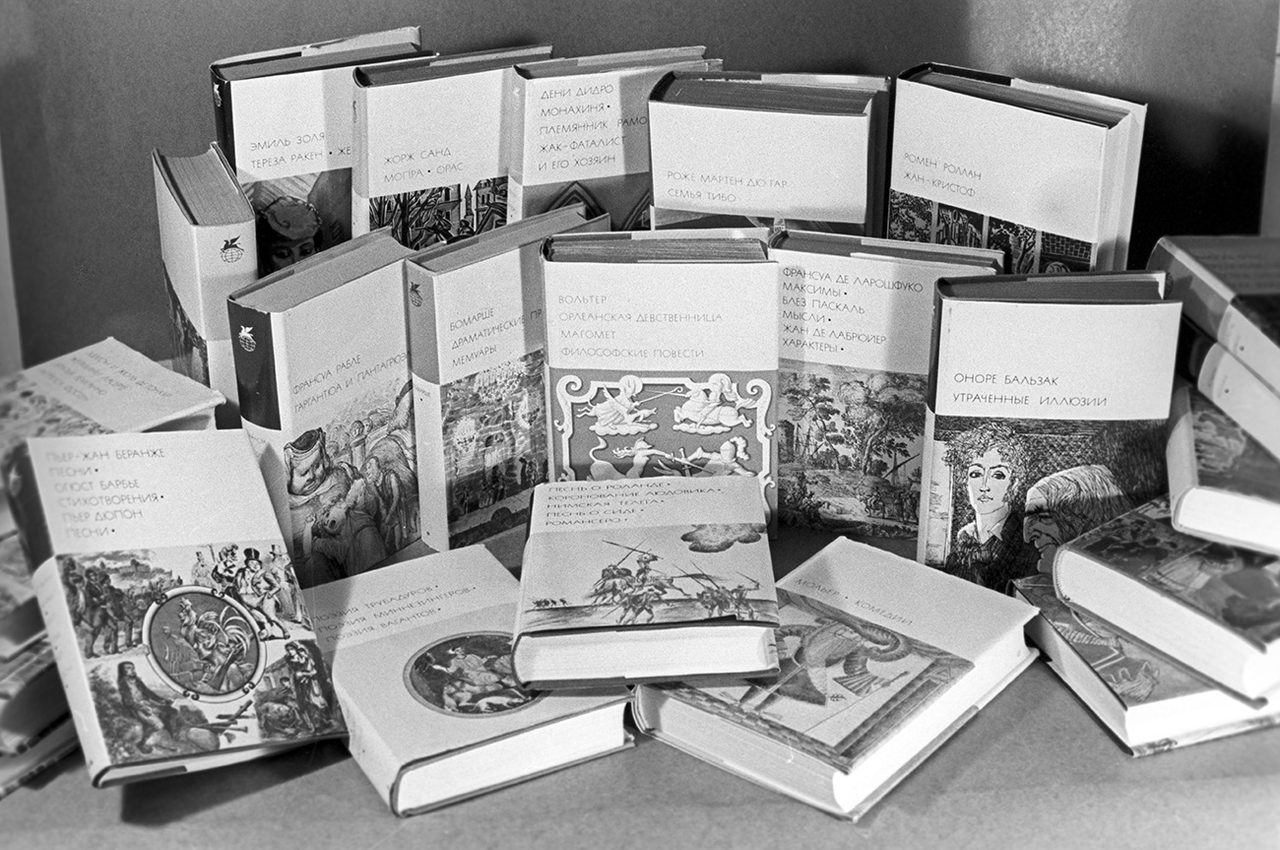 Books from the "Library of World Literature" series: collections of works by French writers (P.-J. Béranger, F. Rabelais, Voltaire, A. Balzac, F. de La Rochefoucauld, and others)
1. Waste Paper
This was the main legal way to turn trash into treasure. To earn the right to buy a single volume of the scarce collection of works by Dumas or Conan Doyle, a person had to hand over several dozen kilograms of waste paper.
Recycling centers issued special vouchers indicating which book could be purchased with them.
2. Business Trip
The USSR had a planned economy that was not driven by demand. All books were “spread out” evenly across the country. As a result, publications that didn't even make it onto store shelves in the capital and major cities were readily available on shelves in remote corners of the country. That's where lucky book hunters found them.
In addition, huge shipments of books were sent to countries of the Eastern Bloc to support and spread the Russian language and the rare lucky few who were able to travel abroad often brought back suitcases full of books from East Berlin, Prague or Sofia.
3. Book Exchange
People traded books through library bulletin boards, book clubs and even through newspapers. This system created a complex hierarchy of "exchange value". The exchange rate could reach absurd levels: "Trade a stack of Brezhnevs for Dumas."
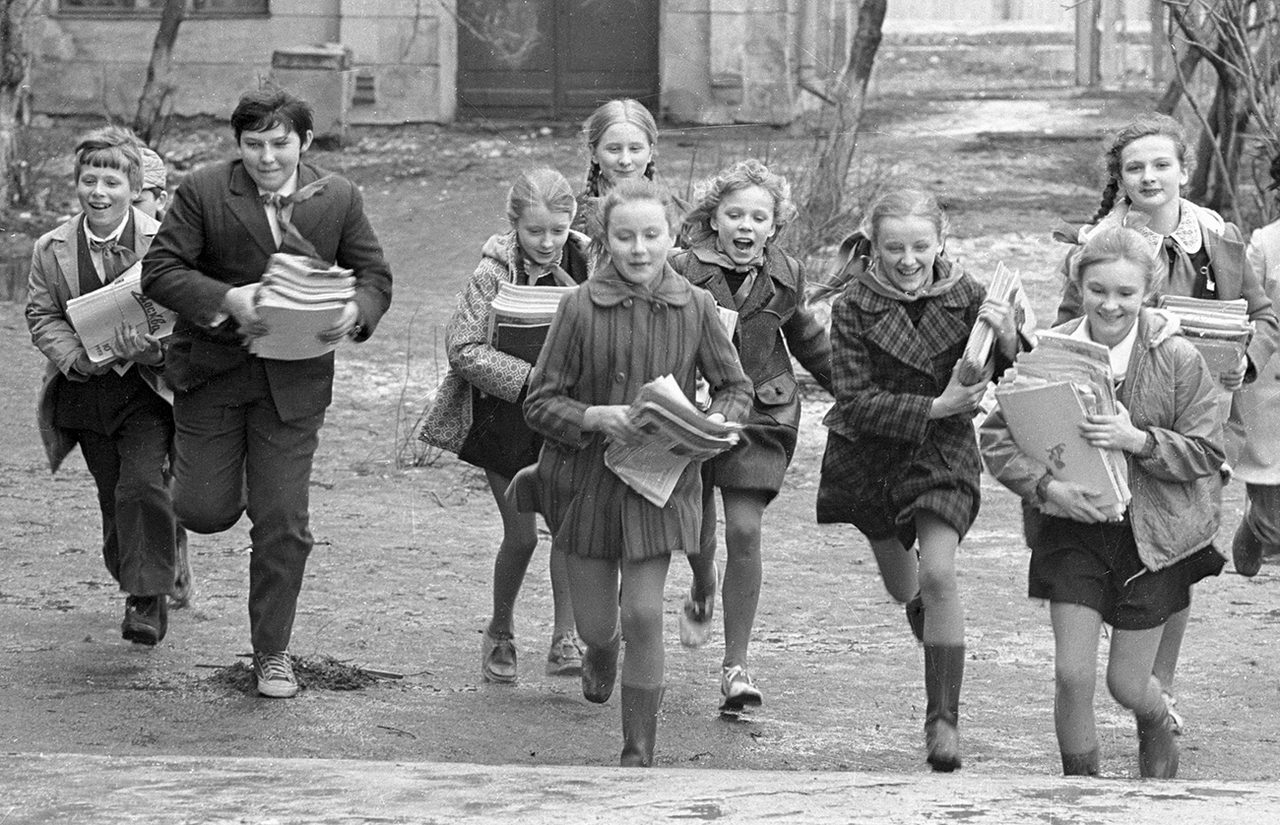 Pioneers from School No. 2 collect waste paper
4. Subscription
The All-Union Voluntary Society of Book Lovers launched a subscription series. But, getting into this subscription was quite a quest: it was distributed through party and trade union cells at enterprises. The print run was scheduled in advance and an ordinary research institute employee usually received only crumbs.
5. Pull
Under socialism, personal connections meant more than money. The vast majority of hard-to-find books didn't end up on store shelves, but were funneled “to the right people” through the “back door”. Being friends with a store manager or merchandiser gave one access to the latest book releases. Publishing and printing house employees would also steal or smuggle out "preview" copies and unregistered defective books, which would then end up in the hands of collectors.
6. The Black Market
If one didn’t have “connections”, money came into play – often a lot of it. Professional book speculators bought up scarce books through their own channels and then sold them for three to 10 times their face value. These deals were conducted under the table, right in the small parks outside bookstores.
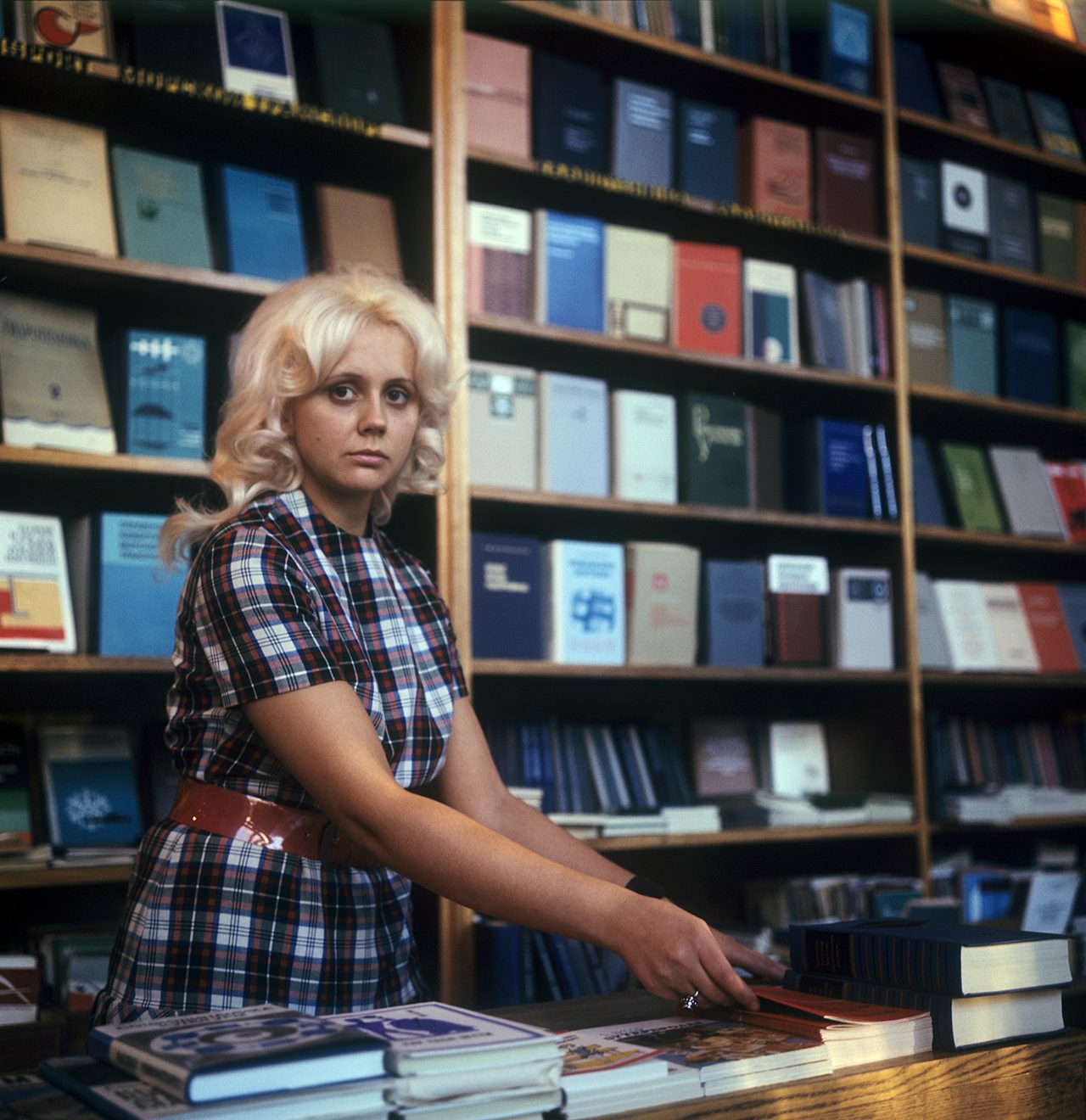 In one of Moscow's bookstores
Spontaneous flea markets also existed in every major city. In Moscow, the legendary spot near the ‘Bukinist’ bookstore on Kuznetsky Most and near the Gorbunov Cultural Center.
***
This grueling "book culture" created a unique environment in the USSR: people didn’t just read books (sometimes finishing one overnight), they were reread, rewritten by hand, discussed, argued over and people even married and divorced over them. Books were the ultimate measure of human life.