
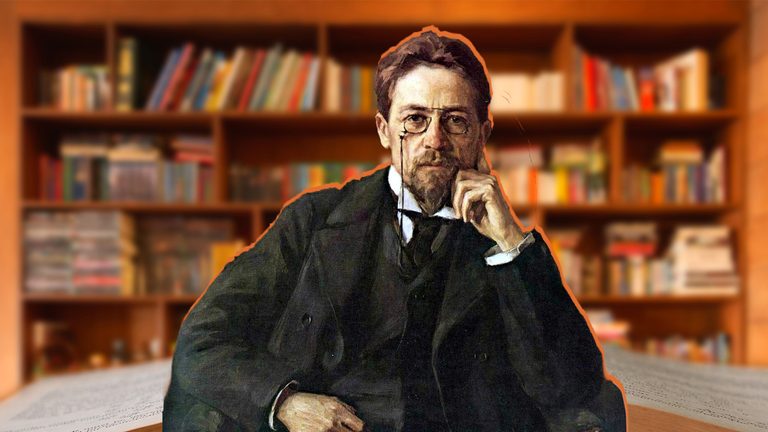
5 facts about the tragic fate of poet Nikolai Gumilev


A romantic, a fearless traveler, the husband of Anna Akhmatova, a victim of the Bolshevik regime and a poet whose works were banned for many years. So, what should you know about one of the most extraordinary lyricists of the ‘Silver Age’ of Russian literature?
Nikolai Gumilev was born on April 15, 1886, and died in August 1921 at the age of 35. The exact date of death is unknown. His short life was, however, full of adventure, love and travel.
1. Founded a new poetic movement
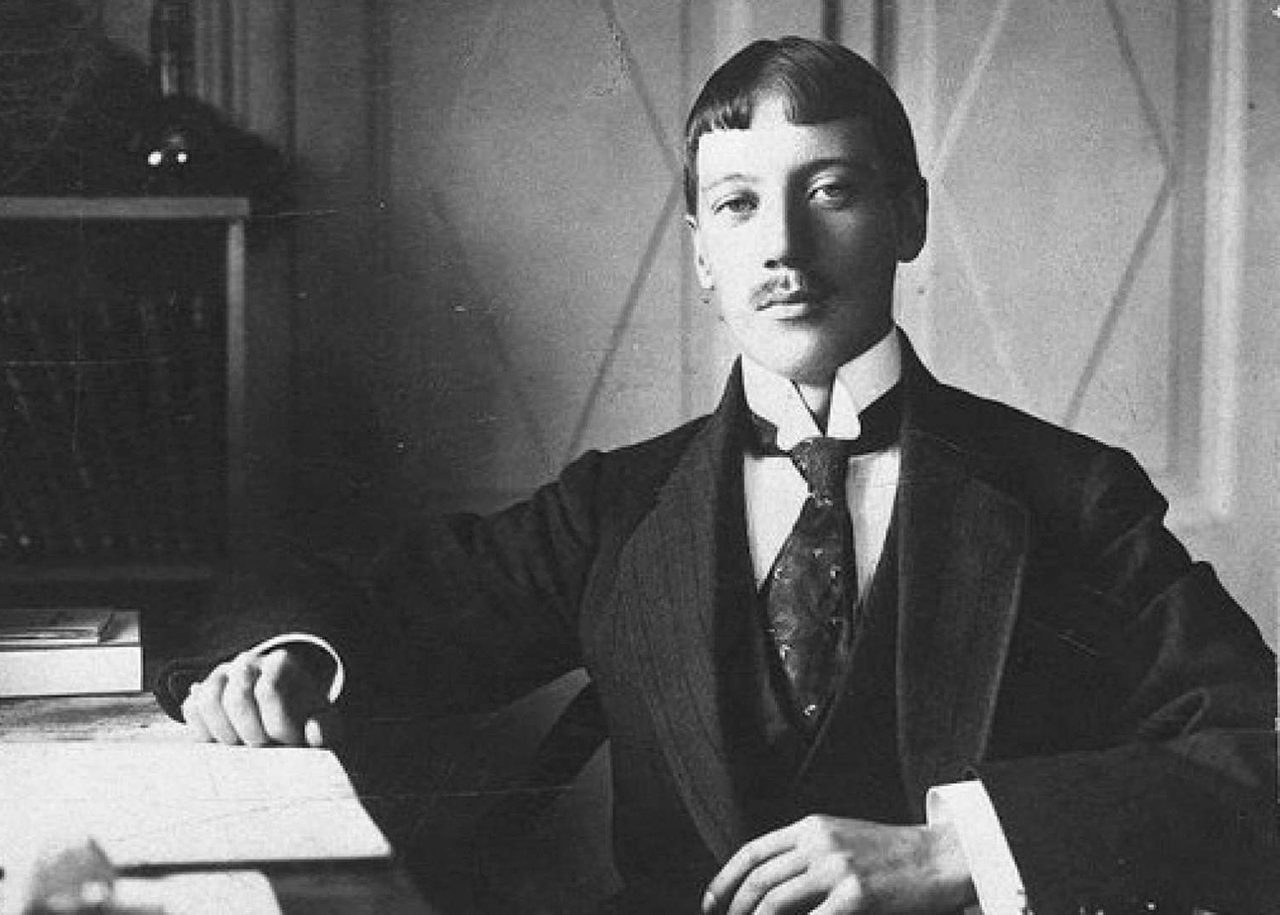 Nikolai Gumilev in Paris
The beginning of the 20th century is nicknamed the ‘Silver Age’ of Russian literature. It gave birth to several literary movements that often clashed with each other. The most fashionable trend was Symbolism and its adherents (Valery Bryusov, Alexander Blok and many others) proclaimed pure art, fleeting dreams of beauty and a return to ancient ideals.
As a reaction to the ethereal dreams of the Symbolists, in the 1910s, Gumilev created a new movement, called Acmeism (‘the peak of something’ from Ancient Greek). The trend became popular, attracting the whole ‘Guild of Poets’: Anna Akhmatova, Osip Mandelstam, Georgy Ivanov, to name a few.
The Acmeist poetry is characterized by maximum precision of imagery and a certain materiality. Gumilev made it fashionable to compare the natural or abstract with something prosaically mundane: “зори – словно кровь” (“the dawns – like blood”), “взгляд его острее стали” (“his gaze is sharper than steel”). In Mandelstam's metaphor, for example, the sky is compared with enamel, not vice versa, as it used in poetry before.
2. Was the husband of famous female poet Anna Akhmatova
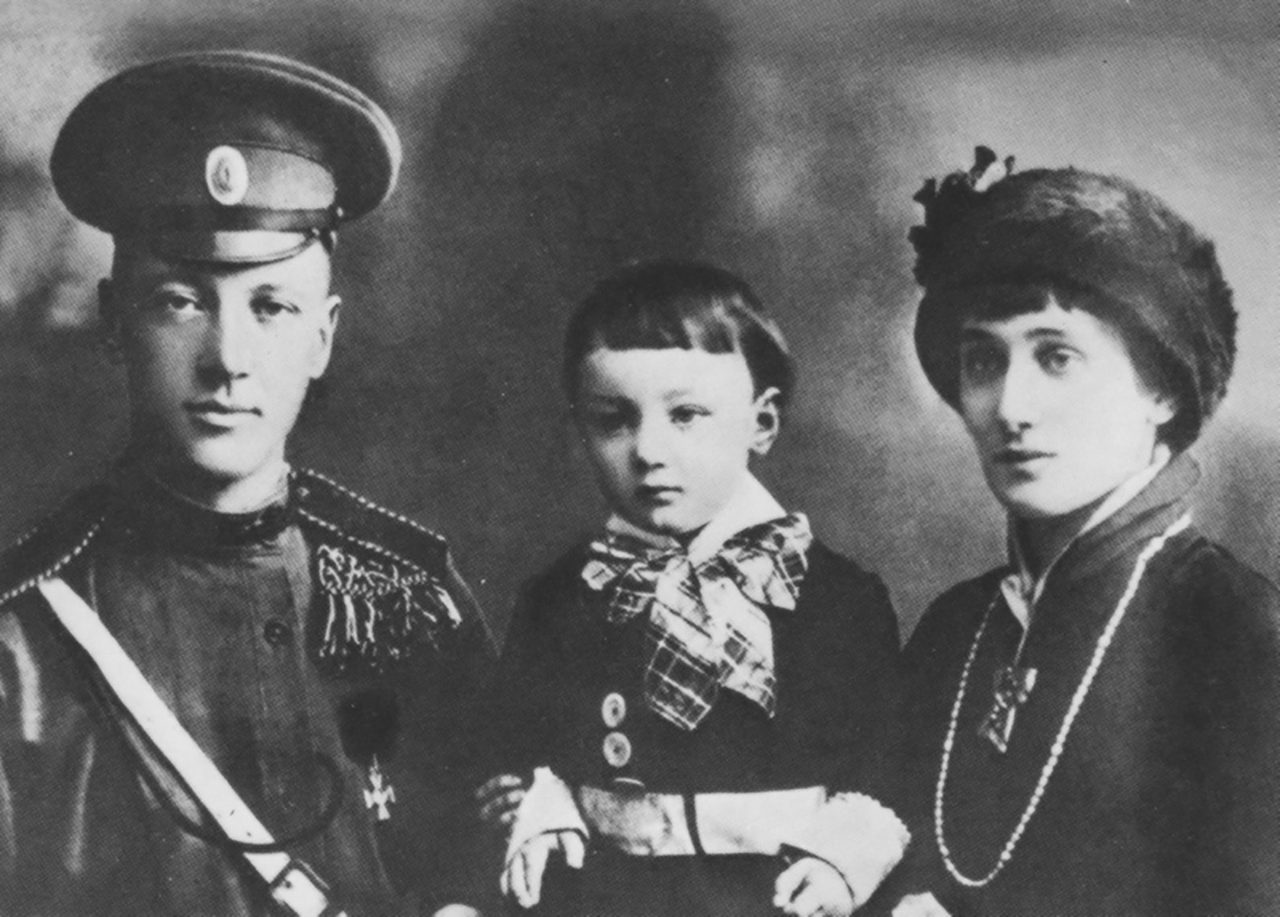 Nikolai Gumilev, Anna Akhmatova and their son Lev Gumilev
Actresses, dancers, poetesses… Gumilev was a ladies' man who readily engaged in fleeting romances. But, the love of his life was Anna Akhmatova, whom he married in 1910. Their relationship was passionate and deeply creative. They dedicated verses to each other and Gumilev published Akhmatova's poems in the literary journal he himself issued. Together, they “confessed” to Acmeist poetry, traveled across Europe and gathered with like-minded people at the legendary ‘Stray Dog’ cabaret in St. Petersburg.
In 1912, their son Lev Gumilev was born, who would later become a famous anthropologist and ethnographer. But, in 1918, after eight years of marriage, Nikolai and Anna divorced.
3. Traveled all over Africa
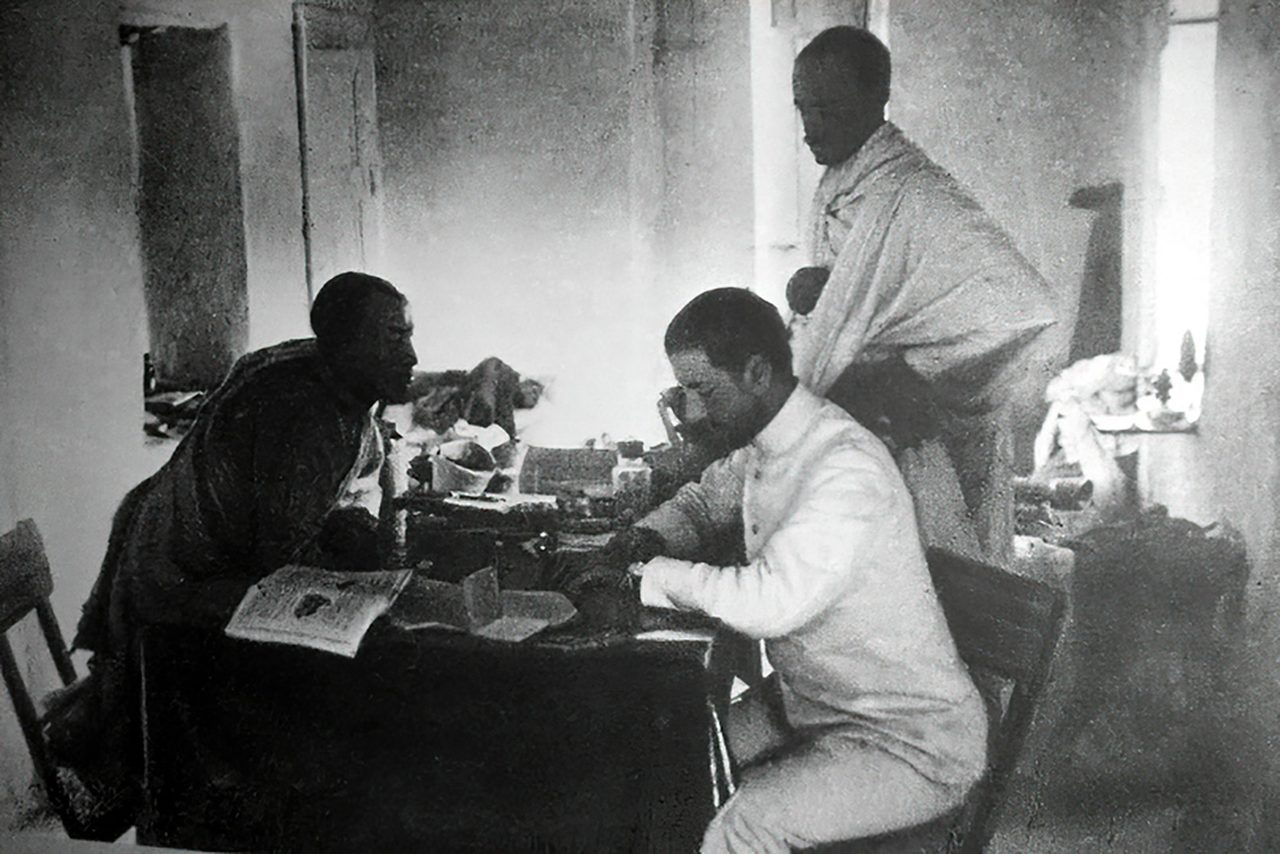 Gumilev in Africa
Gumilev could never stay in one place. "After our meeting, I've been to Ryazan province, to St. Petersburg, lived in Crimea for two weeks, a week in Constantinople, in Smyrna, had a fleeting affair with some Greek woman, fought with Apaches in Marseille and, only yesterday, I don't know how, I don't know why, I found myself in Paris," he wrote to his friend and teacher, poet Valery Bryusov.
Gumilev was born in St. Petersburg, attended school in Georgia, lived and studied in Paris for several years, but his true passion was distant wanderings and romantic tales in the spirit of explorers, Odysseus and Don Juan. As a high school student, Gumilev wrote his first cycle of poems about conquistadors.
Poetry was a means of earning money for him and, with the proceeds, he set out to fulfill his dreams, which was traveling through the Middle East and Africa, including Egypt, Abyssinia (Ethiopia) and Djibouti. The adventures on these trips were far from romantic, as Gumilev faced aggressive tribes, wild animals, lack of water and food and the danger of malaria… But, the poet brought back many artifacts, which are now kept in the Museum of Anthropology and Ethnography (Kunstkamera) in St. Petersburg.
And, of course, he brought back many poems. Every Russian schoolchild begins their acquaintance with Gumilev through his colorful poems about a giraffe and the Sahara Desert.
“Listen… Far, far away, on Lake Chad,
Roams an exquisite giraffe!”
4. Executed on charges of anti-Soviet conspiracy
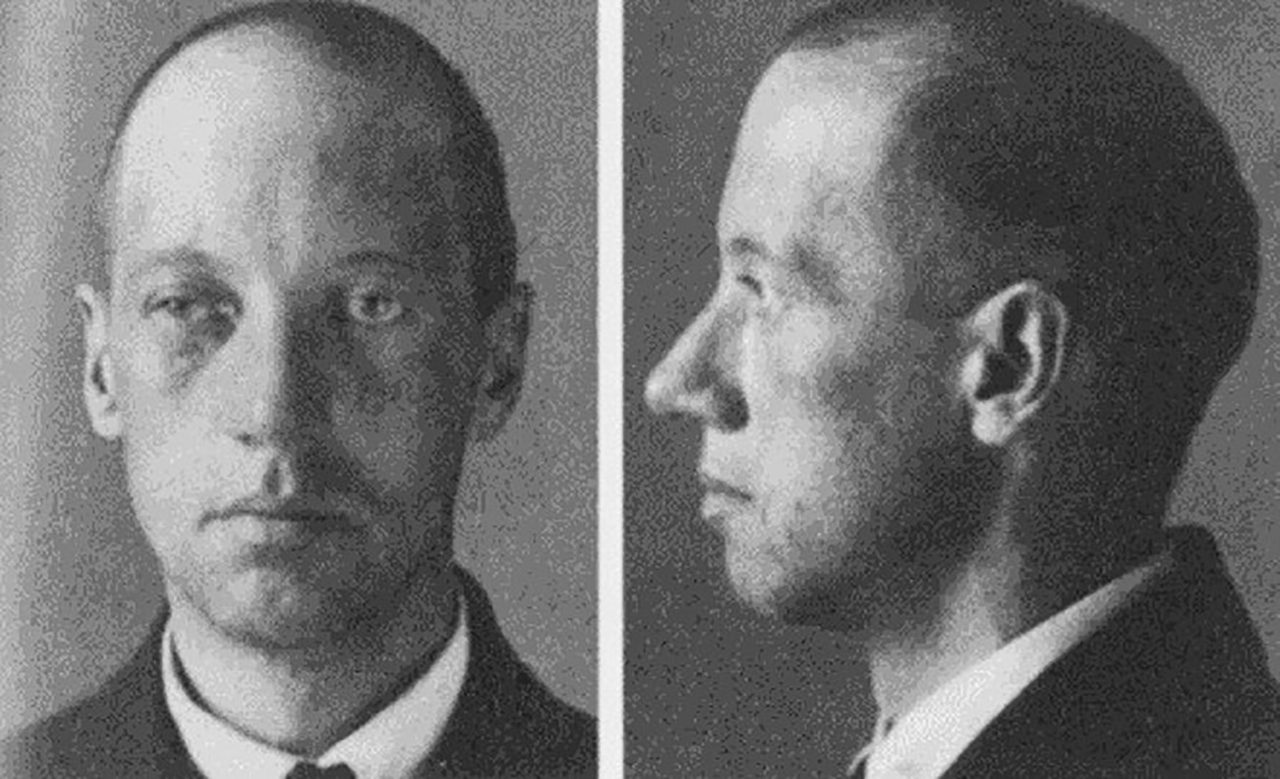 Nikolai Gumilev. Photo from the NKVD investigation file
The 1917 Bolshevik Revolution found Gumilev in London; he was passing through as a member of the expeditionary corps (and a hero of World War I). He could have emigrated and not returned, but his adventurous nature won out: "I am going to Russia – I don't think it will be more dangerous than lion hunting," he said.
But, it turned out to be more dangerous. Gumilev didn’t welcome the revolution and did not hide his views, so, as a major literary figure, he quickly attracted the attention of the Bolsheviks. Along with about a hundred other intellectuals, he was arrested on suspicion of anti-Soviet conspiracy. In August 1921, Gumilev was shot. He was only 35 years old. The exact date and place of death are unknown.
In the 1990s, the poet was rehabilitated and the case was declared fabricated. However, some researchers believe that there was indeed a conspiracy and that Gumilev may have participated in it.
5. Banned for 70 years
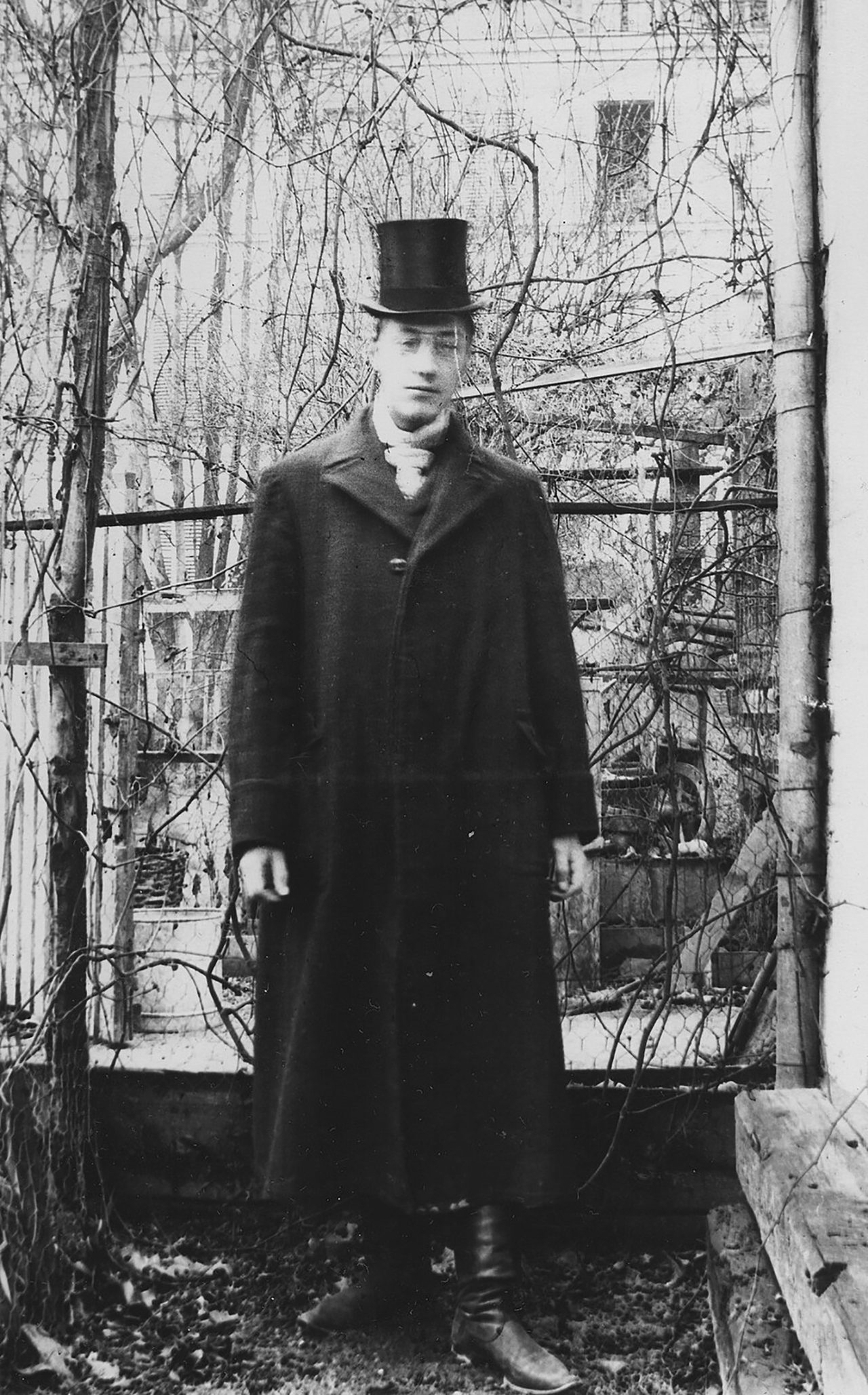 Nikolai Gumilev in Paris
After his death, the poetry of the “state criminal” was no longer published. The very name of Gumilev was forbidden in the USSR, it could not be mentioned, while reading or distributing his poems could land you in prison.
Only during perestroika did the poet's name once again become public property, sadly one of the last among the disgraced poets of the ‘Silver Age’. Today, his works are part of the school curriculum and are considered classics of Russian literature.