4 CREEPY tales told by Russian ethnographers
Why shouldn't you rejoice at your husband’s return, quarrel with your mother or drink yourself to death?
1 A demon riding a dead man
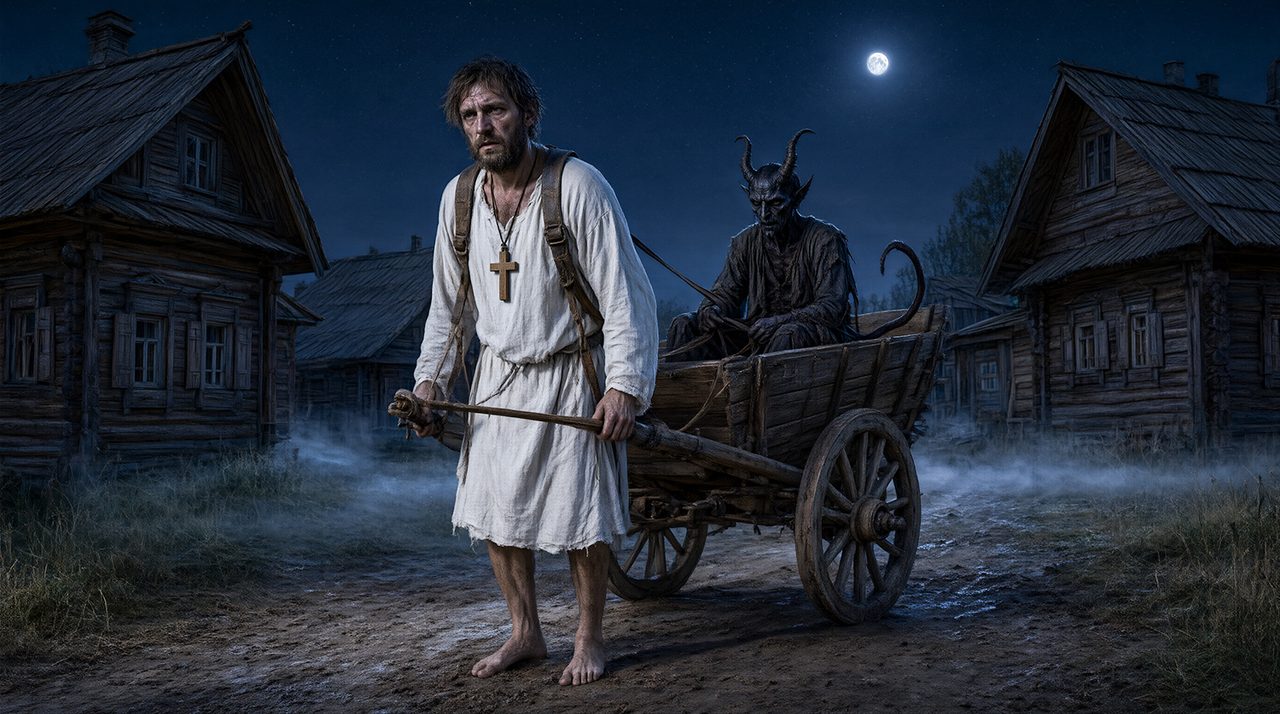
In his ‘Essays on Russian mythology’, researcher Dmitry Zelenin discusses beliefs surrounding those who met a violent or unnatural end. It was believed that such individuals would "live out" the remainder of their allotted lifespan beyond the grave, serving the forces of darkness and evil spirits. There are many many stories with this belief. In one of them, demons harnessed a deacon who had died of alcoholism into a “troika” so that he could pull them along like a horse. A certain blacksmith was “even luckier”: one night, wealthy horsemen arrived at his store and demanded he shoe their horse. But, as soon as the rider mounted the horse, the blacksmith realized that the "horse" beneath the saddle was actually a priest’s wife who had recently taken her own life – and the rider was the Devil himself.
The evil spirits often treated drunkards as a source of forced labor: if you drank yourself to death, you were expected to haul water and firewood for them.
2 Don’t be disrespectful to your mother
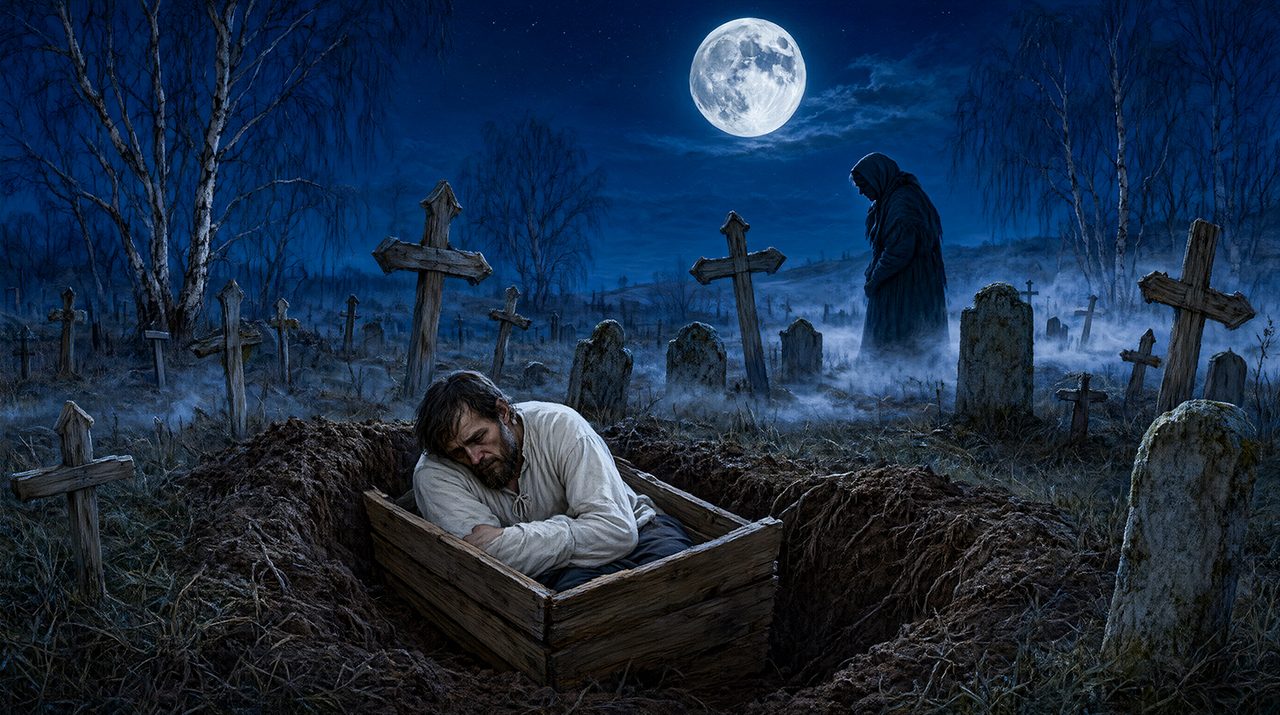
According to Slavic beliefs, arguing with one’s mother was not only improper, but also quite dangerous, potentially inviting misfortune both in this life and the afterlife. In her book ‘Myths of the East Slavs’, ethnographer Elena Levkievskaya describes the unenviable fate of someone who has been cursed or scolded by their mother in a fit of anger. A child would be immediately carried off by devils or forest spirits called ‘Leshy’ and would be unable to return on their own. Even if their home were within arm’s reach, escaping that otherworldly realm was impossible.
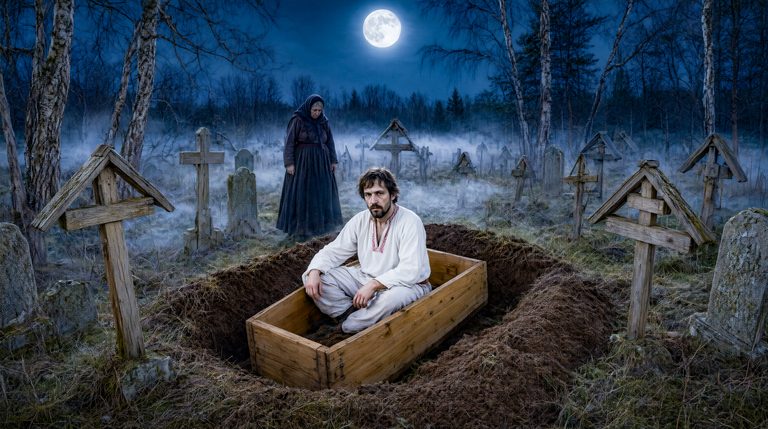
It was believed that the earth would not accept a child cursed by their mother. One account, recorded by ethnographers, tells of villagers who, for some reason, decided to exhume the grave of a man who had died 30 years earlier, only to find him sitting upright in his coffin. He explained to the diggers that he had been in this state for 30 years: “The earth won't accept me and God will not grant her death, because she has not forgiven me!” Only when the mother’s anger turns to mercy will she die and her unfortunate son can finally find rest.
3 Zombies, Russian style
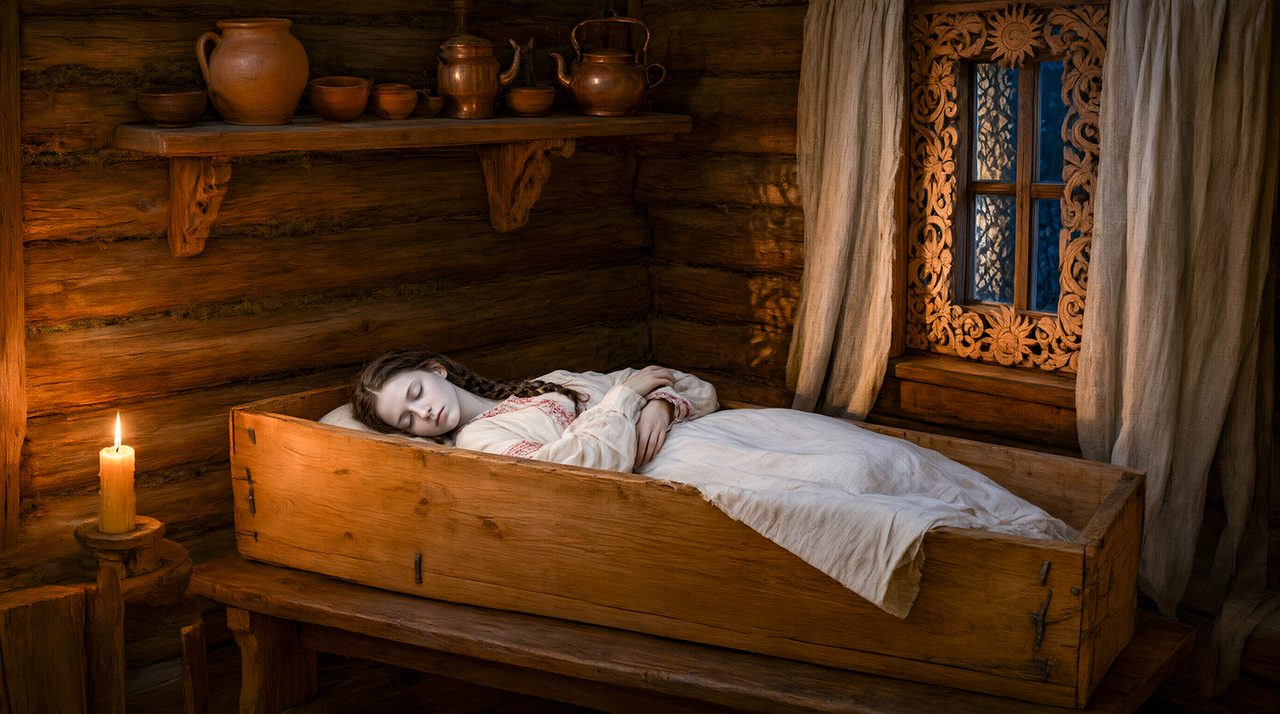
The probability that a person has died, but not quite completely, is slim, yet not zero. In any case, Slavic peoples believed in a phenomenon known as ‘obmiraniye’ or, in modern terms, a lethargic sleep (or a death-like trance). They believed that, during such a state, a person’s soul travels to the afterlife, where it meets deceased relatives and witnesses the torments of sinners. Those who fall into this state return to consciousness only when the Lord permits it, having received instructions from Him regarding what they may and may not reveal to their fellow villagers.
However, their ordeals did not end there: Upon waking from this lethargic state, the person would be asked to recite a prayer to verify their “authenticity”.
4 The husband in the grass
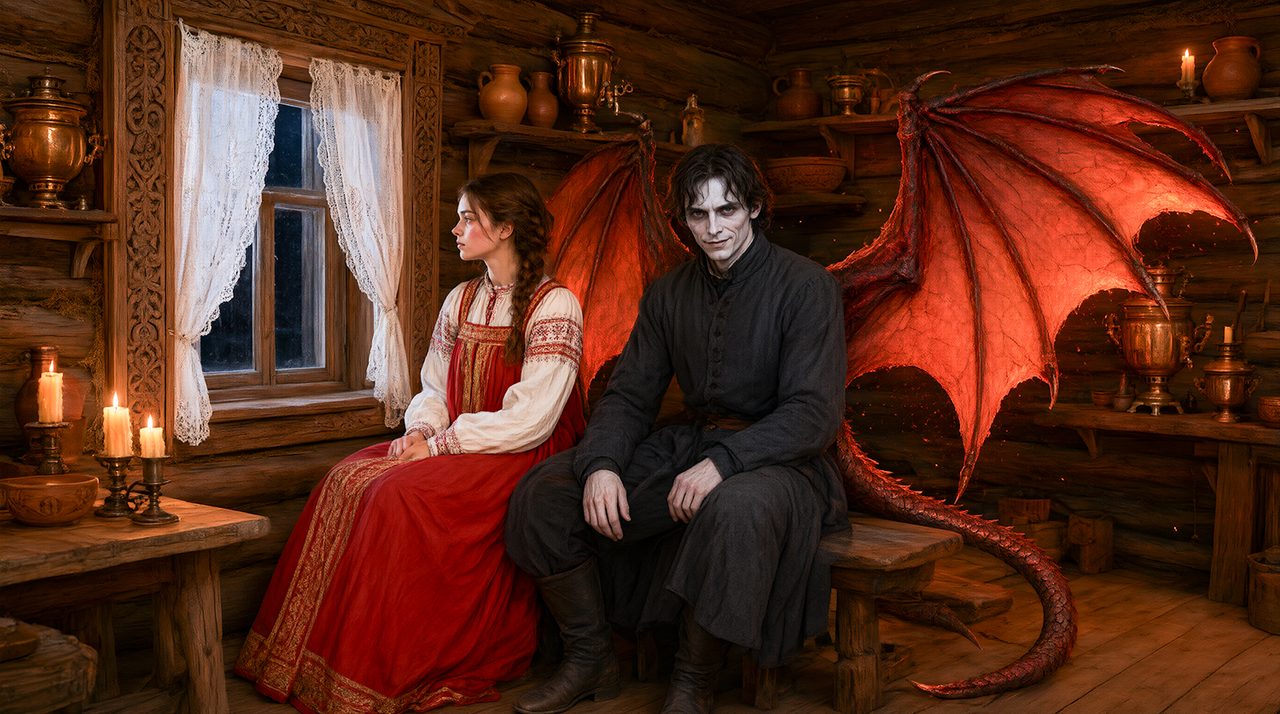
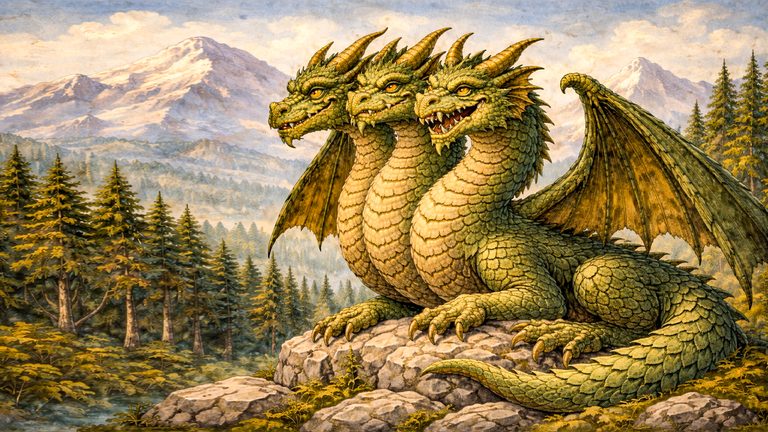
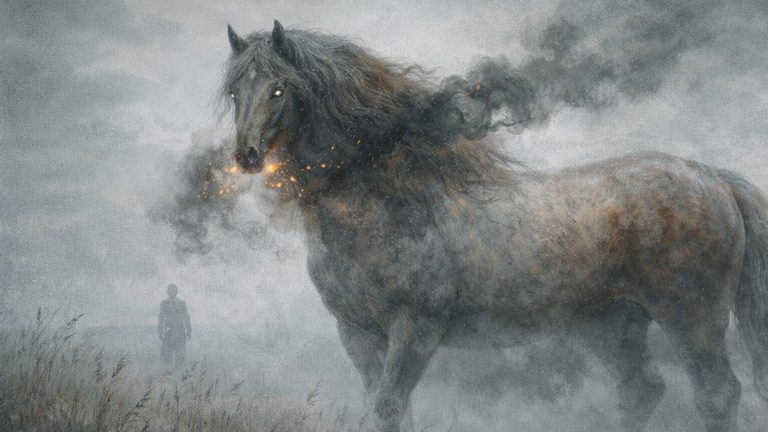
“And from the dark sky, eyes fixed upon the window, a long serpent flies, coiling into rings amidst a shower of bright sparks” – this is how poet Vasily Zhukovsky described the appearance of a “widow’s serpent” (or “fiery serpent”). In Slavic folklore, an incubus would appear to women mourning a recently deceased husband. Descending onto the roof in a spectacular shower of sparks, the entity would assume the form of the departed spouse and behave exactly as he had in life. The more time this serpent-like being spent with the widow, the worse her condition would become. Getting rid of such a demonic lover was a difficult and arduous task. In his book ‘Unclean, Unknown and Divine Powers’, Sergey Maksimov suggests several proven remedies: using thistle, fumigating the house with incense or marking crosses in every corner using chalk and tar. There was also a more intimate method: putting on a belt that had belonged to the husband’s trousers or running one’s hand along his back. If the sensation felt familiar, it was a miracle, but, if the hand failed to find a spine, then there was trouble: the husband was an impostor.