


How to learn to read Russian handwriting
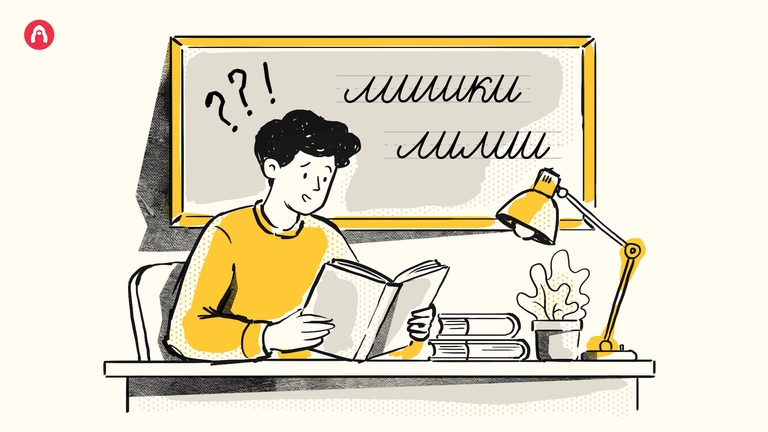
Handwritten Russian text is hard to decipher. We asked a teacher from the Pushkin State Russian Language Institute for some tips.
“The challenge of reading Russian cursive comes up for most students when they move from printed letters to handwriting. But, reading handwritten text is a skill you can develop in just a few weeks with regular practice,” says Polina Antonova, an education teacher in Russian as a foreign language at the Pushkin Institute's Department of Russian as a Foreign Language.
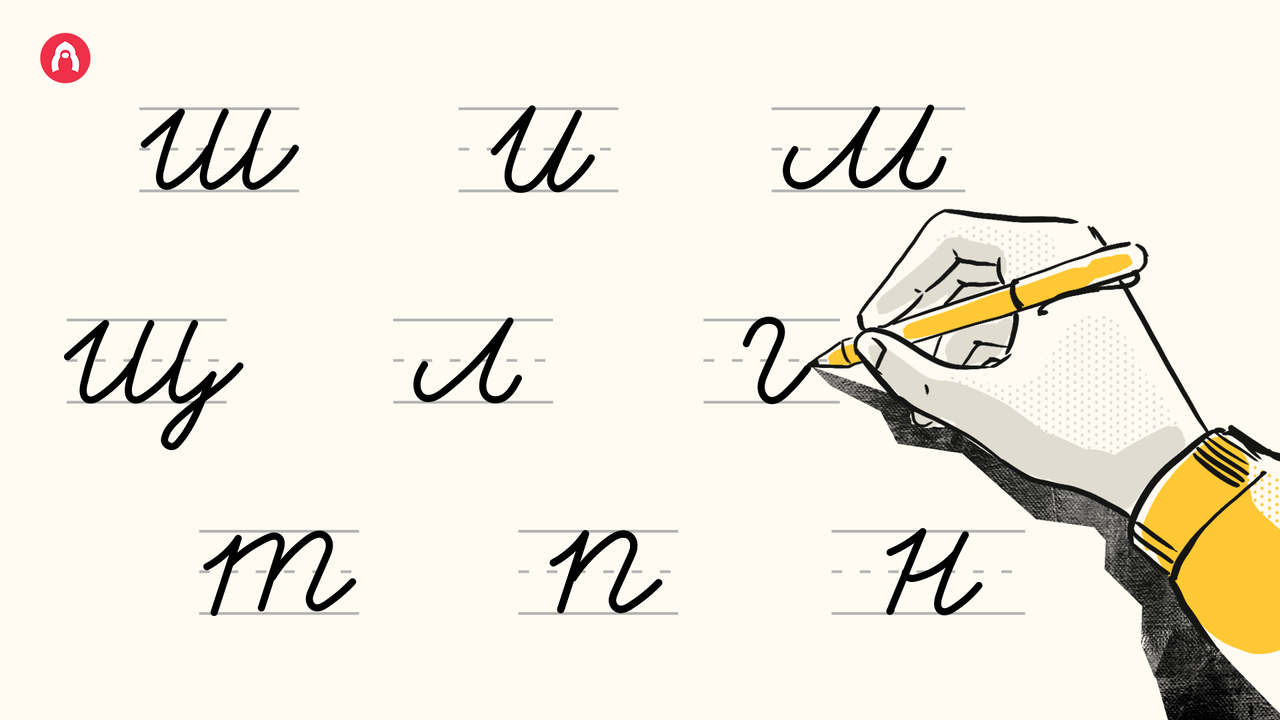
In printed text, letters have clear shapes, but, in handwritten Russian, they connect to each other and often look different from what they usually do. The biggest hurdles are typically the letters ‘м’, ‘и’, ‘ш’, ‘щ’, ‘л’ – which consist of similar elements – as well as ‘т’, ‘п’, ‘г’ and ‘н’, which often have similar strokes.
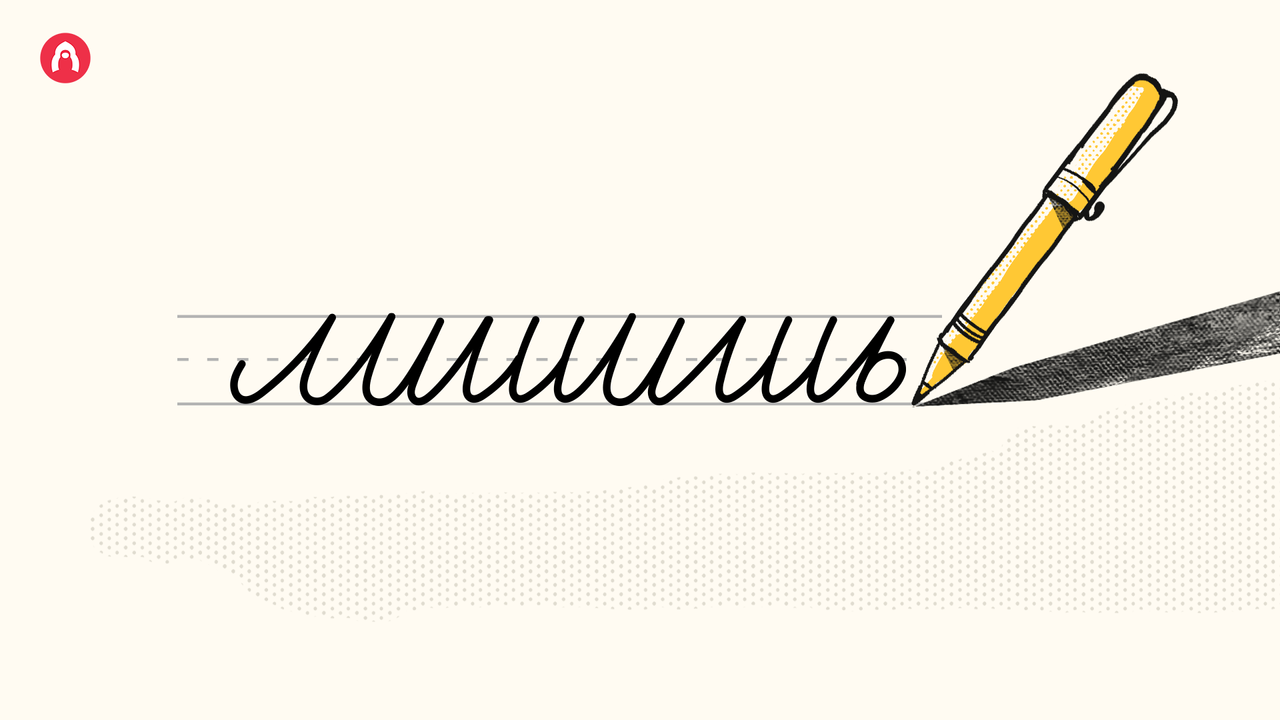
For example, the word ‘лишишь’ (‘lishish' – to be deprived) in cursive can look like a row of identical loops, while ‘потом’ (‘potom’ – later) can easily be mistaken for ‘нотом’ or ‘мотом’.
To learn to read Russian cursive with confidence, here are a few useful tips:
1. Visually learn cursive letters. Print out a chart of Russian handwritten letters and practice writing them yourself for a few days. Until your hand memorizes how letters connect, your eye will have a harder time recognizing them when reading (Check out the chart on our website).
2. Practice with similar-looking words. Write out words with repeating elements in cursive (or find ready-made examples): ‘лилии’ (lilies), ‘шины’ (tires), ‘машина’ (car), ‘лишишь’ (be deprived). Try reading them by focusing not only on individual letters, but also on the overall context.
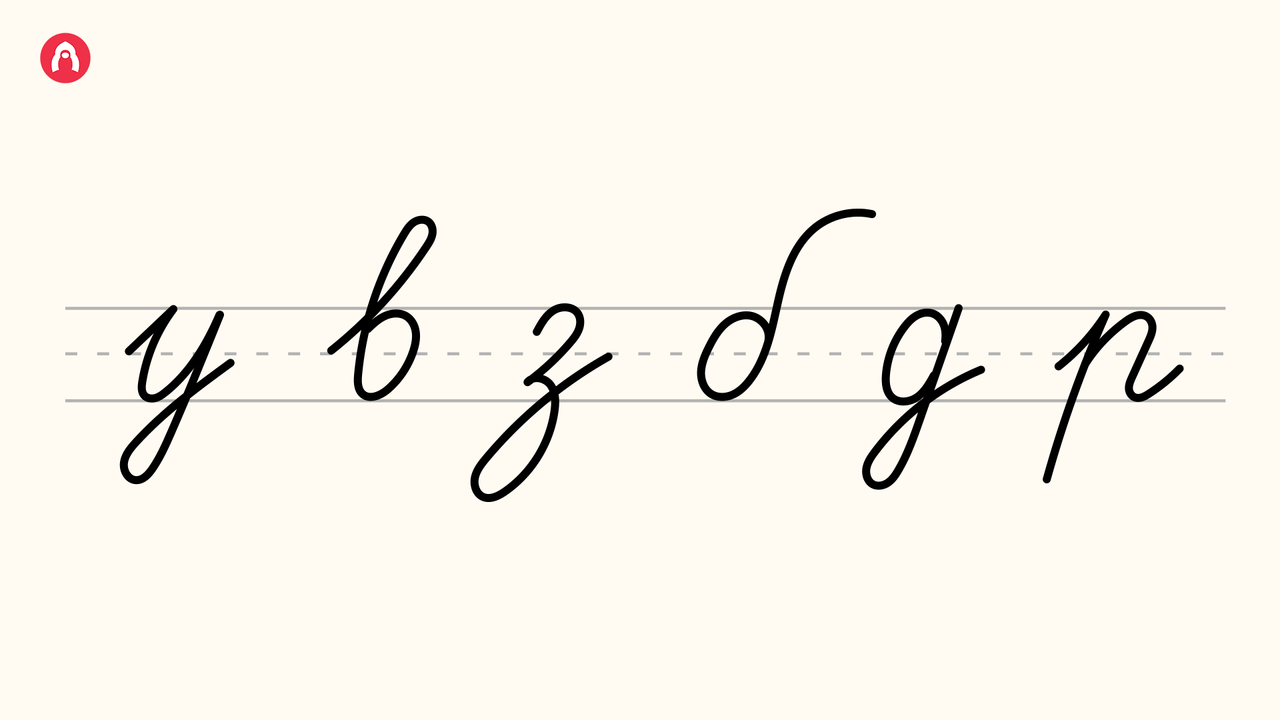
3. Read with a ‘template clue’. Cover most of the line, leaving just one word visible. Compare each letter with the printed alphabet, paying attention to the ‘superscript’ elements: an upward loop in в and б; a downward tail in ‘у’, ‘з’, ‘д’, ‘р’.
4. Work with real texts. Start with short handwritten notes – recipes, postcards, forms – then move on to more complex texts.
5. Write more. One of the most effective ways to learn to read cursive is to write by hand regularly. It helps you better remember the shape of letters and how they connect.
The golden rule!
Don't read letter by letter – read the whole word at once. Russian cursive is highly contextual. With regular practice, you'll be reading handwritten texts much more confidently in just a few weeks!