
50 Russian language teachers from 29 countries meet in Moscow

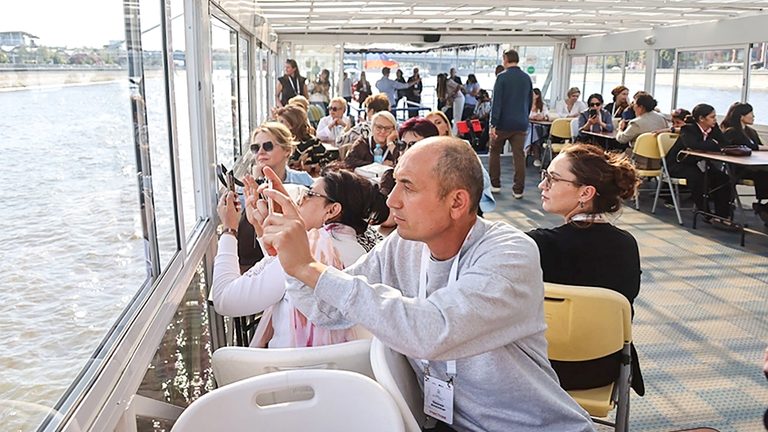
Every year, dozens of foreign teachers come to Moscow in the summer. They are all united by one thing – love for the Russian language!
“It's no secret that the well-being of the Russian language and Russian teachers abroad is greatly influenced by the political climate. And when it improves, people of words are the first to feel it,” says Yadviga Yuferova, deputy editor-in-chief of ‘Rossiyskaya Gazeta’ newspaper and the author of the idea of the International Pushkin Competition for teachers of the Russian language.
“Yes, Europeans, except for Hungary and Slovakia, are no longer among the participants, but China, Mongolia, India, not to mention the traditionally friendly contingent from Central Asia, are always with us,” she adds.
The goal of the international Pushkin Competition is to promote the Russian language and Russian culture in the world and to support talented teachers of Russian. In 2026, the competition was held for the 26th time. Over a quarter of a century, thousands of teachers have taken part and 1,250 people from 50 countries have become laureates.
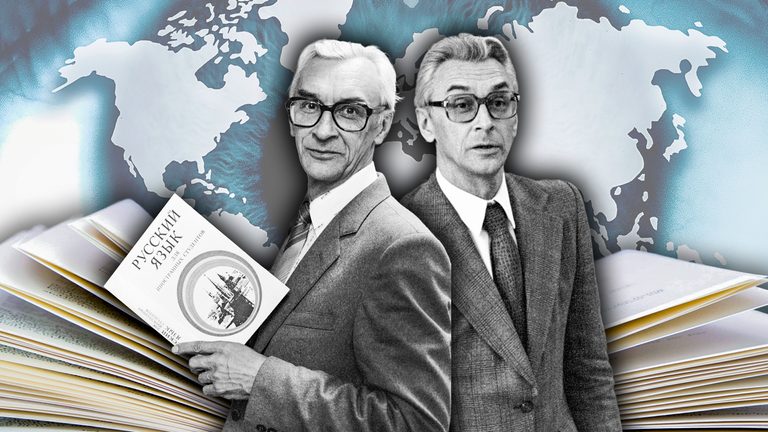
The partner of the competition is the State Pushkin Russian Language Institute, the leading institution for studying Russian as a foreign language and training future teachers of Russian.
To take part in the competition, it was enough to write an essay of up to 10,000 words on the topic ‘Russian Language on Pravda Street. How is it doing in your country and school?’ (Pravda Street in Moscow houses the editorial offices of many periodicals, including ‘Rossiyskaya Gazeta’).
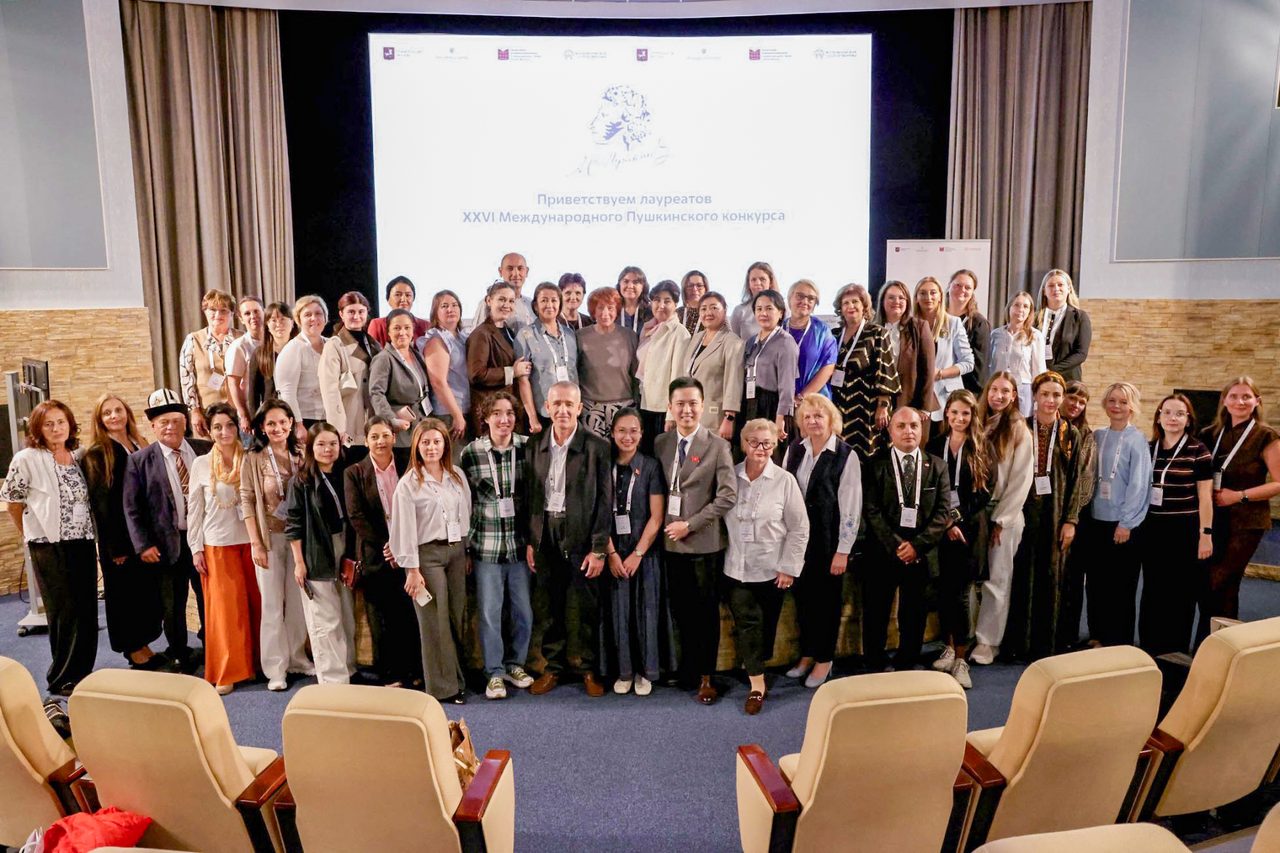
This season, 50 teachers from 29 countries became laureates. They received a cash prize and an invitation to Moscow for the awards ceremony. And, of course, meetings with fellow colleagues.
“The Russian language is one of the most effective tools for promoting Russian culture abroad. Strengthening its position as a language of international communication is one of the key priorities of the humanitarian direction of our country’s foreign policy,” said Yelena Galaktionova, Director of the Department for Multilateral Humanitarian Cooperation and Cultural Ties of the Russian Foreign Ministry, at the awards ceremony. She also recommended that Russian language teachers look into the grant system of the Russkiy Mir Foundation.
While, sadly, in some countries, such as Spain, interest in Russian is waning and schools are closing, in others, the number of students is only increasing.
“Russia and the Russian language open up horizons of opportunities for me. And for my students, the Russian language is a ticket to the future,” says the winner from Vietnam, Son Nguyen Thanh.
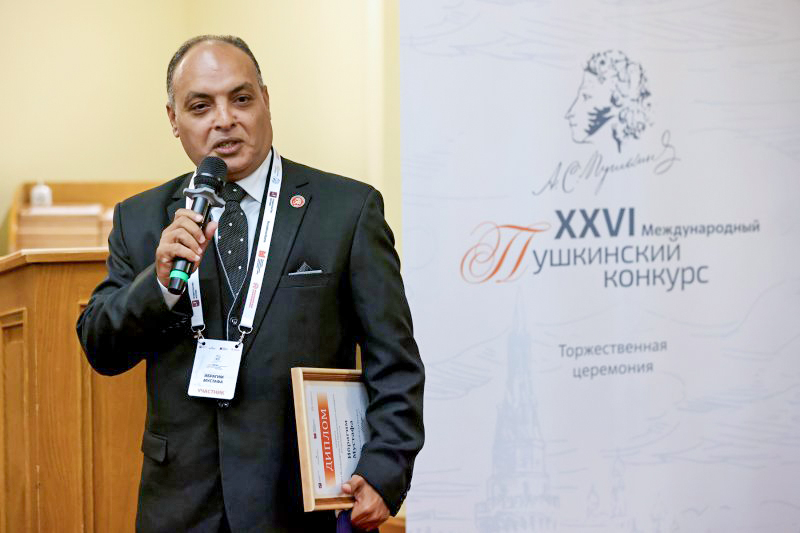
There is also a high demand for qualified Russian language teachers in Egypt. Ibrahim Elwany, one of the competition’s laureates, teaches as many as 3,000 students at the Higher Institute of Tourism.
If you also want to take part in the Pushkin Competition, follow updates on the website rg.ru/lessons – the dates and theme for the 2027 competition will be announced as early as Winter 2026.