7 of the most EXTREME words in the Russian language
Which word in the Russian language is the longest, the most beautiful and the most popular? We asked some linguists to explain.
1. The longest Russian word
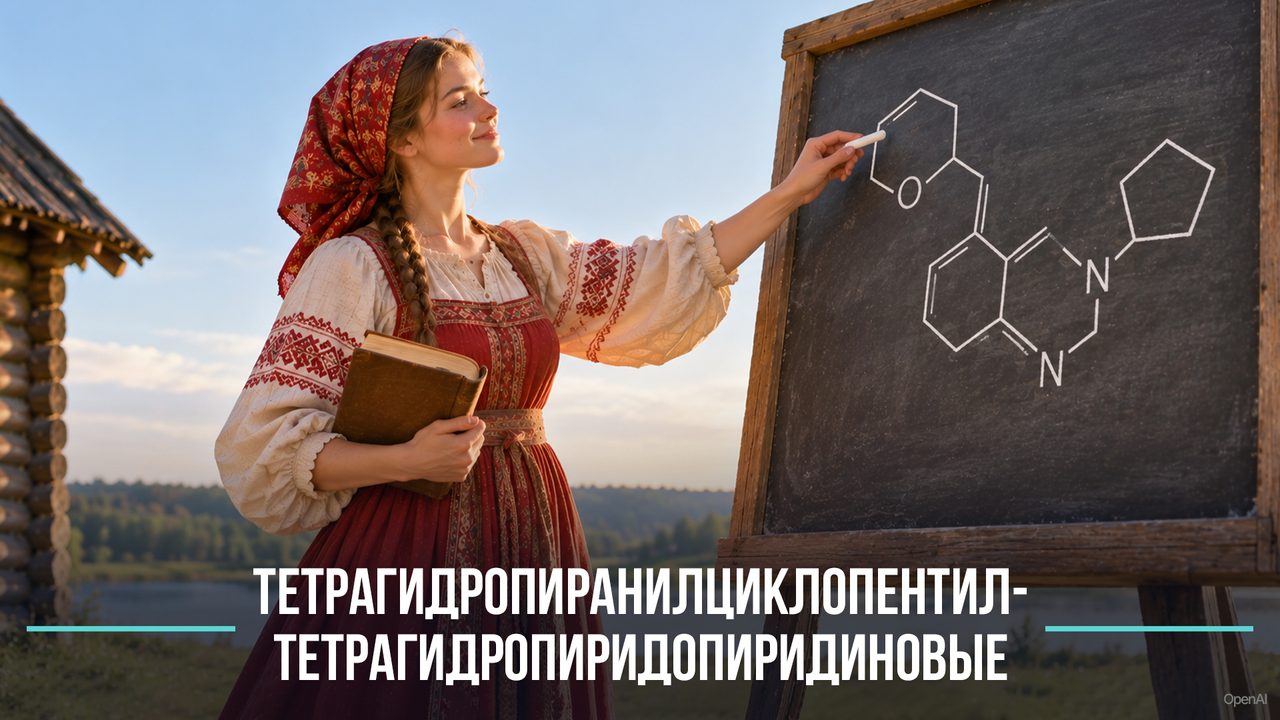
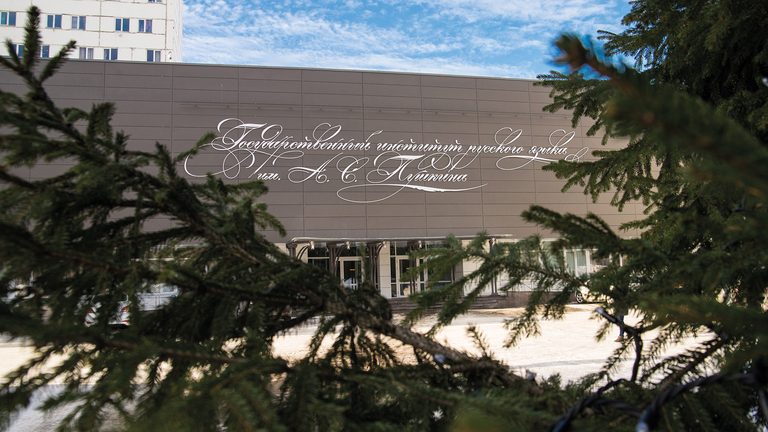
‘Тетрагидропиранилциклопентилтетрагидропиридопиридиновые’ (‘tetragidropiraniltsiklopentiltetragidropiridopiridinovye’), this 55-letter word was named the longest by Pavel Katyshev, head of the Department of General and Russian Linguistics at the Pushkin Institute.
This word appears in the name of a patent for a chemical compound.
Previously, the words ‘превысокомногорассмотрительствующий’ (‘prevysokomnogorassmotritelstvuyushchiy’, 35 letters) and ‘рентгеноэлектрокардиографического’ (‘rentgenoelektrokardiograficheskogo’, 33 letters) made it into the ‘Guinness World Records’.
It’s also possible to imagine an infinitely long noun meaning direct kinship in the ascending or descending line with the prefix ‘пра-’ (‘pra-’): ‘прапрапрадедушка’ (‘praprapradedushka’), which is great-great-grandfather and ‘прапрапрапрапраправнук’ (‘prapraprapraprapravnuk’) great-great-grandson and so on.
2. The most difficult Russian word

According to English writer Lewis Carroll, the most difficult Russian word is ‘защищающихся’ (‘zashchishchayushchikhsya’). This is a participle and it means those who defend themselves.
He wrote about this in ‘The Diary of a Journey to Russia in 1867’: “As an example of the extraordinarily long words that distinguish the Russian language, he [an Englishman from St. Petersburg] wrote down the following for me: ‘защищающихся’, which, if written in English letters, would look like this: ‘Zashtsheeshtschayjushtsheekhsya’.”
But, linguists are certain: any difficulty is a relative concept. What is difficult for us in other languages is what distinguishes them from our native one.
For speakers of vocalic languages (Japanese, Maori), the consonant clusters characteristic of Russian, as in the word ‘взбрыкнуть’ (‘vzbryknut’), which is freak out or kick up, may be unusual. But, for Serbs or Czechs, this will not be a problem.
3. The most Russian word

‘Тоска’ (‘toska’) is one of the most difficult Russian words to translate, believes Irina Alexandrova, associate professor at the Faculty of Journalism of Moscow State University.
“The word ‘тоска’ (‘toska’) in the Russian language has gained additional meanings. It came from Indo-European with the meaning 'something compressing, pressing'. This is not simply a feeling of deep sadness. There is also spiritual emptiness, a regret over what has been lost and inner torment,” explains Irina Alexandrova.
Writer Vladimir Nabokov also wrote about the difficulty of translating this word, but he also mentioned the words ‘пошлость’ (‘poshlost’ and ‘хамство’ (‘khamstvo’). Another "untranslatable" Russian word is considered to be ‘надрыв’ (‘nadryv’), characteristic of the works of Fyodor Dostoevsky.
Watch our video series about these and other untranslatable Russian words here.
4. The Russian word that has the most meanings
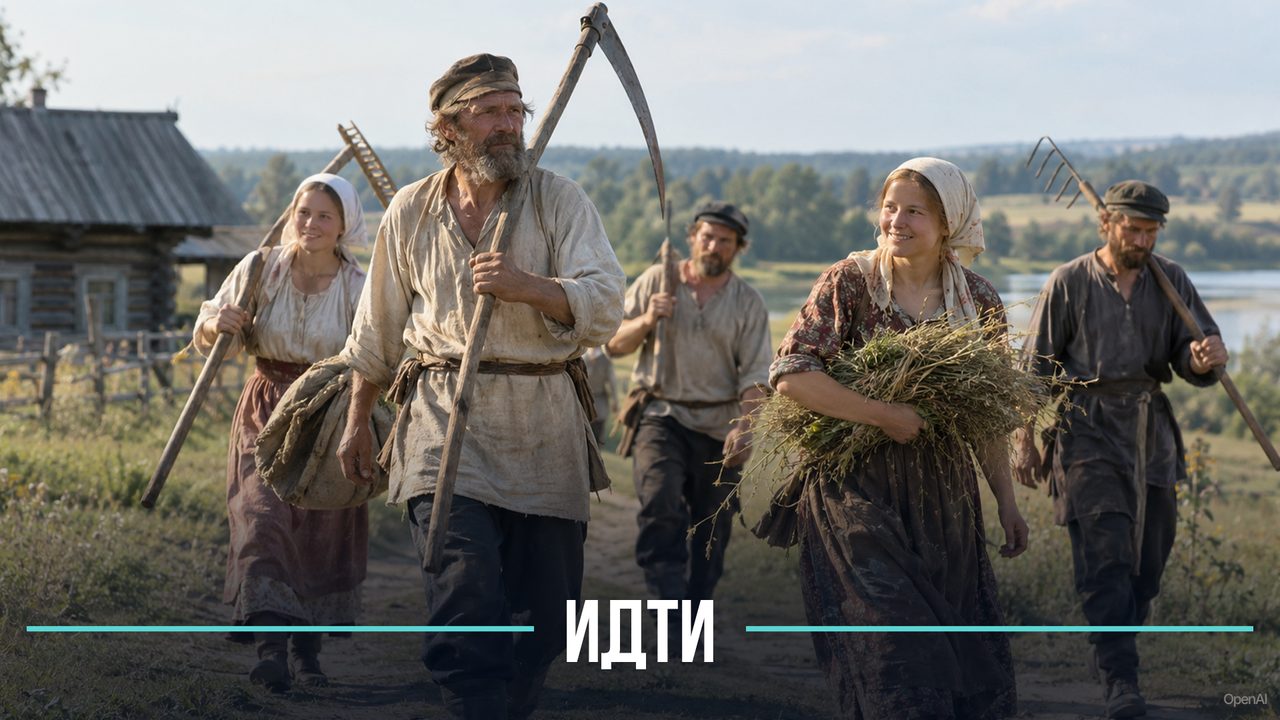
The verb ‘идти’ (‘idti’), ‘to go’, is the word with a record number of meanings, says Alexandra Olkhovskaya, head of the Laboratory of Lexicography at the Pushkin Institute.
They can be systematized as follows:
- Movement: “Девочка идет по улице.” (“Devochka idet po ulitse.”) – “A girl is walking down the street.”
- Movement of transport: “Поезд идет на Москву.” (“Poezd idet na Moskvu.”) – “The train is going to Moscow.”
- Natural phenomena: “Идет дождь.” (“Idet dozhd.”) – “It’s raining.”
- The spread of
- smells: “Из кухни идет запах пирогов.” (‘Iz kukhni idet zapakh pirogov.”) – “The smell of pies is coming from the kitchen.”
- sounds: “Звук идет из наушников.” (“Zvuk idet iz naushnikov.”) – “The sound is coming from the headphones.”
- light: “Свет идет от звезд.” (“Svet idet ot zvezd.” – “Light is coming from the stars.”
- The passage of time: “Годы идут.” (“Gody idut.” – “The years go by.”
- The course of events: “Дела идут хорошо.” (“Dela idut khorosho.” – “Things are going well.”
- Expression of
- the idea of correspondence: “Тебе идет платье.” (“Tebe idet platye.” – “The dress suits you.”)
- development: “Идти к цели.” (“Idti k tseli.” – “To go toward a goal.”
At the same time, different dictionaries record different numbers of meanings for this verb (from 20 to 56).
5. The most popular word in Russian

It’s impossible to determine a single most popular or even most frequently used word for the entire language, since some words predominate in oral speech and others in written speech.
The most frequently used word in oral and written dialogues of the colloquial-everyday style in recent years is ‘ок’ (‘OK’), reports the Institute of Russian Studies. The word's popularity was ensured by its brevity, informativeness and unambiguity.
6. The most ancient Russian word
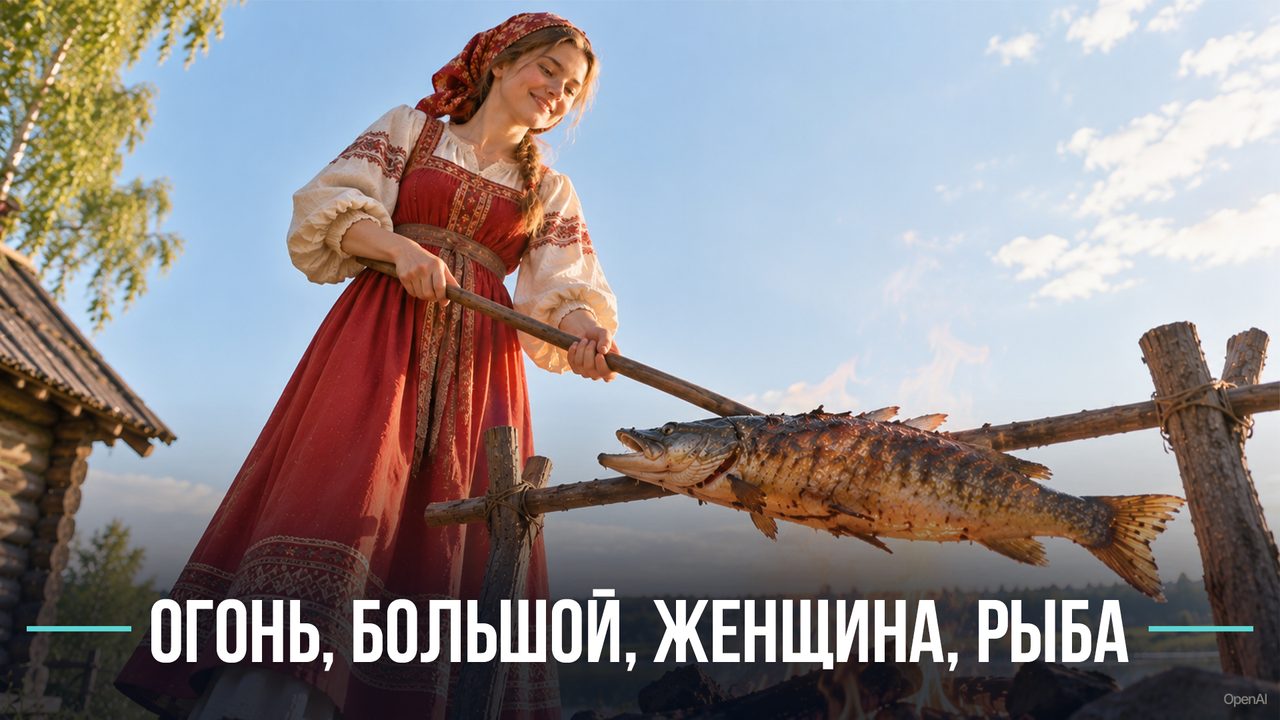
It’s impossible to determine such an Old Russian word (and especially a Proto-Slavic one). But, linguists can say which groups of words are best preserved in a language. These are pronouns, some numerals, kinship terms, designations of body parts and names of colors. Words such as, for example, ‘огонь’ (‘ogon’ – ‘fire’), ‘большой’ (‘bolshoy’ – ‘big’), ‘женщина’ (‘zhenshchina’ – ‘woman’), ‘рыба’ (‘ryba’ – ‘fish’) will also be indicative.
It’s precisely on the basis of these words that the degree of kinship of languages is determined, among other things.
7. The most irritating word in Russian

Identifying the word that infuriates native speakers most is somewhat easier than working with other categories of champion words: it’s enough to conduct a representative survey with a large sample.
What irritates native speakers most is the word ‘кринж’ (‘krinzh’ – ‘cringe’) – this was shown by a survey conducted by the ‘LitRes’ book service and the ‘Magram MR’ research agency in September 2026 among 1,000 people over 18 years of age.
Participants also named other jargon and slang words, as well as borrowings: second place was taken by ‘кейc’ (a Russian word for ‘case’), ‘триггерить’ (‘to trigger someone’), ‘хайп’ (‘hype’), and ‘фейк’ (literally ‘fake’).
The most irritating words are different for each era. In Pushkin's time, ‘панталоны’ (‘pantaloons’), ‘фрак’ (‘frak’ – ‘tailcoat’) and ‘жилет’ (‘zhilet’ – vest) were considered scandalous.
Writer Korney Chukovsky in his book ‘Alive as Life’ recalled what irritation the word ‘факт’ (‘fact’) caused in the past. And Chukovsky himself was categorically dissatisfied with the word ‘пока’ (‘poka’) in the meaning ‘until we meet, goodbye’.
Neologisms, like the use of old words in a new meaning, are often rejected with indignation by native speakers. But, if such words do take root, representatives of the following generations perceive them completely calmly.
A full version of the article can be found (in Russian) on the Gramota.ru (Грамота.ру) website.