
How to understand Russian addresses
The Russian address system has its own unique characteristics. To avoid getting lost in the many cities, towns and villages, read our handy guide!
From capital to small
In English, addresses are usually written from the smallest element (the addressee’s name) to the largest (the country). In Russia, it's exactly the opposite.
Here is the ideal order:
- Postal Code
- Country
- City
- Street
- Building Number
- Building Section (‘Korpus’) – if applicable
- Auxiliary Building (‘Stroenie’) – if applicable
- Property (‘Vladenie’) – if applicable
- Apartment number
- Addressee
Where to find an address on the spot
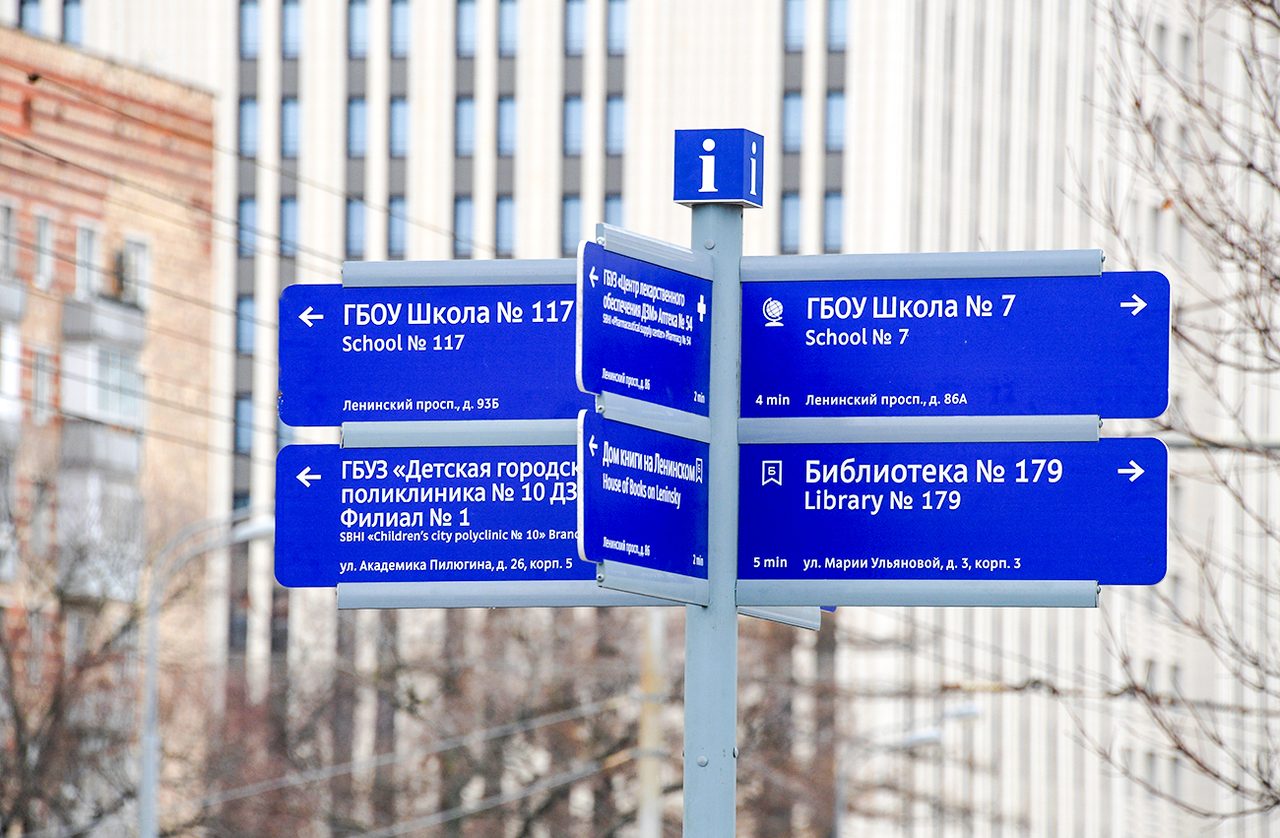
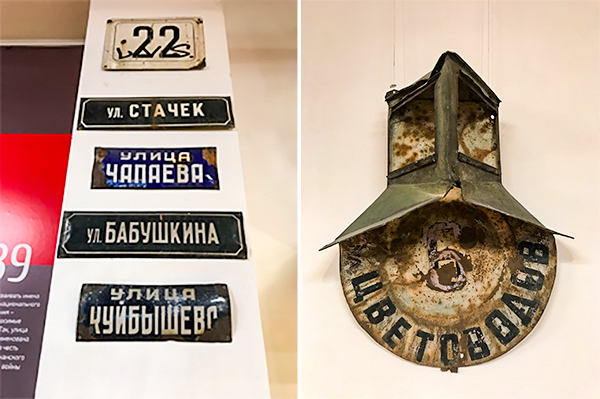
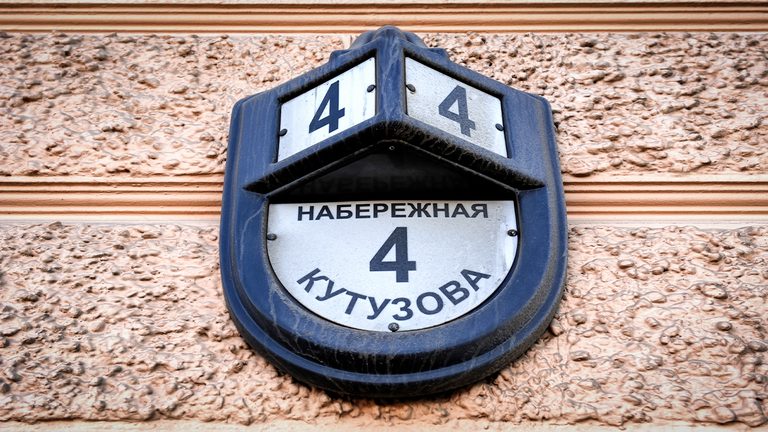
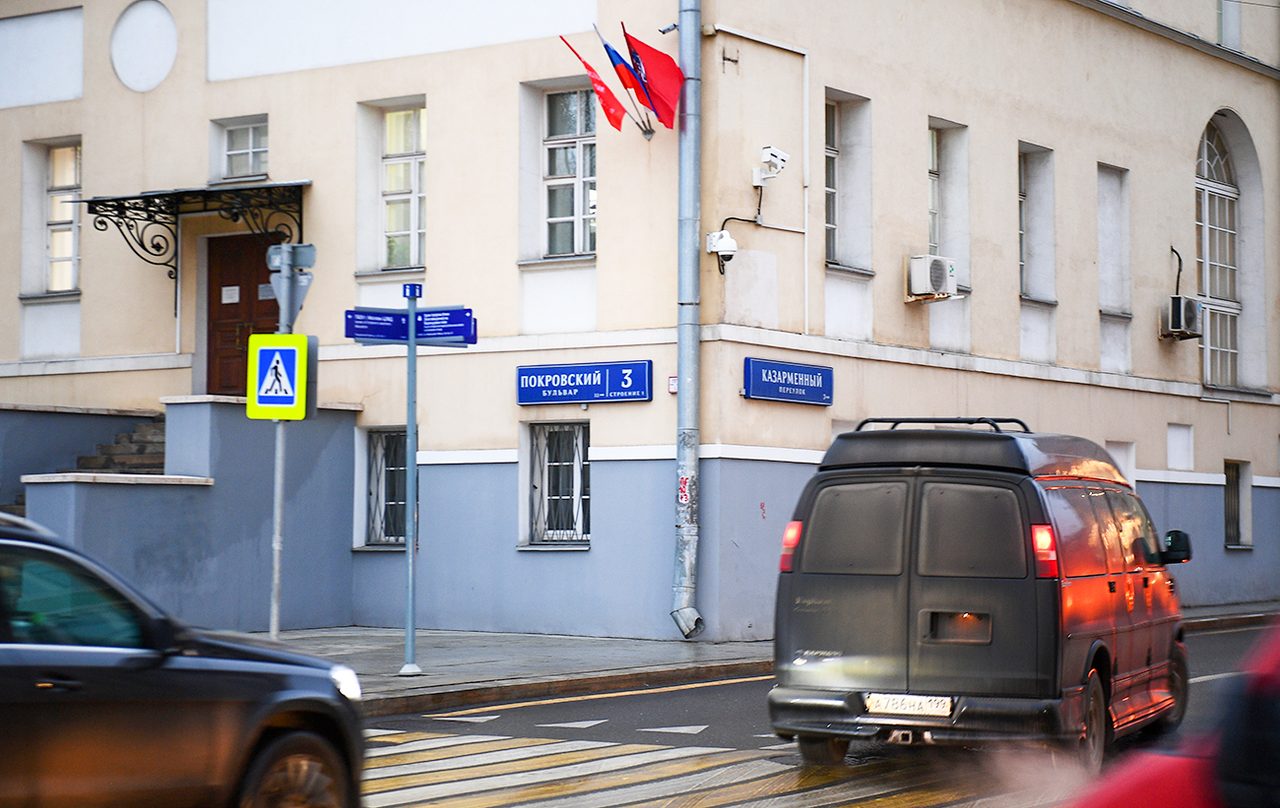
In Russia, signs with the street name, building number, ‘korpus’ and ‘stroenie’ are attached to each building. In most cases, they are in Russian, although, in tourist areas, they may also be duplicated in English.
Street signs are also found on roads: for drivers on tall poles and for pedestrians on shorter poles.
If you don't speak Russian, try using a photo translation app.
Types of streets & roads
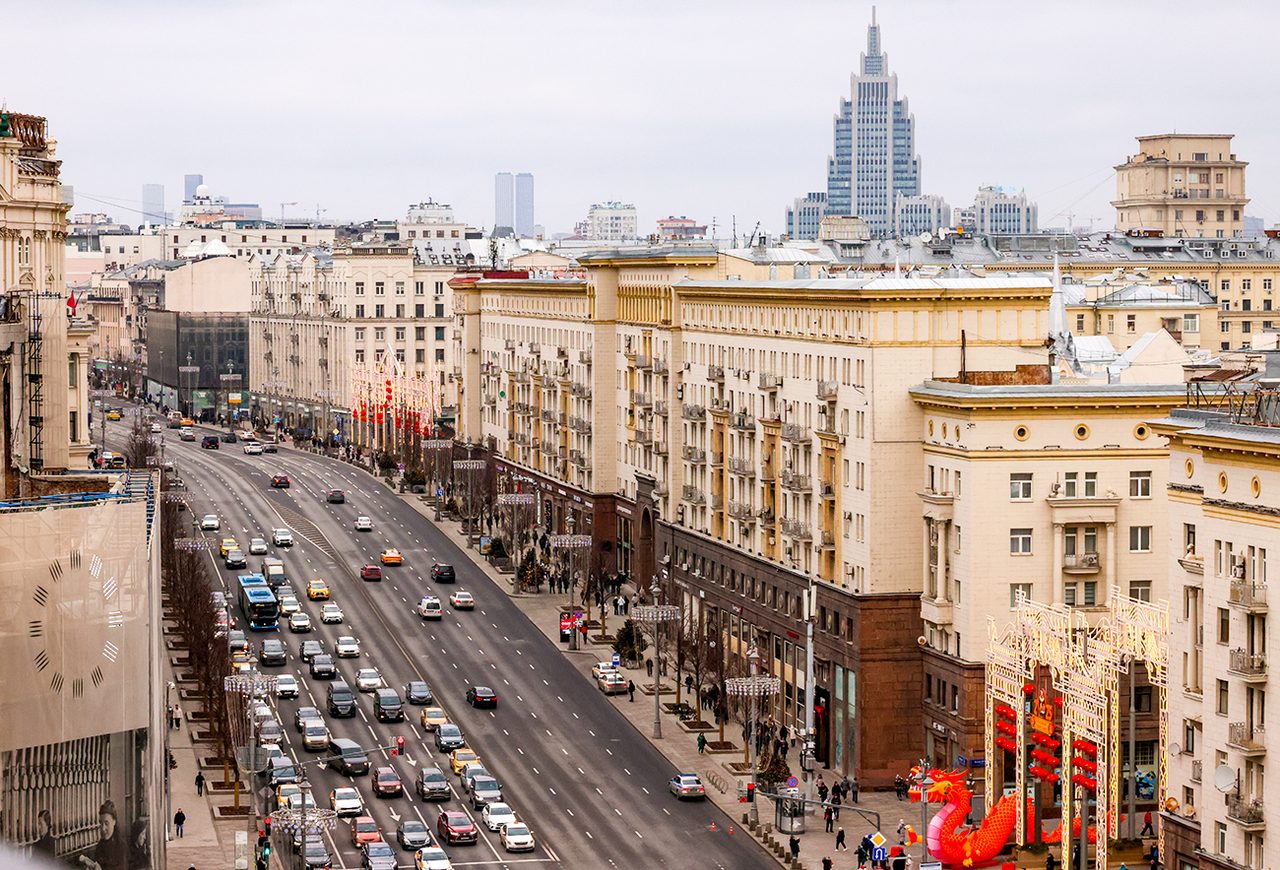
When searching for an address in a navigator, you need to know that a street can be named in different ways.
– ‘Ulitsa’ – street (Улица, ул.): The default standard. (eg. Tverskaya Ulitsa)
– ‘Prospekt’ – Avenue (Проспект, пр-т): A wide and long street, usually straight as an arrow. The main arteries of the city (eg. Nevsky Prospekt).
– ‘Pereulok’ – Lane (Переулок, пер.): A small street that connects larger ones (eg. Pereulok Vasnetsova).
– ‘Shosse’ – Highway (Шоссе, ш.): A suburban highway or a wide thoroughfare leading out of the city (eg. Varshavskoye Shosse).
– ‘Naberezhnaya’ – Embankment (Набережная, наб.): A street running along a river or canal (eg. Pushkinskaya Naberezhnaya).
– ‘Bulvar’ – Boulevard (Бульвар, б-р): A wide street with a pedestrian alley in the middle (eg. Andreevsky Bulvar).
– ‘Ploshchad’ – Square (Площадь, пл.): An open space where several streets converge (eg. Ploshchad Revolyutsii).
The building address
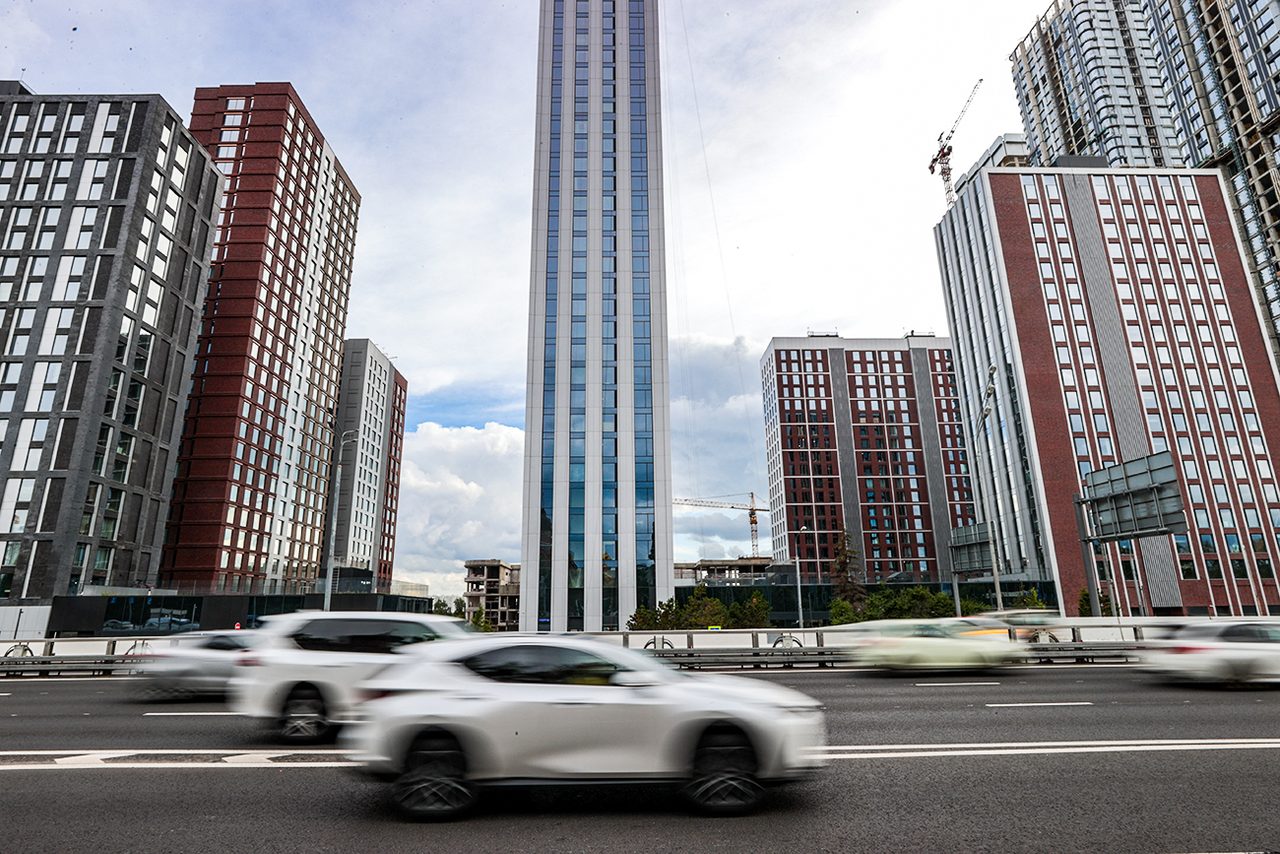
In Russia, a ‘dom’ (‘house’) is often an entire complex of buildings.
– ‘Dom’ – House (Дом, д.): This is the main number for the building on the street. For example, d. 25. However, if a building stands at an intersection, it may have a number written as a fraction: d. 25/11. The second number is the number from the intersecting street. Even and odd-numbered buildings are, in most cases, located on opposite sides of a street.
– ‘Korpus’ - Section/Block (Корпус, к.) and ‘Stroenie’ – Building (Строение, стр.). Used if a building is long and consists of several sections or if there is a separate building in the courtyard belonging to the same address. In very rare cases, letters ‘A’, ‘B’, ‘V’, etc., are also added to the building address. This is usually for buildings constructed at different times on the same plot.
– ‘Vladenie’ – Property (Владение, вл.): Typically used for large territories or business centers. It means that the entire land plot belongs to one address and there may be many buildings on it.
– ‘Podezd’ – Entrance (Подъезд, п.): Apartment buildings usually have several entrances/stairwells. The number of the needed entrance is typically indicated directly above the door.
In modern residential complexes, they sometimes write the section (секция) number instead of the entrance number. In practice, this is the same thing.
– ‘Etazh’ – Floor (Этаж): In Russia, numbering starts from the first floor; there is no "Ground floor". Floors are numbered consecutively without skipping (and, yes, the 13th floor also exists!).
– ‘Kvartira’ – Apartment/flat (Квартира, кв.): Also numbered consecutively. Often, on the entrance door, you can even see which apartments are on which floors. In administrative buildings, this is the office number (‘kabinet’, каб.) or premises number (‘pomeshchenie’, пом.).
Bonus: St. Petersburg
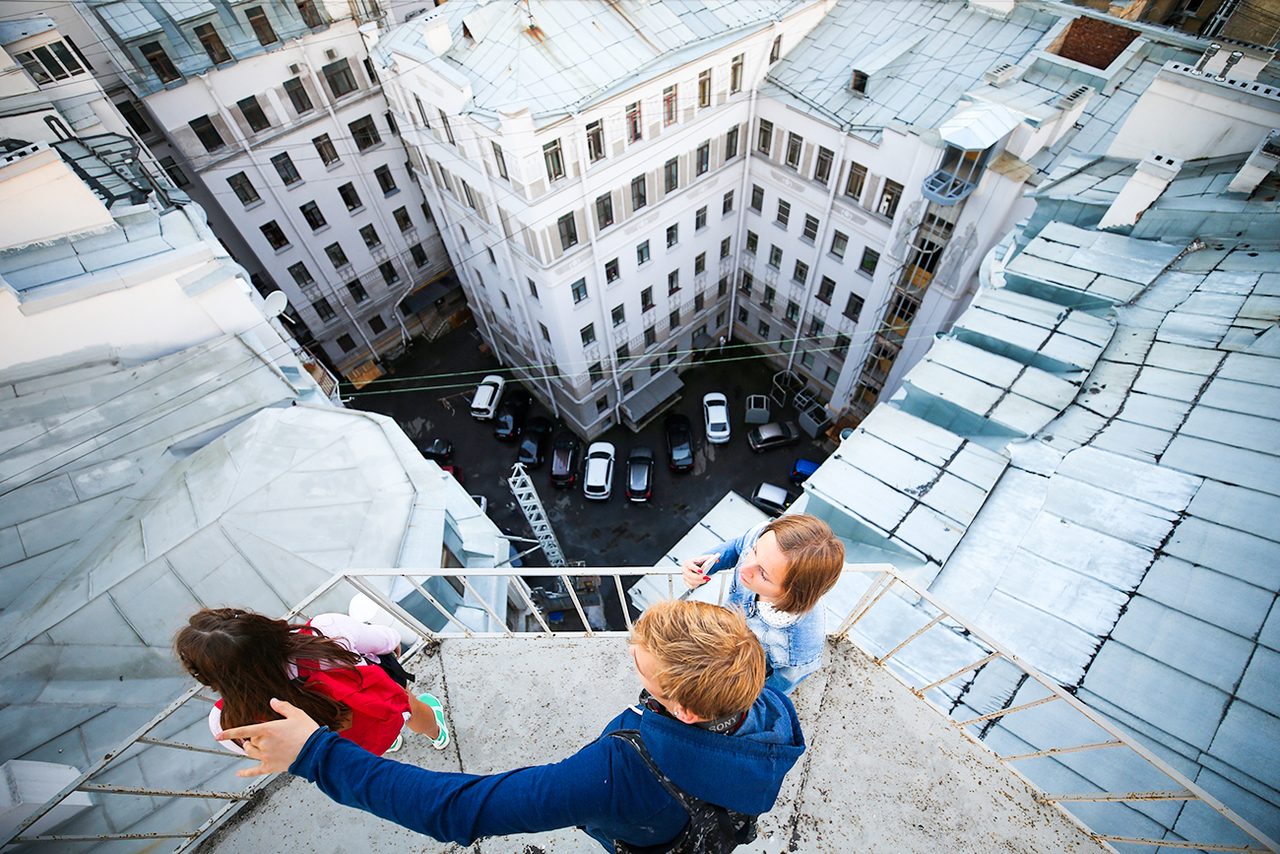
In this city, addresses have their own historical character and are written slightly differently.
The entrance to the desired building often leads through arches and enclosed courtyards.
And if you find yourself on Vasilyevsky Island, instead of streets, you'll see "lines". For example: 8-я линия В.О. (8th Line of the Vasilyevsky Island). Building numbers run not along, but across the lines. It's manageable with a bit of practice. Or even better, use a navigator. Here we talk about useful apps for tourists.