
How a Russian teacher works in Algeria


Elena Kulagina teaches Russian to students through the ‘Russian Teacher Abroad’ program. She chatted with Gateway to Russia and explained how to get into her classes.
Russian language in Algeria
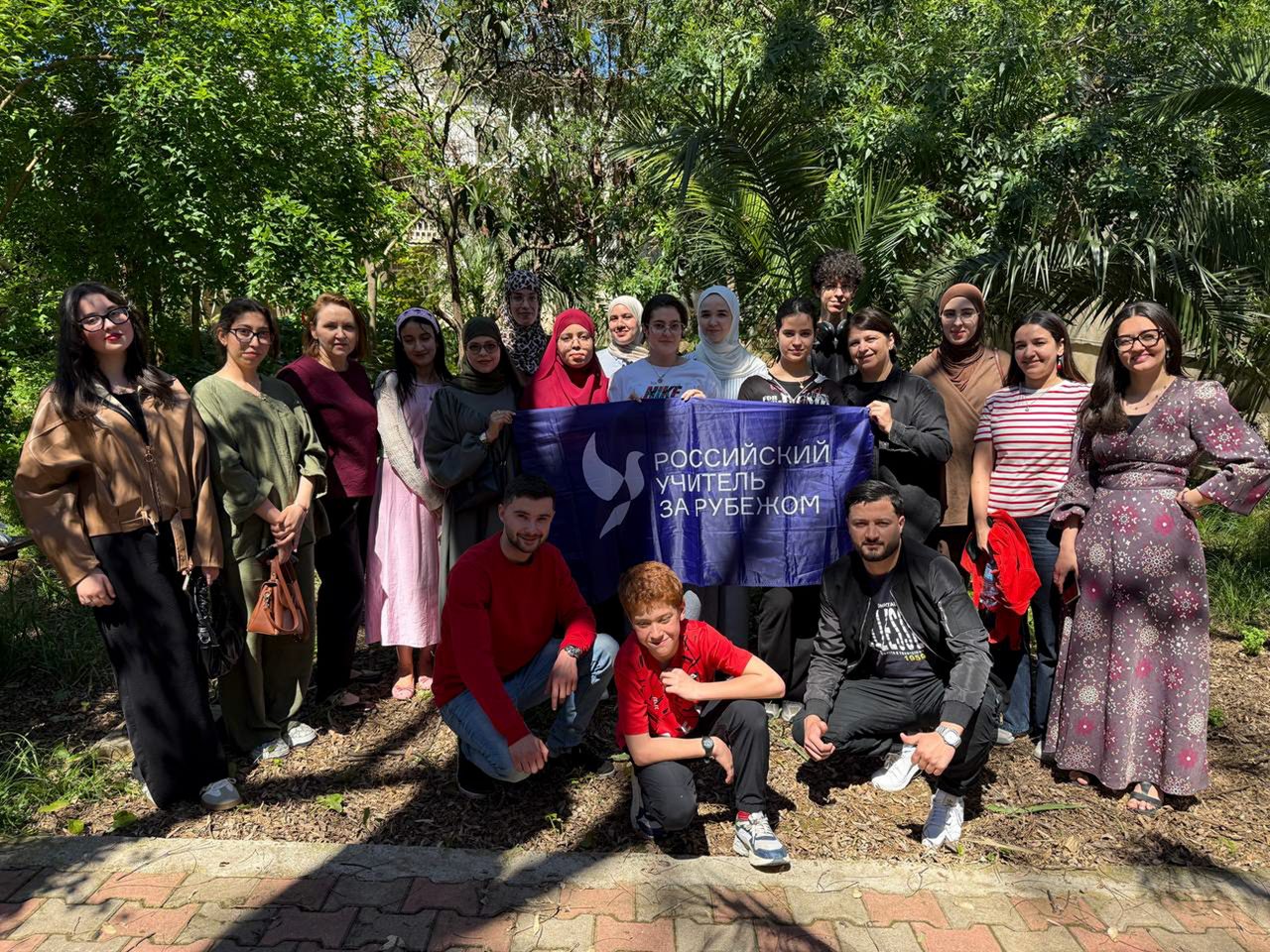
"I've always dreamed of working as a Russian language teacher," says Elena Kulagina. She has been teaching Russian as a foreign language for three years at the Russian Language Learning Center at the University of Algiers-2 in the country's capital region. She works there through the "Russian Teacher Abroad" program, which is implemented by the Center for International Cooperation with the support of the Russian Ministry of Education. There are already several such centers in Algeria where locals can study Russian completely free of charge.
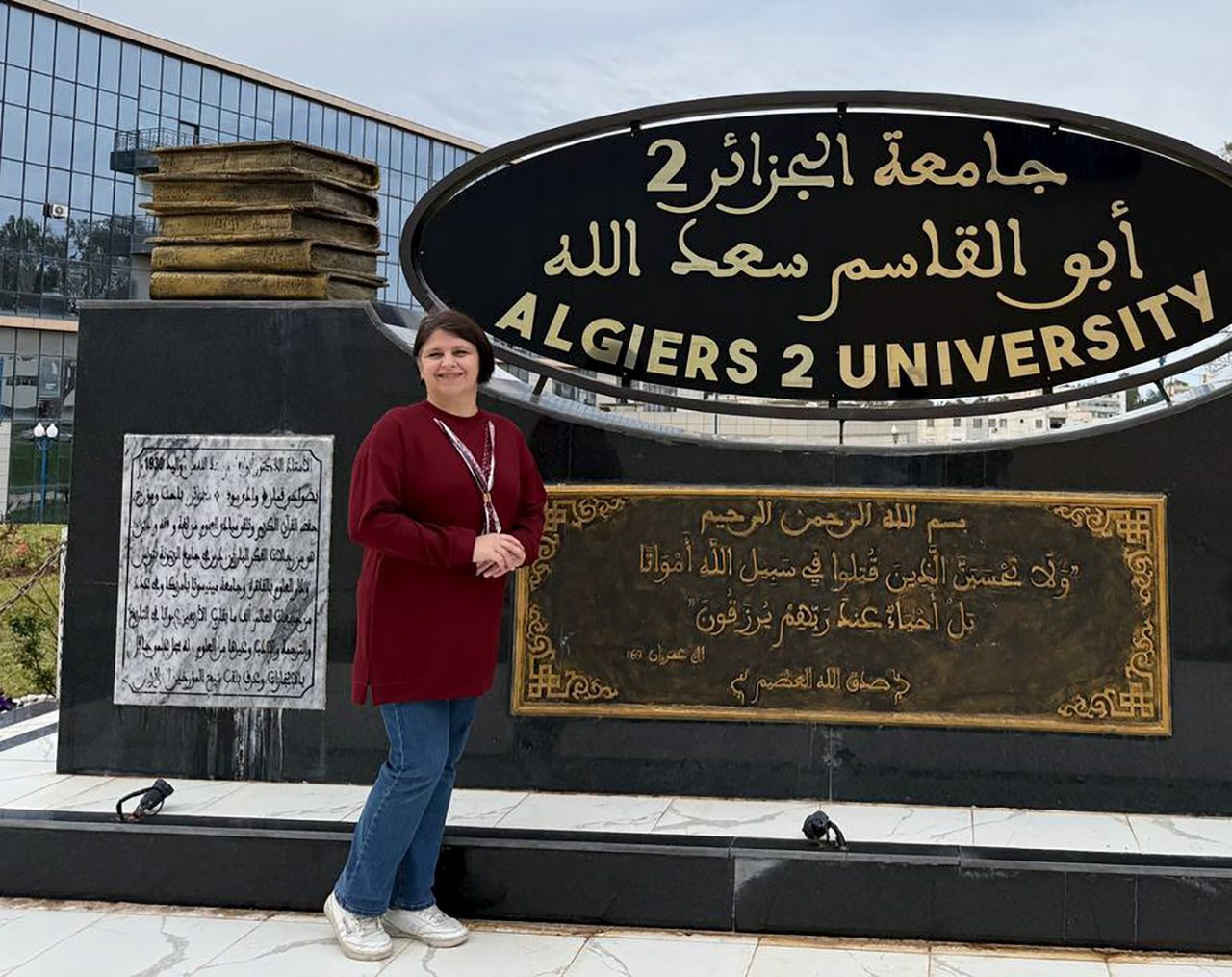
"I never even thought I’d be accepted onto this project. But when the center opened and teachers from Russia arrived, I started looking into whether my participation on an official basis was possible," Elena shares.
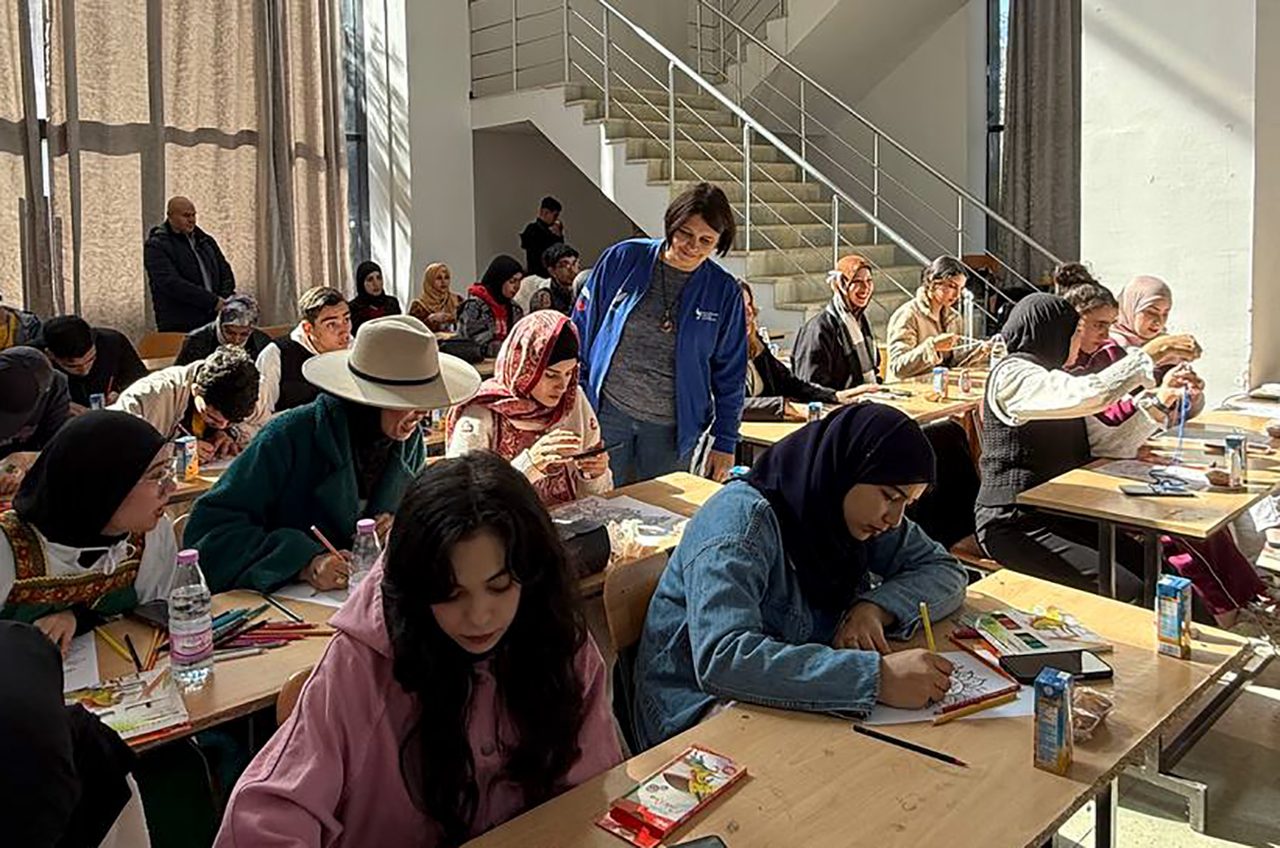
Elena used to give private Russian lessons and run courses at an association of compatriots in Algeria for several years. She now primarily teaches university students.
Cultural diplomacy
Over the years of her work, Elena has picked up on a unique feature of the local audience. The courses at the center are free, which means students aren’t as financially motivated as they are genuinely interested. And that interest grows year by year.
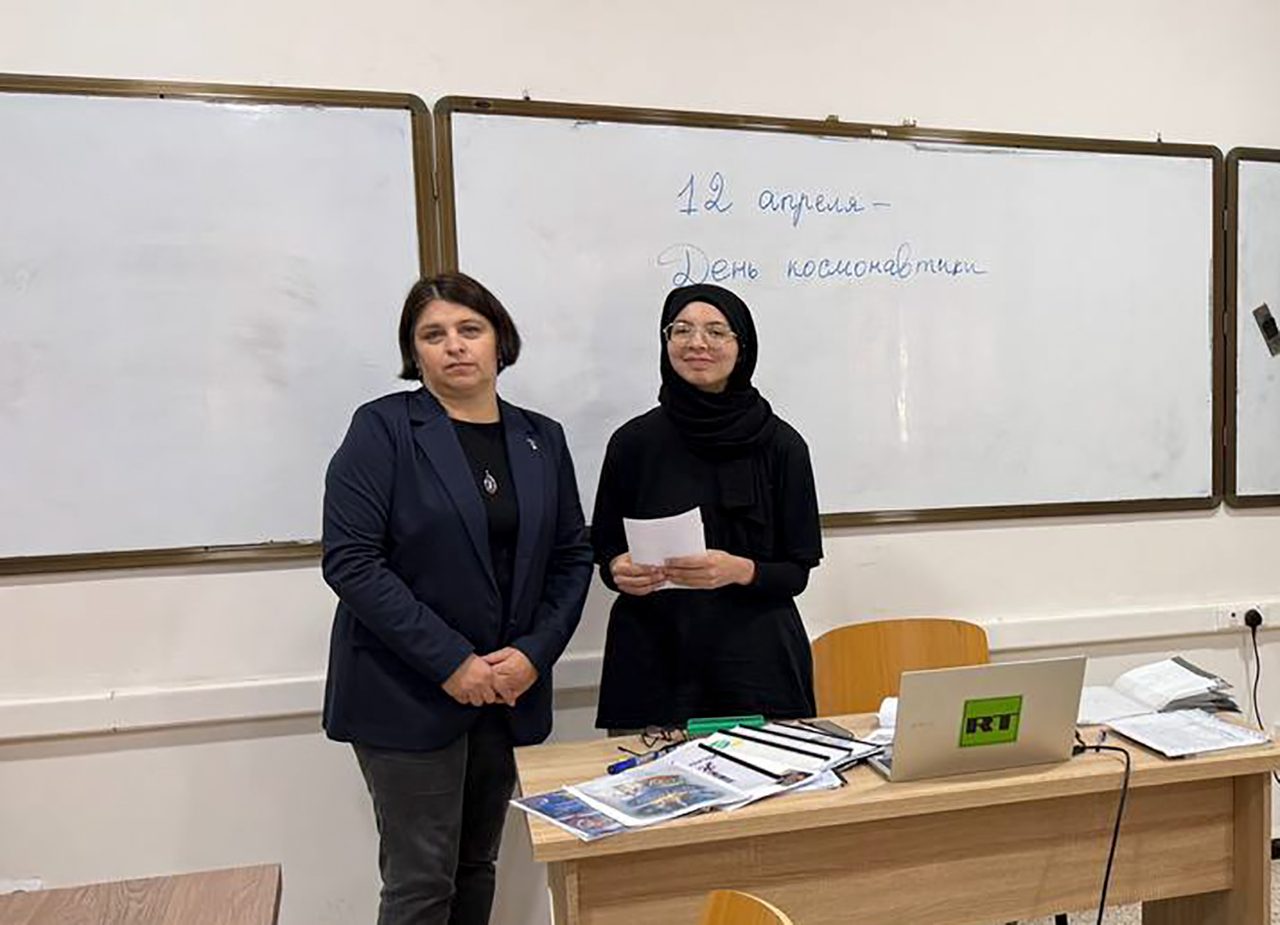
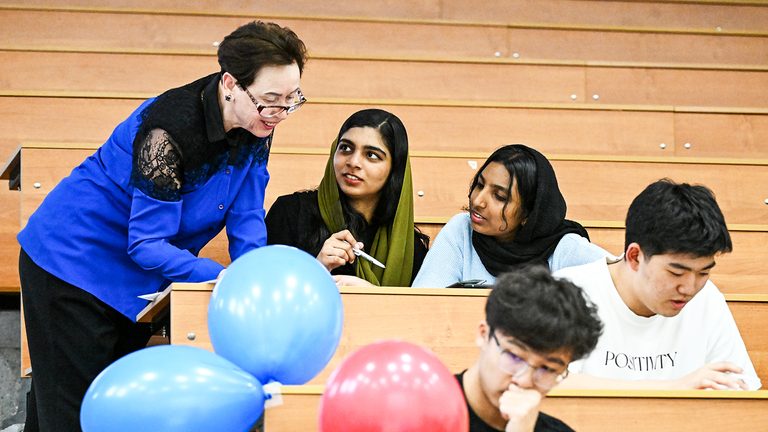
"Last year about 250 people signed up. I had four groups of 20 students each. There are indeed many willing participants, but not everyone makes it to the end – it's hard to combine with their main studies. So the teacher's task is to retain the students," Elena notes.
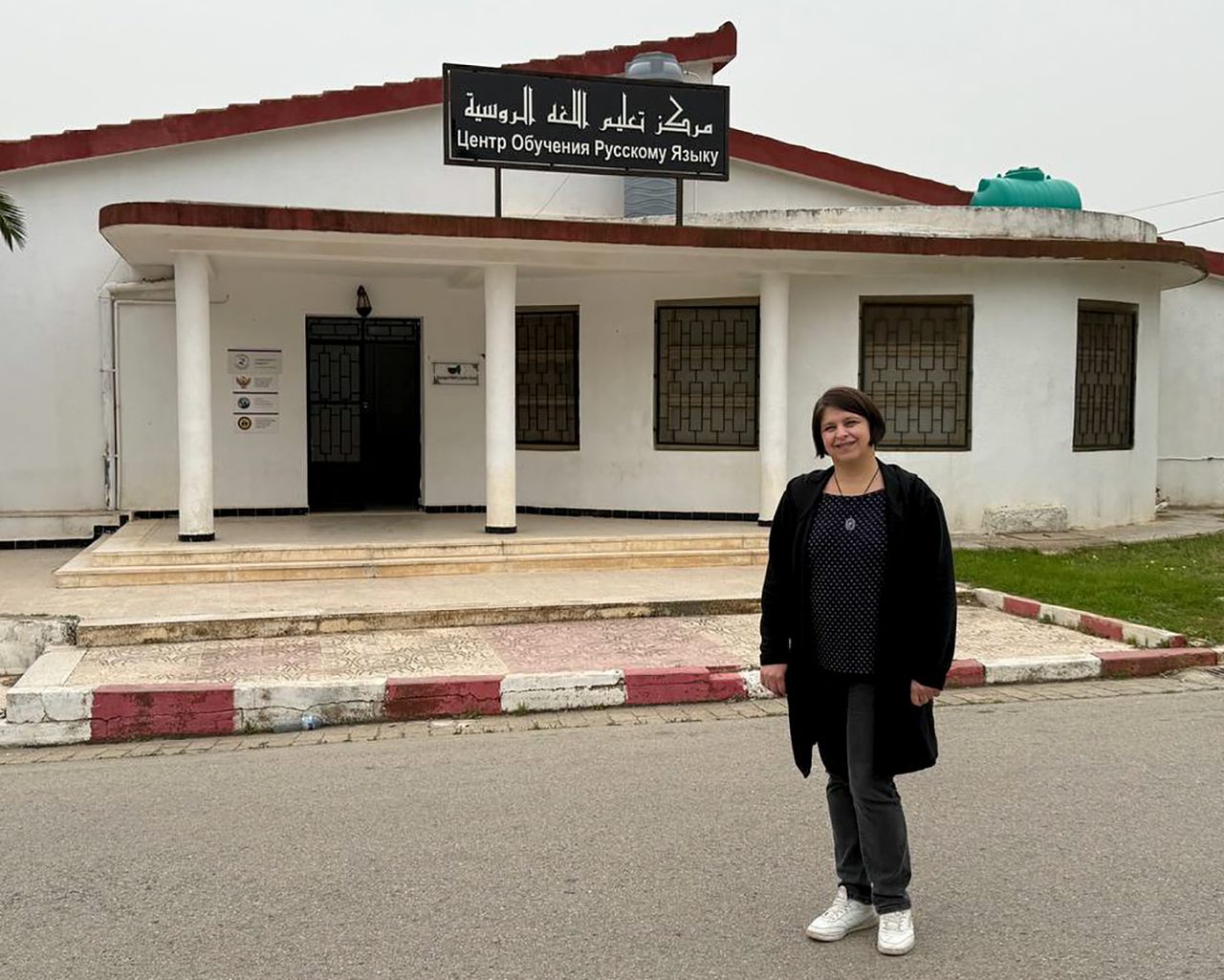
"We can only offer interesting lessons and engagement in dialogue. The most important goal is getting students to speak and communicate. Rarely does anyone need perfect written grammar unless they're a philology major. People learn a language for communication. You can't do without grammar, but practice comes first. So that when a person goes to Russia, they can apply their knowledge," she emphasizes.
Difficulties encountered
One of the challenges Algerian students face is motion verbs. "In Arabic, there is no difference between 'goon foot’ and 'goby transport’," Elena explains. "Moreover, there is no difference between 'walk' and 'ride.' That is, everything is expressed with the same word. And because of this, it's quite difficult to explain how to correctly use motion verbs in a Russian-language context."
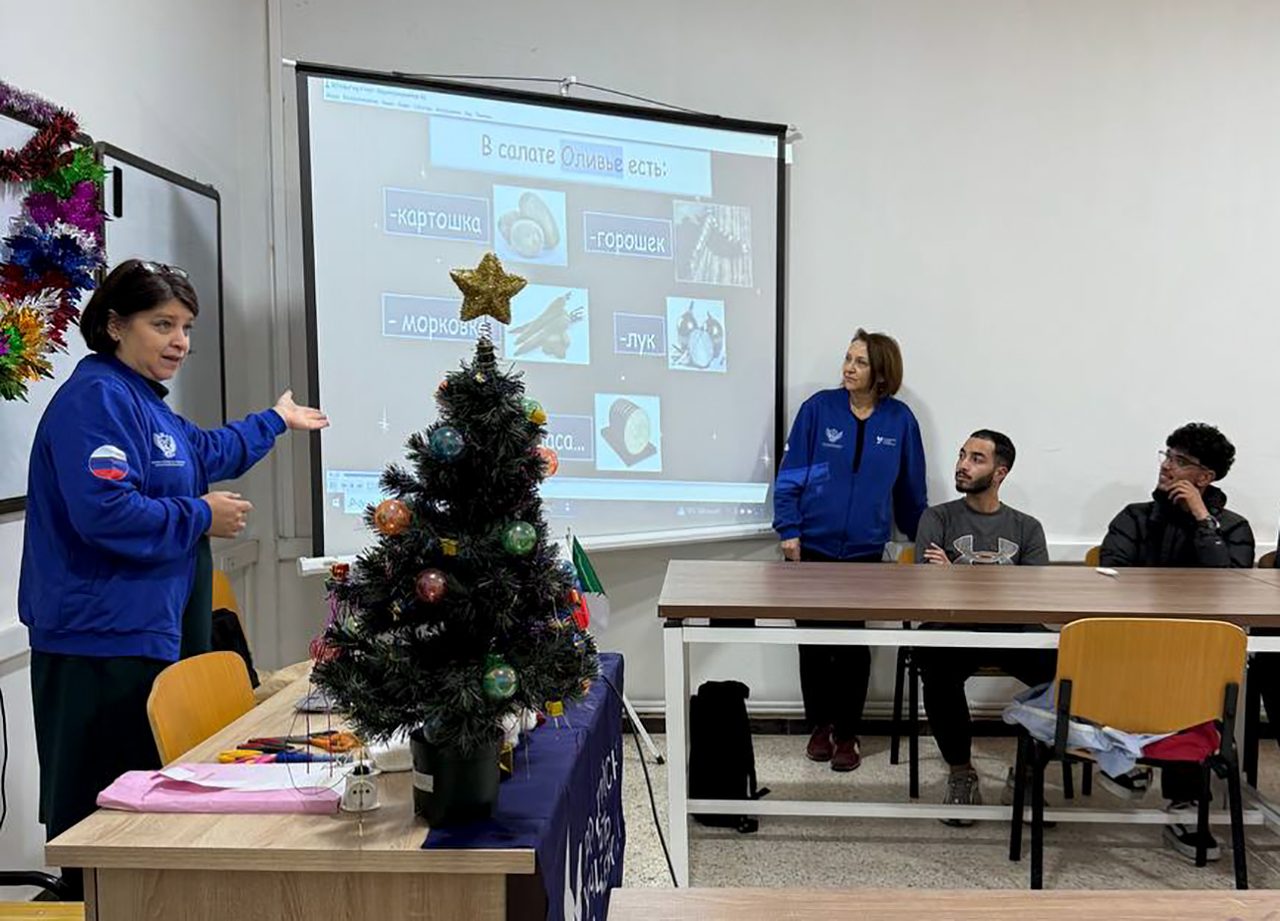
But they did find a solution: Russianvmotion verbs are explained using cartoons and video clips, both Russian and Algerian. "We describe what the characters are doing, where they're going, where they're coming from, whether they're walking, running, or riding," Elena says.
As for the pronunciation of soft and hard consonants, which initially causes difficulties for students, it is fairly easy to correct during classes, the teacher notes. This is because Algerians grow up hearing at least two languages (Arabic and French), so they have well-developed phonetic awareness.
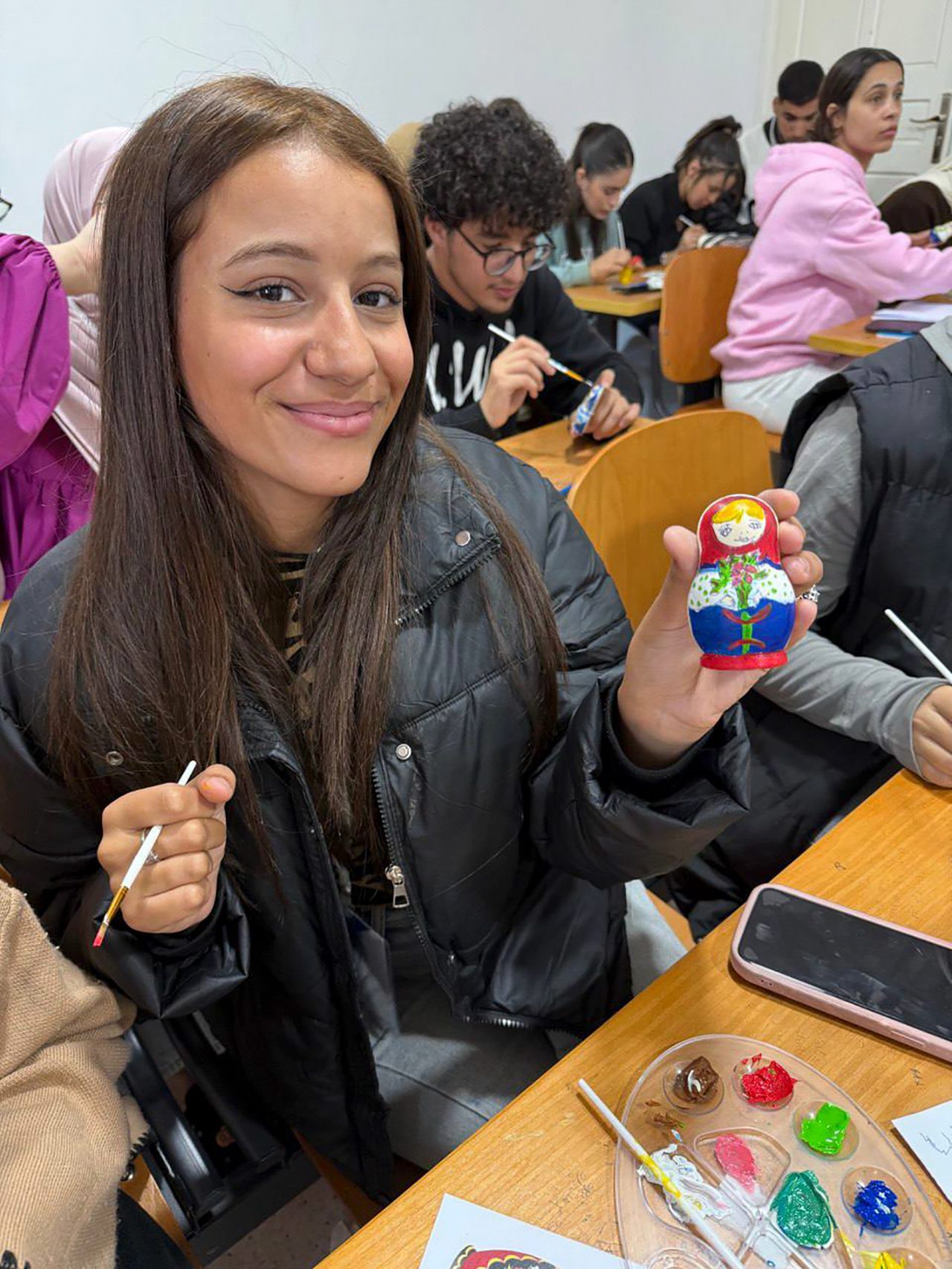
Learning poems and songs helps students read texts with the correct intonation. "And, by the way, Algerians enjoy this, since almost all of them have a good ear for music and a sense of rhythm," says Elena.