

Why a Russian emperor BANNED these Russian words
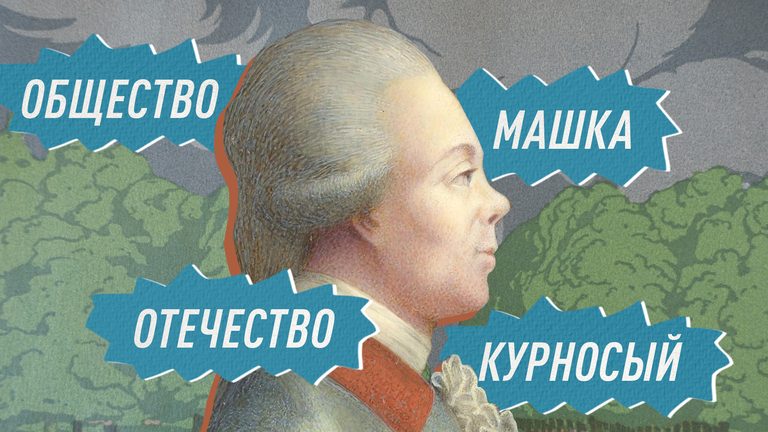
At the turn of the 19th century, short-reigning Tsar Paul I actively took it upon himself to reform the Russian language. He proposed renaming some concepts and banning others outright.
Compiling a reliable list of words that Paul I personally banned is quite difficult. There aren’t many original documents signed by the emperor himself, so we can only rely on the accounts of contemporaries.
1. ‘Общество’ (‘obshchestvo’ – 'society')
The tsar ordered that this word should “not be written at all”. In the text of the decree stored in the Winter Palace fund among the papers of Prince Konstantin Pavlovich (Paul I's son), 'общество' is proposed to be replaced with 'собрание' ('sobranie' – ‘assembly’).
'Общество' evokes associations with something unified and cohesive, with people acting as one living organism: one can say “общество этого требует” (“obshchestvo etogo trebuyet” – “society demands this”), “общество устало” (“obshchestvo ustalo” – “society is tired”), whereas 'подданные' ('poddannye' – ‘subjects’) merely ask for mercy.
2. ‘Отечество’ (‘otechestvo’ – 'fatherland')
Instead of 'отечество', the word 'государство' ('gosudarstvo' – ‘state’) was to be used. 'Государство', unlike 'отечество', directly refers to the sovereign. The French word 'patrie' (from the Latin word ‘patria’, or 'fatherland', going back to ‘pater’ or 'father') emphasized that the homeland belongs to the people and is not the private domain of the monarch.
The same considerations can explain the rejection of the word 'граждане' ('grazhdane' – ‘citizens’): it denotes people endowed with political rights, not merely inhabitants of a country. Instead, the words 'жители' ('zhiteli' – ‘residents’) or 'обыватели' ('obyvateli' – ‘inhabitants’) were to be used.
3. ‘Машка’ (‘Mashka’ – diminutive of ‘Maria’)
“The police, under the guise of wishing to please the new emperor, made strange orders on their own; for example, the use of the words 'курносый' ('kurnosy' – ‘snub-nosed’) and 'Машка' ('Mashka') was forbidden.”
The word 'курносый' could “conceal a disrespectful hint” at the tsar's appearance and the word 'Машка', a diminutive form of the name ‘Maria’, could hint at his wife Maria Feodorovna. According to urban legend, Paul banned calling goats, dogs and other domestic animals ‘Mashka’.
A full version of this article can be found (in Russian) on the Gramota.ru website.