
How a Canadian tried to take an ISLAND from Russia
At one point, three powers began laying claim to a remote uninhabited island in the Arctic: the United States, Canada and Soviet Russia.
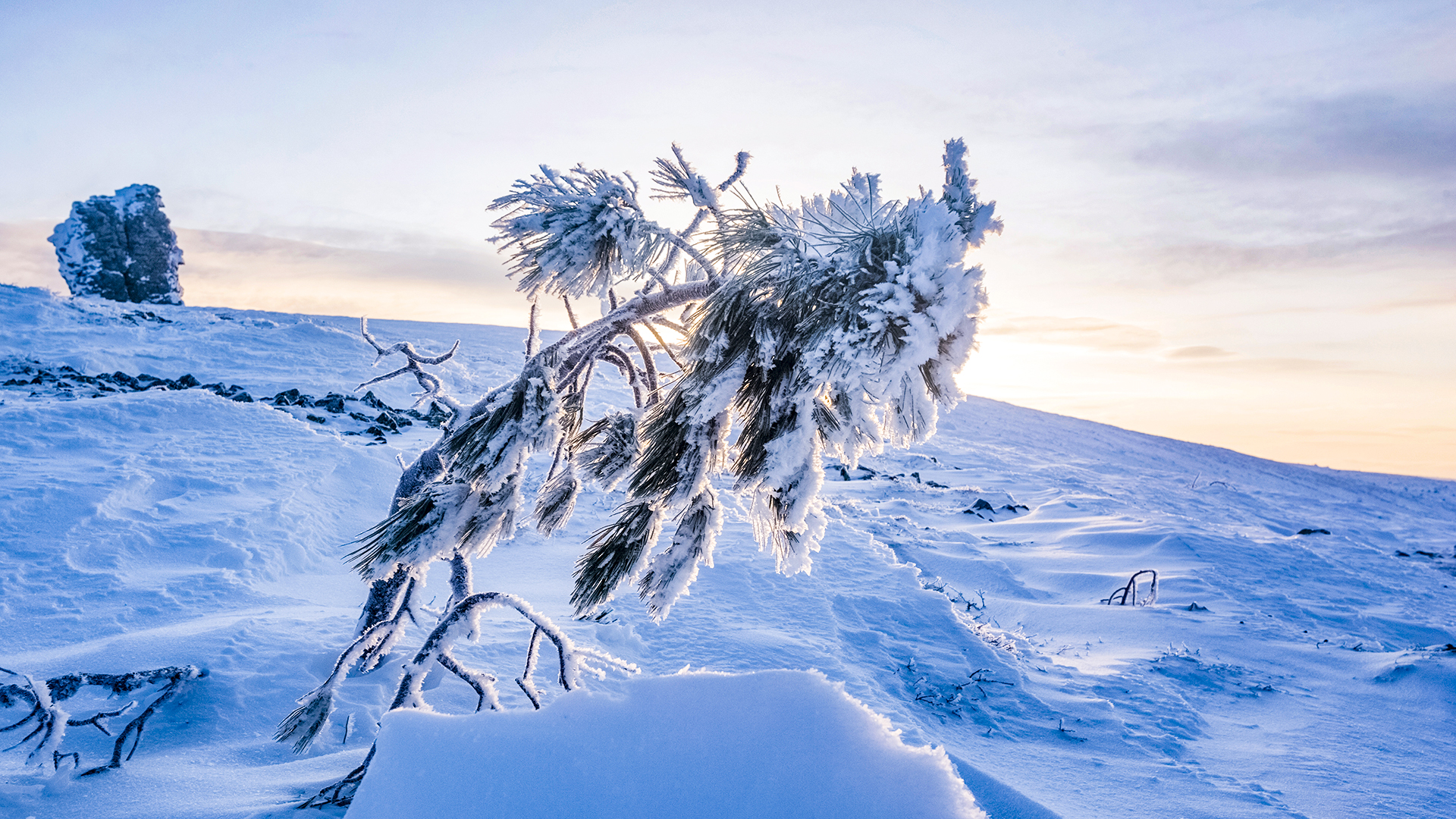
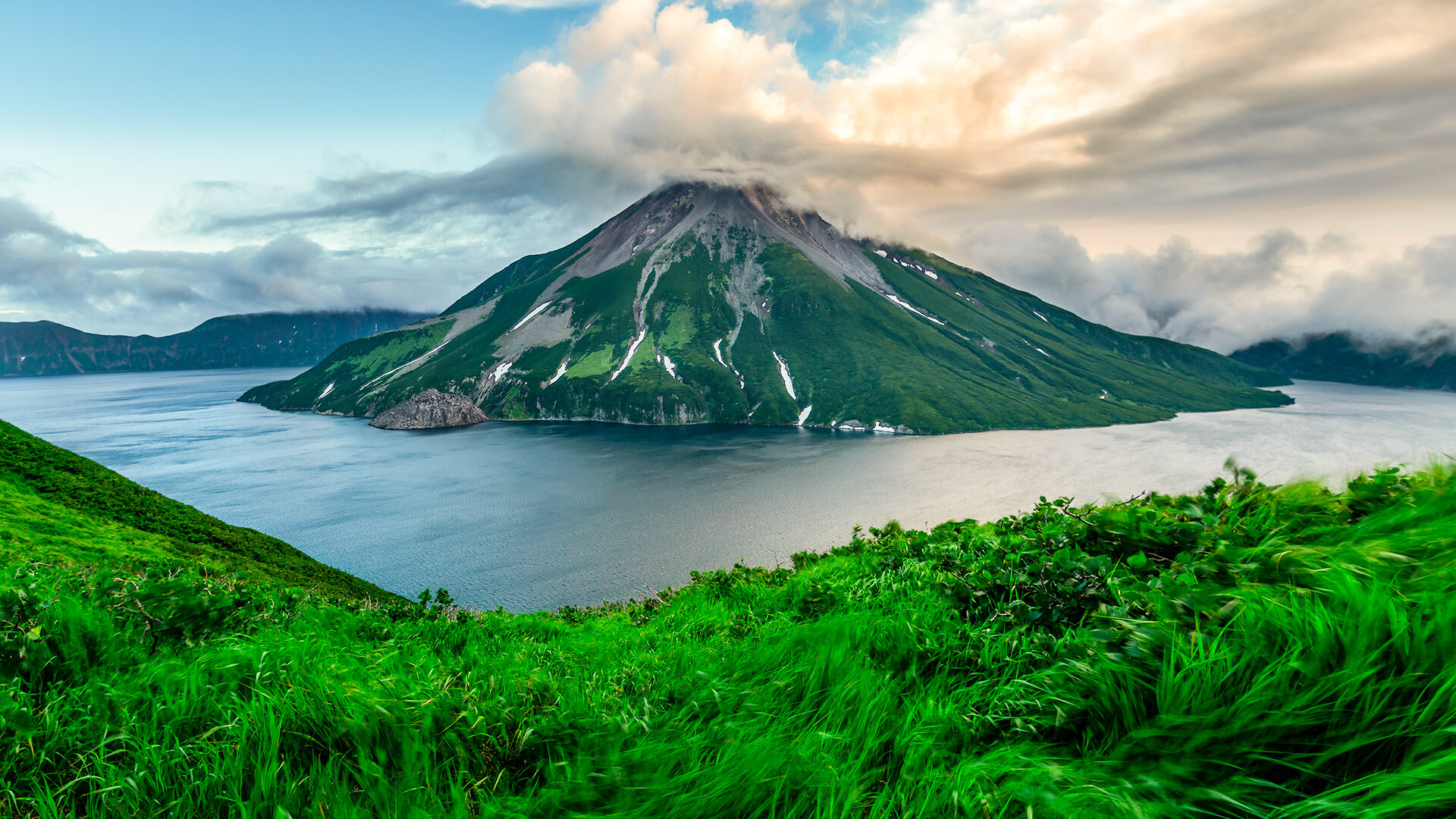
It's larger in area than Denmark’s Zealand Island and only slightly smaller than Crete. The vast, uninhabited Wrangel Island is located in the Arctic Ocean, 140 km north of the Chukotka Peninsula.
In 1916, the Russian Empire claimed the island as its territory. However, the country soon plunged into the depths of the Civil War and the West decided to reconsider its ownership.
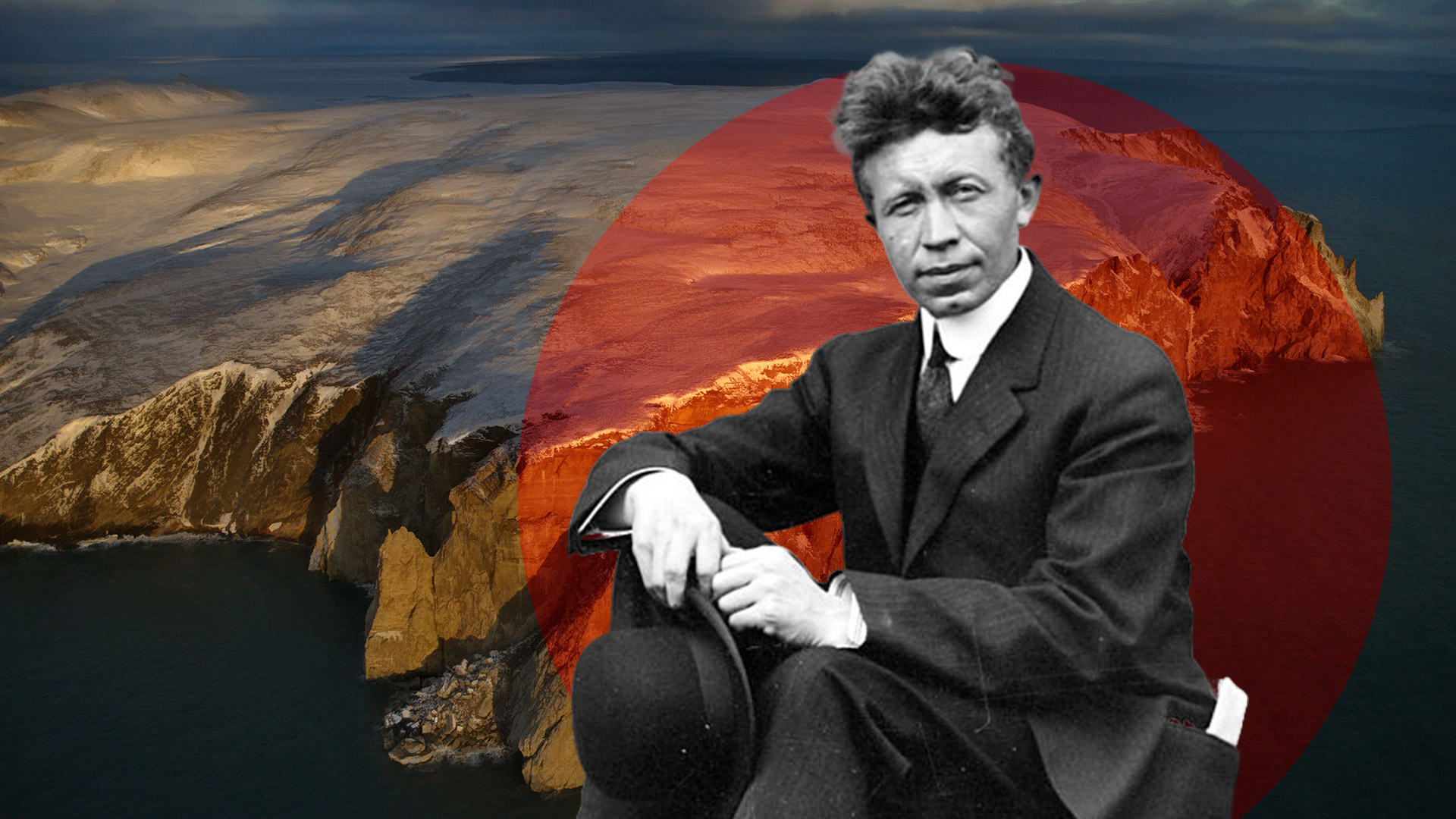
The initiative was put forward by Canadian polar explorer Vilhjalmur Stefansson. He declared that Canada and, therefore, the British Empire should take the island for themselves. After all, it was of great strategic importance, with potential for submarine bases and airfields for military aircraft.
While London and Ottawa were debating the idea, Stefansson assembled a group of enthusiasts – four Americans and one Inuit woman – and sent them to the island. In September 1921, they raised the Canadian and British flags and ceremoniously declared the territory part of the British Empire.
But, a tragic fate awaited the group – only the woman ended up surviving the harsh conditions. However, Stefansson did not give up and sent a second group of colonists, this time consisting of an American and 13 Inuit, to Wrangel Island.
At first, the United States was outraged that its citizens were raising foreign flags. Then, they themselves laid claim to the island, since their sailors had landed there in 1881.
When the Russian Civil War ended in 1922, Soviet diplomats entered the territorial dispute. They achieved their goal and the Western powers were forced to retreat.
In August 1924, the Soviet flag was raised on the island and all the colonists were evacuated.